
Business
What Are the Requirements to Start a UAE Free Zone Company?


Can I Start a Business in a UAE Free Zone? A Complete Guide
Starting a business in the United Arab Emirates is an attractive option for entrepreneurs, investors, and international companies. With a business-friendly environment, modern infrastructure, and access to global markets, the UAE offers several opportunities for new businesses. One popular option is to establish a company in a free zone.
But can you start a business in a UAE free zone as a foreign investor? Yes. Many UAE free zones allow 100% foreign ownership and offer different business licenses, registration options, and office packages. However, the requirements, costs, and permitted activities depend on the free zone you choose.
At Business Setup Consultancy, we help entrepreneurs understand their options and navigate the company formation process to make informed decisions about starting a business in the UAE.
What Is a UAE Free Zone?
A UAE free zone is a designated economic area where businesses can register and operate under the rules of its governing authority. Free zones are designed to attract foreign investment and support industries such as trading, technology, consulting, logistics, manufacturing, and e-commerce.
Each free zone has its own licensing procedures, approved business activities, and registration requirements. Some specialize in particular industries, while others support a wide range of commercial and professional services.

Choosing the right free zone depends on your business activity, target market, budget, and operational needs.
Can Foreigners Start a Business in a UAE Free Zone?
Yes, foreign nationals can generally establish a company in a UAE free zone without requiring a UAE national shareholder, subject to the applicable regulations and business activity.
This makes free zone company formation an appealing option for international entrepreneurs who want to establish a UAE presence.
Before registering, consider these important factors:
- Your proposed business activity and license type.
- The number of shareholders and required documents.
- Office or workspace requirements.
- Residence visa eligibility and associated costs.
- Corporate bank account requirements.
- Whether you plan to sell products or services directly in the UAE mainland.
Understanding these factors can help you choose an appropriate business setup package and avoid unexpected expenses.
What Businesses Can You Start in a UAE Free Zone?
UAE free zones support a variety of business activities, depending on the authority and license.
1. E-commerce Business
Entrepreneurs can establish an online business to sell approved products or services. An appropriate e-commerce or commercial license may be required, depending on the business model.
2. Consultancy Services
Management consulting, marketing, IT consulting, and other professional services may be available under professional or service licenses.
3. Trading and Import-Export
Businesses can apply for suitable trading licenses to buy, sell, import, or export permitted products, subject to customs and other applicable regulations.
4. Technology and Digital Services
Software development, web design, digital marketing, and technology-related activities are available in various free zones.
5. Manufacturing and Logistics
Certain free zones provide facilities for manufacturing, warehousing, distribution, and logistics businesses.
Before selecting a free zone, confirm that it permits your intended activity and supports your business requirements.
Benefits of Starting a Business in a UAE Free Zone
Setting up a company in a UAE free zone offers several potential advantages.
100% foreign ownership: Many free zones allow international investors to own their companies fully, subject to the relevant regulations.
Flexible setup packages: Depending on the free zone, entrepreneurs may choose from different license types, office arrangements, and visa packages.
International business opportunities: Free zones can support international trade, cross-border services, and access to global markets.
Industry-specific facilities: Some free zones provide specialized infrastructure for technology, logistics, manufacturing, media, and other industries.
Potential tax benefits: Qualifying Free Zone Persons may benefit from a 0% corporate tax rate on qualifying income if they meet the applicable conditions. A free zone company does not automatically qualify for this rate on all its income.
Business visa options: Eligible companies may apply for investor or employee visas, depending on the relevant authority, package, and immigration requirements.
These benefits can make free zones suitable for startups, established businesses, and overseas investors looking to expand into the UAE.
What Are the Requirements for UAE Free Zone Company Formation?
The requirements vary by free zone, business activity, and company structure. However, applicants commonly need:
- A valid passport copy for each shareholder.
- An approved company name.
- Details of the intended business activity.
- A completed registration application.
- Shareholder and director information.
- An office or workspace arrangement, where required.
- Additional approvals for regulated activities, if applicable.
Some authorities may request a business plan, proof of address, or further supporting documents.
Preparing the required paperwork before applying can make the registration process more efficient.
How to Start a Business in a UAE Free Zone
The UAE free zone company formation process generally involves the following steps.
Step 1: Choose Your Business Activity
Identify the products or services your company will provide. Your selected activity determines the license you need and which free zones are suitable.
Step 2: Select the Right Free Zone
Compare available free zones based on their licensing options, location, fees, industry specialization, visa packages, and office requirements.
Step 3: Reserve Your Company Name
Submit your preferred trade name for approval according to the free zone authority’s naming rules.
Step 4: Submit the Application
Complete the registration application and provide the required documents. Additional approvals may be necessary for certain activities.
Step 5: Obtain Your Business License
Pay the applicable fees and complete the authority’s requirements to receive your business license and registration documents.
Step 6: Arrange Visas and Banking
If required, apply for residence visas, complete immigration formalities, and approach a UAE bank to open a corporate account. Account approval depends on the bank’s due diligence and eligibility requirements.
The exact process and timeline depend on the chosen free zone and the nature of your business.
How Much Does It Cost to Start a Business in a UAE Free Zone?
The cost of UAE free zone company formation depends on several factors, including the location, business license, number of visas, and office requirements.
Your total budget may include:
- Company registration and license fees.
- Trade name reservation charges.
- Office or flexi-desk rental.
- Establishment card and immigration fees, where applicable.
- Visa, medical examination, and Emirates ID costs, if required.
- Additional approvals and professional service fees.
Some free zones offer packages for startups and small businesses, while companies requiring physical offices, multiple visas, or specialized facilities may have higher costs.
Always request an itemized quotation and check renewal fees before making a decision.
Can a UAE Free Zone Company Operate on the Mainland?
A free zone company can conduct activities permitted by its license, but operating directly in the UAE mainland may involve additional requirements.
Depending on the emirate, activity, and applicable regulations, the company may need additional licensing or approvals, a mainland branch, an appropriate permit, or a licensed distributor.
If your main customers are based in the UAE mainland, compare free zone and mainland company formation before registering. The best option depends on how you intend to conduct business and where you plan to serve customers.
UAE Free Zone vs. Mainland Company Formation
Both options can be suitable, but they serve different business needs.
A free zone company may be appropriate for international trade, online businesses, and eligible professional services. A mainland company may be more suitable for businesses that need broader direct access to customers across the UAE.
Compare the following factors before deciding:
- Permitted business activities.
- Total setup and annual renewal costs.
- Office and visa requirements.
- Access to target customers.
- Licensing and operational restrictions.
- Tax and compliance obligations.
The cheapest package is not necessarily the best choice. Select a structure that supports your long-term business goals.
Why Choose Business Setup Consultancy?
Choosing a suitable free zone can be challenging when you need to compare different authorities, licenses, fees, and registration requirements.
Business Setup Consultancy helps entrepreneurs understand their company formation options, evaluate suitable jurisdictions, and navigate the registration process. Our guidance can help you assess licensing requirements, prepare for setup costs, and identify the structure that aligns with your business objectives.
Whether you are launching a startup, establishing an e-commerce business, or expanding an existing company into the UAE, professional guidance can help you make a more informed decision.
Final Thoughts
Yes, you can start a business in a UAE free zone, and it can be an attractive option for both local and international entrepreneurs. Free zones offer a range of business activities, flexible registration options, and potential benefits for eligible companies.
Before proceeding, research the available free zones, confirm your license requirements, calculate your total costs, and determine whether you need direct access to the UAE mainland.
Business Setup Consultancy can help you explore suitable company formation options and understand the steps involved in establishing your business in the UAE.
Ready to start your UAE business? Contact Business Setup Consultancy to discuss your requirements and find a suitable business setup solution.
Author


Starting a mobile food business can be an exciting opportunity for aspiring entrepreneurs who want to serve customers at markets, festivals, private events, and busy commercial locations. However, success requires more than a good menu.
Business owners must consider equipment, food preparation, storage, workflow, budgeting, and local regulations. Exploring Food Trailer King can help prospective operators understand the available food trailer options and plan a setup that suits their business concept.
Careful preparation can help turn a food business idea into a practical operation with room to grow.
Choose the Right Food Business Concept
Before investing in a food trailer, decide what type of food you want to sell and who your customers will be. Your menu influences the equipment, storage capacity, workspace, and utilities your trailer needs.
For example, a coffee business may require a commercial coffee machine, grinder, refrigeration, and suitable water facilities. A burger or takeaway business may need fryers, griddles, refrigeration, and food preparation benches. Pizza businesses may require specialised ovens and additional space for preparing ingredients.
Research local demand, competitor offerings, customer preferences, and potential trading locations. A focused menu can make it easier to organise stock, train staff, and manage preparation during busy service periods.
Select a Food Trailer That Matches Your Needs
Choosing the right trailer is one of the most important decisions when establishing a mobile food business. A compact model may be suitable for a limited menu and a small team, while a larger trailer can provide more workspace and equipment for higher-volume operations.
Consider the internal work area, storage facilities, serving window, refrigeration, sinks, ventilation, and equipment layout. Staff should be able to prepare orders, access ingredients, and serve customers without unnecessary movement or congestion.
Think about future requirements as well. If you expect to expand your menu or employ additional staff, assess whether the trailer can accommodate those changes.
The goal is to choose a practical configuration that supports your actual workload rather than paying for equipment you may rarely use.
Plan Your Budget Before Purchasing
A realistic budget should cover more than the initial cost of the trailer. Other expenses may include ingredients, packaging, registration, insurance, permits, equipment maintenance, fuel, electricity, marketing, and site fees.
You should also account for working capital to cover expenses during the early stages of trading, when customer demand may be unpredictable.
Reviewing the Food Trailer King price list can help you explore different trailer configurations and compare listed pricing. Confirm current prices, GST, included equipment, delivery arrangements, financing conditions, and any optional extras directly with the supplier.
When comparing models, consider the total cost of ownership. A trailer with suitable equipment and a practical layout may offer better long-term value than a cheaper option that requires extensive modifications.
If you are considering finance, calculate the repayments alongside your expected operating expenses and realistic sales estimates before committing.
Understand Food Safety and Compliance Requirements
Food businesses in Australia must consider the food safety and regulatory requirements that apply to their activities and locations. These can vary according to the state or territory, local council, menu, and preparation methods.
Before purchasing equipment, contact the relevant local council to understand registration requirements, approvals, and any inspections that may apply. Ask whether your proposed trailer layout and intended trading activities meet the relevant requirements.
Food safety planning should cover handwashing facilities, cleaning procedures, safe food handling, pest prevention, waste management, and appropriate temperature control.
Potentially hazardous chilled foods generally need to be maintained at 5°C or colder, or managed under another permitted time or temperature control. Businesses should follow applicable food safety standards and maintain suitable records where required.
Planning compliance before construction or purchase can help prevent avoidable modifications and delays.
Design an Efficient Kitchen Workflow
An efficient trailer layout helps staff prepare orders consistently, particularly during busy trading periods. Ideally, ingredients, preparation surfaces, cooking equipment, and serving areas should be positioned to minimise unnecessary movement.
Consider how ingredients will be received, stored, prepared, cooked, and served. Keep frequently used items accessible while ensuring that raw ingredients and ready-to-eat foods are handled and stored appropriately.
Refrigeration is especially important because staff need convenient access to ingredients without compromising temperature control. Adequate storage capacity can also reduce the need for frequent restocking during service.
Before finalising your purchase, explore the Food Trailer King video tours to investigate available trailer designs and equipment arrangements. Use these examples to identify features that may suit your menu and staffing requirements.
Build a Strong Brand and Marketing Strategy
A well-designed food trailer can help your business attract attention, but customers also need to understand what you sell and where they can find you.
Choose a memorable business name, develop clear branding, and make your menu easy to read. Consistent colours, signage, and food photography can help establish a recognisable identity.
Digital marketing is equally valuable. Create a professional online presence, keep your trading schedule updated, and share information about upcoming markets or events. Social media can help customers discover new menu items, follow your location, and recommend your business to others.
Encourage genuine customer feedback and respond professionally to questions and reviews. Reliable service, consistent food quality, and clear communication can help build repeat business over time.
Manage Daily Operations and Measure Performance
Once trading begins, track sales, ingredient costs, waste, operating expenses, and customer demand. These figures can help you identify popular products and determine whether your pricing supports sustainable margins.
Monitor inventory regularly and plan purchasing around expected sales. Preparing too much stock can increase waste, while insufficient ingredients may result in lost sales.
Create checklists for opening, cleaning, equipment inspections, food storage, and closing procedures. Clear routines help staff maintain consistency and identify problems early.
Review performance regularly and make adjustments based on actual results rather than assumptions. Small improvements in preparation time, stock control, and menu planning can contribute to more efficient operations.
Conclusion
Starting a successful mobile food business in Australia requires thoughtful planning, suitable equipment, effective budgeting, and a clear understanding of food safety requirements. Choosing the right trailer and designing an efficient workspace can help establish a strong foundation for everyday operations.
By developing a focused menu, investing in appropriate equipment, building a recognisable brand, and monitoring business performance, entrepreneurs can make more informed decisions as their operations develop. Careful preparation and continuous improvement are essential to building a mobile food business that serves customers effectively and supports long-term growth.
Author


Starting a mobile food business can be an exciting opportunity for aspiring entrepreneurs who want to serve customers at markets, festivals, private events, and busy commercial locations. However, success requires more than a good menu. Business owners must consider equipment, food preparation, storage, workflow, budgeting, and local regulations. Exploring Food Trailer King can help prospective operators understand the available food trailer options and plan a setup that suits their business concept. Careful preparation can help turn a food business idea into a practical operation with room to grow.
1. Choose the Right Food Business Concept
Before investing in a food trailer, decide what type of food you want to sell and who your customers will be. Your menu influences the equipment, storage capacity, workspace, and utilities your trailer needs.
For example, a coffee business may require a commercial coffee machine, grinder, refrigeration, and suitable water facilities. A burger or takeaway business may need fryers, griddles, refrigeration, and food preparation benches. Pizza businesses may require specialised ovens and additional space for preparing ingredients.
Research local demand, competitor offerings, customer preferences, and potential trading locations. A focused menu can make it easier to organise stock, train staff, and manage preparation during busy service periods.
2. Select a Food Trailer That Matches Your Needs
Choosing the right trailer is one of the most important decisions when establishing a mobile food business. A compact model may be suitable for a limited menu and a small team, while a larger trailer can provide more workspace and equipment for higher-volume operations.
Consider the internal work area, storage facilities, serving window, refrigeration, sinks, ventilation, and equipment layout. Staff should be able to prepare orders, access ingredients, and serve customers without unnecessary movement or congestion.
Think about future requirements as well. If you expect to expand your menu or employ additional staff, assess whether the trailer can accommodate those changes.
The goal is to choose a practical configuration that supports your actual workload rather than paying for equipment you may rarely use.
3. Plan Your Budget Before Purchasing
A realistic budget should cover more than the initial cost of the trailer. Other expenses may include ingredients, packaging, registration, insurance, permits, equipment maintenance, fuel, electricity, marketing, and site fees.
You should also account for working capital to cover expenses during the early stages of trading, when customer demand may be unpredictable.
Reviewing the Food Trailer King price list can help you explore different trailer configurations and compare listed pricing. Confirm current prices, GST, included equipment, delivery arrangements, financing conditions, and any optional extras directly with the supplier.
When comparing models, consider the total cost of ownership. A trailer with suitable equipment and a practical layout may offer better long-term value than a cheaper option that requires extensive modifications.
If you are considering finance, calculate the repayments alongside your expected operating expenses and realistic sales estimates before committing.
4. Understand Food Safety and Compliance Requirements
Food businesses in Australia must consider the food safety and regulatory requirements that apply to their activities and locations. These can vary according to the state or territory, local council, menu, and preparation methods.
Before purchasing equipment, contact the relevant local council to understand registration requirements, approvals, and any inspections that may apply. Ask whether your proposed trailer layout and intended trading activities meet the relevant requirements.
Food safety planning should cover handwashing facilities, cleaning procedures, safe food handling, pest prevention, waste management, and appropriate temperature control.
Potentially hazardous chilled foods generally need to be maintained at 5°C or colder, or managed under another permitted time or temperature control. Businesses should follow applicable food safety standards and maintain suitable records where required.
Planning compliance before construction or purchase can help prevent avoidable modifications and delays.
5. Design an Efficient Kitchen Workflow
An efficient trailer layout helps staff prepare orders consistently, particularly during busy trading periods. Ideally, ingredients, preparation surfaces, cooking equipment, and serving areas should be positioned to minimise unnecessary movement.
Consider how ingredients will be received, stored, prepared, cooked, and served. Keep frequently used items accessible while ensuring that raw ingredients and ready-to-eat foods are handled and stored appropriately.
Refrigeration is especially important because staff need convenient access to ingredients without compromising temperature control. Adequate storage capacity can also reduce the need for frequent restocking during service.
Before finalising your purchase, explore the Food Trailer King video tours to investigate available trailer designs and equipment arrangements. Use these examples to identify features that may suit your menu and staffing requirements.
6. Build a Strong Brand and Marketing Strategy
A well-designed food trailer can help your business attract attention, but customers also need to understand what you sell and where they can find you.
Choose a memorable business name, develop clear branding, and make your menu easy to read. Consistent colours, signage, and food photography can help establish a recognisable identity.
Digital marketing is equally valuable. Create a professional online presence, keep your trading schedule updated, and share information about upcoming markets or events. Social media can help customers discover new menu items, follow your location, and recommend your business to others.
Encourage genuine customer feedback and respond professionally to questions and reviews. Reliable service, consistent food quality, and clear communication can help build repeat business over time.
7. Manage Daily Operations and Measure Performance
Once trading begins, track sales, ingredient costs, waste, operating expenses, and customer demand. These figures can help you identify popular products and determine whether your pricing supports sustainable margins.
Monitor inventory regularly and plan purchasing around expected sales. Preparing too much stock can increase waste, while insufficient ingredients may result in lost sales.
Create checklists for opening, cleaning, equipment inspections, food storage, and closing procedures. Clear routines help staff maintain consistency and identify problems early.
Review performance regularly and make adjustments based on actual results rather than assumptions. Small improvements in preparation time, stock control, and menu planning can contribute to more efficient operations.
Conclusion
Starting a successful mobile food business in Australia requires thoughtful planning, suitable equipment, effective budgeting, and a clear understanding of food safety requirements. Choosing the right trailer and designing an efficient workspace can help establish a strong foundation for everyday operations.
By developing a focused menu, investing in appropriate equipment, building a recognisable brand, and monitoring business performance, entrepreneurs can make more informed decisions as their operations develop. Careful preparation and continuous improvement are essential to building a mobile food business that serves customers effectively and supports long-term growth.
Author

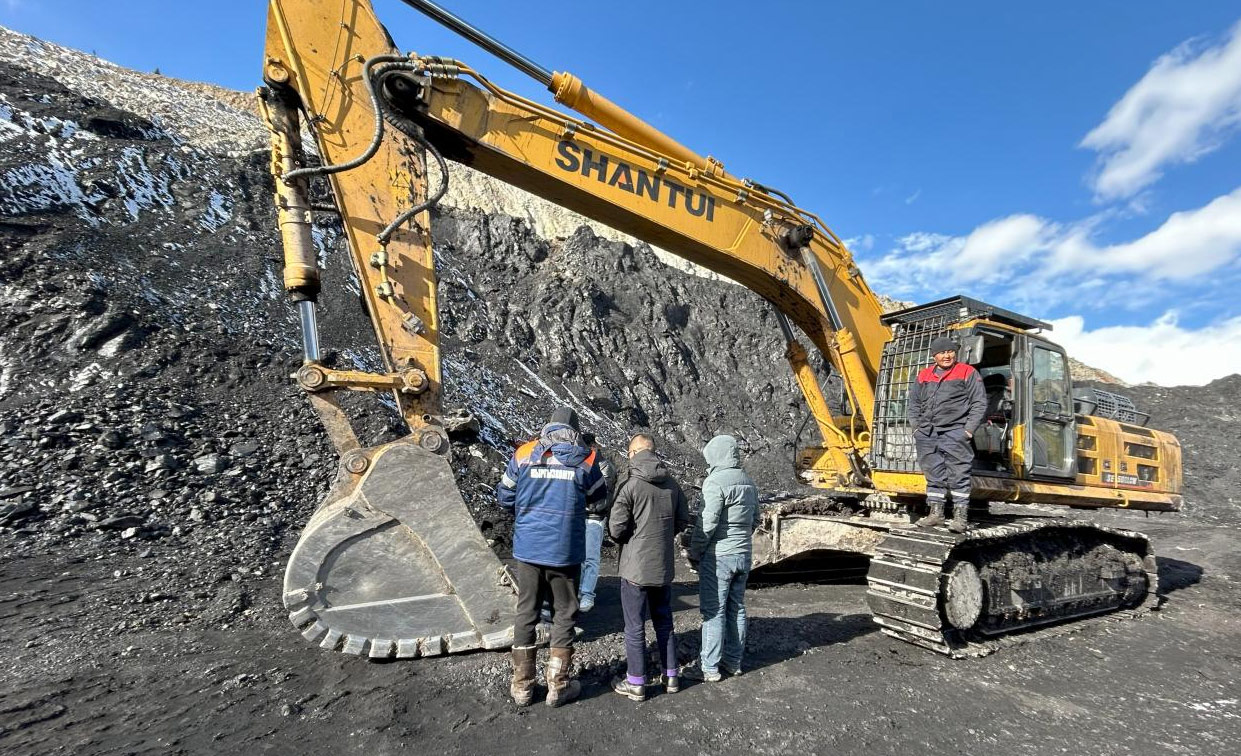
Heavy machinery plays an essential role in Australia’s construction, infrastructure, agriculture, and land development industries. Selecting suitable equipment helps businesses move materials efficiently, prepare sites accurately, and manage demanding workloads. Contractors researching modern machinery can explore Shantui Equipment Australia Shantui Excavators to learn more about equipment options for different earthmoving and construction applications. Understanding machine capabilities, operating costs, maintenance requirements, and site conditions can help businesses make practical purchasing decisions and improve long-term operational performance.
The Importance of Equipment Selection in Construction
Construction projects involve numerous activities, from clearing land and excavating foundations to transporting materials and finishing surfaces. Each task requires machinery with specific capabilities, and selecting unsuitable equipment can lead to unnecessary delays, additional expenses, and reduced productivity.
Before purchasing heavy machinery, businesses should evaluate project size, expected workload, soil conditions, site accessibility, and the amount of material that needs to be moved. These factors help determine the required operating capacity, engine power, lifting performance, and machine configuration.
For example, a contractor working on a small residential development may prioritise manoeuvrability and transport convenience. A business undertaking major road construction may require heavier equipment capable of operating consistently across large areas.
Matching equipment to actual working conditions helps create a more efficient workflow and supports better resource management.
How Different Machines Support Earthmoving Operations
1. Excavators for Precision and Versatility
Excavators are used across a wide range of projects, including trench excavation, foundation digging, drainage installation, demolition preparation, and general site development.
Their articulated booms, digging arms, and interchangeable attachments allow operators to perform several tasks with the same machine when compatible equipment is available.
When comparing excavators, consider digging depth, reach, bucket capacity, hydraulic flow, operating weight, and transport requirements. Contractors should also evaluate whether the machine can access confined work areas without compromising safe operation.
The right excavator can help minimise unnecessary repositioning and improve material removal efficiency. However, performance depends on choosing an appropriate machine size and attachment for the intended application.
2. Wheel Loaders for Moving Bulk Materials
Wheel loaders are designed to collect, lift, and transport loose materials over relatively short distances. They are commonly used in construction yards, quarries, agricultural operations, and material handling facilities.
Their effectiveness depends on several factors, including bucket size, material density, travel distance, ground conditions, and loading cycle time.
A loader working with lightweight soil may have different requirements from one handling dense aggregates. Therefore, businesses should assess the intended material and confirm the machine’s rated operating capacity and stability limitations.
Organising loading areas and transport vehicles effectively can also reduce unnecessary travel and waiting time. A well-planned loading process helps operators complete more work without relying solely on larger machinery.
3. Bulldozers for Ground Preparation
Bulldozers are particularly useful for pushing soil, clearing suitable terrain, spreading fill, and preparing ground for subsequent construction activities.
Machine selection should account for blade type, engine output, operating weight, undercarriage design, and the expected working environment. These specifications influence pushing capability, traction, and the machine’s suitability for different ground conditions.
For example, a project involving extensive bulk earthmoving may require different equipment characteristics from a site focused on spreading and levelling material.
Operators should follow manufacturer guidance and site-specific safety procedures, especially when working on slopes, unstable surfaces, or restricted-access areas.
4. Motor Graders for Accurate Surface Finishing
Motor graders are widely used in road construction, gravel road maintenance, and surface preparation. Their adjustable blades allow operators to shape surfaces, establish gradients, and distribute materials with precision.
When selecting a grader, consider blade dimensions, steering configuration, visibility, control systems, and the accuracy required for the finished surface.
Road projects may also involve coordination with rollers, water trucks, loaders, and other equipment. Efficient scheduling between these machines can help maintain a consistent workflow and reduce avoidable interruptions.
Managing Equipment Costs and Productivity
Purchasing heavy machinery involves more than comparing initial prices. Fuel consumption, routine servicing, replacement components, transportation, insurance, finance charges, and downtime can all influence the overall cost of operating a machine.
Businesses should develop a realistic budget that reflects the expected workload and ownership period. Reviewing the Shantui equipment price list can provide a starting point for exploring available equipment and pricing information. Buyers should confirm current prices, specifications, delivery costs, warranty conditions, and applicable commercial terms directly with the supplier.
One useful approach is to calculate the cost per productive operating hour. This involves estimating ownership expenses and operating costs, then comparing them with the hours the equipment is expected to work effectively.
Productivity should also be measured in relation to the task. A loader might be evaluated by the volume of material handled, while an excavator could be assessed according to excavation output under comparable site conditions.
These measurements help businesses identify whether their machinery is delivering suitable value for its intended purpose.
The Role of Preventive Maintenance
Preventive maintenance is important for maintaining machine performance and reducing the likelihood of unexpected breakdowns. Heavy equipment operates under demanding conditions, where dust, vibration, heavy loads, and changing weather can contribute to component wear.
A practical maintenance routine should include daily walk-around inspections, checking fluid levels, monitoring hydraulic hoses, inspecting tyres or tracks, and looking for visible leaks or damage.
Scheduled servicing should follow the manufacturer’s recommendations for the specific model and operating environment. Maintenance records can help businesses track service intervals, identify recurring issues, and plan future expenses.
Operators should report warning lights, abnormal noises, overheating, or unusual changes in performance promptly. Equipment showing potentially unsafe defects should be assessed before returning to service.
Businesses should also consider the availability of genuine or manufacturer-approved parts and qualified technical support when comparing machinery suppliers.
Improving Fuel Efficiency on Worksites
Fuel is a significant operating expense for many earthmoving businesses. Although consumption varies by machine and working conditions, sensible operating practices can help reduce avoidable waste.
First, select equipment with a suitable capacity for the workload. Consistently using an oversized machine for light tasks may increase operating expenses without improving output.
Second, plan site movements to reduce unnecessary travel, excessive idling, and repeated handling of the same material. Coordinating equipment movements can improve workflow and reduce wasted operating time.
Third, maintain appropriate tyre pressure where applicable, keep cooling systems clean according to manufacturer guidance, and follow scheduled servicing requirements.
Operator training is equally important. Smooth machine movements, suitable engine speeds, and correct use of attachments can contribute to more efficient operations when applied in accordance with the manufacturer’s instructions.
Safety and Workforce Competency
Heavy machinery must be operated with a clear understanding of workplace hazards and equipment limitations. Site managers should assess ground stability, underground services, overhead powerlines, pedestrian routes, and potential interactions between vehicles and workers.
Operators need appropriate training and competency for their assigned duties. They should understand machine controls, visibility restrictions, load limits, emergency procedures, and the correct use of safety systems.
Pre-start inspections, communication protocols, traffic management plans, and clearly defined exclusion zones can help reduce the likelihood of incidents.
Australian businesses should comply with applicable work health and safety legislation and relevant requirements for their state or territory. Safe operating practices protect workers while supporting more consistent project delivery.
Planning for Future Equipment Requirements
Business requirements can change as project sizes, customer expectations, and workloads develop. Machinery that suits a small contracting operation today may not provide sufficient capacity for larger projects in the future.
Before expanding a fleet, assess equipment utilisation, upcoming contracts, maintenance history, transport arrangements, and available capital. Businesses should compare purchasing additional machinery with hiring equipment for temporary increases in demand.
It is also worth considering compatibility between machines, attachments, servicing arrangements, and operator skills. Standardising certain equipment categories may simplify maintenance planning and training, although the right approach depends on the diversity of work undertaken.
A practical equipment strategy balances present operational needs with realistic future demand rather than purchasing machinery based on capacity alone.
Conclusion
Heavy machinery can improve construction and earthmoving productivity when equipment is selected, operated, and maintained appropriately. Excavators, wheel loaders, bulldozers, and motor graders each contribute to different stages of a project, making it important to match machine capabilities with the work required.
By assessing operating costs, implementing preventive maintenance, improving fuel management, and prioritising workplace safety, Australian businesses can make more informed equipment decisions.
Careful planning and regular performance reviews help contractors identify opportunities to improve efficiency, control operating expenses, and build a machinery fleet that supports their long-term business objectives.
Author


Black Essentials Hoodie Timeless Style, Comfort, and Modern Streetwear

Represent Hoodie A Modern Streetwear Essential for UK Fashion

Fourtwofour Clothing: Discover Modern 424 Streetwear Style

Fourtwofour Clothing: Discover Modern 424 Streetwear Style

How to Start a Successful Mobile Food Business in Australia
How to Start a Successful Mobile Food Business in Australia

What Are the Requirements to Start a UAE Free Zone Company?

Proven Software Development Staff Augmentation UK Hacks

The Best Secret Marketing Strategy for Fitness Pros

ABDM Milestone: A Simple Guide to M1, M2 and M3

Cybersecurity Consulting Company SequelNet Provides Critical IT Support Services to Medical Billing Firm, Medical Optimum

Meet the Megalodon: The Shark Star of ‘Meg 2’

Reduce Video Game Lag: Level Up Your Gaming Performance

Balancing India’s Entertainment: Cricket vs. Bollywood

Jetsetter’s Secrets: Unveiling Our Favorite Travel Hacks for a Seamless Adventure

The 5 Best Live Sports Streaming Sites: Legal and Exciting!

Hollywood Labor Unrest: The Impact of ‘What About Us?’ Strikes

Unveiling the Magic of Dream Fulfillment at the Late NBA Draft

Illuminate Your Skin: Dr. Axe Unveils Natural Remedies for Lightening Knees and Elbows

Bright Choices: Navigating the Pros and Cons of Skin Whitening Creams with Dr. Axe
-

 Business3 years ago
Cybersecurity Consulting Company SequelNet Provides Critical IT Support Services to Medical Billing Firm, Medical Optimum
-
Entertainment3 years ago
Meet the Megalodon: The Shark Star of ‘Meg 2’
-
Entertainment3 years ago
Reduce Video Game Lag: Level Up Your Gaming Performance
-
 Sports3 years ago
Balancing India’s Entertainment: Cricket vs. Bollywood
-
Entertainment3 years ago
Jetsetter’s Secrets: Unveiling Our Favorite Travel Hacks for a Seamless Adventure
-
Productivity3 years ago
The 5 Best Live Sports Streaming Sites: Legal and Exciting!
-
Art /Entertainment3 years ago
Hollywood Labor Unrest: The Impact of ‘What About Us?’ Strikes
-
Sports3 years ago
Unveiling the Magic of Dream Fulfillment at the Late NBA Draft






