
Technology
AWS Cost Anomaly Detection: Catch Unexpected Spend Early

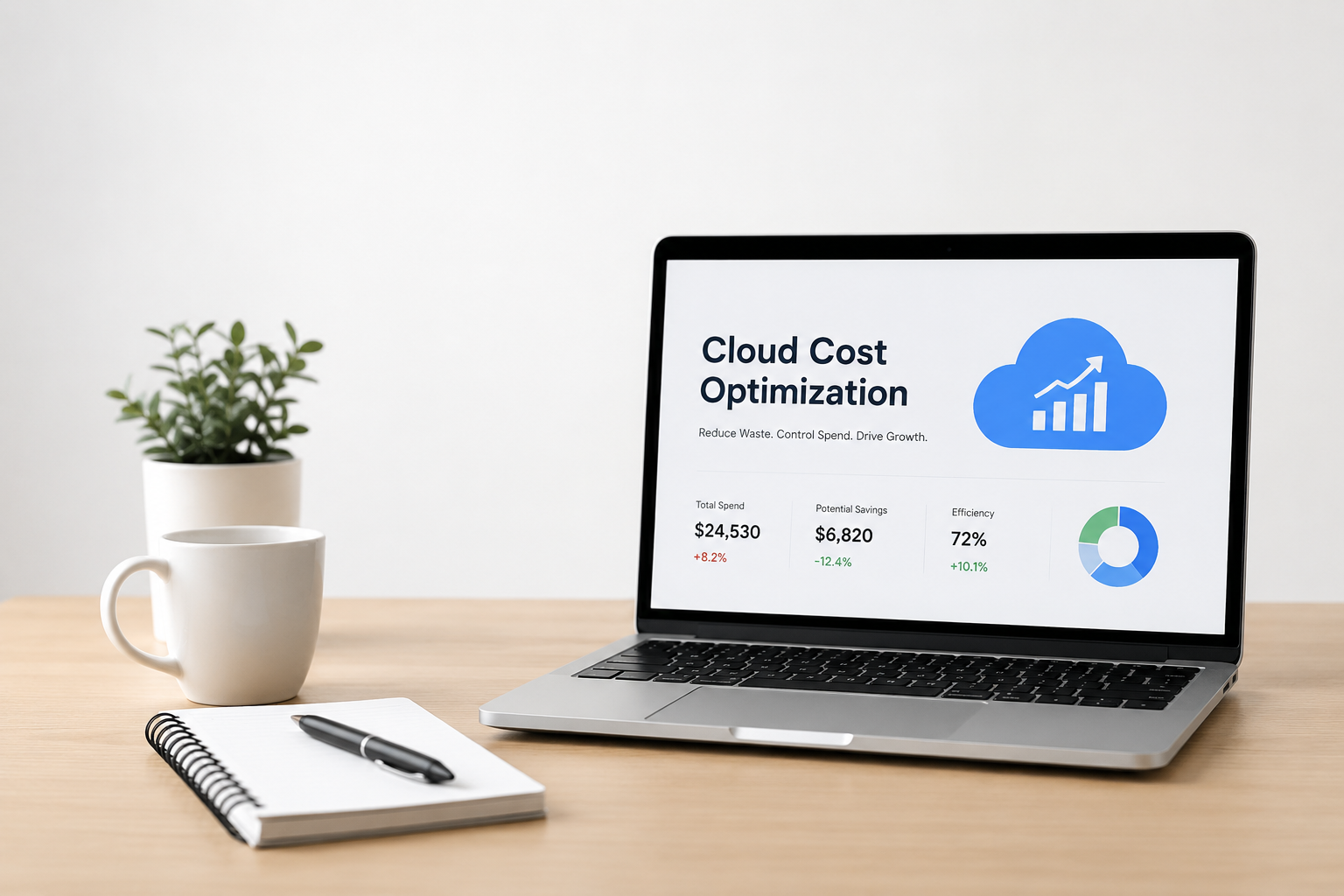
AWS Cost Anomaly Detection: Catch Unexpected Spend Early
Cloud spending does not always increase gradually. A configuration change, unexpected traffic spike, forgotten resource, or rapid scaling event can cause AWS costs to rise much faster than expected. If organizations only review spending at the end of each billing cycle, they may discover the problem after unnecessary costs have already accumulated.
AWS cost anomaly detection helps businesses identify unusual spending patterns earlier. Instead of relying only on monthly invoices or static budgets, teams can monitor changes in cloud costs and investigate spending that differs from normal behavior.
For engineering, finance, and FinOps teams, this creates a more proactive approach to cloud financial management.
What Is AWS Cost Anomaly Detection?
AWS cost anomaly detection is the process of identifying cloud spending that significantly differs from expected cost patterns.
For example, an application may normally generate $300 to $350 in daily infrastructure costs. If that spending suddenly increases to $600 without any planned change in traffic or infrastructure, the increase may require investigation.

An anomaly does not automatically mean something is wrong. Increased customer activity, seasonal demand, or a new product launch may legitimately increase cloud consumption.
The purpose of cloud cost anomaly detection is therefore not simply to flag higher spending. It is to help teams identify unusual behavior and understand why costs changed.
This distinction is important because effective cloud financial management focuses on business value as well as cost reduction.
Why Unexpected AWS Charges Are Difficult to Manage
Modern AWS environments can include many accounts, regions, workloads, services, and development teams.
Infrastructure can also change continuously.
Unexpected AWS charges may result from:
- Compute resources scaling beyond expected demand
- Storage usage increasing rapidly
- Development resources remaining active
- Higher-than-usual data transfer
- New services being deployed without financial review
- Misconfigured infrastructure generating unnecessary usage
These changes may be relatively small individually but can become significant when they continue for several days or occur across multiple accounts.
Continuous AWS cost monitoring gives organizations an opportunity to detect unusual activity earlier rather than relying only on end-of-month billing reviews.
How Cloud Cost Anomaly Detection Works
Cloud cost anomaly detection evaluates spending behavior and looks for patterns that differ from expected usage.
Official AWS Cost Anomaly Detection capabilities use machine learning to identify unusual spending patterns and help users investigate potential causes across dimensions such as AWS services, accounts, Regions, and usage types.
When an anomaly appears, teams should investigate the event rather than immediately assuming that the additional spending represents waste.
A practical investigation might include checking when the cost increase began, identifying the service responsible, reviewing the affected account or Region, and comparing spending changes with recent deployments or traffic activity.
Teams can then determine whether the increase was expected and decide whether action is necessary.
This turns anomaly detection from a simple notification system into a repeatable cloud financial management process.
Build More Useful AWS Cost Alerts
AWS cost alerts can help organizations respond more quickly to unusual spending, but alerts need to be configured carefully.
If every minor change generates a notification, teams may eventually begin ignoring them. This creates alert fatigue and reduces the value of monitoring.
Organizations can prioritize cost anomalies based on factors such as:
- Financial impact
- Percentage change in spending
- Production versus development environments
- Business-critical workloads
- AWS account ownership
- Service type
Alert ownership is equally important.
Finance teams may need information about financial impact, while engineering teams often need enough technical context to identify the resource or workload responsible.
A useful alert should therefore reach someone who can investigate and respond.
Connect Anomaly Detection With FinOps
Anomaly detection becomes more valuable when it operates as part of a broader FinOps strategy.
A FinOps platform can help connect cost monitoring with budgeting, governance, optimization, forecasting, and financial accountability.
Instead of treating every cloud spend anomaly as an isolated incident, teams can use recurring patterns to improve future decisions.
For example, repeated anomalies caused by development resources running outside business hours may indicate the need for stronger scheduling policies.
Frequent cost increases associated with poor resource ownership may reveal weaknesses in tagging or cost allocation.
Similarly, repeated data-transfer anomalies may encourage engineering teams to review architecture or workload behavior.
This creates a feedback loop where anomaly detection supports continuous improvement rather than one-time troubleshooting.
Connect Cost Anomalies With Billing Operations
Detecting a cloud spend anomaly is only the first step.
Businesses also need to understand how the unexpected cost affects accounts, teams, projects, budgets, and financial reports.
This is where BillOps can complement anomaly monitoring by providing a structured approach to understanding, allocating, monitoring, and reporting cloud spending.
Suppose an unexpected database cost increase occurs within one AWS account. Engineering teams may identify the technical reason, but finance teams still need to determine which department owns the expense and how it affects the current budget.
Connecting anomaly monitoring with billing operations helps create clearer financial accountability.
Instead of asking only, “Why did our AWS bill increase?” teams can answer more detailed questions about where the cost originated, who owns it, and whether it was expected.
Best Practices for Managing Cloud Spend Anomalies
Organizations can make anomaly detection more effective by establishing clear processes around it.
Start by understanding normal spending patterns across important accounts, services, and workloads. Teams need a baseline before they can properly evaluate unusual activity.
Cost ownership should also be clearly defined. Major accounts, applications, and workloads should have responsible teams that can investigate unexpected AWS charges.
Organizations should also compare cloud spend anomalies with operational events such as deployments, traffic spikes, autoscaling activity, and configuration changes.
Repeated anomalies deserve particular attention. If the same type of unexpected spending occurs regularly, another manual investigation may not solve the underlying problem.
The organization may need to introduce automation, governance policies, scheduling rules, or infrastructure changes.
From Reactive Billing to Proactive Cost Management
Traditional cloud billing processes often focus on explaining costs after they occur.
AWS cost anomaly detection changes that approach by helping teams identify unusual spending earlier and investigate the reasons behind it.
Combining AWS cost monitoring, meaningful cost alerts, financial ownership, and FinOps practices can give organizations greater control over changing cloud migrations.
The goal is not to eliminate every increase in AWS spending. Growth in cloud costs may be completely justified when it supports increased traffic, customers, workloads, or business activity.
The objective is to ensure that unusual spending is visible, understood, and owned.
Conclusion
AWS cost anomaly detection can help organizations move from reactive cloud billing reviews toward more proactive cost management.
By identifying unusual spending patterns earlier, engineering and finance teams can investigate unexpected AWS charges, determine their causes, and decide whether corrective action is necessary.
When cloud cost anomaly detection is connected with FinOps practices, AWS cost alerts, cost ownership, and structured billing operations, organizations can create a stronger process for managing cloud spend anomalies.
The result is not simply lower cloud spending. It is better financial awareness and greater confidence in how AWS resources contribute to business value.
Frequently Asked Questions
What is AWS cost anomaly detection?
AWS cost anomaly detection identifies unusual cloud spending patterns so teams can investigate significant differences between expected and actual AWS costs.
What can cause unexpected AWS charges?
Unexpected charges can result from autoscaling, forgotten resources, increased storage, data transfer, new deployments, traffic growth, or configuration changes.
How does anomaly detection support FinOps?
Anomaly detection gives FinOps teams earlier insight into unusual spending, helping them improve accountability, governance, optimization, budgeting, and ongoing cloud cost management.
Author


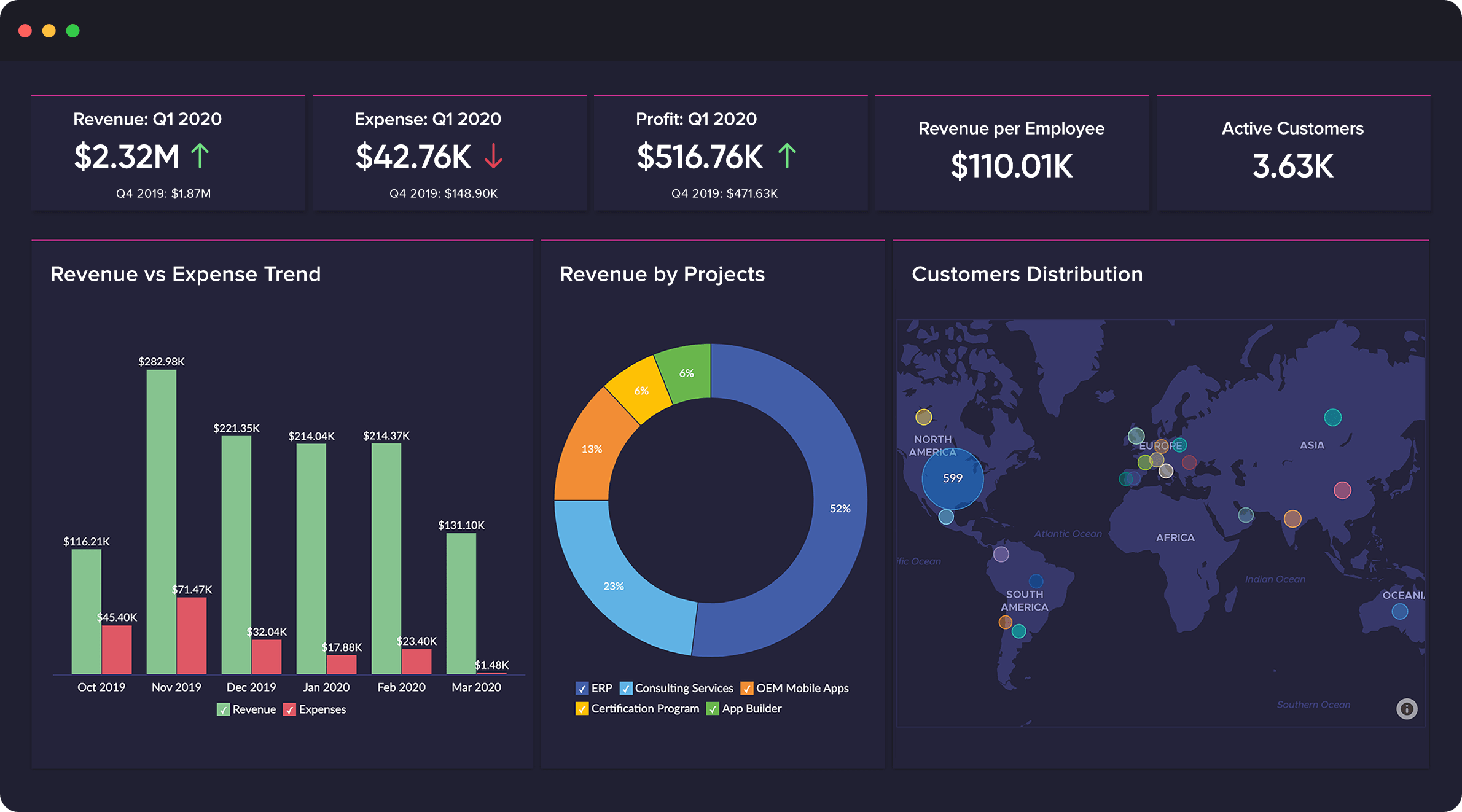
Most companies aren’t short on data they’re short on time to make sense of it. Sales numbers sit in one system, inventory in another, finance in a third, and by the time someone pulls together a report, the insight is already stale. Decisions get delayed, opportunities get missed, and leadership ends up reacting to problems instead of anticipating them. This is exactly the gap an AI business intelligence platform is built to close.
Unlike traditional BI tools that rely on static dashboards, manual filters, and scheduled reports, an AI business intelligence platform brings artificial intelligence directly into the analytics layer. It lets teams ask questions in plain language and get real-time, contextual answers instead of digging through spreadsheets, exporting CSVs, or waiting on an analyst to build a report. For growing organizations juggling multiple departments and systems, this shift from static reporting to intelligent, conversational analytics is becoming less of a luxury and more of a necessity.
Why Traditional BI Is Falling Short
Traditional BI tools were designed for a slower pace of business. They’re excellent at storing historical data and producing scheduled reports, but they typically require someone with technical skill to build dashboards, write queries, or configure filters. By the time a report reaches a decision-maker, the underlying data may already be a day, a week, or a quarter old. In fast-moving business environments, that lag is costly. AI business intelligence platforms are designed to remove this friction entirely by making insight generation instant, conversational, and accessible to non-technical users.
What Makes a Platform “AI” Business Intelligence?
Traditional BI answers the question “what happened?” An AI business intelligence platform goes further, helping teams understand why it happened and what to do next. The difference usually comes down to a few core capabilities.
1. Conversational, Natural-Language Querying
Instead of building filters or writing SQL, users simply ask a question “Which product line had the highest returns last quarter?” — and get an instant, contextual answer. This removes the dependency on analysts or IT for day-to-day reporting needs, freeing technical teams to focus on higher-value work.
2. Context-Aware Responses
A strong AI BI platform doesn’t just return raw numbers. It understands the context of the question — the relevant time period, department, or metric — and responds accordingly, the way a knowledgeable colleague would rather than a static query engine.
3. Executive Dashboards and KPI Narratives
Rather than a wall of charts that still needs interpreting, AI-generated summaries translate metrics into plain-language narratives: what changed, why it matters, and where attention is needed. This is particularly valuable for leadership teams who need quick, decision-ready insight rather than raw data to sift through themselves.
4. Real-Time, Cross-Functional Visibility
Modern AI BI platforms connect data across departments sales, inventory, finance, operations — into a single intelligence layer, replacing siloed reporting with a unified, real-time view of the business. This cross-functional visibility is often where organizations see the biggest shift in how decisions actually get made.
5. Trend and Variance Detection
AI models can flag anomalies, bottlenecks, and emerging trends automatically, so teams catch issues proactively instead of discovering them weeks later buried in a report. This proactive layer turns BI from a rearview mirror into something closer to a forward-looking radar.
Key Benefits of an AI Business Intelligence Platform
- Faster decision-making — Leadership gets instant access to business-critical information without navigating complex reports or waiting on a data team.
- Reduced reporting dependency — Teams spend less time building and maintaining manual reports, freeing up bandwidth for strategic work.
- Improved data accessibility — Non-technical users can explore data confidently through natural language, democratizing insight across the organization.
- Proactive monitoring — Trends, risks, and performance shifts are surfaced before they become bigger, costlier problems.
- Unified visibility — Departments that once operated in silos gain a shared, real-time source of truth, improving alignment between teams.
How to Choose the Right AI Business Intelligence Platform
When evaluating options, look beyond flashy dashboards and consider the following:
- Integration depth — Does it connect natively with your existing systems (ERP, CRM, POS) without disrupting current workflows or requiring a rebuild?
- Data security model — Is access read-only? Is data stored or used for AI training? Role-based access controls matter here, especially for enterprise environments.
- Ease of use for non-technical teams — Can a department head get an answer without help from IT or a data analyst, using plain language?
- Real-time processing — Are insights based on live data, or delayed batch updates that reintroduce the lag you’re trying to eliminate?
- Scalability across departments — Can it support sales, finance, inventory, and operations equally well, or is it built narrowly for a single use case?
Final Thoughts
An AI business intelligence platform isn’t just a faster version of traditional BI it’s a fundamental shift from static reporting to real-time, conversational, decision-ready intelligence. For organizations juggling data across multiple systems and departments, the right platform can turn scattered operational data into genuine, day-to-day competitive advantage — helping leadership move from information overload to decision clarity.
Author



In modern engineering and construction, technical drawings serve as the primary communication medium between design teams, contractors, local authorities, and site personnel. When drafting standards are inconsistent, field execution breaks down rapidly, resulting in misaligned mechanical systems, incorrect structural tolerances, and costly requests for information (RFIs). Adopting clear, structured graphic protocols ensures every sheet across a submittal set speaks the same visual language. Establishing these comprehensive standards through professional AutoCAD drafting services guarantees that engineering deliverables maintain visual clarity, proper layer hierarchy, and full compliance with national guidelines such as the AIA CAD Layer Standards.
Core Pillars of AutoCAD Documentation Standards
A structured layer management system forms the foundation of any reliable digital drawing file. Without a standardized naming framework, drawing files become cluttered, making trade coordination nearly impossible during multidisciplinary reviews. Standardizing discipline prefixes such as “A” for architectural, “S” for structural, “M” for mechanical, and “E” for electrical prevents cross-trade confusion and simplifies complex file navigation. Utilizing disciplined CAD drafting services guarantees that layer colors, line weights, and linetypes remain strictly uniform across all project sheets, enabling site superintendents and fabricators to instantly identify primary load-bearing walls, clearance zones, and secondary annotations.
Standardized drawing templates (.DWT) establish uniform sheet layouts, title blocks, dimension styles, text hierarchies, and plot style tables (CTB/STB). When engineering practices establish well-defined CAD templates, they eliminate repetitive sheet setup tasks and streamline the entire drafting production process across internal teams. Partnering with experienced AEC production firms that provide CAD design services ensures title blocks display accurate project metadata, revision tables, scale factors, and consultant logos across every submittal package without formatting discrepancies.
Standardizing Legacy Data and Digital Conversions
Many engineering initiatives, particularly building retrofits and historical renovations, begin with legacy hard-copy prints that lack digital intelligence. Standardizing these physical assets requires precise vectorization to establish clean, dimensionally accurate baseline files. Utilizing structured CAD conversion services allows engineering teams to transform legacy paper blueprints and hand sketches into fully organized DWG files with active, standardized layers and true geometric alignment.
When working with electronic documents such as raster graphics or static vector files, converting flat geometry into editable layers is essential for active design updates and multidisciplinary coordination. Integrating professional PDF to CAD conversion services ensures vector geometry, scale ratios, wall thicknesses, and dimension strings are accurately captured without spatial distortion, eliminating tedious manual tracing and preventing cumulative measurement errors.
As modern project delivery shifts toward collaborative digital environments, traditional 2D engineering sheets must integrate seamlessly with spatial 3D models. Utilizing specialized CAD to BIM conversion services helps design teams transition flat 2D engineering drawings into data-rich Building Information Models. This standardization step ensures spatial coordination, automated clash detection, and accurate parametric scheduling across mechanical, electrical, plumbing, and structural disciplines.
Trade-Specific Standards Across AEC Workflows
Architectural drawing sets require strict standardization across floor plans, building elevations, wall sections, and detail callouts. Line weight hierarchy plays a critical role here; major structural cuts require heavy line weights, while interior finish lines and background grids require lighter tones. Maintaining consistent line weights, hatch patterns, and annotation styles in architectural drafting prevents costly misinterpretations between design intent and physical construction on site.
Residential construction projects demand clear, dimensionally accurate space planning to satisfy strict municipal zoning requirements and building codes. Standardized floor plan drafting services provide general contractors and framing crews with precise room dimensions, door schedules, window placement callouts, and wall alignments necessary for rapid plan review and permit approval.
High-end commercial developments and luxury residential projects require micro-level drafting standards for custom interior joinery, cabinetry, and detailed fabrications. Relying on specialized millwork drafting services ensures shop drawings include precise material callouts, fastening details, panel reveal dimensions, and assembly sequences that integrate cleanly with primary structural layouts.
At project completion, initial design drawings must be thoroughly updated to reflect actual field conditions, design modifications, and field-issued change orders. Leveraging verified as-built drawing services delivers accurate closeout packages that facility managers, building owners, and plant engineers depend on for ongoing building operation, routine maintenance, and future physical expansions.
Scaling Efficiency with AutoCAD Outsourcing Services
Maintaining strict internal drafting standards while managing fluctuating project deadlines can place a severe strain on internal engineering teams. Leveraging AutoCAD outsourcing services gives firms access to dedicated drafting specialists who enforce established CAD protocols and quality control workflows on demand. Leading AEC production partners like McLine Studios demonstrate how external technical teams act as a seamless extension of an engineering firm’s drafting operations, delivering build-ready drawing sets without adding overhead.
When managing multi-family housing developments or large single-family subdivisions, standardizing structural details and interior plans prevents repetitive field errors across multiple construction units. Utilizing reliable residential drafting services ensures every working drawing set complies with local energy codes, structural framing rules, and municipality submittal guidelines.
Streamlining Workflows with AutoCAD Drafting Services
Adopting comprehensive AutoCAD documentation standards is critical for reducing field errors, protecting project budgets, and delivering build-ready engineering packages. Standardized graphic conventions ensure every trade works from a single source of truth, minimizing rework and enhancing overall project quality. By partnering with external technical experts for ongoing AutoCAD drafting services, engineering and design firms maintain high graphic quality, optimize production efficiency, and accelerate project delivery.
Author


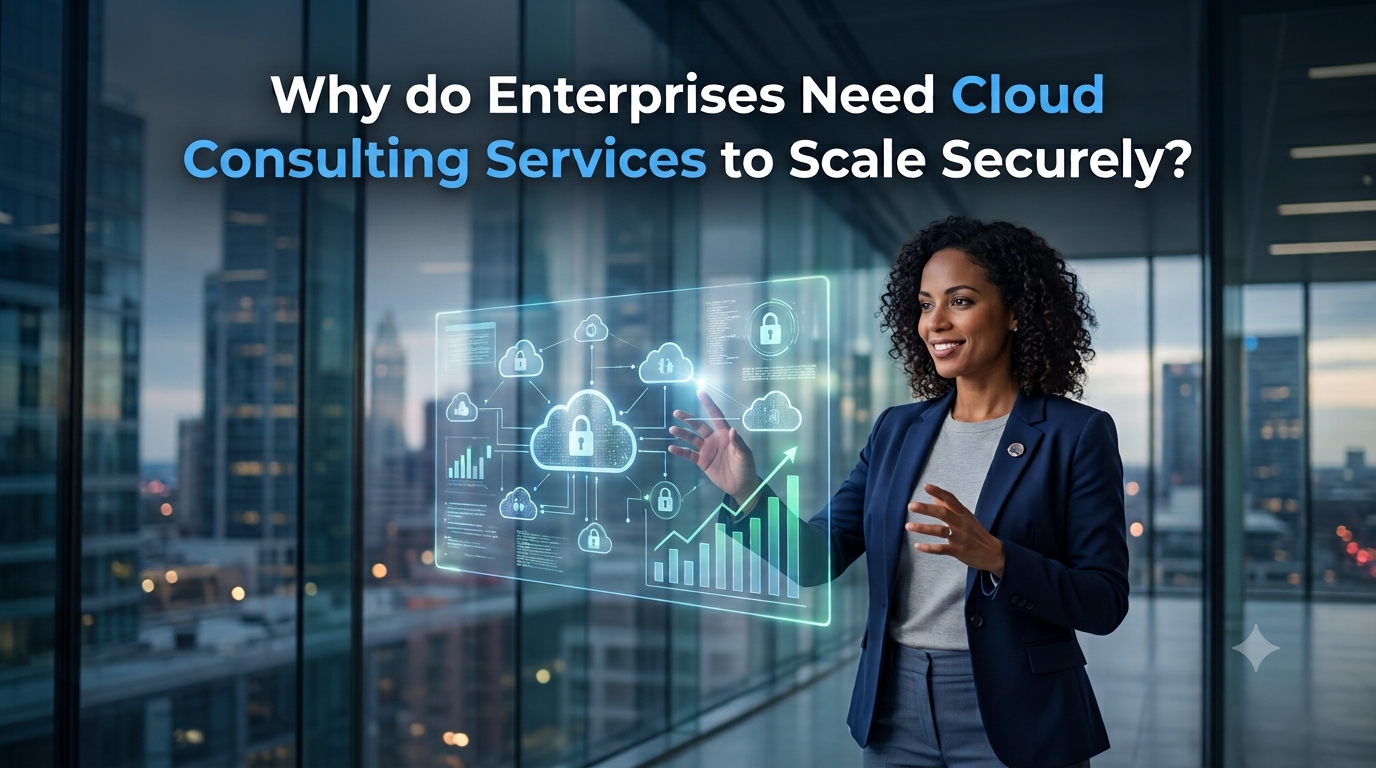
All thriving businesses hit a breaking point when the existing infrastructure can no longer sustain their evolving growth. Imagine a city where new neighborhoods are continually added without increasing the size of the roads, adding traffic lights, or other amenities. What starts as expansion soon becomes congested and raises safety issues. Clouds are not an exception. With more applications, users, compliance, and cyber threats, a failure to plan a cloud environment makes it more difficult to manage and secure. Enterprise Cloud Consulting assists companies in establishing a safe and scalable cloud platform that can be expanded to accommodate expansion without affecting performance, security, or compliance.
Be it a migration, legacy systems modernization, or cloud security, cloud consulting services offer the right skills required to make that plan a reality.
What are Cloud Consulting Services?
Cloud consulting services refer to professional advisory and technical services that assist organizations in planning, building, migrating, managing, securing, and optimizing their cloud environments. They balance business objectives with cloud initiatives to enhance scalability, security, performance, and cost-effectiveness along the cloud journey.
These services usually include:
- Cloud Strategy and Advisory: Building a cloud adoption roadmap and strategy that fits your business goals.
- Cloud Migration Consulting: Transitioning apps, data, and workloads to the cloud with minimal disturbance.
- Cloud Architecture Consulting: Creating scalable, reliable, high-performing cloud environments.
- Cloud Security Consulting: Applying security policies to safeguard cloud infrastructure, apps, and critical company data against cyber threats.
- Cloud Governance Consulting: Implementing governance rules and compliance frameworks to guarantee that cloud environments fulfil regulatory and organizational standards.
- Cloud Optimization Services: Optimize your cloud resources to boost performance and reduce excessive cloud costs.
Enterprise Cloud Consulting for Secure Business Growth: Why do You need It?
Complexity comes with enterprise expansion. As businesses expand, they must support additional apps, users, data, and regulatory requirements without compromising security, performance, and cost.
Enterprise cloud consulting resolves these issues by assisting organizations to:
- Design a scalable enterprise cloud strategy to ensure alignment of cloud investments to long-term business objectives.
- Enhance security using a cloud security advisory to secure sensitive information and mitigate cybercrime.
- Manage compliance using cloud governance consulting by enforcing uniform policies and controls on regulations.
- Migrate to the cloud and speed up cloud deployment through cloud migration consulting, and reduce downtime and operational interruptions.
- Develop a robust infrastructure to accommodate future business growth through cloud architecture consulting.
- Optimize cloud spending with cloud optimization services by eliminating underutilized resources and improving efficiency.
- Update outdated systems to increase performance and agility through cloud modernization consulting.
- Enhance flexibility, resilience, and prevent vendor lock-in with multi-cloud consulting.
- Bridge internal skill gaps by seeking professional advice and best practices across the cloud lifecycle.
How do Cloud Consulting Services Help Enterprises Scale with Security?
Not just the expansion of cloud capacity can guarantee growth. It requires a deliberate approach that combines scalability, security, compliance, and cost efficiency. Let’s see how cloud consulting services help organizations develop a cloud infrastructure that scales with the business.
1. Build Cloud Strategy
A clear enterprise cloud strategy aligns cloud investments with business objectives and long-term growth plans. Consultants determine workloads, identify priorities to migrate to, prescribe appropriate cloud platforms, and develop a staged roadmap that is less risky and enables the infrastructure to scale effectively with changing business needs.
2. Strengthen Cloud Security
Cloud security consulting assists organizations in creating secure cloud environments through implementing identity and access controls, data encryption, network security, ongoing monitoring, and disaster recovery. Design-based security mitigation assists in decreasing cyber threats, safeguarding sensitive data, and promoting business continuity as cloud environments increase in size.
3. Ensure Cloud Governance
Cloud Governance consulting develops policies, compliance controls, and operational standards to provide consistent governance of cloud systems. It helps organizations comply with legislation, monitor cloud resources, enforce security standards, and offer insight across teams. It keeps cloud operations safe and seamless.
4. Optimize Cloud Costs
As cloud environments mature, unmanaged resources can drastically increase operating costs. Cloud optimization services enable businesses to optimize performance and only pay for the cloud resources they truly consume by continuously tracking resource usage, cutting down on wasteful spending, right-sizing workloads, and automating scaling.
5. Filling the Skill Gaps
Many organizations lack specialized knowledge to deal with ever-changing cloud technologies. A seasoned cloud consulting partner provides technical advice, architecture, and implementation support. This lets internal teams to focus on strategic priorities and accelerate cloud projects with proven best practices and decreased operational risk.
How Cloud Adoption Strategy Reduce Risk and Drive Growth?
Strategy is the foundation of a successful cloud journey, not just migration. Enterprise cloud consulting helps organizations build a disciplined cloud adoption plan that reduces risk, modernizes IT environments, and ensures cloud investments produce long-term business value.
1. Assess Business Readiness
The process starts with an in-depth evaluation of current applications, infrastructure, security posture, compliance needs, and business goals. This will help establish the priorities of migration, uncover potential risks, and provide a viable foundation for cloud transformation.
2. Develop a Strategic Roadmap
Based on the assessment findings, cloud transformation consulting leads to a staged cloud migration roadmap that prioritizes workloads, outlines timetables, assigns budgets, and connects cloud activities with business objectives. This provides a seamless and well-planned shift to the cloud.
3. Modernize Legacy Systems
Before migration, cloud modernization consulting assists in the modernization of legacy applications and processes to enhance compatibility, performance, and agility. Early modernization of critical workloads minimizes technical debt and allows the business to be innovative in the long term.
4. Strengthen Cloud Infrastructure
Cloud infrastructure consulting focuses on building a resilient, secure, and scalable cloud base that can sustain an expanding workload. Businesses enhance performance, reliability, and operational efficiency by scaling through optimization of infrastructure before deployment.
5. Migrate & Optimize
Cloud migration consulting guarantees a seamless move with minimal disruption, setting the correct foundation in place. Ongoing cloud optimization services continuously work on optimizing performance, boosting security, and regulating cloud expenses as business needs evolve.
Signs Your Business Needs Enterprise Cloud Consulting
Enterprise cloud consulting may be beneficial to your organization if,
- Your cloud costs keep climbing without a clear visibility.
- Digital initiatives are being held up due to security concerns.
- Compliance requirements are becoming increasingly complex.
- Your IT team does not possess cloud-specific skills.
- Legacy systems are hindering innovation.
- Infrastructure cannot cope with peak business demands.
- You are planning a major move or cloud expansion.
- Various departments are using cloud services without a standardized approach.
In case these pitfalls sound familiar to you, support services can be used to develop an affordable and scalable cloud base before these problems hinder business growth.
How to Choose the Right Cloud Consulting Company?
Choosing the proper cloud consulting company involves more than just technical skills. The ideal partner will understand your business objectives, design a secure cloud strategy, and guide you to support long-term growth.
When considering a cloud consulting partner, consider,
- Enterprise cloud consulting expertise, with proven experience in large-scale cloud transformation and cloud migration projects.
- Skills in cloud services, such as cloud migration consulting, cloud architecture consulting, and cloud infrastructure consulting.
- Strong security and governance capabilities to safeguard data, risk management, and compliance.
- Multi-cloud experience to develop customizable solutions in AWS, Microsoft Azure, and Google Cloud when necessary.
- Cloud optimization capabilities to enhance performance, maximize resource utilization, and control cloud costs over time.
- The capacity to deliver end-to-end support, from cloud planning and deployment through ongoing monitoring, optimization, and managed services.
- A proven record of demonstrated success in achieving meaningful business outcomes across sectors and enterprise contexts.
The ideal enterprise cloud consulting partners do not simply deploy cloud solutions but assist organizations in developing secure, scalable, and future-proof cloud environments that keep on adding value as the business transforms.
Also Read: Cloud ERP vs On-Premises ERP: Choice for Singapore Businesses
Conclusion
With the growth of enterprises, the management of cloud environments becomes complicated. Without the appropriate strategy, security risks keep on increasing, compliance demands change, and cloud costs rapidly run out of control. Enterprise cloud consulting assists organizations in overcoming these issues by integrating strategic planning, secure architecture, governance, migration expertise, and ongoing optimization. Whether you are new to the cloud, upgrading to a modern cloud environment, or have a multi-cloud environment, accessing an experienced cloud consulting service would make your cloud infrastructure secure, scalable, and aligned with your business objectives.
Frequently Asked Questions
Q1. What does an enterprise cloud consultant do?
Ans: Enterprise cloud consultants help companies design, implement, secure, and achieve optimum performance in their cloud systems to achieve business goals. They examine the existing infrastructure, identify the areas where improvement is possible, and develop cloud migration plans, modernization, security, and sustainable growth plans.
Q2. What are enterprise cloud services?
Ans: Enterprise cloud services are cloud-based services that offer businesses computing resources such as servers, storage, networking, databases, and security over the internet. They enable organizations to scale infrastructure as needed without the need to buy and manage their own on-premises hardware.
Q3. Which cloud platform is best in 2026?
Ans: A single cloud platform cannot be called the best since each one has its unique capabilities and helps businesses worldwide. The best can be determined by your business needs, finances, and technical objectives. AWS is great for scaling, Microsoft Azure is best for hybrid cloud and enterprise AI, and Google Cloud Platform (GCP) works well for data analytics and machine learning.
Q4. Is there a way enterprise cloud consulting services can reduce cloud costs?
Ans: Yes. Cloud consulting is a process that helps businesses find untapped resources, scale workloads, automate scaling, and deliver low-cost cloud environments that maximize performance and minimize unproductive spending.
Q5. Should I have one or multi-clouds?
Ans: The appropriate approach will be based on your business objectives, regulatory functions, and technological stack. Multi-cloud consultancy allows organizations to utilize more than a single cloud provider and avoid unwarranted complexity and lock-in.
Q6. How long do typical enterprise cloud consulting engagements last?
Ans: The time will depend on the size of the project, the complexity of the infrastructure, and the business objectives. A consultancy engagement could be as short as a few weeks, while cloud transformation initiatives can last for many months.
Q7. What are the risks of scaling to the cloud unaccompanied by consulting services?
Ans: Scaling without assistance may lead to security issues, compliance issues, ineffective cloud design, unexpected costs, and bottlenecks. Before such risks can destroy business operations, cloud consulting services are used to identify and avert them.
Q8. How does enterprise cloud consulting contribute to your long-term business growth?
Ans: Cloud consulting helps enterprises establish scalable cloud infrastructures, enhance security, reduce costs, and connect cloud expenditures with future business goals. This allows organizations to respond to evolving demands, while providing performance and operational efficiency.
Author



Floral Wall Decals Transforming Your Home into a Tropical Oasis

Polobear Fashion: A Fresh Perspective on Comfortable Everyday Style

Best Seattle Digital Marketing Company Economical For Business Growth

Ford Barra 750rwkw Long Engine USA: Ideal for High-Performance Builds

Hair Transplant in Lahore: Procedure, Cost, Results and What to Expect

AWS Cost Anomaly Detection: Catch Unexpected Spend Early

Maninder Kaur Panesar: An Entrepreneur Who Mentors and Motivates

How to Design an Attractive Stand for Toy Fair Nuremberg 2027

Maths Assignment Help for Canadian Students

How Does an IDP License Help When Driving in Another Country?

Cybersecurity Consulting Company SequelNet Provides Critical IT Support Services to Medical Billing Firm, Medical Optimum

Meet the Megalodon: The Shark Star of ‘Meg 2’

Reduce Video Game Lag: Level Up Your Gaming Performance

Balancing India’s Entertainment: Cricket vs. Bollywood

Jetsetter’s Secrets: Unveiling Our Favorite Travel Hacks for a Seamless Adventure

The 5 Best Live Sports Streaming Sites: Legal and Exciting!

Hollywood Labor Unrest: The Impact of ‘What About Us?’ Strikes

Unveiling the Magic of Dream Fulfillment at the Late NBA Draft

Illuminate Your Skin: Dr. Axe Unveils Natural Remedies for Lightening Knees and Elbows

Bright Choices: Navigating the Pros and Cons of Skin Whitening Creams with Dr. Axe
-

 Business3 years ago
Cybersecurity Consulting Company SequelNet Provides Critical IT Support Services to Medical Billing Firm, Medical Optimum
-
Entertainment3 years ago
Meet the Megalodon: The Shark Star of ‘Meg 2’
-
Entertainment3 years ago
Reduce Video Game Lag: Level Up Your Gaming Performance
-
 Sports3 years ago
Balancing India’s Entertainment: Cricket vs. Bollywood
-
Entertainment3 years ago
Jetsetter’s Secrets: Unveiling Our Favorite Travel Hacks for a Seamless Adventure
-
Productivity3 years ago
The 5 Best Live Sports Streaming Sites: Legal and Exciting!
-
Art /Entertainment3 years ago
Hollywood Labor Unrest: The Impact of ‘What About Us?’ Strikes
-
Sports3 years ago
Unveiling the Magic of Dream Fulfillment at the Late NBA Draft






