
Business
10 Best LMS Platforms for Corporate Training in India


Choosing an LMS for corporate training is rarely just about uploading courses and tracking completions. For most organisations, the platform needs to handle employee onboarding, compliance training, skill development, assessments, reporting, and learning across different teams and locations.
The right choice also depends on the size of the organisation, training requirements, integrations, content formats, and the level of automation required.
Here are 10 LMS platforms worth considering for corporate training in India.
1. Stratbeans
Stratbeans is an Indian learning technology provider offering an LMS designed around corporate learning and employee development. Its platform brings together course management, assessments, learning paths, reporting, gamification, and personalised learning features.
One area where Stratbeans stands out is its focus on different corporate learning formats. Organisations can use features such as microlearning, WhatsApp-based learning, gamification, and AI-supported learning to make training more accessible to employees.

The LMS can be used for employee onboarding, product training, compliance programmes, sales training, leadership development, and ongoing skill-building.
Best suited for: Indian businesses looking for a corporate LMS with a broad range of employee learning features.
2. Cornerstone
Cornerstone is an enterprise learning and talent management platform designed for large organisations. Its capabilities extend beyond basic course delivery into areas such as skills management, compliance, performance, and workforce development.
For companies with large employee populations and complex training structures, its reporting and administrative capabilities can be particularly relevant.
Best suited for: Large enterprises managing structured learning and talent programmes.
3. SAP SuccessFactors Learning
SAP SuccessFactors Learning is part of SAP’s broader human capital management ecosystem. It is particularly relevant for organisations already using SAP products and looking to connect employee learning with other HR processes.
The platform supports instructor-led training, online courses, assessments, compliance training, and learning administration. Its enterprise orientation makes it more suitable for organisations with established HR technology environments.
Best suited for: Enterprises using SAP’s HR ecosystem.
4. Moodle
Moodle is an open-source learning platform used by organisations across different industries. Its flexibility makes it suitable for companies that want considerable control over how their learning environment is configured.
Businesses can create courses, assessments, learning paths, discussion areas, and certification workflows. Its large ecosystem of plugins also allows organisations to extend the platform for specific requirements.
However, organisations choosing Moodle may need technical expertise for hosting, customisation, maintenance, and administration.
Best suited for: Organisations with technical resources that want a highly configurable LMS.
5. Docebo
Docebo is a cloud-based learning platform aimed at businesses that need to manage learning across employees, customers, partners, or other audiences.
Its feature set includes course management, reporting, automation, assessments, and AI-enabled learning capabilities. The platform can be useful for organisations where training extends beyond internal employees.
Best suited for: Companies managing employee as well as extended-enterprise learning.
6. TalentLMS
TalentLMS focuses on keeping LMS administration relatively straightforward. It provides tools for creating courses, managing learners, conducting assessments, and tracking training progress.
Its interface and cloud-based model make it an option for companies that don’t want an overly complicated learning environment. It can work well for smaller teams and organisations starting to formalise their training programmes.
Best suited for: Small and mid-sized businesses looking for a straightforward corporate LMS.
7. Absorb LMS
Absorb LMS is an enterprise-focused learning platform that supports employee development as well as external training programmes. It provides course management, reporting, assessments, automation, and integrations.
Its broader learning capabilities make it suitable for organisations that need to serve multiple learner groups rather than maintaining a basic internal training portal.
Best suited for: Mid-sized and enterprise organisations with varied training audiences.
8. iSpring Learn
iSpring Learn is an LMS closely associated with the iSpring authoring ecosystem. This makes it particularly useful for organisations already creating training content using iSpring tools.
The platform supports course delivery, assessments, learning paths, reporting, and employee training management. Its combination with content-authoring capabilities can simplify the process of creating and deploying digital learning.
Best suited for: Companies creating interactive online courses and deploying them through an LMS.
9. Litmos
Litmos is a corporate learning platform built around employee training and learning administration. It supports online courses, assessments, reporting, compliance programmes, and other common workplace learning requirements.
For organisations that need to roll out standardised training across distributed teams, a cloud LMS such as Litmos can provide centralised administration and progress tracking.
Best suited for: Organisations delivering standardised training across multiple teams and locations.
10. LearnUpon
LearnUpon is a cloud-based LMS designed for organisations that need to train employees as well as external audiences. Its capabilities cover course management, learner administration, assessments, reporting, and different learning portals.
The ability to manage separate learner audiences makes it relevant for businesses running employee education alongside customer, partner, or reseller training.
Best suited for: Companies with both internal and external training requirements.
Final Thoughts
There is no single LMS that is the right fit for every company. A growing business may prioritise ease of administration, while a large enterprise may need extensive integrations, reporting, automation, and multi-audience learning capabilities.
For organisations evaluating LMS platforms in India, Stratbeans, Moodle, Cornerstone, SAP SuccessFactors Learning, Docebo, TalentLMS, Absorb LMS, iSpring Learn, Litmos, and LearnUpon offer different approaches to corporate learning.
The most practical way to shortlist them is to map each platform against your training objectives, learner base, existing technology stack, reporting needs, and budget. A feature-heavy LMS isn’t automatically the better choice; the useful one is the platform your L&D team can actually deploy, manage, and get employees to use.
Author


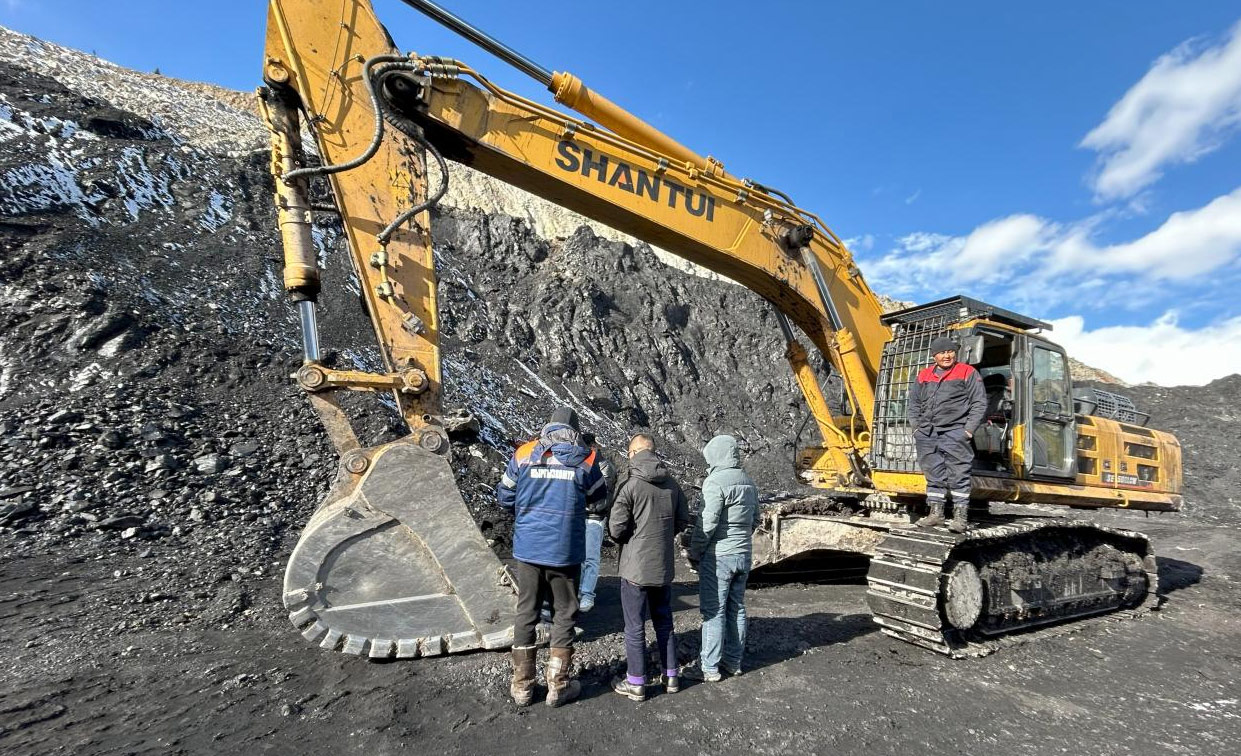
Heavy machinery plays an essential role in Australia’s construction, infrastructure, agriculture, and land development industries. Selecting suitable equipment helps businesses move materials efficiently, prepare sites accurately, and manage demanding workloads. Contractors researching modern machinery can explore Shantui Equipment Australia Shantui Excavators to learn more about equipment options for different earthmoving and construction applications. Understanding machine capabilities, operating costs, maintenance requirements, and site conditions can help businesses make practical purchasing decisions and improve long-term operational performance.
The Importance of Equipment Selection in Construction
Construction projects involve numerous activities, from clearing land and excavating foundations to transporting materials and finishing surfaces. Each task requires machinery with specific capabilities, and selecting unsuitable equipment can lead to unnecessary delays, additional expenses, and reduced productivity.
Before purchasing heavy machinery, businesses should evaluate project size, expected workload, soil conditions, site accessibility, and the amount of material that needs to be moved. These factors help determine the required operating capacity, engine power, lifting performance, and machine configuration.
For example, a contractor working on a small residential development may prioritise manoeuvrability and transport convenience. A business undertaking major road construction may require heavier equipment capable of operating consistently across large areas.
Matching equipment to actual working conditions helps create a more efficient workflow and supports better resource management.
How Different Machines Support Earthmoving Operations
1. Excavators for Precision and Versatility
Excavators are used across a wide range of projects, including trench excavation, foundation digging, drainage installation, demolition preparation, and general site development.
Their articulated booms, digging arms, and interchangeable attachments allow operators to perform several tasks with the same machine when compatible equipment is available.
When comparing excavators, consider digging depth, reach, bucket capacity, hydraulic flow, operating weight, and transport requirements. Contractors should also evaluate whether the machine can access confined work areas without compromising safe operation.
The right excavator can help minimise unnecessary repositioning and improve material removal efficiency. However, performance depends on choosing an appropriate machine size and attachment for the intended application.
2. Wheel Loaders for Moving Bulk Materials
Wheel loaders are designed to collect, lift, and transport loose materials over relatively short distances. They are commonly used in construction yards, quarries, agricultural operations, and material handling facilities.
Their effectiveness depends on several factors, including bucket size, material density, travel distance, ground conditions, and loading cycle time.
A loader working with lightweight soil may have different requirements from one handling dense aggregates. Therefore, businesses should assess the intended material and confirm the machine’s rated operating capacity and stability limitations.
Organising loading areas and transport vehicles effectively can also reduce unnecessary travel and waiting time. A well-planned loading process helps operators complete more work without relying solely on larger machinery.
3. Bulldozers for Ground Preparation
Bulldozers are particularly useful for pushing soil, clearing suitable terrain, spreading fill, and preparing ground for subsequent construction activities.
Machine selection should account for blade type, engine output, operating weight, undercarriage design, and the expected working environment. These specifications influence pushing capability, traction, and the machine’s suitability for different ground conditions.
For example, a project involving extensive bulk earthmoving may require different equipment characteristics from a site focused on spreading and levelling material.
Operators should follow manufacturer guidance and site-specific safety procedures, especially when working on slopes, unstable surfaces, or restricted-access areas.
4. Motor Graders for Accurate Surface Finishing
Motor graders are widely used in road construction, gravel road maintenance, and surface preparation. Their adjustable blades allow operators to shape surfaces, establish gradients, and distribute materials with precision.
When selecting a grader, consider blade dimensions, steering configuration, visibility, control systems, and the accuracy required for the finished surface.
Road projects may also involve coordination with rollers, water trucks, loaders, and other equipment. Efficient scheduling between these machines can help maintain a consistent workflow and reduce avoidable interruptions.
Managing Equipment Costs and Productivity
Purchasing heavy machinery involves more than comparing initial prices. Fuel consumption, routine servicing, replacement components, transportation, insurance, finance charges, and downtime can all influence the overall cost of operating a machine.
Businesses should develop a realistic budget that reflects the expected workload and ownership period. Reviewing the Shantui equipment price list can provide a starting point for exploring available equipment and pricing information. Buyers should confirm current prices, specifications, delivery costs, warranty conditions, and applicable commercial terms directly with the supplier.
One useful approach is to calculate the cost per productive operating hour. This involves estimating ownership expenses and operating costs, then comparing them with the hours the equipment is expected to work effectively.
Productivity should also be measured in relation to the task. A loader might be evaluated by the volume of material handled, while an excavator could be assessed according to excavation output under comparable site conditions.
These measurements help businesses identify whether their machinery is delivering suitable value for its intended purpose.
The Role of Preventive Maintenance
Preventive maintenance is important for maintaining machine performance and reducing the likelihood of unexpected breakdowns. Heavy equipment operates under demanding conditions, where dust, vibration, heavy loads, and changing weather can contribute to component wear.
A practical maintenance routine should include daily walk-around inspections, checking fluid levels, monitoring hydraulic hoses, inspecting tyres or tracks, and looking for visible leaks or damage.
Scheduled servicing should follow the manufacturer’s recommendations for the specific model and operating environment. Maintenance records can help businesses track service intervals, identify recurring issues, and plan future expenses.
Operators should report warning lights, abnormal noises, overheating, or unusual changes in performance promptly. Equipment showing potentially unsafe defects should be assessed before returning to service.
Businesses should also consider the availability of genuine or manufacturer-approved parts and qualified technical support when comparing machinery suppliers.
Improving Fuel Efficiency on Worksites
Fuel is a significant operating expense for many earthmoving businesses. Although consumption varies by machine and working conditions, sensible operating practices can help reduce avoidable waste.
First, select equipment with a suitable capacity for the workload. Consistently using an oversized machine for light tasks may increase operating expenses without improving output.
Second, plan site movements to reduce unnecessary travel, excessive idling, and repeated handling of the same material. Coordinating equipment movements can improve workflow and reduce wasted operating time.
Third, maintain appropriate tyre pressure where applicable, keep cooling systems clean according to manufacturer guidance, and follow scheduled servicing requirements.
Operator training is equally important. Smooth machine movements, suitable engine speeds, and correct use of attachments can contribute to more efficient operations when applied in accordance with the manufacturer’s instructions.
Safety and Workforce Competency
Heavy machinery must be operated with a clear understanding of workplace hazards and equipment limitations. Site managers should assess ground stability, underground services, overhead powerlines, pedestrian routes, and potential interactions between vehicles and workers.
Operators need appropriate training and competency for their assigned duties. They should understand machine controls, visibility restrictions, load limits, emergency procedures, and the correct use of safety systems.
Pre-start inspections, communication protocols, traffic management plans, and clearly defined exclusion zones can help reduce the likelihood of incidents.
Australian businesses should comply with applicable work health and safety legislation and relevant requirements for their state or territory. Safe operating practices protect workers while supporting more consistent project delivery.
Planning for Future Equipment Requirements
Business requirements can change as project sizes, customer expectations, and workloads develop. Machinery that suits a small contracting operation today may not provide sufficient capacity for larger projects in the future.
Before expanding a fleet, assess equipment utilisation, upcoming contracts, maintenance history, transport arrangements, and available capital. Businesses should compare purchasing additional machinery with hiring equipment for temporary increases in demand.
It is also worth considering compatibility between machines, attachments, servicing arrangements, and operator skills. Standardising certain equipment categories may simplify maintenance planning and training, although the right approach depends on the diversity of work undertaken.
A practical equipment strategy balances present operational needs with realistic future demand rather than purchasing machinery based on capacity alone.
Conclusion
Heavy machinery can improve construction and earthmoving productivity when equipment is selected, operated, and maintained appropriately. Excavators, wheel loaders, bulldozers, and motor graders each contribute to different stages of a project, making it important to match machine capabilities with the work required.
By assessing operating costs, implementing preventive maintenance, improving fuel management, and prioritising workplace safety, Australian businesses can make more informed equipment decisions.
Careful planning and regular performance reviews help contractors identify opportunities to improve efficiency, control operating expenses, and build a machinery fleet that supports their long-term business objectives.
Author



How Much Does It Cost to Set Up a Company in the Ajman Free Zone?
Starting a business in the UAE can be an attractive opportunity for entrepreneurs, investors, and international companies. Among the UAE’s many business jurisdictions, Ajman Free Zone is popular because of its flexible company formation options, competitive setup costs, and business-friendly environment.
But one of the first questions entrepreneurs ask is: How much does it cost to set up a company in the Ajman Free Zone?
The total cost depends on several factors, including the type of business activity, license category, number of visas, office requirements, and additional government or registration fees. In this guide, Business Setup Consultancy explains the major costs you should consider when planning an Ajman Free Zone company setup.
What Is Ajman Free Zone?
Ajman Free Zone is a business jurisdiction in the Emirate of Ajman that offers company formation solutions for startups, entrepreneurs, freelancers, traders, and established businesses.
An Ajman Free Zone company can benefit from a relatively straightforward setup process, flexible licensing packages, and access to the UAE market. Businesses can select different license types depending on their activities and operational requirements.
For entrepreneurs looking for affordable business setup in Ajman, the free zone can be an option worth considering.
How Much Does Ajman Free Zone Company Formation Cost?
The cost of Ajman Free Zone company formation varies according to the package and requirements of the business. A basic setup may include the trade license and company registration, while additional expenses can apply for visas, office facilities, establishment cards, and other services.
Generally, the main cost components include:
- Business license fee
- Company registration fee
- Trade name or initial approval charges, where applicable
- Office or flexi-desk costs
- Establishment card
- Investor or employee visa costs
- Medical examination and Emirates ID fees
- Additional approvals for specific activities
Because packages and government fees can change, entrepreneurs should obtain a current quotation based on their exact business requirements before starting the process.
Main Costs of Setting Up a Company in Ajman Free Zone
1. Business License
The Ajman Free Zone business license is one of the most important expenses. The license type depends on the nature of your business.
Common options may include commercial, service, industrial, or other activity-specific licenses.
Choosing the correct license is essential because it determines which business activities your company can legally conduct.
2. Company Registration
Company formation generally involves registering the business with the relevant free zone authority and completing the required documentation.
The registration cost can vary depending on the legal structure, license package, and services selected.
3. Office or Workspace
One advantage of free zone business setup is that entrepreneurs may have different workspace options depending on the business package.
Some businesses may only require a flexi-desk or shared workspace, while companies with employees or operational requirements may need a dedicated office or warehouse.
Therefore, your Ajman Free Zone company setup cost can increase if you require a physical office or larger commercial facility.
4. Visa Costs
If you plan to obtain UAE residency visas for yourself, partners, or employees, visa-related expenses need to be included in your budget.
These may include:
- Entry permit
- Medical examination
- Emirates ID
- Visa processing
- Other immigration-related charges
The number of visas required can significantly affect the overall Ajman Free Zone company formation cost.
5. Additional Approvals
Certain business activities may require approvals from other UAE authorities or specialized departments.
For example, activities related to specific professional, technical, industrial, or regulated sectors may have additional requirements.
Before registering your company, it is important to confirm whether your chosen activity requires any additional approval.
Factors That Affect Ajman Free Zone Setup Cost
There is no single fixed price for every business because several factors influence the final cost.
Business Activity
Different activities can have different licensing requirements and fees. Selecting the right activity is therefore an important part of planning your budget.
Number of Visas
A company requiring only an investor visa may have lower setup expenses than a company that needs multiple employee visas.
Office Requirements
A basic workspace package may cost less than a dedicated office, warehouse, or larger commercial facility.
License Type
Commercial, professional, industrial, and service-related activities may have different licensing requirements and costs.
Additional Services
Businesses may also require accounting, PRO services, corporate banking assistance, document processing, or other professional services.
Is Ajman Free Zone Cheaper Than Dubai?
For entrepreneurs comparing UAE jurisdictions, Ajman Free Zone can be attractive because it may offer more cost-effective options than some Dubai-based setups.
However, the cheapest option is not always the best option. Your decision should also consider the business activity, target customers, office requirements, visa needs, banking requirements, and future expansion plans.
A professional business setup consultant in the UAE can help you compare the available options before making a decision.
How to Reduce Your Company Setup Costs
Entrepreneurs can potentially control their initial expenses by carefully selecting the right business package.
Consider the following:
- Choose only the business activities you actually need.
- Select an appropriate license package.
- Avoid unnecessary office space during the early stage.
- Estimate visa requirements before choosing a package.
- Compare total costs rather than looking only at the advertised license price.
- Understand renewal and recurring expenses.
- Get professional advice before submitting your application.
Why Choose Business Setup Consultancy?
Setting up a company in the UAE involves more than simply obtaining a business license. Choosing the right jurisdiction, activity, legal structure, and package can affect both your initial and ongoing expenses.
Business Setup Consultancy helps entrepreneurs understand their Ajman Free Zone business setup requirements and choose suitable company formation solutions based on their business goals.
From license selection and company registration to documentation and related setup services, professional guidance can make the process more organized and efficient.
Final Thoughts
So, how much does it cost to set up a company in the Ajman Free Zone? The answer depends on your business activity, license type, visa requirements, workspace, and additional services.
Ajman Free Zone can be an attractive choice for entrepreneurs looking for flexible and potentially cost-effective company formation in Ajman. Instead of choosing a package based only on its starting price, it is important to calculate the complete setup and renewal costs.
If you are planning business setup in Ajman Free Zone, Business Setup Consultancy can help you understand your options and plan your company formation according to your specific requirements.
Author



Finding the right Peoria energy plans requires more than searching for the lowest advertised electricity rate. Consumers should understand who delivers electricity, who supplies it, whether their property participates in municipal aggregation, and how the plan’s rate and contract terms affect the total cost.
Peoria customers may have several electricity supply options depending on their location and eligibility. Illinois’ electric-choice market allows customers in participating utility service territories to choose between utility supply, alternative retail electric suppliers, and other available pricing programs.
For Peoria residents, comparing plans carefully can help identify an option that better matches household usage, budget, contract preferences, and expected energy needs.
Understanding Peoria Electricity Service
Before comparing electricity plans, it is important to understand the difference between electricity delivery and electricity supply.
These two parts of an electricity bill serve different purposes.
Electricity Delivery
Delivery covers the infrastructure required to move electricity from the grid to a property.
Depending on the address, the local utility may be responsible for:
- Maintaining distribution lines
- Operating the local electric grid
- Maintaining meters and related equipment
- Responding to outages
- Providing emergency utility service
- Charging regulated delivery fees
Changing electricity suppliers does not normally mean changing the utility that delivers electricity to the property.
Electricity Supply
Supply represents the electricity purchased for consumption.
In Illinois’ competitive electricity market, eligible customers can select an alternative retail electric supplier rather than taking supply from the utility. The Illinois Power Agency explains that customers of participating utilities can choose who provides their electricity supply.
This distinction is essential when comparing Peoria electricity rates.
A supplier’s advertised rate generally relates to the supply component, not every charge that appears on the final electricity bill.
Who Supplies Electricity in Peoria?
The answer depends on the customer’s exact location and service arrangement.
Many Peoria-area customers receive electric delivery through Ameren Illinois. The City of Peoria also operates a municipal electric aggregation program through which participating customers can receive electricity supply under negotiated community supply arrangements.
Customers who are not participating in an aggregation program may have other supply options available through the applicable utility or certified alternative retail electric suppliers.
That means two households in the broader Peoria area can potentially have different electricity supply arrangements even though they may receive delivery from the same utility.
Peoria Energy Plans and Electric Choice
Illinois’ electric-choice system gives eligible consumers greater flexibility over electricity supply.
The Illinois Commerce Commission identifies three primary supply choices for customers in participating utility territories:
- An Alternative Retail Electric Supplier offer
- The utility’s electric supply price
- A residential real-time pricing program
Customers do not have to choose an alternative supplier and may remain with utility supply.
Alternative Retail Electric Suppliers
An alternative retail electric supplier, often called an ARES, offers electricity supply under its own pricing and contract terms.
Available offers can differ according to:
- Rate structure
- Contract duration
- Promotional pricing
- Renewable-energy content
- Monthly charges
- Early termination provisions
- Other plan conditions
The Illinois Commerce Commission maintains an official comparison system for available residential offers by utility service territory.
Utility Supply
Customers can also remain with the applicable utility supply arrangement.
This can be attractive to consumers who prefer not to manage a separate supplier contract or who want to avoid evaluating alternative offers.
However, consumers should still understand how the utility’s supply price is determined and how it compares with alternative offers.
Real-Time Pricing
Some eligible residential customers may also have access to real-time or hourly electricity pricing.
Instead of paying one fixed supply rate, the price can vary according to market conditions and the applicable program.
This type of plan may appeal to customers who are comfortable monitoring electricity prices and adjusting usage.
Peoria Municipal Electric Aggregation
Municipal aggregation is an important consideration when researching Peoria energy plans.
The City of Peoria explains that municipal electric aggregation allows the community to work with an alternative retail electricity supplier and negotiate supply arrangements for participating customers.
The program has existed since voters approved the necessary referendum in 2012.
How Aggregation Works
Instead of each customer individually negotiating a supply contract, the municipality can aggregate a group of customers and seek a supply offer on their behalf.
Depending on the program and contract, this can provide:
- A negotiated supply rate
- A defined contract period
- Potential price stability
- A simplified enrollment process
- An opportunity to compare community pricing with utility supply
However, aggregation customers should still understand the specific terms of their current program.
Can Customers Opt Out?
Municipal aggregation programs can include opt-out opportunities.
Peoria’s municipal aggregation information explains that eligible customers can review program terms and opt out according to the applicable process.
Consumers should review any official notice carefully before deciding whether to remain enrolled.
How to Compare Peoria Electricity Rates
The best way to compare electricity rates is to evaluate the plan against your actual usage and current supply costs.
1. Check Your Current Electricity Bill
Start by identifying:
- Current electricity supplier
- Monthly kWh usage
- Supply rate
- Delivery charges
- Taxes and fees
- Contract information
- Renewal information
Your bill provides the baseline needed to compare another offer.
2. Identify Your Supply Rate
Look specifically at the electricity supply section.
Do not assume that the total amount of your bill represents the supplier’s rate.
Electricity bills can contain several different components.
3. Compare the Rate Per kWh
Most electricity plans advertise a price per kilowatt-hour.
However, the rate alone does not tell you whether a plan is the best option.
A plan with a slightly lower supply rate could have fees or contract conditions that change the overall value.
4. Review Monthly Charges
Check whether the plan has:
- Monthly service fees
- Minimum-use charges
- Enrollment fees
- Other recurring charges
Even a small monthly charge can become meaningful over the length of a contract.
5. Check Early Termination Fees
If you are considering a fixed-term electricity plan, determine what happens if you leave before the contract expires.
This is particularly important for renters or consumers who may move during the contract period.
6. Review Renewal Terms
A low introductory rate may not remain the same after the initial contract ends.
Check what happens when the agreement expires and whether the supplier automatically renews the account.
Why Your Electricity Usage Matters
A plan should be evaluated according to the amount of electricity you actually use.
For example, consider two households:
Household A
- 500 kWh per month
Household B
- 1,200 kWh per month
Even if both households choose the same electricity plan, their monthly supply costs can be substantially different because their electricity consumption is different.
This is why a rate comparison should ideally use your historical consumption rather than relying only on a promotional headline.
Fixed vs. Variable Peoria Energy Plans
One of the most important decisions when comparing electricity plans is whether the supply rate is fixed or variable.
Fixed-Rate Plans
A fixed-rate plan generally establishes a specific supply rate for a defined contract period.
Potential advantages include:
- Greater price predictability
- Easier monthly budgeting
- Protection from certain short-term supply price changes
However, fixed-rate plans may include contract requirements or early termination fees.
For a detailed explanation of the differences, consumers can review the fixed vs. variable electricity rates guide.
Variable-Rate Plans
Variable-rate plans allow the supply rate to change according to the terms of the agreement.
Potential advantages include flexibility and the ability to benefit when market-based supply prices decline.
The tradeoff is less price certainty.
Before choosing a variable plan, consumers should understand how and when the rate can change.
What Is the Price to Compare?
The Price to Compare is an important benchmark when evaluating alternative electricity supply offers.
The Illinois Commerce Commission provides utility-specific Price to Compare information to help consumers evaluate alternative supply prices.
For example, ComEd has a specific Price to Compare that combines applicable electric supply and transmission components. The current ComEd comparison price is updated periodically based on the applicable rate period.
For Peoria customers served by Ameren Illinois, the relevant utility comparison information should be checked based on the customer’s current service and billing period.
Why It Matters
When comparing a supplier offer, ask:
- Is the supplier’s rate lower or higher than the applicable utility benchmark?
- Is the supplier’s rate fixed?
- How long is the rate guaranteed?
- Are there additional charges?
- What happens when the contract ends?
The Price to Compare is a useful reference, but consumers should not mistake it for the total amount of their electricity bill.
Peoria Electricity Plans: Supply vs. Delivery Costs
A common source of confusion is assuming that switching suppliers will eliminate utility delivery charges.
It does not.
If an eligible customer changes electricity suppliers, the local utility generally continues to deliver electricity through the same infrastructure.
The Illinois Commerce Commission explains that customers continue to contact their electric utility for outages and technical service regardless of their selected electricity supplier.
Therefore, when comparing plans, consumers should distinguish:
Supply cost: The price of the electricity purchased.
Delivery cost: The regulated cost associated with transporting electricity through the local distribution system.
Other charges: Taxes, adjustments, fees, and other applicable items.
Understanding all three helps prevent misleading comparisons.
How to Find the Best Energy Plan for Your Usage
There is no single electricity plan that is automatically best for every Peoria household.
The right choice depends on several factors.
For Budget-Focused Consumers
Prioritize:
- Competitive supply rates
- Transparent fees
- Predictable pricing
- Reasonable contract terms
For Consumers Who Prefer Stability
A fixed-rate contract may provide more predictable supply pricing.
For Flexible Consumers
A variable or real-time pricing structure may be worth evaluating if you understand the risks and are comfortable monitoring prices.
For Environmentally Conscious Consumers
Look for plans with clearly stated renewable-energy content and review exactly what the supplier promises.
For Renters
Shorter contracts and low or clearly disclosed termination fees may be more important because moving can make a long contract less practical.
Comparing Peoria Energy Plans With 97 Options
97 Options provides a free platform designed to make electricity and natural gas comparison easier.
Consumers can compare available energy plans and review important plan details such as rates, providers, contract terms, and other offer information.
The platform can also analyze an uploaded energy bill to help organize information about current usage and energy costs.
You can start by exploring the electricity comparison options available through the platform.
For consumers who want to understand their existing bill before comparing plans, the energy bill guide can also help identify important sections and charges.
A Practical Peoria Energy Plan Comparison Checklist
Before switching or enrolling in an electricity plan, review the following:
Utility
- Who delivers electricity to my address?
- Who handles outages?
- What delivery charges apply?
Supplier
- Who supplies my electricity?
- Is the supplier certified to serve my area?
- Is the offer available at my specific address?
Rate
- What is the supply rate?
- Is it fixed or variable?
- How long does the advertised rate apply?
Contract
- How long is the agreement?
- Is there an early termination fee?
- What happens after expiration?
- Is automatic renewal included?
Fees
- Is there a monthly fee?
- Is there a minimum-use charge?
- Are there other plan-specific costs?
Usage
- How many kWh do I typically use?
- Does the plan make sense at my actual usage level?
Aggregation
- Am I currently enrolled in municipal aggregation?
- What rate and contract terms apply?
- Can I opt out?
Frequently Asked Questions
What are Peoria energy plans?
Peoria energy plans are electricity supply options available to eligible customers in the Peoria area. Options can include utility supply, alternative retail electric suppliers, and municipal aggregation arrangements depending on the customer’s location and eligibility.
Who provides electricity delivery in Peoria?
Many customers in Peoria receive electric delivery through Ameren Illinois, although the exact utility depends on the customer’s address.
Can Peoria residents choose their electricity supplier?
Eligible customers in participating Illinois utility territories can choose who provides their electricity supply.
Does changing suppliers change my utility?
No. Selecting a different electricity supplier does not normally change the utility responsible for delivering electricity to your property.
What is municipal aggregation in Peoria?
Municipal aggregation allows the community to negotiate electricity supply arrangements for participating customers through an alternative retail electric supplier. Peoria has operated a municipal aggregation program since 2012.
Is the cheapest electricity rate always the best?
No. The lowest advertised rate may not produce the lowest overall cost after considering usage, fees, contract terms, renewal conditions, and other charges.
Should I compare electricity plans using my actual usage?
Yes. Your historical kWh usage can provide a much more meaningful basis for comparing plans than a generic advertised rate.
Can I switch electricity suppliers without losing power?
Switching suppliers does not require a physical change to the electricity connection. Illinois’ electric-choice guidance states that switching suppliers should not interrupt electric service.
Final Thoughts
Comparing Peoria energy plans is ultimately about understanding the complete cost of electricity rather than choosing the lowest advertised number.
Start with your current bill, identify your electricity usage and supply rate, determine whether you participate in municipal aggregation, and then compare eligible alternatives based on rate structure, contract length, fees, and renewal conditions.
Peoria’s electricity market provides consumers with multiple supply options, but the best decision depends on the individual household.
A careful comparison of Peoria electricity rates, suppliers, contracts, and total expected costs can make it easier to select an energy plan that fits your actual needs and budget.
Author



How to Travel on Budget: Secrets to Affordable Travel

Celebrate Love with the Perfect Online Wedding Congratulations eCard

How Heavy Machinery Improves Productivity in Australian Construction

How Much Does It Cost to Register a Business in Ajman

Ink Brit Publishers: Get Expert Help With Editing, and Publishing

10 Best LMS Platforms for Corporate Training in India

Peoria Energy Plans: Compare Electricity Rates & Suppliers

How Much Does the Cheapest Virtual Ejari in Dubai Cost Per Year?

Overview of Jubilee Group and Key Project Highlights

Architectural & MEP CAD Shop Drawings Services for Subcontractors

Cybersecurity Consulting Company SequelNet Provides Critical IT Support Services to Medical Billing Firm, Medical Optimum

Meet the Megalodon: The Shark Star of ‘Meg 2’

Reduce Video Game Lag: Level Up Your Gaming Performance

Balancing India’s Entertainment: Cricket vs. Bollywood

Jetsetter’s Secrets: Unveiling Our Favorite Travel Hacks for a Seamless Adventure

The 5 Best Live Sports Streaming Sites: Legal and Exciting!

Hollywood Labor Unrest: The Impact of ‘What About Us?’ Strikes

Unveiling the Magic of Dream Fulfillment at the Late NBA Draft

Illuminate Your Skin: Dr. Axe Unveils Natural Remedies for Lightening Knees and Elbows

Bright Choices: Navigating the Pros and Cons of Skin Whitening Creams with Dr. Axe
-

 Business3 years ago
Cybersecurity Consulting Company SequelNet Provides Critical IT Support Services to Medical Billing Firm, Medical Optimum
-
Entertainment3 years ago
Meet the Megalodon: The Shark Star of ‘Meg 2’
-
Entertainment3 years ago
Reduce Video Game Lag: Level Up Your Gaming Performance
-
 Sports3 years ago
Balancing India’s Entertainment: Cricket vs. Bollywood
-
Entertainment3 years ago
Jetsetter’s Secrets: Unveiling Our Favorite Travel Hacks for a Seamless Adventure
-
Productivity3 years ago
The 5 Best Live Sports Streaming Sites: Legal and Exciting!
-
Art /Entertainment3 years ago
Hollywood Labor Unrest: The Impact of ‘What About Us?’ Strikes
-
Sports3 years ago
Unveiling the Magic of Dream Fulfillment at the Late NBA Draft






