
Technology
FCC Advocates for Satellite-Based Connectivity in Rural and Remote Areas

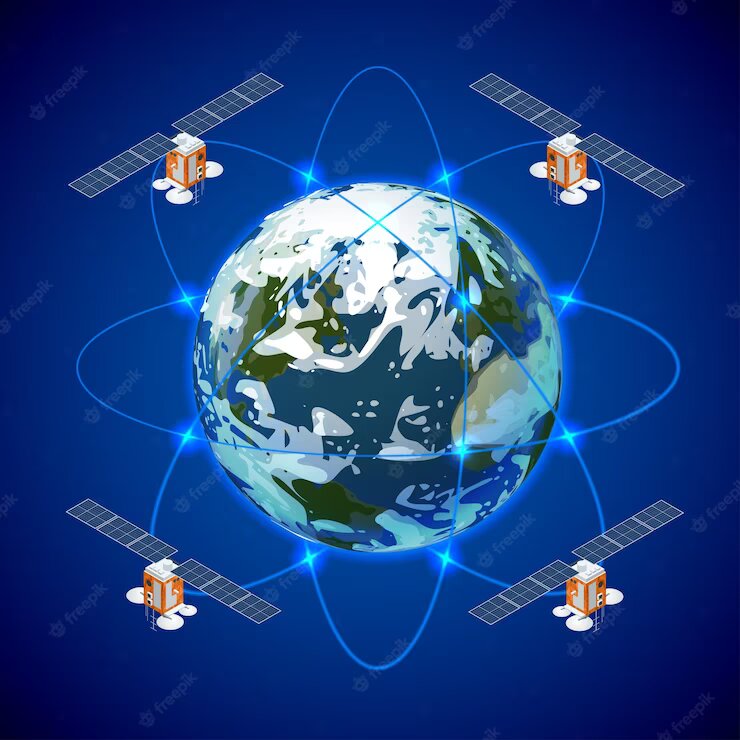
In today’s world, internet connectivity has become a necessity, not just a luxury. But in remote and rural areas, getting access to the internet can be challenging. That’s where satellite-based connectivity comes into play! The Federal Communications Commission (FCC) is advocating for this innovative technology as the solution to bridge the digital divide between urban and rural communities. In this blog post, we’ll dive deep into what satellite-based connectivity is all about and how it can benefit those living far from civilization. Buckle up — things are about to get interesting!
The FCC’s stance on satellite-based connectivity
The FCC’s stance on satellite-based connectivity is that it is a viable option for rural and remote areas. The agency has been working with the industry to promote the use of this technology and is encouraging providers to offer this service in areas that are underserved by terrestrial broadband providers.
Satellite-based connectivity can provide high-speed broadband access to rural and remote areas that would otherwise be without any service. The technology has come a long way in recent years and is now more affordable than ever before. The FCC believes that satellite-based connectivity is a viable option for many rural and remote areas and is encouraging providers to offer this service.
The challenges of implementing satellite-based connectivity
Satellite-based connectivity has the potential to close the digital divide in rural and remote areas, but there are several challenges that need to be addressed before it can be widely implemented.
One challenge is the high cost of satellite equipment and services. Satellite dishes and receivers can be expensive, and monthly service fees can be higher than those for terrestrial broadband. This limits access to satellite-based connectivity for many people living in rural and remote areas.

Another challenge is the limited bandwidth available with satellite-based connections. While newer satellites offer higher speeds, they are still slower than terrestrial broadband connections. This can make streaming video or using other bandwidth-intensive applications difficult or impossible.
Finally, weather can impact satellite signals, causing disruptions in service. This is a particular problem in areas with severe weather conditions like hurricanes or tornadoes.
Despite these challenges, satellite-based connectivity is a promising solution for bringing high-speed internet to rural and remote areas. With continued advances in technology and falling costs, it is likely that more people in these areas will have access to this type of connectivity in the future.
The benefits of satellite-based connectivity
Satellite-based connectivity has a number of benefits that make it an attractive option for rural and remote areas. First, satellite-based systems can provide high-speed Internet access to areas where terrestrial infrastructure is either unavailable or prohibitively expensive to deploy. Second, satellite systems are not as susceptible to weather disruptions as terrestrial systems, making them a more reliable option in areas where severe weather is common. Third, satellite systems can be used to connect mobile devices, such as laptops and smartphones, which are increasingly being used as primary means of accessing the Internet. Finally, satellite-based connectivity can help close the digital divide by providing affordable high-speed Internet access to underserved communities.
How satellite-based connectivity can be used to close the digital divide
In an effort to close the digital divide, the FCC has proposed extending satellite-based connectivity to rural and remote areas. This would provide high-speed Internet access to those who currently do not have it, and would help close the gap between those who have access to the Internet and those who do not.
One way that satellite-based connectivity can be used to close the digital divide is by providing Internet access to students in rural areas. According to a report by the National Center for Education Statistics, as of 2016, only 50% of students in rural areas had access to high-speed Internet at home. This lack of access can prevent students from being able to do homework or research projects online, which can put them at a disadvantage compared to their classmates. With satellite-based connectivity, students in rural areas would be able to get online and complete their assignments just as easily as their classmates in urban areas.
Another way that satellite-based connectivity can be used to close the digital divide is by providing telemedicine services to rural communities. According to the American Telemedicine Association, as of 2016, only about 10% of US hospitals had telemedicine capabilities. This means that many rural patients have limited or no access to medical care. However, with satellite-based connectivity, doctors and other medical professionals would be able to provide care remotely, which could greatly improve the health outcomes for rural patients.
Satellite-based connectivity has the potential to close
Conclusion
To conclude, the FCC’s initiative to extend satellite-based broadband connectivity in rural and remote areas is an important step toward bridging the digital divide. With more reliable internet access in those regions, residents will have better access to education, job opportunities, and healthcare resources that are often otherwise inaccessible due to limited or no internet connection. By increasing their efforts on this front, the FCC is making a meaningful effort towards improving quality of life for people living in these underserved areas.
Author



If your QuickBooks Desktop running slow issue is affecting daily accounting tasks, you’re not alone. Many businesses using QuickBooks experience performance problems such as delayed loading, freezing screens, sluggish reports, or slow company file access.
A slow accounting system can reduce productivity, delay payroll processing, interrupt invoicing, and create workflow disruptions. The good news is that most QuickBooks performance issues can be diagnosed and fixed with the right troubleshooting steps.
This guide explains why QuickBooks Running Slow, common causes behind the problem, and practical solutions to improve software performance.
Why Is QuickBooks Desktop Running Slow?
QuickBooks Desktop performance can decline for several reasons. In some cases, the issue comes from large company files. In other situations, outdated software, network problems, or insufficient system resources may be responsible.
You may notice:
- QuickBooks takes a long time to open
- Reports load slowly
- Transactions save with delays
- Company files freeze during use
- Multi-user mode responds slowly
- Screen switching becomes sluggish
These symptoms usually indicate a system configuration, file, or connectivity issue. Understanding the root cause is the first step toward resolving QB running slow problems.
Causes of QuickBooks Desktop Running Slow
Several technical factors can contribute to QuickBooks performance issues.
1. Large Company File Size
One of the most common reasons for QuickBooks Desktop Running Slow is a large company file.
Over time, company files accumulate:
- Customer transactions
- Payroll records
- Inventory history
- Audit logs
- Vendor payments
- Historical accounting data
Large files require more processing power and memory. Businesses with long operational histories or high transaction volume may experience slower performance as file sizes increase.
2. Outdated QuickBooks Version
Running an outdated QuickBooks release can create performance bottlenecks.
Software updates often include:
- Bug fixes
- Speed improvements
- Database optimizations
- Security enhancements
- Compatibility updates
Skipping updates can cause software inefficiencies that affect speed and stability.
3. Insufficient System Resources
QuickBooks Desktop depends on available system memory, processor power, and storage performance.
If your computer has:
- Low RAM
- Limited storage space
- Older processor hardware
- High background application usage
QuickBooks may respond slowly. Accounting software typically performs better on systems meeting or exceeding recommended hardware specifications.
4. Damaged Company Files
Corrupted or damaged company files can significantly impact performance.
Signs of file damage may include:
- Unexpected crashes
- Missing transactions
- Slow loading forms
- Verification errors
- Data integrity warnings
File damage can occur due to sudden shutdowns, hardware issues, or interrupted network access.
5. Multi-User Network Problems
Many businesses use QuickBooks Desktop in multi-user mode.
Network-related issues can contribute to QuickBooks Running Slow performance problems, especially when:
- Server connections are unstable
- Firewalls restrict communication
- Database services malfunction
- Shared folders are misconfigured
Poor network performance often leads to slow file access and delayed synchronization.

Fix QuickBooks Desktop Running Slow
Once you identify possible causes, you can begin troubleshooting.
Update QuickBooks Desktop
Start by ensuring QuickBooks is running the latest release.
Updating the software may resolve:
- Performance bugs
- Compatibility issues
- Known software defects
- Database optimization problems
Keeping accounting software updated is an important maintenance practice.
Verify and Rebuild Company Data
QuickBooks includes built-in utilities to detect and repair file problems. The Verify Data tool checks company file integrity. The Rebuild Data tool attempts to correct detected issues. These utilities may improve speed if performance problems stem from damaged accounting data.
Check System Requirements
Verify that your computer meets QuickBooks Desktop requirements.
Areas to review include:
- Processor capability
- RAM availability
- Hard drive space
- Operating system compatibility
Insufficient hardware resources frequently contribute to QB running slow complaints.
Restart Database Services
Businesses using hosted or multi-user setups should review database server services. Restarting QuickBooks database services may help restore performance.
Check:
- Database Manager status
- Shared folder permissions
- Network connectivity
- Server resource usage
Server optimization often improves multi-user responsiveness.
QB Online Running Slow
Although this article focuses on desktop performance, some users report QB Online Running Slow issues as well. QuickBooks Online performance challenges differ from Desktop because the platform depends on browser and internet conditions.
Common causes of QB Online Running Slow include:
- Browser cache problems
- Slow internet connection
- Excessive browser extensions
- Outdated browsers
- Temporary server latency
Unlike Desktop software, QuickBooks Online relies heavily on web performance factors.
Basic troubleshooting may include:
- Clearing browser cache
- Trying a private browsing window
- Switching browsers
- Updating browser software
- Testing internet speed
Understanding whether the issue involves Desktop or Online versions helps narrow troubleshooting efforts.
Performance Tips to Prevent Issues
Preventive maintenance can reduce the likelihood of future performance problems.
Install Software Updates Regularly
Routine updates improve software efficiency and stability. Maintaining current releases helps minimize compatibility issues.
Monitor Company File Growth
Review company file size periodically. Large files may require optimization strategies before performance noticeably declines.
Maintain System Health
Keep your operating system and hardware environment healthy.
Best practices include:
- Regular disk cleanup
- Adequate free storage
- Driver updates
- Malware scanning
- Hardware monitoring
Use Stable Network Infrastructure
For multi-user environments, reliable networking matters.
Businesses should review:
- Router performance
- Server stability
- Wireless strength
- Firewall configurations
Network consistency can significantly improve QuickBooks responsiveness.
Final Thoughts
Experiencing QuickBooks Desktop Running Slow problems can interrupt accounting workflows, reporting, payroll tasks, and financial management activities. Performance issues often stem from large company files, outdated software, network challenges, insufficient system resources, or file damage.
By understanding the causes and applying appropriate troubleshooting methods, businesses can improve software responsiveness and maintain smoother accounting operations.
Whether you’re dealing with QuickBooks Running Slow, QB running slow, or even QB Online Running Slow, identifying the underlying issue is the most effective path toward restoring performance and improving user experience.
Author


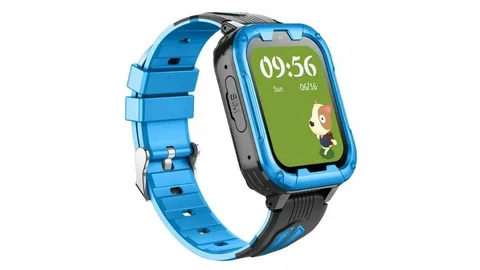
GPS sports watches have become one of the most important tools for modern athletes, cyclists, runners, and fitness enthusiasts. Whether you are training for endurance events, improving daily fitness, or simply tracking outdoor activities more accurately, investing in quality GPS watches for sale can help you monitor performance, stay motivated, and train smarter.
Today’s GPS watches combine advanced satellite tracking, heart rate monitoring, fitness analytics, and smart connectivity into lightweight wearable devices designed for active lifestyles. From road cycling and trail running to gym workouts and hiking adventures, GPS watches continue to grow in popularity across South Africa.
What Is a GPS Watch?
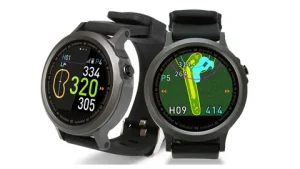
A GPS watch is a wearable device equipped with a built-in Global Positioning System receiver that tracks movement, speed, distance, and location during physical activity. Modern GPS watches also include fitness tracking features such as heart rate monitoring, sleep analysis, calorie tracking, and workout metrics. According to technology experts, GPS watches are commonly designed for sports, outdoor activities, and fitness training while integrating smartwatch functionality for everyday use.
These watches are commonly used for:
- Cycling
- Running
- Hiking
- Gym workouts
- Swimming
- Triathlon training
- Outdoor navigation
- Daily fitness tracking
Because of their versatility, more athletes are searching for reliable GPS watches for sale to improve both performance and convenience.
Why GPS Watches Are So Popular
There are several reasons why GPS fitness watches continue to grow in demand among cyclists and fitness enthusiasts.
Accurate Activity Tracking
GPS watches allow users to track speed, distance, pace, elevation, and route information with much greater accuracy than standard fitness bands.
Sports technology guides explain that GPS tracking helps athletes monitor performance metrics in real time while analyzing workouts more effectively after training sessions.
Advanced Training Features
Modern GPS watches now include advanced fitness tools such as:
- VO2 max estimation
- Recovery tracking
- Training readiness
- Heart rate zones
- Cadence tracking
- Sleep monitoring
- Workout suggestions
Recent Garmin reviews highlight how newer GPS watches now offer advanced training analytics previously reserved for professional athletes.
Long Battery Life
Unlike many standard smartwatches, fitness-focused GPS watches prioritize battery performance for long workouts and outdoor adventures.
Experts note that many modern fitness watches now provide multiple days of battery life while still offering continuous GPS activity tracking.
Better Fitness Motivation
Tracking progress helps many athletes stay motivated and consistent. GPS watches allow users to monitor improvements in speed, endurance, distance, and recovery over time.
Cyclists and runners frequently mention that activity tracking encourages more structured training and long-term fitness consistency.
Why Cyclists Love GPS Watches
Cycling is one of the most common activities tracked using GPS watches.
Cycling-specific features often include:
- Speed monitoring
- Distance tracking
- Elevation gain
- Route recording
- Heart rate zones
- Strava integration
- Cadence sensor compatibility
Cycling communities often recommend GPS watches because they integrate easily with training platforms and cycling sensors.
Many Garmin models also integrate directly with bike computers and external heart rate monitors for more advanced performance analysis.
Popular Types of GPS Watches
Different athletes prefer different types of GPS watches depending on training style and budget.
Running Watches
Running-focused GPS watches prioritize lightweight construction, accurate pacing, and training analytics.
Recent reviews of the Garmin Forerunner series highlight advanced running metrics, AMOLED displays, and excellent battery performance for runners and cyclists alike.
Multisport Watches
Multisport GPS watches support multiple activities including cycling, swimming, running, hiking, and gym training.
Technology experts explain that multisport watches are ideal for athletes who participate in different activities throughout the week.
Rugged Outdoor Watches
Outdoor adventure watches focus on durability, navigation, weather resistance, and extended battery life for hiking and trail activities.
Some models include:
- Solar charging
- Offline maps
- Altimeters
- Compass navigation
- Military-grade durability
Budget GPS Watches
Affordable GPS watches continue to improve significantly. Newer entry-level devices now include built-in GPS, heart rate monitoring, and fitness tracking at much lower prices.
Budget technology reviews note that some affordable fitness watches now offer excellent value for casual athletes and beginners.
Features to Look for When Buying a GPS Watch
When shopping for GPS watches for sale, there are several important features to consider.
GPS Accuracy
Accurate GPS tracking is essential for reliable speed and distance measurements. Studies have shown that GPS accuracy can vary between models and generations.
Heart Rate Monitoring
Most modern watches include wrist-based heart rate sensors, although some athletes still prefer chest straps for maximum accuracy during intense training.
Battery Performance
Battery life becomes especially important for cyclists, runners, and hikers participating in long endurance activities.
Water Resistance
Waterproof or water-resistant watches are ideal for swimming, rainy conditions, and outdoor training.
Display Quality
AMOLED displays have become increasingly popular because they improve brightness, readability, and overall user experience.
South African Athletes Choose GPS Watches
South Africa offers excellent conditions for outdoor sports, including road cycling, mountain biking, trail running, hiking, and endurance events. GPS watches help athletes track training more effectively while exploring outdoor routes safely.
Cyclists often use GPS watches alongside apps like Strava to monitor performance and share activities with training groups. Online fitness communities frequently recommend GPS watches for improving consistency and structured training.
Whether training casually or competitively, these devices help athletes better understand performance, recovery, and fitness progress.
Tips for Maintaining Your GPS Watch
To extend the lifespan of your watch:
- Charge regularly
- Clean sensors after workouts
- Avoid excessive heat exposure
- Update software frequently
- Rinse after sweaty or saltwater activities
Proper care helps maintain battery performance and sensor accuracy over time.
Find the Right GPS Watch for Your Fitness Goals
Whether you are a cyclist, runner, gym enthusiast, or outdoor adventurer, a GPS watch can help you train smarter, stay motivated, and improve performance. Browse premium GPS watches for sale and discover advanced fitness tracking technology designed for active South African lifestyles.
Author

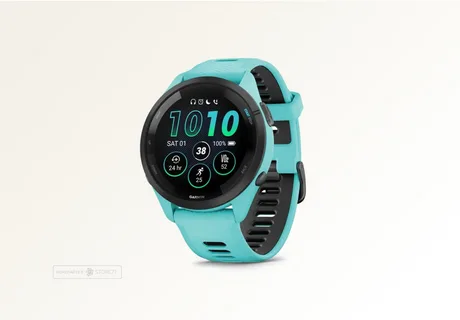
GPS sports watches have become one of the most important tools for modern athletes, cyclists, runners, and fitness enthusiasts. Whether you are training for endurance events, improving daily fitness, or simply tracking outdoor activities more accurately, investing in quality GPS watches for sale can help you monitor performance, stay motivated, and train smarter.
Today’s GPS watches combine advanced satellite tracking, heart rate monitoring, fitness analytics, and smart connectivity into lightweight wearable devices designed for active lifestyles. From road cycling and trail running to gym workouts and hiking adventures, GPS watch continue to grow in popularity across South Africa.
What Is a GPS Watch?
A GPS watch is a wearable device equipped with a built-in Global Positioning System receiver that tracks movement, speed, distance, and location during physical activity. Modern GPS watch also include fitness tracking features such as heart rate monitoring, sleep analysis, calorie tracking, and workout metrics. According to technology experts, GPS watch are commonly designed for sports, outdoor activities, and fitness training while integrating smartwatch functionality for everyday use.
These watches are commonly used for:
- Cycling
- Running
- Hiking
- Gym workouts
- Swimming
- Triathlon training
- Outdoor navigation
- Daily fitness tracking
Because of their versatility, more athletes are searching for reliable GPS watches for sale to improve both performance and convenience.
Why GPS Watches Are So Popular
There are several reasons why GPS fitness watches continue to grow in demand among cyclists and fitness enthusiasts.
Accurate Activity Tracking
GPS watches allow users to track speed, distance, pace, elevation, and route information with much greater accuracy than standard fitness bands.
Sports technology guides explain that GPS tracking helps athletes monitor performance metrics in real time while analyzing workouts more effectively after training sessions.
Advanced Training Features
Modern GPS watches now include advanced fitness tools such as:
- VO2 max estimation
- Recovery tracking
- Training readiness
- Heart rate zones
- Cadence tracking
- Sleep monitoring
- Workout suggestions
Recent Garmin reviews highlight how newer GPS watches now offer advanced training analytics previously reserved for professional athletes.
Long Battery Life
Unlike many standard smartwatches, fitness-focused GPS watches prioritize battery performance for long workouts and outdoor adventures.
Experts note that many modern fitness watches now provide multiple days of battery life while still offering continuous GPS activity tracking.
Better Fitness Motivation
Tracking progress helps many athletes stay motivated and consistent. GPS watches allow users to monitor improvements in speed, endurance, distance, and recovery over time.
Cyclists and runners frequently mention that activity tracking encourages more structured training and long-term fitness consistency.
Why Cyclists Love GPS Watches
Cycling is one of the most common activities tracked using GPS watches.
Cycling-specific features often include:
- Speed monitoring
- Distance tracking
- Elevation gain
- Route recording
- Heart rate zones
- Strava integration
- Cadence sensor compatibility
Cycling communities often recommend GPS watches because they integrate easily with training platforms and cycling sensors.
Many Garmin models also integrate directly with bike computers and external heart rate monitors for more advanced performance analysis.
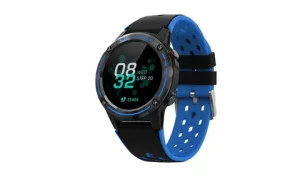
Popular Types of GPS Watches
Different athletes prefer different types of GPS watches depending on training style and budget.
Running Watches
Running-focused GPS watches prioritize lightweight construction, accurate pacing, and training analytics.
Recent reviews of the Garmin Forerunner series highlight advanced running metrics, AMOLED displays, and excellent battery performance for runners and cyclists alike.
Multisport Watches
Multisport GPS watches support multiple activities including cycling, swimming, running, hiking, and gym training.
Technology experts explain that multisport watches are ideal for athletes who participate in different activities throughout the week.
Rugged Outdoor Watches
Outdoor adventure watches focus on durability, navigation, weather resistance, and extended battery life for hiking and trail activities.
Some models include:
- Solar charging
- Offline maps
- Altimeters
- Compass navigation
- Military-grade durability
Budget GPS Watches
Affordable GPS watches continue to improve significantly. Newer entry-level devices now include built-in GPS, heart rate monitoring, and fitness tracking at much lower prices.
Budget technology reviews note that some affordable fitness watches now offer excellent value for casual athletes and beginners.
Features to Look Before Buying a GPS Watch
When shopping for GPS watches for sale, there are several important features to consider.
GPS Accuracy
Accurate GPS tracking is essential for reliable speed and distance measurements. Studies have shown that GPS accuracy can vary between models and generations.
Heart Rate Monitoring
Most modern watches include wrist-based heart rate sensors, although some athletes still prefer chest straps for maximum accuracy during intense training.
Battery Performance
Battery life becomes especially important for cyclists, runners, and hikers participating in long endurance activities.
Water Resistance
Waterproof or water-resistant watches are ideal for swimming, rainy conditions, and outdoor training.
Display Quality
AMOLED displays have become increasingly popular because they improve brightness, readability, and overall user experience.
South African Athletes Choose GPS Watches
South Africa offers excellent conditions for outdoor sports, including road cycling, mountain biking, trail running, hiking, and endurance events. GPS watch help athletes track training more effectively while exploring outdoor routes safely.
Cyclists often use GPS watch alongside apps like Strava to monitor performance and share activities with training groups. Online fitness communities frequently recommend GPS watch for improving consistency and structured training.
Whether training casually or competitively, these devices help athletes better understand performance, recovery, and fitness progress.
Tips for Maintaining GPS Watch
To extend the lifespan of your watch:
- Charge regularly
- Clean sensors after workouts
- Avoid excessive heat exposure
- Update software frequently
- Rinse after sweaty or saltwater activities
Proper care helps maintain battery performance and sensor accuracy over time.
Find the Right GPS Watch
Whether you are a cyclist, runner, gym enthusiast, or outdoor adventurer, a GPS watch can help you train smarter, stay motivated, and improve performance. Browse premium GPS watches for sale and discover advanced fitness tracking technology designed for active South African lifestyles.
Author


Netgear Orbi Router Login: How to Troubleshoot Orbi Network

Working Capital Loan: Meaning, Benefits & Types

Bottega Desires Shorts: Streetwear Redefined with Premium Style

Mr. Winston Official Store: Comfortable, and Affordable Streetwear

Mr. Winston Hoodie: Where Style Meets Comfort

Comme des Garçons Limited Edition Drops: Streetwear Influence

Handcrafted Interior Design: Elevating Modern Spaces with Texture

Parquet Flooring: Elegant, Durable, and Stylish Wooden Flooring

Hair Transplant: Advanced Techniques for Natural Results

Dental Implant Drill: Precision, Design, and Material

Cybersecurity Consulting Company SequelNet Provides Critical IT Support Services to Medical Billing Firm, Medical Optimum

Team Communication Software Transforms Operations at Finance Innovate

Project Management Tool Transforms Long Island Business

How Alleviate Poverty Utilized IPPBX’s All-in-One Solution to Transform Lives in New York City

Breast Cancer: The Imperative Role of Mammograms in Screening and Early Detection

Unstoppable Collaboration: D.C.’s Citi Open and Silicon Valley Classic Unite to Propel Women’s Tennis to New Heights

Embracing Renewal: Sizdabedar Celebrations Unite Iranians in New York’s Eisenhower Park

The Benefits of Starting a Side Hustle for Financial Freedom

New Blood Donation Screening Questions What You Need to Know

Stylishly Timeless: The 5 Types of Sandals You Need in Your Closet
-

 Business3 years ago
Cybersecurity Consulting Company SequelNet Provides Critical IT Support Services to Medical Billing Firm, Medical Optimum
-
Business3 years ago
Team Communication Software Transforms Operations at Finance Innovate
-
Business3 years ago
Project Management Tool Transforms Long Island Business
-
Business3 years ago
How Alleviate Poverty Utilized IPPBX’s All-in-One Solution to Transform Lives in New York City
-
health3 years ago
Breast Cancer: The Imperative Role of Mammograms in Screening and Early Detection
-
Sports3 years ago
Unstoppable Collaboration: D.C.’s Citi Open and Silicon Valley Classic Unite to Propel Women’s Tennis to New Heights
-
Art /Entertainment3 years ago
Embracing Renewal: Sizdabedar Celebrations Unite Iranians in New York’s Eisenhower Park
-
Finance3 years ago
The Benefits of Starting a Side Hustle for Financial Freedom







