
Dental Health
Dental Implant Drill: Precision, Design, and Material

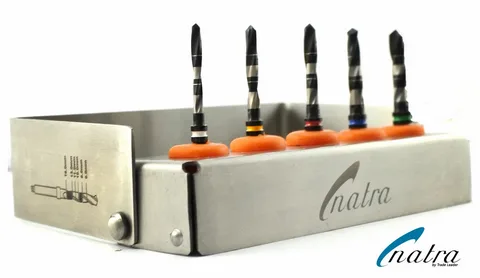
Modern implant dentistry has evolved significantly over the past few decades. Today, it depends on precision, advanced technology, and highly specialized surgical instruments. Among these tools, the dental implant drill plays one of the most important roles. It helps dentists prepare the bone site with accuracy, safety, and control, which directly influences the success of the implant procedure.
Without the right drilling system, achieving stable and long-lasting dental implants would be extremely difficult. Because of this, the dental implant drill has become a core instrument in modern oral surgery and implantology.
Role of a Dental Implant Drill
A dental implant drill is a specially designed surgical tool used to create a precise opening in the jawbone. This opening, known as an osteotomy site, is where the dental implant is placed. The accuracy of this step is extremely important because even a small error can affect implant stability.
Dentists use this drill to ensure that the implant fits perfectly into the bone. As a result, it supports proper healing and long-term integration between the bone and the implant surface. In modern dental practices, surgeons rely on the dental implant drill to achieve predictable results. It reduces complications, improves placement accuracy, and enhances overall treatment success.
Design and Engineering of the Dental Implant Drill
The design of a dental implant drill is highly specialized. Engineers focus on precision, strength, and safety to meet the demands of surgical environments. Every detail is carefully planned to support smooth and controlled drilling.

First, these drills are designed with sharp cutting edges. This allows them to penetrate bone efficiently without applying excessive pressure. As a result, surrounding tissues remain protected during the procedure.
In addition, most dental implant drills include depth markings. These markings help dentists control how deep they are drilling. This feature reduces the risk of over-penetration and ensures correct implant positioning.
Another important design factor is vibration control. A well-designed dental implant drill minimizes vibration during use. This gives surgeons better control and improves accuracy during surgery. Heat resistance is also essential. Excess heat can damage bone tissue, so modern drills are designed to reduce friction and maintain safe temperatures during operation.
Importance in Clinical Implant Procedures
The success of dental implant surgery depends heavily on precision. This is where the dental implant drill becomes essential. It allows dentists to prepare a perfectly sized and shaped site for the implant.
When the bone is prepared correctly, the implant can integrate more effectively. This process is known as osseointegration, where the implant naturally bonds with the surrounding bone. A well-prepared site improves stability and reduces the risk of implant failure.
Moreover, using a dental implant drill helps minimize trauma to surrounding tissues. This leads to less pain, reduced swelling, and faster recovery for patients. Because of these advantages, dental professionals consider it an indispensable tool in both simple and complex implant cases.
Materials and Durability Standards
Surgical instruments must meet strict quality and durability requirements. The dental implant drill is no exception. It is typically made from high-grade surgical stainless steel or coated with titanium for added strength.
These materials ensure that the drill remains sharp and effective even after repeated use. Since dental tools must be sterilized frequently, durability is extremely important.
The dental implant drill must also withstand high temperatures during sterilization without losing performance. This ensures consistent results over time and makes it a reliable tool in busy dental clinics. In addition, its resistance to wear and corrosion helps extend its lifespan. This makes it a cost-effective investment for dental professionals who perform implant surgeries regularly.
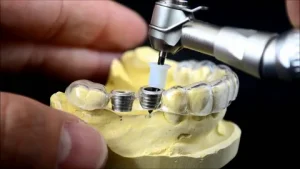
Improving Surgical Workflow and Efficiency
Efficiency plays a major role in modern dental surgeries. A well-designed dental implant drill helps streamline the entire implant procedure. First, it reduces the time needed for bone preparation. Because it cuts smoothly and accurately, dentists can complete each step more quickly and efficiently. Next, it improves surgical predictability. When surgeons can rely on consistent performance, they can focus more on precision and patient care.
In addition, the dental implant drill supports better workflow coordination during surgery. Each step becomes smoother, which reduces stress for both the dentist and the patient. As a result, clinics can handle more procedures with improved efficiency and fewer complications.
Enhancing Patient Comfort and Recovery
Patient comfort is an important part of modern dentistry. The dental implant drill contributes significantly to improving the overall patient experience. Because it reduces heat and vibration, patients experience less trauma during surgery. This leads to reduced discomfort after the procedure.
Furthermore, precise drilling helps protect surrounding bone and tissue. This promotes faster healing and lowers the risk of postoperative complications. When the surgical process is smoother, patients also feel more confident about undergoing implant treatment. This improves overall satisfaction and trust in dental care.
Innovation and Advancements in Dental Tools
The field of implant dentistry continues to evolve with new technologies and innovations. Manufacturers are constantly improving the design of tools like the implant drill to meet modern clinical needs.
Newer designs focus on enhancing precision, reducing surgical time, and improving safety. Advanced coatings and cutting-edge manufacturing techniques have significantly improved drill performance.
In addition, digital dentistry has introduced more accurate planning systems. These systems work alongside surgical instruments to improve implant placement accuracy. As technology advances, the implant drill will continue to evolve and become even more efficient and precise.
Conclusion
The dental implant drill is a vital instrument in modern implant dentistry. It ensures precise bone preparation, improves surgical accuracy, and enhances patient outcomes.
Through advanced engineering, high-quality materials, and improved design features, it supports safe and effective implant procedures. Its role in reducing trauma, improving workflow, and increasing predictability makes it an essential tool for dental professionals.
As dental technology continues to advance, the dental implant drill will remain at the center of innovation. It will continue to play a key role in delivering safer, faster, and more reliable implant treatments for patients around the world.
Author


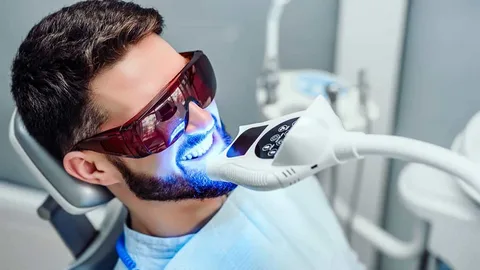
A bright smile can improve confidence and create a positive first impression. Many people choose professional teeth whitening to remove stains and achieve a cleaner, brighter appearance. However, one important question often comes to mind: how long do whitening results actually last?
Professional treatments can provide noticeable improvements, but the brightness does not stay unchanged forever. Daily habits, food choices, oral hygiene, and natural changes in teeth all influence how long results remain visible. With proper care and healthy routines, people can enjoy a brighter smile for a longer period.
Understanding Professional Whitening Results
Every smile responds differently to whitening treatments. Tooth structure, enamel condition, natural color, lifestyle choices, and overall oral health affect the final outcome. Some people maintain their brighter smile for more than a year, while others may notice gradual fading within several months. Many individuals who consider teeth whitening understand that aftercare plays an important role after treatment. The procedure creates the improvement, but daily habits help protect and extend the results. A consistent oral care routine can reduce new stains and maintain a fresh-looking smile.
Factors That Affect Whitening Longevity
Several everyday factors influence how long whitening results last. Understanding these factors helps people make better choices and maintain their smile after treatment.
Food and Beverage Choices
Food and drinks with strong colors can gradually affect tooth brightness. Coffee, tea, cola, red wine, tomato sauces, and dark berries contain pigments that may attach to enamel over time. You do not need to completely remove these items from your diet. Instead, limit frequent consumption and drink water after enjoying staining foods or beverages. This simple step helps remove leftover pigments before they create deeper stains. Choosing lighter-colored options more often can also support a brighter smile. Small changes in daily habits can help protect the results of professional teeth whitening treatments.
Smoking and Tobacco Habits
Tobacco products can significantly reduce whitening results. Nicotine and tar create stubborn stains that make teeth appear yellow or darker. Even after successful teeth whitening, continued tobacco use can cause discoloration much faster. Reducing or avoiding tobacco improves oral health and helps maintain a cleaner-looking smile. People who stay away from tobacco usually experience longer-lasting results because they remove one of the biggest causes of tooth staining.
Daily Oral Hygiene Routine
A strong oral hygiene routine is essential for maintaining a bright smile. Brushing twice daily with fluoride toothpaste removes food particles and surface stains before they become harder to manage. Flossing every day also protects teeth by cleaning areas that a toothbrush cannot reach. A dentist-approved mouthwash may provide additional support by reducing bacteria and keeping the mouth cleaner. After receiving teeth whitening, maintaining proper oral care becomes even more important. Regular brushing and flossing help preserve the fresh appearance created by the treatment.
Natural Tooth Enamel
Everyone has a different tooth structure. Some people naturally have brighter enamel, while others have darker shades because of genetics or enamel thickness. Age can also affect tooth color. Over time, enamel may become thinner, allowing the natural dentin underneath to become more visible. This process can slowly change the appearance of teeth. Understanding these natural changes helps people create realistic expectations and appreciate the improvements that professional whitening provides.

Importance of Professional Dental Cleanings
Regular dental cleanings support both oral health and smile appearance. Professional cleanings remove plaque, tartar, and surface stains that normal brushing and flossing cannot completely remove. Many patients combine professional cleanings with teeth whitening treatments to maintain better results. Dental visits also allow professionals to monitor oral health and provide personalized recommendations. Routine appointments help prevent problems and keep teeth looking cleaner and healthier over time.
Following Aftercare Instructions
After whitening treatment, teeth may temporarily absorb colors more easily. Dentists often recommend avoiding coffee, tea, wine, colorful sauces, and tobacco for at least forty-eight hours after the procedure. Following these instructions allows teeth to adjust properly after treatment. Careful attention during this early period can improve the longevity of whitening results. Drinking water, practicing good hygiene, and choosing tooth-friendly foods can help protect the brightness achieved through professional treatment.
Simple Ways to Maintain a Brighter Smile
Maintaining whitening results does not require complicated changes. Small daily habits can create long-term benefits. Using a gentle whitening toothpaste can help remove new surface stains. However, choose products that support enamel health and follow professional recommendations. Drinking enough water throughout the day also helps protect teeth. Water washes away food particles and supports saliva production, which naturally protects enamel.
Eating fresh fruits, vegetables, dairy products, and crunchy foods can support better oral health. These foods encourage saliva flow and help keep teeth cleaner. For people who want to refresh their smile, occasional touch-up treatments can provide additional brightness. These treatments help restore results without repeating the complete process.
Protecting Whitening Results for the Future
Professional teeth whitening can create a noticeable improvement, but maintaining results requires consistent care. Healthy habits, regular dental visits, and smart lifestyle decisions all contribute to a long-lasting brighter smile. People interested in teeth whitening should consult a dental professional to understand their options. A dental expert can recommend the right approach based on individual needs and goals.
Final Thoughts
A brighter smile requires more than just a professional treatment. While teeth whitening provides excellent results, daily care determines how long those results remain visible. Avoiding excessive staining foods, maintaining good oral hygiene, attending regular dental appointments, and following aftercare advice can help protect your smile for many months.
A confident smile begins with informed choices and consistent care. By understanding what affects whitening results, you can enjoy a healthier and brighter smile for a longer time.
Author

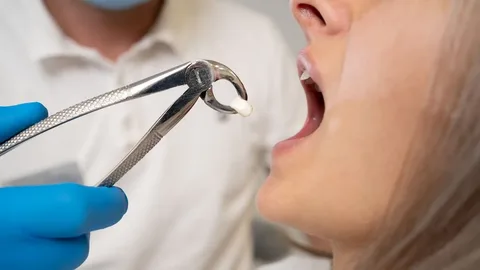
The Davis mouth gag is a highly specialized surgical instrument used across oral, maxillofacial, and ear, nose, and throat (ENT) procedures. Its primary purpose is to keep the patient’s mouth securely open during an operation. This positioning provides surgeons with a completely clear and unobstructed view of the entire surgical field.
The instrument provides immense clinical value during tonsillectomies, adenoidectomies, and complex surgeries within the throat or oral cavity. Because engineers designed the tool for maximum structural stability and patient safety, it dramatically improves operating room efficiency. It also minimizes the need for manual, hands-on retraction assistance from surgical staff. GreyMedical is a privately owned medical technology firm that focuses on innovation and handcrafted excellence within the surgical instrument sector.
Essential Design Features of the Instrument
Manufacturers produce the Davis mouth gag from premium-grade stainless steel. This high-quality material ensures exceptional product durability, strong corrosion resistance, and reliable performance within demanding surgical environments. Its specialized ergonomic layout allows for safe, secure placement in the oral cavity. At the same time, it maintains a perfectly consistent mouth opening throughout lengthy medical procedures.
The structural frame is fully compatible with a wide assortment of tongue blades and dental accessories. This compatibility makes the tool highly suitable for diverse patient anatomies and variable surgical needs. Furthermore, the smooth satin finish and precision engineering simplify the sterilization process. This finish allows clinical teams to reuse the tool safely across thousands of operating room cycles.
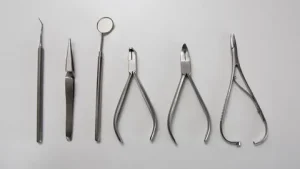
The physical mechanism features a specialized U-shaped frame that maximizes overall jaw separation without placing undue stress on the patient’s joint tissues. Sliding incisor claws attach firmly onto the upper teeth to prevent slipping or sudden shifting mid-operation. Additionally, the adjustable lower handle incorporates a ratcheted rail system to lock tongue depressors into place rapidly. This mechanical precision gives surgical teams absolute control over the visibility of deep pharyngeal walls.
Clinical Applications in Modern Operating Rooms
The Davis mouth gag plays a vital role in modern otolaryngology and oral surgery by providing fixed, predictable exposure of the mouth and pharynx. Surgeons rely heavily on this retraction tool during standard tonsil removals, adenoid extractions, cleft palate repairs, and deep throat tissue biopsies. Its dependable, hands-free retraction capability prevents physical hand fatigue for the primary surgeon. It also optimizes line-of-sight visibility, which directly translates to superior precision during delicate incisions. Medical professionals worldwide value this instrument for its versatility and its ability to streamline complex surgical interventions across multiple distinct healthcare specialties.
The Importance of Selecting Premium Surgical Tools
Choosing elite, medical-grade surgical instruments is completely essential for protecting patient health and achieving successful clinical outcomes. The Davis mouth gag delivers incredibly dependable performance because of its heavy-duty construction, balanced weight distribution, and accurate mechanical components. Hospitals, outpatient surgery centers, and independent medical groups benefit financially from instruments that maintain their exact shape and structural integrity. These tools must withstand intense, repetitive autoclaving and chemical sterilization routines over several years. Investing in premium hardware successfully lowers long-term equipment maintenance costs while boosting the safety and predictability of every surgical session.
GreyMedical Commitment to Innovation and Quality
GreyMedical focuses intensely on supplying global healthcare professionals with cutting-edge, precision-crafted instruments that satisfy strict international quality metrics. Every single piece of equipment undergoes a rigorous quality control inspection process before leaving the facility. This testing ensures maximum user safety, mechanical reliability, and structural durability in the field. The Davis mouth gag perfectly showcases the company’s broader mission to build functional products that support surgical excellence and elevate patient care standards. By offering a vast, comprehensive portfolio of specialized medical instruments, GreyMedical serves as a trusted global partner for modern healthcare practitioners.
Author

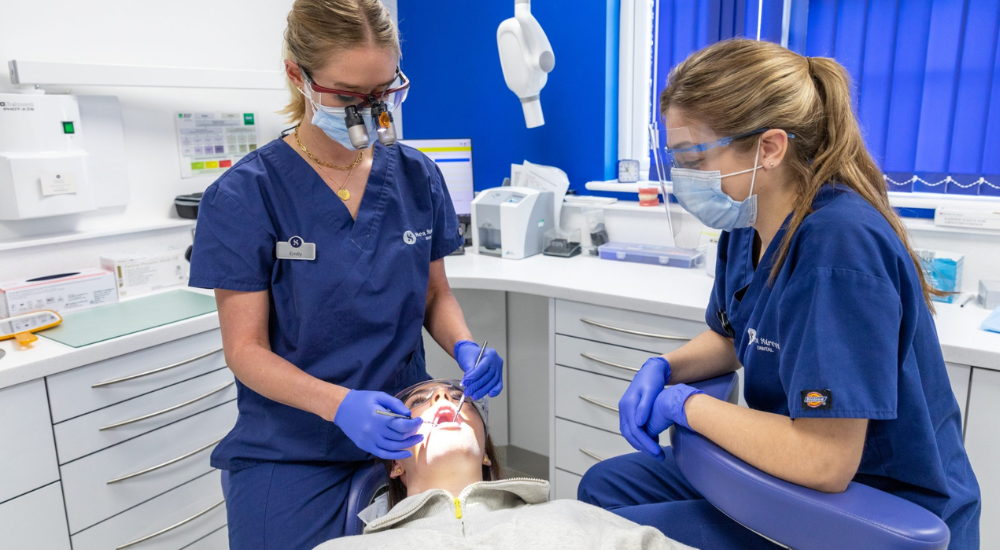
Tooth loss can have a significant impact on your everyday life. It may affect the way you eat, speak, smile, and interact with others. Many adults also experience a loss of confidence when missing teeth change their facial appearance or make social situations uncomfortable. Fortunately, modern dentures provide an effective solution for restoring both oral function and self-esteem.
Today’s dentures are designed with advanced materials and customized to fit comfortably while closely resembling natural teeth. Whether you have lost several teeth or an entire arch, dentures can help you regain a healthy-looking smile and improve your overall quality of life. Understanding the benefits of dentures can help you decide whether they are the right option for your needs.
1. Restoring a Complete and Natural Smile
One of the most noticeable benefits of dentures is their ability to restore the appearance of your smile.
Missing teeth can leave visible gaps that affect facial symmetry and make people feel self-conscious. Modern dentures are carefully crafted to match the size, shape, and color of natural teeth, creating a balanced and attractive smile.
Because dentures are custom-made, they blend naturally with your facial features and help restore the confidence that often declines after tooth loss.
2. Improving Your Ability to Eat Comfortably
Chewing becomes more difficult when several teeth are missing. Many people begin avoiding foods that are harder to bite or chew, limiting their diet and potentially affecting nutrition.
Dentures restore much of your chewing ability, allowing you to enjoy a wider variety of foods, including:
- Fresh fruits
- Vegetables
- Lean meats
- Whole grains
- Soft nuts and seeds
Although it may take a short period to adjust, most denture wearers find that eating becomes easier as they gain confidence using their new dentures.
3. Enhancing Clear Speech
Teeth play an important role in pronunciation. Missing teeth can make certain words or sounds difficult to pronounce clearly.
Dentures help restore proper support for your lips, tongue, and cheeks, making speech more natural. During the first few weeks, reading aloud and practicing conversations can help you adapt more quickly.
As your muscles become accustomed to the dentures, speaking often feels more comfortable and confident.

4. Supporting Facial Structure
Tooth loss affects more than your smile it can also change the shape of your face.
Without teeth to support your cheeks and lips, facial muscles may begin to sag, creating an older appearance. Dentures help restore this lost support, improving facial contours and reducing the sunken appearance commonly associated with missing teeth.
This added support contributes to a healthier, more youthful look while enhancing overall facial balance.
5. Boosting Confidence in Everyday Life
Many people underestimate the emotional effects of missing teeth.
Feeling embarrassed about smiling, eating in public, or speaking with others can reduce self-confidence and limit social interactions.
By restoring your smile, dentures can help you feel more comfortable during:
- Family gatherings
- Business meetings
- Social events
- Dining out
- Photographs
Regaining confidence often has a positive impact on both personal and professional relationships.
6. A Personalized Solution for Every Patient
Modern dentures are available in several forms, allowing treatment to be tailored to individual needs.
Depending on your oral health, you may benefit from:
- Complete dentures
- Partial dentures
- Implant-supported dentures
- Immediate dentures
Each option is designed to address different levels of tooth loss while improving comfort and functionality. Your dental professional will recommend the most appropriate solution based on your oral condition and long-term goals.
7. The Importance of Professional Denture Fitting
The success of dentures depends largely on how well they fit.
Properly fitted dentures improve stability, reduce sore spots, and make eating and speaking easier. Detailed impressions and careful adjustments help create dentures that fit comfortably and function effectively.
If you are exploring options for dentures in Peterborough, working with an experienced local provider ensures your dentures are customized to your mouth, helping achieve a secure fit, natural appearance, and long-term comfort. Regular follow-up appointments also allow adjustments as your gums and jaw naturally change over time.
8. Easy Daily Care Helps Maintain Results
Maintaining dentures is straightforward when you establish a consistent routine.
Daily care should include:
- Cleaning dentures every morning and evening.
- Rinsing after meals.
- Soaking dentures overnight when recommended.
- Cleaning your gums and tongue.
- Attending routine dental checkups.
Proper maintenance helps prevent stains, unpleasant odors, plaque buildup, and gum irritation while extending the lifespan of your dentures.
9. Long-Term Benefits for Oral Health
Replacing missing teeth offers benefits beyond appearance.
Dentures help:
- Improve chewing efficiency
- Support clearer speech
- Restore facial support
- Reduce strain on remaining teeth
- Improve overall oral function
For people wearing partial dentures, replacing missing teeth also helps prevent neighboring natural teeth from shifting out of alignment, contributing to better long-term oral health.
Routine dental examinations remain important even after receiving dentures, as your dentist can monitor the health of your gums and assess the condition of your dentures.
10. Are Dentures Right for You?
Dentures may be an excellent option if you:
- Have lost multiple teeth.
- Experience difficulty chewing.
- Feel self-conscious about your smile.
- Want an affordable tooth replacement solution.
- Need to replace an entire arch of teeth.
Every patient’s needs are different, so a professional consultation is the best way to determine which type of denture will provide the greatest benefit.
With proper care and regular adjustments, modern dentures can provide years of reliable comfort and function.
Conclusion
Dentures do much more than replace missing teeth; they help restore confidence, improve oral function, and enhance your overall quality of life. From making meals more enjoyable to improving speech and supporting facial structure, the benefits extend well beyond aesthetics.
Thanks to advances in dental technology, today’s dentures are more comfortable, natural-looking, and durable than ever before. Whether you need full, partial, or implant-supported dentures, choosing a personalized treatment plan and following a consistent care routine can help you enjoy a healthier smile for years to come. If you’re considering dentures, consulting an experienced dental professional is the first step toward restoring both your smile and your everyday confidence.
Author



Cash Only A Modern Approach to Everyday Streetwear

Kentucky Bourbon Trail Tours What Is Included and How to Plan a Trip

Point Cloud to BIM for Renovation Projects: From 3D Scanning

Malware Protection Solutions for Business Data Security

Balance With Dedicated Oversight From the Best Virtual Psychiatrist

Make Gifts Memorable with Custom Shaped Rigid Boxes

Brooklyn Creativity, Streetwear, Art, and Fashion

CAD vs. BIM: Which Workflow Is Right for Your Project?

Top 25 Podcast Marketing Firms Based in the United States

QuickBooks Bank Feeds Not Working: Expert Fix Guide

Cybersecurity Consulting Company SequelNet Provides Critical IT Support Services to Medical Billing Firm, Medical Optimum

Meet the Megalodon: The Shark Star of ‘Meg 2’

Reduce Video Game Lag: Level Up Your Gaming Performance

Balancing India’s Entertainment: Cricket vs. Bollywood

Jetsetter’s Secrets: Unveiling Our Favorite Travel Hacks for a Seamless Adventure

The 5 Best Live Sports Streaming Sites: Legal and Exciting!

Hollywood Labor Unrest: The Impact of ‘What About Us?’ Strikes

Unveiling the Magic of Dream Fulfillment at the Late NBA Draft

Illuminate Your Skin: Dr. Axe Unveils Natural Remedies for Lightening Knees and Elbows

Bright Choices: Navigating the Pros and Cons of Skin Whitening Creams with Dr. Axe
-

 Business3 years ago
Cybersecurity Consulting Company SequelNet Provides Critical IT Support Services to Medical Billing Firm, Medical Optimum
-
Entertainment3 years ago
Meet the Megalodon: The Shark Star of ‘Meg 2’
-
Entertainment3 years ago
Reduce Video Game Lag: Level Up Your Gaming Performance
-
 Sports3 years ago
Balancing India’s Entertainment: Cricket vs. Bollywood
-
Entertainment3 years ago
Jetsetter’s Secrets: Unveiling Our Favorite Travel Hacks for a Seamless Adventure
-
Productivity3 years ago
The 5 Best Live Sports Streaming Sites: Legal and Exciting!
-
Art /Entertainment3 years ago
Hollywood Labor Unrest: The Impact of ‘What About Us?’ Strikes
-
Sports3 years ago
Unveiling the Magic of Dream Fulfillment at the Late NBA Draft






