
Politics
Zambia’s 2026 Election: Vote for Zambia

By

Reviewed
By Eliza Margaret

Introduction
The Zambia 2026 election is set to shape the country’s path for years to come. On August 13, 2026, Zambians will head to the polls to choose their next president, National Assembly members, and local council leaders. Every vote counts, and understanding the process, key players, and pressing national issues is vital. This article offers an easy-to-follow guide on why you should vote for Zambia, what the Zambian general election entails, and how you can make your voice heard. Let’s dive into the facts, dates, and strategies to ensure you’re ready on election day.
Make Pre Vote for Zambia : Vote Here
As Zambia approaches its 2026 general elections scheduled for August 13, the political landscape is marked by legal battles, shifting alliances, and debates over electoral reforms. The contest between incumbent President Hakainde Hichilema and former President Edgar Lungu has intensified, setting the stage for a pivotal moment in the nation’s democratic journey.
Leading Parties and Candidates
1. United Party for National Development (UPND)
Leader: Hakainde Hichilema
Political Position: Centre-left
Founded: 1998
Current Status: Ruling party
The United Party for National Development (UPND) is the current ruling party in Zambia. Led by President Hakainde Hichilema, who came into power in 2021 after several previous electoral attempts, the UPND is known for its strong emphasis on economic reform, anti-corruption, and human rights.
Under Hichilema’s leadership, the UPND has focused on stabilizing Zambia’s economy, attracting foreign investment, and increasing transparency in governance. The party’s pro-market stance combined with a social democratic approach appeals to both urban professionals and rural voters.

The UPND has a stronghold in Southern Province and is expanding its influence nationwide. As the ruling party, UPND will likely be the focal point of both support and criticism in the upcoming election.
2. Patriotic Front (PF)
Leader: Transitional leadership following Edgar Lungu
Political Position: Centre-right
Founded: 2001
Current Status: Main opposition party
The Patriotic Front (PF) is the primary opposition party in Zambia. Founded by Michael Sata and later led by Edgar Lungu, PF governed Zambia from 2011 until its defeat in the 2021 elections.
While in power, the PF was known for its infrastructure development projects, particularly in road construction and urban development. However, its tenure was also marked by increasing debt levels, allegations of corruption, and democratic backsliding.
Since 2021, the PF has been undergoing internal restructuring, with various factions debating the future direction and leadership of the party. Despite these challenges, the PF remains a major political force, especially in Lusaka, the Copperbelt, and parts of the northern region.
3. Socialist Party (SP)
Leader: Dr. Fred M’membe
Political Position: Left-wing
Founded: 2018
Current Status: Emerging party
The Socialist Party is a relatively new but fast-growing political force in Zambia. Founded by veteran journalist and former Post newspaper editor Fred M’membe, the SP positions itself as a party of the working class, advocating for social justice, wealth redistribution, and public ownership of essential services.
The SP has gained popularity, particularly among students, trade unions, and rural communities disillusioned by both the UPND and PF. The party’s strong ideological stance differentiates it from other political actors and makes it a voice for those calling for a more radical transformation of Zambian society.
Although it did not win seats in the 2021 general elections, the Socialist Party is fielding more candidates in local and national elections and could become a significant player in 2025.
4. Democratic Party (DP)
Leader: Judith Kabemba (as of recent internal changes)
Political Position: Centrist
Founded: 1991 (revived in recent years)
Current Status: Minor but notable party
The Democratic Party has had a turbulent journey in Zambian politics. Originally formed in the early 1990s, the party has gone through several revivals, the most recent of which brought it into the spotlight under the former leadership of Harry Kalaba. However, internal conflicts and legal battles over leadership have caused a shift, with Judith Kabemba emerging as a notable figure.
The DP promotes a centrist agenda with a focus on good governance, national unity, and economic diversification. While it currently lacks a broad national support base, the party’s appeal to moderate voters and its clean image make it a party to watch in 2025.
5. Forum for Democracy and Development (FDD)
Leader: Edith Nawakwi
Political Position: Centre-left
Founded: 2001
Current Status: Long-standing opposition party
The Forum for Democracy and Development (FDD) is one of Zambia’s older opposition parties. Founded by former members of the Movement for Multi-Party Democracy (MMD), the FDD has been a consistent participant in Zambia’s democratic process, though its electoral performance has diminished over the years.
Led by Edith Nawakwi, the first woman to run for president in Zambia, the party emphasizes women’s empowerment, constitutional reform, and economic justice. While it has struggled to secure seats in recent elections, FDD continues to campaign on a platform of strong institutional change and remains a respected voice in civil society.
The Constitutional Court’s Ruling on Lungu’s Eligibility
In December 2024, Zambia’s Constitutional Court ruled that former President Edgar Lungu is ineligible to run in the 2026 presidential election, citing constitutional limits on presidential terms. Lungu, who served from 2015 to 2021, has contested this decision, alleging political interference and vowing to continue his political activities.
1. Formation of the Tonse Alliance
In response to the court’s ruling, Lungu has aligned with the newly formed Tonse Alliance, a coalition of opposition parties aiming to challenge the ruling United Party for National Development (UPND) in the upcoming elections. Despite legal challenges, the alliance has positioned Lungu as its presidential candidate, reflecting internal divisions within the opposition and a determination to contest the 2026 elections.
2. Electoral Reforms and Concerns
The Electoral Commission of Zambia (ECZ) has proposed reforms for the 2026 elections, including extending the deadline for announcing presidential results by four days. While intended to address legal gaps, these changes have raised concerns about potential delays and their impact on public trust in the electoral process.
3. Political Endorsements and Alliances
President Hakainde Hichilema has received endorsements from key political figures, including former Vice-President Enoch Kavindele, who praised Hichilema’s leadership and economic reforms. These endorsements strengthen Hichilema’s position as he seeks re-election.
4. Legal Challenges and Political Tensions
The Patriots for Economic Progress (PEP) has announced plans to challenge the Constitutional Court’s ruling barring Lungu from the 2026 elections, arguing that it infringes on democratic principles. This legal battle underscores the heightened political tensions and the contentious nature of the upcoming elections.
Conclusion: A Critical Moment for Zambia’s Democracy
Zambia’s 2026 general elections are shaping up to be a defining moment in the nation’s political history. With legal disputes, shifting alliances, and proposed electoral reforms, the path to the elections is fraught with challenges. As the nation prepares to vote, the commitment to democratic principles and the integrity of the electoral process will be under close scrutiny.
As Zambia heads toward another critical election, citizens are preparing to make informed choices that will shape the nation’s future. The importance of understanding the leading political parties, their ideologies, and their leadership cannot be overstated. This blog highlights the top five political parties currently shaping Zambia’s political landscape, providing voters with a clearer picture ahead of the 2025 elections.


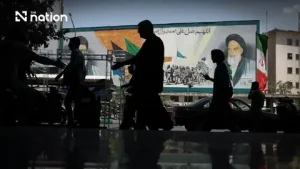
The agreement follows more than three months of intense friction. For an extended time, increased tensions and significant maritime disturbances troubled the Middle East. However, both nations finally reached a critical turning point. They announced a comprehensive framework agreement on June 14, 2026. Many people now refer to this historic arrangement as the landmark US-Iran peace deal.
The agreement primarily aims to restore regional stability. At the same time, it focuses heavily on reopening key maritime transport routes. The diplomatic framework also initiates necessary discussions on future sanctions relief. Finally, it sets the stage for upcoming negotiations regarding nuclear arrangements. This significant breakthrough did not happen by chance. Instead, it emerged after intense and secretive diplomatic negotiations. Several European and Gulf nations acted as crucial mediators to broker this historic moment.
The Strategic Steps for De-escalation
The agreement outlines a carefully planned, phased approach to de-escalation. First, both sides committed to reducing their military activities across the entire region. This immediate reduction provides much-needed relief to local populations. Second, they agreed to resume formal dialogue regarding Iran’s nuclear program. This step addresses a long-standing point of global anxiety. Third, they established a dedicated joint committee to monitor compliance. This committee will ensure that both parties remain accountable.
Additionally, the deal includes crucial provisions for humanitarian aid. It also establishes a clear framework for long-awaited prisoner exchanges. Naturally, many critics argue that significant challenges still remain. They point out that deep-rooted distrust does not disappear overnight.
Despite these valid doubts, supporters view this agreement as a vital first step. They believe it paves the way toward long-term regional peace. Global leaders have welcomed the development with cautious optimism. They continue to emphasize the absolute need for constant vigilance. They also stress that both sides must follow through completely on all of their diplomatic commitments.
Evaluating the Current Reality of Bilateral Trade
When we look at the raw data, bilateral trade between the two nations remains highly limited. According to recent US export statistics and Iran import data, total bilateral trade stood at approximately $60 million in 2025. This total figure remains incredibly modest. Decades of harsh economic sanctions have severely suppressed trade volumes. Ongoing political tensions have also prevented normal commercial relationships from forming.
However, looking at the historical trajectory reveals a more nuanced story. For instance, US-Iran trade reached a low point of $40.61 million back in 2021. The following year showed a slight upward movement. Trade volumes climbed to $56.71 million in 2022.
By the time 2023 arrived, the total figure grew minorly to $61.27 million. The bilateral relationship experienced a temporary peak in 2024. During that year, transactions surged to $97.13 million. Finally, the numbers experienced a sharp drop. They fell down to $59.99 million in 2025. These figures clearly show how geopolitical instability directly stifles economic potential.
Why the Strait of Hormuz Dictates Global Energy
One of the most critical components of the new peace agreement involves the stabilization of the Strait of Hormuz. This narrow waterway acts as the primary choke point for global commerce. It handles nearly twenty percent of the world’s total oil supplies every single day. Around 17 to 20 million barrels of crude oil flow through this susceptible route each day.
Because of this intense concentration, any disruption instantly triggers a severe global energy crisis. Major oil exporters rely heavily on this single route to move their products to international buyers. These prominent nations include Saudi Arabia, Iraq, Kuwait, the United Arab Emirates, Qatar, and Iran itself. Consequently, ensuring the completely free flow of traffic through the Strait remains vital. It is crucial for the survival of the worldwide economic structure.
Energy Markets and Financial Centers React
Energy markets were among the very first to react to the peace framework announcement. During the absolute peak of the recent military conflict, fear drove Brent crude prices above $120 per barrel. This massive spike put tremendous pressure on global transportation and manufacturing. However, the market shifted immediately after the diplomatic announcement.
Brent crude prices dropped significantly to about $83 per barrel. Meanwhile, WTI crude remained steady at around $80 to $81 per barrel. This sharp decline reflected growing investor optimism across the globe. Traders now firmly believe that supply disruptions will ease in the near future. They anticipate that worldwide oil flows will quickly reach stability in the next few months. Of course, this stability depends entirely on the implementation process. The agreement must move forward without any unforeseen political setbacks.
The Broader Ripple Effect on Global Trade
Lower energy prices generally translate directly into lower transportation and manufacturing costs. If the peace agreement holds over the long term, the global economy will benefit in several distinct ways. First, shipping expenses will drop across the board for international corporations. Second, supply chain reliability will improve significantly as maritime routes become safer.
Furthermore, cheaper energy will dramatically reduce inflationary pressures on everyday consumers. This positive shift will likely spark a massive increase in international trade volumes. Finally, enhanced investor confidence will encourage large corporations to deploy capital into new projects. Peace in the Middle East provides a very strong foundation for broader macroeconomic health.
Global financial markets have also welcomed this development with open arms. Major stock indices around the world posted significant gains following the Sunday announcement. For example, Japan’s Nikkei Index gained roughly five percent. South Korea’s KOSPI index rose nearly five percent as well. Across the Atlantic Ocean, European stock markets reached historic record highs. In the United States, the tech-heavy Nasdaq advanced about three percent.
Identifying Strategic Winners and the Path Forward
Several major global economies stand to gain immensely from reduced regional tensions and lower oil prices. China currently operates as one of Iran’s largest trading partners. Therefore, China will likely secure much greater energy safety. Chinese state firms will also look to expand infrastructure cooperation through broad regional initiatives.
Europe will also benefit greatly from this diplomatic shift. European companies have historically maintained very strong commercial interests in the region. Now, they can safely explore fresh opportunities in energy, automotive manufacturing, engineering, and pharmaceuticals.
Ultimately, navigating these rapid changes requires precise and reliable trade intelligence. Businesses must utilize comprehensive trade statistics to make truly informed choices. Knowing historical trade trends and sector-specific data allows modern firms to protect their supply chains. Reliable data covering shipment values, exact quantities, and trading partners helps businesses spot emerging risks. Using data-driven strategies will support sustainable business growth in this rapidly changing global marketplace.
Author



Introduction
Using trusted is one of the most powerful methods to gain visibility in the UAE digital landscape. When you publish on premium portals like Arabian Business, your brand gains credibility, drives quality traffic, and boosts SEO. Effective Link Building Services play a vital role in ensuring every post delivers measurable results for both Guest Post Technology and Guest Post Health niches. By selecting the right Guest Posting Sites, companies of all sizes can tap into large audiences and strengthen their digital presence.
What Is Guest Posting?
Guest posting is when you write content that gets published on someone else’s blog or website. In return, you often get credit as the author and can include a link back to your own website or social media. This is a great way to reach readers who may never have heard of you before.
Guest posting works well for both sides. The website owner gets quality content to share with their readers, and you get exposure, traffic, and sometimes even better search rankings.
Why Guest Posting Helps Grow Your Brand
Guest posting is one of the most effective ways to build your brand online. Here’s why it works so well:
1. Increases Brand Visibility
When your article is published on another website, your name and business are introduced to new people. If they like your content, they’ll remember you and maybe even look you up.
2. Builds Credibility and Trust
Writing for well-known websites makes you look like an expert. People are more likely to trust you if they see your content on trusted platforms.
3. Drives Quality Traffic
A good guest post usually includes a link to your website. Readers who click that link are often interested in what you offer, so the traffic you get is targeted and valuable.
4. Improves SEO
Search engines like Google see links from other websites as a sign that your site is trustworthy. These links, called backlinks, can help improve your rankings in search results.
5. Connects You with Industry Leaders
Guest posting can also help you build relationships with other bloggers and website owners. These connections can lead to new opportunities and long-term partnerships.
Benefits of Guest Posting Sites for Strong Brand Authority
High-DA allow you to showcase expertise and build trust with targeted audiences. Through strategic Link Building Services, each article earns valuable backlinks that strengthen your online presence. Whether your focus is Guest Post Technology updates or Guest Post Health awareness campaigns, these platforms help you stand out in a competitive market. Businesses looking for long-term growth consistently rely on these Guest Posting Sites to generate leads and enhance brand authority.
How Link Building Services Power UAE Guest Posting Sites
Professional Link Building Services connect your content with reputable Guest Posting Sites, ensuring lasting SEO benefits. A carefully designed campaign that integrates Guest Post Technology and Guest Post Health topics improves ranking on search engines and drives organic traffic. The synergy between Link Building Services and Guest Posting Sites means every published article is optimized to perform, delivering measurable ROI for your marketing investment.
Why UAE Businesses Prefer Premium Guest Posting Sites
Brands aiming for growth choose Guest Posting Sites like Arabian Business because they deliver high engagement and domain authority. With dedicated Link Building Services, every Guest Post Technology or Guest Post Health feature strengthens brand identity and search engine performance. Companies in industries ranging from finance to healthcare leverage these premium Guest Posting Sites to connect with audiences who value credibility and professional content.
Crafting Quality Content for Guest Posting Sites
Content tailored for Guest Posting Sites must be informative, keyword-optimized, and valuable to readers. Integrating professional Link Building Services ensures that each Guest Post Technology article and Guest Post Health story gains relevant backlinks for sustainable traffic. Compelling storytelling, factual accuracy, and audience-focused insights make your content more shareable and impactful on Guest Posting Sites.
Guest Posting Sites Drive Organic SEO with Link Building Services
Organic rankings improve when you leverage Guest Posting Sites combined with effective Whether you write about emerging Guest Post Technology trends or the latest Guest Post Health research, these strategies build long-term authority. The relationship between Guest Posting Sites and Link Building Services ensures your content not only reaches new readers but also boosts your website’s domain authority.
Expanding Audience Reach through Guest Posting Sites
Strategic Link Building Services amplify the reach of your Guest Post Technology and Guest Post Health content. By using authoritative Guest Posting Sites, you connect with new markets, attract qualified leads, and enhance brand visibility across the UAE. Consistent publication across multiple Guest Posting Sites keeps your brand at the forefront of industry conversations and builds trust among potential clients.
Role of Guest Posting Sites in Digital PR Campaigns
Modern PR campaigns rely heavily on Guest Posting Sites. Incorporating advanced Link Building Services ensures every Guest Post Technology or Guest Post Health article resonates with readers and search engines, strengthening overall digital reputation. Companies seeking strong digital PR results view Guest Posting Sites as essential tools for expanding media coverage and attracting organic mentions.
Measuring Success of Guest Posting Sites with Analytics
To evaluate the impact of Guest Posting Sites, track metrics like organic traffic, backlinks, and conversions. Expert Link Building Services help interpret these insights, ensuring your Guest Post Technology and Guest Post Health posts consistently deliver value. Analytics reveal which Guest Posting Sites generate the highest ROI, allowing you to refine strategy and focus on the most productive partnerships.
Best Practices for UAE-Focused Guest Posting Sites
Maintain relevance and authority by choosing Guest Posting Sites that align with your brand goals. Use professional Link Building Services to craft engaging Guest Post Technology and Guest Post Health content that meets local audience interests. Tailoring your approach to UAE trends—such as sustainability, fintech, and health innovations—makes your contributions more appealing on these high-authority Guest Posting Sites.
Scaling Your Strategy with Multiple Guest Posting Sites
Diversifying across various Guest Posting Sites expands exposure and builds powerful backlink profiles. Effective Link Building Services guarantee that and Guest Post Health articles remain discoverable and influential. Collaborating with several Guest Posting Sites also mitigates risk, ensuring consistent brand visibility even if one platform changes its policies.
Future of SEO with Guest Posting Sites and Link Building Services
The combination of high-quality Guest Posting Sites and innovative Link Building Services will shape the future of digital marketing. Publishing compelling Guest Post Technology insights and Guest Post Health updates ensures sustained growth. As search algorithms evolve, authoritative Guest Posting Sites will remain critical for building trust, while expert Link Building Services will help maintain top rankings in a competitive market.
Final Thoughts on Leveraging Guest Posting Sites
Investing in reputable Guest Posting Sites supported by strategic Link Building Services is no longer optional—it’s essential. Whether you focus on Guest Post Technology innovations or crucial Guest Post Health developments, consistent publishing on premium UAE platforms like Arabian Business secures your brand’s digital future. By integrating strong Link Building Services and high-value Guest Posting Sites, businesses of all types can achieve unmatched online authority and audience engagement.
Author

Politics
Some California Incumbents Lagging in Fundraising Report
At vero eos et accusamus et iusto odio dignissimos ducimus qui blanditiis praesentium voluptatum deleniti atque corrupti.
By
Reviewed
By Josie Core
Introduction
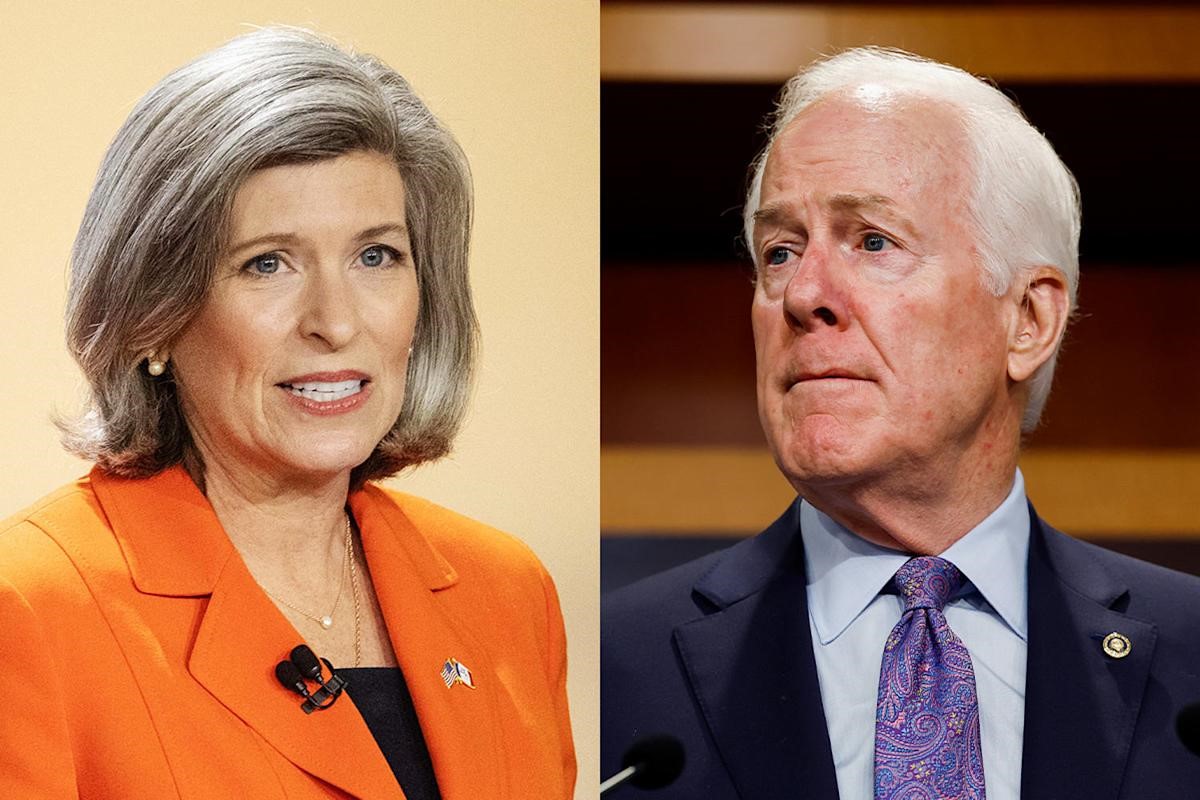
The first half of 2025 has come and gone, and so have the latest Federal Election Commission (FEC) quarterly filings. Published on July 15, the Q2 FEC report covers campaign activity from April 1 through June 30. It provides a clear window into next year’s midterm landscape. While many incumbents posted strong numbers, some California incumbents lagging in fundraising have raised eyebrows. In safe districts, sitting members often take donor support for granted—until a well‑funded challenger appears. In this article, we highlight the incumbents who saw lower‑than‑expected haul, explore the reasons behind their shortfalls, and consider what it means for California’s key House races moving forward.
A Look at the Q2 2025 Fundraising Landscape
Overall, incumbents nationwide continued to outraise challengers, a trend noted by POLITICO in its analysis of Q2 filings. Across the most competitive House districts, the median Republican incumbent raised $860,000 last quarter, compared to $689,000 for targeted Democratic incumbents. These figures underscore an uphill battle for under‑funded lawmakers, especially in battleground states like California.
But averages hide extremes. While heavy‑hitting names like Nancy Pelosi and Adam Schiff topped $2 million in Q2, several California incumbents trailed far behind the median.
- Julia Brownley (CA‑26): $155,735 raised; cash on hand $1.03 million.
- Judy Chu (CA‑28): $64,020 raised; cash on hand $3.5 million.
- Luz Rivas (CA‑29): $41,352 raised; cash on hand $196,352.
- Sara Jacobs (CA‑51): $80,978 raised; cash on hand $46,235.
- Juan Vargas (CA‑52): $167,256 raised; cash on hand $192,712.
By comparison, more competitive districts like CA‑27 saw George Whitesides raise $758,846 last quarter, with $866,611 in reserve. These gaps spotlight potentially vulnerable incumbents in what may look like “safe” seats.
Who’s Falling Behind—and Why?
1. Julia Brownley (CA‑26)
Representing Ventura and Thousand Oaks since 2013, Brownley raised just $155,735 in Q2. While she reported over $1 million on hand, her low receipts suggest limited new donor enthusiasm. Brownley cites no major primary or general‑election challenger—but history shows that quiet fund‑drives often precede surprise bids.
2. Judy Chu (CA‑28)
Long‑time Orange County Democrat Judy Chu secured just $64,020 over three months, one of the lowest totals among California’s 45 House members. Yet Chu’s hefty $3.5 million cash cushion insulates her from immediate pressure. Still, her Q2 haul ranks among the bottom five statewide.
3. Luz Rivas (CA‑29)
A freshman in Congress, Rivas posted $41,352 in new funds, while spending $109,263—leaving her with $196,352 cash on hand. District 29 voted nearly 70% for her in 2024, but her limited fundraising could signal growing frustration or an under‑resourced campaign team.
4. Sara Jacobs (CA‑51)
Jacobs, who flipped her San Diego‑area seat in 2020, raised $80,978 but spent $112,115, leaving scant $46,235 on hand. With veterans like Juan Vargas nearby also underperforming, Democrats face potential fights in Southern California suburbs.
5. Juan Vargas (CA‑52)
Vargas’s $167,256 haul is modest, given his southwest San Diego seat’s $2.1 million cash reserve. While Vargas doesn’t face a known challenger yet, his low fundraising growth may invite GOP and independent bids, especially after redistricting shifts the district’s dynamics.
The Forces at Play
Several factors explain why incumbents lag in raising fresh money:
- Safe Seats Breed Complacency: Lawmakers in heavily one‑party districts often lower their fundraising tempo, assuming minimal challenge.
- Resource Allocation: Front‑line troops get more attention. Parties and PACs channel money into districts viewed as toss‑ups, leaving true blue or red seats with less cash.
- Donor Fatigue: Long‑serving incumbents sometimes lose the novelty needed to excite small‑dollar contributors.
- Early Retirement Decisions: As Roll Call noted, poor Q2 fundraising can presage retirement announcements. Some incumbents might quietly test the waters before deciding their futures.
- Campaign Strategy Differences: Some offices rely on grants from leadership PACs or joint committees, which may not reflect on personal candidate reports.
These dynamics converge in California, where gerrymandered lines create numerous safe seats, and the state’s deep bench of Democratic talent demands hard choices from donors.
Consequences for California’s Midterm Map
For under‑funded incumbents, limited receipts pose real risks:
- Empowering Challengers: Cash‑poor incumbents can be targets for emerging challengers who can fundraise aggressively, even with small margins. Recent examples include Jessica Morse’s $300,000 haul against Rep. Doris Matsui in 2024.
- National Party Pressure: House Democratic and GOP campaign committees may pressure struggling incumbents to prove viability or step aside for stronger candidates.
- Primary Vulnerability: Generational handoffs become possible when younger contenders see an incumbent’s weak war chest.
- Reduced Field Operations: Less money means fewer staff, ads, and outreach—key deficits in tight races.
California’s 2026 cycle could hinge on a few surprise primaries or general contests if incumbents can’t ramp up fundraising.
Expert Takeaways
Jessica Piper, at Politico, warns that incumbents with sub‑par Q2 numbers should “sense the alarm bells ringing”. Meanwhile, CQ Roll Call’s Nathan Gonzales has noted that low second‑quarter hauls often lead to retirement decisions before Q4 filings. With just a year until 2026, California incumbents must secure both small‑dollar donors and institutional backers to silence any chatter about stepping down.
What Incumbents Can Do Now
To reverse lagging trends, incumbents should:
- Ramp Up Fundraising Events: Host grassroots gatherings and virtual town halls to energize supporters.
- Leverage Joint PACs: Tap into leadership and joint fundraising committees to boost receipts.
- Engage Small Donors: Use social media appeals and peer‑to‑peer texting to grow a donor base under $200.
- Highlight Achievements: Use constituent newsletters to remind voters of key wins and local impact.
- Scout for Endorsements: Seek high‑profile endorsements to draw media attention and donor confidence.
Active efforts now can transform Q2 under‑performance into Q3 momentum.
Looking Ahead: The Road to 2026
Fundraising doesn’t determine elections—votes do—but it sets the stage. As candidates prepare for the 2026 cycle, Q2’s lagging figures serve as a warning: complacency is costly, even in safe districts. The next filing deadline—Q3 reports due October 15—will test whether incumbents can adapt. Those who shore up support will maintain party backing; those who falter risk primary challenges or early retirements. California’s sprawling House delegation may see its first major shake‑up in years, and the incumbents who act now can secure their spots at the table.
Conclusion
The Q2 2025 fundraising report paints a mixed picture for California’s House delegation. While high‑profile lawmakers continue to amass millions, some incumbents lagging in fundraising face fresh scrutiny. Julia Brownley, Judy Chu, Luz Rivas, Sara Jacobs, and Juan Vargas reported lower third‑quarter hauls, raising concerns about resources and challenger opportunities. Safe‑seat dynamics, donor fatigue, and strategic party decisions explain their shortfalls—but the clock is ticking. With another filing deadline looming in October, these incumbents must rev up fundraising, engage small donors, and demonstrate vitality to avoid retirement chatter and ward off challengers. California’s midterm map may hinge on whether these lawmakers can turn under‑performance into a late‑cycle rally. Their next moves will tell us much about the future of the Golden State’s representation in Congress.
Author



How Trusted Air Duct Cleaners Help Prevent Dangerous Blockages

How to Choose Quality Ayurvedic Herbal Products

Garage Door Repair Las Vegas: Red Flags When Hiring a Contractor

My Simple Snow Ride Turned Into Chaos

Herbal Ingredient Sourcing: From Farm to Formulation

How to Build a Low-Maintenance Balcony Garden

How to Buy Bulk Smoking Accessories for Retail Stores

Amazon Conversion Rate Optimization: 8 Ways to Get More Sales

Top 10 Psychology Conferences 2026 in the USA

Commercial Cabinet Shop Drawings: Key Details for Accurate Fabrication

Cybersecurity Consulting Company SequelNet Provides Critical IT Support Services to Medical Billing Firm, Medical Optimum

Meet the Megalodon: The Shark Star of ‘Meg 2’

Reduce Video Game Lag: Level Up Your Gaming Performance

Balancing India’s Entertainment: Cricket vs. Bollywood

Jetsetter’s Secrets: Unveiling Our Favorite Travel Hacks for a Seamless Adventure

The 5 Best Live Sports Streaming Sites: Legal and Exciting!

Hollywood Labor Unrest: The Impact of ‘What About Us?’ Strikes

Unveiling the Magic of Dream Fulfillment at the Late NBA Draft

Illuminate Your Skin: Dr. Axe Unveils Natural Remedies for Lightening Knees and Elbows

Bright Choices: Navigating the Pros and Cons of Skin Whitening Creams with Dr. Axe
-

 Business3 years ago
Cybersecurity Consulting Company SequelNet Provides Critical IT Support Services to Medical Billing Firm, Medical Optimum
-
Entertainment3 years ago
Meet the Megalodon: The Shark Star of ‘Meg 2’
-
Entertainment3 years ago
Reduce Video Game Lag: Level Up Your Gaming Performance
-
 Sports3 years ago
Balancing India’s Entertainment: Cricket vs. Bollywood
-
Entertainment3 years ago
Jetsetter’s Secrets: Unveiling Our Favorite Travel Hacks for a Seamless Adventure
-
Productivity3 years ago
The 5 Best Live Sports Streaming Sites: Legal and Exciting!
-
Art /Entertainment3 years ago
Hollywood Labor Unrest: The Impact of ‘What About Us?’ Strikes
-
Sports3 years ago
Unveiling the Magic of Dream Fulfillment at the Late NBA Draft






