
insurance
Yacht Insurance: 8 Common Myths Boat Owners Should Know


Owning a boat gives you the freedom to explore the water, enjoy weekends with family, and create unforgettable memories. However, boat ownership also comes with responsibilities. One of the most important is choosing suitable insurance protection.
Unfortunately, many boat owners still rely on outdated ideas when they think about insurance. These assumptions can lead to gaps in coverage or unnecessary expenses. In addition, every boat has different characteristics, and its insurance needs can change over time.
That is why it helps to separate facts from myths. Understanding the basics can make it easier to choose protection that matches your boat, activities, and level of risk.
All Boats Need the Same Insurance
Not every boat faces the same risks. A small recreational vessel has different needs than a large yacht used for long-distance trips. Likewise, a fishing boat may require different considerations than a boat used for racing.
The way you use your boat also matters. Your location, storage arrangements, sailing area, equipment, and experience can all influence your coverage needs.

Therefore, owners should not choose a policy simply because another boater recommends it. Instead, they should review their own circumstances and understand what the policy actually covers.
When comparing yacht insurance, look beyond the basic price. Check the limits, exclusions, deductibles, liability protection, and other important conditions.
Buying Insurance Online Is Not Reliable
Some boat owners still believe that online insurance options are risky or unreliable. However, the internet has made it easier to research policies and understand available choices.
Today, owners can review coverage details, request quotes, and compare different options online. They can also research common exclusions and learn which factors may affect the cost of their policy.
Still, convenience should not replace careful research. Read the policy documents before making a decision. If you do not understand a particular condition, ask the insurer for clarification.
Online tools work best when you use them as part of a careful decision-making process.
Small Motorboats Have Little Risk
A smaller boat may seem easier to manage. However, its size does not eliminate the possibility of accidents or damage. Motorboats can face many of the same problems as larger vessels. They may suffer damage during storms, experience mechanical problems, collide with another boat, or become involved in an accident. Common risks include:
- Storm and weather damage
- Theft or robbery
- Fire
- Collisions
- Accidental damage
- Third-party liability
For this reason, owners of smaller motorboats should still consider appropriate protection. Motorboat insurance can help address risks that owners might otherwise overlook.
The right coverage depends on the boat and how you use it. Therefore, avoid assuming that a smaller vessel automatically needs less protection.
Zodiacs Do Not Need Insurance
Inflatable boats, including Zodiacs, are popular for recreational activities. Owners may use them for short trips, fishing, water sports, or transportation between a larger vessel and the shore.
Because these boats are often smaller and easier to handle, some owners assume insurance is unnecessary. However, accidents can happen regardless of the vessel’s size.
Damage, theft, collisions, and liability issues can create unexpected costs. Depending on the boat, its use, and local requirements, insurance may provide valuable protection.
Before making assumptions, check the specific requirements that apply to your vessel. Also, consider how much financial risk you would face if an accident occurred.

Only Professional Anglers Need Insurance
Fishing is not limited to professional anglers. Many people enjoy it as a weekend activity or seasonal hobby.
However, recreational fishing still involves risks. Boats can experience damage, equipment can become lost or stolen, and accidents can happen while passengers are onboard.
As a result, recreational anglers should not automatically dismiss insurance. Before the fishing season begins, owners can review insurance for fishing boats and consider whether their existing coverage still meets their needs.
It is also important to check whether the policy covers fishing equipment and activities. Different policies may have different limitations.
Racing Boats Have the Same Coverage as Recreational Boats
Boat racing creates conditions that differ from ordinary recreational sailing. Higher speeds, competitive environments, and organized events can increase certain risks.
Because of these differences, a standard recreational policy may not provide everything a racing boat owner expects. Competition-related activities may also have specific exclusions or conditions.
Therefore, racing enthusiasts should review their policy before entering an event. They should confirm whether racing activities fall within the coverage.
This step can prevent unpleasant surprises later. It also gives owners a better understanding of their financial responsibilities during competitions.
The Lowest Price Is Always the Best Choice
Price naturally matters when choosing insurance. However, the cheapest policy may not offer the protection you actually need.
A policy with a lower premium could have higher deductibles, lower coverage limits, or more exclusions. Consequently, saving money upfront may create larger expenses after an accident.
Instead, compare the cost with the protection provided. Look at what the policy covers and what it excludes. Also, consider liability protection, deductibles, and claims conditions.
When reviewing yacht insurance, focus on overall value rather than choosing the lowest number on a quote.
Insurance Never Needs to Be Updated
Your boat and your circumstances can change. Perhaps you move it to another marina. Maybe you install new navigation equipment or make significant upgrades.
You might also change how you use the boat. For example, you may begin taking longer trips, participating in races, or using the vessel for different recreational activities.
These changes can affect your insurance needs. Therefore, review your policy at least once a year. You should also contact your insurer when you make major changes to the boat or its use.
Specific policies, such as regatta yacht insurance, may also require careful review before participating in organized events.
Conclusion
Boat insurance does not need to be confusing. The first step is to stop relying on common myths and focus on your actual circumstances. Consider how you use your boat, where you keep it, and what risks you may face. Then compare coverage instead of focusing only on price. Most importantly, review your policy regularly. Your boat and your boating habits can change over time. With the right information and careful planning, you can make a more confident insurance decision and spend more time enjoying the water.
Author





Running a laboratory involves much more than conducting tests and producing accurate results. Laboratories handle expensive equipment, sensitive samples, chemicals, data, and valuable research materials every day. Even with careful procedures, unexpected incidents can happen. A damaged instrument, workplace accident, data breach, or claim from a client can create significant financial pressure.
That is why many laboratory owners consider Laboratory Insurance an important part of their risk management strategy. The right coverage can help a laboratory respond to unexpected losses while protecting its finances and daily operations. It can also help businesses recover more confidently after an unexpected incident. Proper protection may reduce financial strain during difficult situations. It allows laboratory owners to focus on maintaining their services and supporting their clients. Ultimately, the right coverage can contribute to greater stability and long-term business continuity.
Why Laboratories Face Unique Risks
Every laboratory has its own set of risks. A medical laboratory may handle patient samples and confidential information. A research facility may work with specialized equipment, experimental materials, or valuable intellectual property. Meanwhile, testing laboratories may serve multiple clients and handle samples that require careful storage and processing.
These responsibilities create several potential areas of exposure. Equipment can break down without warning. Fires, water damage, or other property incidents can disrupt operations. Employees or visitors may also suffer injuries while inside the facility.
In addition, laboratories often depend on technology. A cyberattack can interrupt systems, expose confidential information, or prevent staff from accessing important records. Therefore, laboratory owners need to think beyond basic property protection.
What Can Laboratory Insurance Cover?
The specific coverage varies based on the policy and the insurance provider. However, a well-designed insurance package can address several common risks. Property coverage can help protect the physical laboratory, furniture, equipment, and other business property against covered losses. This protection matters because laboratory equipment can cost thousands or even millions of dollars to purchase and replace.
General liability coverage can also play an important role. If a visitor suffers an injury at the facility or a third-party claim that the laboratory caused property damage, liability coverage may help with eligible legal and financial expenses.
Professional liability coverage can provide another layer of protection. Laboratories often provide specialized testing, analysis, or technical services. If a client claims that an error or professional mistake caused financial harm, this type of coverage may help address the resulting claim.
Protecting Expensive Laboratory Equipment
Modern laboratories rely heavily on specialized equipment. Microscopes, analyzers, centrifuges, imaging systems, refrigeration units, and other instruments can represent major investments.
Equipment failure can also cause more than a repair bill. A broken machine may delay testing, interrupt research, or force staff to postpone client work. As a result, laboratory owners should consider how equipment-related risks could affect both their finances and their operations.
Depending on the policy, equipment coverage may help with certain types of accidental damage or loss. Owners should review policy terms carefully because exclusions, deductibles, limits, and covered causes can vary significantly.
Business Interruption Matters
A laboratory may lose income when an unexpected event forces it to stop or reduce operations. For example, a fire could make part of the facility unusable. A major equipment failure could also prevent the laboratory from completing essential work.
Business interruption coverage can help eligible businesses manage certain financial losses following a covered event. Depending on the policy, it may contribute toward lost income and some continuing expenses while the business works to resume normal operations. This protection can give laboratory owners more time to recover without immediately carrying the entire financial burden themselves.

Cybersecurity and Data Protection
Laboratories increasingly depend on digital systems. They may store client records, test results, research information, billing details, and other sensitive data. Unfortunately, cyber threats continue to affect businesses of every size.
A successful attack can create several problems at once. It may interrupt operations, compromise information, or result in expensive recovery work. In some cases, affected organizations may also face legal or regulatory consequences.
For this reason, cyber coverage can be worth considering as part of a broader insurance strategy. Laboratory owners should also maintain strong passwords, access controls, regular backups, employee training, and updated security systems.
Choosing the Right Coverage
There is no single insurance package that works for every laboratory. The right approach starts with understanding the laboratory’s specific activities.
Owners should consider the type of testing they perform, the equipment they use, the number of employees, the clients they serve, and the information they store. They should also review contracts with clients and business partners because those agreements may create additional insurance requirements.
When evaluating Laboratory Insurance, it helps to work with an insurance professional who understands laboratory operations. A knowledgeable advisor can identify potential gaps and explain which coverage options may fit the business.
Laboratory owners should also review their policies regularly. A laboratory can change considerably over time. New equipment, additional employees, expanded services, or a larger client base can all affect its insurance needs.
Managing Risk Beyond Insurance
Insurance provides financial protection, but it should not replace good safety practices. Laboratories can reduce their exposure by creating clear operating procedures and regularly training employees.
Routine equipment maintenance can also prevent avoidable breakdowns. Proper chemical storage, emergency planning, fire safety, and controlled access can further reduce risks.
Moreover, laboratories should document incidents and maintain accurate records. These practices can help employees respond more effectively when something goes wrong.
Review Policy Limits and Deductibles
Laboratory owners should also pay close attention to policy limits and deductibles before choosing their coverage. A policy may look affordable at first, but insufficient limits could leave the business exposed after a major loss. Therefore, owners should estimate the replacement cost of equipment, property, and other essential assets.
They should also discuss possible risks with their insurance provider and ask questions about exclusions. By reviewing these details carefully, laboratory businesses can choose protection that better matches their actual needs and avoid unpleasant surprises when they need to file a claim.
Final Thoughts
Laboratories operate in an environment where small problems can quickly become expensive disruptions. Protecting equipment, employees, clients, data, and business income requires careful planning.
Laboratory Insurance can provide valuable financial support when covered incidents create unexpected losses. However, the most effective strategy combines appropriate insurance with strong safety procedures, cybersecurity measures, equipment maintenance, and regular risk reviews.
Ultimately, laboratory owners should focus on building coverage around their actual operations rather than choosing a policy based only on price. By understanding their risks and reviewing their protection regularly, they can create a stronger foundation for long-term stability and growth.
Laboratory Insurance is therefore not simply an additional business expense. For many laboratories, it can serve as an important part of a broader plan to manage uncertainty and keep the business prepared for the unexpected.
Author



Car accidents happen in a split second. They catch you completely off guard. In an instant, a collision leaves you facing severe physical pain, emotional trauma, and massive financial stress. The aftermath of a crash is rarely simple. Medical expenses, lost income, and vehicle repair costs pile up fast. These sudden expenses can quickly overwhelm your family. During this chaotic time, finding a trusted car accident lawyer near you becomes crucial. A dedicated attorney protects your legal rights. They help you secure the fair financial recovery you deserve.
Many accident victims assume that the claims process will be straightforward. They expect insurance companies to treat them fairly. Unfortunately, insurance providers prioritize their own corporate profits. They actively work to minimize their financial payouts. This means they often offer quick settlements that fall far below the true value of your injuries. This harsh reality is exactly why you need experienced legal representation on your side.
A qualified car accident attorney understands how to navigate the complex legal system. They know how to investigate the crash scene, gather vital evidence, and negotiate aggressively with insurers. Professional legal support levels the playing field. Whether you were in a minor fender-bender or a severe highway wreck, a lawyer significantly improves your chances of obtaining a fair outcome.
The Reality of Insurance Negotiations
After an accident, the clock starts ticking immediately. Insurance adjusters will likely contact you within days of the wreck. They might ask for recorded statements or offer a quick cash settlement. These adjusters often seem friendly and helpful. However, their primary goal is to close your file for as little money as possible.
An experienced auto accident attorney acts as a shield between you and the insurance company. They handle all communication on your behalf. This prevents you from accidentally saying something that could damage your claim. Professional lawyers understand regional traffic laws, liability rules, and insurance regulations. They know how to calculate the true cost of your accident. This includes predicting your future medical needs and tracking lost earning capacity. Working with a trusted legal professional removes the burden of negotiation from your shoulders. This allows you to focus entirely on your physical recovery.

How an Expert Auto Accident Attorney Rebuilds Your Case
Building a successful injury claim requires clear evidence. You need to demonstrate that the other driver’s carelessness resulted in the accident. Wrecks happen for many different reasons. Drivers routinely look at their phones, exceed the speed limit, or drive under the influence. Reckless driving, poor weather conditions, and mechanical failures also cause severe collisions.
A skilled car injury lawyer launches a comprehensive investigation to establish fault. They collect essential evidence before they vanish. Your legal team will collect official police reports, interview eyewitnesses, and secure nearby surveillance footage. They also analyze medical records and consult with accident reconstruction experts when necessary. This detailed approach creates a solid foundation for your personal injury claim. A well-documented case makes it much harder for insurance companies to deny liability or downplay your injuries.
Deciphering Economic and Non-Economic Damages
A motor vehicle accident claim falls under the broad umbrella of personal injury law. The main goal of this legal process is to make the victim financially whole again. A skilled attorney ensures that every single loss you experienced is properly documented and included in your final demand. These losses generally fall into two distinct categories.
Understanding Economic Damages
Economic damages cover your measurable, out-of-pocket financial losses. These items come with clear receipts, bills, and price tags. They include:
-
Immediate emergency room fees and hospital bills
-
Ongoing physical therapy and rehabilitation costs
-
Prescription medications and medical devices
-
Lost wages from missing work during recovery
-
Estimated future medical care for long-term injuries
-
Vehicle repair bills or total loss replacement costs
Understanding Non-Economic Damages
Non-Economic damages compensate you for the intangible impacts of a crash. These losses do not have a specific price tag, but they deeply affect your life. They include:
-
Physical pain and ongoing physical suffering
-
Emotional distress, anxiety, and depression caused by the trauma
-
A reduced quality of life or loss of enjoyment in daily hobbies
-
Mental anguish and post-traumatic stress symptoms
The Modern Challenge of Uber and Rideshare Wrecks
Rideshare accidents involve unique legal complexities that do not apply to standard car crashes. If you are injured in an accident involving an Uber or Lyft, determining liability can be incredibly confusing. These cases often involve multiple insurance policies that overlap.
The applicable coverage depends heavily on the driver’s app status at the exact moment of the crash. You have to ask several specific questions. Was the driver logged into the app? Were they actively waiting for a ride request? Did they have a passenger in the vehicle?
An experienced rideshare accident lawyer knows how to navigate these corporate tech policies. They identify every available source of insurance coverage. This specialized knowledge is absolutely essential for maximizing your financial recovery after a rideshare collision.
Critical Mistakes to Avoid After a Collision
Many injury victims unintentionally weaken their legal positions by making simple mistakes early in the process. Time is critical after an accident. Important evidence can vanish from the scene, and witnesses often forget key details over time. Furthermore, every jurisdiction enforces strict legal deadlines known as statutes of limitations. If you miss this window, you lose your right to file a claim forever.
To protect your case, you must avoid several common pitfalls. Never delay your medical treatment. Insurance companies look for gaps in your medical care to claim that your injuries are not serious. Do not give recorded statements to opposing insurers without speaking to a lawyer first. Avoid accepting the very first settlement offer you receive. Finally, never post details or photos of your accident on social media platforms. Insurance defense lawyers actively search your public profiles for evidence to use against you.
Choosing Your Legal Advocate
Not all personal injury law firms offer the same level of experience, skill, or direct communication. When you search for personal injury attorneys near you, you need to evaluate a few key factors. Look for a lawyer who specializes specifically in motor vehicle accident claims. Review their past case results, client testimonials, and professional reputation within the local community.
Your attorney should provide clear explanations of your legal options. They must deliver regular updates regarding your case status. Trusted firms also possess the financial resources necessary to fund a comprehensive investigation. Most reputable personal injury law firms operate on a contingency fee basis. This means you pay nothing upfront for their legal services. They only receive a fee if they successfully secure a settlement or win a court verdict on your behalf.
Independent studies consistently show that accident victims represented by lawyers recover significantly more compensation than those who handle claims alone. Hiring an attorney is an investment in your future stability. It ensures you have the support, resources, and aggressive advocacy needed to navigate the legal process successfully
Author


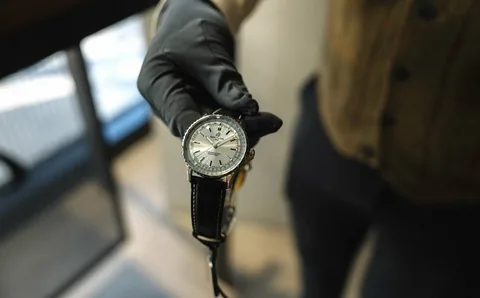
Luxury watches are far more than simple accessories used to tell the time. For many people, a watch represents success, personal style, family heritage, and even financial investment. Whether you own a modern luxury timepiece, a vintage collector’s watch, or an inherited family heirloom, understanding its true value is extremely important. This is why professional Watch valuations in Bristol services have become increasingly popular among watch owners and collectors.
A professional valuation provides an accurate estimate of your watch’s current market worth. This information is essential for insurance purposes, resale opportunities, inheritance matters, investment tracking, and legal documentation. Many people are unaware that the value of luxury watches can change significantly over time due to market demand, brand popularity, rarity, and condition.
In Bristol, experienced watch values use specialist knowledge and professional tools to assess timepieces carefully and produce reliable valuation reports. Whether you own a single valuable watch or an entire collection, a professional valuation can help protect your investment and provide complete peace of mind.
What Is a Professional Watch Valuations?
A watch valuation is a professional assessment carried out by a qualified expert to determine the current financial value of a watch. The valuation process involves a detailed inspection of the watch’s brand, condition, materials, rarity, and market demand.
A professional valuation report usually includes:
- Full watch description
- Brand and model information
- Serial numbers
- Condition assessment
- Estimated market value
- Photographs
- Valuation date
These reports are commonly accepted by insurance companies, legal professionals, auction houses, and private buyers.
Professional watch valuations are especially important for luxury and collectible watches because values can fluctuate over time.
Professional Watch Valuations Are Important
Insurance Protection
One of the most common reasons people seek professional watch valuations is insurance coverage. Luxury watches can be extremely expensive to replace if they are lost, stolen, or damaged.
Without an updated valuation, you may discover that your insurance policy does not fully cover the true replacement cost of your watch. A professional valuation helps ensure:
- Accurate insurance coverage
- Faster insurance claims
- Proper replacement value
- Reduced financial loss
As luxury watch prices continue to rise globally, outdated valuations can leave owners significantly underinsured.
Resale Purposes
Buyers are often more confident purchasing a watch that comes with official valuation documentation because it demonstrates authenticity and professionalism.
A valuation can also prevent sellers from undervaluing highly collectible or rare timepieces.

Probate and Inheritance
Luxury watches are often passed down through generations as family heirlooms. During inheritance or probate proceedings, accurate valuations may be required to determine the value of assets fairly.
Professional valuation reports can help:
- Simplify estate management
- Support legal documentation
- Ensure fair asset distribution
- Provide accurate financial records
For families dealing with inherited watch collections, expert valuations are extremely valuable.
Investment Tracking
Many luxury watches have become strong investment assets in recent years. Certain brands and limited-edition models have increased significantly in value due to collector demand.
Professional valuations help owners:
- Track market performance
- Understand investment growth
- Monitor collection value
- Make informed selling decisions
Collectors often update valuations regularly to stay informed about changing market trends.
Factors That Affect Watch Value
Several important factors influence the overall value of a watch.
Brand Reputation
Luxury watch brands with strong reputations generally maintain higher values. Prestigious Swiss watchmakers are especially sought after by collectors around the world.
Brands known for quality craftsmanship and exclusivity often command premium prices in the resale market.
Watch Condition
Condition is one of the biggest factors affecting value. Watches in excellent condition with minimal wear usually achieve higher valuations.
Important condition factors include:
- Scratch-free crystal
- Original dial and hands
- Proper mechanical function
- Minimal bracelet wear
- No major damage
Poor maintenance or visible damage can reduce value significantly.
Rarity and Limited Editions
Rare watches or limited-production models are often highly valuable because collectors actively seek them.
Factors increasing rarity include:
- Limited production runs
- Discontinued models
- Historical significance
- Unique design features
Rare vintage watches can sometimes become worth far more than their original retail prices.
Materials Used
The materials used in a watch also influence value. Precious metals such as:
- Gold
- Platinum
- Titanium
can increase the overall valuation substantially.
Diamond-set or gemstone-encrusted watches may also achieve higher values depending on quality and craftsmanship.
Original Documentation and Packaging
Original boxes, warranty cards, receipts, and certificates can improve resale and valuation prices significantly.
Collectors often prefer complete sets because they verify authenticity and ownership history.
Popular Watches Valued in Bristol
Professional values in Bristol regularly assess many types of watches, including:
- Luxury Swiss watches
- Vintage collector watches
- Antique pocket watches
- Sports watches
- Limited-edition timepieces
- Designer fashion watches
Both modern and historical watches may require specialist valuation services.
Vintage Watch Valuations
Important factors include:
- Original components
- Service history
- Rare production numbers
- Historical importance
- Collector demand
Over-restoration or replacement parts can sometimes reduce collector value, making expert assessment extremely important.
Many vintage watches have become highly desirable investment pieces in recent years.
Benefits of Independent Watch Valuers
Independent watch values are often preferred because they provide unbiased assessments without pressure to buy or sell watches.
Benefits of independent valuations include:
- Objective opinions
- Transparent assessments
- Accurate documentation
- Professional expertise
This independence is especially important for insurance, probate, and legal purposes.
How Often Should You Update a Watch Valuation?
Experts generally recommend updating watch valuations every two to three years. However, highly valuable or collectible watches may require more frequent updates due to rapid market changes.
Regular updates help ensure:
- Accurate insurance coverage
- Current market values
- Proper investment tracking
- Financial protection
Luxury watch markets can fluctuate quickly, especially for popular collector models.
How to Maintain Your Watch’s Value
Regular Servicing
Professional servicing keeps watches functioning properly and helps preserve long-term value.
Safe Storage
Store watches in dry, secure environments away from moisture and direct sunlight.
Keep Original Accessories
Boxes, paperwork, and certificates improve resale appeal significantly.
Avoid Excessive Polishing
Over-polishing may reduce collector interest, particularly for vintage watches.
Handle Carefully
Avoid unnecessary impacts or exposure to harsh chemicals.
Proper care helps maintain both appearance and market value over time.
Bristol Is a Trusted Location
Bristol has built a strong reputation for jewelry and watch expertise. Many experienced professionals in the city provide high-quality watch valuation services using modern equipment and industry knowledge.
Customers choose Bristol watch valuers because they offer:
- Detailed valuation reports
- Trusted expertise
- Professional customer service
- Accurate market analysis
- Insurance-approved documentation
Whether valuing a single luxury watch or an entire collection, Bristol specialists provide reliable and professional assessments.
Conclusion
Luxury watches often carry both financial and sentimental value. Professional Watch valuations in Bristol services help owners understand, protect, and document the true worth of their timepieces accurately.
Author



Traditional Ayurvedic Herbs and Their Place in Modern Wellness

Why a Good Bassinet Makes Life Easier for NZ Parents

Work Visas, Job Changes, and the Details That Decide NZ Visa

Why take Private tour of Gibbston Valley

Haffele Kitchen Dealer in Thrissur: Upgrade Your Home in Style

Project Capri Clothing: Hoodies, Jorts & Modern Streetwear 2026

Why Continuous Learning Matters for Business Leaders

Accurate As-Built Drawings Are the Foundation of Successful Commercial

The Best Asset Management System in UAE

Kentucky Bourbon Trail Tours What Is Included and How to Plan a Trip

Cybersecurity Consulting Company SequelNet Provides Critical IT Support Services to Medical Billing Firm, Medical Optimum

Meet the Megalodon: The Shark Star of ‘Meg 2’

Reduce Video Game Lag: Level Up Your Gaming Performance

Balancing India’s Entertainment: Cricket vs. Bollywood

Jetsetter’s Secrets: Unveiling Our Favorite Travel Hacks for a Seamless Adventure

The 5 Best Live Sports Streaming Sites: Legal and Exciting!

Hollywood Labor Unrest: The Impact of ‘What About Us?’ Strikes

Unveiling the Magic of Dream Fulfillment at the Late NBA Draft

Illuminate Your Skin: Dr. Axe Unveils Natural Remedies for Lightening Knees and Elbows

Bright Choices: Navigating the Pros and Cons of Skin Whitening Creams with Dr. Axe
-

 Business3 years ago
Cybersecurity Consulting Company SequelNet Provides Critical IT Support Services to Medical Billing Firm, Medical Optimum
-
Entertainment3 years ago
Meet the Megalodon: The Shark Star of ‘Meg 2’
-
Entertainment3 years ago
Reduce Video Game Lag: Level Up Your Gaming Performance
-
 Sports3 years ago
Balancing India’s Entertainment: Cricket vs. Bollywood
-
Entertainment3 years ago
Jetsetter’s Secrets: Unveiling Our Favorite Travel Hacks for a Seamless Adventure
-
Productivity3 years ago
The 5 Best Live Sports Streaming Sites: Legal and Exciting!
-
Art /Entertainment3 years ago
Hollywood Labor Unrest: The Impact of ‘What About Us?’ Strikes
-
Sports3 years ago
Unveiling the Magic of Dream Fulfillment at the Late NBA Draft






