
Clothing
Apparel Production: DTFLine VANTAGE II MAX Printing System

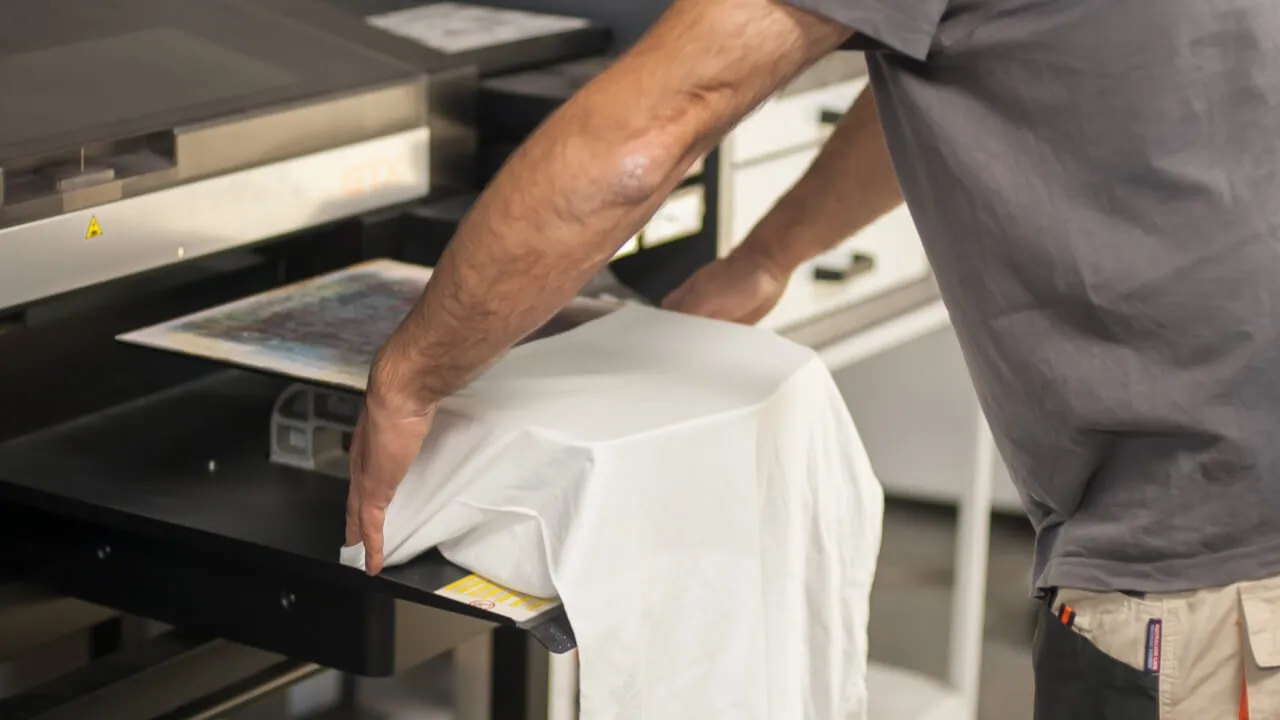
The apparel business has changed significantly in recent years. Large manufacturers no longer control the entire market. Today, small print shops, independent brands, online sellers, schools, sports teams, and local organizations also create customized clothing. Many of them need practical ways to produce quality garments without handling massive production runs.
Customer expectations have changed as well. Buyers want personalized designs, detailed graphics, branded clothing, small quantities, and fast delivery. Therefore, businesses need more than creative artwork to stay competitive. They also need reliable equipment, an organized workflow, and consistent production quality.
The DTFLine VANTAGE II MAX 14-inch Dual Epson I1600 system targets businesses that want to build a stronger printing workflow. It combines two Epson I1600 printheads with an embedded roll feeder, RIP software, cutter, training, and onboarding. As a result, businesses can manage several important stages of the transfer process within one setup.
Understanding Modern Production Requirements
Modern apparel production requires flexibility. One customer may order ten shirts for a family event, while another may need hundreds of garments for an online collection. A successful print business needs to handle both small and larger orders without creating unnecessary delays.
Traditional printing methods still have their place. However, digital transfer methods can offer greater flexibility for customized designs and changing order quantities. This makes them useful for businesses that serve different customer groups.

A production-focused system can also help a print shop expand its services. Instead of relying on one type of customer, the business can serve individuals, organizations, clothing brands, schools, teams, and commercial clients.
Dual Epson I1600 Printheads
Printhead technology plays an important role when businesses compare printing systems. The VANTAGE II MAX uses two Epson I1600 printheads. This configuration suits businesses that want equipment designed for regular production.
However, printheads alone do not determine print quality. Artwork preparation, color management, ink, transfer film, environmental conditions, maintenance, and operator skills also affect the final result.
Therefore, businesses should evaluate the complete workflow instead of focusing on one specification. A balanced system can make daily production easier to manage and more predictable.
Why the 14-Inch Format Matters
Space can become a major concern for smaller print businesses. A printer needs more than its own footprint. Operators also require room for material loading, artwork preparation, finished transfers, garment pressing, packaging, supplies, and routine maintenance.
The 14-inch format can offer a practical option for businesses that want production capability without immediately moving to a much larger setup. This can help smaller operations make better use of limited workspace.
Good workspace planning also improves efficiency. When equipment, materials, and workstations sit in logical positions, operators can move between tasks more easily.
Embedded Roll Feeder for Efficient Media Handling
Media handling can influence everyday productivity. Manual handling may work for occasional orders. However, it can become inconvenient when a shop starts processing larger volumes.
The VANTAGE II MAX includes an embedded roll feeder for roll-based media handling. This feature can support a more continuous workflow and reduce unnecessary material handling.
The main advantage is not simply speed. Better media management can also help operators maintain a more organized production process. Still, businesses should match the equipment to their actual workload. A hobbyist and a busy commercial print shop will have very different requirements.
RIP Software and Artwork Preparation
Printing represents only one part of the production process. Operators must prepare artwork correctly before sending it to the printer. RIP software can help manage layouts, colors, image preparation, and printing settings.
Apparel Production consistent software workflow becomes especially useful when a business handles multiple customer files. It can also make repeat orders easier. Operators can organize approved artwork and production files so they can locate them quickly when customers return.
Simple file management can save considerable time. Businesses can separate customer artwork, approved designs, production-ready files, and completed orders. These small habits become increasingly valuable as order volume grows.
Cutting and Finishing Capabilities
The VANTAGE II MAX package also includes a cutter. Depending on the type of transfers a business produces, cutting can become an important stage in the workflow.
Keeping more production steps within the business can provide greater control. It may also reduce dependence on outside providers for certain finishing requirements.
However, cutting needs vary between businesses. A company should first determine how often it will use this capability and what types of designs it plans to produce.
Training Supports Better Results
New equipment requires a learning period, even for experienced operators. Every system has its own settings, maintenance procedures, software workflow, and operating requirements.
The VANTAGE II MAX includes training and onboarding. This support can help operators understand the equipment and integrate it into their daily process.
Training also helps reduce avoidable mistakes. Problems do not always come from the machine itself. Incorrect settings, unsuitable materials, poor maintenance, and improper storage can also affect finished garments.

Where the System Can Fit
Businesses can use digital transfer workflows for many apparel applications. These may include custom t-shirts, hoodies, sweatshirts, uniforms, team apparel, promotional clothing, event merchandise, personalized gifts, online clothing collections, and branded garments.
This flexibility allows businesses to explore different markets. For example, an online brand may focus on limited-edition designs. A local print shop might specialize in schools, sports teams, and community events. Meanwhile, a promotional company may concentrate on branded clothing for businesses.
A flexible production setup can support these different models when operators plan the workflow carefully.
Consistency Matters
Speed often attracts attention when businesses compare printing equipment. However, consistent results matter just as much.
A fast workflow has little value if it creates frequent mistakes. Reprints can increase material costs, waste labor, delay orders, and damage customer relationships.
For that reason, businesses should monitor every production stage. Artwork preparation, color management, printing, transfer handling, pressing, and final inspection all contribute to the finished garment.
Quality control should begin before printing. Operators can check artwork dimensions, resolution, transparency, and placement first. They can then monitor production and inspect finished garments before packaging.
Maintenance and Operating Costs
Regular maintenance should form part of everyday production planning. Operators should follow the manufacturer’s recommendations for cleaning, inspection, ink handling, and general equipment care.
Consumables also affect production costs. Ink, transfer film, adhesive powder, maintenance supplies, packaging, labor, electricity, and software can all contribute to the total expense.
Therefore, businesses should calculate the complete cost of ownership before investing. A cheaper machine may not provide better value if it cannot handle the required workload. Likewise, buying more capacity than the business needs can create unnecessary expenses.
Planning for Business Growth
Businesses should consider both current demand and future needs. A small shop may begin with a few orders each week and later experience rapid growth.
The VANTAGE II MAX can be considered by businesses that want to develop a more structured apparel production workflow. Its dual Epson I1600 configuration, roll feeder, cutter, RIP software, training, and onboarding provide several useful components in one system.
Still, businesses should make decisions based on real data. Order volume, turnaround times, equipment usage, customer demand, workspace, and operating costs can provide a clearer picture of when an upgrade makes sense.
Making the Right Investment
There is no universal printing system for every business. Before purchasing equipment, owners should assess their expected order volume, artwork requirements, available workspace, support options, recurring costs, and growth plans.
These factors can help businesses choose equipment that fits their actual needs instead of following trends. A thoughtful approach can also prevent both underinvestment and unnecessary spending.
Conclusion
Modern apparel production depends on more than printing speed. Businesses need flexibility, consistency, efficient workflows, reliable materials, trained operators, and proper maintenance.
The DTFLine VANTAGE II MAX offers a production-oriented option for businesses that want to expand their apparel printing capabilities. Its dual Epson I1600 printheads, 14-inch format, embedded roll feeder, cutter, RIP software, training, and onboarding bring several important workflow elements together.
Ultimately, the best equipment choice depends on the individual business. Owners should examine current production challenges, customer expectations, operating costs, available space, and future demand before investing.
With careful planning and the right technology, a growing print business can create a more organized production process. More importantly, it can build a workflow that supports consistent quality, efficient order handling, and long-term growth.
Author


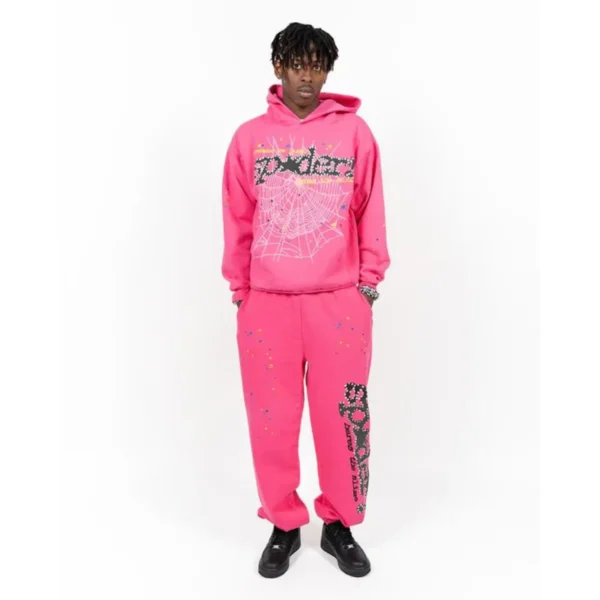
Sweatpants are one of those items people buy on impulse and then wear every day for two years, so it is worth spending ten minutes thinking before the money leaves your account. The first decision is the silhouette, because it determines everything else that follows. A wide-leg pair with an open hem drapes over a shoe and stacks at the ankle, which suits chunky sneakers and skate footwear and gives a relaxed, street-ready line. A cuffed jogger gathers above the ankle instead, shows more of the shoe and keeps the leg from trailing on the ground, which is easier to wear with slimmer trainers and better for anything active. Between those two poles there are relaxed cuts, jumbo cuts and the occasional slight flare, and the difference between two pairs that both call themselves baggy can be a good few inches of excess length, so it is never safe to assume that two size charts are telling you the same story. Inseam and leg opening tell you more about how a pair will actually look than the waist measurement does, and the amount of fabric that pools over a shoe is the single clearest sign of whether a cut is right for you.
Fabric comes second, and it decides how the pants behave in wear long after the tags are off. Heavyweight cotton fleece holds a structured line, traps warmth and only gradually settles into the shape of the body, while a thinner track fabric falls immediately, dries faster and suits warmer weather or actual training. Brushed fleece on the inside feels soft against the skin and is what gives a pair its warmth, though that pile will flatten after eight or ten washes, which is normal ageing rather than damage. Print and embellishment change the hang as much as the cloth does: a heavy puff print or a large 3D graphic stiffens the panel it covers so the front falls straighter than the back, an all-over print spreads its weight evenly and moves with the body, and rhinestone work adds a raised dimension that catches light and needs careful handling. A heavier fleece will also make a matching set read heavier than its two halves worn separately, which is worth knowing if you plan to wear the top and bottom together. None of this is better or worse, it simply tells you what the pair will feel like in week one and in year two.
This is where the sweatpants stocked at https://sp5derrr.com/sweatpants/ are worth looking at, because the range covers that whole spread in one place: wide-leg and cuffed silhouettes, heavyweight fleece with puff-printed webs and 555 angel-number graphics, all-over prints, and rhinestone-encrusted styles like Beluga and VVS, alongside thinner track pants from the adidas collaboration. Named lines include OG Web, 555, P*NK V2, Atlanta, Legacy, Souvenir, Wait, Phantom Web, Nocturnal and Stadium, and prices sit between roughly $150 and $180 across the listings, with past-season colourways discounted by up to half while sizes last. Every pair is checked by hand through an authentication check that looks at the woven waistband tag, the weight and feel of the fleece, pocket stitching and the depth of any print or the setting of any stone, and the shop offers free insured US shipping with 30-day returns. The cut you choose matters more than the colourway here, so it helps to see the silhouettes side by side rather than hunting through separate pages.
Colour and styling are the third decision. Black and grey are the most subdued and the easiest to match, while blue, pink, camo and garment-dyed pairs make the web print far more obvious and ask for plainer shoes and a quieter top. Since most sweatpants carry a lot of graphic already, a plain tee or a matching hoodie is usually the answer, though it is worth remembering that two pieces described as the same colour are not always the same shade, and printing can differ between a hoodie and its matching pants. A tonal set is the safest route; mixing releases is fine as long as one piece leads and the other supports it. Wider legs look good dragged over chunky sneakers, while cuffed joggers show more of the shoe and keep the outfit tidier, so the choice of footwear should really come before the choice of pant.
Finally, sizing and care. Expect a generous fit that runs big, so there is no reason to go up two sizes, and measure your waist and inseam against each style’s size chart rather than trusting the letter on the label. Pay attention to the waist-to-inseam ratio and to how much excess length an uncuffed pair will have, especially if you are shorter, and check whether the cord is internal or external and whether the pockets are deep enough to actually use, since some fleece styles have shallow ones. Wash printed pairs cold and inside out, dry them flat, keep irons away from puff print and rhinestones, and knot the cord ends so they cannot pull back through the eyelet. Buy with silhouette, fabric and honest measurements in mind and a good pair of sweatpants will soften in all the right places while holding its line where it counts, which is exactly what you want from something you will reach for more than anything else in the drawer.
Author


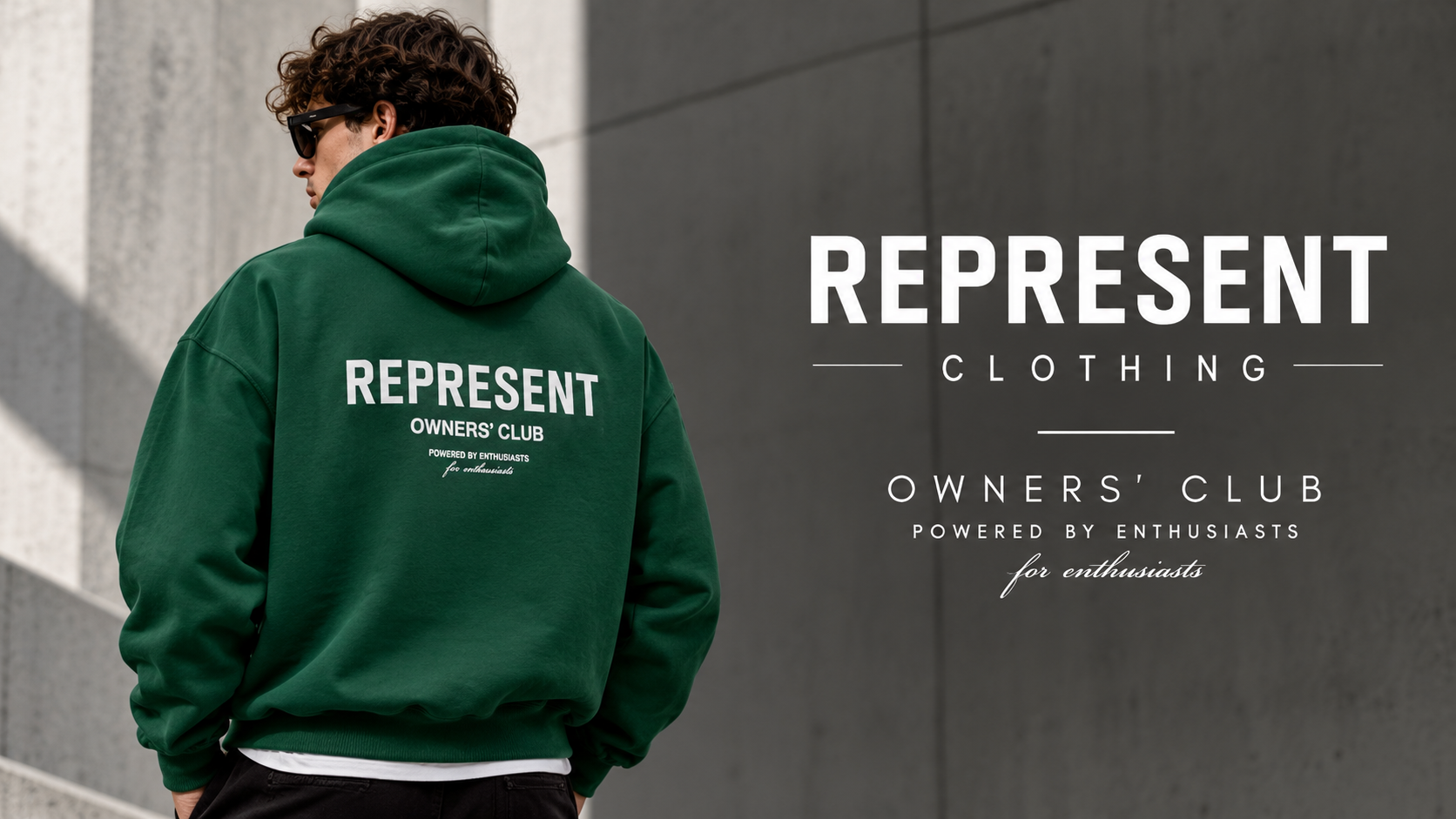
Comfort and style used to pull in opposite directions. Comfortable clothes looked casual, and stylish clothes felt restrictive. Contemporary men’s fashion has closed that gap. Men now expect clothes that feel good and look intentional at the same time. Represent clothing and the Represent hoodie sit right in that space, offering relaxed streetwear that works in daily life. This article explains how comfort and fashion now connect, and how to build outfits that deliver both.
How Comfort Became a Style Priority
Comfort became a style priority as lifestyles changed. People work in flexible spaces, travel often, and move between settings without changing clothes. At the same time, fashion began to value relaxed shapes, softer silhouettes, and everyday basics. Social listening research from Brandwatch notes that the shift toward casual fashion accelerated as consumers prioritized comfortable clothes, and that people want a blend of style and usability, as described in its fashion social index report. That blend is the center of contemporary men’s fashion today.
Comfort as a Starting Point at Represent Clothing
Begin with comfort, then add style. When you browse Represent clothing, look at the categories that suit daily life: hoodies, shirts, joggers, and shorts. Choose pieces you can picture wearing for a full day. Check the size chart for each item, and compare it with clothes you already find comfortable. Pick related colors so outfits come together quickly. The Owners Club range makes this easy, since several items share a name and a palette. Comfort-first shopping usually leads to wardrobes you wear often.
The Hoodie as the Meeting Point
The hoodie is where comfort and fashion meet most clearly. It feels relaxed, yet it carries a strong visual identity. When you choose a Represent hoodie, think about both sides. For comfort, check the size chart and compare shoulder, chest, and length measurements with a hoodie you love. For style, decide on color and shape. The Black Heavyweight Represent Hoodie gives you a neutral base, and its page has details to review. The Owners Club Pink Represent Hoodie brings a softer accent that still pairs with dark bottoms.
Making Comfortable Clothes Look Intentional
alone does not make an outfit look good. Comfortable clothes look intentional when the details are controlled. Choose a size that fits your shoulders properly, keep colors in a small palette, and wear clean shoes. Avoid mixing several strong ideas in one outfit, such as a bold graphic, a bright color, and heavy layers together. When one element leads and the rest stays calm, relaxed piece
Outfits That Balance Both
Here are outfit ideas that balance comfort and style. For a relaxed workday, wear a plain tee under a neutral hoodie with dark jeans and clean sneakers. For a weekend, pair the Icarus Represent Merch Shirt with the Owners Club Mesh Represent Short and a cap. For travel, choose the Owners Club Represent Grey Jogger with a hoodie in a matching tone, so everything mixes easily. For an evening out, wear a dark hoodie, dark trousers, and a simple jacket. Each outfit feels easy while still looking planned.
Choosing Bottoms and Layers for Ease
Bottoms and layers decide how comfortable an outfit feels through the day. Joggers such as the Owners Club Represent Storm Jogger and the Initial Wide Leg Represent Jogger offer different shapes, so test each one by walking, sitting, and climbing stairs. In warm weather, shorts such as the Towelling Represent Black Short suit lighter outfits. Layer with a tee, a hoodie, and a light jacket, so you can adjust to temperature changes. Check the size chart on every piece, and compare measurements with clothes you already wear comfortably.
Shop authentic Represent clothing in the USA. Explore iconic streetwear, luxury hoodies, tees, & more. Enjoy fast US shipping & easy returns!Shop authentic Represent clothing in the USA. Explore iconic streetwear, luxury hoodies, tees, & more. Enjoy fast US shipping & easy returns!Shop authentic Represent clothing in the USA. Explore iconic streetwear, luxury hoodies, tees, & more. Enjoy fast US shipping & easy
Frequently Asked Questions
How can comfortable clothes still look stylish?
Choose a good fit, keep colors in a small palette, wear clean shoes, and let one element lead the outfit.
What should I check first when choosing a comfortable hoodie?
Start with the size chart. Compare shoulder, chest, and length measurements with a hoodie you already love.
Do comfortable outfits need many pieces?
No. A hoodie, a couple of tees, joggers, and shorts can create many combinations when you layer and rotate them.
How do I test comfort when my order arrives?
Wear it around the house, and check how it feels when you sit, bend, reach, and walk.
How can I keep comfortable clothes feeling good for longer?
Follow the care label, wash similar colors together, avoid unnecessary heat, and fold hoodies rather than hanging them.
Author

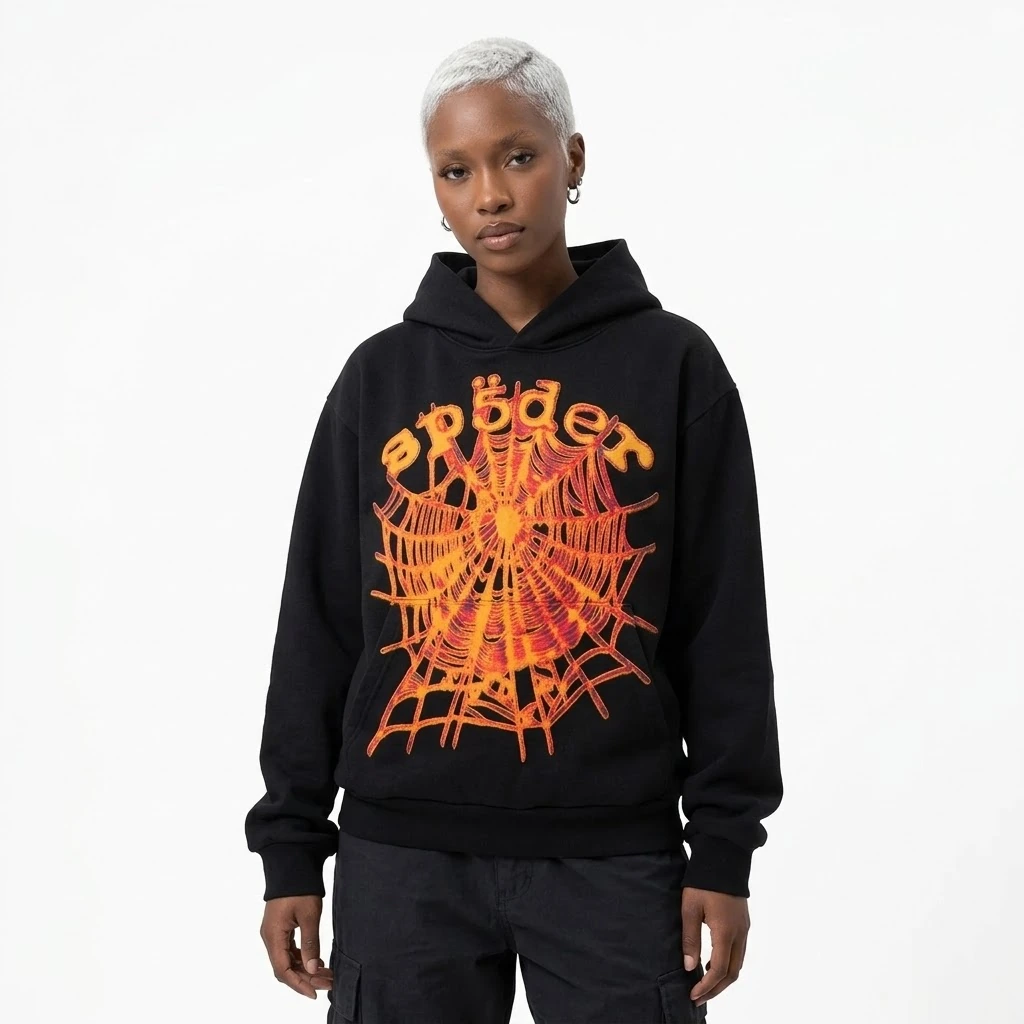
Most people buy a hoodie on colour and regret it on fit, so it helps to know what actually matters before the money leaves your account. Fabric comes first, because it decides how the garment behaves long after the tags are off. A dense brushed fleece traps warmth and holds a structured line, standing away from the shoulder at first and only gradually settling into the shape of the body, while a lighter weight falls against the frame within the hour and never quite holds that architectural look. Neither is better, they do different jobs, and the same design can feel like two different garments depending on which one it uses. The inside face is what your hand meets first: short raised fibres holding a layer of air against the skin, which is where the warmth comes from. That pile flattens after eight or ten washes, the hood softens, and the garment begins to drape where it once stood firm. That is wearing in, not wearing out, and the shoulder seam and cuff ribbing should keep their shape long after the surface has gone soft. Print carries weight of its own. A heavy screen print across the chest stiffens that panel so the front hangs straighter than the back, an all over print spreads evenly and moves with the body, and rhinestone or puff print work adds a raised dimension that catches light and sits exactly where the cloth has to flex. Cut is the second decision, and the one most people get wrong. An oversized piece drops the shoulder seam past the natural shoulder point, runs wide through the body and long in the sleeve, so your usual size gives a relaxed fit while one size up gives the proportion the cut was drawn for, and the difference shows mostly in sleeve length and hem rather than in the chest. A double layered hood adds height and bulk at the neck, so a hooded piece reads bigger on the frame than its chest measurement suggests, while a hoodless crewneck sits closer to a standard fit through the shoulders. Shorts and sweatpants with a drawstring waist forgive a size either way at the waist, but the rise and leg opening do not, so sizing up means a longer and wider leg rather than simply more room. When you are between sizes, trust flat measurements, chest across and length from the seam, over the letter on the label, because numbers travel between garments and letters do not, and remember that sizing up moves a large back graphic lower on the body, which on a shorter wearer can finish below the line it was drawn for.
Shopping online works best when the shop is honest about what it actually holds, and at https://sp5derrr.com/ the catalogue stays deliberately narrow: pullover hoodies, a crewneck sweatshirt, shorts, sweatpants and matching sweatsuits, each carrying the sp5der name on its label. The hoodies run from the Juice Wrld Spider Hoodie and the Light Blue Spider Hoodie through to the Acai Hoodie in purple, alongside the All Over Print Hoodie Brown, the Araignee Hoodie in brown and the AOP Web Hoodie in heather grey, with the Atlanta Hoodie in navy and pink and the Beluga Hoodie in grey, orange and sand. The single piece without a hood is the Adult Sweatshirt Navy, a crewneck for anyone who wants the graphic print without bulk at the neck. Prices across the range run from $110 to $340, every item is inspected by hand before it ships, and the site lists only what it actually has in stock rather than promising a warehouse it does not have. That narrowness is the point: a shop that stocks one category can look at every piece that arrives, and a buyer who knows exactly what the catalogue contains can make a decision without guessing.
Care is where most garments are lost, and it costs nothing to get right. Wash printed pieces inside out and cold, then dry them flat, because heat lifts puff print and screen print off the fabric long before the cloth itself is finished. Knot the ends of drawstrings so they cannot pull back through the eyelet, and check the bar tacks at the corners of a kangaroo pocket when the piece first arrives, since that stitching takes the most daily strain, a phone, keys and two hands pulling down at once, and a weak tack opens into a split that runs along the pocket edge. A pale sand or heather grey shows the flattening of brushed fleece sooner than a deep dye, which is worth knowing when choosing between two otherwise identical pieces, and a five minute repair in matching thread before the first wear can be the difference between years and a single winter. Buy with those three things in mind, fabric weight, honest measurements and a care routine you will actually follow, and a well built garment will soften in all the right places while holding its line where it counts.
Author


QuickBooks Error H505: 9 Ways to Fix It

QuickBooks Migration Failed Unexpectedly: 9 Fixes That Work

Marriage Green Card Denied? What Happens Next and Can You Reapply?

Phantom Stock in India: Meaning, Benefits, Taxation, and How It Works

How to Choose Sweatpants: A Practical Guide

Are Chrome Hearts Tshirt Still Worth Buying in 2026?

Comme Des Garcons Converse Outfits That Make a Statement

Are Chrome Hearts Hoodies Still Worth Buying in 2026?

The New Parke Hoodie Looks Changing Everyday Streetwear

The Texas Guide to Booking Wellness and Longevity Care Online

Cybersecurity Consulting Company SequelNet Provides Critical IT Support Services to Medical Billing Firm, Medical Optimum

Meet the Megalodon: The Shark Star of ‘Meg 2’

Reduce Video Game Lag: Level Up Your Gaming Performance

Balancing India’s Entertainment: Cricket vs. Bollywood

Jetsetter’s Secrets: Unveiling Our Favorite Travel Hacks for a Seamless Adventure

The 5 Best Live Sports Streaming Sites: Legal and Exciting!

Hollywood Labor Unrest: The Impact of ‘What About Us?’ Strikes

Unveiling the Magic of Dream Fulfillment at the Late NBA Draft

Illuminate Your Skin: Dr. Axe Unveils Natural Remedies for Lightening Knees and Elbows

Bright Choices: Navigating the Pros and Cons of Skin Whitening Creams with Dr. Axe
-

 Business3 years ago
Cybersecurity Consulting Company SequelNet Provides Critical IT Support Services to Medical Billing Firm, Medical Optimum
-
Entertainment3 years ago
Meet the Megalodon: The Shark Star of ‘Meg 2’
-
Entertainment3 years ago
Reduce Video Game Lag: Level Up Your Gaming Performance
-
 Sports3 years ago
Balancing India’s Entertainment: Cricket vs. Bollywood
-
Entertainment3 years ago
Jetsetter’s Secrets: Unveiling Our Favorite Travel Hacks for a Seamless Adventure
-
Productivity3 years ago
The 5 Best Live Sports Streaming Sites: Legal and Exciting!
-
Art /Entertainment3 years ago
Hollywood Labor Unrest: The Impact of ‘What About Us?’ Strikes
-
Sports3 years ago
Unveiling the Magic of Dream Fulfillment at the Late NBA Draft






