
Travel & Hospitality
Things To Do in Jaipur: Explore the City Like a Local

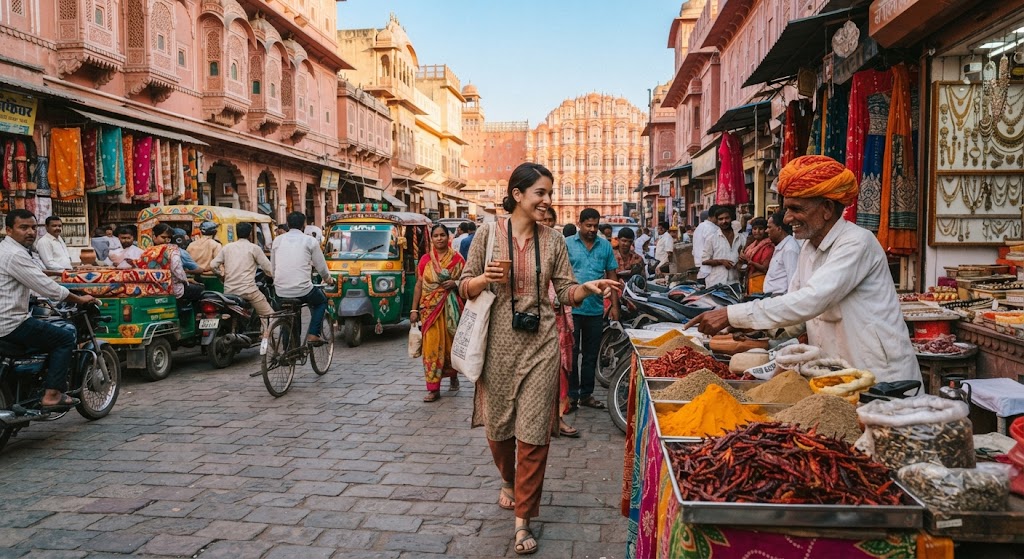
Jaipur, the capital of Rajasthan, is a city where royal history, colorful markets, traditional food, and vibrant culture come together. Known as the Pink City, Jaipur attracts travelers with its magnificent forts, historic palaces, beautiful architecture, and lively streets. However, there is much more to discover beyond the famous tourist attractions.
If you want to experience the city beyond the usual sightseeing spots, exploring Jaipur like a local is a wonderful way to understand its character. From enjoying authentic Rajasthani food to wandering through traditional bazaars, there are plenty of memorable experiences waiting for you.
In this guide, Mountain Girl Diary shares the best things to do in Jaipur for travelers who want to explore its culture, history, and everyday life.
1. Explore the Historic Streets of the Pink City
One of the best things to do in Jaipur is to walk through the old city and admire its distinctive pink-colored buildings. The historic streets are filled with traditional architecture, small shops, local businesses, and bustling markets.
Take your time exploring the narrow lanes and noticing the decorative doorways, traditional windows, and colorful storefronts. You can also visit Hawa Mahal, one of Jaipur’s most recognizable landmarks, known for its beautiful facade and intricate windows.

Early mornings are ideal for exploring the old city before the streets become crowded. Walking slowly allows you to appreciate the architecture and observe everyday life without rushing between attractions.
2. Visit Amber Fort and Discover Royal History
Amber Fort is one of the most impressive historical attractions near Jaipur. Located on a hillside, the fort features grand courtyards, elaborate halls, decorative gateways, and beautiful views of the surrounding landscape.
As you explore the complex, you can learn about Rajasthan’s royal history and the architectural traditions of the region. The Sheesh Mahal, famous for its intricate mirror work, is a particularly memorable highlight.
Consider arriving early to avoid the busiest hours and the afternoon heat. Wear comfortable shoes because the fort involves walking across uneven surfaces and climbing steps.
For a richer experience, consider a knowledgeable guide who can explain the history behind the fort’s architecture and royal traditions.
3. Experience Jaipur’s Traditional Markets
Jaipur’s markets provide a wonderful introduction to local craftsmanship and everyday shopping culture. Rather than visiting only modern shopping centers, explore traditional bazaars where artisans and shopkeepers sell products associated with Rajasthan.
Johari Bazaar is known for jewelry, while Bapu Bazaar offers textiles, clothing, footwear, and souvenirs. You may also find block-printed fabrics, handmade accessories, traditional bags, and decorative items.
Shopping in these markets can be an enjoyable cultural experience, even if you are not planning to buy anything. Compare prices, ask questions about handmade products, and bargain politely when appropriate.
If you purchase souvenirs, consider choosing items made by local artisans to support traditional crafts and small businesses.
4. Taste Authentic Rajasthani Food
Food is an essential part of experiencing Jaipur like a local. The city offers a variety of traditional dishes that reflect Rajasthan’s culinary heritage.
Try dal baati churma, a popular Rajasthani combination of lentils, baked wheat balls, and a sweet crumbled preparation. Other favorites include gatte ki sabzi, ker sangri, pyaaz kachori, and traditional sweets such as ghewar.
Local eateries and established food shops are excellent places to explore regional flavors. Ask residents for recommendations if you want to discover places beyond the most heavily advertised restaurants.
If you enjoy street food, choose busy vendors with good food-handling practices. Travelers with dietary restrictions should ask about ingredients before ordering.
5. Discover the Beauty of City Palace
City Palace is an important historical complex located in Jaipur’s old city. Its courtyards, gateways, museums, and decorative architecture provide insight into the city’s royal heritage.
Visitors can explore selected areas to see historical collections, traditional clothing, artwork, and royal objects. The architecture combines Rajput and Mughal influences, creating a distinctive visual experience.
Allow enough time to appreciate the details rather than rushing through the complex. Check current ticket prices, opening hours, and photography rules before visiting.
City Palace is also conveniently located near other old-city attractions, making it easy to include in a day of sightseeing.
6. Enjoy a Peaceful Visit to Jal Mahal
Jal Mahal, or the Water Palace, is a beautiful architectural landmark situated in the middle of Man Sagar Lake. Its setting creates a striking contrast between the palace, surrounding hills, and water.
Many travelers stop here to take photographs and enjoy the scenery. Early morning and late afternoon can offer pleasant lighting, although the atmosphere varies with the season.
Public access to the palace interior is generally restricted, so check current local arrangements rather than assuming you can enter the building.
You can combine a visit to Jal Mahal with other nearby attractions while allowing time to enjoy the views.
7. Experience Jaipur’s Local Culture
To understand Jaipur beyond its landmarks, spend time discovering its cultural traditions. Depending on the season, you may find local festivals, craft workshops, traditional performances, and cultural events.
You can explore artisan shops, learn about block printing, or discover the region’s traditional jewelry and textile crafts. These experiences provide opportunities to understand the skills and creativity behind Rajasthan’s handmade products.
When photographing people or working artisans, ask permission first. Respecting local customs helps make your travel experience more meaningful.
8. Best Time to Visit Jaipur
The best time to explore Jaipur is generally from October to March, when the weather is more comfortable for sightseeing and walking through markets.
April to June can be extremely hot, so plan outdoor visits for early mornings and evenings if traveling during these months.
The monsoon season, usually from July to September, can bring rain and humidity. Check the weather forecast and allow flexibility in your itinerary.
Regardless of when you visit, carry water, wear comfortable shoes, and protect yourself from the sun.
Conclusion
Jaipur offers far more than magnificent forts and famous palaces. Its traditional markets, regional food, historic streets, and cultural experiences reveal the everyday charm of Rajasthan’s capital.
By exploring the city at a relaxed pace, talking to local shopkeepers, tasting regional dishes, and learning about its traditions, you can experience a more personal side of the Pink City.
These things to do in Jaipur will help you plan a memorable journey filled with history, culture, and authentic local experiences. For more travel inspiration and practical destination guides, visit Mountain Girl Diary and discover new ways to explore the world.
Frequently Asked Questions
1. What are the best things to do in Jaipur?
Visit Amber Fort, Hawa Mahal, City Palace, and Jal Mahal, explore traditional markets, and try authentic Rajasthani food.
2. How can I explore Jaipur like a local?
Walk through the old city, visit traditional bazaars, eat regional dishes, and explore local crafts and cultural experiences.
3. How many days are enough for Jaipur?
Two to three days are generally enough to explore the main attractions, markets, and local food experiences.
4. What is the best time to visit Jaipur?
October to March is generally the most comfortable period for sightseeing and outdoor activities.
5. Is Jaipur suitable for budget travelers?
Yes. You can manage costs by choosing affordable accommodation, eating at local restaurants, using suitable public transportation, and planning attractions in advance.
Author








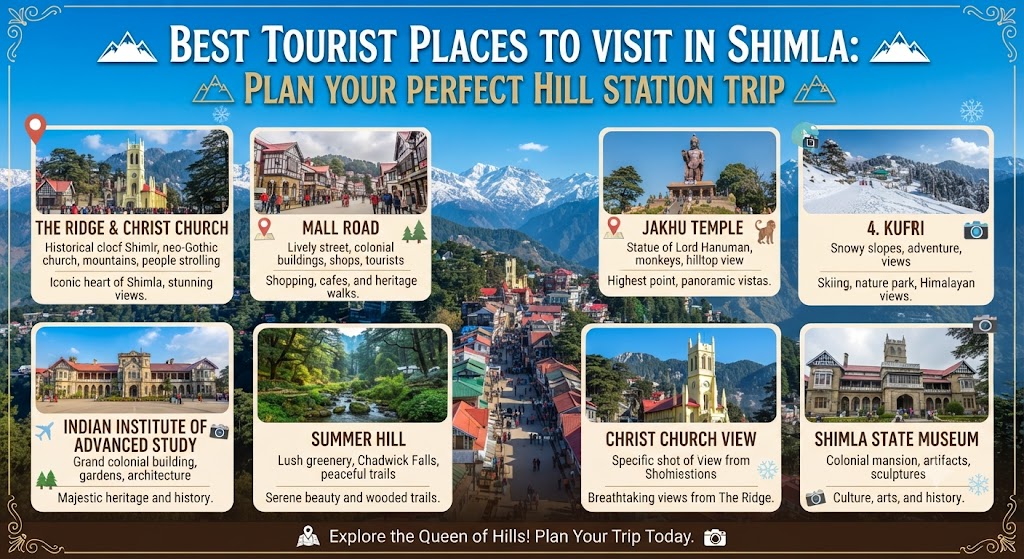
Shimla is one of the most beautiful hill stations in India, known for its snow-covered mountains, colonial architecture, green forests, and pleasant weather. Located in Himachal Pradesh, this charming destination attracts families, couples, solo travelers, and nature lovers throughout the year. Whether you want to enjoy peaceful mountain views, explore historic landmarks, or experience a scenic toy train journey, Shimla offers something for everyone.
If you are planning a mountain getaway, this guide to the Best Tourist Places to Visit in Shimla will help you discover popular attractions, nearby destinations, and useful travel tips. At Mountain Girl Diary, we believe every journey becomes more memorable when you take time to enjoy the local culture, natural beauty, and unique experiences of a destination.
1. The Ridge: Enjoy Beautiful Mountain Views
The Ridge is one of the most famous tourist attractions in Shimla. Located in the heart of the city, this open space offers beautiful views of the surrounding mountains and provides a wonderful place to relax.
You can take photographs, enjoy a leisurely walk, and explore nearby shops and cafes. The Ridge also hosts cultural events and celebrations throughout the year.
It connects conveniently with Mall Road, making it easy to explore both attractions during the same outing. Visit in the morning for a quieter atmosphere or in the evening to experience the lively surroundings.
2. Mall Road: Explore Shimla’s Local Charm
Mall Road is among the best tourist places to visit in Shimla for shopping, dining, and enjoying the city’s colonial atmosphere. The street features cafes, restaurants, souvenir shops, and local businesses.
You can shop for woolen clothes, handicrafts, Himachali products, and small gifts to take home. It is also a great place to try local snacks or enjoy a cup of tea while watching the city come alive.
Wear comfortable walking shoes because exploring Mall Road involves walking along sloping streets. Weekends and holidays can be busy, so consider visiting early if you prefer a quieter experience.
3. Jakhoo Temple: Visit a Famous Hilltop Shrine
Jakhoo Temple is a popular religious attraction dedicated to Lord Hanuman. Situated on Jakhoo Hill, it offers scenic views of Shimla and the surrounding mountains.
Visitors can reach the temple by walking uphill or using available transport options. The route can be steep, so take your time and wear suitable footwear.
The temple is also famous for its large Hanuman statue. Be careful around monkeys in the area, keep your belongings secure, and avoid carrying food openly.
4. Kufri: Enjoy Nature and Mountain Adventures
Kufri is a popular destination near Shimla, especially for travelers who enjoy mountain scenery and outdoor activities. Surrounded by forested hills, it is frequently included in day trips from the city.
During winter, Kufri may receive snowfall, attracting visitors who want to experience a snowy landscape. In warmer months, travelers can enjoy scenic walks and views of the surrounding mountains.
Weather conditions can change quickly in the hills, and certain activities may be restricted depending on the season. Check local conditions before booking adventure activities.
If you prefer a more relaxed experience, visit early in the day to enjoy the scenery before the busiest hours.
5. Christ Church: Discover Shimla’s History
Christ Church is one of Shimla’s most recognizable historical landmarks. Located on the Ridge, this beautiful church features neo-Gothic architecture and distinctive stained-glass windows.
Its peaceful surroundings make it an interesting stop for travelers who appreciate history, architecture, and photography.
You can easily combine a visit to Christ Church with the Ridge and Mall Road. Remember that it is a place of worship, so maintain a respectful atmosphere and follow any photography restrictions.
6. Green Valley: Admire Natural Beauty
Green Valley is a scenic viewpoint along the route toward Kufri. Known for its forested hills and beautiful landscapes, it is a popular stop for travelers who enjoy photography and nature.
The scenery changes with the seasons. During warmer months, the hills can appear lush and green, while winter brings a different atmosphere to the surrounding mountains.
Take time to appreciate the views, but remain in safe areas when taking photographs. Avoid stopping on busy roads or places where traffic visibility is limited.
7. Chadwick Falls: Escape into Nature
Chadwick Falls is a beautiful natural attraction surrounded by forest near Shimla. The waterfall is especially impressive during and after the monsoon, when rainfall can increase the water flow.
Reaching the falls involves walking through a forested area, so comfortable shoes are essential. The trail may become slippery after rain, and heavy rainfall can make visiting unsafe.
If you enjoy nature, this attraction provides a refreshing break from busy markets and crowded streets. Check local weather conditions before setting out.
8. Kalka-Shimla Toy Train: Enjoy a Scenic Journey
The Kalka-Shimla toy train is a memorable experience for travelers who want to appreciate the Himalayan landscape at a slower pace.
This historic railway route passes through hills, tunnels, bridges, and small mountain settlements. The journey offers a different perspective on the region and is especially appealing to photography enthusiasts.
Book tickets in advance during busy travel periods and check current railway schedules before planning your trip. Allow enough time because the journey takes several hours.
9. Best Time to Visit Shimla
The best time to visit Shimla depends on your preferences.
March to June is popular for sightseeing, walking, and exploring nearby attractions because the weather is generally pleasant.
July to September brings monsoon rainfall and lush greenery. However, heavy rain can cause landslides, road disruptions, and slippery walking paths. Check weather alerts before traveling.
December to February is suitable for travelers who enjoy cold weather and hope to experience snowfall. Snow is not guaranteed in Shimla itself, so check the forecast if seeing snow is important to your trip.
10. Essential Travel Tips for Shimla
Keep these practical tips in mind when planning your journey:
-
Carry comfortable walking shoes because Shimla has steep roads and stairways.
-
Pack warm clothing, even if you are visiting outside winter.
-
Book hotels and transport early during holidays and peak seasons.
-
Check weather and road conditions before visiting nearby destinations.
-
Carry cash for small purchases and local transport.
-
Avoid littering and respect the natural environment.
-
Allow extra travel time because traffic can be heavy on mountain roads.
Conclusion
Shimla is a wonderful destination for travelers who love mountain scenery, historic architecture, shopping, and peaceful natural surroundings. From the lively Ridge and Mall Road to Kufri’s mountain views and the scenic toy train journey, there are plenty of experiences to enjoy.
Exploring the Best Tourist Places to Visit in Shimla can help you plan a memorable hill station trip without rushing between attractions. Choose destinations that match your interests, check local conditions, and leave enough time to enjoy the mountain atmosphere.
For more travel inspiration, practical advice, and destination guides, explore Mountain Girl Diary and start planning your next adventure.
Frequently Asked Questions
1. What are the best tourist places to visit in Shimla?
Popular attractions include the Ridge, Mall Road, Jakhoo Temple, Christ Church, Kufri, Green Valley, and Chadwick Falls.
2. How many days are enough for Shimla?
Two to three days are usually enough to explore Shimla’s main attractions. Add extra days if you want to visit nearby destinations at a relaxed pace.
3. What is the best time to visit Shimla?
March to June is popular for sightseeing, while winter is suitable for travelers who enjoy cold weather and hope to experience snowfall.
4. Is Shimla suitable for a family trip?
Yes, Shimla offers sightseeing, shopping, scenic viewpoints, and nearby attractions that can suit families. Choose activities according to everyone’s comfort and mobility.
5. Can I visit Kufri in one day from Shimla?
Yes, Kufri is commonly visited on a day trip from Shimla. Travel time depends on traffic, weather, and road conditions.
Author

Author


Queenstown allows travellers a myriad of ways to participate in Gibbston Valley. Pre-booked shared bus services and hop-on-hop-off buses run on a regular basis to various cellar doors and cater to the large number of people who find joy in the social side of a group outing. Shared transport makes sense in many cases: it’s practical, sometimes it’s cheap, and you can enjoy the wine region without having to worry about the car. For others, the share model becomes tedious. The timetable is set, the company is once again random, and the rhythm is dictated by a larger vehicle. When this is the case, the private tour is the way to go.
If that’s what you’re after, QT Chauffeurs and Rentals have got you covered with their Private Gibbston Wine Tour. “It’s a luxe 5-hour journey designed for one special group. Your chauffeur will collect you from your Queenstown accommodation in a luxury vehicle, journey through the Kawarau Gorge and visit 4 wineries – with the freedom to play it by ear as the afternoon goes on, without the worry of being paired with others or leaving one of the wineries early due to timing.”
You may leave at your leisure: “door to door” pickup saves the time and worry of gathering in one spot at a specified time. This keeps the mornings relaxed while members of the party may be staying in various locations and perhaps wish to begin the day at a gentler pace. The spacious interior and the windows add a dimension of comfort and interest to the ride through the gorge that draws it from the realm of passing observation to savouring. The driver’s commentary is available and knowledgeable but unobtrusive; the ride may be filled with conversation, or contained in quiet appreciation, or expanded by the driver’s perceptive remarks about the views.
And that’s all about the flexibility of the winery. It’s the one feature most frequently mentioned in reference to private versus group tours. We can extend a very exciting tasting, shorten a duller one, switch them around to speed things up, slow them down; ensure lunch at Kinross coincides with actual hunger; add, skip, or swap out additional activities such as a trip through the Gibbston Valley wine cave, a reception drink in the vehicle, or a session with a photographer; all of that can be done without affecting anyone else. The only components that will stay fixed are the private driver/guide, the vehicle, the scenic drive, and the four winery visits; everything else is entirely optional.
The tour suits particular occasions and types of groups. Couples frequently prefer this tour for when they want the scenery and the wine, but don’t want to be with others and have a common agenda. Celebrations may prefer the privacy and the opportunity to personalize. Friends journey together: Friends may feel more comfortable with the pace if it is more aligned to their own rather than an average of other travellers. When working with a client, business groups appreciate the discretion and time management without the presence of larger numbers of people.
The distance of Gibbston to Queenstown makes it more manageable to spend time there, an afternoon as opposed to a whole day, however the wine quality and the location make it a worth-while trip. Pinot Noir is the regional standard, with other wine types on offer to demonstrate the full spectrum of the cool climate. Moreover, the benefit of having a local as the driver is that the driver already knows the valley and the current conditions at cellar doors (so there’s no need to do the thinking in advance, and the route can be tailored to what’s good that day).
In fact, it is more expensive than a group tour per seat, because that is a premium product. The vehicle and the driver’s time is not shared, and the itinerary is not designed for a high capacity. People who want the former usually consider the distinction worth paying for, and those who just want to enjoy cheaper room rates to sample multiple wines are more appropriately accommodated by the shared, already existing, group options. The former would rather pay for a private tour.
For travelers that are keen to explore Gibbston but not as keen on the group format, the private version is the obvious substitute. QT Chauffeurs and Rentals will supply the chauffeur, the car, the pickup and the flexible route so the emphasis can be on the wine, the scenery and the companionship rather than on co-ordinating with the other ‘shares’. The valley is local and the wines are familiar. The private format eliminates the aspects that others may not enjoy. Check and book The Private Gibbston Wine Tour.
For those seeking a truly luxurious and highly flexible private Gibbston wine tour with an impeccable personal service, then our Queenstown Chauffeurs Private Gibbston Wine tour is for you! Our professional chauffeur will pick you up from your front door and the day is then all about you! Read more travel blogs here.
Author



Best Doctors in Dubai for Fillers and Natural Cheek Enhancement
Accounting Outsourcing to India for Irish Accountants

How Much Does It Cost to Start a Business in Ajman?

The Ultimate List of At Home Date Night Ideas for Couples

Construction Documentation Services: Benefits for Architecture Firms

What Is Gudmar? Exploring Its Traditional Role in Ayurveda

Online Baby Shower Wishes Card | Baby Shower Ecards

Dua to Get Love Back in Islam: A Complete Guide

World777 Official – An Informative Guide to Platform Features

How Millwork Shop Drawings Drive Fabrication Accuracy

Cybersecurity Consulting Company SequelNet Provides Critical IT Support Services to Medical Billing Firm, Medical Optimum

Meet the Megalodon: The Shark Star of ‘Meg 2’

Reduce Video Game Lag: Level Up Your Gaming Performance

Balancing India’s Entertainment: Cricket vs. Bollywood

Jetsetter’s Secrets: Unveiling Our Favorite Travel Hacks for a Seamless Adventure

The 5 Best Live Sports Streaming Sites: Legal and Exciting!

Hollywood Labor Unrest: The Impact of ‘What About Us?’ Strikes

Unveiling the Magic of Dream Fulfillment at the Late NBA Draft

Illuminate Your Skin: Dr. Axe Unveils Natural Remedies for Lightening Knees and Elbows

Bright Choices: Navigating the Pros and Cons of Skin Whitening Creams with Dr. Axe
-

 Business3 years ago
Cybersecurity Consulting Company SequelNet Provides Critical IT Support Services to Medical Billing Firm, Medical Optimum
-
Entertainment3 years ago
Meet the Megalodon: The Shark Star of ‘Meg 2’
-
Entertainment3 years ago
Reduce Video Game Lag: Level Up Your Gaming Performance
-
 Sports3 years ago
Balancing India’s Entertainment: Cricket vs. Bollywood
-
Entertainment3 years ago
Jetsetter’s Secrets: Unveiling Our Favorite Travel Hacks for a Seamless Adventure
-
Productivity3 years ago
The 5 Best Live Sports Streaming Sites: Legal and Exciting!
-
Art /Entertainment3 years ago
Hollywood Labor Unrest: The Impact of ‘What About Us?’ Strikes
-
Sports3 years ago
Unveiling the Magic of Dream Fulfillment at the Late NBA Draft






