
Beauty Fitness
The Ultimate Foundation Checklist: Tips to Help You Find Your Best Formula Yet

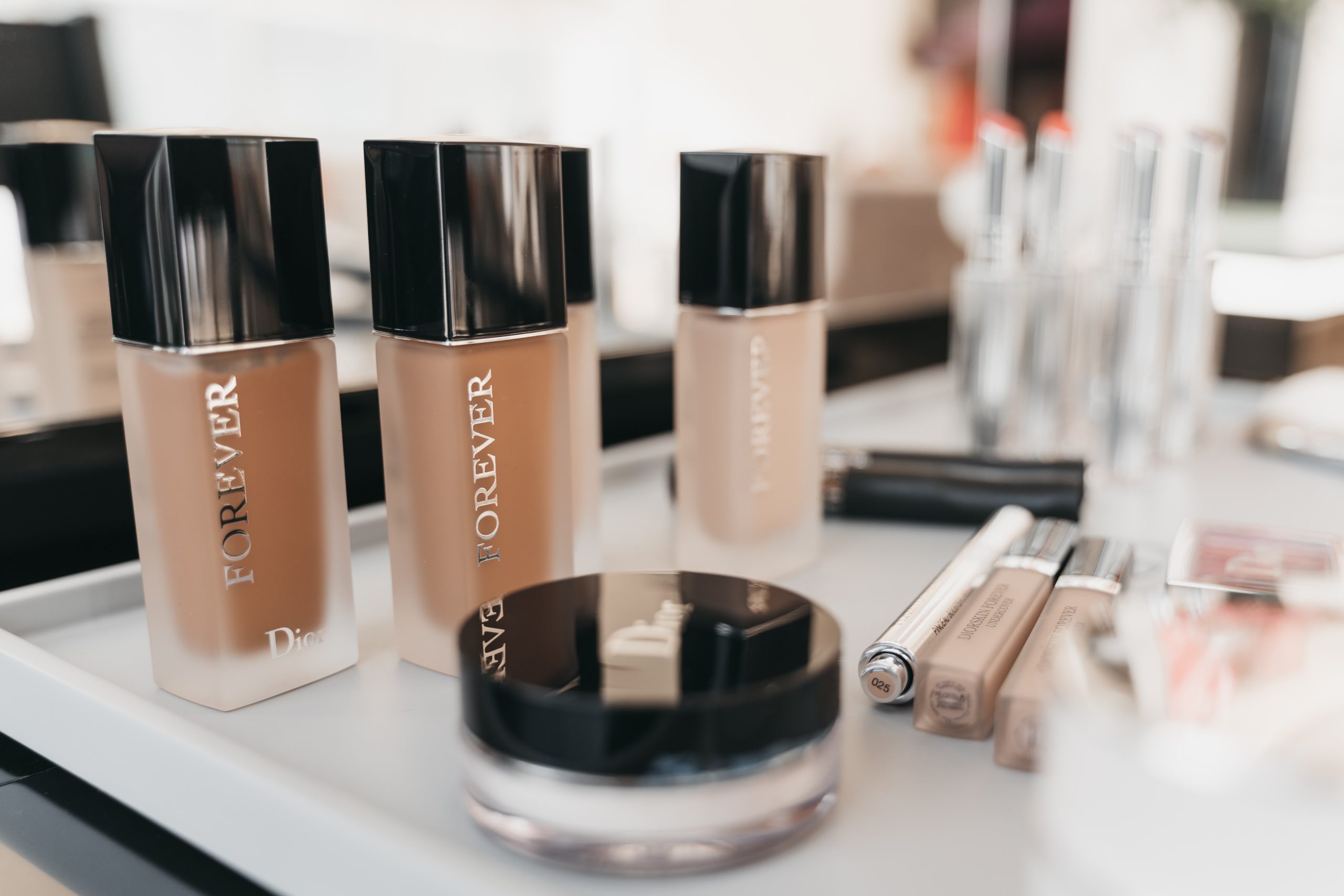
Attention makeup lovers! Are you tired of dealing with foundation that doesn’t quite match your skin tone or ends up looking cakey by midday? It’s time to put an end to the struggle and find your perfect formula. Look no further than our ultimate foundation checklist. We’ve compiled tips, tricks, and product recommendations to help you achieve flawless coverage that lasts all day long. Get ready to say goodbye to the frustration and hello to a beauty routine that elevates your confidence!
What is foundation?
Foundation is one of the most important products in your makeup routine—it’s the base that everything else is built on (literally). That’s why finding the right foundation is so important. The good news is, there’s a formula out there for everyone. The bad news? There are a lot of choices, and it can be overwhelming trying to find the right one.
Here’s a quick foundation 101 to help get you started:
Foundation comes in three basic forms: liquid, cream, and powder.
Liquid foundations have a water or oil base, and come in both light and heavy coverage formulas. They’re best for normal to oily skin types, as they help control shine. Cream foundations have a thicker consistency than liquids, and can provide full coverage. They work well on dry or mature skin types, as they help hydrate and smooth the appearance of lines and wrinkles. Powder foundations are perfect for those with oily skin, as they absorb excess oil and leave a matte finish. They can also be used to set liquid or cream foundations, or worn on their own for light coverage.

Now that you know the basics, it’s time to start shopping! Here are a few tips to keep in mind when searching for your perfect foundation:
Different types of foundation
When it comes to foundation, there are a lot of different types out there. But which one is right for you? Here’s a quick guide to help you find the best foundation for your skin type:
– If you have dry skin, look for a foundation that will hydrate and nourish your skin. A good option is a liquid foundation with hyaluronic acid.
– If you have oily skin, look for a foundation that will control oil and help keep your skin matte. A good option is a powder foundation or a gel-based foundation.
– If you have sensitive skin, look for a foundation that is hypoallergenic and won’t irritate your skin. A good option is a mineral powder foundation or a water-based foundation.
– If you have normal skin, you’re lucky! You can pretty much use any type of foundation. Just make sure to choose one that matches your skin tone and provides the coverage you want.
How to find the right foundation
When it comes to finding the right foundation, there are a few things you need to keep in mind. First, you need to know your skin type. Are you dry, oily, or somewhere in between? This will help you narrow down your choices and find a foundation that will work well with your skin. Second, you need to decide what kind of coverage you want. Do you want a light coverage foundation that will even out your skin tone, or do you want a full coverage foundation that will cover up all of your imperfections? Once you know these two things, it will be much easier to find the right foundation for you.
Now that you know what to look for in a foundation, let’s take a look at some of the best foundations on the market. If you have dry skin, we recommend trying the L’Oréal Paris Infallible Pro-Glow Foundation. This foundation has medium coverage and is infused with hyaluronic acid, which helps to hydrate and plump up dry skin. For those with oily skin, we recommend the L’Oréal Paris Infallible Pro-Matte Foundation. This foundation has full coverage and is matte finish, which is perfect for those with oily skin as it will help to control shine and oil throughout the day. And lastly, for those with normal/combination skin, we recommend the L’Oréal Paris True Match Super Blendable Foundation. This foundation has medium coverage and
The best foundations for different skin types
There’s more to finding the best foundation than meets the eye. In fact, there are a few different factors you need to take into account when shopping for a new foundation, such as your skin type, the coverage you’re looking for, and your budget.
To help you find the best foundation for your needs, we’ve put together a comprehensive guide that covers everything from how to choose the right formula to which ingredients to look for (and avoid). We’ve also included our top picks for the best foundations for different skin types, so you can find your perfect match.
If you have sensitive skin, it’s important to choose a foundation that won’t irritate or aggravate your condition. Look for formulas that are non-comedogenic (meaning they won’t clog pores), hypoallergenic, and fragrance-free. Our top pick for sensitive skin is La Roche-Posay Toleriane Teint Mineral Foundation, which is made with thermal spring water and minerals to soothe and protect sensitive skin.
For dry skin, you’ll want to look for a foundation with hydrating ingredients like glycerin or hyaluronic acid. These will help to nourish and moisturize your skin, while also providing long-lasting coverage. Our top pick for dry skin is Lancome Teint Idole Ultra Longwear Foundation Stick, which contains vitamin E and hyaluronic acid to keep dryness at bay.
Oily skin
Tips for applying foundation
Foundation is one of the most important steps in your makeup routine, so it’s important to find a formula that works for you. Here are some tips to help you find your perfect foundation:
1. Know your skin type. If you’re not sure what your skin type is, consult a dermatologist or makeup artist. This will help you narrow down your foundation options and find a formula that works well with your skin.
2. Consider your coverage needs. Do you need a full-coverage foundation? A lighter option? Something in between? Knowing the level of coverage you need will help you find the right foundation for you.
3. Choose a shade that matches your skin tone. This may seem like a no-brainer, but it’s important to find a foundation shade that closely resembles your skin tone. Otherwise, your foundation will look cakey or artificial.
4. Test foundations before you buy them. Make sure to test foundations in natural light and on different parts of your face before making a purchase. This way, you can see how the shade looks on your skin and how well the formula works with your complexion.
How to make your foundation last all day
When it comes to foundation, one of the most important things you can do is make sure it lasts all day. There are a few key tips you can follow to help ensure your foundation looks just as good at the end of the day as it did when you first applied it.
Start with a clean, well-moisturized face. This will help create a smooth canvas for your foundation and also help it to last longer throughout the day. If your skin is particularly dry, you may even want to consider using a primer before applying your foundation.
Choose a long-wearing formula. Look for foundations that are specifically designed to last all day long. These formulas are often thicker and provide more coverage than their everyday counterparts.
Apply your foundation in thin layers. Rather than caking on a thick layer of foundation, build up coverage gradually by applying thin layers. This will help prevent your foundation from looking heavy or cakey, and will also help it stay put throughout the day.
Set your foundation with powder. Once you’ve applied your foundation, set it with a translucent powder to help keep it in place. Make sure to use a light hand when applying the powder, as too much can make your face look dry and dull.
Conclusion
With these tips, you now have all the information you need to find your perfect foundation formula. From selecting a product that complements your skin type and tone to taking the time to test different formulas on your skin, it can be simple and easy to find a high-quality foundation that looks amazing on you. So take some time today and follow this ultimate foundation checklist so that you can discover your best formula yet!
Author


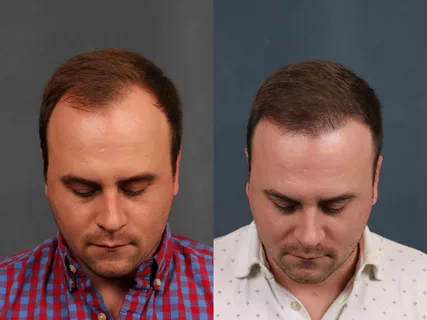
Thick, vibrant hair is the crown of beauty and a primary source of self-confidence. With the tremendous technological advancements in the field of cosmetic medicine, restoring this crown has become accessible with impressive results. Hair transplant in Dubai stands out as a global gateway for anyone seeking radical solutions to baldness and hair loss. The city combines world-class medical expertise with cutting-edge technologies to offer patients completely natural-looking and lifelong results.
Dubai leading the world in hair transplantation
Dubai didn’t become a leading destination by chance, but thanks to an ambitious strategy that transformed it into a hub for medical innovation. When searching for hair transplant centers, you’ll find that Dubai stands out for:
-
High medical expertise: Attracting the best surgeons and doctors from around the world, who have extensive experience in dealing with various types of baldness.
-
Modern techniques: Relying on techniques such as Follicular Unit Extraction (FUE) and Direct Implantation (DHI), which provide extreme precision and make the process less invasive and faster in recovery.
-
Regulatory environment: Strict oversight by the Dubai Health Authority ensures that the patient receives medical services in accordance with the highest international standards of sterilization and safety.
Techniques that restore your self-confidence
Hair transplant centers in Dubai use the latest tools that ensure a natural distribution of follicles:
DHI (Direct Hiring) technology
This technique is considered the “crown jewel” of hair transplant technology, allowing the surgeon to implant the follicle directly into the recipient area without the need for pre-drilled channels. This reduces the follicle’s time outside the body, thus raising its growth success rate to record levels.
FUE (Follicular Unit Extraction) technique
This method is characterized by not leaving large linear scars, as the follicles are harvested individually from the donor area, which makes the recovery period very quick and allows the patient to return to his daily life within a few days.
Choose the most suitable center
With so many options, here are the key points to ensure you make the right decision:
-
Check the professional record: Don’t be shy about asking for photos of previous cases that the center has handled.
-
Consultation session: A good center is one that takes the time to examine your scalp, assess the quality of the donor area, and discuss realistic expectations.
-
Teamwork: Ask about the medical team that will assist the doctor, as a successful operation depends on harmonious teamwork.
-
Follow-up programs: Look for a center that offers a post-operative follow-up plan to ensure the health of the transplanted follicles.
The journey of hair restoration
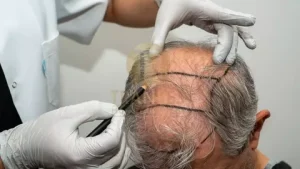
The journey begins in Dubai with a comfortable environment and hotel-like amenities designed to eliminate any stress. The doctor will geometrically design the hairline to complement your unique facial features, ensuring the final result looks 100% natural and not “implanted.” After the procedure, you will receive detailed post-operative care instructions, and the clinic will remain in contact with you to answer any questions you may have.
Benefits of investing in your appearance
Restoring your hair isn’t just a change in appearance. It’s a powerful boost to your self-confidence in both your professional and personal life. When you look in the mirror and see the thick hair you’ve always desired, you’ll feel revitalized. This investment in your appearance has an invaluable positive impact on your mental well-being.
Dubai: where medicine meets art
Hair transplant surgeons in Dubai don’t just focus on the surgical aspect; they view the procedure as an art form. The distribution of follicles, the angle of implantation, and the density of the transplant are all carefully considered to achieve the best aesthetic appearance. That suits your personality and age.
Preparing for the final result
Patience is crucial. Hair growth is a natural biological process, and noticeable results begin to appear gradually over the first few months. Reaching their peak after approximately one year. Adhering to post-operative instructions is the surest way to achieve these ideal results.
Technology and comfort in one place
Thanks to the latest technological systems, hair transplantation in Dubai has become a comfortable and safe experience. You not only get thicker hair, but you also receive exceptional medical care in a city that provides you with every comfort and luxury during your stay.
Conclusion!
The dream of regaining thick, attractive hair is a realistic and achievable goal. And the first step towards this goal begins with choosing the right place that values you and guarantees the highest standards of quality. Dubai, with its state-of-the-art centers and distinguished experts, is your ideal destination to transform your appearance for the better. If you’re ready to embark on this journey and begin a new chapter in your life. The path starts with contacting a reputable and experienced. Cosmetic clinic in Dubai that offers the best surgical and cosmetic consultations. Begin your journey today and discover why Dubai is your sure gateway to achieving the hair you deserve and desire.
Author

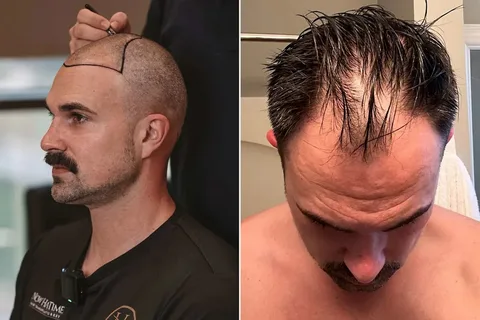
Dubai has become one of the most trusted global destinations for cosmetic treatments. It combines advanced medical technology with luxury healthcare services. Because of this combination, many people now travel to the city specifically for hair restoration procedures. At the same time, patients are also pleasantly surprised that hair transplant cost in Dubai are more flexible and competitive than they expect.
If you are considering restoring your hairline, understanding the cost structure is essential. It helps you plan better, avoid hidden surprises, and choose the right clinic with confidence. In this guide, we will break down everything you need to know about pricing, influencing factors, and the patient journey.
Hair Transplant Costs in Dubai
Hair transplant pricing is not random. Instead, clinics calculate the cost based on several technical and medical factors. Each patient receives a customized treatment plan depending on their level of hair loss and desired density. A key factor is the amount of grafts needed.
A graft contains one or more hair follicles. Therefore, a larger bald area requires more grafts, which increases the total cost. On the other hand, smaller areas require fewer grafts and are more affordable.
Another key factor is the technique used during the procedure. Advanced methods such as FUE (Follicular Unit Extraction) and DHI (Direct Hair Implantation) are more precise and modern. These techniques deliver natural-looking results, but they may cost more due to the time, skill, and equipment involved.
The surgeon’s experience also plays a major role. Highly skilled specialists with international training or strong reputations usually charge higher fees. However, patients often prefer experienced surgeons because they provide safer procedures and more natural outcomes.
In addition, many clinics in Dubai offer complete packages. These may include consultation, pre-operative tests, post-treatment care, and even PRP sessions to boost hair growth. These packages often provide better value compared to paying for each service separately.
Average Hair Transplant Prices in Dubai
The cost of a hair transplant in Dubai varies depending on the complexity of the case. For smaller areas of hair loss, prices typically start from around AED 6,999. These cases usually require fewer grafts and shorter treatment time.
For medium to larger areas, costs can rise significantly. On average, patients may pay between AED 10,000 and AED 15,000. This range is common for individuals who need moderate coverage and density improvement.
For advanced cases that require high-density transplantation or full scalp coverage, prices can go up to AED 18,000 to AED 25,000 or more. These procedures require a larger number of grafts and longer surgical time.
Although prices may vary, Dubai remains competitive compared to other international destinations. Patients benefit from high-quality care, advanced technology, and strict medical regulations that ensure safety.
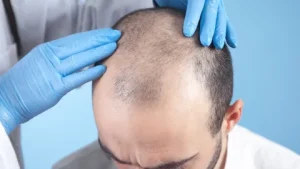
What Affects Hair Transplant Pricing?
Several factors influence the final cost of a hair transplant. Understanding them helps you make an informed decision.
- First, the extent of hair loss matters. More severe hair loss requires more grafts, which increases the price.
- Second, the technique used affects the cost. FUE and DHI are more advanced than traditional methods, so they may cost more.
- Third, clinic reputation and location also matter. Premium clinics with modern facilities often charge higher prices due to better service and technology.
- Fourth, additional treatments like PRP therapy or laser sessions may increase the overall cost but improve results.
- Finally, aftercare services and follow-up visits are also included in some packages, adding value to the treatment.
The Patient Journey
Next comes the procedure itself. It is usually performed under local anesthesia, so patients remain comfortable throughout the process. Depending on the number of grafts, the procedure may take several hours.
After the transplant, the recovery phase begins. Patients receive detailed aftercare instructions to protect the newly implanted follicles. Clinics also schedule follow-up visits to monitor growth and healing. Over the next few months, new hair gradually begins to grow. Full results typically appear within 6 to 12 months.
Why Dubai Is a Preferred Choice
Dubai has strict medical regulations governed by the Dubai Health Authority (DHA). These standards ensure that clinics maintain high levels of safety, hygiene, and professionalism. In addition, the city is known for its modern infrastructure and advanced healthcare technology. Clinics use the latest tools and techniques to deliver natural-looking results with minimal discomfort.
Another advantage is flexibility in payment options. Many clinics offer installment plans or customized packages, making the treatment more accessible. Patients also benefit from world-class hospitality and a comfortable recovery environment, which adds to the overall experience.
Choosing the Right Clinic Matters
Selecting the right clinic is one of the most important decisions in your hair transplant journey. A good clinic will not only offer competitive pricing but also prioritize safety and natural results. It is important to check the surgeon’s experience, patient reviews, and before-and-after results. Transparency in pricing is also a key factor to consider.
While affordability is important, quality should always come first. A successful hair transplant is an investment in your appearance and confidence.
Final Thoughts
Hair transplant costs in Dubai vary depending on multiple factors such as graft count, technique, and surgeon expertise. However, the city offers a balanced combination of quality, safety, and affordability.
With advanced medical technology and highly skilled professionals, Dubai continues to be a top destination for hair restoration treatments. If you are planning to restore your hair, take the time to research your options carefully. A well-planned decision will ensure that you achieve natural, long-lasting results that enhance your confidence and overall appearance.
Author
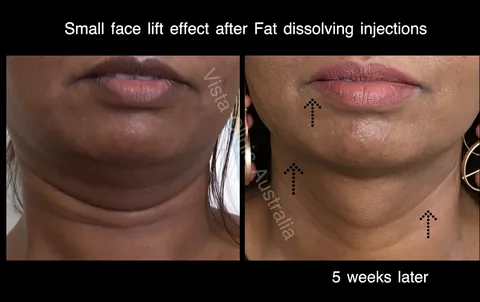
Slimness and achieving a harmonious figure that highlights the body’s curves are among the most important aspects of beauty that many people seek nowadays. Despite adhering to a healthy lifestyle and exercising regularly, the waist and buttocks areas remain among the most prone to storing localized obesity and stubborn fat that is difficult to respond to with traditional solutions. This is where non-surgical medical technology comes in to provide the optimal and fastest solution. Fat-dissolving injections in Dubai represent a real breakthrough in the world of body sculpting and contouring with complete safety and proven effectiveness, allowing individuals to get rid of annoying lumps and achieve a sculpted and defined waist without having to go through the difficulties of surgery or long recovery periods.
Medical concept of Fat-Dissolving Injections
The technique of fat-dissolving injection, scientifically known as chemical lipolysis (Injection Lipolysis), is based on an innovative medical method that involves introducing liquid compounds specifically designed and approved by health authorities directly into the depth of the fat layer located under the skin in the targeted areas.
The primary active ingredient in these injections is deoxycholic acid, a compound that mimics the structure of natural bile acids produced by the liver to break down and digest stubborn dietary fats. When precisely injected into pockets of stubborn fat in the waist and buttocks, this substance immediately begins to destroy the outer cell membrane of the fat cells, transforming the stored solid fat into a microscopic liquid emulsion. The body’s natural lymphatic system then collects and safely drains this fluid, which is subsequently eliminated from the body as a metabolic waste product over the weeks following the session.
Challenge of localized obesity in the waist and buttocks
The fat cells in the waist (love handles) and buttocks areas have a special biological nature that makes them highly resistant to natural burning processes; they contain cellular receptors that prevent the breakdown of fats as easily as facial or chest fat.
Therefore, many people notice that even with overall weight loss, the waistline remains prominent and the buttocks retain some uneven lumps that detract from the appearance of clothing. This is where fat-dissolving injections act as a highly precise sculpting tool, where the doctor disregards the overall weight and focuses solely on breaking down these stubborn fat deposits to reshape the curves smoothly and attractively, in line with the patient’s aspirations.
Common types of Fat-Dissolving Injections used
Leading cosmetic clinics offer a range of exceptional treatment options designed to suit medium and large areas of the body, including:
-
Aqualyx injections: These are a very safe and advanced gel compound that is distributed smoothly and evenly under the skin. They are the ideal option for large areas such as waist, abdomen, and buttocks fat, as they effectively break down surface fat cells and facilitate their natural expulsion.
-
Lipo dissolve injections: A popular classic formula based on a combination of phosphatidylcholine with deoxycholate, precisely targeting the breakdown of trapped fat deposits, in addition to its remarkable role in improving the overall appearance of the surrounding skin and reducing the appearance of bothersome cellulite.

Advantages of waist and buttock shaping
The procedure is witnessing record demand from both men and women thanks to its many advantages that combine comfort, effectiveness and safety:
- A safe alternative to liposuction: It completely eliminates the risks of general anesthesia, operating rooms, and the complications of traditional surgery.
- The procedure leaves no scars or surgical incisions because practitioners use very thin, precise needles that do not leave marks or deep scars on the skin’s surface.
- Each session takes only 20 to 30 minutes, and clinicians perform it using a simple topical anesthetic cream to ensure patient comfort, making the experience quick and convenient.
- Patients experience virtually no downtime. They can leave the clinic immediately after the session and resume their normal professional and social activities without needing bed rest or recovery time.
- The body permanently eliminates destroyed fat cells, and these cells do not regenerate in the same area again, which helps maintain long-lasting results as long as patients maintain a stable weight.
Common side effects
Certified medical professionals perform this procedure, which keeps it very safe with a low risk rate. However, as the injected solution interacts with fat cells and breaks down their membranes, patients may experience temporary local reactions. These reactions indicate that the treatment is working and that fat breakdown has begun.
Swelling and bloating: Commonly occurring in the waist or buttocks and lasting for several days, this is a normal reaction that gradually begins to subside.
Redness and minor bruising: These appear as a result of pricking the skin’s surface with very fine needles and disappear spontaneously within a maximum of one week.
Numbness or slight tingling: A temporary and localized sensation in the skin that fades over the first few days after the session.
Important medical tips
To maximize the benefits of the treatment and accelerate the drainage of dissolved fat from the body while protecting the skin and ensuring its uniform shrinkage, doctors recommend following these steps precisely:
-
Drink plenty of water: Consuming at least 2 to 3 liters of water daily stimulates the lymphatic system and blood circulation to expel fatty waste more efficiently and quickly.
-
Applying cold compresses: Placing ice packs wrapped in soft cloth on the injection site during the first 48 hours helps to reduce swelling and puffiness very effectively.
-
Wearing a compression garment: It is highly recommended to wear a body shaper specifically designed for several days after injections, as it effectively reduces swelling and helps the skin to shrink and tighten over the new curves without sagging.
-
Avoid sources of high heat: It is best to stay away from hot baths, saunas, and direct exposure to the scorching sun for a week after the procedure.
-
Commit to a healthy lifestyle: Maintaining a balanced diet that is low in sugars and fats ensures that your sculpting results remain perfect and stable for many years and prevents the enlargement of small remaining fat cells in other areas.
How many sessions will required
The treatment plan and number of sessions vary from person to person based on the size of the fat deposit and the thickness of the fat layer in the waist and buttocks areas. Most patients usually need between 3 and 5 treatment sessions to achieve the desired result. The doctor separates the session from the other by a period of time ranging from 4 to 6 weeks to give the body enough time to fully drain the previous fat and recover completely.
The first tangible results begin to appear gradually after about 3 to 4 weeks from the first session, as the patient notices a smaller waist size and a decrease in clothing sizes, while the final dazzling results and the perfectly sculpted and defined figure become apparent after the completion of all recommended sessions in about two to three months, so that you can enjoy a slim and attractive appearance that enhances your attractiveness and self-confidence.
Author


Working Capital Loan: Meaning, Benefits & Types

Bottega Desires Shorts: Streetwear Redefined with Premium Style

Mr. Winston Official Store: Comfortable, and Affordable Streetwear

Mr. Winston Hoodie: Where Style Meets Comfort

Comme des Garçons Limited Edition Drops: Streetwear Influence

Handcrafted Interior Design: Elevating Modern Spaces with Texture

Parquet Flooring: Elegant, Durable, and Stylish Wooden Flooring

Hair Transplant: Advanced Techniques for Natural Results

Dental Implant Drill: Precision, Design, and Material

Hair Transplant Cost in Dubai: Complete Guide to Pricing

Cybersecurity Consulting Company SequelNet Provides Critical IT Support Services to Medical Billing Firm, Medical Optimum

Team Communication Software Transforms Operations at Finance Innovate

Project Management Tool Transforms Long Island Business

How Alleviate Poverty Utilized IPPBX’s All-in-One Solution to Transform Lives in New York City

Breast Cancer: The Imperative Role of Mammograms in Screening and Early Detection

Unstoppable Collaboration: D.C.’s Citi Open and Silicon Valley Classic Unite to Propel Women’s Tennis to New Heights

Embracing Renewal: Sizdabedar Celebrations Unite Iranians in New York’s Eisenhower Park

The Benefits of Starting a Side Hustle for Financial Freedom

New Blood Donation Screening Questions What You Need to Know

Stylishly Timeless: The 5 Types of Sandals You Need in Your Closet
-

 Business3 years ago
Cybersecurity Consulting Company SequelNet Provides Critical IT Support Services to Medical Billing Firm, Medical Optimum
-
Business3 years ago
Team Communication Software Transforms Operations at Finance Innovate
-
Business3 years ago
Project Management Tool Transforms Long Island Business
-
Business3 years ago
How Alleviate Poverty Utilized IPPBX’s All-in-One Solution to Transform Lives in New York City
-
health3 years ago
Breast Cancer: The Imperative Role of Mammograms in Screening and Early Detection
-
Sports3 years ago
Unstoppable Collaboration: D.C.’s Citi Open and Silicon Valley Classic Unite to Propel Women’s Tennis to New Heights
-
Art /Entertainment3 years ago
Embracing Renewal: Sizdabedar Celebrations Unite Iranians in New York’s Eisenhower Park
-
Finance3 years ago
The Benefits of Starting a Side Hustle for Financial Freedom







