
Jobs and education
5 Essential Self-Care Tips For Those Struggling With The Challenges Of Remote Work


2020 has been a year of unprecedented change, and for many of us, that change has meant transitioning to remote work. While working from home can have its perks (hello, no more commuting!), it also presents new challenges to our physical and emotional well-being. Long hours at the computer, lack of social interaction, and difficulty separating work from personal time are just a few examples. That’s why self-care is more important than ever before! In this blog post, we’ll share five essential tips to help you prioritize your health while navigating the ups and downs of remote work. So grab a cup of tea or coffee and read on – your mind and body will thank you!
Get in the habit of self-care
With the lines between work and home blurred, it’s easy to fall into the trap of neglecting our own well-being. However, self-care is crucial for maintaining a healthy mind and body. The first step in taking care of yourself is getting into the habit of doing so regularly.
Start by setting aside time each day for self-care activities that you enjoy. This could be anything from meditation or yoga to taking a walk outside or listening to music. Whatever it is, make sure it’s something that helps you relax and recharge.
Another important aspect of self-care is monitoring your physical health. Make sure you’re eating nutritious meals throughout the day and staying hydrated – this can go a long way in boosting your energy levels and overall mood.
If you find yourself struggling with motivation or accountability when it comes to self-care, consider enlisting the help of a friend or family member who can provide support and encouragement along the way.

Remember: practicing self-care isn’t selfish – it’s necessary! By prioritizing your own needs, you’ll be better equipped to handle whatever challenges come your way while working remotely.
Establish boundaries with your work
Establish Boundaries with Your Work
One of the biggest challenges of remote work is managing your boundaries. When you work from home, it’s easy to get sucked into working all hours of the day and night. It can be tempting to keep checking your email, responding to messages or taking calls outside of regular business hours.
But if you want to maintain a healthy work-life balance, it’s important to establish boundaries with your work. This means setting clear expectations for when you’ll be available and sticking to them.
One way to do this is by creating a schedule that outlines your working hours. Communicate this schedule with your team members or clients so they know when they can expect responses from you.
Another strategy is to designate a specific workspace in your home where you’ll do all of your work-related tasks. This will help create physical boundaries between “work” and “life” and make it easier for you mentally switch off at the end of each day.
Consider turning off notifications on non-work apps during working hours as well as shutting down social media accounts while performing professional duties. By doing so, distractions are reduced which allow more focus on priorities at hand rather than getting sidetracked unnecessarily
Make time for rest and relaxation
As a remote worker, it’s essential to make time for rest and relaxation. It’s easy to get caught up in work when you’re always at home, but taking breaks is crucial for maintaining your mental health and productivity.
It may be tempting to work long hours or skip lunch breaks, but doing so can lead to burnout and reduced performance. Instead, schedule regular breaks throughout the day where you step away from your workspace and do something that relaxes you.
This could be anything from going for a walk outside or practicing yoga to reading a book or listening to music. The key is finding an activity that helps you unwind and destress.
Additionally, it’s important to prioritize getting enough sleep each night. Remote work allows for more flexibility with scheduling, but don’t let this translate into staying up late every night. Aim for 7-8 hours of sleep per night to ensure optimal cognitive function during working hours.
Making time for rest and relaxation may seem counterintuitive when there are deadlines looming or projects piling up. However, taking care of yourself will ultimately increase your productivity and make you a better remote worker in the long run.
Manage stress and anxiety
Remote work can sometimes be stressful and lead to anxiety due to various reasons such as workload, deadlines, solitude or lack of communication with colleagues. However, managing stress and anxiety is crucial for maintaining overall well-being when working remotely.
One way to manage stress is by practicing mindfulness techniques like meditation or deep breathing exercises. It helps in relaxing the mind and reducing tension in the body. Taking breaks at regular intervals also refreshes your brain, increasing productivity levels while reducing stress.
Another effective method is keeping a gratitude journal where you write down things that you are grateful for each day. This simple practice helps shift focus from negative thoughts towards positive ones which boosts mood and reduces anxiety levels.
Additionally, it’s important to have a support system whether it’s friends or family members who we can reach out to when feeling overwhelmed or anxious. There are also numerous online resources available including virtual therapy sessions that provide professional help without leaving home.
By taking care of our mental health through these methods, we can ensure a more productive and fulfilling remote work experience while maintaining better physical health too!
Connect with like-minded people
By following these five essential self-care tips, those struggling with the challenges of remote work can prioritize their mental and physical health. Remember to get in the habit of self-care, establish boundaries with your work, make time for rest and relaxation, manage stress and anxiety, and connect with like-minded people.
Connecting with others who are going through similar experiences can be incredibly helpful. Joining a virtual community or reaching out to colleagues or friends who are also working remotely can provide a sense of support and understanding.
Working from home has its unique challenges, but incorporating self-care practices into your daily routine can help you maintain balance and well-being. Take care of yourself so that you can continue to succeed both personally and professionally while navigating remote work.
Author


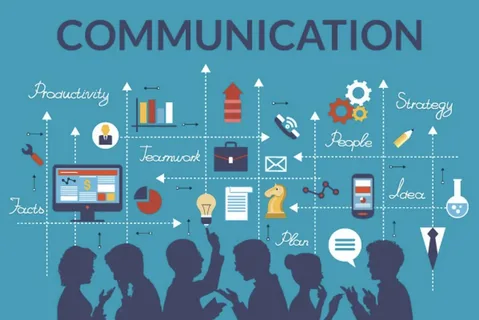
Flying an airplane is a big responsibility. Pilots, cabin crew, and air traffic controllers must work together every minute during a flight. Good English Communication helps them do their jobs properly. In aviation, English is the language that people use to communicate with each other around the world.
A flight may travel through many countries in one trip. The people working at airports may speak different languages, but English helps everyone understand each other. Clear communication keeps flights safe, organized, and smooth for passengers and crew members.
Why English Is Important in Aviation
The aviation industry connects the whole world. Pilots often fly to countries where people speak different languages. Because of this, aviation uses English as a common language.
Pilots use English while talking to air traffic controllers before takeoff, during the flight, and while landing. Cabin crew members even use English to communicate with passengers from different countries.
Good communication helps avoid confusion. It also helps pilots understand important instructions quickly. Many aviation students prepare for ICAO English Level 4 because it is an important requirement for international aviation communication.
Good Communication Helps Prevent Mistakes
In aviation, small mistakes can become serious problems. This is why clear communication is very important. Pilots and air traffic controllers must understand each other correctly every time.
For example, weather conditions can change suddenly during a flight. Air traffic control may tell pilots to change direction or altitude. If the message is not understood properly, it may create danger.
Good English communication helps everyone stay calm during difficult situations. It also helps crew members work together better. Clear words and simple communication make flights safer for everyone.
Communication Builds Confidence
Many aviation students feel nervous while speaking English. Some students understand English well but hesitate when speaking. This is very common, especially for people from non-English-speaking countries.
Confidence improves with practice. Students who speak English daily slowly become more comfortable. Listening to aviation conversations and practicing speaking can help a lot.
Students’ speaking, listening, pronunciation, and comprehension abilities all increase with ICAO English Level 4 training. It prepares them for real communication during flights.
When pilots communicate confidently, they can focus better on their work and handle situations more smoothly.

Common Challenges in Aviation English
Different accents can sometimes make communication difficult. A pilot from one country and a controller from another country may pronounce words differently. Fast speech and background noise inside the cockpit can also make listening harder.
Another challenge is stress. During emergencies, pilots need to speak clearly and quickly. This is why communication training is very important in aviation.
Some students also feel shy while speaking English because they are afraid of making mistakes. But learning becomes easier when students practice regularly without fear.
Easy Ways to Improve Aviation English
Students can improve their English step by step. Reading simple aviation articles is a good start. Watching aviation videos in English can also help improve listening skills. Students can also learn new aviation words daily and practice using them in simple conversations. Regular learning helps improve confidence slowly.
Speaking practice is very important. Students should try speaking English every day, even for a few minutes. Clear speaking is more important than using difficult words. Practicing slowly and clearly helps students communicate better during real aviation situations and improves pronunciation.
Joining online speaking classes or practicing with friends can also build confidence. Listening carefully to aviation radio communication is another helpful habit.
Group discussions and daily English practice can make students more comfortable while speaking with others. Improvement takes time, but regular practice always gives good results. Students should stay patient and continue practicing because strong communication skills develop slowly with time.
English Communication and Career Growth
Today, airlines want professionals who can communicate clearly and professionally. Good English skills help pilots and crew members work comfortably on international flights. Good communication also helps aviation professionals work better as a team during important flight operations.
Strong communication also creates better job opportunities. Pilots who communicate well often feel more confident during interviews, training, and flight operations. International airlines often prefer candidates who can communicate clearly and handle conversations professionally. As international travel continues to grow, English communication will become even more important in aviation careers.
Strong English communication skills can help aviation professionals build successful international careers in the future.
Conclusion
English communication plays a very significant role in aviation. It helps pilots, cabin crew, and air traffic controllers work together safely and smoothly. Clear communication reduces mistakes and improves teamwork during flights.
Students who improve their English communication skills often become more confident in aviation training and real flight situations. With daily practice and proper learning, anyone can improve step by step.
Many future aviation professionals trust ICAO Speak to prepare for international aviation communication and build strong English speaking skills for their careers.
Author




Author



Unlike short-term hiring decisions, strategic manpower planning is a structured and forward-looking approach that connects human resource capabilities with overall organizational objectives.
Understanding the Foundation of Manpower Planning
Before diving deeper into strategy, it is important to understand what is manpower planning in hrm. In human resource management, manpower planning refers to the systematic process of forecasting workforce requirements, analyzing current talent availability, and developing strategies to bridge skill gaps.
In simple terms, manpower planning in hrm ensures that an organization is neither understaffed nor overstaffed. It balances workforce demand and supply while maintaining productivity and cost efficiency.
Traditionally, manpower planning is primarily focused on assessing workforce numbers. However, modern strategic approaches go far beyond headcount management. They incorporate skill forecasting, succession planning, workforce analytics, and organizational capability building.

The Strategic Manpower Planning Process
A well-defined strategic manpower planning process includes workforce forecasting, gap analysis, talent acquisition planning, employee development initiatives, and performance monitoring. This structured approach ensures that workforce decisions are data-driven rather than reactive.
The process typically begins with understanding business objectives—expansion plans, product launches, technological upgrades, or market entry strategies. HR teams then evaluate current workforce capabilities and identify gaps that may hinder business performance.
Once gaps are identified, organizations develop hiring, training, or restructuring plans to ensure alignment between talent and strategy.
Key Components of Manpower Planning
Understanding the components of manpower planning is essential for implementing an effective workforce strategy. These components include workforce demand forecasting, supply analysis, talent gap assessment, recruitment planning, training and development, succession planning, and performance evaluation.
Many organizations often ask, what are the components of manpower plan when designing their HR framework. A comprehensive manpower plan includes clear objectives, resource allocation, timelines, measurable KPIs, and risk mitigation strategies.
By incorporating these components, businesses can ensure workforce stability while supporting long-term growth.
Developing a Strong Manpower Planning Strategy
An effective manpower planning strategy aligns workforce capabilities with organizational vision. It focuses not only on filling current vacancies but also on preparing for future talent needs.
For example, a company planning digital transformation must evaluate whether its existing workforce possesses the required technological skills. If not, the manpower strategy should include targeted hiring or upskilling initiatives.
A well-defined manpower strategy also addresses retention, leadership development, diversity planning, and employee engagement. This holistic approach strengthens workforce resilience and adaptability.
The Role of Annual Manpower Review
Strategic manpower planning is not a one-time activity. Organizations must regularly assess workforce effectiveness and make necessary adjustments. This raises an important question: what all should be included in an annual manpower review?
An annual review should analyze headcount trends, attrition rates, hiring efficiency, skill gaps, productivity metrics, succession readiness, and workforce costs. It should also evaluate whether workforce capabilities align with changing business priorities.
By conducting structured annual reviews, organizations can refine their manpower plans and respond proactively to market changes.
The Business Impact of Strategic Manpower Planning
Strategic manpower planning offers several tangible benefits. It reduces recruitment costs by preventing emergency hiring and improves productivity by ensuring roles are filled with qualified professionals. It enhances employee morale by offering clear career pathways and development opportunities.
Companies that invest in structured workforce planning also minimize the risks associated with sudden market shifts or technological disruptions. By forecasting talent needs, they remain prepared for growth, restructuring, or industry transformation.
Some global firms, including strategic manpower solutions limited, emphasize data-driven workforce planning models that integrate analytics, forecasting tools, and performance tracking mechanisms. Such approaches highlight the growing importance of structured manpower frameworks in competitive industries.
Challenges in Strategic Workforce Planning
Despite its benefits, strategic manpower planning comes with challenges. These include unpredictable market conditions, evolving skill requirements, budget constraints, and resistance to organizational change.
To overcome these challenges, HR leaders must collaborate closely with senior management and departmental heads. Workforce planning must be treated as a business strategy rather than a purely administrative function.
Technology also plays a critical role. HR analytics tools, workforce management systems, and predictive modeling software enable organizations to make informed decisions based on real-time data.
Future Trends in Manpower Planning
As organizations embrace digital transformation, manpower planning is becoming increasingly data-driven and agile. Artificial intelligence and predictive analytics are being used to forecast workforce trends and identify skill gaps before they impact performance.
Hybrid work models, remote hiring, and global talent mobility are reshaping workforce strategies. Businesses must adapt their manpower planning frameworks to accommodate these changes while maintaining productivity and compliance.
Strategic manpower planning is evolving from a support function to a core business driver that directly influences revenue growth, operational efficiency, and competitive advantage.
Conclusion
In a rapidly changing business environment, organizations cannot rely on short-term hiring decisions. Strategic manpower planning provides a structured and forward-looking framework that aligns workforce capabilities with business objectives. By understanding workforce trends, forecasting future needs, and implementing targeted hiring and development strategies, companies can build resilient and high-performing teams.
From identifying the components of manpower planning to conducting annual workforce reviews, every step plays a vital role in strengthening organizational performance. Businesses that prioritize strategic workforce planning position themselves for sustainable growth and long-term success.
If your organization is looking to implement an effective manpower strategy and build a future-ready workforce, G&S Consulting offers expert guidance and tailored workforce solutions to support your long-term business goals.
Author



Working Capital Loan: Meaning, Benefits & Types

Bottega Desires Shorts: Streetwear Redefined with Premium Style

Mr. Winston Official Store: Comfortable, and Affordable Streetwear

Mr. Winston Hoodie: Where Style Meets Comfort

Comme des Garçons Limited Edition Drops: Streetwear Influence

Handcrafted Interior Design: Elevating Modern Spaces with Texture

Parquet Flooring: Elegant, Durable, and Stylish Wooden Flooring

Hair Transplant: Advanced Techniques for Natural Results

Dental Implant Drill: Precision, Design, and Material

Hair Transplant Cost in Dubai: Complete Guide to Pricing

Cybersecurity Consulting Company SequelNet Provides Critical IT Support Services to Medical Billing Firm, Medical Optimum

Team Communication Software Transforms Operations at Finance Innovate

Project Management Tool Transforms Long Island Business

How Alleviate Poverty Utilized IPPBX’s All-in-One Solution to Transform Lives in New York City

Breast Cancer: The Imperative Role of Mammograms in Screening and Early Detection

Unstoppable Collaboration: D.C.’s Citi Open and Silicon Valley Classic Unite to Propel Women’s Tennis to New Heights

Embracing Renewal: Sizdabedar Celebrations Unite Iranians in New York’s Eisenhower Park

The Benefits of Starting a Side Hustle for Financial Freedom

New Blood Donation Screening Questions What You Need to Know

Stylishly Timeless: The 5 Types of Sandals You Need in Your Closet
-

 Business3 years ago
Cybersecurity Consulting Company SequelNet Provides Critical IT Support Services to Medical Billing Firm, Medical Optimum
-
Business3 years ago
Team Communication Software Transforms Operations at Finance Innovate
-
Business3 years ago
Project Management Tool Transforms Long Island Business
-
Business3 years ago
How Alleviate Poverty Utilized IPPBX’s All-in-One Solution to Transform Lives in New York City
-
health3 years ago
Breast Cancer: The Imperative Role of Mammograms in Screening and Early Detection
-
Sports3 years ago
Unstoppable Collaboration: D.C.’s Citi Open and Silicon Valley Classic Unite to Propel Women’s Tennis to New Heights
-
Art /Entertainment3 years ago
Embracing Renewal: Sizdabedar Celebrations Unite Iranians in New York’s Eisenhower Park
-
Finance3 years ago
The Benefits of Starting a Side Hustle for Financial Freedom







