
health
The Role of Nutrients in Disease Prevention: A Comprehensive Guide


Introduction
Are you looking to boost your immunity and prevent diseases naturally? Look no further than the power of nutrients. These tiny but mighty substances play a crucial role in maintaining our overall health and wellbeing, yet many of us overlook their importance. In this comprehensive guide, we’ll explore the different types of nutrients, how they work in our bodies, and practical tips for getting the proper amount through diet or supplements. Get ready to unlock the secrets to a healthier life!
What are Nutrients?
Nutrients are essential substances that our bodies require to function properly. They provide us with the energy we need to carry out daily activities, help us grow and repair our tissues, and protect us from diseases.
There are six different types of nutrients: carbohydrates, proteins, fats, vitamins, minerals and water. Each nutrient plays a unique role in maintaining good health.
Carbohydrates provide the body with energy while proteins help build muscles and repair tissues. Fats also provide energy but they also play an important role in protecting organs and insulating the body.
Vitamins are chemical compounds that help regulate various bodily functions such as vision, bone growth and immune system function. Minerals like calcium and iron are important for building strong bones while others like potassium help maintain healthy blood pressure levels.

Water is essential for regulating body temperature, transporting nutrients throughout the body and removing waste products from cells.
By consuming a balanced diet rich in all these nutrients you can ensure your body has everything it needs to stay healthy.
Different Types of Nutrients
Different types of nutrients are essential for maintaining good health and preventing diseases. There are six main categories of nutrients, each with a specific role in the body:
1. Carbohydrates – These provide the body with energy and can be found in foods such as fruits, vegetables, grains, and beans.
2. Proteins – These are important for building and repairing tissues in the body. Good sources include meat, fish, eggs, dairy products, nuts and seeds.
3. Fats – Although fats have a reputation for being unhealthy, they play an important role in hormone production and cell function. Healthy fat sources include avocados, olive oil, nuts/seeds and fatty fish.
4. Vitamins – These are organic compounds that help regulate bodily functions like metabolism or immune system functioning etc.. Good sources include fresh fruits/vegetables (esp dark leafy greens), fortified cereals/breads
5. Minerals – Important elements required by human bodies to function properly; good dietary sources include animal proteins (zinc) or seafoods (iodine).
6. Water – The most essential nutrient! Keeps us hydrated & helps transport vital molecules throughout our bodies.
It’s vital to ensure you get enough of all these different types of nutrients through your diet or supplements if necessary to stay healthy!
How to Get the Proper Amount of Nutrients
Getting the proper amount of nutrients is essential for maintaining good health and preventing diseases. However, it can be challenging to know exactly how much of each nutrient we need and where to find them. Here are some tips on how to get the proper amount of nutrients:
Firstly, make sure your diet includes a variety of foods from all food groups such as fruits, vegetables, whole grains, lean proteins, and low-fat dairy products. Each group provides different nutrients that our bodies need.
Secondly, read food labels carefully when shopping for groceries. Look out for the recommended daily value (DV) percentage listed on the label; this will help you determine if a product contains enough nutrients that your body needs.
Thirdly, consider taking dietary supplements if you struggle to meet your daily nutrient requirements through food alone. Speak to a medical professional or registered dietician before starting any supplement regime.
Avoid processed and fast foods high in salt, sugar and unhealthy fats as they provide little nutritional value but contribute heavily towards chronic illnesses like obesity or diabetes.
In conclusion by following these simple steps mentioned above , one can easily ensure their intake of vital nutrition which is crucial for an overall healthy lifestyle!
Conclusion
Nutrients play a vital role in disease prevention. By consuming a balanced and varied diet that includes all the different types of nutrients, you can improve your overall health and reduce your risk of developing chronic diseases like heart disease, diabetes, and cancer.
It’s also important to note that while getting nutrients from food is ideal, sometimes it’s not possible to get everything we need through our diets alone. In these cases, supplements may be necessary but should always be taken under the guidance of a healthcare provider.
So make sure you’re fueling your body with the right nutrients it needs to thrive. Your health will thank you for it!
Author


Weight management is becoming a growing concern in Pakistan, especially in urban cities like Islamabad where busy routines, fast food culture, and stress-related eating habits are common. Many people try different methods to lose weight, but the biggest confusion remains the same: should you follow strict diet plans or go for professional Weight Loss treatment in Islamabad?
Both options are popular, but they work in very different ways. Understanding these differences can help you choose the right path for long-term and healthy results.
Understanding Diet Plans in Pakistan
Diet plans usually focus on controlling food intake, reducing calories, and avoiding unhealthy eating habits. Self-made diets, internet regimens, keto diets, intermittent fasting, and gym-based nutrition programs are frequently tried in Pakistan.
These plans mainly depend on discipline and consistency. While they can work, results are often slow and vary from person to person. Short-term motivation is usually strong, but maintaining strict diets in the long run becomes difficult for many individuals due to social gatherings, cultural food habits, and busy lifestyles.
Popular Diet Plans People Follow
Some commonly used diet approaches in Islamabad and across Pakistan include:
- Intermittent fasting routines
- Low-carb or keto diets
- Calorie deficit meal plans
- Detox diets and juice cleanses
- High-protein fitness diets
These methods may show results initially, but they require strong self-control and long-term commitment.
Limitations of Diet Plans
While diet plans can be effective, they also come with several challenges:
- Slow and inconsistent weight loss results
- High chances of regaining weight after stopping the diet
- Lack of professional monitoring
- Difficulty in managing cravings and hunger
- Not suitable for people with medical conditions
Because of these limitations, many people start looking for more structured and medically supervised solutions like Weight Loss treatment in Islamabad.
Weight Loss Treatment in Islamabad
Weight Loss treatment in Islamabad refers to professional, medically guided procedures and programs designed to help individuals lose weight safely and effectively. These treatments are often supervised by qualified doctors and specialists who understand body metabolism, fat distribution, and health conditions.
Unlike traditional dieting, these treatments may include advanced techniques such as body contouring, metabolic enhancement, fat reduction procedures, and personalized nutrition plans. The main goal is not just weight reduction but also improving overall health, energy levels, and body confidence.
Weight Loss Treatment vs Diet Plans
When comparing both options, the difference becomes clear. Diet plans rely on personal discipline and lifestyle changes, while Weight Loss treatment in Islamabad focuses on medical support and faster, more controlled results. Diet plans take longer and require continuous effort, whereas professional treatments are designed to accelerate results under expert supervision.
Another key difference is sustainability. Many people struggle to maintain weight loss through diets alone, but medically guided treatments often provide better long-term weight management when combined with lifestyle improvements.
People Prefer Weight Loss Treatment
Many individuals in Islamabad are now choosing professional solutions over traditional dieting due to faster and more reliable outcomes.
Key reasons include:
- Faster visible results compared to traditional dieting
- Personalized treatment plans based on body type and health condition
- Medical supervision for safety and better outcomes
- Reduced risk of weight regain when combined with guidance
- Targeted fat reduction in specific body areas
- Suitable for busy individuals who cannot follow strict diets
- Improved metabolism and overall energy levels
These benefits make Weight Loss treatment in Islamabad a preferred option for people who want structured and effective weight management solutions without long waiting periods.
Right Option for You
Deciding between diet plans and medical treatments depends on your personal goals, health condition, and lifestyle.
If you are looking for slow but natural changes, diet plans can work if followed strictly. However, if you want quicker results, professional support, and a more guided approach, then Weight Loss treatment in Islamabad may be a better choice.
In many cases, combining both approaches gives the best outcome. A medically supervised treatment plan along with a balanced diet and light exercise ensures sustainable and healthy weight loss.
Final Thoughts
Both diet plans and medical treatments have their own benefits. The key is understanding what suits your body and lifestyle best. While diet plans require patience and discipline, Weight Loss treatment in Islamabad offers a more structured and result-oriented approach.
For long-term success, consistency, lifestyle improvement, and professional guidance should go hand in hand. Making an informed decision can help you achieve a healthier body and improved confidence.
FAQs
1. Is Weight Loss treatment in Islamabad safe?
Yes, most treatments are safe when performed under qualified medical supervision and proper health assessment.
2. How fast can I see results with Weight Loss treatment in Islamabad?
Results vary depending on the individual, but many people notice visible changes within a few weeks.
3. Are diet plans enough for weight loss?
Diet plans can work, but they require strict discipline and may not be effective for everyone in the long term.
4. Can I combine diet plans with Weight Loss treatment in Islamabad?
Yes, combining both is often recommended for better and longer-lasting results.
5. Who should consider Weight Loss treatment in Islamabad?
People struggling with stubborn weight, slow metabolism, or lack of results from diet and exercise may benefit the most.
Author

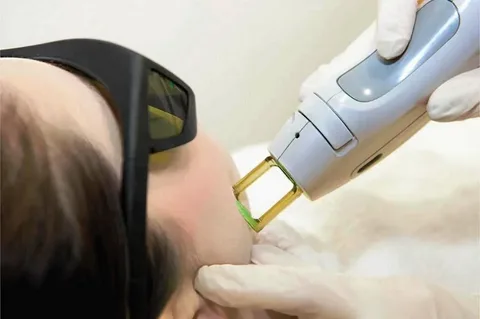
Wedding season in Pakistan is all about glowing skin, confidence, and stress-free beauty routines. For brides-to-be, unwanted body hair can become a constant concern while preparing for multiple pre-wedding events like mehndi, barat, and walima. That’s why Laser Hair Removal in Islamabad has become one of the most popular beauty treatments for modern brides who want smooth, flawless skin without the hassle of constant waxing or threading.
This guide will help you understand how laser hair removal works, why it is ideal for brides, and how you can prepare for your big day with confidence.
Brides Are Choosing Laser Hair Removal
In today’s bridal beauty routines, long-lasting results matter more than temporary fixes. Traditional hair removal methods like waxing and shaving require frequent maintenance and can cause skin irritation, especially under heavy bridal makeup and stress.
Laser Hair Removal in Islamabad offers a more permanent and convenient solution. It targets hair follicles directly, reducing hair growth over time and giving brides smooth skin that lasts through all wedding events and even after marriage.
Brides prefer it because:
- It saves time during busy wedding preparations
- It reduces skin irritation and ingrown hairs
- It provides long-lasting smoothness
- It works on multiple body areas like arms, legs, underarms, and face
How Laser Hair Removal Works
Laser hair removal uses focused light energy to target hair roots. Light is absorbed by the pigment in the hair, weakening the follicle and delaying further growth. With multiple sessions, hair becomes finer, lighter, and in many cases, stops growing altogether.
For brides, dermatologists usually recommend starting sessions at least 3 to 6 months before the wedding. This ensures visible results by the time wedding events begin.
Benefits of Laser Hair Removal
Choosing Laser Hair Removal in Islamabad before your wedding can completely transform your beauty routine and confidence level.
- Long-Term Smooth Skin
Enjoy hair-free skin during all wedding events without last-minute salon visits. - No More Waxing Pain
Say goodbye to painful waxing sessions, especially during sensitive pre-wedding stress. - Flawless Makeup Application
Smooth skin helps foundation and bridal makeup look more even and professional. - Time-Saving Routine
Brides already have a packed schedule; laser reduces grooming time significantly. - Better Skin Confidence
Feel confident in sleeveless dresses, bridal wear, and honeymoon outfits.
Preparation Checklist Before Laser Sessions
Before starting your laser journey, it’s important to prepare your skin properly. This ensures safe and effective results, especially for brides with sensitive skin due to stress or seasonal changes.
- Avoid waxing or threading at least 3–4 weeks before treatment
- Shave the treatment area 24 hours before your session
- Avoid sun exposure or tanning products
- Keep skin clean and free from makeup or lotions
- Stay hydrated for better skin recovery
- Inform your specialist about any skin allergies or medications
Following these steps ensures your Laser Hair Removal in Islamabad sessions are safe and effective.
Best Time to Start Laser Hair Removal
Timing is everything when it comes to bridal beauty planning. Ideally, brides should start laser treatment at least 6 months before the wedding. This allows enough time for multiple sessions and proper hair reduction.
If you are short on time, don’t worry—many clinics in Islamabad offer customized bridal packages that can show noticeable results even within a few sessions.

Areas Brides Commonly Treat
Brides typically concentrate on the parts of their wedding attire and pictures that are most noticeable. Among them are:
- Face (upper lip, chin, sideburns)
- Underarms
- Arms and hands
- Legs
- Bikini line (for honeymoon preparation)
- Back and neck
Each area is treated carefully depending on skin type and hair thickness.
Islamabad Is a Popular Choice for Laser Hair Removal
Islamabad has become a beauty hub in Pakistan, offering advanced dermatology clinics with modern laser technology. Brides trust clinics in the city because of trained professionals, hygienic environments, and customized treatment plans.
When choosing Laser Hair Removal in Islamabad, always look for:
- Certified dermatologists or laser technicians
- FDA-approved laser machines
- Clean and safe clinic environment
- Positive patient reviews
- Bridal treatment packages
Aftercare Tips for Brides
Proper aftercare ensures smooth healing and better results after each laser session.
- Avoid direct sunlight for 48 hours
- Use sunscreen daily on treated areas
- Do not scratch or rub the skin
- Avoid hot showers and saunas for 1–2 days
- Apply soothing aloe Vera gel if needed
Good aftercare helps maintain results and keeps your skin wedding-ready.
Is Laser Hair Removal Safe for Brides?
Yes, Laser Hair Removal in Islamabad is generally safe when performed by trained professionals. It is a non-invasive procedure with minimal side effects like slight redness, which usually fades within a few hours.
For brides with sensitive skin, a patch test is often recommended before starting full treatment.
Final Thoughts
Every bride deserves to feel confident, beautiful, and stress-free on her big day. With Laser Hair Removal in Islamabad, you can achieve smooth, radiant skin that enhances your bridal glow without the constant worry of waxing or shaving.
Starting early, choosing the right clinic, and following proper aftercare can make a huge difference in your final results. It’s a long-term investment in your confidence, not just a cosmetic procedure.
FAQS
1. How many sessions are needed for brides?
Most brides need 6–8 sessions depending on hair type and skin tone.
2. Is laser hair removal painful?
It feels like mild snapping on the skin but is generally well tolerated.
3. Can I do laser before my wedding events?
Yes, but start early so your skin has time to heal between sessions.
4. Is it safe for all skin types?
Yes, modern lasers are designed for different skin tones commonly found in Pakistan.
5. When will I see results?
Visible reduction is usually seen after 2–3 sessions.
Author

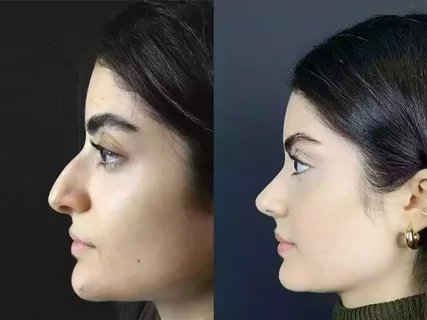
When planning for Rhinoplasty in Dubai, most patients focus heavily on the surgical day itself. However, in our clinical experience, the quality of your recovery is just as much about what happens after you leave the clinic as it is about the procedure itself. Proper nutrition is a foundational pillar of healing that significantly influences how quickly you reduce swelling and how well your tissues repair.
Nutrition in Post-Surgical Healing
Surgery, by its nature, places a temporary stress on your body. To repair cartilage, bone, and soft tissue, your system requires an increased supply of essential vitamins and minerals. Think of your post-operative period as a high-performance phase for your body; providing it with premium “fuel” helps accelerate the resolution of bruising and the maturation of scars.
Neglecting nutrition during this time can prolong swelling and leave you feeling fatigued. Conversely, a diet rich in anti-inflammatory foods can help you bounce back to your daily routine with more energy and less discomfort.
Strategic Foods for Faster Nasal Recovery
Collagen formation and protein synthesis are essential to the healing process. By choosing foods that support these processes, you help your nose settle into its new shape more efficiently.
-
Lean Proteins: Essential for tissue repair. Focus on chicken, fish, tofu, or legumes.
-
Vitamin C: A critical component for collagen formation, which is vital for skin and cartilage repair. Citrus fruits, bell peppers, and strawberries are excellent sources.
-
Bromelain: Found naturally in pineapple, this enzyme is well-regarded for its potential to help reduce swelling and bruising after facial surgery.
-
Fiber-Rich Foods: Staying hydrated and consuming fiber prevents common post-surgical digestive sluggishness.
The Purpose of Anti-Inflammatory Habits
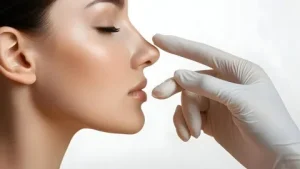
The primary purpose of a “surgical diet” is to manage the body’s inflammatory response. While some inflammation is a natural part of healing, chronic or excessive inflammation can lead to prolonged swelling, which may temporarily obscure your new nasal shape.
We strongly advise patients to minimize intake of processed sugars and excessive sodium during the first two weeks. Salt, in particular, causes fluid retention, which can make facial swelling appear more pronounced and last longer than necessary. Keeping your intake clean is a simple, effective way to see your results emerge sooner.
Key Benefits
Adopting a proactive approach to your diet provides measurable benefits that extend throughout your healing timeline:
-
Minimized Swelling: Reducing fluid retention and inflammation.
-
Enhanced Skin Quality: Maintaining elasticity as the skin red rapes over the new frame.
-
Faster Energy Recovery: Providing the stamina needed to navigate the initial days of rest.
-
Reduced Bruising: Supporting the vascular system to resolve hematomas more efficiently.
Tips for Your Recovery
During the first 7–10 days, your focus should be on ease of consumption and hydration.
-
Hydration First: Water is the most important nutrient for healing. It helps flush out metabolic waste from anesthesia and medication.
-
Small, Frequent Meals: Your appetite may be lighter than usual, so focus on nutrient-dense, small portions rather than heavy meals.
-
Temperature Matters: Avoid extremely hot foods or liquids during the first week, as these can increase facial blood flow and lead to mild swelling.
Systematic Approach to Healing
We categorize recovery nutrition into two phases to maximize results:
-
Phase 1 (Days 1–7): Emphasis on hydration, anti-inflammatory fruits (like pineapple), and soft, easy-to-digest proteins.
-
Phase 2 (Weeks 2–6): Focus on sustained protein intake and high-antioxidant vegetables to support the final stages of tissue remodeling.
Nutritional Myths to Avoid
Many patients undergoing Rhinoplasty in Dubai ask about supplements. While some are helpful, others can actually increase bleeding risks. Never introduce high-dose supplements like Vitamin E, herbal remedies, or fish oil without explicit approval from your surgeon, as these can thin the blood and complicate the surgical site.
Value of Your Effort
Your dietary choices are a reflection of your commitment to your results. By treating your recovery as a structured phase of your journey, you ensure that you are giving your body every advantage to heal perfectly. We discuss these nutritional goals during your pre-operative planning to ensure you are fully prepared.
Recovery Timeline and Your Healing Path
| Phase | Nutritional Focus |
| Day 1-7 | Hydration, bromelain-rich foods, soft proteins. |
| Weeks 2-4 | Gradual return to balanced diet; high-fiber intake. |
| Month 1-3 | Continued Vitamin C intake for optimal tissue remodeling. |
| 1 Year | Long-term healthy lifestyle to support systemic health. |
Safety Protocols
Always prioritize food safety and hygiene after Rhinoplasty in Dubai. Because your immune system is occupied with repairing the surgical site, avoid raw or risky foods that could potentially cause illness during this critical week of recovery.
Post-Treatment Care
Hydration is a marathon, not a sprint. Keep up your water intake even after the splint comes off. Proper hydration is the secret to healthy skin and a vibrant complexion that highlights your new, refined nasal profile.
Conclusion
Your recovery is the final, crucial chapter of your surgical journey. At Tajmeels Clinic, we empower you with the guidance you need to heal safely and effectively.
Author



Weight Loss Treatment vs Diet Plans: What Works Best?

Fast Checkout in eCommerce: Boosting Conversions

Airtool vs Salesforce: What Growing Businesses Are Choosing

Construction Drawing Services: Schematic to Site-Ready Docs

End Mills in CNC Machining: A Complete Selection Guide

Millwork Shop Drawings: Precision, Process, and Project Success

TikTok SEO Agency: Essential for Modern Brand Visibility

Realisms Hoodie: Modern Streetwear Essential in Online Fashion

Laser Hair Removal in Islamabad: Smooth Wedding-Ready Skin

Korean Co Ord Sets: Dominating Modern Fashion Trends

Cybersecurity Consulting Company SequelNet Provides Critical IT Support Services to Medical Billing Firm, Medical Optimum

Team Communication Software Transforms Operations at Finance Innovate

Project Management Tool Transforms Long Island Business

How Alleviate Poverty Utilized IPPBX’s All-in-One Solution to Transform Lives in New York City

Breast Cancer: The Imperative Role of Mammograms in Screening and Early Detection

Unstoppable Collaboration: D.C.’s Citi Open and Silicon Valley Classic Unite to Propel Women’s Tennis to New Heights

Embracing Renewal: Sizdabedar Celebrations Unite Iranians in New York’s Eisenhower Park

The Benefits of Starting a Side Hustle for Financial Freedom

New Blood Donation Screening Questions What You Need to Know

Stylishly Timeless: The 5 Types of Sandals You Need in Your Closet
-

 Business3 years ago
Cybersecurity Consulting Company SequelNet Provides Critical IT Support Services to Medical Billing Firm, Medical Optimum
-
Business3 years ago
Team Communication Software Transforms Operations at Finance Innovate
-
Business3 years ago
Project Management Tool Transforms Long Island Business
-
Business3 years ago
How Alleviate Poverty Utilized IPPBX’s All-in-One Solution to Transform Lives in New York City
-
health3 years ago
Breast Cancer: The Imperative Role of Mammograms in Screening and Early Detection
-
Sports3 years ago
Unstoppable Collaboration: D.C.’s Citi Open and Silicon Valley Classic Unite to Propel Women’s Tennis to New Heights
-
Art /Entertainment3 years ago
Embracing Renewal: Sizdabedar Celebrations Unite Iranians in New York’s Eisenhower Park
-
Finance3 years ago
The Benefits of Starting a Side Hustle for Financial Freedom







