
Real Estate
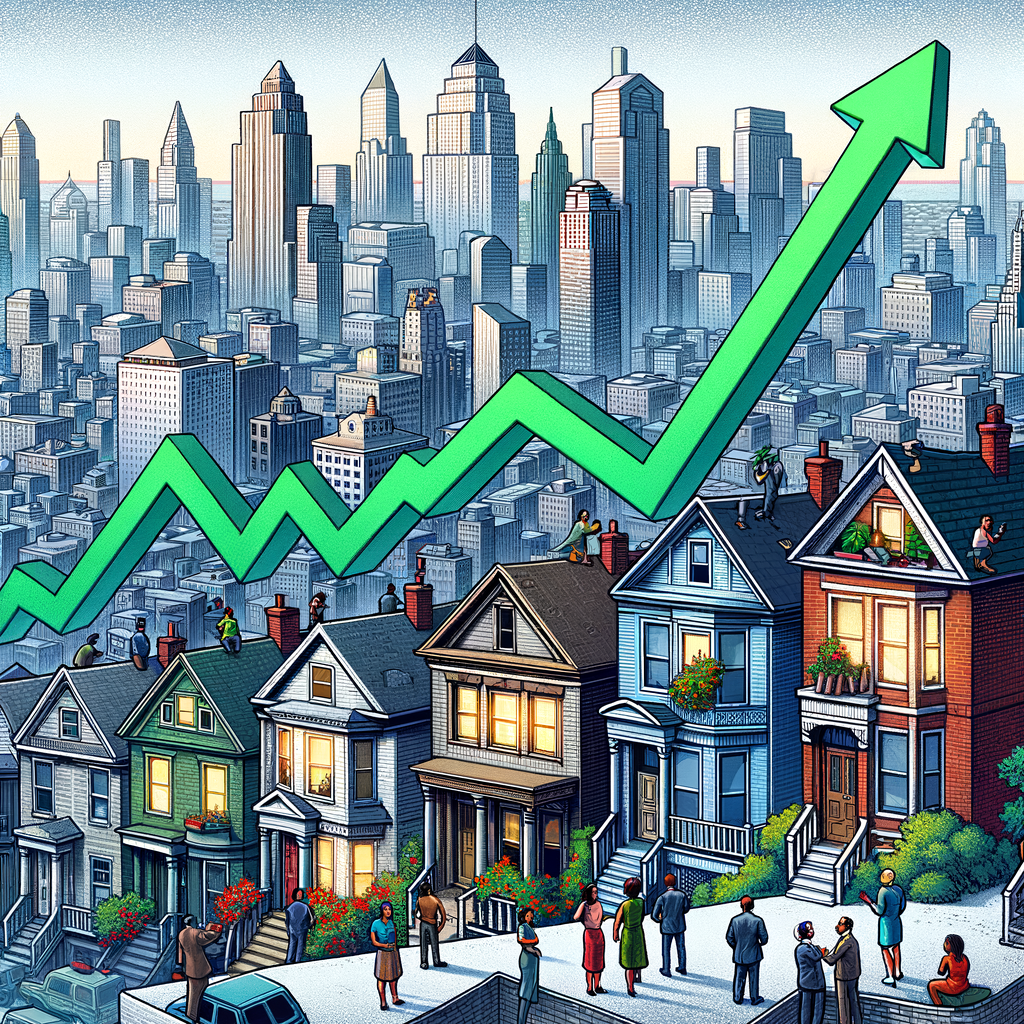
Home Prices Soaring in 10 Surprise Cities: Trends & Insights

By

Reviewed
By Daryl Barr
Introduction
The real estate market in the United States has been experiencing a period of unprecedented growth in recent years, with home prices rising to record highs in many cities across the country. While large metropolitan areas like New York City, San Francisco, and Los Angeles have traditionally been at the forefront of this surge, a number of smaller cities have emerged as unexpected hotspots, defying expectations and surprising potential buyers. This article will explore the ten cities where home prices are rising the fastest, shedding light on the factors driving this growth and examining the potential implications for homebuyers, investors, and the housing market as a whole.
Methodology
Our analysis is based on data from the National Association of Realtors (NAR), which tracks home price changes in metropolitan areas across the United States. We identified the ten cities with the highest percentage growth in median home prices from December 2021 to December 2022, using the NAR’s existing home sales data. The percentage change in median home prices was calculated as the difference between the median price in December 2022 and the median price in December 2021, divided by the median price in December 2021.
Top 10 Cities with the Fastest-Rising Home Prices
- Sarasota, Florida (43.4% growth)
- Lakeland, Florida (39.1% growth)
- North Port, Florida (38.8% growth)
- Punta Gorda, Florida (37.1% growth)
- Cape Coral, Florida (35.6% growth)
- Port St. Lucie, Florida (34.9% growth)
- Myrtle Beach-Conway-North Myrtle Beach, South Carolina (33.4% growth)
- Charleston, South Carolina (32.6% growth)
- Boise, Idaho (31.1% growth)
- Ocala, Florida (30.3% growth)
Factors Driving the Surge
Multiple factors have contributed to the rapid rise in home prices in these cities, including:
- Population growth: Many of these cities are located in states that have experienced significant population growth in recent years, driven by a combination of migration from other parts of the country and international immigration. As more people move into these areas, the demand for housing increases, putting upward pressure on prices.
- Low interest rates: The Federal Reserve’s low interest rate policies have made it cheaper for people to borrow money to buy homes. This has stimulated demand, particularly in markets where affordability was previously a concern.
- Limited supply: In many of these cities, the supply of available homes has been unable to keep pace with the increase in demand. This has created a competitive environment where buyers are willing to pay higher prices to secure a home.
- Lifestyle amenities: These cities offer a range of desirable lifestyle amenities, such as beaches, golf courses, and cultural attractions. This has made them popular destinations for retirees, second-home buyers, and individuals looking to relocate from more expensive metropolitan areas.
- Investor activity: Investors have also played a role in driving up home prices, particularly in areas with strong rental markets. In some cases, investors have purchased homes as rental properties, reducing the supply of homes available for purchase by owner-occupants.

Picture by: Dalle
Implications for Homebuyers and Investors
The rapid rise in home prices is having significant implications for homebuyers and investors in these markets:
- Affordability concerns: For homebuyers, the high prices are making it increasingly difficult to afford a home in desirable areas. First-time homebuyers may face particular challenges in competing with experienced buyers and investors.
- Investment opportunities: For investors, the rising prices present potential opportunities for appreciation and rental income. However, it is important to carefully consider the risks and potential for market fluctuations before investing in any real estate market.
- Market volatility: The rapid price increases in these cities raise concerns about potential market volatility. If interest rates were to rise significantly, demand could cool and prices could stabilize or even decline.
Long-Term Considerations
While the current boom in home prices may persist for some time, it is important to remember that real estate markets are cyclical. Prices can go down as well as up, and it is not always wise to time the market perfectly. For homebuyers, it is crucial to carefully consider affordability and long-term financial goals before making a purchase. Investors should conduct thorough due diligence and seek professional advice before making investment decisions.
Conclusion
The real estate market in the United States continues to evolve, with home prices rising at a rapid pace in many cities. While traditional metropolitan areas have always been magnets for homebuyers, a new wave of “surprise cities” has emerged, offering a unique blend of affordability, lifestyle, and growth potential. However, this surge in prices comes with challenges for both homebuyers and investors. Carefully considering affordability, market risks, and long-term goals is crucial for navigating this dynamic market. Whether you’re looking for a new place to call home or a promising investment opportunity, understanding the factors driving the market and conducting thorough research will be essential for making informed decisions in this ever-changing landscape.
Author




Some investment firms chase quick profits. Others build slowly. Price Capital Group falls into the second category. This company operates out of Florida. It focuses entirely on commercial real estate that produces regular income. The firm works with people who want steady cash flow. These investors also care about protecting their money. They think about long-term growth too. Price Capital Group helps them reach all three goals.
How does the firm do this? Through careful market research and strict financial analysis. Through smart execution of every deal. The team only pursues opportunities backed by genuine demand. Strong local economies drive their decisions.
What Makes Florida Special for Investors
Let us talk about why Florida attracts so much attention. The state gains new residents every single day. People move from New York, California, Illinois, and other states. They come for warmer weather and come for lower taxes. They come for job opportunities.
Businesses follow these people. Companies relocate their headquarters to Florida. Others open new offices or distribution centers. This cycle creates continuous demand for commercial space. Retailers need locations. Warehouses fill up quickly. Apartment complexes lease within weeks. Office buildings find tenants faster than in many other states.
Price Capital Group studies these trends closely. The firm looks for properties that will stay relevant even during economic downturns. Essential businesses like grocery-anchored shopping centers perform well. Industrial buildings near major highways also hold their value.
South Florida Gets Extra Attention
South Florida stands out even within a strong state. Miami, Fort Lauderdale, and West Palm Beach form a powerful economic zone. Wealth flows into this region from around the world. International buyers purchase luxury condos. Domestic migrants rent apartments in new developments. Companies open offices to serve Latin American markets. Ports handle massive amounts of cargo.
Price Capital Group focuses heavily on South Florida commercial real estate investing. The team knows local neighborhoods block by block. They understand which streets have high foot traffic. They know which industrial parks fill first. This local knowledge helps them spot opportunities before competitors do. They can move quickly when a good property becomes available.

Rental Properties Form the Core
People always need a place to sleep. That simple fact drives the firm’s multifamily strategy. Florida faces a housing affordability challenge. Home prices rose faster than wages. Many residents cannot afford to buy. Others choose to rent even if they could buy. They value flexibility and lower maintenance responsibilities.
This dynamic keeps apartment occupancy rates high. Price Capital Group targets multifamily investment properties in Florida that offer stable occupancy. The company seeks properties with prime locations, sturdy structures, and potential for operational enhancements. Simple upgrades can raise rents. Better management can reduce expenses. These changes increase property value over time.
Industrial Buildings Add Balance
E-commerce changed how goods move. People order products online. Companies need warehouses close to customers. This trend benefits industrial real estate. Price Capital Group includes industrial real estate investment opportunities in Florida within its portfolio. These properties serve essential functions. Businesses cannot operate without them.
Distribution centers near major highways perform best. Last-mile delivery facilities in dense areas also work well. The firm seeks out these property types. Industrial assets offer another advantage. They require less hands-on management than apartments. Tenants handle most maintenance. Leases often run for multiple years. This creates predictable cash flow.
How the Firm Handles Risk
Investing always involves some risk. Price Capital Group works hard to minimize it. The team underwrites every deal conservatively. They assume rents might drop by 10 percent. They factor in higher vacancy rates and stress-test each property against worst-case scenarios. Only deals that survive these tough tests move forward.
The firm also diversifies across property types. Multifamily buildings balance industrial assets. South Florida properties balance investments in other parts of the state. This spread mitigates the effects of any individual market decline.
Interest rates affect commercial real estate values. Higher rates make borrowing more expensive. Lower rates increase property prices. Price Capital Group monitors rate trends closely. The firm adjusts its exit strategies based on current conditions.
Working Together With Investors
Price Capital Group does not manage money alone. The firm partners with individual and institutional investors. Each partnership starts with clear communication. Investors learn exactly where their money will go. They see the projected returns. They understand the risks.
The firm provides regular updates after the investment begins. Property performance gets reported monthly. Major decisions get shared with partners. Transparency remains a core value. Investors also benefit from the firm’s scale. Price Capital Group manages multiple properties. This allows them to negotiate better prices for insurance, maintenance, and other services. Those savings flow back to investors.
A Long-Term View
Some real estate investors flip properties quickly. Buy low, renovate fast, sell high. That approach can work. But it creates taxable events and transaction costs. Price Capital Group takes a different path. The firm buys properties to hold for years. They improve operations over time and raise rents gradually. They build value steadily.
This long-term approach benefits everyone. Investors pay fewer taxes. The firm spends less on transaction fees. Properties get better care and management.
Looking Down the Road
Florida will keep growing. That seems almost certain. More people will move here and businesses will open. More goods will flow through ports and warehouses. Price Capital Group plans to grow alongside the state. The firm will continue finding good properties. They will keep managing them well. They will maintain strong relationships with investors.
Final Thoughts
Commercial real estate offers a path to lasting wealth. But only when done correctly. Price Capital Group brings discipline, experience, and local knowledge to every deal. Investors who partner with the firm gain access to carefully selected properties. They receive professional management. They benefit from a team that puts long-term value ahead of short-term gains.
For those seeking dependable cash flow and capital preservation in Florida’s commercial real estate market, Price Capital Group provides a trustworthy option.
Author



Commercial real estate in Pakistan is gaining renewed attention as businesses, investors, and entrepreneurs look for secure and profitable opportunities in well-planned urban communities. In 2026, buying a commercial shop is no longer just about starting a business—it is about securing long-term income, asset protection, and sustainable growth. Among all commercial hubs, Bahria Town Lahore stands out due to its organized development, high residential density, and strong consumer spending power. For investors and business owners alike, Shop For Sale in Bahria Town Lahore options offer a smart entry into a future-focused commercial environment.
Prime Commercial Location
One of the biggest advantages of buying a shop in Bahria Town Lahore is access to a ready-made customer base. The area is home to thousands of families living in apartments, villas, and gated blocks. This dense population creates daily demand for retail, services, food outlets, and professional businesses.
Unlike undeveloped commercial zones, Bahria Town already has mature infrastructure and active footfall. Shops located near residential clusters, main boulevards, and mixed-use buildings enjoy consistent customer movement throughout the day, which directly supports business growth.
Secure Investment in a Planned Community
Security and planning play a vital role in commercial success. Bahria Town Lahore offers controlled entry points, 24/7 surveillance, and well-maintained public spaces. This environment encourages families and visitors to spend more time within the community, increasing commercial activity.
For investors, purchasing a shop for sale in Bahria Town Lahore means lower risk compared to unplanned commercial areas. The structured layout, legal clarity, and managed development help protect both capital and rental income over the long term.
Strong Rental Demand
Commercial shops in prime locations are known for generating stable rental returns, and Bahria Town Lahore is no exception. Due to limited commercial supply and rising demand from retailers and service providers, shop owners often experience low vacancy rates.
Businesses prefer operating within Bahria Town because of its reputation, security, and affluent customer base. This makes shops highly attractive to tenants, ensuring consistent monthly income for investors in 2026 and beyond.

Capital Appreciation Over Time
In addition to rental income, commercial shops offer long-term capital appreciation. Property values in Bahria Town Lahore have historically increased due to controlled development, continuous expansion, and high buyer confidence.
Buying a shop for sale in Bahria Town Lahore at the right time allows investors to benefit from future price growth as commercial demand continues to rise. This appreciation strengthens overall return on investment and builds long-term wealth.
Ideal Option for Business Owners
For entrepreneurs, owning a shop provides stability that renting cannot offer. Rising rents can disrupt business planning, while ownership ensures predictable costs and complete operational control. Business owners can customize interiors, build a permanent customer base, and plan long-term expansion with confidence.
Operating a business from an owned shop in Bahria Town also enhances brand credibility. Customers often associate location with quality, and a presence in a premium community adds trust and visibility.
Protection Against Inflation
In an inflationary economy, real estate remains one of the most reliable asset classes. Commercial property performs particularly well because rental values often increase with inflation. This helps protect purchasing power and maintain income relevance over time.
Investing in a shop for sale in Bahria Town Lahore provides a hedge against rising costs while offering tangible asset security in Pakistan’s evolving market.
Diverse Business Opportunities
Bahria Town Lahore supports a wide range of commercial activities, including retail outlets, grocery stores, clinics, salons, restaurants, and professional offices. This diversity increases demand for shops and reduces dependency on a single business category.
As lifestyle needs grow in 2026, demand for convenience-based and service-oriented businesses is expected to rise further, strengthening the commercial ecosystem. More families seek nearby solutions for daily needs like grocery delivery, clinics, salons, and cafes. This shift creates steady foot traffic for shop owners. Investors who secure commercial space now position themselves to benefit from this growing wave of local spending and community reliance.
Professional Support From Property Finders
Navigating commercial property investment requires market understanding and legal awareness. Property finders assists buyers throughout the process, from identifying the right shop to handling documentation and evaluating future potential. With a focus on long-term value, property finders helps clients make informed decisions aligned with their financial goals and business plans in Pakistan. The team understands that buying commercial property is not a small decision. It involves significant capital, future income projections, and legal considerations. That is why property finders guides you through every step.
First, we identify shop locations that match your budget and growth expectations. Next, we verify all documents to ensure clear ownership and legal compliance. We also analyze rental potential and future resale value based on market trends. Our goal is simple: protect your investment while maximizing returns. Whether you plan to run your own business or earn passive rental income, we provide honest advice and transparent data. With property finders, you do not guess. You invest with confidence, knowing every decision supports your long-term financial success in Pakistan’s evolving real estate market.
Author


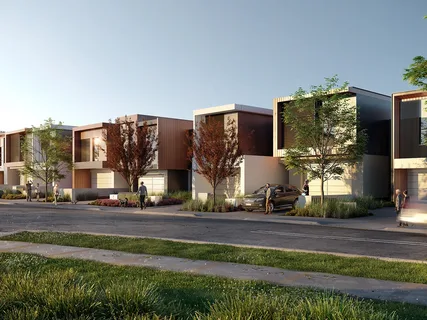
Ask a Sydney local about their dream home. You will get many different answers. But one theme keeps coming up again and again. More people want new townhouse. Not the old, cramped kind. They want brand new ones. These buyers want space without wasting square footage. They want style, yes. But they also need function. Life moves fast. Homes need to keep up.
The newest townhouses in Sydney deliver exactly that. Builders have learned valuable lessons from the past. Dark hallways are gone. Tiny rooms are disappearing. Disconnected layouts no longer exist. Today’s designers start with a simple question. How do people actually live? The answer shapes everything. From window placement to storage solutions.
Rooms That Work Around You
Walk into a well-designed townhouse. You will notice something right away. The layout just makes sense.
Living Zones That Respect Privacy
Builders now split homes into different zones. The ground floor handles noise and activity. That is where you cook, eat, and host friends. Upstairs stays calm. That is where you sleep and unwind. This separation works beautifully. One person can watch a loud movie downstairs. Another naps upstairs. No conflict. No noise complaints.
Rooms That Change With You
Families never stay the same. Your home should not either. A ground-floor room might start as a home office. Later, it becomes a guest bedroom. Eventually, it could house an aging parent. Or a college student returning home. Good townhouse designs plan for this from day one. You never need to knock down walls. You never need expensive renovations. The home adapts as you do.
Bringing the Outside In
Sliding glass doors now open wide. They connect indoor spaces to courtyards or balconies. Suddenly, your living room feels twice as large. Fresh air flows through your home. You eat dinner outside on warm nights. You sip coffee in the morning sun. This small change makes a huge difference in daily happiness.
Built to Last, Not Just to Look Good
New does not mean fragile. Today’s townhouses use better materials and smarter construction methods.
Finishes That Survive Real Life
Stone countertops handle hot pots and knife marks. They do not stain easily. Timber-look flooring resists scratches from pets and kids. It also handles wet shoes without warping. Builders choose these materials because they last. You will not need replacements after a few years. Your home stays beautiful with minimal effort.
Lower Bills from Day One
Modern building standards require better insulation. Double-glazed windows keep heat out in summer. They keep warmth in during winter. Appliances use less energy. The result shows up on your bills. Your electricity and gas costs come in lower. You save money while staying comfortable all year round.
Peace and Quiet at Last
Apartment dwellers know the pain of noisy neighbors. Townhouses solve this problem completely. Solid construction and sound insulation between walls create a peaceful home. You hear your family. You do not hear the street outside.

Why Townhouse Communities Feel Different
Living in a townhouse feels nothing like living in a high-rise. The difference starts right outside your front door.
Neighbors Who Know Your Name
Small developments mean fewer people. You see the same faces at the mailbox. Kids play together in shared gardens. People actually talk to each other. This sounds simple. But it changes everything. Your home becomes part of a community. Not just a unit in a tower.
Everything You Need Within Walking Distance
Developers now build townhouses near things that matter. A coffee shop sits around the corner. A park lies down the street. Bus stops and train stations stay close by. You drive less. You walk more. Life slows down in a good way.
Safer Streets, Happier Kids
Townhouse precincts feel active and alive. Front doors open onto the street. People come and go throughout the day. This natural activity makes the area safer. Children play in courtyards while parents stay nearby. No one feels isolated behind a high-security lobby.
Technology That Anticipates Your Needs
Smart features are no longer optional. Townhouse buyers now expect them.
Ready for Work and Play
Builders pre-wire homes for high-speed internet. Security systems are easy to install. Automated lighting and climate control come standard. These features support working from home. They also make entertainment systems simple to set up. You stay connected and comfortable.
Future-Proofed for Electric Cars
Many new townhouses include wiring and capacity for EV chargers. You may not own an electric car today. But you might in a few years. Forward-thinking builders plan ahead. Retrofitting later costs much more. Doing it now saves you money and hassle.
Outdoor Spaces That Do Not Chore You
Courtyards and balconies use easy-care plants. They also use durable materials that resist weather damage.
You do not spend every weekend weeding or staining wood. Instead, you enjoy the fresh air. Your weekend time belongs to you, not yard work.
The Financial Case for Townhouses
Townhouses make sense for your wallet too. Let us look at why.
Strong Value in Good Locations
Suburbs with shops, parks, and transport hold value well. Townhouses in these areas are relatively rare. Scarcity supports prices over time. Buyers who choose wisely see their investment grow. The demand stays strong year after year.
A Foot in the Door of Premium Areas
Detached houses in sought-after suburbs cost a fortune. Many buyers simply cannot afford them. Townhouses offer a lower entry point. You still get the same neighborhood. The same schools. The same cafes. Just a smaller price tag.
Renters Love Townhouses
Is This the Right Choice for You?
Think about how you want to live. Do you value smart design and quality that lasts? Do you crave community without giving up privacy? If you answered yes, a brand new townhouse deserves your attention. It gives you the space of a house. It gives you the convenience of modern living. You never have to choose between the two.
Moving Forward
Sydney is changing fast. The old dream of a standalone house on a large block grows harder to reach each year. But the new dream is already here. Townhouses offer a smarter path forward. They fit how we live today. They anticipate how we will live tomorrow. Look for thoughtful layouts. Demand quality materials. Find a neighborhood you love. The right townhouse is out there. When you find it, you will know. It will feel like home from the first step inside.
Author



London Bus Routes for the Best Photoshoot Locations in London

Sp5der Hoodie Styling Guide for Everyday Fashion in the USA

Bristol Bus Hire for Stress-Free Wedding Guest Transportation

CDG Long Sleeve: The Timeless Streetwear Essential Worldwide

Corteiz Clothing Greece: The Rise of Authentic Streetwear Culture

AI Development Company in USA for Scalable Enterprise Solutions

Syna World Official Website: Streetwear Brand Everyone Wants

Spider Hoodie: Premium Streetwear Style & Everyday Comfort

Solar Panels Clyde North: Save More with Expert Installation

Digital Marketing Best Institute in Delhi for Career Growth

Cybersecurity Consulting Company SequelNet Provides Critical IT Support Services to Medical Billing Firm, Medical Optimum

Meet the Megalodon: The Shark Star of ‘Meg 2’

Reduce Video Game Lag: Level Up Your Gaming Performance

Balancing India’s Entertainment: Cricket vs. Bollywood

Jetsetter’s Secrets: Unveiling Our Favorite Travel Hacks for a Seamless Adventure

The 5 Best Live Sports Streaming Sites: Legal and Exciting!

Hollywood Labor Unrest: The Impact of ‘What About Us?’ Strikes

Unveiling the Magic of Dream Fulfillment at the Late NBA Draft

Illuminate Your Skin: Dr. Axe Unveils Natural Remedies for Lightening Knees and Elbows

Bright Choices: Navigating the Pros and Cons of Skin Whitening Creams with Dr. Axe
-

 Business3 years ago
Cybersecurity Consulting Company SequelNet Provides Critical IT Support Services to Medical Billing Firm, Medical Optimum
-
Entertainment3 years ago
Meet the Megalodon: The Shark Star of ‘Meg 2’
-
Entertainment3 years ago
Reduce Video Game Lag: Level Up Your Gaming Performance
-
 Sports3 years ago
Balancing India’s Entertainment: Cricket vs. Bollywood
-
Entertainment3 years ago
Jetsetter’s Secrets: Unveiling Our Favorite Travel Hacks for a Seamless Adventure
-
Productivity3 years ago
The 5 Best Live Sports Streaming Sites: Legal and Exciting!
-
Art /Entertainment3 years ago
Hollywood Labor Unrest: The Impact of ‘What About Us?’ Strikes
-
Sports3 years ago
Unveiling the Magic of Dream Fulfillment at the Late NBA Draft






