
Electric
Best Solar Installation Company in Ahmedabad: Rooftop Solar Steps

Installing a rooftop solar system is a structured process that involves much more than placing solar panels on a roof. From understanding electricity consumption and evaluating the property to designing the system, installing equipment, completing electrical connections, and testing the final setup, every stage contributes to the success of the project.
For homeowners and businesses considering solar energy, understanding the installation process can make the decision easier and help set realistic expectations. If you are looking for the Best Solar Installation Company In Ahmedabad, knowing what happens before, during, and after installation can also help you evaluate the quality of service you receive.
Jasko Energy provides solar installation solutions for residential, commercial, and industrial properties, with the installation process planned around the customer’s electricity requirements and property conditions.
Why Understanding the Installation Process Matters
Solar installation is a long-term investment. Once installed, the system is expected to generate electricity for many years.

Because of this, each stage of the installation should be planned carefully. A rushed site assessment, unsuitable system design, poor equipment placement, or incomplete electrical work can create unnecessary issues later.
Understanding the process also helps customers know what questions to ask before approving a project.
A professional installation generally moves through several stages, starting with consultation and ending with system commissioning and customer guidance.
Step 1: Discuss Your Energy Requirements
The first stage is understanding why you want to install solar and how much electricity your property currently uses.
Residential customers can provide recent electricity bills to help determine average consumption.
For commercial and industrial properties, the assessment may also consider operating hours, machinery, production requirements, peak consumption, and existing electrical infrastructure.
This information helps establish the foundation for the solar system design.
Step 2: Conduct a Property Assessment
After understanding the energy requirements, the installation team can assess the property.
For rooftop solar, this involves examining the available roof area and identifying factors that could affect the installation.
The assessment may include:
- Available rooftop space
- Existing rooftop structures
- Shading conditions
- Roof accessibility
- Orientation
- Electrical equipment location
- Possible cable routes
- Maintenance access
The objective is to understand the physical conditions before finalising the system layout.
Step 3: Evaluate Sunlight Availability
Sunlight is one of the most important factors in solar generation.
Buildings, trees, walls, water tanks, and nearby structures can create shadows that change throughout the day.
The installation plan should therefore consider potential shading before determining the final panel arrangement.
A suitable layout aims to make effective use of available sunlight while avoiding unnecessary obstacles.
Step 4: Determine System Capacity
Once electricity consumption and rooftop conditions are understood, an appropriate system capacity can be proposed.
The capacity should be based on the property’s actual electricity requirements and the practical limitations of the installation site.
For a residential property, household consumption may be the primary consideration.
For commercial and industrial properties, electricity demand can be more complex and may require additional analysis.
The objective is to select a system that is appropriate for the property rather than automatically choosing the largest possible capacity.
Step 5: Prepare the Solar System Design
The next stage is creating the system design.
The design may include the number and arrangement of panels, inverter configuration, mounting structure, electrical connections, cable routes, and equipment locations.
The layout should make effective use of available space while allowing appropriate access for maintenance.
For larger installations, the design may also need to consider how the solar system will connect with the property’s existing electrical infrastructure.
Step 6: Select the Equipment
Once the design is established, the required equipment can be finalised.
The major components may include solar panels, inverters, mounting structures, cables, connectors, electrical protection devices, and monitoring equipment.
Equipment should be selected according to the system design and should be compatible with the other components.
Customers should also review product specifications and warranty terms before approving the final equipment.
Step 7: Install the Mounting Structure
The mounting structure provides support for the solar panels.
It is installed according to the rooftop conditions and approved system layout.
The structure needs to be positioned securely and appropriately for the selected panel configuration.
The installation team also needs to consider maintenance access and the overall arrangement of the rooftop.
A well-planned structure creates the foundation for the panel installation.
Step 8: Install the Solar Panels
Once the mounting structure is ready, the solar panels can be installed.
The panels are positioned according to the system layout and securely attached to the mounting structure.
The installation team also works on connecting the panels according to the electrical design.
Panel spacing and cable routing should be organised properly to support maintenance and inspection.
Step 9: Install the Inverter
The inverter is installed at the location selected during the system design stage.
It needs to be positioned appropriately according to the equipment requirements and property conditions.
The inverter is then connected to the solar panel array and the property’s electrical system.
Because the inverter is an important system component, its placement should allow suitable access for monitoring and future service.
Step 10: Complete Electrical Connections
The solar panels and inverter need to be connected through the appropriate electrical system.
This stage may involve solar cables, connectors, protection devices, earthing, and connections to the property’s distribution system.
Electrical connections should be completed carefully and according to the approved system design.
Proper wiring and protection are important for safe and reliable system operation.
Step 11: Install Monitoring Equipment
Depending on the selected system, monitoring technology may be included.
Monitoring can allow customers to view information about electricity generation and system status.
For homeowners, this can provide a simple way to understand how the system is performing.
For businesses, monitoring information can also be useful for energy management.
Step 12: Inspect and Test the Installation
Before commissioning, the installation should be inspected.
The team can check panel connections, cable routing, inverter connections, electrical protection, mounting, and other components.
Testing helps identify potential installation issues before the system is placed into normal operation.
This stage provides an additional layer of quality control.
Step 13: Commission the Solar System
Once testing is complete, the system can be commissioned.
Commissioning involves putting the system into operation and confirming that the major components are functioning as intended.
The customer can then receive information about system operation, monitoring, basic maintenance, and relevant documentation.
Depending on the type of installation, applicable grid-related procedures and approvals may also be involved.
Step 14: Explain System Operation to the Customer
Customer understanding is an important part of completing the installation.
The customer should know how to monitor the system, understand basic generation information, and identify situations that may require technical support.
The installation team can also explain recommended cleaning and maintenance practices.
Clear communication at this stage helps customers manage their solar system more confidently.
Step 15: Ongoing Maintenance and Support
After installation, the solar system continues to operate for many years.
Regular cleaning can help remove dust and other deposits from the panels. Periodic inspections can also help identify potential issues with electrical connections, equipment, or other components.
Customers should know how to contact the solar company if they notice unexpected changes in system performance.
Reliable post-installation support can make long-term ownership easier.
What Can Affect the Installation Timeline?
The time required to complete a solar installation can vary.
Factors may include:
- System capacity
- Property size
- Rooftop conditions
- Equipment availability
- Electrical work
- Project complexity
- Required approvals
- Weather conditions
A small residential project may have different requirements from a large commercial or industrial installation.
The solar company should provide an estimated timeline after assessing the project.
Common Installation Mistakes to Avoid
Customers should be careful about several common issues when selecting an installation provider.
One is choosing a company solely based on the lowest quotation.
Another is approving a system without understanding the equipment specifications.
Ignoring shading, rooftop conditions, electrical requirements, or future maintenance can also create problems.
Customers should ask for a clear explanation of the installation scope before approving the project.
Why Choose Jasko Energy?
When looking for the Best Solar Installation Company In Ahmedabad, customers should consider how the company manages the entire installation journey.
Jasko Energy focuses on understanding the customer’s energy requirements and property conditions before planning the solar system.
The process can cover consultation, site assessment, system design, equipment selection, mounting, panel installation, inverter installation, electrical connections, testing, commissioning, and post-installation support.
This structured approach helps customers understand what is happening at each stage of the project.
Jasko Energy provides solar solutions for residential, commercial, and industrial properties and works according to the specific requirements of each project.
How to Prepare Before Installation
Property owners can take a few simple steps before the installation team arrives.
Keep recent electricity bills available and provide details about major electrical appliances or equipment.
Make sure rooftop access is available and inform the installation team about any existing rooftop structures.
For businesses and industries, discuss operating schedules so that installation activities can be planned without unnecessary disruption.
Good preparation can help the project move more efficiently.
Conclusion
A rooftop solar installation involves a series of carefully connected steps. From understanding electricity consumption and assessing the rooftop to designing the system, installing equipment, completing electrical connections, testing, and commissioning, each stage matters.
Understanding this process can help customers ask better questions and make more informed decisions when selecting a solar installation partner.
If you are searching for the Best Solar Installation Company In Ahmedabad, Jasko Energy can help guide you through the complete solar installation process, from initial assessment to post-installation support.
A properly planned and professionally installed system can provide a practical long-term solution for generating renewable electricity at your property.
Frequently Asked Questions
- What is the first step in a rooftop solar installation?
The process generally starts with understanding your electricity consumption and discussing your solar requirements.
- Why is a site assessment necessary?
A site assessment helps identify usable rooftop space, shading, roof conditions, electrical requirements, and installation challenges.
- What equipment is required for a solar installation?
A typical system may include solar panels, an inverter, mounting structures, cables, connectors, electrical protection components, and monitoring equipment.
- Is the inverter installed on the rooftop?
Not necessarily. Its location depends on the system design, property conditions, equipment requirements, and accessibility for maintenance.
- What happens after the panels are installed?
The system is electrically connected, inspected, tested, and commissioned before regular operation.
- Does a solar system require maintenance after installation?
Yes. Periodic cleaning, inspection, and monitoring can help maintain system performance and identify potential issues.
- Can Jasko Energy handle the complete installation process?
Jasko Energy provides guidance and installation support across the major stages of residential, commercial, and industrial solar projects.
Company Details
Jasko Energy
Solar Energy Solutions
Ahmedabad, Gujarat, India
Website: https://www.jaskoenergy.com/
Services: Residential Solar | Commercial Solar | Industrial Solar | Rooftop Solar Solutions
For solar installation consultation and project enquiries, contact Jasko Energy to discuss your property’s energy requirements.
Author


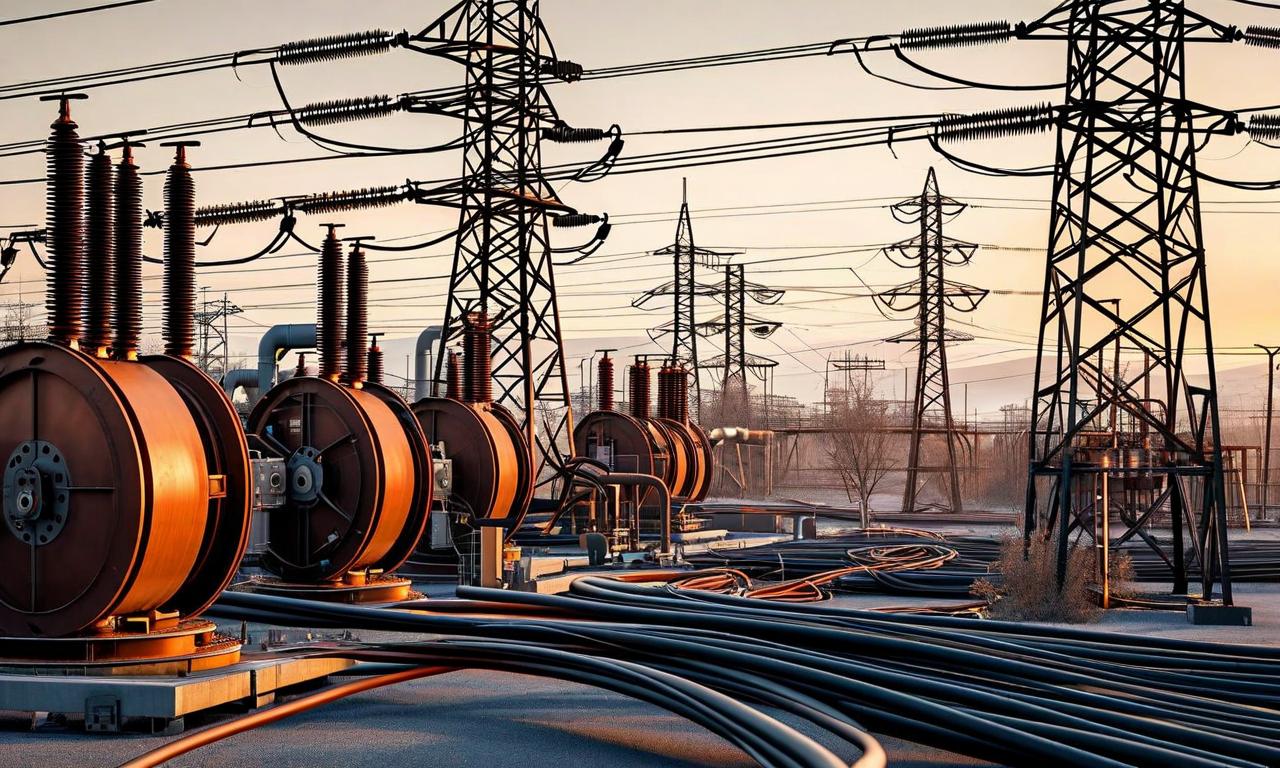
Modern buildings, industries, cities, and utility networks all depend on stable electrical systems. As infrastructure continues to grow, the demand for safe and dependable cable solutions also increases. A well-designed Power Cable system helps deliver electricity efficiently while supporting the long-term performance of an electrical network.
HBNf power focuses on developing cable solutions that meet the needs of demanding infrastructure projects. The company combines modern manufacturing technology, quality materials, and strict testing procedures to produce reliable products. As a result, customers can select cable solutions that support safety, efficiency, and consistent electrical performance across different applications.
The Importance of Reliable Cable Systems
Electricity distribution requires more than simply connecting one point to another. A cable must handle electrical loads, environmental conditions, mechanical pressure, and temperature changes throughout its service life. Poor-quality products can increase maintenance requirements and create unnecessary operational challenges.
For this reason, project planners and electrical contractors must consider cable quality before starting an installation. A dependable Power Cable can help maintain stable electricity transmission while reducing the possibility of premature failures.
Underground electrical installations have become particularly important in modern developments. They protect electrical networks from many external factors that can affect overhead systems. Underground systems also create a cleaner appearance in residential areas, commercial districts, and urban developments.
HBNf power understands these requirements. Its manufacturing approach focuses on creating products that provide dependable performance in both standard and challenging installation environments.
HBNf power Focuses on Manufacturing Quality
Product quality begins with the manufacturing process. HBNf power uses carefully selected materials and modern production techniques to maintain consistent product performance. The company also applies quality checks throughout different stages of manufacturing.
These inspections help identify potential issues before products reach customers. They also help maintain consistency between different production batches. This approach gives contractors and engineers greater confidence when selecting cable products for important electrical projects.
A reliable Power Cable must provide more than good electrical conductivity. It should also offer suitable insulation, mechanical strength, thermal stability, and resistance to environmental conditions. HBNf power considers these factors during product development and manufacturing.
The firm is also enhancing its manufacturing techniques. This focus allows HBNf power to respond to changing industry requirements while maintaining dependable manufacturing standards.
XLPE Insulation Supports Long-Term Performance
Insulation plays an important role in the safety and performance of electrical cables. HBNf power uses XLPE insulation technology in suitable cable products because cross-linked polyethylene offers several useful properties for modern electrical applications.
XLPE insulation provides strong electrical performance and can handle elevated operating temperatures. It also offers resistance to moisture and several environmental influences. These characteristics make it suitable for demanding power distribution environments.
When a Power Cable uses effective XLPE insulation, it can maintain reliable performance under different operating conditions. The insulation also helps protect the conductor from external influences while supporting the overall service life of the product.
This combination of electrical efficiency, thermal performance, and durability makes XLPE technology a practical choice for many infrastructure applications.
Suitable for Diverse Infrastructure Projects
Different projects have different electrical requirements. A residential development may need dependable distribution across several buildings. An industrial facility may require cables that can handle demanding electrical loads. Meanwhile, renewable energy projects often require reliable connections between generation equipment and distribution systems.
HBNf power provides cable solutions for a broad range of applications, including:
- Urban electricity distribution networks
- Residential construction projects
- Commercial buildings and facilities
- Industrial plants and manufacturing sites
- Renewable energy installations
- Utility substations
- Transportation infrastructure
- Public development projects
Each installation requires careful product selection. Engineers must consider factors such as voltage requirements, installation conditions, operating temperatures, mechanical stress, and expected electrical loads.
By choosing the right cable for each application, project teams can create electrical systems that operate efficiently and require fewer interruptions over time.

Safety Remains a Major Priority
Electrical infrastructure must deliver reliable performance without compromising safety. Cable construction plays an important role in achieving this goal. Quality insulation, protective layers, strong conductors, and accurate manufacturing can all contribute to safer electrical installations.
HBNf power designs its products with these requirements in mind. Its cable solutions can withstand various challenges, including underground moisture, temperature changes, mechanical pressure, and demanding operating conditions.
A properly selected Power Cable also helps reduce the risk of unnecessary maintenance problems. When the cable matches the project’s technical requirements, the electrical system can operate more consistently throughout its expected service life.
However, proper installation remains equally important. Qualified professionals should always select, install, and test cables according to applicable electrical standards and project specifications.
Why Choose HBNf power?
HBNf power has built its approach around quality, technical development, and customer requirements. Rather than focusing only on production volume, the company aims to provide cable solutions that address the practical needs of modern electrical projects. Customers can benefit from several important strengths:
- Modern manufacturing technology
- Carefully selected raw materials
- Reliable XLPE insulation options
- Consistent electrical performance
- Strong mechanical properties
- Detailed quality inspection
- Professional technical assistance
- Flexible solutions for different applications
These advantages make HBNf power a practical option for contractors, distributors, engineers, utilities, and industrial customers seeking dependable cable products. The company also understands that every project has different requirements. Therefore, selecting the right specifications remains an important part of the purchasing process. Customers should evaluate the operating environment, electrical load, installation method, and required service life before choosing a product.
Supporting the Future of Electrical Infrastructure
Infrastructure projects require investments that can deliver value for many years. Cable selection can influence system reliability, maintenance requirements, energy efficiency, and overall project performance. Therefore, choosing a dependable Power Cable should form an important part of any electrical planning process.
HBNf power brings together modern manufacturing practices, quality materials, and technical expertise to support these needs. Its products are designed for applications where stable electrical transmission and dependable performance matter.
As cities expand and industries adopt new technologies, reliable electrical infrastructure will remain essential. Renewable energy systems, industrial facilities, commercial developments, and urban networks all require cable solutions that can perform under changing conditions.
HBNf power continues to focus on this growing demand by developing practical and durable cable products for customers across different markets. With a strong emphasis on quality and performance, the company aims to support electrical projects from initial planning through long-term operation.
For contractors and project developers, the right cable is not simply another component. It forms an important part of the electrical system itself. Choosing a manufacturer that prioritizes quality, safety, and consistent performance can help create infrastructure that remains dependable for years to come.
Final Thoughts
Reliable electrical infrastructure starts with choosing the right components. A high-quality Power Cable can support stable electricity distribution, improve system safety, and reduce long-term maintenance concerns. Therefore, businesses and project developers should consider product quality, insulation, durability, and application requirements before making a decision.
HBNf power combines modern manufacturing methods with quality materials and strict testing processes. Its cable solutions are designed to meet the demands of residential, commercial, industrial, utility, and renewable energy projects. With a strong focus on performance and reliability, HBNf power provides practical solutions for today’s growing electrical infrastructure needs.
Ultimately, selecting a dependable cable manufacturer can make a significant difference to project performance. HBNf power continues to support customers with durable products and professional expertise, helping build electrical systems that deliver consistent performance for years to come.
Author


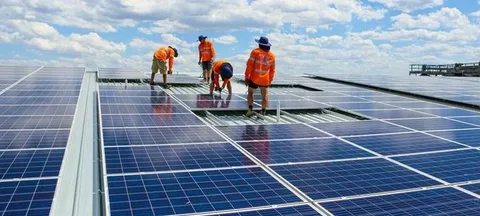
As electricity costs remain an important household and business expense, more Victorians are considering solar to reduce their reliance on grid electricity. However, choosing panels represents only one part of the decision. The installer, inverter, system design, warranties, and ongoing support can all influence how well a solar investment performs.
People searching for the best solar panels Australia offers should therefore look beyond a single brand or advertised price. A quality system should match the property’s electricity consumption, roof design, available sunlight, budget, and future energy plans. Battery storage and EV charging may also influence the system you choose today.
Installer credentials deserve particular attention. SolarQuotes’ current installer guidance says SAA accreditation is an important requirement when choosing an Australian solar installer, including for grid-connected installations and relevant incentives. Victoria has local installation companies as well as national comparison platforms that can help consumers research their options. The following names provide useful starting points when comparing solar solutions.
1. The Solar King
Solar Solutions for Victorian Homes and Businesses
The Solar King provides solar and related energy solutions in Victoria. Its website states that the business has served Victoria since 2018 and offers solar panels, batteries, heat pumps, EV chargers, and inverter options for residential and commercial customers.
The company focuses on matching solar systems to individual energy requirements rather than treating every property in the same way. This approach matters because two homes with similar roof sizes may have very different consumption patterns. For example, a household that uses most electricity during daylight hours may need a different system from a property that consumes heavily in the evening. Likewise, a business with consistent daytime demand may benefit from a system designed around those operating hours.
The Solar King also states that it uses an in-house SAA-certified installer and provides a 10-year workmanship warranty and one-year roof protection plan. Customers can explore options for panels alongside string, micro, and hybrid inverter technologies. For homeowners researching solar installers Melbourne, this type of end-to-end offering can make it easier to discuss generation, storage, and future electrification within the same planning process.
2. Wizard Electricals
Combining Electrical Knowledge With Solar Installation
Wizard Electricals is another option included in the original shortlist for people exploring solar services around Melbourne. When considering an electrical contractor for solar, customers should ask detailed questions about system design, installation responsibility, equipment choices, warranties, and post-installation support. These factors can matter just as much as the advertised system capacity.
A professional installer should first understand how the household or business consumes electricity. Roof orientation, available space, shading, switchboard condition, and future battery plans can all affect system design. Consumers should also request a clear written quote. It should identify the proposed panels and inverter, system capacity, installation scope, warranties, and any additional electrical work.
Taking time to understand these details makes it easier to compare offers fairly rather than automatically selecting the cheapest headline price.
3. Electrical Masters
In-House Solar Installation in South-East Victoria
Electrical Masters operates from Clyde North and serves Melbourne and south-east Victoria. The company says it has installed solar systems for homes and businesses since 2018 and uses an in-house team rather than subcontracting its installations. Its services extend beyond standard rooftop solar. Customers can explore residential and commercial solar, battery storage, EV chargers, heat-pump hot water, repairs, and maintenance. This broader range can suit property owners who want to plan several stages of home electrification.
Electrical Masters also states that it holds SAA accreditation. Its published information lists panel brands such as AIKO, REC, Jinko, and Canadian Solar, alongside inverter and battery options from established manufacturers. An in-house installation model may appeal to customers who prefer dealing with one company throughout design, installation, and support. However, buyers should still compare the proposed equipment, warranties, expected generation, and overall system design before committing.
4. Solar Choice
Comparing Solar Quotes Before Choosing an Installer
Solar Choice takes a different role from a direct solar installer. It operates as a comparison service that allows Australian consumers to explore solar and battery quotes from installers servicing their location. Its online process lets users provide information about their property and compare personalized system offers. Customers can then review different options before deciding which installers they want to contact.
Comparison services can be useful because solar quotes often differ in more than price. One company may propose a different panel brand, inverter, system size, warranty package, or battery configuration from another. Therefore, customers should compare like for like wherever possible. Look at the complete system specification instead of focusing only on the final dollar amount. Solar Choice can provide a useful research starting point for homeowners who have not yet decided which local installer or equipment combination they prefer.
5. SolarQuotes
Researching Installers, Reviews, and Solar Equipment
SolarQuotes is another established Australian solar information and installer-matching platform. It provides guides, installer reviews, comparison resources, and tools for finding companies that service particular locations. SolarQuotes says it has operated since 2009 and maintains a large database of Australian solar and home-energy installer reviews. Its installer search also allows users to filter companies based on services and equipment categories.
This can help buyers investigate a company before requesting a quote. Rather than looking only at an overall review score, read detailed feedback and pay attention to recurring themes. For example, check how customers describe communication, workmanship, installation quality, and after-sales assistance. SolarQuotes specifically recommends examining negative reviews and how companies respond to problems.
Independent research can help consumers build a shortlist before speaking directly with installers.
How to Choose the Right Solar Company in Victoria
Start With Accreditation and Installation Quality
Solar equipment matters, but installation quality can strongly influence the final result. A premium panel cannot compensate for poor system design or careless installation. Check the credentials of the people responsible for designing and installing the system. In Australia, SAA accreditation is a key consideration for solar installations.
You should also find out whether the company uses its own electricians or subcontractors. Neither model automatically guarantees good or bad work, but knowing who takes responsibility makes it easier to understand the installation and warranty process.
Compare Panels and Inverters Carefully
Do not choose a system based on the solar panel brand alone. The inverter also plays a central role because it converts the DC electricity generated by panels into AC electricity your property can use. Ask why the installer recommends a particular combination. A good proposal should make sense for your roof, electricity consumption, shading, and future plans.
If you expect to install a battery later, discuss this before choosing an inverter. Planning for future storage during the initial design may reduce complications when you eventually upgrade.
Look Closely at Solar Warranties
Understand What Each Warranty Actually Covers
Solar proposals can include several warranties. These may cover panel products, panel performance, inverters, batteries, and installation workmanship. Do not treat them as one single warranty. Ask who handles each claim and what happens if equipment develops a problem after installation.
Also consider the company’s after-sales process. A long equipment warranty offers less reassurance if you cannot easily reach the business responsible for supporting the system. Clear warranty information helps buyers understand the long-term responsibilities of both the manufacturer and installer.
Avoid Choosing Solar Based Only on Price
Focus on Long-Term Value
An unusually cheap solar quote may look attractive, but price alone does not tell you whether a system represents good value.
Compare the proposed system size, panel and inverter models, installation method, workmanship warranty, expected generation, monitoring features, and customer support.
At the same time, the most expensive proposal does not automatically provide the best solution. The goal is to find a properly designed system that matches your energy requirements and provides reasonable long-term value.
Getting several detailed quotes gives you a stronger basis for comparison.
Residential and Commercial Solar Require Different Planning
Homeowners often want to reduce household electricity purchases and may consider batteries for evening consumption. Businesses frequently have stronger daytime loads, which can change the ideal system size and expected self-consumption.
Commercial properties may also have larger roofs and more complex electrical requirements. Therefore, businesses should look for installers with relevant commercial design and installation experience.
A tailored assessment can identify how much electricity the property consumes and when it uses that energy. This information helps determine a more appropriate solar configuration.
Final Thoughts on Choosing Solar in Victoria
Finding the best solar panels Australia offers involves more than identifying a popular panel manufacturer. The installer, inverter, system design, warranties, accreditation, and ongoing support all contribute to the overall value of a solar investment.
Victorian consumers can explore direct providers such as The Solar King, Wizard Electricals, and Electrical Masters while also using comparison and research platforms such as Solar Choice and SolarQuotes. Each option serves a different purpose, so comparing several sources can provide a clearer picture before making a decision.
When researching solar installers Melbourne, focus on a system designed around your actual energy needs rather than an attractive headline price. Check accreditation, understand the equipment, compare warranties, review customer experiences, and ask how the installer will support you after installation.
A carefully planned solar system can serve a property for many years. Taking extra time to choose the right provider and equipment at the beginning can help you build a more reliable and practical renewable energy setup.
Author

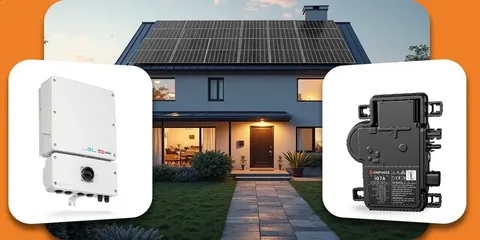
A solar inverter plays one of the most important roles in any renewable energy system. While solar panels capture sunlight and generate electricity, the inverter converts that energy into a form your home appliances and electrical grid can use.
Solar panels produce direct current (DC) electricity, but most homes and businesses operate on alternating current (AC) power. Without a reliable solar inverter, the electricity produced by your panels cannot properly power your appliances or contribute energy back to the grid.
Choosing the right inverter directly affects your system’s efficiency, safety, and long-term performance. The type of inverter you select can also determine whether your system supports future upgrades, such as adding a solar battery.
For homeowners in Australia, including areas such as Berwick, professional installation remains essential. A Solar Accreditation Australia (SAA) accredited installer ensures your system meets safety standards, compliance requirements, and eligibility conditions for available incentives.
A properly selected and installed solar inverter helps you maximize energy production while creating a more reliable renewable energy solution.
How Solar Inverters Improve Solar System Performance
Converting Solar Energy Into Usable Electricity
The primary function of a solar inverter involves converting DC electricity from solar panels into AC electricity for everyday use. However, modern inverters perform many additional tasks that improve system efficiency and reliability.
A high-quality inverter manages several important operations, including:
- Grid synchronization: The inverter matches your solar electricity with the correct voltage and frequency required by the local electricity network.
- Maximum Power Point Tracking (MPPT): The system continuously adjusts performance to capture the highest possible energy output from your panels.
- Energy monitoring: Many modern inverters track electricity production, household usage, and energy exports through mobile applications.
- Safety protection: Advanced inverters include anti-islanding technology that automatically disconnects the system during power outages to protect utility workers.
These features make the inverter the central control point of your solar system. It does not simply convert energy. It manages how your system produces, monitors, and safely delivers electricity.
Why Choosing the Right Solar Inverter Matters
Avoiding Energy Loss and Performance Issues
Many homeowners focus heavily on selecting premium solar panels but overlook the importance of matching them with the right inverter. However, an inefficient or incorrectly sized inverter can reduce the overall performance of even the highest-quality solar panels.
The inverter needs to match your energy requirements, roof conditions, and future plans. A system designed without considering these factors may experience reduced output, limited upgrade options, or unnecessary replacement costs.
At The Solar King, professionals focus on creating customized solar solutions instead of simply installing standard equipment. The right inverter selection helps properties achieve better efficiency, improved reliability, and stronger long-term value.
Types of Solar Inverters Available in Australia
Choosing Between String, Hybrid, and Microinverters
Australian homeowners can choose from several inverter technologies. Each option provides different benefits depending on roof design, energy goals, budget, and future battery requirements.
Understanding these differences helps homeowners make smarter decisions before investing in a solar system.
String Inverters: The Traditional Solar Solution
Affordable and Reliable Performance
String inverters remain one of the most common choices for residential solar installations. In this setup, multiple solar panels connect together in a series called a “string.” The combined DC electricity then travels to a single inverter installed on a wall or other suitable location.
String inverters offer a practical solution for homes with simple roof designs. They work especially well when solar panels face the same direction and receive similar levels of sunlight throughout the day.
One of the biggest advantages of string inverters is affordability. They usually provide strong performance at a lower upfront cost compared to other technologies.
However, string systems have limitations. If one panel experiences significant shading from trees, buildings, or other obstacles, the performance of the entire string can decrease. This happens because all connected panels operate together as one system.
Additionally, traditional string inverters do not directly support DC-coupled batteries. Homeowners who want energy storage later may need additional equipment.
Hybrid Inverters: Preparing for Future Energy Storage
The Smart Choice for Battery Integration
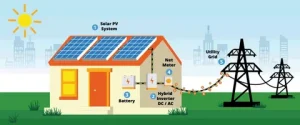
Hybrid inverters combine traditional solar conversion with battery management capabilities. They include dedicated connections that allow homeowners to add solar batteries more efficiently.
For many new Australian solar installations, hybrid inverters have become a popular choice because they provide flexibility for future energy needs.
A hybrid inverter allows homeowners to store excess solar energy during the day and use it later when electricity demand increases or sunlight decreases.
This option works well for people planning to install batteries such as home energy storage systems in the future.
The main disadvantage is the higher initial investment compared to standard string inverters. However, choosing a hybrid inverter from the beginning can prevent expensive upgrades later because the system already supports battery integration.
Microinverters: Maximum Panel-Level Control
Improving Performance on Complex Roofs
Microinverters operate differently from traditional inverter systems. Instead of using one central inverter, each solar panel receives its own small inverter installed directly underneath the panel.
This design allows every panel to operate independently. As a result, shading or performance issues affecting one panel do not significantly impact the output of the entire system.
Microinverters work especially well for properties with:
- Multiple roof angles
- Different panel orientations
- Significant shading challenges
- A need for advanced monitoring
They provide excellent performance optimization and strong system reliability. However, they usually come with higher installation costs.
Because technicians must access individual panels when servicing the system, maintenance can also become more complex compared to central inverter solutions.
Selecting the Best Solar Inverter for Your Property
Matching Technology With Your Energy Goals
The best solar inverter depends on your property’s unique requirements. There is no single solution that works perfectly for every homeowner.
String inverters often suit properties with simple, unshaded roofs and budget-focused goals. Hybrid inverters work well for homeowners who want future battery capability. Microinverters provide advantages for properties with complicated roof layouts or shading concerns.
Before choosing an inverter, homeowners should consider:
- Current electricity usage
- Roof direction and design
- Shading conditions
- Future battery plans
- Budget expectations
- Long-term energy goals
A professional solar assessment can help identify the most suitable technology for your home.
Why Professional Solar Installation Matters
Ensuring Safety, Compliance, and Long-Term Results
Installing a solar inverter requires technical knowledge and careful planning. Incorrect installation can affect performance, safety, and compliance with Australian energy regulations.
Experienced solar professionals understand how to size systems correctly, connect equipment safely, and meet local requirements.
Working with a trusted installer ensures your solar investment performs efficiently while protecting your property and electrical network.
A professional approach also helps homeowners take advantage of available incentives and maintain reliable grid connections.
The Future of Solar Inverter Technology
Smarter Energy Management for Modern Homes
Solar inverter technology continues to improve as more homeowners adopt renewable energy solutions. Future systems will provide smarter monitoring, improved efficiency, and stronger integration with batteries and home energy management tools.
As energy prices change and battery adoption increases, flexible inverter systems will become even more valuable.
The goal is no longer only producing solar power. Modern systems focus on managing energy intelligently, reducing dependence on the grid, and improving household savings.
Conclusion: Choosing the Right Solar Inverter for Long-Term Benefits
A solar inverter acts as the foundation of your renewable energy system. It converts solar power into usable electricity while managing safety, efficiency, and system performance.
Choosing between a string inverter, hybrid inverter, or microinverter depends on your property, energy needs, and future plans.
A carefully selected inverter combined with professional installation can improve energy savings, increase system reliability, and prepare your home for future energy upgrades.
Investing in the right solar inverter today helps create a cleaner, smarter, and more efficient energy future.
Author


Mommy Makeover Dubai: Restoring Your Body After Childbirth

How Can Bakeries Make Cookies Ready for Retail Shelves?
Can Better Food Handling Reduce Product Waste?
How Can Distinctive Packaging Shapes Strengthen Brand Identity?
How Can Packaging Styles Improve Product Appeal?


Best Solar Installation Company in Ahmedabad: Rooftop Solar Steps

Parke Clothing: A Fresh Approach to Modern Everyday Style

Floral Wall Decals Transforming Your Home into a Tropical Oasis

Polobear Fashion: A Fresh Perspective on Comfortable Everyday Style

Cybersecurity Consulting Company SequelNet Provides Critical IT Support Services to Medical Billing Firm, Medical Optimum

Meet the Megalodon: The Shark Star of ‘Meg 2’

Reduce Video Game Lag: Level Up Your Gaming Performance

Balancing India’s Entertainment: Cricket vs. Bollywood

Jetsetter’s Secrets: Unveiling Our Favorite Travel Hacks for a Seamless Adventure

The 5 Best Live Sports Streaming Sites: Legal and Exciting!

Hollywood Labor Unrest: The Impact of ‘What About Us?’ Strikes

Unveiling the Magic of Dream Fulfillment at the Late NBA Draft

Illuminate Your Skin: Dr. Axe Unveils Natural Remedies for Lightening Knees and Elbows

Bright Choices: Navigating the Pros and Cons of Skin Whitening Creams with Dr. Axe
-

 Business3 years ago
Cybersecurity Consulting Company SequelNet Provides Critical IT Support Services to Medical Billing Firm, Medical Optimum
-
Entertainment3 years ago
Meet the Megalodon: The Shark Star of ‘Meg 2’
-
Entertainment3 years ago
Reduce Video Game Lag: Level Up Your Gaming Performance
-
 Sports3 years ago
Balancing India’s Entertainment: Cricket vs. Bollywood
-
Entertainment3 years ago
Jetsetter’s Secrets: Unveiling Our Favorite Travel Hacks for a Seamless Adventure
-
Productivity3 years ago
The 5 Best Live Sports Streaming Sites: Legal and Exciting!
-
Art /Entertainment3 years ago
Hollywood Labor Unrest: The Impact of ‘What About Us?’ Strikes
-
Sports3 years ago
Unveiling the Magic of Dream Fulfillment at the Late NBA Draft






