
Tour and Travels
How Does an IDP License Help When Driving in Another Country?


Driving in another country can make a trip more flexible, especially when public transportation does not reach every destination. An IDP license can help international travellers communicate their driving credentials and meet documentation requirements when using a vehicle abroad. Understanding what an International Driving Permit does, where it is accepted, and when you may need one can make overseas driving much easier.
What is an IDP License?
An IDP license, commonly referring to an International Driving Permit, is a standardised document that helps translate information from a valid domestic driving license into multiple languages. It is designed to help authorities, rental companies, and other organisations understand a driver’s existing licence when the driver is travelling internationally.
An IDP does not normally replace your original driver’s license. Instead, it works alongside it. When driving abroad, travellers generally need to carry both their valid domestic driving licence and their International Driving Permit when the destination country requires or recognises an IDP.
The exact rules can differ by country, so travellers should check the requirements of the country they plan to visit before departure.
How Does an IDP Help When Driving Abroad?
One of the biggest benefits of an IDP license is that it can make your driving documents easier to understand in a foreign country. Your domestic license may contain information written in a language or format that local authorities and rental companies cannot easily interpret.

An IDP provides standardised information and translations that can help bridge this language gap. This can be particularly useful if you are stopped for a traffic check, involved in a road incident, or asked to provide proof of your driving credentials.
For travellers, the main advantages include:
- Helping communicate your driving credentials internationally
- Supporting vehicle rental procedures in some countries
- Providing translated license information
- Making documentation easier for local authorities to understand
- Helping travellers prepare for international driving requirements
However, an IDP should not be treated as automatic permission to drive everywhere. Each country has its own laws concerning foreign drivers, license validity, vehicle insurance, and how long visitors may drive using a foreign license.
Is an International Driving Permit the Same as an International Driver’s Licence?
The terms can sometimes be confusing because people use different names when searching for international driving documents. An International driver’s licence is often used informally to describe an International Driving Permit, but the official terminology and requirements depend on the country and issuing authority.
An International Driving Permit is generally a standardised translation or companion document for a valid domestic driving licence. It is not intended to replace the driver’s original license.
For example, if your home-country license is written primarily in English, a foreign authority may still require an IDP depending on its local rules. In another country, your domestic license might be accepted without an IDP for a specific period.
This is why checking the destination country’s official driving requirements is important before travelling.
Do You Need an IDP to Rent a Car?
Whether you need an IDP to rent a car depends on the destination, your domestic license, the rental company, and sometimes the language in which your license is issued.
Some rental companies may request an IDP even when local regulations do not require one. Other companies may accept a valid foreign driving license without additional documentation.
If you plan to rent a car internationally, check the rental company’s requirements before making your reservation. You should also confirm the driving requirements established by the country or local jurisdiction where you will operate the vehicle.
Carrying your original driving license, passport or other required identification, and any required international driving documentation can help avoid unnecessary problems at the rental counter.
How Can I Get IDP Before Travelling?
Many travellers ask, how can I get an IDP before an international trip? The process depends on the country where your domestic driving license was issued because IDPs are generally issued through authorised organisations under the applicable national framework.
Before applying, check that:
- Your domestic driver’s license is valid.
- You are eligible to apply through an authorised issuing organisation.
- Your destination recognises the type of IDP you are obtaining.
- Your travel dates fall within the relevant validity period.
- You understand whether the destination requires you to carry your original license with the permit.
You may need to provide information such as your driving licence details, identification documents, photographs, and an application fee. Requirements vary, so applicants should verify the current process with the appropriate issuing authority.
Avoid treating an IDP as a separate driving qualification. Your underlying domestic license remains important.
Where Can an IDP Be Used?
An IDP license can be recognised in many countries, but recognition is not universal in exactly the same way. International driving rules can depend on international conventions, national legislation, local regulations, and the circumstances of the visitor.
For example, a country may recognise an IDP issued under a particular international convention while imposing additional requirements on foreign drivers. Some destinations may also have specific rules concerning the length of stay, age requirements, vehicle categories, or insurance.
Before driving abroad, check:
- Whether an IDP is required
- Which type of IDP is recognised
- Whether your domestic license must accompany it
- How long you can drive as a visitor
- Whether your vehicle category is covered
- What insurance requirements apply
- Whether additional local documentation is necessary
These checks are especially important for longer trips, international road trips, or stays that involve multiple countries.
What is a Worldwide Driving Permit?
The phrase worldwide driving permit is commonly used online to describe an international driving document intended for use by travellers across different countries. However, there is no single document that automatically gives a driver unrestricted permission to drive in every country.
Driving laws remain under the authority of individual countries and jurisdictions. A document accepted in one destination may have different requirements in another.
Therefore, travellers should focus less on the phrase “worldwide” and more on whether the specific IDP they have is valid and recognised in the country they intend to visit.
Can an IDP Replace Your Domestic Driving License?
Generally, an IDP should not be considered a replacement for your domestic driver’s license.
When an IDP is required or useful, travellers typically need to carry the IDP together with their valid original driving license. The IDP helps authorities understand the information on the domestic license, while the domestic license demonstrates the driver’s actual authorisation to drive.
This distinction is important. Having an IDP without a valid underlying license does not normally provide the same driving authority as holding a valid domestic driver’s license.
Before travelling, keep both documents accessible and make sure the information on them is consistent.
What Should You Check Before Driving in Another Country?
Preparing for international driving involves more than obtaining an IDP. A responsible traveller should research the complete set of driving requirements before getting behind the wheel.
Start by checking the country’s official transportation or government information. Confirm whether your licence is recognised, whether an IDP is required, and how long you can legally drive as a visitor.
You should also research local traffic rules. Speed limits, road signs, parking regulations, toll systems, child-seat requirements, mobile-phone restrictions, and driving sides can differ significantly between countries.
Insurance is another important consideration. Confirm that your rental or personal vehicle insurance provides appropriate coverage for the country where you will drive.
If your trip involves crossing several international borders, check the rules for every country on your route rather than assuming that one country’s requirements apply everywhere.
What Are the Benefits for International Travellers?
The practical value of an IDP license is mainly related to documentation and communication. When a destination country accepts it, it provides a standardised way to present driving information to people who may not easily understand your domestic licence.
This can be especially helpful for travellers taking road trips, renting vehicles, visiting areas with limited public transportation, or travelling through countries where local officials may require translated driving information.
An IDP can also make travel preparation more organised because it encourages drivers to check their licence validity and destination-specific requirements before departure.
Still, an IDP is only one part of international driving preparation. Knowing local laws and carrying the required original documents remain essential.
Final Thought
International driving becomes easier when travellers understand the documentation required before leaving home. An IDP can help communicate your driving credentials abroad, but you should always use it according to the rules of the country you are visiting and, when required, alongside your valid domestic license. For travellers looking for a convenient documentation option, a digital international driver’s license may also be worth exploring, provided it meets the requirements of the destination and relevant authorities.
Author


Airport Transfers: How to Book the Right Airport Taxi
Airport transfers connect the airport with your hotel, home, office or another destination. Choosing the right option starts with a few practical questions: how many people are travelling, how much luggage you have, when your flight arrives and what the quoted price includes.
For some journeys, public transport fits the schedule perfectly. For others, a pre-booked airport taxi offers a more straightforward journey, especially when travelling with children, carrying several suitcases or arriving somewhere unfamiliar.
This guide explains how to compare transfer options, select a suitable vehicle and make an airport taxi booking with fewer surprises.
What Should You Look for in an Airport Transfer Service?
A useful airport transfer service gives you clear information before you pay. You should understand where your driver will meet you, which vehicle category you are booking and how to contact support if your plans change.
Start by checking that the provider accepts your exact pickup and destination. An airport name alone is not enough when several terminals or designated collection areas are involved.
For travellers exploring airport transfers, Global Airport Taxi lists services for destinations across different countries, with vehicle categories ranging from saloon cars to larger group vehicles. Availability and the options offered should be checked against your specific journey.
Look beyond the headline price. A suitable transfer should match your itinerary, luggage requirements and preferred level of assistance.
Compare Airport Transport Around Your Actual Journey
The most useful comparison considers the complete journey from the terminal to your final address.
A train may suit a traveller staying close to a station. A coach can work well when its timetable matches the flight and the destination is convenient. A private airport transfer may be worth considering when public transport involves several changes or a separate taxi journey at the end.
Compare these practical details:
- The total cost for everyone travelling.
- The distance between the final stop and your accommodation.
- The number of changes required.
- Whether you can comfortably manage your luggage.
- The services available around your expected arrival time.
- The flexibility you need if your flight arrives later than planned.
Avoid choosing solely on the cheapest advertised fare. A lower ticket price may involve additional transport costs or a less convenient arrival.
How to Compare Airport Taxi Prices Properly
Two airport taxi quotes are only comparable when they cover the same journey and conditions. Enter the same pickup address, destination, travel date, passenger count and luggage details when checking your options.
Read the fare inclusions carefully. Depending on the provider and booking conditions, parking, waiting time, child seats, extra stops or changes to the journey may affect the total.
Ask these questions before confirming:
- Is the quote for the whole vehicle or for each passenger?
- Which airport charges, if any, are included?
- How much waiting time is included?
- What happens when the included waiting period ends?
- Are additional stops covered?
- What are the cancellation and amendment terms?
A fixed-price quote can help with budgeting, but you still need to understand the journey it covers. Changing the destination or adding a stop may change the fare.
Choose Your Vehicle by Luggage as Well as Passengers
Passenger capacity is only part of choosing an airport taxi. A vehicle with enough seats may still be unsuitable for several large suitcases, a folded pushchair or sports equipment.
Count checked bags and hand luggage separately. If you are carrying unusual items, give their approximate size before booking.
Solo Travellers and Couples
A saloon may suit a small party with ordinary luggage, subject to the capacity shown for the specific vehicle category. Travellers wanting additional comfort can compare executive cars where available.
Families Travelling With Children
Families should check space for suitcases, pushchairs and any required child seats. Request the appropriate seat in advance and confirm availability, suitability and any additional charge.
Groups and Larger Parties
An MPV, van or minibus may help a group travel together. However, the number of seats does not guarantee room for every passenger’s luggage. Confirm both limits before selecting the vehicle.
Choosing the right size at the booking stage helps avoid last-minute changes.
Understand Your Airport Pickup Instructions
Knowing where to meet your driver is just as useful as knowing the fare. Airport pickup arrangements can involve an arrivals meeting point, a designated collection area or instructions to contact the driver after collecting your bags.
If meet and greet is included, check exactly how it works. Do not assume every booking includes a driver waiting inside the terminal with a name board.
Save your confirmation and meeting instructions on your phone. Keep the provider’s contact details accessible, particularly if you may have limited mobile data after landing.
Check the waiting-time policy too. Find out when the waiting period starts and what to do if immigration or baggage collection takes longer than expected.
Provide Accurate Flight and Contact Details
For an airport arrival, enter the correct flight number and arrival date. This helps the provider identify your flight and coordinate the collection according to its service arrangements.
Pay particular attention to overnight flights. Your arrival date may differ from the day you leave your departure airport.
Flight tracking and waiting time are separate considerations. Even when a provider monitors flights, you should understand its policies for delays, cancellations, diversions and missed connections.
Provide a mobile number you can use while travelling. If your flight changes, contact the provider rather than assuming every itinerary adjustment will automatically update your booking.
How to Book an Airport Taxi Online
Before you book an airport taxi online, gather the details needed for an accurate quote.
- Enter the full pickup location and destination address.
- Select the correct date and time.
- Add the number of passengers.
- Include suitcases, hand luggage and unusual items.
- Compare suitable vehicle categories.
- Add your flight details where requested.
- Review the total price and booking conditions.
- Check your confirmation for mistakes.
For a departure transfer, allow time for the road journey and your airline’s recommended airport arrival window. Your pickup time should account for check-in, security and possible road delays.
For a return booking, review each journey separately. The return date, terminal or accommodation address may differ from the outbound details.
Common Airport Transfer Booking Mistakes
Small errors can make an otherwise simple journey harder. One common mistake is entering a hotel name without checking its address. Hotels with similar names may be in different districts or cities.
Another is choosing a vehicle by seats alone and underestimating luggage. Travellers can also confuse landing time with the time they expect to reach the pickup point.
Avoid leaving essential requirements until arrival. Child seats, accessibility needs and oversized luggage should be discussed before confirming.
For wider preparation, consult this travel planning checklist alongside your transfer arrangements.
Frequently Asked Questions
Should I book an airport transfer in advance?
Advance booking lets you review the fare, vehicle options and pickup instructions before travelling. It is particularly useful when your journey involves specific requirements, although availability should always be confirmed.
Is a private airport transfer always the cheapest option?
No. Compare the full cost for your group with public transport and any onward journey. Price, convenience and luggage requirements all matter.
What information do I need for an airport taxi booking?
Usually, you need your pickup and destination, date, time, passenger count, luggage details and contact information. Airport collections may also require flight details.
Can I request an extra stop?
Ask before booking. An additional stop can affect the fare, journey time and vehicle arrangements.
Plan Your Transfer Before You Travel
A well-planned airport transfer starts with accurate details and clear expectations. Compare the complete fare, choose enough space for passengers and luggage, and read the collection instructions before departure.
Whether you are travelling for a holiday, a family visit or a business meeting, arranging these details early gives you fewer decisions to manage after landing.
Author


Planning a trip through Kentucky Bourbon Country is an incredible experience, but it comes with a unique set of logistical challenges. With over forty participating distilleries spread across multiple counties, navigating ticket releases, driving rural routes, and coordinating tastings can quickly feel like a full-time job.
Booking an organized or private bourbon tour is the easiest way to turn a complex travel puzzle into a relaxing, world-class vacation. To help you prepare for your journey, here is a detailed breakdown of what professional bourbon tours typically include, what you need to arrange yourself, and a step-by-step planning timeline.
What Is Included in a Professional Bourbon Tour?
While specific inclusions vary based on whether you book a public shared bus, a pre-set regional tour, or a bespoke private charter, a high-end bourbon tour generally provides a comprehensive, full-service day.
1. Luxury Transportation and Dedicated Chauffeur
Distilleries are set deep in the rural countryside, connected by two-lane country highways with little cell service and zero rideshare coverage. A professional tour provides a luxury vehicle, such as a high-roof Mercedes Sprinter van equipped with leather captain seating, personal climate controls, and charging ports, ensuring your entire party travels safely together.
2. Guaranteed Distillery Access and Tickets
High-profile distilleries like Buffalo Trace, Woodford Reserve, and Heaven Hill frequently sell out their tour tickets months in advance. Established tour companies maintain strong relationships across the distilling industry and handle the stressful process of booking and securing your time slots on your behalf.
3. Experienced Local Hosting
Your chauffeur does far more than navigate rural roads. Local guides share Kentucky history, explain mash bills and barrel aging techniques between stops, and offer insider recommendations on which limited-edition bottles to look for in distillery gift shops.
4. Curated Dining Stops
Sampling cask-strength bourbon throughout the day requires proper meals. Quality tours incorporate a scheduled stop at a premier local eatery, such as a traditional Kentucky barbecue smokehouse or a fine-dining distillery bistro.
5. Door-to-Door Service and Amenities
High-end private charters provide convenient morning pickup and evening drop-off directly at your hotel or vacation rental. Vehicles are stocked with chilled bottled water, light refreshments, and secure storage space to keep your purchased bottles safe throughout the day.
Step-by-Step Bourbon Trail Planning Timeline
To ensure your trip runs smoothly without missing out on your preferred stops, follow this practical planning timeline:
3 to 6 Months Out: Dates and Tour Foundation
- Select Your Travel Season: Autumn (September–October) offers crisp weather and peak bourbon release season. Spring (April–May) brings lush greenery and horse racing at Keeneland and Churchill Downs. Summer offers lively energy, while winter provides quiet tasting rooms and thinner crowds.
- Choose Your Base City: Louisville provides the widest selection of hotels, nightlife, and urban distilleries. Lexington offers close proximity to horse farms, while Bardstown provides small-town historic charm.
- Book Your Tour Operator: Reserve your private tour vehicle early, especially if traveling during peak spring, fall, or Kentucky Derby Week in May.
2 to 3 Months Out: Distillery Selection
- Work with your tour coordinator to finalize your wish list of distilleries.
- Lock down anchor tour tickets as public booking windows open across major distillery websites.
- Select your preferred tour styles, balancing standard production walks with specialty VIP barrel tasting or blending sessions.
2 to 4 Weeks Out: Final Details
- Finalize lunch reservations and communicate any dietary restrictions to your tour planner.
- Confirm pickup addresses and departure times with your tour provider.
- Check the weather forecast to pack appropriate clothing layers.
What to Pack for a Day on the Trail
- Sturdy, Closed-Toe Walking Shoes: Production floors, staircases, and gravel rickhouse paths require stable footwear. Heels, sandals, and open-toe shoes are prohibited in many distilling work areas.
- Weather Layers: Rickhouses are not climate-controlled. They are cold in the spring and autumn and warm in the summer. Having a light jacket or sweater ensures you remain comfortable.
- Valid Photo Identification: Security and tasting staff check government-issued photo ID at every single facility, regardless of age.
- Personal Hydration and Bottle Bags: Staying hydrated between pours is essential, and a padded tote bag protects fragile glass bottles during transit.
Essential Tasting Etiquette
To get the most enjoyment out of your distillery visits, keep these practical tasting tips in mind:
- Inhale with an Open Mouth: When nosing high-proof whiskey, keep your lips slightly parted. This circulates air across your palate and prevents concentrated alcohol vapors from numbing your sense of smell.
- Take the Kentucky Chew: Take a small first sip and roll it around your mouth for several seconds to coat your palate. Swallow, then take a second sip. The second taste will reveal rich notes of vanilla, toasted oak, caramel, and baking spices without the initial alcohol burn.
- Utilize Dump Buckets Without Hesitation: You do not have to finish every single pour in a four-glass flight. Professional tasters regularly discard remaining whiskey to keep their palates sharp for the next stop.
The Stress-Free Way to Tour Kentucky!
Planning a Kentucky Bourbon Trail vacation should be exciting, not overwhelming. Trying to juggle ticket release dates, rural routes, and designated drivers can distract from what should be an incredible getaway.
With Sip Kentucky, every element of your journey is coordinated by local experts. From private luxury Sprinter transport to customized distillery itineraries and curated dining stops, Sip Kentucky provides an unforgettable, first-class experience. Sit back, take in the Bluegrass scenery, and enjoy Kentucky’s finest whiskey without a single worry.
Author


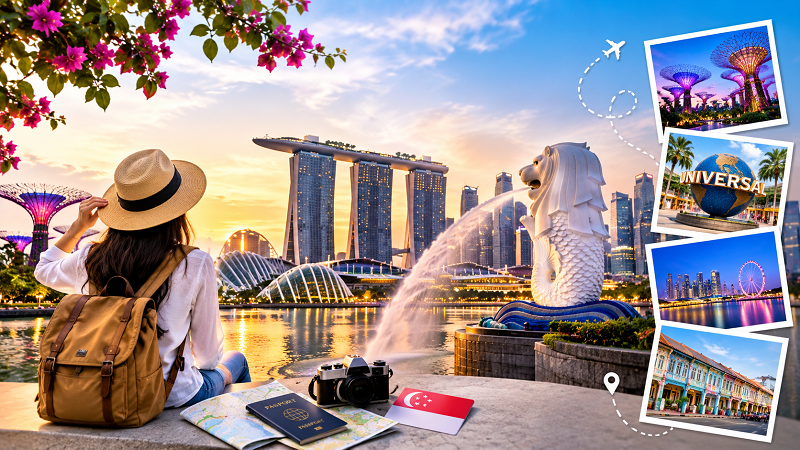
Planning a first trip to Singapore is easier than planning most international holidays, because the city is compact, safe and well organised. Still, a few choices, such as the season, the area you stay in and how many days you allow, shape the whole experience. This guide covers each decision in a clear, step-by-step way.
Introduction
Singapore is a small island city-state at the southern tip of the Malay Peninsula. It is only about 50 kilometres across, yet it packs in futuristic gardens, heritage neighbourhoods, beaches, theme parks, world-famous street food and one of the best airports on the planet. That mix is why it ranks high on first-time international trip lists.
The city is also easy to navigate. English is widely spoken, signs are clear, the MRT covers most tourist areas, and public spaces are clean and well maintained. Visitors from India, the Middle East, Europe and the rest of Asia often choose it as an introduction to Southeast Asia.
If you like having flights, hotels, transfers and attraction tickets arranged in one place, comparing a few Singapore Holiday Packages can help you see what a typical 4 to 6 day trip includes before you decide whether to book independently. Whichever route you take, the planning principles below stay the same.
In this article you will find the best time to visit, entry requirements, ideal trip length, where to stay, how to get around, must-see places, food, budgets, a sample itinerary, local rules and common mistakes.
Key Takeaways
- Plan 4 to 5 days for a comfortable first visit. Three days is the minimum.
- Singapore is warm and humid all year. Pack light clothes and carry an umbrella.
- Check your visa and complete the SG Arrival Card before you fly. Rules depend on your passport.
- Stay near an MRT station. Marina Bay, Chinatown, Bugis and Orchard are convenient bases.
- Eat at hawker centres. They offer authentic, affordable local food.
- Budget carefully. Accommodation and attractions cost more than in most Asian cities.
- Follow local laws. Fines for littering, vaping and similar offences are strict.
Why Singapore Is a Great Choice for First-Time Visitors
Singapore is a good first international destination because it is safe, compact, English-speaking, well connected by public transport and offers a wide range of experiences within a short distance.
Several features make the city beginner-friendly:
- Safety: Singapore consistently ranks among the safest cities for tourists.
- Efficient infrastructure: Changi Airport, the MRT, buses, taxis and ride-hailing apps work smoothly.
- Short distances: Most major attractions are within 30 to 40 minutes of each other.
- Cultural variety: Chinese, Malay, Indian and Peranakan heritage live side by side.
- Year-round activity: Indoor attractions, covered walkways and air-conditioned malls make it workable even in rain.
Who It Suits Best
| Traveller Type | Why Singapore Works |
| Families with children | Universal Studios, Singapore Zoo, S.E.A. Aquarium and safe streets |
| Couples and honeymooners | Marina Bay views, rooftop bars, Sentosa beaches |
| Solo travellers | Easy transport, safe at night, social food culture |
| Senior travellers | Flat terrain, lifts at stations, good healthcare |
| Short-break travellers | Compact layout, quick airport transfers |
When Is the Best Time to Visit Singapore?
February to April is generally considered the most comfortable window because rainfall is lower, though Singapore is warm, humid and open for tourism throughout the year.
Singapore has a tropical climate with temperatures usually between 25°C and 32°C. There is no true winter or summer, only wetter and drier periods.
| Period | Weather | What to Expect |
| February to April | Drier, hot | Good for outdoor sightseeing; Chinese New Year may fall in this window |
| May to September | Hot, occasional showers | Great Singapore Sale (usually mid-year), school holidays, busier attractions |
| September to October | Warm, some haze risk | Singapore Grand Prix weekend raises hotel prices sharply |
| November to January | Wetter monsoon period | Frequent afternoon rain, festive lights, year-end crowds |
Real-Life Tip
Rain in Singapore usually arrives as short, heavy showers. Plan outdoor activities for the morning and keep indoor options, like museums, malls or Jewel Changi Airport, ready for the afternoon.
Entry Requirements: Visa and SG Arrival Card
Entry rules depend on your nationality. Many travellers need a visa, and almost all visitors must submit the free SG Arrival Card online before arrival.
Singapore’s Immigration and Checkpoints Authority (ICA) manages entry. Visitors from some countries enter visa-free, while others, including Indian passport holders, usually need a visa obtained through an authorised channel before travel.
Pre-Trip Document Checklist
- Passport valid for at least six months from your arrival date.
- Visa, if your nationality requires one.
- SG Arrival Card, submitted through the official ICA website or app within the allowed window before arrival.
- Confirmed return or onward ticket.
- Proof of accommodation and sufficient funds.
- Travel insurance covering medical care and trip changes.
Visa fees, processing times and entry conditions change, so always verify them on the official ICA website before booking flights.
How Many Days Do You Need in Singapore?
Four to five days is ideal for a first visit. Three days covers the highlights, and six or seven days allows day trips and slower travel.
| Trip Length | What You Can Cover |
| 3 days | Marina Bay, Gardens by the Bay, Sentosa, Chinatown, Little India |
| 4 to 5 days | All of the above plus Singapore Zoo or Night Safari, Orchard Road, Kampong Glam |
| 6 to 7 days | Add Pulau Ubin, museums, Southern Ridges walk, or a trip to Johor Bahru or Bintan |
Many travellers combine Singapore with a nearby country. Singapore works well as a gateway for Malaysia, Indonesia or Thailand, which is covered later in this guide.
Where to Stay: Best Areas for First-Time Visitors
Marina Bay, Chinatown, Bugis and Orchard Road are the most convenient areas for first-time visitors because they combine MRT access, food options and sightseeing.
Singapore hotels are priced higher than in many Asian cities, so location matters more than room size.
| Area | Best For | Highlights |
| Marina Bay | Iconic views, couples | Marina Bay Sands, Gardens by the Bay, Merlion Park |
| Chinatown and Tanjong Pagar | Food, budget-mid range | Temples, Maxwell Food Centre, bars and cafés |
| Bugis and Kampong Glam | Culture, shopping | Sultan Mosque, Haji Lane, Bugis Street |
| Orchard Road | Shopping, families | Malls, Botanic Gardens access |
| Sentosa | Resort stays, theme parks | Beaches, Universal Studios Singapore |
| Little India | Budget stays, Indian cuisine | Mustafa Centre, Sri Veeramakaliamman Temple |
What to Check When Booking
- Walking distance to the nearest MRT station
- Air conditioning and Wi-Fi quality
- Cancellation policy
- Whether taxes and service charges are included in the price
How to Get Around Singapore
The MRT is the fastest and cheapest way to move around Singapore, supported by buses, taxis and ride-hailing apps for short or late-night trips.
The MRT network connects the airport, downtown, Orchard Road, Chinatown, Little India and Harbourfront, where you can reach Sentosa. Trains are frequent, air-conditioned and easy to follow.
Transport Options Compared
| Option | Best For | Notes |
| MRT | Most trips | Fast, affordable, clear maps |
| Public bus | Reaching areas without MRT | Pay by contactless card |
| Taxi | Late nights, luggage | Surcharges apply at peak times and airport |
| Ride-hailing | Door-to-door convenience | Check estimated fares in the app |
| Walking | Marina Bay, Chinatown, Kampong Glam | Carry water and use covered walkways |
Payment Tip
Most visitors use a contactless bank card or a transit card for MRT and buses, so check which options your card supports before arriving. Eating and drinking on public transport are not permitted, so finish your snack before you enter the station.
Top Attractions for a First Visit
The essential first-visit attractions are Gardens by the Bay, Marina Bay Sands, Sentosa, Singapore Zoo and its sister parks, Jewel Changi Airport, Chinatown and Little India.
Gardens by the Bay and Marina Bay
Gardens by the Bay is a large nature park with the Supertree Grove, the Flower Dome and the Cloud Forest. Visit in the evening when the Supertrees are lit up. Nearby, Marina Bay Sands has an observation deck with views of the skyline, and Merlion Park is the classic photo stop.
Sentosa Island
Sentosa is Singapore’s leisure island, reached by cable car, monorail, bus or on foot from HarbourFront. It has beaches, Universal Studios Singapore, the S.E.A. Aquarium and active experiences such as the Skyline Luge. If you want thrill-based activities, you can Discover adventure packages that combine Sentosa rides, water sports and outdoor experiences in one itinerary, which saves time on separate bookings.
Wildlife: Zoo, Night Safari and Bird Paradise
The Mandai Wildlife Reserve is home to Singapore Zoo, Night Safari, River Wonders and Bird Paradise. The Night Safari is one of the most unusual evening experiences in Asia, with nocturnal animals viewed in a naturalistic setting.
Jewel Changi Airport
Jewel is more than an airport mall. It features the HSBC Rain Vortex, an indoor waterfall, plus gardens and walking trails. If you land early or have a long layover, it is a pleasant way to start or end your trip.
Heritage Neighbourhoods
- Chinatown: Temples, shophouses, street markets and the Buddha Tooth Relic Temple.
- Little India: Colourful streets, flower garlands, Indian food and shops.
- Kampong Glam: Sultan Mosque, Arab Street and creative cafés.
Food: What to Eat in Singapore
Singapore’s food culture centres on hawker centres, where you can eat dishes like Hainanese chicken rice, laksa, chilli crab and kaya toast at reasonable prices.
Singapore’s hawker culture is recognised by UNESCO as part of humanity’s intangible cultural heritage, so eating at a hawker centre is a core part of any first visit.
Must-Try Dishes
- Hainanese chicken rice: Poached chicken with fragrant rice and chilli sauce.
- Laksa: Spicy coconut noodle soup.
- Chilli crab: A rich, sweet-spicy crab dish, best shared.
- Char kway teow: Stir-fried flat noodles.
- Kaya toast with soft-boiled eggs: A classic breakfast.
- Roti prata: Crisp Indian-style flatbread with curry.
Popular Hawker Spots
Maxwell Food Centre and Lau Pa Sat are popular with visitors, while Newton Food Centre is known for evening seafood. Prices and quality vary by stall, so look for busy queues.
Dietary Considerations
Vegetarian and halal food is easy to find, especially in Little India and Kampong Glam. Check the halal certification at stalls if it matters to you, and ask about ingredients if you have allergies.
Budget Planning for Singapore
Singapore is costlier than most Southeast Asian destinations, mainly because of accommodation and attraction tickets, but you can control spending by eating at hawker centres and using the MRT.
Main Cost Areas
- Flights and visa fees
- Accommodation (usually the biggest expense)
- Attraction tickets and theme parks
- Local transport
- Food
- Shopping and souvenirs
- Travel insurance and mobile data
Ways to Save Without Losing Quality
- Book hotels early, especially around the Grand Prix, Chinese New Year and year-end holidays.
- Eat at hawker centres and food courts for most meals.
- Use the MRT rather than taxis.
- Visit free attractions such as Merlion Park, Chinatown streets and the Gardens by the Bay outdoor areas.
- Buy attraction tickets online in advance, where discounts are offered.
- Group shopping near Bugis and Chinatown instead of premium Orchard Road stores.
Singapore adds Goods and Services Tax (GST) to purchases, and some retailers participate in a tourist refund scheme. Rules change, so check current eligibility before shopping.
A Simple 4-Day Itinerary for First-Time Visitors
A balanced first itinerary spreads heritage, nature, family attractions and shopping across four days, with each day built around one main area.
Day 1: Marina Bay and the City Centre
- Merlion Park and the waterfront walk
- Marina Bay Sands observation deck
- Evening at Gardens by the Bay
Day 2: Heritage Neighbourhoods
- Chinatown temples and markets
- Lunch at a hawker centre
- Little India in the afternoon
- Kampong Glam and Haji Lane at sunset
Day 3: Sentosa
- Universal Studios Singapore or S.E.A. Aquarium
- Beach time at Siloso or Palawan Beach
- Evening show or a relaxed dinner at HarbourFront
Day 4: Wildlife and Shopping
- Morning at Singapore Zoo or Bird Paradise
- Jewel Changi Airport before departure, or Orchard Road shopping
- Night Safari if your flight is late
If you have a fifth day, add Pulau Ubin for cycling, the Southern Ridges walk or the National Gallery Singapore.
Rules, Laws and Etiquette Every Visitor Should Know
Singapore enforces strict public rules, including penalties for littering, vaping, smoking in banned areas and drug offences, so tourists should follow local laws carefully.
Singapore is welcoming, but the rules are real and applied consistently.
Do and Don’t Checklist
- Do dispose of litter properly and keep public spaces clean.
- Do carry your passport or a copy of it for identification.
- Do dress modestly when visiting temples, mosques and religious sites.
- Don’t bring in or use e-cigarettes or vaping products.
- Don’t bring in chewing gum for sale, and avoid disposing of gum improperly.
- Don’t carry any illegal drugs or medication without proper documents. Penalties are severe.
- Don’t eat or drink on the MRT, and avoid bringing durian onto public transport.
If you take prescription medicine, carry it in the original packaging with a doctor’s note. Review current rules on the official Singapore government and ICA sites before you travel, as regulations can change.
Common Challenges and How to Handle Them
The most common challenges for first-timers are heat and humidity, high prices, sudden rain and overpacking the itinerary, and all of them are easy to manage with planning.
| Challenge | Practical Solution |
| Heat and humidity | Wear breathable clothes, hydrate and plan indoor breaks |
| Sudden rain | Carry a compact umbrella or rain jacket |
| High accommodation costs | Book early and pick locations near the MRT |
| Long queues at attractions | Pre-book tickets and arrive early |
| Overpacked days | Limit yourself to one or two major activities per day |
| Jet lag | Keep Day 1 light, especially after long flights |
Packing and Connectivity Essentials
Pack lightweight clothing, comfortable walking shoes, a travel adapter for Type G plugs, and arrange mobile data before you land.
Singapore uses 230V power with three-pin Type G sockets, so Indian travellers will need an adapter.
Packing Checklist
- Light, breathable clothes and one modest outfit for religious sites
- Comfortable walking shoes and sandals
- Compact umbrella or rain jacket
- Sunscreen, sunglasses and a hat
- Power bank and Type G adapter
- Reusable water bottle
- Basic medicines with prescriptions
- Copies of your passport, visa and bookings
Staying Connected
Airport SIM cards, eSIMs and roaming packs are all available. Compare options before you travel, as prices and data limits vary.
Solo, Family or Group: Choosing Your Travel Style
Solo travel gives you flexibility, family travel needs a relaxed pace, and group travel reduces planning effort and often improves cost efficiency for transport and sightseeing.
| Style | Advantages | Things to Consider |
| Solo | Freedom, easy meeting of other travellers | Higher per-person room cost |
| Couple | Romantic spots, easy planning | Book viewpoints and dinners early |
| Family | Kid-friendly attractions, safe environment | Heat and long walking days |
| Group | Shared costs, organised schedule | Less flexibility |
Singapore also works well as one stop in a larger regional trip. Travellers combining it with Malaysia, Thailand or Indonesia often look at Asia group tour packages to cover transfers and sightseeing across several countries, which can be easier than arranging each leg separately.
Future Trends in Singapore Travel
Singapore tourism is moving toward more sustainability, digital convenience, wellness and nature-focused experiences.
- Digital entry and payments: Online arrival cards, contactless transport and app-based bookings are becoming standard.
- Sustainability: Green buildings, urban gardens and eco-friendly attractions continue to expand.
- Wellness and nature travel: Wildlife parks, parks and outdoor trails are gaining attention.
- Regional combinations: Short Singapore stays paired with Malaysia, Indonesia or Thailand are growing in popularity.
- New attractions: Singapore frequently refreshes its attraction lineup, so check current openings before you plan.
Common Mistakes First-Time Visitors Make
- Trying to see everything in two days. Singapore looks small, but queues and heat slow you down.
- Staying far from an MRT station. It adds time and cost every day.
- Ignoring entry paperwork. Delays at visa or SG Arrival Card stages can disrupt flights.
- Booking only evening activities. Daytime heat makes morning planning smarter.
- Skipping hawker centres. Restaurants cost more and offer less variety.
- Not reading local rules. Small mistakes can lead to fines.
- Forgetting travel insurance. Medical care is excellent but expensive.
Conclusion
A great first trip to Singapore comes down to a few smart decisions: choose a comfortable season, handle entry paperwork early, stay near the MRT, spread your days across different areas and eat where the locals eat. Keep your pace relaxed, respect local rules and verify prices and requirements before you book.
With four or five days, a simple plan and a flexible mindset, Singapore can be one of the easiest and most rewarding international trips you take.
Frequently Asked Questions
1. How many days are enough for a first trip to Singapore?
Four to five days is enough for most first-time visitors. That gives you time for Marina Bay, Sentosa, heritage areas, wildlife parks and food experiences without rushing.
2. Do Indian citizens need a visa for Singapore?
Indian passport holders generally need a visa before travelling to Singapore, which is usually applied for through an authorised channel. Rules, fees and processing times can change, so confirm the latest details on the official ICA website.
3. What is the SG Arrival Card?
It is a free digital arrival declaration that visitors must submit to ICA before reaching Singapore. You normally fill it in online within a set period before your arrival, and you should keep the confirmation on your phone.
4. Is Singapore expensive for tourists?
Yes, it is more expensive than many Southeast Asian destinations, mainly because of hotels and attractions. However, hawker food, MRT travel and free public spaces keep daily costs manageable.
5. Which area is best for first-time visitors?
Marina Bay, Chinatown, Bugis and Orchard Road are the most convenient. Choose Marina Bay for views, Chinatown for food and value, and Orchard Road for shopping and easy transport.
6. Is Singapore safe for solo and female travellers?
Singapore is widely regarded as one of the safest destinations in Asia, with low street crime and well-lit public areas. Basic precautions still apply, such as securing your belongings and using licensed transport.
7. Can I visit Singapore and Malaysia in one trip?
Yes. Johor Bahru is just across the Causeway, and Kuala Lumpur is a short flight away. Check passport, visa and border crossing rules for both countries before planning the route.
Author



Streetwear Layering Guide: 15 Modern Styling Tips for Everyday Outfits

How to Style a Streetwear Jacket for Everyday Looks

How to Choose the Right Exhibition Stand Builder in Italy

How Do I Talk to Someone at Brother Printer: A Step by Step Guide

How Do I Contact Brother Printer Customer Service Number?

New SEO Strategies to Stay Ahead of the Competition

How to Write a Thesis Statement: A Student’s Guide with Examples

How to Turn 2D Floor Plans Into Realistic 3D Visualizations

How can you tell if Palace clothing is real?

How to Contact U.S.A Canon PIXMA Support: Get Complete Assistance

Cybersecurity Consulting Company SequelNet Provides Critical IT Support Services to Medical Billing Firm, Medical Optimum

Meet the Megalodon: The Shark Star of ‘Meg 2’

Reduce Video Game Lag: Level Up Your Gaming Performance

Balancing India’s Entertainment: Cricket vs. Bollywood

Jetsetter’s Secrets: Unveiling Our Favorite Travel Hacks for a Seamless Adventure

The 5 Best Live Sports Streaming Sites: Legal and Exciting!

Hollywood Labor Unrest: The Impact of ‘What About Us?’ Strikes

Unveiling the Magic of Dream Fulfillment at the Late NBA Draft

Illuminate Your Skin: Dr. Axe Unveils Natural Remedies for Lightening Knees and Elbows

Bright Choices: Navigating the Pros and Cons of Skin Whitening Creams with Dr. Axe
-

 Business3 years ago
Cybersecurity Consulting Company SequelNet Provides Critical IT Support Services to Medical Billing Firm, Medical Optimum
-
Entertainment3 years ago
Meet the Megalodon: The Shark Star of ‘Meg 2’
-
Entertainment3 years ago
Reduce Video Game Lag: Level Up Your Gaming Performance
-
 Sports3 years ago
Balancing India’s Entertainment: Cricket vs. Bollywood
-
Entertainment3 years ago
Jetsetter’s Secrets: Unveiling Our Favorite Travel Hacks for a Seamless Adventure
-
Productivity3 years ago
The 5 Best Live Sports Streaming Sites: Legal and Exciting!
-
Art /Entertainment3 years ago
Hollywood Labor Unrest: The Impact of ‘What About Us?’ Strikes
-
Sports3 years ago
Unveiling the Magic of Dream Fulfillment at the Late NBA Draft






