
health
Liposuction in Dubai: Questions to Ask Your Surgeon

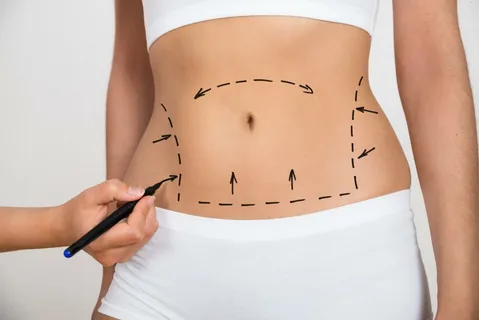
The quality of a consultation often determines the quality of the entire surgical experience. Patients who arrive prepared with specific questions tend to get clearer answers, identify unsuitable providers faster, and feel more confident in their decision. If you are considering liposuction in Dubai, this article outlines the questions worth asking—and explains why each one matters clinically rather than just practically.
Liposuction is a surgical procedure designed to remove localized fat deposits and improve body contours. It is not a substitute for weight loss, and suitable candidates need an individualized assessment. The consultation is therefore an important opportunity to understand whether the procedure is appropriate for your body, goals, and overall health.
Why Preparation Changes the Consultation
A consultation is a two-way assessment. The surgeon evaluates your suitability; you evaluate the surgeon’s judgment, communication style, and honesty. Patients who ask nothing learn only what the clinic chooses to volunteer. Patients who ask targeted questions uncover the details that actually affect safety and satisfaction.
In our clinical experience, the most informative consultations are those where the patient has clearly thought about their goals and concerns beforehand.
Before your appointment, write down your main concerns and goals. You may want to discuss areas of stubborn fat, previous procedures, your desired body contour, recovery requirements, or concerns about scarring and complications.

A good consultation should leave you feeling informed rather than pressured to make an immediate decision.
Liposuction in Dubai: Questions About Qualifications
Start with who is actually performing the procedure.
-
Which surgeon will perform my surgery, and what are their credentials?
-
How many liposuction procedures have you performed?
-
Do you have specific experience with my treatment area?
-
Who provides the anesthesia, and what are their qualifications?
-
Is the facility accredited, and by which body?
You can also ask whether the surgeon has experience with patients who have similar body proportions or treatment goals.
These questions are not intrusive. A confident, qualified surgeon answers them directly. Hesitation or vagueness here is itself informative.
Liposuction in Dubai: Questions About the Plan
The treatment plan should be specific to you, not a standard package.
-
Which technique do you recommend for my areas, and why?
-
How much fat do you anticipate removing?
-
Will the procedure be done in one session or staged?
-
What type of anesthesia will be used?
-
What results do you consider realistic in my case?
-
What would you do if I asked for a result you felt was unsafe?
That last question reveals a great deal about a surgeon’s willingness to prioritize safety over requests.
The answer can reveal whether the surgeon prioritizes patient safety over simply agreeing to a requested outcome. A responsible surgeon should be willing to explain limitations and recommend against treatment when appropriate.
Questions About Risks and Complications
Every procedure carries risk. The relevant question is how those risks are managed.
-
What complications are most relevant in my case?
-
How are complications handled if they occur?
-
What is your revision policy?
-
What signs should prompt me to contact the clinic urgently?
-
Is there a protocol for after-hours concerns?
A clinic that cannot describe its complications policy clearly may not have one.
Questions About Recovery and Aftercare
Recovery planning deserves as much attention as the surgery itself.
| Question | Why It Matters |
|---|---|
| How long is typical downtime? | Helps plan time off work realistically |
| How long must I wear compression garments? | Affects daily comfort and routine |
| How many follow-up visits are included? | Determines continuity of care |
| When can I exercise again? | Prevents premature activity that may affect healing |
| Who do I contact with concerns? | Clarifies the point of contact after surgery |
Questions About Cost and Inclusions
Cost discussions should be transparent rather than vague.
-
What exactly does the quotation include?
-
Are follow-up visits, garments, and medications included?
-
What would additional treatment cost, if needed?
-
Are there any fees that might arise later?
A quotation that itemizes inclusions is easier to compare fairly against others.
What to Observe Beyond the Answers
Communication style matters. A surgeon who listens, asks about your motivations, and explains limitations honestly is generally a better choice than one who promises ideal results without qualification.
During a consultation at Tajmeels Clinic in Dubai, patients are encouraged to ask questions freely, because informed consent depends on genuine understanding rather than a signed form. A clinician who welcomes scrutiny is usually one with nothing to hide.
Conclusion
The questions you ask before surgery shape the outcome as much as the procedure itself. If you are considering liposuction in Dubai, prepare a written list, listen carefully to how each answer is delivered, and treat evasiveness as a warning sign. Individual results vary, and the consultation remains your best opportunity to judge whether a surgeon and clinic are right for you.
What should you ask before liposuction in Dubai? Key questions on surgeon credentials, risks, recovery, costs, and aftercare explained.
Ready for a Change? Book Your Consultation Today
WhatsApp: +971 56 203 8751
Phone: +971 4 373 9000
Social Media:
to get more info read this blog
Author












Natural cheek enhancement focuses on restoring facial balance without making the midface look overly full or artificial. Dermal Fillers in Dubai can be used to restore selected areas of cheek volume, improve contour, and support a more refreshed appearance. Carefully planned Fillers in Dubai may also improve facial proportions by enhancing the transition between the cheeks, lower face, and surrounding features.
At Perfect Doctors Clinic, treatment planning is based on individual facial anatomy, existing cheek structure, age-related changes, skin condition, and the degree of enhancement a patient wants. Options such as Cheek fillers in Dubai, Hyaluronic acid fillers in Dubai, and Juvederm fillers in Dubai may be considered depending on the treatment objective.
Some patients may also combine cheek treatment with Lip fillers in Dubai or Dermal fillers for anti-aging in Dubai when a broader facial rejuvenation approach is appropriate. Patients interested in Long-lasting dermal fillers in Dubai can discuss expected duration, product characteristics, and maintenance with experienced Dermal fillers specialists in Dubai.
How Best Doctors in Dubai Personalize Natural Cheek Enhancement
The Best Doctors in Dubai understand that cheek enhancement should be customized according to facial proportions rather than based on one standard shape. Some people naturally have high cheekbones but lose volume with age, while others may want slightly more definition without a dramatic change.
With Dermal Fillers in Dubai, treatment can be placed strategically in selected cheek areas to improve projection, support, or contour. The amount used depends on facial width, bone structure, skin quality, and the relationship between the cheeks and lower face.
Why Best Doctors in Dubai Evaluate Facial Balance Before Treatment
The Best Doctors in Dubai assess the entire face because the cheeks influence more than the midface alone. Changes in cheek volume can affect the appearance of under-eye transitions, nasolabial folds, and overall facial shape.
Carefully planned fillers in Dubai can therefore focus on restoring harmony rather than simply adding volume.
How Celebrity Doctors In Dubai Create Refined Cheek Contours
Experienced Celebrity Doctors In Dubai often focus on subtle refinement, natural proportions, and facial symmetry. The goal of cheek filler treatment is usually to enhance existing structure rather than creating exaggerated projection.
At Perfect Doctors Clinic, cheek enhancement may involve carefully selected placement depending on whether the patient needs support in the lateral cheek, central cheek, or another suitable area.
Why Celebrity Doctors In Dubai Prefer Individualized Filler Placement
Celebrity Doctors In Dubai understand that filler should be placed differently for different facial shapes. A treatment plan suitable for a narrow face may not be appropriate for a wider or more angular face.
This personalized approach helps Dermal Fillers in Dubai complement the patient’s natural anatomy.
How Celebrity Clinics in Dubai Approach Natural Facial Rejuvenation
The term Celebrity Clinics in Dubai is often associated with aesthetic treatment focused on refined, discreet, and personalized results. Natural cheek enhancement should support facial balance without making treatment obvious.
At Perfect Doctors Clinic, patients may discuss whether cheek enhancement alone is appropriate or whether other areas should also be considered for a more balanced result.
What Patients Expect From Celebrity Clinics in Dubai
Patients considering Celebrity Clinics in Dubai may look for facial assessment, product authenticity, personalized treatment planning, careful injection techniques, and clear aftercare guidance.
When treating cheeks, subtle volume correction may be more appropriate than aggressive enhancement.
How Best Fillers Doctors in Dubai Plan Cheek Enhancement
The Best Fillers Doctors in dubai consider several factors before selecting filler for the cheeks. These include facial structure, skin thickness, age-related volume loss, desired projection, and product characteristics.
A cheek filler may need to provide more structural support than a product selected for the lips.
Why Best Fillers Doctors in Dubai Select Products Carefully
The Best Fillers Doctors in Dubai recognize that product selection can affect contour, movement, and longevity. A filler that works well in one area may not be the best option for another.
At Perfect Doctors Clinic, treatment planning can include discussion of Juvederm fillers in Dubai, Hyaluronic acid fillers in Dubai, and other suitable options depending on individual needs.
How Dr. Perfect Celebrity Designs Natural Cheek Results
Dr. Perfect celebrity focuses on facial proportions, volume distribution, cheekbone structure, and symmetry when planning cheek enhancement at Perfect Doctors Clinic.
The aim is not simply to create larger cheeks. Strategic filler placement can improve definition while preserving natural facial identity.
Why Dr. Perfect Celebrity Uses a Conservative Approach
Dr. Perfect celebrity may recommend conservative filler placement, particularly for patients receiving treatment for the first time. A gradual approach can help avoid unnecessary fullness and allow the final cheek shape to remain proportional to the rest of the face.
How Dermal Fillers in Dubai Restore Midface Volume
Dermal Fillers in Dubai can be used to restore volume that gradually decreases with age. The cheeks are one of the facial areas where volume loss may become noticeable over time.
Carefully selected treatment may improve contour, support the midface, and create smoother transitions between facial areas.
Dermal Fillers in Dubai for Age-Related Cheek Changes
With Dermal Fillers in Dubai, the amount of filler used should reflect the degree of volume loss and the patient’s facial anatomy. Some patients may need only subtle correction, while others may benefit from treatment in multiple cheek zones.
How Fillers in Dubai Support Natural Cheek Definition
Modern fillers in Dubai can be used to refine cheek shape without producing an overly sculpted appearance. Placement can be tailored to create mild projection, improve contour, or restore volume.
At Perfect Doctors Clinic, cheek filler treatment can be planned according to whether the patient wants rejuvenation, definition, or both.
Choosing Fillers in Dubai for Balanced Enhancement
When considering fillers in Dubai, patients should discuss how much change they want. A natural result often involves using enough filler to improve structure without making the cheeks dominate the rest of the face.
Why Fillers Injection in Dubai Requires Precise Cheek Placement
A fillers injection in Dubai should be performed with knowledge of facial anatomy, tissue planes, blood vessels, and appropriate injection depth.
Cheek treatment requires careful placement because different zones contribute differently to facial shape and support.
How Fillers Injection in Dubai Is Planned for the Cheeks
A fillers injection in Dubai may be placed in deeper or more superficial tissue depending on the treatment objective and product characteristics.
At Perfect Doctors Clinic, placement is personalized to the patient’s natural cheek structure.
How Filler Injections in Dubai Can Improve Midface Proportion
Filler injections in Dubai may be used to improve midface contours and create more balanced facial proportions. When appropriately planned, cheek treatment can also complement the chin, jawline, and lips.
Why Filler Injections in Dubai May Be Performed Gradually
Some patients benefit from staged filler injections in Dubai rather than receiving a large volume during one appointment. Gradual enhancement allows the treatment result to be evaluated before additional correction is considered.
What Defines the Best Fillers in Dubai for Cheek Enhancement
The best fillers in Dubai for the cheeks should provide characteristics suitable for the treatment goal. Cheek fillers may require enough structure to support contour while still integrating naturally into surrounding tissues.
Selecting the Best Fillers in Dubai According to Facial Anatomy
The best fillers in Dubai should be selected according to facial shape, product consistency, treatment depth, and expected movement.
A consultation helps determine whether a particular filler is suitable for rejuvenation, contouring, or both.
Why Patients Look for the Best Fillers Clinic in Dubai
A Best Fillers Clinic in Dubai should offer individualized assessment, authentic filler products, careful treatment planning, appropriate aftercare, and realistic expectations.
Perfect Doctors Clinic for dermal fillers in Dubai focuses on personalized consultation before treatment.
What to Discuss With the Best Fillers Clinic in Dubai
When consulting a Best Fillers Clinic in Dubai, patients can discuss cheek shape, expected projection, product type, treatment longevity, potential side effects, and overall treatment cost.
Patients choosing Perfect Doctors Clinic for dermal fillers in Dubai may also review whether a staged treatment approach would be beneficial.
How Cheek Fillers in Dubai Enhance Facial Structure Naturally
Cheek fillers in Dubai may restore age-related volume, improve cheekbone definition, and enhance midface proportions. Treatment can be subtle or more structural depending on the patient’s anatomy and goals.
The objective should be to support the natural shape of the face rather than creating an identical cheek contour for every patient.
Cheek Fillers in Dubai for Subtle Rejuvenation
Cheek fillers in Dubai may be particularly useful for patients who notice flattening or reduced definition in the midface.
Conservative treatment can help restore selected volume while maintaining natural facial expression.
How Lip Fillers in Dubai Can Complement Cheek Enhancement
Lip fillers in Dubai may sometimes be combined with cheek treatment when overall facial balance is the goal. Enhancing the cheeks without considering other features can occasionally make proportions feel incomplete.
Balancing Lip Fillers in Dubai With Cheek Contours
When Lip fillers in Dubai are combined with cheek treatment, both areas should be enhanced conservatively. The objective is to create harmony between the upper, middle, and lower face rather than making one feature dominate.
Why Dermal Fillers for Anti-Aging in Dubai Often Include the Cheeks
Dermal fillers for anti-aging in Dubai frequently involve cheek assessment because age-related midface volume loss can contribute to a tired or flattened appearance.
Restoring selected cheek volume may help improve facial structure and provide a more refreshed appearance.
Using Dermal Fillers for Anti-Aging in Dubai Conservatively
A conservative approach to Dermal fillers for anti-aging in Dubai can help maintain facial identity while addressing selected volume loss.
The goal is often restoration rather than dramatic reshaping.
How Juvederm Fillers in Dubai May Be Used for Cheek Enhancement
Juvederm fillers in Dubai include hyaluronic acid-based formulations designed for different aesthetic purposes. Depending on the specific formulation, some products may be considered for cheek volume and contouring.
Choosing Juvederm Fillers in Dubai for Midface Support
The suitability of Juvederm fillers in Dubai depends on the patient’s anatomy, treatment depth, desired projection, and selected product.
Not every formulation is intended for the same treatment area.
Why Hyaluronic Acid Fillers in Dubai Are Commonly Used
Hyaluronic acid fillers in Dubai are widely used in facial aesthetics because hyaluronic acid naturally occurs in the body and contributes to tissue hydration and volume.
Different formulations can provide different levels of softness, flexibility, and structural support.
Hyaluronic Acid Fillers in Dubai for Natural Cheek Contours
For cheek treatment, Hyaluronic acid fillers in Dubai may be selected according to the level of support needed. Product characteristics should match the treatment area and intended contour.
Why Dermal Fillers Specialists in Dubai Matter for Cheek Treatment
Experienced Dermal fillers specialists in Dubai understand that cheek enhancement requires both aesthetic judgment and anatomical knowledge.
The cheeks contain important structures, and precise injection technique is essential for achieving a balanced result.
How Dermal Fillers Specialists in Dubai Customize Treatment
Professional Dermal fillers specialists in Dubai evaluate medical history, facial structure, previous filler treatments, product suitability, and aesthetic goals before proceeding.
This helps create a more individualized plan.
Understanding Long-Lasting Dermal Fillers in Dubai
The duration of Long-lasting dermal fillers in Dubai depends on filler type, treatment area, metabolism, injection technique, and individual biological factors.
Cheek fillers may behave differently from fillers placed in highly mobile areas such as the lips.
Maintaining Long-Lasting Dermal Fillers in Dubai
Patients considering Long-lasting dermal fillers in Dubai should understand that maintenance schedules vary.
Follow-up appointments can help determine when or whether additional filler is appropriate.
Understanding Fillers Cost in Dubai for Cheek Enhancement
Fillers Cost in Dubai depends on the filler selected, the amount required, the number of treatment areas, and the complexity of the treatment plan.
At Perfect Doctors Clinic, fillers cost in Dubai AED 999.
The total fillers Cost in Dubai may vary because some patients require only one syringe while others may need more product to achieve balanced cheek enhancement.
What Influences Fillers Cost in Dubai
Factors affecting Fillers Cost in Dubai may include the product formulation, amount used, treatment area, degree of correction, and individualized aesthetic goals.
Patients should discuss the stated fillers cost in Dubai AED 999 during consultation to understand their personalized treatment recommendation.
Perfect Doctors Clinic for Dermal Fillers in Dubai and Cheek Enhancement
Perfect Doctors Clinic for dermal fillers in Dubai provides personalized facial assessments focused on anatomy, balance, and realistic aesthetic goals.
At Perfect Doctors Clinic, treatment options may include Cheek fillers in Dubai, Lip fillers in Dubai, Juvederm fillers in Dubai, and Hyaluronic acid fillers in Dubai.
Why Choose Perfect Doctors Clinic for Dermal Fillers in Dubai
Patients considering Perfect Doctors Clinic for dermal fillers in Dubai can discuss whether cheek filler alone is suitable or whether other facial areas should also be evaluated.
The treatment plan may also include discussion of expected longevity, aftercare, possible side effects, and maintenance.
Frequently Asked Questions About Fillers in Dubai
How Do Dermal Fillers in Dubai Enhance the Cheeks?
Dermal Fillers in Dubai can restore selected areas of volume, improve cheek definition, and support overall midface balance. The exact placement depends on facial anatomy and treatment goals. Some patients need subtle rejuvenation, while others want more noticeable cheekbone definition. Personalized assessment helps determine the appropriate amount and location.
How Long Do Fillers in Dubai Last in the Cheeks?
The duration of fillers in Dubai varies according to product type, metabolism, treatment location, amount used, and individual factors. Cheek filler may last differently from filler placed in the lips because the cheeks generally experience different levels of movement. Patients interested in Long-lasting dermal fillers in Dubai should discuss expected duration during consultation.
Are Cheek Fillers in Dubai Suitable for Facial Aging?
Yes. Cheek fillers in Dubai may be used to restore volume that has decreased over time. This can improve cheek contours and help support facial proportions. Conservative treatment is often preferred when the goal is anti-aging rather than major facial reshaping.
Can Lip Fillers in Dubai Be Combined With Cheek Fillers?
Yes. Lip fillers in Dubai and cheek filler may be combined when both areas contribute to overall facial balance. However, each area should be assessed independently and treatment should remain proportionate. Some patients may benefit from staged treatment instead of addressing both areas at once.
Are Juvederm Fillers in Dubai Used for Cheeks?
Some Juvederm fillers in Dubai are designed for facial volume and contouring, including suitable cheek applications depending on the formulation. Product selection should be based on the treatment area, desired projection, and individual anatomy.
Are Hyaluronic Acid Fillers in Dubai Suitable for Cheek Enhancement?
Yes. Hyaluronic acid fillers in Dubai are commonly used for cheek enhancement. Different formulations have varying levels of firmness and flexibility, so product selection should match the required level of support and the patient’s facial structure.
How Do I Choose the Best Fillers in Dubai for My Cheeks?
The best fillers in Dubai depend on your facial anatomy, desired contour, treatment depth, and product characteristics. Consultation with experienced Dermal fillers specialists in Dubai helps determine which filler is appropriate for your specific goals.
What Is the Fillers Cost in Dubai?
At Perfect Doctors Clinic, fillers cost in Dubai AED 999. However, the overall Fillers Cost in Dubai can depend on the amount of product required, the filler selected, and the number of areas treated. A consultation provides a more personalized estimate.
Conclusion
Natural cheek enhancement should improve facial structure without making the face look excessively filled or dramatically altered. The Best Doctors in Dubai, experienced Celebrity Doctors In Dubai, reputable Celebrity Clinics in Dubai, and skilled Best Fillers Doctors in Dubai generally focus on individualized assessment, facial balance, appropriate product selection, and conservative volume placement.
At Perfect Doctors Clinic, Dermal Fillers in Dubai and fillers in Dubai can be personalized according to cheek structure, age-related volume loss, and overall facial proportions. Treatment may include Cheek fillers in Dubai, Lip fillers in Dubai, Juvederm fillers in Dubai, Hyaluronic acid fillers in Dubai, Dermal fillers for anti-aging in Dubai, and Long-lasting dermal fillers in Dubai.
Patients considering Perfect Doctors Clinic for dermal fillers in Dubai can consult experienced Dermal fillers specialists in Dubai to discuss expected results, product selection, aftercare, treatment longevity, and Fillers Cost in Dubai. At Perfect Doctors Clinic, fillers cost in Dubai AED 999, with the final treatment plan based on individual facial needs.
Author


Ayurveda is an ancient Indian system of traditional wellness that emphasizes plants, herbs, and everyday lifestyle practices. For generations, various botanicals have been used in traditional preparations, each with its own characteristics and history. One such herb is Gudmar, scientifically known as Gymnema sylvestre. This climbing plant is native to parts of India and other tropical regions and is particularly recognised for its unusual relationship with the perception of sweetness.
Gudmar has attracted attention in traditional herbal practices because of its historical association with metabolic wellness. In recent years, researchers have also begun investigating its naturally occurring compounds to better understand their possible biological effects. Learning about Gudmar involves looking at its botanical characteristics, traditional applications, active compounds, modern preparations, and safety considerations.
What Is Gudmar?
Gudmar is a woody climbing plant belonging to the Apocynaceae family. It grows in tropical and subtropical environments and has a long history of use in traditional Indian herbal practices. Its leaves are the plant part most commonly associated with traditional preparations.
The name Gudmar is often translated as “sugar destroyer.” This name comes from the plant’s distinctive effect on the sensation of sweetness. Chewing its leaves may temporarily reduce a person’s ability to taste sweet foods and drinks in the usual way.
This effect is associated with naturally occurring compounds called gymnemic acids. These compounds can interact with sweet taste receptors on the tongue, temporarily influencing how sweetness is perceived. This characteristic has made Gudmar an interesting subject for botanical research.
However, the name “sugar destroyer” should not be interpreted as evidence that the herb eliminates sugar from the body or reliably controls blood glucose levels. Its effects on taste perception and its possible effects on blood sugar are different matters that require separate scientific investigation.
The Traditional Role of Gudmar in Ayurveda
Gudmar has been included in traditional Ayurvedic herbal practices for generations. Within this system, plants are understood according to their traditional characteristics, methods of preparation, and intended uses. Gudmar has historically been associated with preparations related to metabolic balance and sugar-related wellness.
Traditional herbal formulations may combine different plants rather than relying on a single ingredient. The selection of herbs can depend on the preparation, traditional knowledge, and the purpose for which the formulation is intended.
Ayurveda also places importance on broader lifestyle practices, including eating habits, daily routines, physical activity, and maintaining balance in everyday life. In this context, Gudmar represents one part of a much wider tradition of using botanical ingredients.
It is important, however, to distinguish traditional use from scientifically established medical benefits. The fact that an herb has been used for a long time does not automatically establish that it is effective for treating a particular condition. Modern clinical research is necessary to evaluate its benefits, limitations, appropriate use, and potential risks.
Important Natural Compounds Found in Gudmar
One of the main reasons Gudmar receives scientific attention is its collection of naturally occurring plant compounds. Gymnemic acids are among its best-known constituents and are associated with its effect on sweet taste perception.
Researchers are also studying other compounds found in Gymnema sylvestre to understand their biological activities. Laboratory experiments and early human studies have explored possible relationships between Gudmar preparations and blood glucose regulation. Nevertheless, the results can vary according to the preparation, dosage, study design, and characteristics of the participants.
The concentration of active compounds may differ between raw leaves, powders, extracts, and commercially prepared supplements. Consequently, findings from one preparation cannot automatically be applied to every product containing Gudmar.
Further well-designed human studies are needed to establish whether particular preparations offer meaningful health benefits and to identify their long-term safety profile.
How Is Gudmar Used in Modern Herbal Products?
Gudmar is available in different forms, depending on traditional practices and modern manufacturing methods. Common forms include dried leaves, herbal powders, capsules, and plant extracts.
Dried leaves: Leaves are the plant material most commonly associated with traditional use. Their preparation and consumption may differ according to local practices.
Herbal powders: Dried plant material can be processed into powder for use in certain herbal preparations. The composition may depend on the quality of the raw material and the manufacturing process.
Capsules and extracts: Some modern products contain powdered Gudmar or concentrated plant extracts. These preparations may differ in strength and concentration, so their labels and ingredient information should be reviewed carefully.
People interested in traditional Indian herbal practices can visit Arkveda Herbals to learn more about its herbal wellness approach. The Arkveda Herbals products page provides an opportunity to review product information and available formulations.
When evaluating any herbal product, consumers should look beyond its name or marketing claims. Useful details include the botanical ingredient, quantity, serving instructions, manufacturer information, quality-testing practices, and any relevant warnings. Products containing the same herb may not have identical compositions or effects.
Gudmar and Modern Scientific Research
Modern researchers are interested in whether compounds found in Gudmar may influence processes associated with glucose metabolism. Some preliminary studies have investigated its possible effects on blood glucose levels and other metabolic markers.
However, research findings must be interpreted carefully. Studies may involve small groups of participants, different extract concentrations, or combinations of ingredients. These differences make it difficult to draw broad conclusions about the effectiveness of Gudmar supplements.
Evidence from laboratory studies also does not necessarily predict the results in humans. Larger, well-controlled clinical trials are needed to determine which preparations, if any, may provide benefits, who might benefit, and what risks could be involved.
At present, Gudmar should not be considered a proven treatment for diabetes or a substitute for established medical care. Anyone interested in its possible health applications should discuss the available evidence with a qualified healthcare professional.
Important Safety Considerations
Although Gudmar has a history of traditional use, herbal products can still cause side effects or interact with medicines. One particularly important concern is its possible influence on blood glucose levels.
People taking insulin or other medicines that lower blood sugar may face an increased risk of hypoglycaemia if they use Gudmar alongside their prescribed treatment. Symptoms of low blood sugar can include sweating, shaking, dizziness, confusion, and weakness. Anyone experiencing severe symptoms should seek urgent medical assistance.
People with existing health conditions or those taking regular medication should consult a qualified healthcare professional before using Gudmar supplements. Pregnant or breastfeeding individuals should also seek medical advice before considering its use because safety information may be insufficient.
Consumers should follow product instructions and avoid taking larger quantities in the belief that more will produce better results. Choosing products with transparent ingredient information and appropriate quality controls is also important.
Most importantly, Gudmar should not replace prescribed medication, professional medical advice, a balanced diet, or other recommended diabetes-management practices.
Conclusion
Gudmar, scientifically known as Gymnema sylvestre, is a notable plant in traditional Ayurvedic herbal practices. Its leaves are recognised for their distinctive effect on sweetness perception, while compounds such as gymnemic acids continue to attract scientific interest.
The herb’s traditional background offers an opportunity to understand the relationship between botanical knowledge and modern research. At the same time, its potential effects on blood glucose regulation remain an area requiring further investigation. Traditional use alone cannot establish its effectiveness as a medical treatment.
By understanding Gudmar’s botanical characteristics, exploring reliable product information, and considering its possible interactions and safety concerns, readers can make more informed decisions about herbal wellness. A balanced approach combines respect for traditional knowledge with careful evaluation of scientific evidence and guidance from qualified healthcare professionals.
Author


When a patient visits a hospital, a lot of information is created during their visit. There may be a prescription, a lab report, a scan, or a discharge summary. Keeping all this information in one system is easy enough. The real challenge starts when this information needs to work with another healthcare system.
This is where ABDM comes into the picture. It is designed to help different healthcare systems connect and exchange health information in a more organised way.
If you are working on ABDM integration, you will come across **M1, M2, and M3**. These names may sound a bit technical, but the idea behind them is quite simple.
M1, M2, and M3 are different steps in the ABDM process. M1 starts with the patient’s ABHA, M2 deals with their health records, and M3 is about sharing health information when needed.
Let’s understand each step one by one.
M1 starts with the patient’s digital health identity.
The next step is about their health records. After that comes the sharing of health information.
In simple words:
- M1 is about ABHA
- M2 is about health records
- M3 is about sharing health information
Each step adds something new to the system.
M1: Starting With ABHA
M1 is the starting point for many ABDM-related activities.
It mainly deals with ABHA, or Ayushman Bharat Health Account. ABHA gives a person a digital health identity.
For a hospital or clinic, this can become part of the normal patient registration process.
For example, when a patient visits a hospital, the system may allow the staff to:
- Create an ABHA
- Find an existing ABHA
- Check ABHA details
- Link the ABHA with the patient’s records
This gives the patient a digital identity that can be used with ABDM-enabled services.
For a healthcare organisation that is just starting with ABDM, this is one of the first things to look at.
M2: Adding Health Records
After the patient’s digital identity is set up, the next thing is the patient’s health information.
This is where M2 comes in.
Think about the information a patient collects during treatment. It could be a blood test report, prescription, scan report, or discharge summary.
Normally, this information stays inside the system of the hospital or clinic where it was created. ABDM aims to make such information more connected between participating healthcare systems.
This also means that health records need to be prepared in a format that different systems can understand.
FHIR is one of the standards used for this purpose. You don’t need to know all the technical details of FHIR. The basic idea is simple: it helps healthcare software exchange information in a common format.
Depending on the organisation and its requirements, M2 may also involve things such as the Health Facility Registry (HFR) and Healthcare Professionals Registry (HPR).
So, if M1 is about knowing who the patient is, M2 is about the health information connected to that patient.
M3: Sharing Health Information
M3 takes the process a little further.
Suppose a patient has visited one hospital before and later goes to another healthcare provider. If the systems are connected, relevant health information can be exchanged through the ABDM framework.
But there is an important point here.
A patient’s health information should not simply be shared without the required permission. Patient consent is an important part of the process.
M3 can involve things like:
- Consent management
- Health information exchange
- HIP and HIU workflows
- FHIR-based data sharing
- ABDM APIs
The exact setup can be different for different healthcare organisations.
The main idea is to make it possible to share the right health information at the right time, while following the required consent process.
M1, M2 and M3 in Simple Words
If the terms still sound confusing, remember them this way:
M1 – Who is the patient?
ABHA provides the patient’s digital health identity.
M2 – What health records does the patient have?
The patient’s digital health records are created and connected.
M3 – Can those records be shared?
Relevant information can be exchanged through the ABDM process when the required consent is available.
So the journey is basically:
ABHA → Health Records → Health Information Exchange
Why Do These ABDM Stages Matter?
For a hospital or healthcare company, ABDM integration can seem like a big task.
Understanding each ABDM Milestones makes it easier to break the work into smaller parts. Instead of trying to do everything together, an organisation can first look at ABHA, then health records, and then information exchange.
This can also make things easier for the technical team.
For example, a hospital may already have an HMIS or EMR system. It may not need to replace the whole system. The existing software can be checked and the required ABDM features can be added through integration.
What Should a Healthcare Organisation Check?
Before starting ABDM integration, it is a good idea to look at the system you are already using.
Ask a few simple questions:
- Can the software work with ABDM APIs?
- Can it create or verify ABHA?
- Can it create digital health records?
- Can it support the required health record formats?
- How will patient consent be handled?
- Is the system ready for testing?
- Are the required HFR and HPR processes completed?
The answers will depend on the type of healthcare organisation and what it wants to do with ABDM.
What About Existing HMIS, EMR or EHR Software?
This is a common question for hospitals and healthcare software companies.
If you already have an HMIS, EMR, EHR, laboratory system, or another healthcare application, you may not want to build everything again.
This is where an ABDM integration platform can help.
ABDM Connector helps healthcare applications connect with ABDM. It can be used by hospitals, clinics, labs, HMIS providers, EMR/EHR companies, and other healthcare technology businesses that are working on ABDM integration.
For a team that already has its own healthcare software, using an integration platform can be one option to consider while planning the ABDM setup.
A Simple Example
Let’s take a simple example.
A patient visits a hospital.
First, the hospital creates or verifies the patient’s ABHA. This is part of M1.
The patient then gets a prescription and some test reports. These digital records become part of the next stage, M2.
Later, the patient visits another connected healthcare provider. If the required consent is given, relevant health information can be exchanged through the ABDM system. This is where M3 comes in.
That’s the basic idea.
It starts with the patient’s identity, moves to their health records, and then moves towards sharing those records when needed.
Conclusion
ABDM is changing the way digital healthcare systems can work together in India.
M1, M2 and M3 are useful stages to understand when planning ABDM integration. M1 focuses on ABHA, M2 focuses on health records, and M3 focuses on health information exchange.
For hospitals, clinics, laboratories, and healthcare software companies, knowing these stages can make the integration process easier to understand.
You don’t have to look at ABDM as one huge technical task. Start with where your system is today, understand what you need, and then work through the required stages one by one.
Author



Best Doctors in Dubai for Fillers and Natural Cheek Enhancement
Accounting Outsourcing to India for Irish Accountants

How Much Does It Cost to Start a Business in Ajman?

The Ultimate List of At Home Date Night Ideas for Couples

Construction Documentation Services: Benefits for Architecture Firms

What Is Gudmar? Exploring Its Traditional Role in Ayurveda

Online Baby Shower Wishes Card | Baby Shower Ecards

Dua to Get Love Back in Islam: A Complete Guide

World777 Official – An Informative Guide to Platform Features

How Millwork Shop Drawings Drive Fabrication Accuracy

Cybersecurity Consulting Company SequelNet Provides Critical IT Support Services to Medical Billing Firm, Medical Optimum

Meet the Megalodon: The Shark Star of ‘Meg 2’

Reduce Video Game Lag: Level Up Your Gaming Performance

Balancing India’s Entertainment: Cricket vs. Bollywood

Jetsetter’s Secrets: Unveiling Our Favorite Travel Hacks for a Seamless Adventure

The 5 Best Live Sports Streaming Sites: Legal and Exciting!

Hollywood Labor Unrest: The Impact of ‘What About Us?’ Strikes

Unveiling the Magic of Dream Fulfillment at the Late NBA Draft

Illuminate Your Skin: Dr. Axe Unveils Natural Remedies for Lightening Knees and Elbows

Bright Choices: Navigating the Pros and Cons of Skin Whitening Creams with Dr. Axe
-

 Business3 years ago
Cybersecurity Consulting Company SequelNet Provides Critical IT Support Services to Medical Billing Firm, Medical Optimum
-
Entertainment3 years ago
Meet the Megalodon: The Shark Star of ‘Meg 2’
-
Entertainment3 years ago
Reduce Video Game Lag: Level Up Your Gaming Performance
-
 Sports3 years ago
Balancing India’s Entertainment: Cricket vs. Bollywood
-
Entertainment3 years ago
Jetsetter’s Secrets: Unveiling Our Favorite Travel Hacks for a Seamless Adventure
-
Productivity3 years ago
The 5 Best Live Sports Streaming Sites: Legal and Exciting!
-
Art /Entertainment3 years ago
Hollywood Labor Unrest: The Impact of ‘What About Us?’ Strikes
-
Sports3 years ago
Unveiling the Magic of Dream Fulfillment at the Late NBA Draft






