
Equipments
Pellet Guns: Types, Features, Safety & Buying Guide


Pellet guns have become popular among recreational shooters, target shooting enthusiasts, and individuals interested in learning shooting fundamentals. Modern pellet guns offer improved accuracy, advanced technology, and a wide range of designs suitable for different skill levels and applications.
If you are researching pellet guns for sale, it is important to understand the different types available, how they operate, and the safety responsibilities that come with ownership and use.
What Is a Pellet Gun?
A pellet gun is an air-powered firearm-like device that propels a small pellet using compressed air, gas, or a spring-piston mechanism. Unlike traditional firearms, pellet guns do not use gunpowder to launch projectiles.
Pellet guns are commonly used for:
- Target shooting
- Recreational shooting sports
- Marksmanship training
- Backyard range practice where legally permitted
- Shooting competitions
Many shooters appreciate pellet guns because they generally produce less noise and recoil than conventional firearms while still requiring proper safety precautions.
How Pellet Guns Work
Pellet guns use compressed energy to propel a pellet through the barrel. The method used to generate this energy varies depending on the type of airgun.

Spring-Piston Pellet Guns
Spring-piston models use a compressed spring and piston mechanism. When the trigger is pulled, the spring releases energy that compresses air behind the pellet, propelling it forward.
Advantages include:
- No external air source required
- Reliable operation
- Lower maintenance requirements
CO₂ Pellet Guns
CO₂-powered pellet guns use replaceable carbon dioxide cartridges to generate pressure.
Benefits include:
- Easy operation
- Fast follow-up shots
- Consistent shooting experience
However, performance can be affected by temperature fluctuations.
PCP Pellet Guns
PCP pellet guns use high-pressure compressed air stored in an onboard reservoir.
Advantages often include:
- Excellent accuracy
- Minimal recoil
- Higher shot capacity
- Consistent velocity
These systems require specialized air pumps or compressed air tanks for refilling.
Common Pellet Types
Pellets are available in various shapes and weights designed for different purposes.
Wadcutter Pellets
Wadcutter pellets have a flat nose and are commonly used for paper target shooting because they create clean holes in targets.
Domed Pellets
Domed pellets offer a balance of accuracy and aerodynamic performance, making them popular for general target shooting.
Hollow Point Pellets
Hollow point designs are engineered to expand more upon impact and are commonly discussed in sporting and pest-control contexts where legal.
Pointed Pellets
Pointed pellets are designed to improve penetration and are often selected for specific shooting applications.
Selecting the correct pellet type can significantly affect accuracy and performance.

Important Features to Consider
When researching pellet guns for sale, understanding key features can help you choose equipment that matches your intended use.
Caliber
Common pellet gun calibers include:
- .177 caliber
- .22 caliber
- .25 caliber
Each caliber offers different characteristics regarding velocity, energy, and trajectory.
Accuracy
Barrel quality, trigger design, pellet selection, and shooter technique all influence accuracy.
Many experienced shooters recommend testing different pellet brands to determine which performs best in a specific airgun.
Velocity
Velocity is typically measured in feet per second (FPS). Higher velocity does not always guarantee better accuracy, making balanced performance more important than speed alone.
Optics Compatibility
Many modern pellet guns include mounting systems for scopes or red-dot sights, allowing shooters to improve precision and target acquisition.
Safe Handling Practices
Important safety guidelines include:
-
Always ensure the muzzle is directed towards a safe area.
-
Keep your finger away from the trigger until you are prepared to fire.
- Be certain of your target and what lies beyond it.
- Wear appropriate eye protection.
- Store pellet guns securely when not in use.
- Follow all local laws and regulations.
Responsible handling significantly reduces the risk of accidents and injuries.
Maintenance and Care
Regular maintenance helps keep guns functioning properly and can extend their lifespan.
Basic maintenance typically includes:
- Cleaning the barrel periodically
- Inspecting seals and O-rings
- Checking mounting screws
- Properly storing equipment in a dry location
- Following manufacturer maintenance recommendations
PCP and CO₂ systems may require additional maintenance procedures depending on their design.
Understanding Local Regulations
Laws regarding pellet gun ownership, transportation, and use vary between countries and regions. Before purchasing or using any air-powered shooting equipment, it is important to understand and comply with applicable local regulations.
Always review the current laws in your area and follow any licensing, transportation, or usage requirements that may apply.
Why Education and Safety Matter
Pellet guns can be valuable tools for learning marksmanship, improving shooting skills, and participating in recreational shooting sports. However, safe handling, proper maintenance, and responsible use are essential components of ownership.
Taking the time to understand equipment features, operation methods, and safety principles helps create a safer and more enjoyable shooting experience. For those interested in learning more about available options, you can explore various guns for sale while ensuring that any use complies with local laws and established safety practices.
Author


If you have received a diagnosis of Sleep Apnea, or you think you may have it, choosing the right equipment can feel confusing. You may come across machines, masks, hoses, humidifiers, filters, and other accessories. Each item has a different purpose, so knowing where to begin can save you time and frustration.
The right setup should make your nightly routine easier. It must also be comfortable enough for regular use. This guide explains the main types of equipment, how they work, and what you should consider before choosing your setup.
What Is Sleep Apnea Equipment?
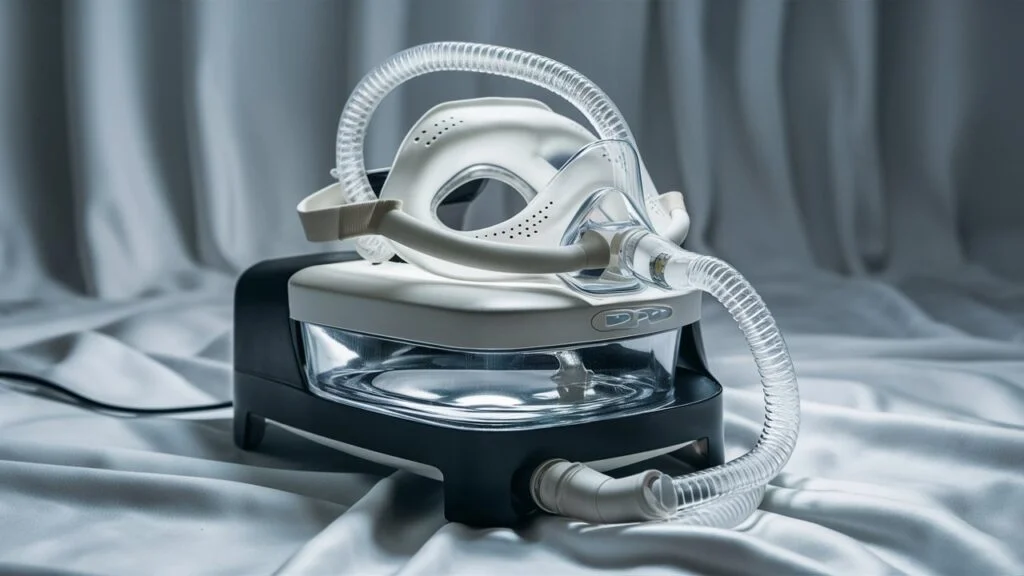
Sleep apnea equipment includes the devices and accessories that support positive airway pressure therapy for obstructive. A typical setup contains several important components.
- CPAP machines provide a steady flow of pressurized air. This airflow helps keep the airway open while you sleep.
- CPAP masks connect you to the machine. You can choose from nasal masks, nasal pillow masks, and full-face masks. Every style provides varying degrees of comfort and coverage.
- Tubing and hoses transport air from the machine to your mask. Some models include heated tubing. This option can help reduce condensation and make the airflow more comfortable.
- Humidifiers add moisture to the air. They can help reduce common problems such as a dry mouth, dry nose, or irritated throat.
- Filters, cushions, and headgear also play an important role. These parts need regular cleaning or replacement to maintain comfort and proper performance.
You can also find batteries and travel accessories for people who travel frequently or need backup power during an outage.
Why Equipment Choice Matters
Many people underestimate how much equipment affects their experience with therapy. A machine may work effectively, but discomfort can make it difficult to use every night.
For example, a poorly fitted mask can leak air. Tight headgear can leave marks on your face. A noisy machine may disturb your sleep. Even a hose that gets tangled when you turn over can become a nightly annoyance.
These small problems can add up quickly. As a result, some people stop using their equipment before they have had enough time to adjust.
That is why choosing your equipment should not feel like an afterthought. Your comfort matters. Your sleeping position, breathing habits, facial structure, and personal preferences should all influence your choices.
Choosing a CPAP Machine
The Sleep Apnea machine sits at the center of your setup. Modern machines offer several features designed to make therapy easier than it was in the past.
Many current models operate quietly and provide useful therapy data. Some also connect with smartphone apps, allowing users and healthcare professionals to review information about their treatment.
When comparing different machines, look beyond appearance and price. Consider factors such as pressure adjustment, noise level, data tracking, portability, and available accessories.
Your prescribed pressure settings also matter. Never change pressure settings on your own without guidance from an appropriate healthcare professional. The goal is to find equipment that supports your prescribed treatment while fitting naturally into your nightly routine.
Finding the Right CPAP Mask
For many users, the mask becomes the most important comfort decision. Fortunately, you have several styles to consider.
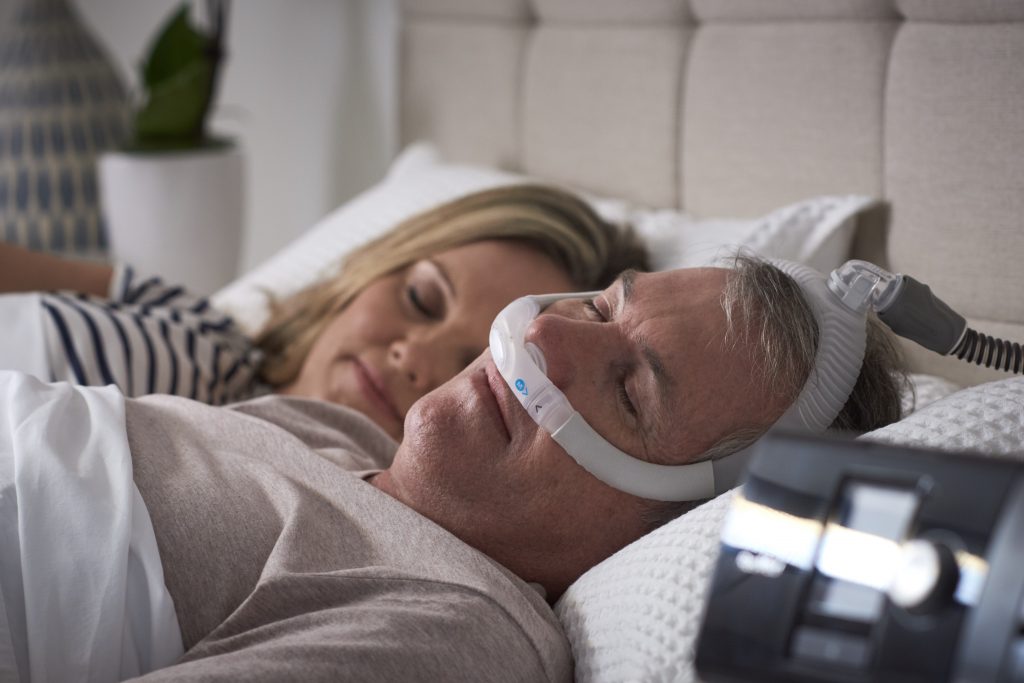
- Nasal pillow masks rest around the nostrils. They have a lightweight design and leave most of the face uncovered. This style may appeal to people who prefer minimal facial contact.
- Nasal masks cover the nose. They offer more coverage than nasal pillows while still keeping the mouth uncovered. They can work well for people who primarily breathe through their nose.
- Full-face masks cover both the nose and mouth. They may suit people who breathe through their mouth during sleep or need a mask that accommodates both breathing routes.
There is no single mask that works perfectly for everyone. Your sleep position and breathing habits can influence your choice. You may also need to try more than one style before you find a comfortable fit. That process is normal.
Maintaining Your Equipment
Proper maintenance can help your equipment remain comfortable and functional. Start by following the cleaning and replacement instructions provided by the manufacturer.
Clean your tubing, mask components, and water chamber regularly. Regular cleaning can help reduce the buildup of dirt and other unwanted material.
Replace filters and mask cushions according to manufacturer recommendations. Worn cushions may affect the seal and create more leaks. A clogged filter can also interfere with airflow.
If you travel often, keep an eye on your backup power options. A suitable battery can provide extra peace of mind during travel or unexpected power interruptions.
You should also stay informed about manufacturer safety notices and recalls. If a manufacturer issues a recall for a particular machine or component, follow the recommended steps promptly.
Equipment Is Only One Part of Treatment
Buying a machine does not automatically solve every challenge. Successful therapy also depends on proper diagnosis, appropriate settings, mask fit, regular use, and ongoing support.
You may experience dryness, leaks, discomfort, or difficulty adjusting to the airflow. Instead of abandoning therapy, discuss these issues with a qualified healthcare professional or sleep specialist. Small adjustments can sometimes make a major difference. Personal guidance Sleep Apnea can also help you understand your equipment and develop a routine that feels manageable.
A More Personalized Approach to Equipment
At CPAP Rx, equipment does not have to feel like a simple product purchase. The company combines equipment recommendations with access to sleep coaching. This approach can help users understand their options and work through common comfort or adjustment concerns.
If you are unsure where to begin, resources such as a sleep quiz or AHI calculator may help you prepare questions for a healthcare professional. However, these tools should not replace professional diagnosis or medical advice.
The best setup is not necessarily the most expensive one. Instead, it should match your needs and make consistent therapy easier.
Choosing the right equipment can make your therapy more comfortable and manageable. Take time to understand your options and maintain your supplies properly. Also, seek professional guidance whenever you experience problems with your equipment or treatment.
Most importantly, focus on creating a setup that fits naturally into your lifestyle. When your mask feels comfortable, your machine suits your needs, and your routine feels manageable, you have a better chance of staying consistent with therapy. With the right equipment and appropriate support, nightly treatment can become a simpler part of your daily routine rather than another source of frustration.
Final Thoughts
Choosing the right equipment can make a significant difference in your therapy experience. You do not need to find the perfect setup on your first try. Instead, focus on comfort, proper fit, reliable performance, and equipment that suits your daily routine.
Start with the basics and give yourself time to adjust. If you notice mask leaks, dryness, discomfort, or other problems, do not ignore them. Speak with a qualified healthcare professional or sleep specialist who can help you find practical solutions.
Most importantly, remember that successful therapy involves more than simply owning a machine. Consistent use, proper maintenance, and ongoing support all matter. When your equipment fits your needs and feels comfortable, following your treatment routine can become much easier.
A thoughtful approach to choosing and maintaining your equipment can help you feel more confident about your nightly routine. Take the time to understand your options, ask questions, and choose equipment that works with your lifestyle rather than against it.
Author


Let’s be honest — buying electronics online sounds convenient until you actually need to buy something big. A washing machine. A refrigerator. A television for your living room. Suddenly you have a hundred questions. Will it fit in my kitchen corner? Is the sound quality actually good, or does it just look good in the photos? What happens if something goes wrong after a month?
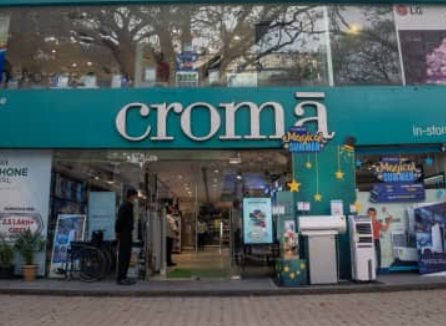
This is exactly why so many people in the city still prefer walking into a proper store before spending their hard-earned money. And if you’re looking for a reliable place to do that, croma ahmedabad is worth your time.
Why a Physical Store Still Makes Sense in 2026
We live in a world where you can order almost anything with one tap. So why bother visiting a store at all?
Here’s the thing — screens can’t tell you everything. You can’t feel how heavy a mixer grinder is, or how a laptop keyboard actually types under your fingers, or how bright a TV screen really looks in daylight, just by scrolling through pictures. A store lets you touch, test, and compare products side by side, in real life, before you commit.
At croma ahmedabad, you get exactly this kind of hands-on experience. You can walk around, try out different models, ask a staff member “which one is better for my needs,” and actually get a real answer — not a generic chatbot reply.
What You’ll Actually Find There
Think of it less like a single-category shop and more like a one-stop destination for anything electronic or home-related. Here’s a quick sense of what’s usually available:
- Mobile phones and tablets — from budget-friendly options to the latest flagship models
- Laptops and computers — for work, gaming, or everyday browsing
- Televisions — different screen sizes and technologies to match your room and budget
- Home appliances — refrigerators, washing machines, microwaves, air conditioners, and more
- Small kitchen appliances — mixers, induction cooktops, air fryers, and other everyday helpers
- Audio devices — headphones, speakers, and soundbars for music lovers
Whether you’re setting up a new home, replacing an old appliance that’s finally given up, or just upgrading your phone, chances are it’s all under one roof.
The Part Everyone Loves: EMI Options
Now let’s talk about something that actually matters when you’re planning a big purchase — your budget.
Nobody wants to spend their entire month’s savings on one appliance in a single shot. That’s where buying croma products on emi becomes genuinely useful. Instead of paying the full amount upfront, you can split the cost into smaller, manageable monthly payments. This makes it much easier to bring home that new refrigerator or television without putting a dent in your monthly finances all at once.
If you’re someone who plans purchases carefully (and honestly, who doesn’t these days?), asking about EMI options when you visit is a smart move. It’s worth checking the store directly for current EMI plans, interest rates, and any ongoing offers, since these details tend to change from time to time.
Real Help From Real People
One thing that genuinely makes a difference is having someone knowledgeable to talk to. When you’re comparing two washing machines that look almost identical on paper, a store representative who actually understands the products can explain the real differences — energy efficiency, noise levels, durability, warranty coverage — things that aren’t always obvious from a spec sheet.
This kind of guidance is especially helpful for elderly family members or anyone who isn’t very comfortable with online shopping. Sometimes, just having a conversation with someone in person builds a level of trust that a website simply can’t.
A Few Tips Before You Go
If you’re planning your visit, here are a few small things that can make the trip smoother:
- Make a rough list beforehand — knowing what you need (like “a 6kg washing machine” instead of just “a washing machine”) saves time.
- Set a budget range — this helps the staff guide you better and avoids overspending.
- Ask about ongoing offers — festive seasons and weekends often bring extra discounts or exchange deals.
- Carry your ID and payment details — especially if you’re planning to go for croma products on emi, since documentation is usually required.
- Check warranty and after-sales service — this is easy to forget in the excitement of a new purchase, but it matters a lot later.
Final Thoughts
At the end of the day, shopping for electronics and home appliances isn’t just about the product — it’s about feeling confident in your choice. Whether you’re upgrading your kitchen, replacing an old TV, or buying your first smartphone for a family member, having a trusted store nearby makes the whole process a lot less stressful.
So, if you’ve been putting off that purchase because you weren’t sure where to go or how to manage the cost, this might be your sign. Visit croma ahmedabad, explore the options in person, ask all the questions you want, and if the budget feels tight, remember that croma products on emi can make it a whole lot easier to bring home what you actually need — without the financial stress.
Author



High temperatures across the UAE make reliable cooling essential for homes, workplaces, commercial properties, and outdoor areas. Traditional air conditioning works well in enclosed spaces, but it may not always provide the most practical solution for patios, warehouses, construction sites, or open venues. Air coolers offer another option by combining strong airflow with evaporative cooling while generally using less electricity than compressor-based air conditioners. Their simple operation also makes them useful when users need flexible cooling without installing a permanent AC system.
Businesses increasingly use these systems for areas where conventional air conditioning would require significant installation work or operating costs. Restaurants may need extra cooling for terraces, while warehouses often need stronger airflow across large working areas. Event organizers and construction companies can also benefit from equipment that they can relocate as requirements change. Therefore, air coolers have become a practical addition to many cooling strategies across the UAE.
What Are Air Coolers and How Do They Work?
Air coolers, commonly called evaporative coolers, lower air temperature through water evaporation. A fan pulls warm air through water-saturated cooling pads, where evaporation absorbs some of the heat before the unit pushes the cooled air into the surrounding space. Unlike conventional air conditioners, these systems do not rely on a refrigeration cycle to produce cooling. Instead, they combine water, airflow, and evaporation to create a more comfortable environment.
Performance depends heavily on environmental conditions, especially temperature and humidity. Evaporative cooling generally works best in hot and relatively dry conditions because dry air can absorb more moisture. Proper ventilation also matters because the system needs fresh airflow rather than a completely sealed room. For this reason, air coolers often suit outdoor and semi-open environments particularly well.
Understanding Air Coolers and Air Conditioners
Air conditioners and evaporative coolers achieve cooling in different ways, so users should not treat them as identical products. An AC system can control temperatures effectively inside closed rooms and also removes moisture from the air. An air cooler adds some moisture while producing a cooling effect, which means ventilation plays a much larger role. Choosing between the two depends on the location, climate conditions, desired temperature, and how the space operates.
Why Air Coolers Are Popular Across the UAE
Energy consumption remains an important concern when cooling large spaces for long periods. Air coolers generally require electricity mainly to operate their fan and water circulation components, which can make them less energy-intensive than refrigerated AC systems. This difference becomes particularly useful in large or open environments where maintaining tightly controlled temperatures would prove difficult. Businesses can therefore use evaporative cooling as part of a broader strategy for managing summer heat.
Another advantage comes from the steady movement of fresh air. Instead of continuously circulating the same air inside a sealed environment, evaporative coolers work effectively with access to outside airflow. This characteristic can suit warehouses, workshops, terraces, and similar spaces that already require ventilation. However, users should always select equipment according to the specific conditions of the area they want to cool.
Simple Setup and Flexible Placement
Many portable air coolers require much less setup than permanent air-conditioning systems. Users can position a suitable unit near the required area, provide water and power, and adjust its direction according to the space. Mobile models can also move between work zones or event areas as demand changes. This flexibility makes them particularly attractive for temporary projects and seasonal requirements.
Where Can You Use Air Coolers?
Residential users can place suitable air coolers in patios, balconies, garden seating areas, garages, and other well-ventilated spaces. Villas with outdoor entertainment areas may benefit from additional airflow during warmer periods. The ability to reposition portable units also allows homeowners to direct cooling toward the area currently in use. As a result, they do not need to cool an entire property when comfort is only required in one specific location.
Commercial spaces offer even more potential applications. Restaurants and cafés can use appropriate models around outdoor seating areas, while workshops may use them to improve conditions around active work zones. Retail entrances, gyms, temporary structures, and event spaces can also benefit when environmental conditions support evaporative cooling. Selecting the right capacity remains essential because each environment creates different airflow demands.
Industrial Air Coolers for Large Spaces
Warehouses, manufacturing areas, loading zones, and construction sites can become extremely hot during UAE summers. Installing conventional air conditioning throughout these large or partially open spaces may prove impractical in some situations. Industrial air coolers can move high volumes of air and provide targeted cooling across selected work areas. Businesses should calculate airflow requirements carefully to ensure the chosen units suit the size and layout of the facility.
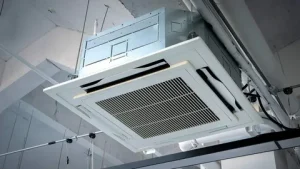
Cooler Rental Dubai for Temporary Requirements
Purchasing cooling equipment makes sense for regular, long-term use, but temporary requirements may call for a different approach. Cooler rental Dubai services allow businesses to access equipment for specific periods without making a permanent investment. This option can suit companies that experience seasonal demand or only need additional cooling during particular projects. Renting can also allow businesses to adjust the number and capacity of units as their requirements change.
Events provide a good example of where rental cooling can prove useful. Outdoor weddings, exhibitions, corporate gatherings, sporting activities, and temporary hospitality areas may require cooling for only a few hours or days. Organizers can select suitable equipment based on venue size, expected attendance, and operating conditions. Once the event ends, they can return the equipment instead of storing units that they rarely use.
Cooling for Construction and Seasonal Operations
Construction projects frequently change as teams move from one work area to another. Portable rental coolers can support this flexibility because companies can relocate equipment as the project develops. Warehouses and seasonal businesses may also need extra capacity only during the hottest months. Rental arrangements can help them respond to temporary demand without maintaining unnecessary equipment throughout the year.
Combining Air Coolers With Ceiling Fans With LED Lights
Air movement has a major influence on how comfortable a space feels. Combining air coolers with ceiling fans with LED lights can improve air circulation and distribute cooled air more effectively across suitable areas. The cooler lowers the temperature of incoming air through evaporation, while the fan helps move that air around the occupied space. This combination can work particularly well where users want stronger airflow without depending entirely on refrigerated air conditioning.
Ceiling fans also provide an additional practical benefit when they include integrated lighting. One fixture can support both air movement and room illumination, which can suit bedrooms, living spaces, cafés, offices, and covered outdoor areas. Modern designs range from understated models to more decorative options that complement different interiors. Consequently, users can improve functionality without ignoring the appearance of the space.
Improving Comfort Through Better Air Movement
A cooling system works more effectively when users consider how air travels through a space. Poor positioning can leave some areas uncomfortable even when the equipment has sufficient capacity. Fans can help distribute airflow, while correctly positioned coolers can direct fresher air toward occupied zones. Planning both elements together can create a more comfortable environment and reduce unnecessary energy use.
How to Choose the Right Air Cooler
Start by considering the size and layout of the space. A compact cooler may work well for a small patio, but it will struggle to deliver noticeable results across a large warehouse. Larger areas require higher airflow capacity and may need multiple units positioned strategically. Checking the manufacturer’s recommended coverage and airflow specifications can help narrow down suitable choices.
Next, determine whether you need the cooler indoors, outdoors, or in a semi-open environment. Outdoor models may require more durable construction, while indoor use demands appropriate ventilation and humidity management. Water tank capacity also matters because larger tanks can extend operating periods between refills. For continuous commercial use, users may prefer models that support a direct water connection where appropriate.
Consider Mobility and Operating Requirements
Portability becomes important when several areas share the same cooling equipment. Wheels and practical handles can make larger units easier to reposition throughout a workplace or venue. Businesses should also consider power requirements, noise levels, maintenance access, and water availability before choosing equipment. Evaluating these practical details prevents a powerful cooler from becoming inconvenient in everyday use.
Air Coolers for Events and Hospitality Businesses
Guest comfort can influence the experience at restaurants, cafés, hotels, exhibitions, and outdoor events. During hotter months, poorly cooled spaces may discourage customers from remaining in an outdoor seating area for long periods. Properly positioned air coolers can provide targeted airflow where traditional AC cannot operate efficiently. They can also give hospitality businesses greater flexibility when layouts or seating arrangements change.
Event planners should evaluate the venue before selecting cooling equipment. Guest numbers, open sides, shade, direct sunlight, humidity, and the size of the occupied zone can all affect performance. One small unit may not provide sufficient cooling for a large gathering, even if it performs well in a residential setting. Matching capacity to the actual environment produces better results than simply choosing equipment based on price.
Choosing DeAura UAE for Cooling Solutions
DeAura UAE provides cooling equipment for different residential, commercial, industrial, and event applications. Customers can explore air coolers alongside other cooling solutions based on the size and operating conditions of their spaces. Businesses considering rental equipment can also assess temporary cooling requirements instead of automatically investing in permanent units. This flexibility can prove useful for seasonal operations, events, construction projects, and changing commercial needs.
Before choosing any cooling system, customers should provide accurate information about the intended location and expected use. Space dimensions, indoor or outdoor placement, ventilation, operating hours, and access to water can all influence equipment selection. Discussing these factors helps identify a more appropriate solution for the environment. It can also prevent users from selecting a unit that offers too little or unnecessarily high capacity.
A Practical Cooling Choice for UAE Conditions
Air coolers can provide an efficient cooling option for many UAE homes, businesses, warehouses, workshops, events, and outdoor spaces. Their relatively simple operation, flexible placement, and lower energy demands make them especially attractive where conventional air conditioning may prove impractical. However, users should remember that evaporative cooling performance depends on temperature, humidity, ventilation, and equipment capacity. Choosing the right system for the environment remains the key to achieving satisfactory results.
For temporary requirements, cooler rental Dubai services can provide additional flexibility without requiring businesses to purchase equipment for occasional use. Property owners can also combine suitable air coolers with ceiling fans to improve airflow and comfort in appropriate settings. Whether the goal involves cooling a villa patio, restaurant terrace, warehouse, event venue, or construction area, careful equipment selection can make a significant difference. DeAura UAE offers cooling options for customers looking to manage demanding temperatures with solutions suited to their individual spaces.
Author



Cylinder Volume: The Complete Guide to Calculating Volume Accurately

Best Bourbon Tours in Kentucky: Choosing the Right Tour for You

Cabinet Shop Drawings for Precise Fabrication and Installation

Auto Repair Digital Marketing: Grow Your Automotive Business Online

Residential Drafting Services for Remodeling and Renovation Plans

Raised Bed Soil Calculator: How Much Soil Do You Really Need?

3 Best Rhude Hoodies for UK Style 2026

Revit Drafting Solutions for Accurate BIM Projects

How to Find Mobile App Developers in Dubai for Android & iOS Apps

How Do IDA Jacket Designs Balance Function, Comfort, and Style?

Cybersecurity Consulting Company SequelNet Provides Critical IT Support Services to Medical Billing Firm, Medical Optimum

Meet the Megalodon: The Shark Star of ‘Meg 2’

Reduce Video Game Lag: Level Up Your Gaming Performance

Balancing India’s Entertainment: Cricket vs. Bollywood

Jetsetter’s Secrets: Unveiling Our Favorite Travel Hacks for a Seamless Adventure

The 5 Best Live Sports Streaming Sites: Legal and Exciting!

Hollywood Labor Unrest: The Impact of ‘What About Us?’ Strikes

Unveiling the Magic of Dream Fulfillment at the Late NBA Draft

Illuminate Your Skin: Dr. Axe Unveils Natural Remedies for Lightening Knees and Elbows

Bright Choices: Navigating the Pros and Cons of Skin Whitening Creams with Dr. Axe
-

 Business3 years ago
Cybersecurity Consulting Company SequelNet Provides Critical IT Support Services to Medical Billing Firm, Medical Optimum
-
Entertainment3 years ago
Meet the Megalodon: The Shark Star of ‘Meg 2’
-
Entertainment3 years ago
Reduce Video Game Lag: Level Up Your Gaming Performance
-
 Sports3 years ago
Balancing India’s Entertainment: Cricket vs. Bollywood
-
Entertainment3 years ago
Jetsetter’s Secrets: Unveiling Our Favorite Travel Hacks for a Seamless Adventure
-
Productivity3 years ago
The 5 Best Live Sports Streaming Sites: Legal and Exciting!
-
Art /Entertainment3 years ago
Hollywood Labor Unrest: The Impact of ‘What About Us?’ Strikes
-
Sports3 years ago
Unveiling the Magic of Dream Fulfillment at the Late NBA Draft






