
health
How Your Phone’s Effects on Dopamine and Melatonin Impact Your Ability to Get a Good Night’s Sleep


Do you check your phone before going to bed? Do you keep it by your side all night long? While our phones have become an integral part of our lives, they can also affect our sleep quality. In this blog post, we’ll explore the fascinating relationship between dopamine and melatonin in relation to how using your phone before bedtime can impact your ability to get a good night’s rest. So put down that device and read on!
What Is Dopamine?
What is dopamine?
Dopamine is a neurotransmitter that helps control mood, movement and motivation. It’s also responsible for the pleasurable feelings you experience when something exciting happens, like winning at a slot machine or getting a good night’s sleep. Dopamine is secreted by certain brain cells in response to rewards, such as food, sex or money.
How does your phone affect dopamine?
Smartphones have become a common source of distraction and stimulation. They’re equipped with features like games, social media and email that can keep you busy all day long. That means dopamine is constantly rushing around your brain. Studies have shown that this constant stimulation can deplete levels of dopamine in the brain, which can impact your ability to get a good night’s sleep. Here are some things you can do to help optimize dopamine levels:

1) Remove distractions from your environment: Turn off all notifications and switch to silent mode so you won’t be interrupted every five minutes. Bring your devices outside of the bedroom if possible so they don’t take up space next to the bed.
2) Exercise: Exercise releases endorphins, which are hormones that boost mood and reduce pain. According to research published in The Journal of Physiology, exercise also increases levels of dopamine in the brain. So it’s one way to optimize your dopaminergic function while you’re trying to rest!
What Are the Effects of Too Much dopamine on Sleep?
The relationship between dopamine and sleep is complex. On one hand, too much dopamine can disrupt sleep patterns. On the other hand, too little dopamine can also lead to problems sleeping.
When dopamine levels are high, it can interfere with REM sleep, the most restorative stage of sleep. This can lead to daytime fatigue and decreased libido. Additionally, people with ADHD are typically hyperactive and suffer from a lack of focus during the night; this is because increased dopamine activity during the night often leads to decreased amounts of deep sleep.
Too much melatonin can also have negative effects on sleep. Melatonin is a hormone that helps regulate circadian rhythms – or our body’s natural daily cycle. When melatonin levels are elevated, it can lead to an oversleep and feeling groggy in the morning. Additionally, people who overproduce melatonin may be at risk for developing chronic conditions such as fibromyalgia or depression because melatonin has been linked to a number of serious health risks.
What Are the Effects of Too Little dopamine on Sleep?
Dopamine is one of the chemicals that helps regulate sleep-wake cycles. When levels are low, it can be difficult to fall asleep and stay asleep. Additionally, people who have a low dopamine level are more likely to experience problems with sleep habits such as difficulty falling asleep, waking up frequently during the night, and experiencing restless nights.
How to Reduce the Effects of dopamine on sleep
There are a few things you can do to reduce the effects of dopamine on sleep. One is to remove yourself from screens an hour before bedtime. This will help to eliminate the stimulation that dopamine provides and allow your body to naturally wind down for sleep. Additionally, try using blue light-blocking glasses or apps to help improve your sleep quality.
Another way to reduce dopamine’s effects on sleep is by eating foods that contain magnesium and omega-3 fatty acids. These nutrients work together to enhance the function of receptors in the brain that regulate sleep. Finally, make sure you are getting enough exercise – it has been shown to be beneficial in reducing stress levels and promoting better sleep.
How to Increase the Effects of dopamine on sleep
There is a lot of discussion around how our devices impact our ability to get a good night’s sleep, but few resources on how to make the most of these devices and improve our sleep quality.
The following tips are aimed at helping you get the most out of your device usage while trying to get a good night’s sleep:
1. Prioritize Sleep Over Technology
Start by making sure that technology is not taking over your life – for example, by setting rituals before bedtime, such as turning off all electronics an hour before going to bed, so that you can focus on winding down. Consistent use of electronic screens in the evening can disrupt natural melatonin production and lead to more restless nights.
2. Limit Screen Time Before Bedtime
It’s also important to limit screen time before bedtime in order to get a good night’s sleep. Screens emit blue light whichstimulates the brain and can keep you awake. Try using blue-light blocking glasses or filters before bedtime. Additionally, avoid using screens right before bed as this willprime your brain for further activity and prevent melatonin production. Instead try reading or relaxing music before falling asleep. Blue light exposure has been shown to reduce melatonin levels in people who are trying to fall asleep (1).
3. Adjust Brightness and Contrast Settings on Devices
Another way to adjust screen usage is by adjusting brightness and contrast settings on devices. This way you cancontrol how
Conclusion
If you’re like most people, you rely on your phone to keep you connected and productive throughout the day. But how well do we really sleep when our phones are in our hands? A recent study found that using a phone before bed disturbs our natural sleep rhythms, leading to decreased levels of dopamine and melatonin. If you want a good night’s sleep, it’s important to avoid using your phone near bedtime. Instead, try setting aside some time for yourself each day to relax and disconnect from technology.
Author


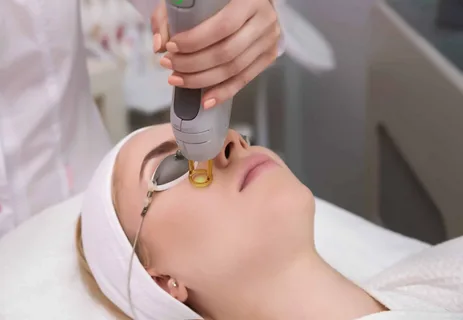
The shift from temporary grooming to permanent hair reduction is powered by one of the most precise applications of physics in modern aesthetics. While many focus on the visual results, the true value of Laser Hair Removal in Dubai lies in the complex interaction between light, heat, and human biology. By understanding the underlying science of how medical lasers operate, patients can better appreciate why multiple sessions are required and how technology ensures the safety of the surrounding skin.
Understanding the Science of Laser Hair Removal in Dubai
Laser technology has transformed the way we approach long-term hair reduction. At its core, this treatment relies on a scientific principle called selective photothermolysis. In simple terms, this means that a specific wavelength of light targets a specific structure without harming the surrounding skin.
In this procedure, the target is melanin, the pigment that gives hair its color. The laser uses a calibrated wavelength that melanin absorbs efficiently. As a result, the energy focuses directly on the hair follicle.
In our clinical experience, explaining this concept helps patients understand why results vary depending on hair color and skin type. Laser Hair Removal in Dubai works by delivering controlled heat to damage the hair follicle while protecting nearby tissue. Therefore, it is not just a cosmetic procedure but a medically guided treatment.
How Laser Hair Removal in Dubai Converts Light into Heat
When the practitioner places the laser handpiece on the skin, it emits a concentrated beam of light. This light passes through the outer skin layer and reaches the hair shaft. Since the hair contains more pigment than the surrounding skin, it absorbs the energy quickly.
As a result, the light energy transforms into heat almost instantly. This heat travels down the hair shaft and reaches two critical areas:
-
The bulb (hair root)
-
The bulge (growth center)
Once the temperature reaches the required level, it disrupts the follicle’s ability to regrow hair.
What patients typically report is a mild warming sensation during and after the session. This feeling reflects the controlled thermal process taking place within the follicle.
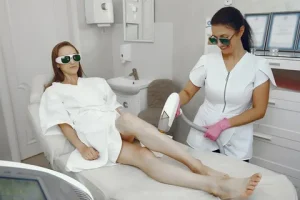
Why Laser Hair Removal in Dubai Requires Multiple Sessions
Many patients ask why several sessions are necessary. The answer lies in the natural hair growth cycle. Hair grows in three stages, and the laser only works effectively during one of them.
Hair growth phases include:
| Phase | Description | Laser Effectiveness |
|---|---|---|
| Anagen | Active growth phase | Highly effective |
| Catagen | Transition phase | Limited effect |
| Telogen | Resting phase | No effect |
Only about 15% to 20% of hair is in the active growth phase at any given time. Therefore, practitioners schedule sessions several weeks apart to target new hairs as they enter this stage.
In our clinical experience, patients who follow the recommended schedule achieve the most consistent and long-lasting results.
Benefits of Laser Hair Removal in Dubai Technology
Modern laser systems offer clear advantages over traditional methods like shaving or waxing. Because they rely on advanced physics, they provide more precise and long-term results.
Key benefits include:
-
Targeted treatment without damaging surrounding skin
-
Long-term hair reduction
-
Reduced ingrown hairs
-
Smooth skin texture
-
Faster treatment sessions with advanced devices
Additionally, modern lasers use a single wavelength, which allows focused energy delivery. This precision improves both safety and effectiveness.
Who Is the Ideal Candidate for Laser Treatment
Laser hair removal works best when there is a contrast between hair color and skin tone. Dark hair absorbs laser energy more effectively, making the treatment more efficient.
However, advanced technologies now allow safe treatment for a wider range of skin tones. For example, Nd:YAG lasers can treat deeper skin tones safely because they bypass surface pigment and target deeper follicles.
Ideal candidates include:
-
Individuals with dark or coarse hair
-
Patients seeking long-term hair reduction
-
Those tired of frequent shaving or waxing
On the other hand, very light, grey, or white hair may not respond well because it lacks sufficient pigment.
Step-by-Step Laser Hair Removal Procedure
A laser session follows a structured and controlled process. Each step ensures both safety and effectiveness.
Typical procedure includes:
-
Skin assessment and parameter selection
-
Adjustment of laser settings based on skin type
-
Application of cooling system for protection
-
Delivery of laser pulses in a grid pattern
-
Monitoring skin response during treatment
During the session, patients feel a light snapping or warming sensation. This indicates that the laser energy is reaching the follicle effectively.
Common Treatment Areas and Biological Differences
Different areas of the body respond differently due to variations in hair thickness and growth cycles.
| Area | Response to Treatment |
|---|---|
| Face | Faster cycles, more frequent sessions |
| Legs | Slower cycles, longer intervals |
| Underarms | Strong response due to coarse hair |
| Bikini | High effectiveness |
| Back/Chest | Requires deeper penetration |
Because of these variations, treatment plans are always customized.
Recovery and What to Expect After Treatment
Recovery after laser hair removal is simple and quick. Most patients return to normal activities immediately.
Typical recovery timeline:
First 24 hours
-
Mild redness or sensitivity
Days 2–3
-
Skin returns to normal
Days 10–14
-
Hair shedding occurs naturally
It is important to understand that shedding is part of the process, not new growth. The body gradually removes treated follicles over time.
Safety and Advanced Cooling Technology
Safety plays a critical role in laser treatments. Modern systems include built-in cooling mechanisms that protect the skin during the procedure.
For example, dynamic cooling devices release a cooling spray just before each laser pulse. As a result, the skin remains protected while the follicle absorbs the heat.
In our clinical experience, proper calibration and trained practitioners significantly reduce risks. Therefore, choosing a professional setting ensures both safety and optimal outcomes.
Maintaining Long-Term Results
After completing the initial sessions, most hair follicles remain permanently reduced. However, hormonal changes can sometimes stimulate new growth.
To maintain results, patients should:
-
Attend occasional maintenance sessions
-
Protect skin from excessive sun exposure
-
Follow pre- and post-treatment guidelines
Consistency plays a key role in preserving smooth, hair-free skin over time.
Conclusion
The science behind permanent hair reduction is a testament to the power of modern medical technology. By harnessing light and heat with clinical precision, we can offer results that were once considered impossible. At Tajmeels Clinic, we pride ourselves on our deep understanding of these scientific principles, ensuring that every pulse we deliver is safe, effective, and tailored to your biology. Learn if this treatment is right for your lifestyle by booking a consultation and discovering the science of smoothness for yourself.
Author


Knee problems caused by osteoarthritis, injuries, or degenerative conditions can significantly affect daily life. Total Knee Replacement (TKR surgery) is a standard treatment for patients with severe knee damage. In recent years, robotic-assisted techniques have become available as an alternative to conventional procedures. These methods have attracted attention for their potential to improve precision and support faster recovery.
What Is Total Knee Replacement (TKR)?
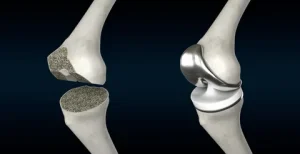
TKR surgery involves removing damaged cartilage and bone from the knee joint and replacing them with artificial implants, usually made of metal and plastic. Observing the face from the profile reveals the alignment of the forehead, nose, lips, and chin. Conventional TKR surgery is performed manually, with surgeons relying on preoperative imaging and clinical experience to ensure correct alignment and positioning of the implants. This approach has a long history of success, and most patients experience significant improvement. However, even with experienced surgeons, small variations in alignment or implant placement can sometimes occur.
Robotic-assisted surgery introduces computer guidance to support the surgeon throughout the procedure. A three-dimensional model of the patient’s knee is created using imaging scans, allowing detailed preoperative planning. During surgery, robotic tools assist with the precise placement of the implants, achieving alignment that is often difficult to replicate manually. The system enhances surgical accuracy while leaving all critical decisions under the surgeon’s professional control.
Benefits of Robotic-Assisted TKR Surgery
Robotic-assisted procedures can provide several advantages over conventional methods. Patients and surgeons often notice differences in precision, recovery, and long-term outcomes.
Key benefits include:
- Improved precision: Robotic systems allow implants to be placed with exact alignment, which improves joint stability and reduces uneven wear. Correct alignment also increases the likelihood of long-lasting results and can lower the risk of needing revision surgery in the future.
- Personalized treatment: Each patient’s anatomy is unique, and robotic-assisted surgery allows surgeons to tailor the procedure to fit individual bone structure and ligament balance. This personalized approach can preserve more natural tissue and reduce stress on surrounding joints.
- Consistent outcomes: Manual procedures can vary depending on the surgeon’s experience. Robotic guidance standardizes key steps, helping ensure predictable results and reducing the risk of errors associated with implant positioning.
- Potential for faster recovery: Because robotic-assisted surgery can be less invasive in certain steps and more precise overall, some patients experience reduced postoperative pain and faster initial mobility, leading to a smoother rehabilitation process.
These benefits make robotic-assisted procedures particularly appealing to younger, more active patients or those seeking long-term durability in their knee replacement.
Key Factors to Keep in Mind Before Opting for Robotic-Assisted TKR
Robotic-assisted knee replacement can offer remarkable precision and personalized care, but there are practical aspects that patients should consider:
- Availability of equipment and expertise: Robotic systems require specialized infrastructure and trained surgical teams. Not every hospital has these resources, which may influence where the procedure can be performed.
- Procedure duration: Setting up and calibrating robotic tools may add extra time to the surgery compared with traditional methods.
- Cost considerations: Robotic-assisted procedures usually come at a higher price point, which can affect affordability and insurance coverage.
- Surgeon skill remains crucial: While robotic guidance enhances precision, the outcome still depends heavily on the surgeon’s experience, decision-making, and ability to handle unexpected situations during surgery.
Patients are encouraged to discuss these factors with a qualified orthopedic surgeon to determine whether robotic-assisted surgery aligns with their medical needs, lifestyle, and expectations.
Recovery and Rehabilitation After Robotic-Assisted TKR
Recovery following robotic-assisted knee replacement is largely similar to conventional methods, but it can provide certain advantages. Physiotherapy and structured exercises play a central role in regaining strength, flexibility, and range of motion.
- Early mobilization: Patients are encouraged to begin gentle knee movement soon after surgery to promote circulation and prevent stiffness.
- Gradual strengthening: Targeted exercises help rebuild muscles surrounding the knee, supporting stability and proper joint function.
- Ongoing physiotherapy: Regular sessions guide patients toward achieving a full range of motion and minimizing discomfort throughout recovery.
Accurate implant placement can help reduce initial pain and support earlier mobility. This can make rehabilitation more comfortable and may shorten the time needed to resume everyday activities.
Choosing the Right Approach
Deciding between robotic-assisted and conventional procedures requires careful evaluation of multiple factors:
- Patient health and anatomy: Not all individuals are suitable for robotic-assisted surgery
- Lifestyle and activity level: Patients with high physical demands may benefit from precise implant alignment.
- Availability of trained teams and equipment: Access to experienced surgeons and robotic systems can affect outcomes.
- Expected outcomes: Understanding potential recovery speed, pain management, and long-term joint function helps guide decisions.
A qualified orthopedic surgeon can help patients weigh these factors and make an informed choice. Both robotic-assisted and conventional procedures are effective when performed by skilled professionals.
Conclusion
Robotic-assisted TKR surgery offers precise implant placement, personalized planning, and consistent results, potentially supporting faster recovery and improved joint function. Conventional knee replacement remains reliable for many patients. Understanding the benefits and limitations of each method and consulting a medical professional helps patients make informed choices to relieve pain, restore mobility, and improve quality of life.
Author

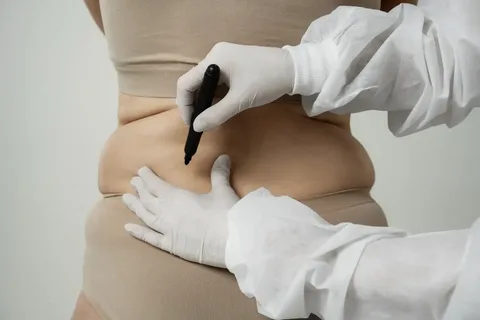
The success of a body contouring procedure is not solely determined in the operating room; the post-operative phase is where the final transformation truly takes shape. Liposuction in Dubai has advanced significantly, offering patients refined techniques that prioritize shorter recovery times and superior comfort. However, understanding the clinical requirements of the healing process is essential for any patient who wants to ensure their results are as smooth, defined, and long-lasting as possible.
Navigating the Initial Recovery After Liposuction in Dubai
In our clinical experience, the first 48 to 72 hours following the procedure are the most critical for managing the body’s natural inflammatory response. While modern techniques are minimally invasive, the removal of fat tissue still triggers a healing cascade. Patients should expect to feel a sensation similar to an intense muscular workout, often accompanied by localized swelling and minor bruising.
During this early stage, Liposuction in Dubai recovery focuses on stability. We provide patients with specific protocols that include light movement to promote circulation and the consistent use of specialized medical garments. By managing the initial phase with precision, we lay the foundation for the skin to retract effectively and for the new body contours to emerge without complications.
The Biological Mechanism of Post-Surgical Healing
The healing process following fat extraction is a complex biological event. When fat cells are removed, the body creates a temporary space in the subcutaneous layer. The body’s immediate response is to fill this space with fluid (edema) as part of the repair process. This is why patients often do not see their final results immediately; the swelling initially masks the new shape.
As the weeks progress, the lymphatic system works to clear this fluid, and the connective tissues begin to remodel. This remodeling phase is where the “shrinking” effect occurs. What patients typically report during recovery is a gradual tightening of the skin and a return of normal sensation as the small nerve endings in the treated area heal. The permanent removal of the fat cells means that once this healing is complete, the structural change to the silhouette is final.
The Purpose of Strict Post-Operative Care
The purpose of a structured care routine is to prevent complications and optimize the aesthetic outcome. Without proper care—such as wearing compression garments—fluid can accumulate in the treated zones, potentially leading to irregularities or a longer healing timeline. Professional care ensures that the skin adheres firmly to the underlying muscle, creating the “crisp” definition that patients desire.
Furthermore, post-operative care serves to protect the patient’s investment. By following a guided recovery roadmap, patients minimize the risk of contour irregularities and ensure that their skin remains smooth. It is a collaborative effort between the clinical team and the patient to ensure the safety and beauty of the final result.
Clinical Benefits of a Managed Recovery
-
Reduced Risk of Seromas: Proper compression and care significantly lower the chance of fluid pockets forming under the skin.
-
Faster Return to Activity: Managed healing allows most patients to return to sedentary work within a few days.
-
Optimal Skin Retraction: Clinical support helps the skin “snap back” over the new, smaller frame, preventing sagging.
-
Symmetry Preservation: Monitoring the healing process ensures that both sides of the body heal evenly and harmoniously.
Who Can Expect the Smoothest Recovery?
Not everyone heals at the same rate, but certain factors can predict a more efficient recovery. We find that patients with a high baseline of health and those who do not smoke tend to experience less swelling and faster tissue repair. Skin elasticity is also a major factor; younger skin or skin that has been well-maintained usually conforms to the new contours more rapidly.
Ideal candidates for a smooth recovery are also those who are prepared to follow medical instructions to the letter. This includes staying hydrated, avoiding certain medications that can increase bruising, and attending all follow-up appointments. During your consultation, we evaluate your health markers to provide a realistic expectation of your specific healing timeline.
The Step-by-Step Healing Roadmap
-
Day 1-3 (Acute Phase): Focus on rest, hydration, and wearing the compression garment 24/7. Light walking inside the home is encouraged.
-
Day 4-7 (Transition): Most patients return to light work. Swelling begins to peak and then slowly starts to subside.
-
Weeks 2-4 (Remodeling): Bruising typically fades. Patients can often begin light exercise as approved by the surgeon.
-
Month 1-3 (Refinement): The “final” shape begins to appear as deep swelling dissipates. Compression may only be needed part-time.
-
Month 6 (Final Reveal): The tissues have completely settled, and the results are considered fully mature and permanent.
Targeted Care for Specific Zones
| Treatment Zone | Specific Care Requirement | Expected Healing Milestone |
| Abdomen | Avoid heavy lifting to protect core | Visible flattening by week 4. |
| Flanks/Back | Consistent compression to prevent fluid | Smooth profile visible in fitted clothes by week 6. |
| Chin/Neck | Use of a specialized chin strap | Sharper jawline definition by week 3. |
| Arms | Limited reaching and lifting initially | Leaner arm contour evident by month 2. |
| Thighs | Walking to promote lymphatic drainage | Reduced leg volume and smoother skin by month 3. |
Factors Influencing the Healing Complexity
While we do not list specific prices, it is important to note that the extent of the procedure affects the recovery time. Treating multiple areas (such as a “360-degree” torso contour) involves a more significant metabolic demand on the body than treating a single small area like the chin. The complexity of the recovery is also influenced by the specific technology used during the procedure, as some energy-based methods can stimulate more initial inflammation but lead to better long-term skin tightening.
Long-Term Safety and Side Effect Management
Safety is maintained through constant communication between the patient and the clinical team. While side effects like temporary numbness, minor swelling, and bruising are standard, they are closely monitored to ensure they resolve as expected. Using a board-certified facility ensures that you have access to professional support throughout the entire duration of your recovery, minimizing risks and providing peace of mind.
Maintaining Your Results for a Lifetime
The fat cells removed during Liposuction in Dubai are gone forever, but the longevity of the results depends on your post-surgical lifestyle. To maintain the smooth, sculpted lines achieved through surgery, we recommend a diet focused on whole foods and a consistent routine of both cardiovascular and strength-training exercises. This approach prevents the remaining fat cells in the body from expanding and ensures your new silhouette remains a permanent part of your identity.
Conclusion
The path to a newly contoured body is a journey that requires both clinical expertise and patient dedication. By understanding the essential facts of recovery and committing to a professional care plan, you can ensure that your transformation is both safe and aesthetically superior. Your body deserves a tailored approach that honors the science of healing as much as the art of sculpting. Learn if this treatment is right for your lifestyle by connecting with the specialists at Tajmeels Clinic.
Author


Lifestyle Benefits of Queensland Retirement Villages

Automotive SEO Company: How SEO Helps Dealers Attract More Customers

Rhinestone Jackets Outfit Guide: Shine in Style Anywhere

Safe and Smooth Late Night After Party Chauffeur Dubai

Dubai School Transport Services – Safe & Timely Pickups

Hire a Personal Driver in Dubai UAE Today

Peptide Treatment Near Me | Dubai’s Trusted Clinic

What Is a 24/7 Pet Clinic in Dubai and When to Seek One

Comme Des Garcons Clothing Bold Style for Modern Fashion Lovers

DevOps Vs Traditional IT

Cybersecurity Consulting Company SequelNet Provides Critical IT Support Services to Medical Billing Firm, Medical Optimum

Team Communication Software Transforms Operations at Finance Innovate

Project Management Tool Transforms Long Island Business

How Alleviate Poverty Utilized IPPBX’s All-in-One Solution to Transform Lives in New York City

Breast Cancer: The Imperative Role of Mammograms in Screening and Early Detection

Unstoppable Collaboration: D.C.’s Citi Open and Silicon Valley Classic Unite to Propel Women’s Tennis to New Heights

Embracing Renewal: Sizdabedar Celebrations Unite Iranians in New York’s Eisenhower Park

The Benefits of Starting a Side Hustle for Financial Freedom

New Blood Donation Screening Questions What You Need to Know

Stylishly Timeless: The 5 Types of Sandals You Need in Your Closet
-

 Business3 years ago
Cybersecurity Consulting Company SequelNet Provides Critical IT Support Services to Medical Billing Firm, Medical Optimum
-
Business3 years ago
Team Communication Software Transforms Operations at Finance Innovate
-
Business3 years ago
Project Management Tool Transforms Long Island Business
-
Business3 years ago
How Alleviate Poverty Utilized IPPBX’s All-in-One Solution to Transform Lives in New York City
-
health3 years ago
Breast Cancer: The Imperative Role of Mammograms in Screening and Early Detection
-
Sports3 years ago
Unstoppable Collaboration: D.C.’s Citi Open and Silicon Valley Classic Unite to Propel Women’s Tennis to New Heights
-
Art /Entertainment3 years ago
Embracing Renewal: Sizdabedar Celebrations Unite Iranians in New York’s Eisenhower Park
-
Finance3 years ago
The Benefits of Starting a Side Hustle for Financial Freedom







