
Home Garden
Urban Vertical Garden Designs for Compact Home Spaces

By

Reviewed
By Rosie Kendall
Introduction
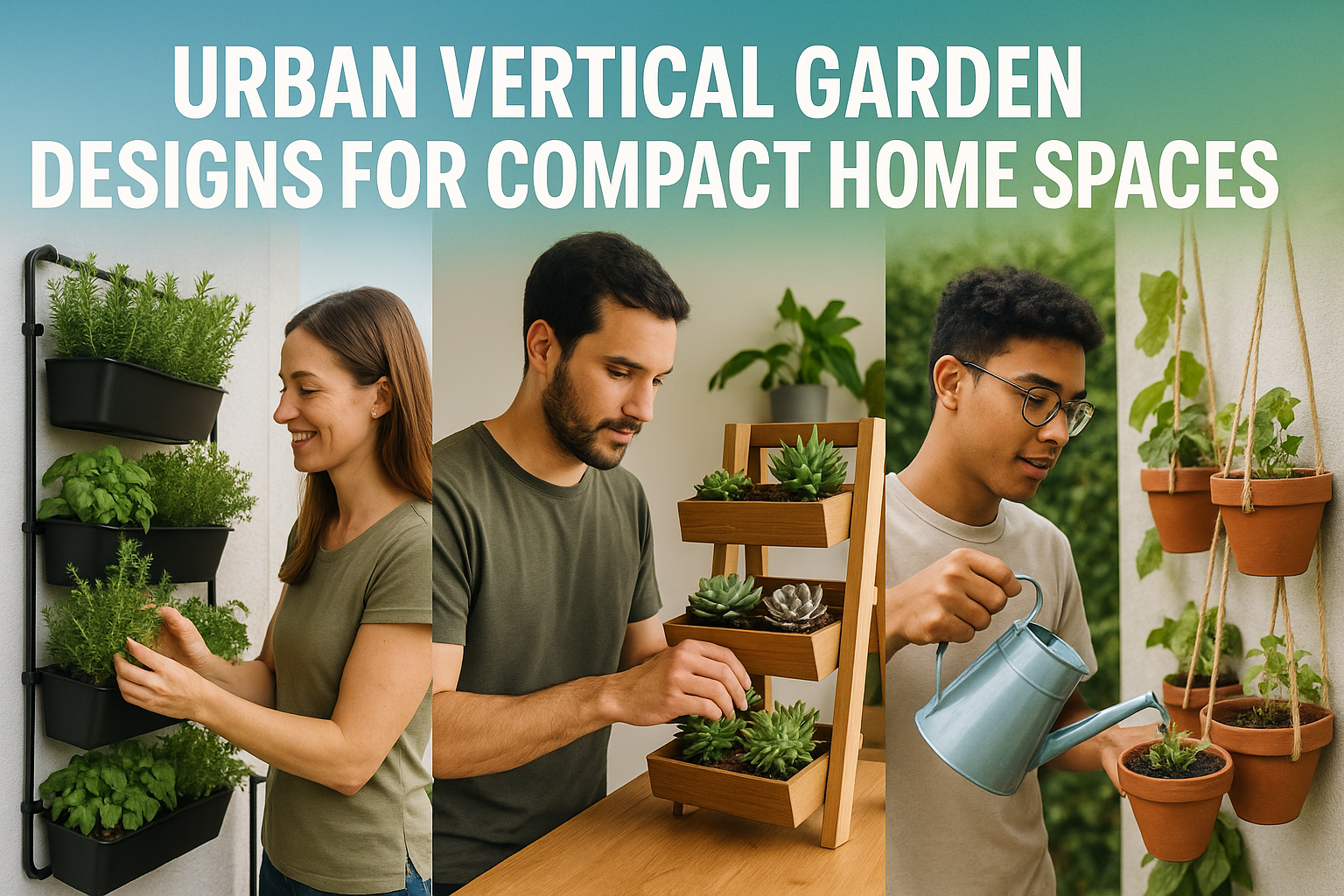
As urban living spaces become smaller, many homeowners and renters are looking for creative solutions to bring greenery into their homes. Urban vertical garden designs are the perfect answer to limited space, offering a way to create lush, thriving gardens without sacrificing valuable square feet footage. With vertical gardening, you can transform your compact living area into a mini oasis of fresh plants, all while enhancing your home’s decor and improving air quality.
In this article, we will explore the benefits of vertical gardening, offer practical tips for designing gardens in compact home spaces, and present a variety of ideas for indoor vertical gardens that will fit perfectly in small apartments, balconies, and even urban environments offices.
What Are Urban Vertical Gardens?
Image by: Yandex.com
An urban vertical garden is a way to grow plants upwards rather than outwards. Instead of spreading over the ground, plants climb or hang on structures. You can use wall panels, hanging pockets, or tiered shelves. This maximizes green space in compact home gardens.
Vertical gardens can be living walls inside or outside. Inside, they brighten rooms and help purify the air. Outside, they shield walls from heat and noise. Both options let you enjoy plants even if you lack a yard.
Benefits of Urban Vertical Gardens in Compact Spaces

Image by: Yandex.com
1. Space Efficiency
In compact homes, space-saving garden solutions are essential. By growing plants vertically, you can make the most of the space available, turning walls, corners, and even windowsills into thriving gardens. Whether you have a small apartment, a balcony, or a tiny backyard, vertical gardens allow you to bring nature indoors without cluttering your living area.
2. Improved Air Quality
Plants naturally purify the air by absorbing carbon dioxide and releasing oxygen. With vertical gardens indoors, you can improve the air quality in your home, especially in cities where pollution levels tend to be higher. Some plants, like snake plants and peace lilies, are particularly good at filtering toxins and pollutants, making them great additions to your urban garden.
3. Aesthetic Appeal
A vertical garden can become a striking design feature that adds beauty and personality to any room. Whether you’re using plants to decorate a blank wall, brighten up a small balcony, or create a green privacy screen in your living room, the possibilities are endless. The lush greenery of a vertical garden provides a refreshing contrast to the often sterile look of modern urban spaces.

4. Growing Fresh Produce
One of the most popular aspects of vertical gardening is the ability to grow fresh, homegrown produce in compact spaces. Herbs, lettuce, tomatoes, and even strawberries can thrive in vertical gardens. Having easy access to fresh produce not only saves you money but also encourages a healthier lifestyle.
Best Plants for Vertical Gardens in Compact Spaces
Image by: Yandex.com
When it comes to vertical garden designs, choosing the right plants is key. Some plants are better suited for vertical gardening than others due to their growth patterns, care needs, and ability to thrive in smaller spaces. Here are some of the best plants for compact urban vertical gardens:
1. Herbs
Herbs are an ideal choice for vertical gardens because they don’t require deep soil and can thrive in small garden pots. Popular herbs like basil, mint, rosemary, and thyme are great for growing in wall-mounted planters or hanging baskets. Not only will you have fresh herbs at your fingertips, but they will also add a lovely fragrance to your indoor space.
2. Succulents
Succulents are low-maintenance and perfect for vertical gardens. Plants like aloe vera, jade plants, and echeveria are hardy and can tolerate dry conditions. They’re also great for adding texture and color to your vertical garden without taking up too much space.
3. Ferns
Ferns, such as Boston ferns and bird’s nest ferns, thrive in shady conditions, making them perfect for indoor vertical gardens. Their lush, trailing leaves add a tropical feel to your outdoor space and work well in hanging baskets or wall-mounted planters.
4. Climbing Vines
For a more dramatic effect, consider vertical planting climbing vines like ivy, sweet peas, or morning glories. These plants naturally grow upward, making them ideal for vertical garden systems. Place them in trellises or vertical planters, and watch them climb to create a green, living wall.
5. Flowers
Adding colorful flowers to your vertical garden can bring vibrancy to your home. Plants like petunias, begonias, and violets are perfect for vertical gardening, as they are compact and offer beautiful blooms. They thrive in vertical planters and add visual interest to your walls or fences and balconies.
Innovative Urban Vertical Garden Designs for Small Spaces

Image by: Yandex.com
1. Wall-Mounted Planters
Wall-mounted planters are one of the simplest and most effective ways to create a vertical garden in compact spaces. These planters can be arranged in rows or staggered patterns along the wall to create a beautiful green space. You can use these wall planters to grow a variety of plants, from succulents to herbs.
Tip: Use self-watering planters to reduce the amount of maintenance required and keep your plants hydrated.
2. Hanging Vertical Gardens
Hanging gardens can be made using containers suspended from the ceiling or mounted on a vertical frame. This interior design works well in apartments with limited floor space. You can hang plants like ferns, vines, or flowers in planter bags or hanging baskets.
Tip: Make sure to hang plants at varying heights to create depth and a visually dynamic garden.
3. Vertical Garden Frames
A vertical garden frame is a sturdy structure designed to hold multiple plant pockets or planter boxes. These frames can be placed against walls, creating a garden that takes up minimal space but still offers plenty of room for a variety of plants. Vertical garden frames are great for growing climbing plants or vegetables like lettuce or tomatoes.
Tip: Choose a modular vertical garden frame that can be customized to fit your available vertical space.
4. Green Walls
A green wall, also known as a living wall, is a larger vertical garden design that uses a system of trays, planters, or hydroponic systems to grow a variety of plants vertically. This can be installed inside or outside of your home. Green walls can feature everything from herbs to flowers, and their lush appearance adds a modern, eco-friendly touch to your home.
Tip: Consider installing a green wall in your living room or balcony to create a natural, soothing environment.
Future of Urban Vertical Garden Designs for Compact Home Spaces

Image by: Yandex.com
Looking ahead, vertical garden solutions will become more user-friendly and tech-integrated. Modular panels with built-in drip irrigation and self-watering reservoirs will arrive in DIY sets for easy installation. Smart sensors may monitor moisture, light, and nutrient levels, sending alerts to smartphones when plants need care. New lightweight, durable materials—like recycled plastics and eco-ceramics—will make planters both strong and sustainable. As these innovations launch, even first-time gardeners will find it simple to create and enjoy vertical gardens that thrive in any small home.
Comparative Table: Popular Plants for Urban Vertical Gardens
| Plant Type | Best for | Growth Requirements | Ideal Location |
|---|---|---|---|
| Herbs | Kitchen gardens, small spaces | Sunlight, well-draining soil | Windowsills, wall planters |
| Succulents | Low-maintenance, small spaces | Full sunlight, minimal watering | Wall-mounted, hanging baskets |
| Ferns | Shaded areas, humidity-loving | Indirect light, moist soil | Bathrooms, shaded walls |
| Climbing Vines | Vertical walls, decorative | Full sun to partial shade | Trellises, hanging frames |
| Flowers | Colorful displays | Varies by type, moderate sun | Vertical frames, window boxes |
Conclusion
In 2025, urban vertical gardens have become an essential design trend for compact home spaces. With limited space in cities, vertical gardening allows you to bring nature indoors without compromising on living space. By using wall-mounted planters, hanging gardens, or modular frames, you can transform your small apartment, balcony, or office into a lush, thriving green oasis.
Whether you’re growing herb gardens for your kitchen, succulents for low-maintenance beauty, or climbing vines for a dramatic green wall, there are endless possibilities for creating a space-saving garden that enhances your living area. Start designing your urban area vertical garden today, and enjoy the many benefits of indoor gardening, from improved air quality to the joy of nurturing your own plants.
Author



Author


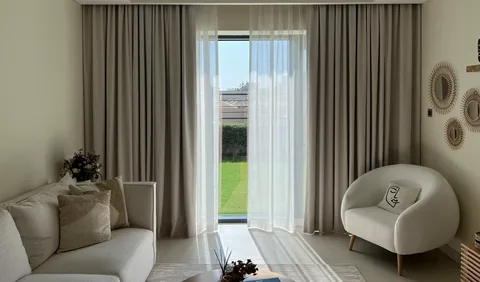
Silk curtains are more than just window treatments — they’re a statement of sophistication, luxury, and timeless style. In Dubai, where interior design often reflects modern elegance with a touch of opulence, silk curtains have become increasingly popular for living rooms, bedrooms, and upscale spaces.
In this blog, we’ll explore the beauty, benefits, and considerations of choosing silk curtains for your Dubai home.
What Are Silk Curtains?
Silk curtains are made from silk fabric — a natural fiber known for its glossy sheen, smooth texture, and elegant drape. Available in a range of styles from pure silk to silk blends (like silk–polyester or silk–linen mixes), these curtains bring a luxurious aesthetic that few other fabrics can match.
Whether you choose soft pastel tones or rich jewel hues, silk curtains create a warm, inviting ambience that instantly elevates any room.

Why Silk Curtains Are Perfect for Dubai Homes
1. Unmatched Elegance and Luxury
Silk curtains add a sense of grandeur and sophistication to any space. Their natural luster catches light beautifully, creating a soft shimmer that enhances the look of your living room or bedroom. Whether your décor is classic, contemporary, or eclectic, silk curtains fit perfectly — adding depth, texture, and a refined finish.
2. Light Reflection & Soft Ambience
Silk curtains gently diffuse incoming light, creating a soft, warm ambience in your room. Unlike heavier fabrics that block light abruptly, silk allows subtle light through — perfect for living rooms where you want natural light with a soft, elegant feel.
In Dubai’s bright climate, this balance between light and shade makes silk curtains especially appealing.
3. Ideal for Formal & Stylish Spaces
Silk curtains work wonderfully in spaces where aesthetic impact matters most — living rooms, formal seating areas, guest lounges, and master bedrooms. Their refined appearance makes them perfect for homes that emphasize style and presentation.
4. Adds Texture and Visual Depth
Silk’s unique texture adds dimension to interiors. Whether plain, printed, or embroidered, silk curtains add visual interest without overpowering the rest of your décor.
They also pair beautifully with other fabrics — like velvet cushions, linen sofas, or even sheer panel layers — creating a rich, layered look.
Types of Silk Curtains Commonly Used in Dubai
Here are the most popular silk curtain options homeowners choose:
Pure Silk Curtains
Made from 100% natural silk, these are the most luxurious and have the richest sheen and softest drape. Ideal for high-end interiors.
Silk Blend Curtains
Often blended with polyester or linen to improve durability while keeping a luxurious feel — excellent for everyday use.
Silk with Blackout Lining
Perfect if you want elegant style plus light-blocking functionality — ideal for bedrooms or media rooms.
Silk Panels with Sheer Layers
Combining silk curtain with sheer layers gives a versatile solution — luxurious by day, private by night.
Choosing the Right Silk Curtain for Your Living Room
When selecting silk curtain for your Dubai home, consider the following:
Color and Finish
Choose colors that complement your interior palette:
- Neutral Shades: Ivory, cream, beige — perfect for minimal or modern décor
- Rich Tones: Emerald, navy, gold — add luxury and depth
- Pastels: Soft blue, blush pink or champagne — ideal for light, airy rooms
Silk’s natural sheen amplifies color richness, so choose tones that harmonize with furniture, walls, and flooring.
Size and Length
Floor-to-ceiling silk curtains make small rooms feel grander and taller. For large living room windows, long, flowing panels create a dramatic, luxurious effect.
Lining and Functionality
Pure silk is delicate and beautiful but may not block sunlight entirely. Consider lining options:
- Blackout Lining: Blocks light fully — great for privacy and bedrooms.
- Thermal Lining: Helps with temperature control.
- Standard Lining: Reduces light slightly while preserving softness.
Choose lining based on your needs and room usage.
Care and Maintenance Tips for Silk Curtains
Silk is beautiful, but it requires some care:
- Professional Cleaning: Silk should be dry-cleaned — avoid washing at home
- Avoid Direct Sun Exposure: Too much direct sun can fade silk. Use sheers or blinds to protect fabric
- Rotation: Occasionally rotate panels to prevent uneven fading
- Gentle Handling: Pull curtains gently — silk fibers are delicate
Are Silk Curtains Worth It in Dubai?
Absolutely — especially in living rooms and formal spaces. Silk curtain bring:
- Timeless elegance and premium appearance
- Beautiful light diffusion
- A luxurious look that complements contemporary Dubai interiors
- A statement-making window treatment
While silk curtain may cost more than ordinary fabrics, their visual impact and refined appeal make them a worthy investment for homes that value sophistication and style.
Final Thoughts
Silk curtains are more than decorative fabric — they are a design statement. In Dubai’s luxury-focused environment, they complement high-end interiors, create soft lighting effects, and elevate your living space with unmatched elegance.
Whether you’re decorating a villa, apartment, or penthouse, silk curtains can transform your rooms into stylish, inviting spaces that reflect your taste and lifestyle.
Author


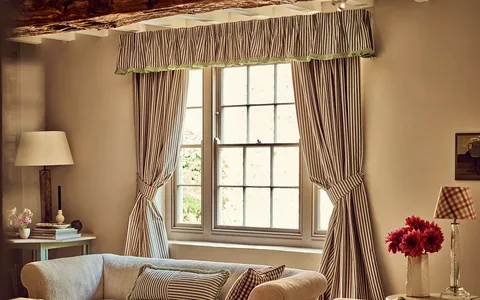
It’s 2026, and your living room has quietly transformed into something more versatile than ever before. This space now serves multiple roles throughout each day—morning coffee spot, occasional home office, gathering place for friends, and sanctuary for evening relaxation. Given how much happens here, it makes perfect sense that living room window curtains have evolved alongside these changing needs.
Today’s window treatments do far more than simply cover glass. They respond intelligently to shifting light, contribute to household wellness, and seamlessly blend technological convenience with natural materials. The result feels intuitive rather than complicated—curtains that support real life without demanding constant attention.
Let’s explore what’s shaping living room window curtains in 2026, focusing on practical trends that actually make daily life better.
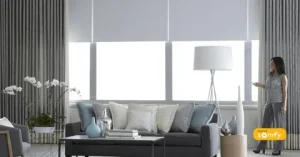
Five Fresh Trends Defining 2026 Curtains
Sensor-Driven Layered Curtains
Smart home technology has matured considerably, and window treatments reflect this evolution. The dramatic, attention-seeking automation of previous years has given way to something far more subtle and useful: layered systems that work quietly in the background.
Today’s living room window curtains typically combine sheer panels with functional liners that adjust automatically throughout the day. This isn’t about showing off technology—it’s about creating consistent comfort without requiring constant adjustments.
In actual homes, this looks like opacity that shifts based on natural daylight levels. Morning sun might trigger sheers to diffuse light gently, while afternoon glare prompts additional layers to engage. Voice assistants you already use can control settings, and simple apps allow schedule adjustments when needed.
The practical benefits matter most. Homeowners report reduced screen glare during work hours, softer light for evening relaxation, and better temperature control in regions with shifting sunlight patterns. Your living room simply feels more balanced throughout the day, without requiring you to constantly adjust curtains manually.
Bio-Based Performance Weaves
Environmental consciousness in home textiles has matured significantly. The rough, uninspiring eco-friendly fabrics of the past have given way to sophisticated materials that perform beautifully while treading lightly on the planet.
Bio-based and plant-derived weaves now feature prominently in living room window curtains, offering genuine comfort alongside environmental benefits. These aren’t compromise products—they’re thoughtfully engineered textiles designed for real-world performance.
Homeowners increasingly choose these materials for several practical reasons. The breathable fabrics suit both warm and humid climates exceptionally well, preventing that stuffy feeling that some synthetic curtains create. Low-allergen properties make them ideal for households with sensitivity concerns. The subtle natural texture adds visual warmth without heaviness, and these materials typically outlast fast-fashion decorative fabrics significantly.
The result supports both personal wellness and environmental values while looking completely refined and contemporary.
Light-Diffusing Surface Finishes
Bold prints and heavy embroidery have taken a backseat to something more subtle and arguably more sophisticated. Many 2026 interiors feature curtains designed specifically to play softly with natural light.
Light-diffusing living room window curtains incorporate micro-textures and carefully refined weaves that scatter sunlight gently across the room. This creates a luminous quality that changes throughout the day without darkening the space entirely.
Designers appreciate this approach for several compelling reasons. The visual depth created by diffused light makes compact living rooms feel more spacious and open. Harsh glare reduces significantly while maintaining connection to outdoors. The effect works beautifully with neutral, minimalist interiors that characterize contemporary design preferences.
For apartment dwellers especially, this approach proves valuable. Managing natural light carefully in smaller spaces transforms how the entire room feels throughout daylight hours.
Climate-Smart Curtain Hardware
Sometimes the most significant improvements happen where you least expect them. Curtain hardware has stepped into the spotlight in 2026, with rods and tracks becoming intentional design elements rather than hidden afterthoughts.
For living room window curtains, hardware now actively supports both comfort and aesthetics. Improved insulation at mounting points helps maintain indoor temperatures more consistently. Finished options like brushed brass and muted metallic add subtle elegance. Cleaner profiles suit modern interiors perfectly. Better engineering ensures compatibility with layered and motorized systems.
Quality hardware makes an immediate practical difference. Curtains hang better, move more smoothly, and last significantly longer. The entire window treatment feels intentional rather than added as an afterthought, elevating the whole room’s appearance.
Nature-Inspired Intelligent Prints
Patterns have returned to window treatments, but they’re softer and more thoughtful than previous generations of printed curtains. Rather than bold, attention-grabbing motifs, 2026 focuses on patterns drawn from nature’s geometry.
These living room window curtains feature subtle, repeating designs inspired by organic forms—leaves, waves, soft spirals, and natural textures. The effect is quietly detailed rather than dramatically patterned.
Designers increasingly recommend these prints because they create visual calm rather than distraction. They pair easily with solid upholstery and natural wood finishes that characterize contemporary interiors. Interest builds slowly, revealing itself over time rather than announcing itself immediately. This approach aligns perfectly with wellness-led interior concepts that prioritize comfort and relaxation.
Styling Your 2026 Living Room
Creating beautiful window treatments in 2026 relies more on proportion and intention than on decoration alone. A few straightforward principles yield consistently excellent results.
Hanging curtains higher than the window frame immediately creates the illusion of height and grandeur. This simple adjustment transforms how the whole room feels. Choosing floor-length panels ensures a clean, finished appearance that looks professionally designed. Layering sheers with functional curtains provides flexibility for changing needs throughout days and seasons. Letting texture do the work rather than relying on bold colors creates sophisticated interest that wears well over time.
These approaches work because they focus on fundamental design principles rather than fleeting decorative trends.
Practical Setup and Care
Installing modern living room window curtains doesn’t require professional expertise. Simple steps make the process straightforward and results professional.
Mount curtain rods approximately 15 to 20 centimeters above the window frame for optimal proportions. This height creates visual lift while remaining practical for daily use. Set smart layers according to your local daylight patterns—observe how light moves through your space and program automation accordingly. Air natural fabrics monthly to keep them fresh and prevent dust accumulation. Spot clean textured curtains when needed rather than washing frequently, which extends fabric life significantly.
These simple habits keep curtains beautiful longer while reducing unnecessary replacements.
Looking Forward
Living room window curtains in 2026 reflect thoughtful evolution rather than radical change. Smarter layering adjusts automatically to daily light patterns. Breathable bio-based fabrics contribute to household wellness. Finishes work quietly with light rather than fighting against it. Together, these developments create window treatments that feel less like decoration and more like genuine support for daily life.
Imagine curtains that simply feel right throughout every day—filtering harsh sunlight without blocking connection to outdoors, breathing naturally with your home’s environment, and lasting beautifully through seasons of real living. Thoughtful choices like textured natural fabrics, gentle light diffusion, or responsive layers reflect this direction, where quality and care guide design decisions.
This approach isn’t about chasing novelty for its own sake. It’s about choosing living room window curtains that genuinely support how your household lives now and how your home will evolve over time. The best window treatments hold everyday moments and quiet routines gracefully, year after year.
What small change would make your windows feel more like home? Sometimes the simplest adjustments—higher rods, softer fabrics, smarter layers—transform not just how a room looks, but how it feels to be in it.
Author



CNC Tools in Modern Manufacturing: Benefits & Future Trends

Avoid Costly Document Mistakes with Professional Notary Services

Mini vs Full Tummy Tuck: Complete Guide Islamabad

Formulation Development in 2026: Drug Delivery Innovations

Luxury RV Resorts Texas vs Standard RV Parks: The Difference?

Best Hair Transplant Clinic in Pakistan – JJ Aesthetics

Essentials Tracksuit UK Guide: Styles, Fits, Colors & Buying Tips

Working Capital Finance: Guide for MSMEs, Types & Benefits

Beard Hair Transplant: Procedure, Benefits And Recovery

Corteiz Cargos Official Store: Streetwear Style & Sustainability

Cybersecurity Consulting Company SequelNet Provides Critical IT Support Services to Medical Billing Firm, Medical Optimum

Team Communication Software Transforms Operations at Finance Innovate

Project Management Tool Transforms Long Island Business

How Alleviate Poverty Utilized IPPBX’s All-in-One Solution to Transform Lives in New York City

Breast Cancer: The Imperative Role of Mammograms in Screening and Early Detection

Unstoppable Collaboration: D.C.’s Citi Open and Silicon Valley Classic Unite to Propel Women’s Tennis to New Heights

Embracing Renewal: Sizdabedar Celebrations Unite Iranians in New York’s Eisenhower Park

The Benefits of Starting a Side Hustle for Financial Freedom

New Blood Donation Screening Questions What You Need to Know

Stylishly Timeless: The 5 Types of Sandals You Need in Your Closet
-

 Business3 years ago
Cybersecurity Consulting Company SequelNet Provides Critical IT Support Services to Medical Billing Firm, Medical Optimum
-
Business3 years ago
Team Communication Software Transforms Operations at Finance Innovate
-
Business3 years ago
Project Management Tool Transforms Long Island Business
-
Business3 years ago
How Alleviate Poverty Utilized IPPBX’s All-in-One Solution to Transform Lives in New York City
-
health3 years ago
Breast Cancer: The Imperative Role of Mammograms in Screening and Early Detection
-
Sports3 years ago
Unstoppable Collaboration: D.C.’s Citi Open and Silicon Valley Classic Unite to Propel Women’s Tennis to New Heights
-
Art /Entertainment3 years ago
Embracing Renewal: Sizdabedar Celebrations Unite Iranians in New York’s Eisenhower Park
-
Finance3 years ago
The Benefits of Starting a Side Hustle for Financial Freedom







