
Home Garden
Bedroom Layout Tips with Furniture in Dubai


Before choosing furniture, it’s essential to understand your bedroom’s layout. Measure the length, width, and ceiling height. Dubai homes often have a mix of traditional and modern architecture, so each bedroom can vary greatly. Knowing where windows, doors, and built-in wardrobes are located will help plan your layout. Also, consider any pillars or unique shapes. A well-planned bedroom begins with a clear understanding of your space. This step prevents clutter and helps ensure smooth movement in the room. The key is to make the room feel open while maximizing both function and comfort.
Choosing the Right Bed Size
The bed is the largest piece of furniture in any bedroom, so choosing the right size is critical. In Dubai, king-size and queen-size beds are common, especially in villas and apartments. However, a large bed in a small room can make the space feel cramped. Measure your room and leave at least two feet of walking space around the bed. If you’re in a studio or smaller bedroom, a double bed or one with built-in storage might be ideal. Always match the bed to your space, not just to your style or preference.
Positioning the Bed for Comfort
The placement of your bed influences comfort, airflow, and lighting. In Dubai, where summers can be extremely hot, avoid placing the bed directly under a window. Consider positioning it against a solid wall for better support and headboard visibility. Feng Shui also recommends placing the bed diagonally opposite the door without being in direct line with it. This setup creates a sense of safety and privacy. You’ll also want to avoid blocking air conditioning vents or facing direct sunlight. A well-positioned bed creates a more restful sleeping environment and adds to the room’s overall balance.
Use Multi-Functional Furniture
Dubai apartments, especially in urban areas like Downtown and Marina, often have limited space. Multi-functional furniture is ideal for such homes decor. Consider beds with storage drawers, ottomans that open up for storage, or nightstands with charging ports. A wall-mounted desk can double as a vanity. These pieces help reduce clutter and improve space efficiency. Choose furniture that offers both form and function. In small bedrooms, every piece should serve more than one purpose. This approach helps create a neat and practical space while keeping your room looking stylish and uncluttered.
Creating Balance with Symmetry
Symmetry adds harmony to bedroom design. If your room allows, place matching nightstands and lamps on either side of the bed. This creates a well-balanced look and provides functionality. In master bedrooms, especially in Dubai’s luxury villas or high-end apartments, symmetrical arrangements give the space a calm, hotel-like feel. Even in small bedrooms, using symmetrical decor like two identical cushions or pictures on the wall can enhance visual balance. Symmetry doesn’t mean everything must be identical, but matching furniture or layout elements can help create a peaceful and organized atmosphere.

Keep Walkways Clear
An important part of layout planning is maintaining open walkways. Make sure there’s enough space to move around without bumping into furniture. In Dubai’s modern apartments, space can be tight, especially if the room includes a balcony or built-in closet. Keep a minimum of 24 inches of clearance between furniture pieces and walls. Avoid placing furniture in front of doors or near walkways. This will make your bedroom feel more open and breathable. A clear pathway improves both the flow and safety of your space, especially during nighttime movement.
Incorporate Local Design Elements
Dubai’s furniture stores offer a wide variety of styles, from modern minimalist to classic Arabian designs. Including elements of local design can add cultural richness to your bedroom. Use carved wooden headboards, geometric-patterned rugs, or Arabic lantern-style lighting. Choose furniture that reflects Dubai’s blend of tradition and innovation. When selecting decor or layout ideas, don’t shy away from bold textures and luxurious finishes, which are common in Dubai homes. A thoughtful mix of global design with local flavor creates a space that feels both personal and regionally inspired.
Use Vertical Space Smartly
When floor space is limited, go vertical. Tall wardrobes, wall-mounted shelves, and vertical mirrors help use space efficiently. In Dubai’s apartments, ceiling heights can vary, so make the most of available height. Consider installing built-in cabinets up to the ceiling or using tall bookshelves. This method frees up floor space and reduces clutter. Wall hooks, hanging planters, or floating nightstands are other good examples. Vertical design not only saves room but also draws the eye upward, making the space appear larger and more open. It’s a smart solution for both style and function.
Make the Most of Natural Light
Dubai enjoys plenty of sunshine, so it’s wise to use natural light in your bedroom layout. Avoid blocking windows with tall furniture like wardrobes or shelves. Instead, place your bed or seating area where it benefits from daylight without overheating the room. Use light-colored curtains to diffuse harsh sunlight while keeping the space cool. Mirrors can also help reflect light and make the room feel brighter. A well-lit room feels more spacious and uplifting. Incorporating natural light into your layout improves both aesthetics and well-being, especially in Dubai’s warm climate.
Choose the Right Nightstands
Nightstands should match both the height and style of your bed. They provide a surface for essentials like lamps, books, or phones. In Dubai, where modern furniture trends are popular, floating nightstands are a sleek choice that saves space. Choose nightstands with drawers to add hidden storage. If space is tight, a small table or a wall shelf can serve the same function. Keep the top clutter-free to maintain a clean look. Nightstands not only offer practicality but also complete the bedroom’s look, so choose ones that complement your overall layout and design.
Plan for a Dressing Area
A functional bedroom in Dubai often includes a dressing area or vanity. If you have a built-in wardrobe, reserve a corner for a compact dressing table or wall-mounted mirror. Consider lighting—natural or artificial—near the vanity to aid grooming. Choose furniture with hidden storage to keep things tidy. For larger bedrooms, a freestanding wardrobe and stool can be added without crowding the space. In compact rooms, a mirror on the wardrobe door can save space. A thoughtfully designed dressing area enhances both convenience and the luxury feel of your bedroom.
Avoid Overcrowding the Room
Lastly, avoid overcrowding your bedroom with too many furniture pieces. In Dubai’s stylish homes, minimalism is gaining popularity. Prioritize essential items like a bed, wardrobe, and nightstands. Avoid oversized furniture that dominates the room. Choose sleek, proportionate pieces that fit your space and lifestyle. Leave enough empty space to create a calming effect. A clutter-free room looks better, feels larger, and is easier to maintain. Overcrowding not only affects aesthetics but also impacts your peace of mind. Simplicity and thoughtful planning go a long way in designing a beautiful and functional bedroom.
Author


A contractor who performs poor repairs may cost you money, time, and even safety. To avoid hiring dishonest contractors, Las Vegas home and business owners must be able to recognize the warning signs of scams. Here are the common red flags to look for and what you should do instead.
Why Contractor Choice Matters
Your garage door has tension springs, cables, and large moving parts that can cause severe injury if incorrectly repaired or serviced. The hot Las Vegas climate puts extra strain on springs, rollers, door seals, and garage door openers.
Red Flag 1: Unusually Low Prices
Some companies offer ultra-low advertised prices (such as a low service fee) to attract customers. Be wary of low initial prices and shop around. While a low price may be legitimate, it is important not to fall victim to bait-and-switch tactics and to ensure that garage door repair Las Vegas
is completed for the quoted price. A trustworthy contractor should be able to provide a detailed, written estimate.
Red Flag 2: Missing License or Insurance
Contractors must be licensed in Nevada. Ask for the license number and verify it with the Nevada State Contractors Board. Ask to see the liability insurance and workers’ compensation insurance. If a contractor refuses to show you the license or insurance, be wary. An uninsured contractor puts you at risk of being responsible for third-party bodily injury or property damage.
Red Flag 3: Pressure to Replace Everything
Many contractors may pressure you into replacing your entire garage door. While in some cases a garage door replacement is the best option to ensure safety and proper functioning, beware of upselling. Always ask the technician to show you the failed garage door part and why it can’t be repaired. Get a second opinion if the garage door contractor recommends replacing the entire door for a minor repair.
Red Flag 4: Unclear Company Identity
Watch out for companies that have no local address or phone number, that advertise under different names, or that the phone operator does not identify the company. Often, lead generation companies offer services but outsource jobs to untrustworthy subcontractors. Always ask to speak with the company representative and research reviews.
Red Flag 5: Vague or Verbal-Only Estimates
A good contractor should be able to provide a detailed, written estimate. A contractor who gives verbal estimates or who writes “repair as needed” on an invoice may be dishonest or inexperienced. Always ask about trip charges, after-hours charges, and what is and is not covered by warranty or guarantee before agreeing to the repairs or paying for the job.
Red Flag 6: Large Upfront Payments or Cash-Only Demands
Some untrustworthy contractors may ask for large deposits on customized parts. While a deposit for custom parts may be acceptable, large payments for an existing repair or replacement could signal a scam. A trustworthy contractor should invoice you for services rendered and honor any dispute resolution processes rather than demanding cash payments.
Red Flag 7: No Warranty on Parts or Labor
A trustworthy contractor will always provide an itemized list of parts, labor, and any other charges and the warranties that apply to each part. Ask about the warranty terms for parts and labor and ask for an explanation of any exclusions or limitations. Be wary of contractors who do not provide a written warranty on parts and labor.
Red Flag 8: Low-Quality Parts
A professional garage door technician will always recommend the best parts available based on your needs and your budget. Cheap rolls, cables, and springs tend to wear out faster in the extreme heat. Ask about the number of cycles on your garage door spring, because higher cycle springs wear out slower and are sturdier. A competent contractor will be able to advise you on the options and their differences.
Red Flag 9: Suspicious Online Reviews
Many scammers use fake testimonials and reviews to attract customers. Always research reviews and look for patterns. If a company receives hundreds of reviews with the same phrasing or within a short time frame, it is often a sign of fake reviews. A trustworthy contractor will have positive reviews from customers who have posted detailed questions and comments.
Red Flag 10: Skipped Safety Checks
A good garage door technician performs a thorough garage door inspection, checking everything from the springs, cables, and rollers to the tracks, hinges, openers, and safety sensors. A contractor who completes a superficial inspection and only checks the obvious is likely to miss important repairs and safety features. Always ask a technician to inspect and test the safety auto-close feature on your garage door after any repair service.
Signs of a Good Contractor
Good contractors are often honest and upfront about their services. They will advise you without pressure and will be transparent about the parts and repairs needed. A good contractor will provide a detailed invoice describing the scope of work and a warranty.
How to Protect Yourself Before You Hire
Always ask whether a contractor is licensed and insured, whether a written estimate is available, what warranties apply, and whether the technician who quoted the work will actually perform the work. Always keep records of all conversations, photographs, and receipts and be wary of signing blank work orders.
To work with a trustworthy, transparent, and safety-conscious contractor, Lift Tech Garage Door Professionals offers honest evaluations and professional repair services for your garage door.
Frequently Asked Questions
How can I tell if a garage door repair company in Las Vegas is real?
Check that they have their Nevada contractor license, provide proof of insurance, and actually have an office and good reviews.
How much does garage door repair cost in Las Vegas?
The cost depends on the specific issue, what parts are needed, and how long the work will take. You should always receive an estimate.
Is it safe to fix a garage door spring on my own?
No. Springs and cables are very tense and need to be worked on by professionals.
Should I replace my garage door or have it repaired?
There are many repair options, but some damage and age could make a replacement necessary. Seek a second opinion on costly suggestions.
What kind of warranty should I expect from garage door repairs?
Good repairers should have a warranty in place on both labor and parts.
Author


A balcony can become much more than an empty outdoor space. With a few well-chosen plants, suitable containers, and a practical care routine, even a small balcony can become a relaxing green corner. You do not need a large garden or hours of free time to enjoy growing herbs, flowers, and leafy plants at home.
The secret is to make thoughtful choices from the beginning. Plants that suit your climate, containers that drain properly, and a sensible watering routine can reduce everyday work. Whether you live in an apartment or have a small patio, these ideas can help you create a balcony garden that looks attractive without becoming another demanding responsibility.
1. Start by Understanding Your Balcony
Before buying plants or pots, spend a little time observing your balcony.
How many hours of direct sunlight does it receive? Does it become windy during the afternoon? Does rain reach the space, or is it mostly sheltered? These details affect which plants will grow well and how much maintenance they will need.
A sunny balcony may be suitable for many herbs and flowering plants. A shaded balcony may be better for plants that tolerate lower light. Some balconies also experience strong reflected heat from nearby walls, which can cause containers to dry out quickly.
Make a simple list of the conditions you notice over several days. This will help you choose plants that suit the space instead of trying to force unsuitable varieties to grow.
2. Choose Plants That Match Your Lifestyle
A low-maintenance garden begins with the right plants. If you have a busy schedule, avoid filling your balcony with varieties that require constant attention unless you genuinely enjoy caring for them.
Consider these options:
- Herbs: Mint, rosemary, thyme, and other suitable herbs can provide fresh ingredients for your kitchen.
- Succulents: Many succulents need relatively little frequent watering when grown in suitable conditions.
- Flowering plants: Choose varieties that match your available sunlight and local climate.
- Leafy plants: Some foliage plants can create a lush appearance without requiring complicated arrangements.
- Compact vegetables: Certain peppers, leafy greens, and cherry tomatoes can grow successfully in suitable containers.
Remember that low maintenance does not mean no maintenance. Every plant needs appropriate light, water, and a growing environment that supports healthy roots.
Start with three or four plants rather than buying too many at once. Once you understand their needs, you can gradually expand your collection.
3. Use Containers That Support Healthy Roots
The right container can prevent several common gardening problems.
Look for pots with drainage holes for plants that require well-drained soil. Without drainage, excess water may collect around the roots and contribute to root damage. At the same time, very small pots may dry out rapidly, especially when the weather is hot.
Container material also matters. Plastic pots tend to retain moisture longer than many unglazed terracotta pots, while terracotta can allow moisture to evaporate through its porous walls. Neither material is automatically better for every plant; the right choice depends on the plant and growing conditions.
Choose a container that provides enough room for the plant’s roots without being unnecessarily large. Also consider the balcony’s weight limits and keep heavy containers securely positioned.
4. Make Watering Easier to Manage
Watering is often the most time-consuming part of container gardening. Pots have limited soil, and their moisture levels can change quickly with temperature, sunlight, and wind.
Instead of watering every plant automatically on a fixed schedule, check the soil and learn how quickly each container dries out. Many plants benefit from thorough watering when needed, followed by a suitable period before the next watering. Succulents and other drought-tolerant plants generally need a different routine from moisture-loving varieties.
If you have several pots or frequently forget to water, a self-watering tool may make your routine more convenient.
For example, SmartiLiving’s terracotta self-watering spikes are designed to release moisture gradually into the surrounding soil. The spike is filled directly with water and inserted into the soil near the plant.
These devices can be useful for suitable container plants, but their performance varies with pot size, soil, temperature, and plant water requirements. Test a device before depending on it during a trip, and continue checking your plants.
5. Choose Soil for the Plants You Grow
Garden soil taken directly from the ground is not always suitable for containers. It can become compacted and may not provide the drainage and airflow that roots need.
A quality potting mix designed for containers is generally a better starting point. Different plants may need different mixtures. Succulents often benefit from a fast-draining mix, while some tropical foliage plants prefer a mix that retains more moisture without becoming waterlogged.
Do not assume that adding extra fertilizer will solve every growth problem. Poor drainage, unsuitable light, and incorrect watering can all affect plant health.
When a plant struggles, check its growing conditions before adding more products. Small adjustments often make a bigger difference than buying additional supplies.
6. Arrange Plants to Save Time and Space
A well-organized balcony is easier to maintain than a crowded one.
Place plants with similar sunlight and watering needs near one another. This makes daily checks quicker and helps you avoid treating every container as if it were identical.
Use vertical space where practical. Shelves, sturdy plant stands, and suitable hanging containers can help you grow more plants without filling the entire floor. Make sure these structures are stable and safe, particularly in windy conditions.
Keep frequently used herbs within easy reach if you plan to cook with them. Place plants that need closer observation where you can inspect their leaves and soil without moving several pots.
Leave enough room to walk comfortably and water each plant. A garden that is easy to access is more likely to receive regular attention.
7. Create a Simple Weekly Care Routine
You do not need to spend hours every day looking after your balcony garden. A short, regular inspection can help you catch problems early.
During your weekly check:
- Look for yellowing leaves, pests, or damaged stems.
- Check soil moisture rather than relying only on the calendar.
- Remove dead leaves and spent flowers when appropriate.
- Make sure containers drain properly.
- Check whether plants have outgrown their pots.
- Adjust plant positions if their light conditions have changed.
Some tasks may need to be completed more frequently during hot weather. Others, such as repotting, are only needed occasionally.
The aim is to build a flexible routine that fits your plants and your schedule.
8. Prepare Your Garden Before Traveling
A short holiday does not have to mean abandoning your plants, but preparation matters.
Check each container before leaving and water plants that need it. Move suitable plants away from excessive heat if doing so will not deprive them of necessary light. For plants with higher moisture needs, consider a suitable self-watering solution or ask someone to check them while you are away.
Avoid assuming that every plant can survive for the same number of days without attention. A small pot in hot, windy conditions may dry much faster than a larger container in a sheltered location.
If you are planning a longer trip, test your watering setup beforehand and arrange additional care for plants that need it.
A Balcony Garden Should Fit Your Life
A successful balcony garden is not measured by how many plants you own. It is measured by how well your plants grow and how comfortably you can care for them.
Begin with a few suitable varieties, choose containers with appropriate drainage, and learn how your growing conditions affect soil moisture. Organize plants according to their needs and use practical tools when they genuinely make care easier.
With a little planning, even a small balcony can become a green space that brings color, fresh herbs, and a sense of calm to everyday life. The best garden is one you can enjoy without feeling overwhelmed by its upkeep.
For more business insights and retail industry resources, visit Contrank, where readers can explore additional online content and information.
Author


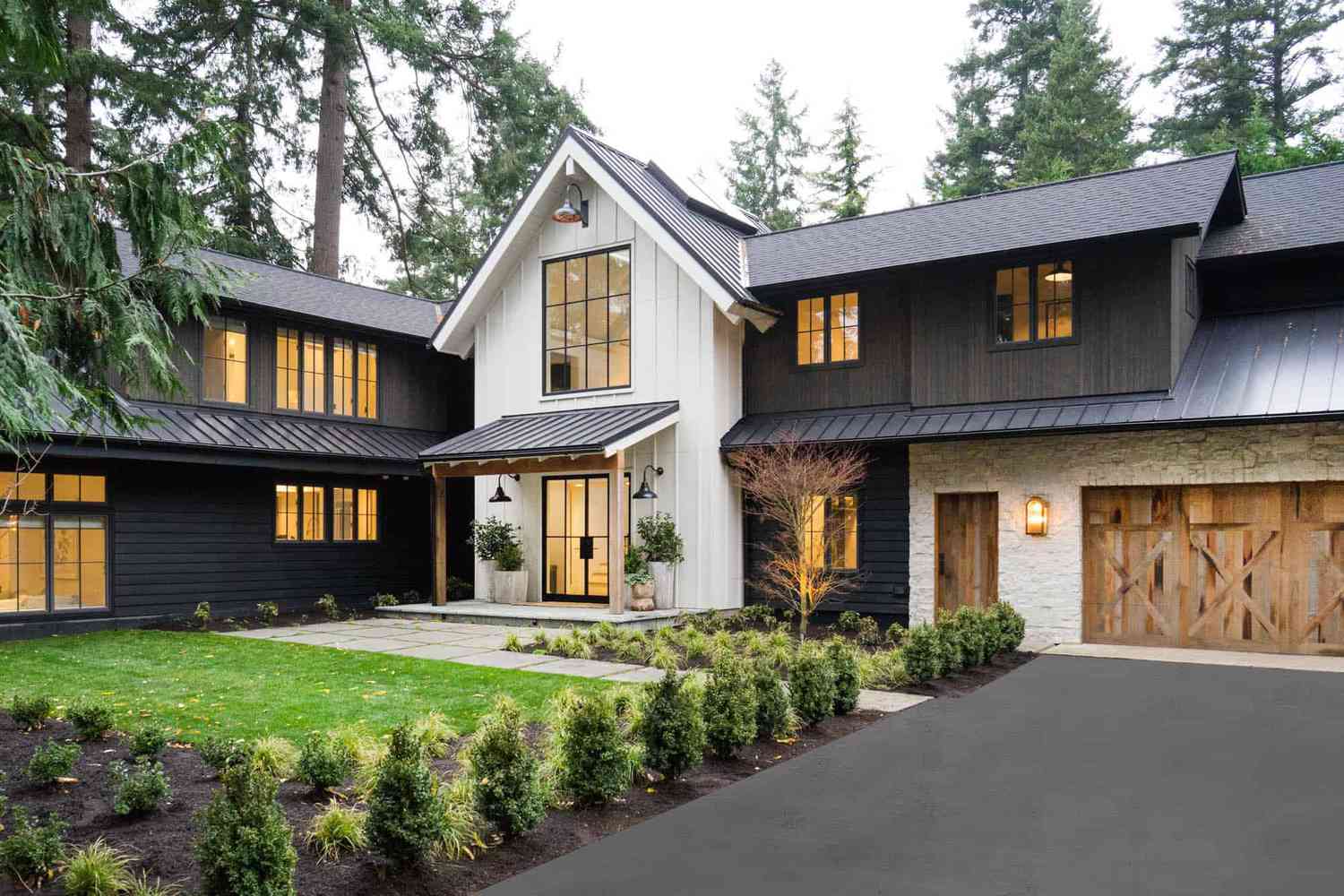
Repainting your home can completely change its appearance. Although choosing a new color may seem simple, the decision deserves careful thought. Your home’s exterior covers a large visual area. It also needs to work with the roof, windows, doors, landscaping, driveway, and other permanent features.
For that reason, choosing Exterior Paint should involve more than picking a color you like in a store. The right shade can improve curb appeal and create a welcoming appearance. With a little planning, you can select a color that looks attractive today and continues to suit your home for years.
Start With Features You Cannot Change
Before comparing colors, take a close look at the features that will remain in place. Your roof, brickwork, stone, windows, driveway, and other permanent materials already contribute colors and undertones to the property.
These elements should guide your color selection. For example, a roof with warm brown or red tones may pair naturally with warm beige, cream, or muted green. On the other hand, a cool gray roof may work better with crisp white, blue-gray, or other cooler shades.
Instead of trying to make every feature match, aim for a balanced combination. Complementary colors usually create a more natural and polished appearance.
Consider Your Home’s Architectural Style
The design of your house can also help narrow your choices. Traditional properties often look attractive with classic neutrals, soft earth tones, or understated color combinations. Modern homes, however, can handle stronger contrasts, deeper shades, and bolder accents.
Architectural details also offer opportunities to introduce another color. Shutters, columns, trim, garage doors, and entry doors can add visual interest without making the entire exterior look busy.
You do not need several colors to create an impressive result. In many cases, one well-chosen main shade with a complementary trim color can deliver a clean and sophisticated look.
Always Test Colors Outdoors
A paint sample can look completely different outside than it does inside a store. Natural sunlight changes throughout the day. Nearby trees, buildings, pavement, and landscaping can also affect how you perceive a color.
Therefore, test several shades directly on your home’s exterior before making your final choice. Paint large sample sections rather than relying on tiny color cards. Check each sample in the morning, afternoon, and evening.
Cloudy weather can also change the appearance of a shade. Give yourself enough time to see how each option behaves under different lighting conditions.

Match the Product to the Surface
Color matters, but performance matters just as much. Different exterior materials can require different preparation methods and coating products. Wood siding, masonry, metal, fiber cement, and previously painted surfaces each have different characteristics.
Before choosing Exterior Paint, inspect the condition of the surface. Look for peeling areas, cracks, stains, mildew, or signs of moisture. Proper cleaning and preparation can help the new coating adhere properly and produce a more even finish.
A beautiful color will not deliver a good result if the product does not suit the surface. Always consider durability, weather exposure, and the manufacturer’s recommendations.
Choose the Right Finish
The finish can change the way your home’s exterior looks. Lower-sheen options can create a softer appearance and may help reduce the visual emphasis on minor surface imperfections. More reflective finishes can highlight certain architectural details.
You can also use different finishes to create subtle contrast. For instance, the main siding can have a softer finish while doors or trim use a slightly different sheen.
However, appearance should not guide the decision alone. Think about the surface, weather exposure, cleaning requirements, and overall maintenance needs before selecting a finish.
Look at Your Landscaping
Your home does not stand alone. Trees, shrubs, flower beds, fences, stone paths, and other outdoor features all influence its appearance.
Consider these elements when choosing Exterior Paint. Natural shades such as muted greens, warm grays, beige, and earthy neutrals can blend smoothly with many landscapes. Bolder colors can create more contrast and draw attention to the property.
Also, think about every season. A color that looks excellent against bright summer greenery should still work when leaves change or disappear during colder months.
Think About Long-Term Maintenance
A fresh coat can improve your home’s appearance, but regular care helps maintain that result. Inspect painted surfaces from time to time. Watch for dirt, mildew, fading, cracking, peeling, and moisture damage.
Address minor issues early. Small repairs often require less time and effort than major restoration later.
You should also keep gutters, downspouts, and drainage areas clear. Good water management can reduce unnecessary moisture exposure and help protect painted surfaces.
Create a Color Scheme That Feels Balanced
Once you understand your home’s existing features, start building a simple color scheme. Choose a dominant shade for the largest exterior areas. Then select a complementary color for trim and consider an accent shade for the front door or shutters.
Keep the overall palette consistent. Too many competing colors can make the property look cluttered. Meanwhile, a carefully coordinated combination can highlight the home’s best features without overwhelming them.
Think about where you want attention to go. A darker front door can draw the eye toward the entrance. A lighter trim color can emphasize windows and architectural details. Small adjustments can make a noticeable difference.
Consider the Surrounding Neighborhood
Your home’s surroundings can also influence your decision. Take a look at nearby houses and consider the overall character of the neighborhood. You do not need to copy other properties, but your choice should feel appropriate for the setting.
If surrounding homes use mostly neutral colors, a bold shade can make your property stand out. However, a softer variation may create a more harmonious appearance. In historic or traditional neighborhoods, local character may also influence which colors feel most suitable.
Think About the Overall Mood
Another important factor is the feeling you want your home to create. Soft, neutral shades can give the property a calm and timeless appearance. Deeper colors can add character and make architectural details stand out. Meanwhile, warm tones can create a welcoming and comfortable impression. Consider how you want the home to feel when you approach it from the street. Then choose a shade that supports that atmosphere while still working with the existing features of the property.
Final Thoughts
Choosing the right Exterior Paint involves more than following a trend or selecting a favorite shade. Your home’s architecture, roof, existing materials, landscaping, lighting, and maintenance needs all play an important role.
Start by studying the features you already have. Then test several colors outdoors and observe them under different lighting conditions. Keep your palette simple, choose products that suit your surfaces, and consider how the color will look throughout the year.
Most importantly, take your time before making the final decision. A thoughtful color choice can refresh your home’s appearance, improve curb appeal, and create a polished look that you can enjoy for many years.
Author



How Trusted Air Duct Cleaners Help Prevent Dangerous Blockages

How to Choose Quality Ayurvedic Herbal Products

Garage Door Repair Las Vegas: Red Flags When Hiring a Contractor

My Simple Snow Ride Turned Into Chaos

Herbal Ingredient Sourcing: From Farm to Formulation

How to Build a Low-Maintenance Balcony Garden

How to Buy Bulk Smoking Accessories for Retail Stores

Amazon Conversion Rate Optimization: 8 Ways to Get More Sales

Top 10 Psychology Conferences 2026 in the USA

Commercial Cabinet Shop Drawings: Key Details for Accurate Fabrication

Cybersecurity Consulting Company SequelNet Provides Critical IT Support Services to Medical Billing Firm, Medical Optimum

Meet the Megalodon: The Shark Star of ‘Meg 2’

Reduce Video Game Lag: Level Up Your Gaming Performance

Balancing India’s Entertainment: Cricket vs. Bollywood

Jetsetter’s Secrets: Unveiling Our Favorite Travel Hacks for a Seamless Adventure

The 5 Best Live Sports Streaming Sites: Legal and Exciting!

Hollywood Labor Unrest: The Impact of ‘What About Us?’ Strikes

Unveiling the Magic of Dream Fulfillment at the Late NBA Draft

Illuminate Your Skin: Dr. Axe Unveils Natural Remedies for Lightening Knees and Elbows

Bright Choices: Navigating the Pros and Cons of Skin Whitening Creams with Dr. Axe
-

 Business3 years ago
Cybersecurity Consulting Company SequelNet Provides Critical IT Support Services to Medical Billing Firm, Medical Optimum
-
Entertainment3 years ago
Meet the Megalodon: The Shark Star of ‘Meg 2’
-
Entertainment3 years ago
Reduce Video Game Lag: Level Up Your Gaming Performance
-
 Sports3 years ago
Balancing India’s Entertainment: Cricket vs. Bollywood
-
Entertainment3 years ago
Jetsetter’s Secrets: Unveiling Our Favorite Travel Hacks for a Seamless Adventure
-
Productivity3 years ago
The 5 Best Live Sports Streaming Sites: Legal and Exciting!
-
Art /Entertainment3 years ago
Hollywood Labor Unrest: The Impact of ‘What About Us?’ Strikes
-
Sports3 years ago
Unveiling the Magic of Dream Fulfillment at the Late NBA Draft