
Tour and Travels
Travel on a Budget: Smart Tips to Save Money on Every Trip


Traveling allows you to discover new cultures, meet interesting people, and create unforgettable memories. However, many people believe that exploring the world requires a large budget. Between flights, hotels, transportation, food, and attractions, the costs can seem overwhelming. As a result, countless dream vacations remain nothing more than plans for the future.
The truth is that traveling does not have to be expensive. With careful planning, smart spending habits, and a little flexibility, you can enjoy incredible destinations without draining your savings. Budget travel is not about sacrificing comfort or missing out on memorable experiences. Instead, it focuses on making informed choices that help you get the most value from every dollar you spend.
Whether you are planning your first trip or looking for ways to travel more often, these practical strategies will help you reduce expenses while making the most of your adventures.
Plan Your Trip in Advance
One of the easiest ways to save money is to start planning early. Last-minute bookings often come with higher prices, especially for flights and accommodation. Giving yourself plenty of time allows you to compare options, monitor price changes, and take advantage of early booking discounts.
Planning ahead also helps you create a realistic travel budget. Once you estimate the cost of transportation, accommodation, food, and activities, you can identify areas where you might save money. This approach reduces financial stress and allows you to enjoy your trip without constantly worrying about expenses. A well-planned itinerary also helps you avoid unnecessary spending caused by poor organization or rushed decisions.

Be Flexible with Your Travel Dates
Travel costs often vary depending on the season, day of the week, and local holidays. If your schedule allows, traveling during off-peak seasons can significantly reduce expenses while providing a more relaxed experience.
Flights and hotels are usually more affordable when tourist demand is lower. Popular attractions also tend to be less crowded, allowing you to enjoy your destination without long lines or packed streets. Even shifting your departure by one or two days can sometimes result in noticeable savings. Flexibility gives you access to better deals while making your overall travel experience more enjoyable.
Find Affordable Flights
Airfare is often one of the largest travel expenses, but several strategies can help reduce the cost. Comparing prices across multiple booking platforms allows you to identify the best available deals before making a reservation.
Booking flights several weeks or months in advance usually provides lower fares than waiting until the last minute. Flying on weekdays instead of weekends can also reduce ticket prices. If possible, consider nearby airports, as they sometimes offer significantly cheaper flights than major international hubs. Traveling with only carry-on luggage can provide additional savings by helping you avoid checked baggage fees.
Choose Budget-Friendly Accommodation
Luxury hotels are not the only option for comfortable travel. Many affordable accommodations provide excellent value while allowing you to spend more of your budget on experiences rather than lodging.
Hostels, guesthouses, vacation rentals, and budget hotels often offer clean, comfortable rooms at much lower prices. If you are traveling with family or friends, renting an apartment may be more economical than booking multiple hotel rooms.
Location also matters. Staying slightly outside the main tourist area can significantly reduce accommodation costs while still providing convenient access to public transportation.

Travel with a Budget in Mind
Creating a daily spending limit helps prevent unnecessary expenses throughout your trip. Before you leave, decide how much you want to spend on food, transportation, entertainment, and shopping each day.
Tracking your expenses during the trip allows you to stay within your budget while identifying areas where you can save. Many budgeting apps make this process simple by recording purchases and showing how much you have left to spend. Having a financial plan allows you to enjoy your vacation with greater peace of mind.
Use Public Transportation
Transportation costs can quickly add up if you rely entirely on taxis or ride-sharing services. Fortunately, many cities offer reliable and affordable public transportation systems that connect major attractions and neighborhoods.
Buses, trains, subways, and trams often provide an authentic local experience while costing only a fraction of private transportation. In some destinations, purchasing multi-day transit passes offers even greater savings. Walking is another excellent option whenever possible. Besides saving money, it allows you to discover hidden streets, local shops, and attractions you might otherwise miss.
Eat Like a Local
Dining at restaurants located near major tourist attractions often comes with higher prices. Instead, explore neighborhoods where local residents eat. Small family-owned restaurants, cafés, and street food vendors frequently serve authentic meals at much more affordable prices.
Visiting local markets also provides opportunities to purchase fresh fruits, snacks, and ingredients for simple meals if your accommodation includes a kitchen. Preparing breakfast or lunch occasionally can significantly reduce your overall food expenses. Trying local cuisine not only saves money but also gives you a richer cultural experience.
Prioritize Free and Low-Cost Attractions
Many destinations offer incredible experiences that cost little or nothing. Public parks, beaches, hiking trails, museums with free admission days, historical neighborhoods, and cultural festivals allow you to enjoy your destination without overspending.
Research your destination before traveling to identify free walking tours, community events, and scenic viewpoints. These activities often become some of the most memorable parts of a trip because they provide authentic experiences rather than expensive tourist attractions. Balancing paid attractions with free activities helps stretch your travel budget much further.
Pack Smart
Packing efficiently can save both money and stress during your journey. Bringing only what you need helps you avoid baggage fees while making transportation easier.
Choose versatile clothing that can be mixed and matched for different outfits. Pack reusable items such as a water bottle, shopping bag, travel utensils, and portable charger to avoid purchasing disposable replacements during your trip. Checking the weather forecast before packing also prevents unnecessary purchases after arrival.
Avoid Unnecessary Travel Expenses
Small purchases may not seem significant individually, but they quickly add up over the course of a trip. Bottled water, convenience store snacks, excessive souvenirs, and currency exchange fees can quietly increase your overall expenses.
Instead of buying bottled water repeatedly, carry a reusable bottle whenever safe drinking water is available. Limit souvenir purchases to meaningful items rather than impulse buys, and compare currency exchange rates before converting money. Being mindful of small expenses often leads to substantial savings by the end of your vacation.
Travel with Friends or Family
Traveling with others provides opportunities to share many expenses, including accommodation, transportation, and groceries. Splitting costs allows everyone to enjoy higher-quality experiences while staying within budget.
Group travel also creates opportunities to rent larger vacation homes or apartments that would be too expensive for solo travelers. In many cases, these accommodations provide kitchens and laundry facilities that further reduce travel expenses. Besides financial benefits, traveling with friends or family creates shared memories that make the experience even more rewarding.
Take Advantage of Travel Rewards
If you travel regularly, consider using airline loyalty programs, hotel reward memberships, or travel credit cards that offer points or cashback. Over time, these rewards can help reduce the cost of future flights, accommodations, or travel-related purchases.
However, only use travel credit cards responsibly by paying balances in full each month. The goal is to earn rewards without accumulating unnecessary debt. When managed wisely, reward programs can make future trips significantly more affordable.
Stay Safe While Saving Money
Budget travel should never come at the expense of your safety. Avoid accommodations with poor reviews simply because they are inexpensive, and always research neighborhoods before booking.
Keep copies of important travel documents, use secure payment methods, and remain aware of your surroundings. Spending a little more for reliable transportation or secure accommodation is often worthwhile if it provides greater peace of mind. Smart budgeting means balancing affordability with comfort and safety.
Common Budget Travel Mistakes to Avoid
Many travelers unintentionally overspend because they fail to research costs before arriving at their destination. Another common mistake is overpacking, which often results in expensive baggage fees. Waiting until the last minute to book flights or hotels also reduces your chances of finding affordable deals.
It is equally important to avoid planning every minute of your trip. Leaving some flexibility allows you to take advantage of unexpected opportunities, discounts, or local recommendations that may enhance your experience while staying within budget. Finally, remember that the cheapest option is not always the best value. Consider quality, location, and convenience alongside price when making travel decisions.
Benefits of Budget Travel
Traveling on a budget encourages more thoughtful spending and often leads to richer, more authentic experiences. Instead of focusing on luxury accommodations or expensive attractions, you become more connected with local culture, cuisine, and everyday life.
Budget travel also allows you to travel more frequently because you spend less on each trip. Many experienced travelers discover that meaningful experiences rarely depend on expensive hotels or lavish spending. Instead, they come from exploring new places, meeting people, and embracing different cultures. Perhaps the greatest benefit is the confidence that comes from knowing you can explore the world without waiting until you have unlimited financial resources.
Conclusion
Learning how to travel on a budget is about making smart choices rather than sacrificing enjoyable experiences. By planning ahead, staying flexible, choosing affordable accommodations, using public transportation, eating like a local, and focusing on meaningful activities, you can create unforgettable trips without overspending.
Remember that successful budget travel is built on preparation and mindful spending. Start by creating a realistic travel budget, prioritize experiences over luxury, and remain open to discovering hidden gems along the way. With the right approach, you can explore more destinations, create lasting memories, and enjoy the freedom that comes from traveling confidently within your budget.
Author

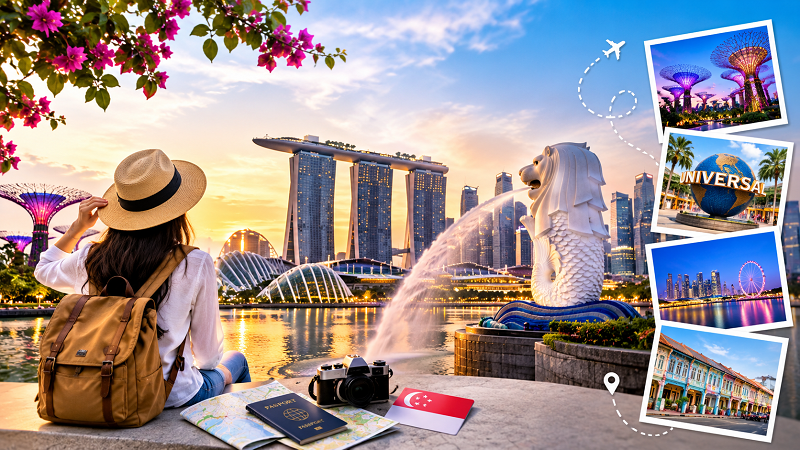
Planning a first trip to Singapore is easier than planning most international holidays, because the city is compact, safe and well organised. Still, a few choices, such as the season, the area you stay in and how many days you allow, shape the whole experience. This guide covers each decision in a clear, step-by-step way.
Introduction
Singapore is a small island city-state at the southern tip of the Malay Peninsula. It is only about 50 kilometres across, yet it packs in futuristic gardens, heritage neighbourhoods, beaches, theme parks, world-famous street food and one of the best airports on the planet. That mix is why it ranks high on first-time international trip lists.
The city is also easy to navigate. English is widely spoken, signs are clear, the MRT covers most tourist areas, and public spaces are clean and well maintained. Visitors from India, the Middle East, Europe and the rest of Asia often choose it as an introduction to Southeast Asia.
If you like having flights, hotels, transfers and attraction tickets arranged in one place, comparing a few Singapore Holiday Packages can help you see what a typical 4 to 6 day trip includes before you decide whether to book independently. Whichever route you take, the planning principles below stay the same.
In this article you will find the best time to visit, entry requirements, ideal trip length, where to stay, how to get around, must-see places, food, budgets, a sample itinerary, local rules and common mistakes.
Key Takeaways
- Plan 4 to 5 days for a comfortable first visit. Three days is the minimum.
- Singapore is warm and humid all year. Pack light clothes and carry an umbrella.
- Check your visa and complete the SG Arrival Card before you fly. Rules depend on your passport.
- Stay near an MRT station. Marina Bay, Chinatown, Bugis and Orchard are convenient bases.
- Eat at hawker centres. They offer authentic, affordable local food.
- Budget carefully. Accommodation and attractions cost more than in most Asian cities.
- Follow local laws. Fines for littering, vaping and similar offences are strict.
Why Singapore Is a Great Choice for First-Time Visitors
Singapore is a good first international destination because it is safe, compact, English-speaking, well connected by public transport and offers a wide range of experiences within a short distance.
Several features make the city beginner-friendly:
- Safety: Singapore consistently ranks among the safest cities for tourists.
- Efficient infrastructure: Changi Airport, the MRT, buses, taxis and ride-hailing apps work smoothly.
- Short distances: Most major attractions are within 30 to 40 minutes of each other.
- Cultural variety: Chinese, Malay, Indian and Peranakan heritage live side by side.
- Year-round activity: Indoor attractions, covered walkways and air-conditioned malls make it workable even in rain.
Who It Suits Best
| Traveller Type | Why Singapore Works |
| Families with children | Universal Studios, Singapore Zoo, S.E.A. Aquarium and safe streets |
| Couples and honeymooners | Marina Bay views, rooftop bars, Sentosa beaches |
| Solo travellers | Easy transport, safe at night, social food culture |
| Senior travellers | Flat terrain, lifts at stations, good healthcare |
| Short-break travellers | Compact layout, quick airport transfers |
When Is the Best Time to Visit Singapore?
February to April is generally considered the most comfortable window because rainfall is lower, though Singapore is warm, humid and open for tourism throughout the year.
Singapore has a tropical climate with temperatures usually between 25°C and 32°C. There is no true winter or summer, only wetter and drier periods.
| Period | Weather | What to Expect |
| February to April | Drier, hot | Good for outdoor sightseeing; Chinese New Year may fall in this window |
| May to September | Hot, occasional showers | Great Singapore Sale (usually mid-year), school holidays, busier attractions |
| September to October | Warm, some haze risk | Singapore Grand Prix weekend raises hotel prices sharply |
| November to January | Wetter monsoon period | Frequent afternoon rain, festive lights, year-end crowds |
Real-Life Tip
Rain in Singapore usually arrives as short, heavy showers. Plan outdoor activities for the morning and keep indoor options, like museums, malls or Jewel Changi Airport, ready for the afternoon.
Entry Requirements: Visa and SG Arrival Card
Entry rules depend on your nationality. Many travellers need a visa, and almost all visitors must submit the free SG Arrival Card online before arrival.
Singapore’s Immigration and Checkpoints Authority (ICA) manages entry. Visitors from some countries enter visa-free, while others, including Indian passport holders, usually need a visa obtained through an authorised channel before travel.
Pre-Trip Document Checklist
- Passport valid for at least six months from your arrival date.
- Visa, if your nationality requires one.
- SG Arrival Card, submitted through the official ICA website or app within the allowed window before arrival.
- Confirmed return or onward ticket.
- Proof of accommodation and sufficient funds.
- Travel insurance covering medical care and trip changes.
Visa fees, processing times and entry conditions change, so always verify them on the official ICA website before booking flights.
How Many Days Do You Need in Singapore?
Four to five days is ideal for a first visit. Three days covers the highlights, and six or seven days allows day trips and slower travel.
| Trip Length | What You Can Cover |
| 3 days | Marina Bay, Gardens by the Bay, Sentosa, Chinatown, Little India |
| 4 to 5 days | All of the above plus Singapore Zoo or Night Safari, Orchard Road, Kampong Glam |
| 6 to 7 days | Add Pulau Ubin, museums, Southern Ridges walk, or a trip to Johor Bahru or Bintan |
Many travellers combine Singapore with a nearby country. Singapore works well as a gateway for Malaysia, Indonesia or Thailand, which is covered later in this guide.
Where to Stay: Best Areas for First-Time Visitors
Marina Bay, Chinatown, Bugis and Orchard Road are the most convenient areas for first-time visitors because they combine MRT access, food options and sightseeing.
Singapore hotels are priced higher than in many Asian cities, so location matters more than room size.
| Area | Best For | Highlights |
| Marina Bay | Iconic views, couples | Marina Bay Sands, Gardens by the Bay, Merlion Park |
| Chinatown and Tanjong Pagar | Food, budget-mid range | Temples, Maxwell Food Centre, bars and cafés |
| Bugis and Kampong Glam | Culture, shopping | Sultan Mosque, Haji Lane, Bugis Street |
| Orchard Road | Shopping, families | Malls, Botanic Gardens access |
| Sentosa | Resort stays, theme parks | Beaches, Universal Studios Singapore |
| Little India | Budget stays, Indian cuisine | Mustafa Centre, Sri Veeramakaliamman Temple |
What to Check When Booking
- Walking distance to the nearest MRT station
- Air conditioning and Wi-Fi quality
- Cancellation policy
- Whether taxes and service charges are included in the price
How to Get Around Singapore
The MRT is the fastest and cheapest way to move around Singapore, supported by buses, taxis and ride-hailing apps for short or late-night trips.
The MRT network connects the airport, downtown, Orchard Road, Chinatown, Little India and Harbourfront, where you can reach Sentosa. Trains are frequent, air-conditioned and easy to follow.
Transport Options Compared
| Option | Best For | Notes |
| MRT | Most trips | Fast, affordable, clear maps |
| Public bus | Reaching areas without MRT | Pay by contactless card |
| Taxi | Late nights, luggage | Surcharges apply at peak times and airport |
| Ride-hailing | Door-to-door convenience | Check estimated fares in the app |
| Walking | Marina Bay, Chinatown, Kampong Glam | Carry water and use covered walkways |
Payment Tip
Most visitors use a contactless bank card or a transit card for MRT and buses, so check which options your card supports before arriving. Eating and drinking on public transport are not permitted, so finish your snack before you enter the station.
Top Attractions for a First Visit
The essential first-visit attractions are Gardens by the Bay, Marina Bay Sands, Sentosa, Singapore Zoo and its sister parks, Jewel Changi Airport, Chinatown and Little India.
Gardens by the Bay and Marina Bay
Gardens by the Bay is a large nature park with the Supertree Grove, the Flower Dome and the Cloud Forest. Visit in the evening when the Supertrees are lit up. Nearby, Marina Bay Sands has an observation deck with views of the skyline, and Merlion Park is the classic photo stop.
Sentosa Island
Sentosa is Singapore’s leisure island, reached by cable car, monorail, bus or on foot from HarbourFront. It has beaches, Universal Studios Singapore, the S.E.A. Aquarium and active experiences such as the Skyline Luge. If you want thrill-based activities, you can Discover adventure packages that combine Sentosa rides, water sports and outdoor experiences in one itinerary, which saves time on separate bookings.
Wildlife: Zoo, Night Safari and Bird Paradise
The Mandai Wildlife Reserve is home to Singapore Zoo, Night Safari, River Wonders and Bird Paradise. The Night Safari is one of the most unusual evening experiences in Asia, with nocturnal animals viewed in a naturalistic setting.
Jewel Changi Airport
Jewel is more than an airport mall. It features the HSBC Rain Vortex, an indoor waterfall, plus gardens and walking trails. If you land early or have a long layover, it is a pleasant way to start or end your trip.
Heritage Neighbourhoods
- Chinatown: Temples, shophouses, street markets and the Buddha Tooth Relic Temple.
- Little India: Colourful streets, flower garlands, Indian food and shops.
- Kampong Glam: Sultan Mosque, Arab Street and creative cafés.
Food: What to Eat in Singapore
Singapore’s food culture centres on hawker centres, where you can eat dishes like Hainanese chicken rice, laksa, chilli crab and kaya toast at reasonable prices.
Singapore’s hawker culture is recognised by UNESCO as part of humanity’s intangible cultural heritage, so eating at a hawker centre is a core part of any first visit.
Must-Try Dishes
- Hainanese chicken rice: Poached chicken with fragrant rice and chilli sauce.
- Laksa: Spicy coconut noodle soup.
- Chilli crab: A rich, sweet-spicy crab dish, best shared.
- Char kway teow: Stir-fried flat noodles.
- Kaya toast with soft-boiled eggs: A classic breakfast.
- Roti prata: Crisp Indian-style flatbread with curry.
Popular Hawker Spots
Maxwell Food Centre and Lau Pa Sat are popular with visitors, while Newton Food Centre is known for evening seafood. Prices and quality vary by stall, so look for busy queues.
Dietary Considerations
Vegetarian and halal food is easy to find, especially in Little India and Kampong Glam. Check the halal certification at stalls if it matters to you, and ask about ingredients if you have allergies.
Budget Planning for Singapore
Singapore is costlier than most Southeast Asian destinations, mainly because of accommodation and attraction tickets, but you can control spending by eating at hawker centres and using the MRT.
Main Cost Areas
- Flights and visa fees
- Accommodation (usually the biggest expense)
- Attraction tickets and theme parks
- Local transport
- Food
- Shopping and souvenirs
- Travel insurance and mobile data
Ways to Save Without Losing Quality
- Book hotels early, especially around the Grand Prix, Chinese New Year and year-end holidays.
- Eat at hawker centres and food courts for most meals.
- Use the MRT rather than taxis.
- Visit free attractions such as Merlion Park, Chinatown streets and the Gardens by the Bay outdoor areas.
- Buy attraction tickets online in advance, where discounts are offered.
- Group shopping near Bugis and Chinatown instead of premium Orchard Road stores.
Singapore adds Goods and Services Tax (GST) to purchases, and some retailers participate in a tourist refund scheme. Rules change, so check current eligibility before shopping.
A Simple 4-Day Itinerary for First-Time Visitors
A balanced first itinerary spreads heritage, nature, family attractions and shopping across four days, with each day built around one main area.
Day 1: Marina Bay and the City Centre
- Merlion Park and the waterfront walk
- Marina Bay Sands observation deck
- Evening at Gardens by the Bay
Day 2: Heritage Neighbourhoods
- Chinatown temples and markets
- Lunch at a hawker centre
- Little India in the afternoon
- Kampong Glam and Haji Lane at sunset
Day 3: Sentosa
- Universal Studios Singapore or S.E.A. Aquarium
- Beach time at Siloso or Palawan Beach
- Evening show or a relaxed dinner at HarbourFront
Day 4: Wildlife and Shopping
- Morning at Singapore Zoo or Bird Paradise
- Jewel Changi Airport before departure, or Orchard Road shopping
- Night Safari if your flight is late
If you have a fifth day, add Pulau Ubin for cycling, the Southern Ridges walk or the National Gallery Singapore.
Rules, Laws and Etiquette Every Visitor Should Know
Singapore enforces strict public rules, including penalties for littering, vaping, smoking in banned areas and drug offences, so tourists should follow local laws carefully.
Singapore is welcoming, but the rules are real and applied consistently.
Do and Don’t Checklist
- Do dispose of litter properly and keep public spaces clean.
- Do carry your passport or a copy of it for identification.
- Do dress modestly when visiting temples, mosques and religious sites.
- Don’t bring in or use e-cigarettes or vaping products.
- Don’t bring in chewing gum for sale, and avoid disposing of gum improperly.
- Don’t carry any illegal drugs or medication without proper documents. Penalties are severe.
- Don’t eat or drink on the MRT, and avoid bringing durian onto public transport.
If you take prescription medicine, carry it in the original packaging with a doctor’s note. Review current rules on the official Singapore government and ICA sites before you travel, as regulations can change.
Common Challenges and How to Handle Them
The most common challenges for first-timers are heat and humidity, high prices, sudden rain and overpacking the itinerary, and all of them are easy to manage with planning.
| Challenge | Practical Solution |
| Heat and humidity | Wear breathable clothes, hydrate and plan indoor breaks |
| Sudden rain | Carry a compact umbrella or rain jacket |
| High accommodation costs | Book early and pick locations near the MRT |
| Long queues at attractions | Pre-book tickets and arrive early |
| Overpacked days | Limit yourself to one or two major activities per day |
| Jet lag | Keep Day 1 light, especially after long flights |
Packing and Connectivity Essentials
Pack lightweight clothing, comfortable walking shoes, a travel adapter for Type G plugs, and arrange mobile data before you land.
Singapore uses 230V power with three-pin Type G sockets, so Indian travellers will need an adapter.
Packing Checklist
- Light, breathable clothes and one modest outfit for religious sites
- Comfortable walking shoes and sandals
- Compact umbrella or rain jacket
- Sunscreen, sunglasses and a hat
- Power bank and Type G adapter
- Reusable water bottle
- Basic medicines with prescriptions
- Copies of your passport, visa and bookings
Staying Connected
Airport SIM cards, eSIMs and roaming packs are all available. Compare options before you travel, as prices and data limits vary.
Solo, Family or Group: Choosing Your Travel Style
Solo travel gives you flexibility, family travel needs a relaxed pace, and group travel reduces planning effort and often improves cost efficiency for transport and sightseeing.
| Style | Advantages | Things to Consider |
| Solo | Freedom, easy meeting of other travellers | Higher per-person room cost |
| Couple | Romantic spots, easy planning | Book viewpoints and dinners early |
| Family | Kid-friendly attractions, safe environment | Heat and long walking days |
| Group | Shared costs, organised schedule | Less flexibility |
Singapore also works well as one stop in a larger regional trip. Travellers combining it with Malaysia, Thailand or Indonesia often look at Asia group tour packages to cover transfers and sightseeing across several countries, which can be easier than arranging each leg separately.
Future Trends in Singapore Travel
Singapore tourism is moving toward more sustainability, digital convenience, wellness and nature-focused experiences.
- Digital entry and payments: Online arrival cards, contactless transport and app-based bookings are becoming standard.
- Sustainability: Green buildings, urban gardens and eco-friendly attractions continue to expand.
- Wellness and nature travel: Wildlife parks, parks and outdoor trails are gaining attention.
- Regional combinations: Short Singapore stays paired with Malaysia, Indonesia or Thailand are growing in popularity.
- New attractions: Singapore frequently refreshes its attraction lineup, so check current openings before you plan.
Common Mistakes First-Time Visitors Make
- Trying to see everything in two days. Singapore looks small, but queues and heat slow you down.
- Staying far from an MRT station. It adds time and cost every day.
- Ignoring entry paperwork. Delays at visa or SG Arrival Card stages can disrupt flights.
- Booking only evening activities. Daytime heat makes morning planning smarter.
- Skipping hawker centres. Restaurants cost more and offer less variety.
- Not reading local rules. Small mistakes can lead to fines.
- Forgetting travel insurance. Medical care is excellent but expensive.
Conclusion
A great first trip to Singapore comes down to a few smart decisions: choose a comfortable season, handle entry paperwork early, stay near the MRT, spread your days across different areas and eat where the locals eat. Keep your pace relaxed, respect local rules and verify prices and requirements before you book.
With four or five days, a simple plan and a flexible mindset, Singapore can be one of the easiest and most rewarding international trips you take.
Frequently Asked Questions
1. How many days are enough for a first trip to Singapore?
Four to five days is enough for most first-time visitors. That gives you time for Marina Bay, Sentosa, heritage areas, wildlife parks and food experiences without rushing.
2. Do Indian citizens need a visa for Singapore?
Indian passport holders generally need a visa before travelling to Singapore, which is usually applied for through an authorised channel. Rules, fees and processing times can change, so confirm the latest details on the official ICA website.
3. What is the SG Arrival Card?
It is a free digital arrival declaration that visitors must submit to ICA before reaching Singapore. You normally fill it in online within a set period before your arrival, and you should keep the confirmation on your phone.
4. Is Singapore expensive for tourists?
Yes, it is more expensive than many Southeast Asian destinations, mainly because of hotels and attractions. However, hawker food, MRT travel and free public spaces keep daily costs manageable.
5. Which area is best for first-time visitors?
Marina Bay, Chinatown, Bugis and Orchard Road are the most convenient. Choose Marina Bay for views, Chinatown for food and value, and Orchard Road for shopping and easy transport.
6. Is Singapore safe for solo and female travellers?
Singapore is widely regarded as one of the safest destinations in Asia, with low street crime and well-lit public areas. Basic precautions still apply, such as securing your belongings and using licensed transport.
7. Can I visit Singapore and Malaysia in one trip?
Yes. Johor Bahru is just across the Causeway, and Kuala Lumpur is a short flight away. Check passport, visa and border crossing rules for both countries before planning the route.
Author


Booking a trip to Kentucky Bourbon Country is an exciting milestone for any spirits enthusiast, but it quickly presents a challenging question: with dozens of active distilleries, four sprawling geographic regions, and countless tour formats, which experience is right for your group?
A couple planning a romantic weekend wants a leisurely pace, scenic views, and quiet tastings. A group of college friends on a reunion trip wants high-energy tours, generous pours, and great local barbecue. Meanwhile, a serious collector is searching for private rickhouse access, uncut barrel tasting, and technical conversations about fermentation science.
Choosing the right bourbon tour format requires evaluating group size, whiskey knowledge, budget, and travel preferences. Here is a complete guide to finding the ideal tour experience for your trip to Kentucky.
Evaluating the Three Primary Tour Formats
Every guided whiskey journey in Kentucky falls into one of three core categories. Understanding the operational trade-offs of each format ensures you book an experience that matches your expectations.
1. Shared Public Bus Tours
Public tours sell individual seats on large passenger mini-buses or motorcoaches traveling along a predetermined route.
- The Strengths: Budget-friendly for solo travelers or pairs; removes the need to drive yourself.
- The Drawbacks: Rigid schedules with zero room for customization; large crowds that move slowly through gift shops; hurried lunch breaks; no ability to pick your preferred distilleries.
2. Pre-Packaged Regional Private Tours
These curated packages gather three or four premier distilleries within a specific geographic hub (such as Bardstown or Frankfort) into a seamless single-day experience.
- The Strengths: Expertly balanced timing; reliable distillery combinations; private transport; all reservations handled for you.
- The Drawbacks: The itinerary is preset, meaning you cannot swap out a distillery if you have already visited one of the featured stops.
3. Bespoke Custom Private Tours
A fully customized charter where a professional tour operator builds a unique itinerary around your specific wish list, secures private tastings, books dining reservations, and provides a dedicated luxury vehicle with a personal chauffeur-guide.
- The Strengths: Complete control over distillery selection; ultimate comfort and flexibility; personalized attention; VIP access options.
- The Drawbacks: Requires a higher upfront budget than self-driving or public bus tickets.
Matching Tour Styles to Your Travel Party
To ensure everyone in your group has a memorable time, match the tour style to your party’s specific dynamic:
The First-Timer and Sightseer Group
If your party enjoys bourbon casually and values Southern scenery, history, and architecture just as much as the whiskey itself, look for tours that feature visually stunning campuses. Woodford Reserve, Castle & Key, and Maker’s Mark offer manicured grounds, rich history, and accessible tasting profiles that appeal to all experience levels.
The Dedicated Collector and Connoisseur
If your home bar is stocked with barrel-proof selections and you want to discuss mash bills, yeast strains, and enter proofs, standard introductory tours may feel repetitive. Look for elevated VIP experiences that offer specialized activities:
- Barrel Thieving: Sampling unfiltered whiskey pulled directly from the barrel inside an aging rickhouse.
- Master Blending Labs: Creating and bottling your own custom bourbon blend (such as at Bardstown Bourbon Company).
- Exclusive Single Barrel Flights: Tasting rare, allocated expressions that are unavailable on public retail shelves.
Bachelor Parties, Celebrations, and Corporate Outings
For larger social groups, group cohesion and safety are the top priorities. You want a private luxury vehicle that keeps everyone together, eliminates parking logistics, and ensures nobody has to miss out on tastings to act as the designated driver. Look for itineraries that blend energetic distillery stops with exceptional Southern smokehouses and relaxed evening cocktail lounges.
Key Questions to Ask Before Booking a Tour
When comparing tour operators across Kentucky, make sure to ask essential vetting questions before paying a deposit:
· Are all distillery tasting and admission fees included in the price?
Some tour operators only provide vehicle hire and leave ticket coordination to you, while premium operators handle all bookings seamlessly.
· What specific vehicle model will be provided?
Spending six to eight hours in a cramped passenger van feels very different from riding in a high-roof luxury Mercedes Sprinter equipped with leather captain chairs, climate control, and chilled bottled water.
· How is lunch handled during the tour?
Does the tour rush you through a drive-thru, or does it include reservations at an authentic Kentucky smokehouse or distillery restaurant?
Is the driver a trained local guide with deep knowledge of bourbon heritage?
A great guide does not just steer the wheel; they share regional history, folklore, and practical tasting tips throughout the drive.
What is the cancellation and rescheduling policy for distillery tickets?
Because distilleries enforce strict cancellation windows, understanding the policy upfront prevents unexpected financial loss.
How to Prepare for Your Tour Day
- Dress in Comfortable Layers: Kentucky’s rickhouses are not climate-controlled; they are chilly in the spring and autumn and hot in the summer. Wear comfortable layers and sturdy, closed-toe walking shoes for navigating gravel paths, metal stairs, and production floors.
- Pace Your Palate Carefully: A full-day tour can easily include nine to twelve different whiskey pours across three stops. Sip slowly, take advantage of the water glasses provided at every tasting station, and do not hesitate to use the dump buckets provided in every tasting room.
- Bring a Dedicated Bottle Bag: You will likely pick up exclusive bottles, specialty glassware, and merchandise along the way. Bring a padded tote or ask your tour driver for onboard storage to keep your purchases safe during transit.
The Premier Way to Tour Kentucky
Choosing the right bourbon tour comes down to how you value your vacation time. If you want to avoid the stress of coordinating schedules, navigating country backroads, and competing for sold-out tickets, booking a private luxury experience is the gold standard.
With Sip Kentucky, every detail is handled with precision and local hospitality. Whether you choose a curated regional favorite like the Bardstown’s Best package or design a fully customized VIP itinerary, you will travel in supreme comfort aboard a luxury Mercedes Sprinter van. Sit back, relax, and let Kentucky’s finest bourbon guides show you the heart of whiskey country.
Author


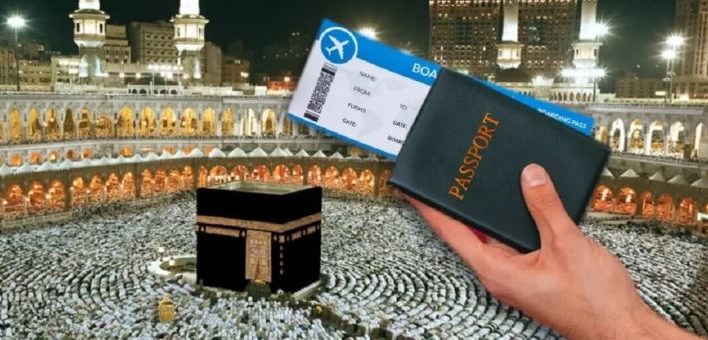
For Muslims, performing Umrah is a deeply spiritual experience. It gives pilgrims a chance to step away from daily responsibilities and focus on prayer, reflection, and devotion. Although Umrah does not carry the same obligation as Hajj, Muslims from around the world visit Makkah and Madinah throughout the year to complete this blessed journey.
However, a peaceful pilgrimage requires careful preparation. Pilgrims need to consider flights, accommodation, transportation, visa arrangements, and daily travel. Without proper planning, these details can become stressful. Therefore, choosing reliable Umrah Travel services can make the journey more organized and comfortable.
Plan your Umrah with confidence and ease. Discover how to choose the right Umrah package, compare accommodation and transportation options, understand visa assistance, manage your budget, and prepare for a comfortable, organized, and spiritually fulfilling pilgrimage to Makkah and Madinah.
Understanding Umrah Travel Services
Travel services help pilgrims arrange the essential parts of their journey through a convenient travel plan. Instead of booking flights, hotels, transportation, and other services separately, travelers can choose an option that brings these arrangements together.
Depending on the provider, a travel package may include return flights, hotel accommodation in Makkah and Madinah, visa assistance, airport transfers, and transportation between the holy cities. Some providers may also offer meals, guided Ziyarat visits, and support from experienced travel representatives.
This approach saves valuable time. It also reduces the pressure of managing several bookings at once. As a result, pilgrims can focus more on their spiritual preparation and less on travel logistics.
Why Careful Travel Planning Matters
Planning an international pilgrimage can feel complicated, particularly for first-time travelers. You need to coordinate different services and make sure that each part of your itinerary works smoothly. A small mistake can sometimes create unnecessary problems during the trip.
Reliable Umrah Travel providers can simplify this process. Experienced travel professionals understand the needs of pilgrims and can help arrange important services before departure. They can also explain different accommodation, transportation, and itinerary options.
Convenience is another major advantage. Travel companies often work with airlines, hotels, and transportation providers regularly. Therefore, they may provide competitive package prices and coordinated services.
Professional support can also become valuable when unexpected situations occur. Flight delays, hotel concerns, or itinerary changes can happen during any international trip. Having someone available to assist you can provide greater peace of mind.
Popular Types of Umrah Packages
Every pilgrim has different needs and preferences. Some travelers want to control their spending, while others prioritize comfort and convenience. For this reason, Umrah Travel providers usually offer several package options.
Budget Packages
Budget packages suit pilgrims who want to keep their travel expenses manageable. These options generally focus on essential services, such as economy flights, comfortable accommodation, shared transportation, and visa assistance.
However, travelers should not focus only on the price. A low-cost hotel located far from the Haram may increase transportation expenses and make daily travel more tiring. Always consider the complete value of the package before booking.
Family Packages
Families often need additional comfort and flexibility during Umrah. Children, elderly parents, and larger groups may require suitable rooms and convenient transportation.
Family packages can address these needs through larger accommodations, coordinated transfers, and hotel options near important religious sites. Before booking, families should confirm room sizes, sleeping arrangements, and available facilities.
Group Packages
Group travel can make the pilgrimage more organized. Friends, relatives, community groups, and Islamic organizations often choose group packages because they can travel together and share certain expenses.
Experienced group leaders can also provide helpful guidance. This support can be especially useful for first-time pilgrims who may feel uncertain about travel schedules or local arrangements.
Luxury Packages
Some pilgrims prefer premium services and greater comfort. Luxury packages may include high-quality hotels, private transportation, premium flights, and personalized assistance.
These options usually cost more than standard packages. However, they can suit travelers who want convenient accommodation and minimal travel between their hotel and the holy sites.

How to Choose the Right Package
Choosing the right Umrah Travel package requires more than comparing advertised prices. Start by considering the hotel location. Staying close to Masjid al-Haram in Makkah or Masjid an-Nabawi in Madinah can make daily prayers more convenient.
Next, research the hotel carefully. Read recent guest reviews and check comments about cleanliness, room quality, service, and facilities. A hotel may look excellent in promotional photographs, so independent reviews can provide a more realistic picture.
Transportation also deserves attention. Check whether airport transfers and travel between Makkah and Madinah are included. You should also find out whether the service uses shared buses, private vehicles, or another transportation option.
Visa assistance is another important consideration. Ask the provider exactly what the service includes and whether additional charges apply. Clear information can help you avoid unexpected costs later.
Prepare Before You Book
Good preparation can make your pilgrimage much easier. Before selecting an Umrah Travel package, consider your budget, preferred travel dates, accommodation requirements, and transportation preferences.
Families should think about the needs of children and elderly relatives. First-time pilgrims may prefer packages that include guidance and organized transportation. Solo travelers may prioritize flexibility and affordable accommodation.
It also helps to compare several options before making your final decision. Ask questions about the hotel, flights, transfers, visa process, cancellation terms, and payment schedule. Never hesitate to request clarification if something seems unclear.
Most importantly, choose a travel provider that communicates clearly and offers dependable customer support. Transparent pricing and straightforward terms can make the booking process much easier.
With the right Umrah Travel plan, pilgrims can reduce many of the practical challenges associated with international travel. Careful preparation allows you to spend less time worrying about logistics and more time focusing on prayer, reflection, and worship. A well-organized journey can help create a peaceful and meaningful experience from the moment you leave home until you return.
Final Thoughts
Planning an Umrah journey requires careful attention, but the right preparation can make the experience much easier. Choosing suitable Umrah Travel services helps pilgrims manage important details such as flights, accommodation, transportation, and visa arrangements.
Before booking, compare your options and look beyond the price. Consider hotel location, package inclusions, transportation, customer support, and the reputation of the travel provider. A well-planned journey reduces unnecessary stress and gives you more time to focus on prayer and worship.
Most importantly, remember the purpose of the journey. Umrah is not simply a trip to another destination. It is a meaningful act of worship and a special opportunity to strengthen your connection with Allah. With thoughtful preparation and reliable Travel arrangements, you can begin your pilgrimage with greater confidence, comfort, and peace of mind.
Author



Top 25 Podcast Marketing Firms Based in the United States

QuickBooks Bank Feeds Not Working: Expert Fix Guide

QuickBooks Delivery Server Down Error: Expert Fix Guide

How to Make Every Congratulations Celebration Memorable

Rolls Royce Cullinan Hire: Experience Luxury on Every Journey

How to Choose the Right Forklift for Your Business in Australia

Opus One, New Chandigarh

Singapore Travel Planning: Essential Ideas for a First Visit May, 2026

Righteous Hoodie – Stylish, Comfortable & Everyday Streetwear

Epson Printer Error Code 0x9E? 10 Fixes That Actually Work

Cybersecurity Consulting Company SequelNet Provides Critical IT Support Services to Medical Billing Firm, Medical Optimum

Meet the Megalodon: The Shark Star of ‘Meg 2’

Reduce Video Game Lag: Level Up Your Gaming Performance

Balancing India’s Entertainment: Cricket vs. Bollywood

Jetsetter’s Secrets: Unveiling Our Favorite Travel Hacks for a Seamless Adventure

The 5 Best Live Sports Streaming Sites: Legal and Exciting!

Hollywood Labor Unrest: The Impact of ‘What About Us?’ Strikes

Unveiling the Magic of Dream Fulfillment at the Late NBA Draft

Illuminate Your Skin: Dr. Axe Unveils Natural Remedies for Lightening Knees and Elbows

Bright Choices: Navigating the Pros and Cons of Skin Whitening Creams with Dr. Axe
-

 Business3 years ago
Cybersecurity Consulting Company SequelNet Provides Critical IT Support Services to Medical Billing Firm, Medical Optimum
-
Entertainment3 years ago
Meet the Megalodon: The Shark Star of ‘Meg 2’
-
Entertainment3 years ago
Reduce Video Game Lag: Level Up Your Gaming Performance
-
 Sports3 years ago
Balancing India’s Entertainment: Cricket vs. Bollywood
-
Entertainment3 years ago
Jetsetter’s Secrets: Unveiling Our Favorite Travel Hacks for a Seamless Adventure
-
Productivity3 years ago
The 5 Best Live Sports Streaming Sites: Legal and Exciting!
-
Art /Entertainment3 years ago
Hollywood Labor Unrest: The Impact of ‘What About Us?’ Strikes
-
Sports3 years ago
Unveiling the Magic of Dream Fulfillment at the Late NBA Draft