
Business industrial
The Key to Entrepreneurial Success? Creating and Sustaining a Strong Business Model


Starting a business is an exciting journey, but it can also be a challenging one. Success doesn’t come easy and requires more than just having a great idea or product. To truly thrive as an entrepreneur, you need to create and sustain a strong business model. A solid business model acts as the foundation for your venture, guiding your decisions and actions towards profitability and growth. In this blog post, we will dive into what exactly constitutes a strong business model, how to create one from scratch, and most importantly – how to keep it thriving for years to come!
What is a business model?
A business model is essentially the blueprint for how your company operates, generates revenue and sustains itself over time. It outlines the key components of your venture, such as your target audience, value proposition, distribution channels and cost structure.
At its core, a strong business model should provide a clear path to profitability while also addressing any potential challenges or risks that may arise along the way. This requires careful planning and analysis of every aspect of your enterprise – from product development to marketing strategies to financial projections.
There are many different types of business models out there, each with their own unique advantages and drawbacks depending on the industry and market you’re operating in. Some popular examples include subscription-based models like Netflix or Spotify, freemium models like Dropbox or LinkedIn Premium subscriptions , e-commerce marketplaces like Amazon or Alibaba.
Ultimately, a successful business model needs to align with both your company’s goals as well as those of your customers. By understanding what makes your venture tick at its core, you can create a roadmap for success that will guide you towards long-term growth and prosperity.

The importance of a strong business model
A strong business model is the foundation upon which a successful entrepreneurial venture is built. Without it, businesses can struggle to survive in today’s highly competitive market. A business model outlines how a company will generate revenue and make profits, while also identifying its target audience and competitors.
A strong business model allows entrepreneurs to understand their customers’ needs better, create products or services that fulfill those needs and ultimately build lasting relationships with their clients. By taking the time to develop a solid plan that incorporates these elements, businesses can establish themselves as leaders in their industry.
In addition to helping entrepreneurs identify customer needs, a strong business model also provides clarity on internal operations. It streamlines processes for staff members by defining roles and responsibilities so everyone involved knows what they need to do for the company’s success.
Moreover, having a sound financial strategy within your business model ensures efficient use of resources such as capital investments or cash flow management decisions. This helps businesses stay financially healthy over the long term.
An effective business model enables companies to pivot when needed without jeopardizing their overall goals and objectives. As markets shift or consumer preferences change over time — which they inevitably do — businesses must be able to adapt quickly if they hope to succeed.
Entrepreneurs who take the time necessary upfront planning stage are more likely than not going have sustained profitable growth over others in this dynamic society we live in today.
The components of a strong business model
The components of a strong business model are essential for any entrepreneur or business owner looking to create a sustainable and successful enterprise. A strong business model is the foundation upon which all successful businesses are built, providing structure and direction for how the company operates.
One critical component of a robust business model is identifying your target market. Understanding who your customers are, their needs, wants and preferences can help you tailor your product or service offerings to meet their demands effectively. This knowledge also helps in developing an effective marketing strategy that reaches them efficiently.
Another significant aspect of creating a solid business model is assessing the competition. By understanding what other companies offer in terms of products, pricing, and customer engagement strategies, entrepreneurs can identify opportunities within the market where they can differentiate themselves from others.
Pricing strategy plays an important role in creating a successful business model. An optimal pricing strategy should be based on factors such as production costs, competitor prices, demand levels among potential customers and industry standards.
Additionally, having clear revenue streams through various channels like subscription fees or ad revenue models helps ensure success over time by establishing predictable income sources that support future investments in growth opportunities.
Finally yet importantly is establishing efficient operations procedures: inventory management systems; distribution channels; hiring processes etcetera to keep everything running smoothly while maximizing efficiency that reduces cost while increasing productivity throughout each step of the process involved with building up your brand identity overtime.
How to create a strong business model
Creating a strong business model is crucial to the success of any entrepreneurial venture. A well-designed business model should outline how your company will generate revenue, deliver value to customers, and sustain profitability over time.
To create a strong business model, you need to start by identifying your target market and understanding their needs. This involves conducting market research and analyzing data about customer preferences, behaviors, and trends in your industry. Use this information to develop a clear value proposition that addresses the pain points of your target audience.
Next, think about the key activities required to deliver your product or service effectively. Consider what resources you need (e.g., technology, staff), how you will distribute your offering (e.g., online sales), and what partnerships may be necessary for success.
Once you have mapped out these elements of your business model, it’s important to test them through experimentation and iteration. Launching a minimum viable product (MVP) can help validate assumptions about customer demand while also providing valuable feedback for improving processes going forward.
Don’t forget that creating a strong business model is an ongoing process rather than a one-time event. Be prepared to adapt as circumstances change–whether due to new technologies emerging or shifts in consumer behavior–and always keep an eye on how you can improve efficiency while maintaining profitability over time.
How to sustain a strong business model
Once you have created a strong business model, it is equally important to sustain it. A sustainable business model allows your company to remain competitive in the long run and continue generating profits.
Firstly, regularly monitor your financial performance by setting up key performance indicators (KPIs) that align with your goals. This will help you identify any potential issues early on and make necessary adjustments.
Secondly, keep up-to-date with industry trends and innovations to ensure you are not left behind by competitors. Attend conferences or trade shows related to your industry, network with peers and constantly research new technologies or approaches that can improve your business operations.
Thirdly, maintain good relationships with customers through excellent customer service. Customers are more likely to return if they feel valued and heard. Encourage feedback from customers through surveys or social media platforms and respond promptly to their concerns or inquiries.
Focus on employee development as happy employees lead to improved productivity and innovation within the company. Provide opportunities for training and professional growth while also fostering a positive work culture.
By following these tips for sustaining a strong business model, you can ensure continued success for years to come.
The benefits of having a strong business model
A strong business model can bring many benefits to your entrepreneurial journey. Firstly, it helps you identify and understand your target audience, their needs, and how you can meet those needs better than any competitor in the market. This understanding will provide clarity for all aspects of your business including marketing strategies, product development, pricing models, etc.
Additionally, a strong business model allows you to create a roadmap for growth and expansion by defining key performance indicators (KPIs) that measure progress over time. These KPIs help entrepreneurs stay focused on achieving specific goals while tracking their success along the way.
Having a solid business model also promotes effective decision-making as it provides clear guidelines for what should be prioritized when allocating resources such as time or money. You’re less likely to waste resources on initiatives that don’t align with your overall strategy if you have a well-defined plan.
Moreover, investors are more inclined to invest in businesses with strong models due to their potential for long-term profitability and scalability. A scalable operation is one that has the ability to grow at an increasing rate without significant additional investment; this is often associated with successful startups like Uber or Airbnb.
Having a strong business model brings numerous benefits including customer-focused strategies resulting in increased revenue and brand loyalty; clear roadmaps leading towards growth opportunities; effective resource allocation promoting efficient operations; increased investor confidence leading towards further funding possibilities – ultimately creating higher chances of entrepreneurial success!
Conclusion
Creating and sustaining a strong business model is crucial to entrepreneurial success. A strong business model helps identify the target audience, revenue streams, key partners, and resources required to run a successful enterprise. It also provides clarity on the value proposition of your business.
Remember that creating a strong business model requires extensive research and analysis. You need to be constantly aware of market trends, customer preferences, and competitor strategies. Furthermore, sustaining this model requires constant innovation and adaptation.
By understanding the components of a good business model and implementing them effectively in your venture’s operations you can increase its chances of success in today’s competitive market landscape. So take the time to create an effective plan for your organization before launching into action!
Author



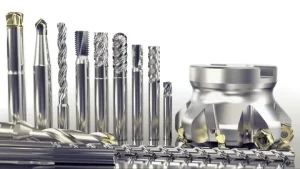
In CNC machining, endmill tool are essential for precision, speed, and surface quality. These Endmill Tool shape raw material into accurate components used in industries like automotive, aerospace, and manufacturing. However, even high-quality cutting tools lose performance quickly if they are not handled and maintained properly.
Many workshops focus heavily on tool selection, machine settings, and cutting parameters. Yet they often overlook one important factor: tool care. Poor storage and lack of maintenance can lead to early wear, breakage, rust, and unnecessary replacement costs. Over time, this reduces productivity and increases operational expenses.
When tools are stored correctly and maintained regularly, they last longer and perform more consistently. This is true for all types of tools, including roughing cutters, finishing tools, and precision micro endmills. Good discipline in tool management directly improves machining results.
Tool Maintenance Is So Important
Endmills work under extreme conditions. They face high heat, strong pressure, and constant friction during cutting operations. Because of this, tool edges naturally wear down over time. However, poor maintenance speeds up this wear. Even expensive carbide tools can fail early if they are mishandled.
Proper maintenance helps in several ways. First, it extends tool life. Second, it improves machining accuracy. Third, it reduces replacement costs. It also helps maintain surface finish quality and prevents sudden machine downtime.
In addition, well-maintained tools perform more consistently during long production runs. This consistency is very important in CNC machining, where even small errors can affect final product quality.
Clean Tools After Every Operation
Cleaning is one of the simplest but most important maintenance steps. After machining, tools often collect metal chips, coolant residue, and fine dust. If these remain on the tool, they can damage the cutting edges.
Therefore, operators should clean tools immediately after use. They can use compressed air carefully to remove chips. They should also wipe tools with a clean cloth to remove leftover residue. In some cases, rust-prevention oil can be applied for extra protection.
For precision tools, ultrasonic cleaning systems work very well. These systems remove even the smallest particles without damaging the tool surface. Carbide endmills especially benefit from regular cleaning. Built-up material increases heat during machining and reduces cutting accuracy. Clean tools always deliver better performance and longer life.
Store Tools in Organized Way
Improper storage is one of the biggest reasons for tool damage. Many workshops make the mistake of placing tools loosely in drawers or boxes. This often leads to chipped edges and surface scratches.
To avoid this, tools should always be stored in a structured system. Dedicated tool racks are highly recommended. Protective sleeves also help prevent direct contact between tools. In addition, tools should be separated by size and type to avoid confusion. It is also important to ensure that cutting edges do not touch each other. Even small contact can damage sharp tool geometry.
Specially designed tool holders are very useful in CNC environments. They keep tools organized and protect coatings from unnecessary wear. When every endmill has a fixed place, handling becomes safer and faster.
Regular Inspection Prevents Major Failures
Inspection plays a key role in tool maintenance. Operators should check tools before and after machining operations. This helps detect early signs of wear. Common problems include edge chipping, cracks, flank wear, discoloration, and built-up edge formation. If any of these are visible, the tool should not be used further.
Using damaged tools reduces machining accuracy. It can also damage the workpiece and increase production waste. In some cases, it may even cause machine issues. Instead of waiting for failure, tools should be reconditioned or replaced early. This simple habit improves overall production quality and reduces risk.
Use Proper Tool Identification Systems
In busy CNC workshops, Endmill Tool confusion is a common problem. When tools are not labeled properly, operators may choose the wrong cutter. This leads to errors and delays. To solve this issue, many shops use modern identification systems. Barcode labels are commonly used to track tools. RFID systems offer even more advanced tracking. Some companies also use digital inventory software to manage tool data.
Tool presetting systems further improve accuracy. They store tool dimensions and usage history for quick access. These systems help operators find the right tool quickly. They also improve workflow efficiency and reduce downtime. Proper organization becomes even more important when multiple endmill types are used in different operations.
Regrinding and Recoating Improve Tool Life
Instead of discarding worn tools immediately, many manufacturers choose regrinding and recoating. This process restores cutting performance and reduces overall tooling costs. Regrinding reshapes the cutting edges and brings the tool back to usable condition. Recoating adds a fresh protective layer that improves heat resistance and durability.
This approach offers several benefits. It reduces replacement costs, minimizes material waste, and improves cost efficiency. It also extends the usable life of high-quality tools. However, reconditioning must be done carefully. Only experienced professionals should handle it. Incorrect grinding can damage tool geometry and reduce performance. Solid carbide endmills are especially suitable for reconditioning because of their strong material structure.
Train Operators for Better Tool Management
Human error is one of the most common reasons for tool damage. That is why operator training is essential in CNC workshops. Training should cover proper cleaning methods, inspection techniques, and safe handling procedures. It should also include tool storage practices and wear identification skills.
When operators are well trained, they make fewer mistakes. This leads to lower tooling costs and better machining performance. A skilled team also improves overall production reliability.
Choosing High-Quality Tools Matters
Maintenance alone is not enough. Tool quality also plays a major role in performance. Low-quality tools wear out faster and often fail under stress. They may also not respond well to regrinding or recoating. On the other hand, premium carbide endmills offer better durability, heat resistance, and cutting stability. They stay sharp longer and perform more consistently.
Investing in good Endmill Tool reduces downtime and improves long-term productivity. It also lowers replacement frequency and improves machining results.
Conclusion
Proper storage and maintenance of endmill tool are essential for efficient CNC machining. Simple practices like cleaning tools, storing them correctly, and inspecting them regularly can greatly improve tool life and performance.
At the same time, using structured systems like tool identification, regrinding, and digital management adds further efficiency. Precision tools such as micro endmills and solid carbide endmills require even more careful handling. When all these practices are followed, machining becomes more accurate, cost-effective, and reliable. Good tool care is not just maintenance—it is a key part of successful manufacturing.
Author


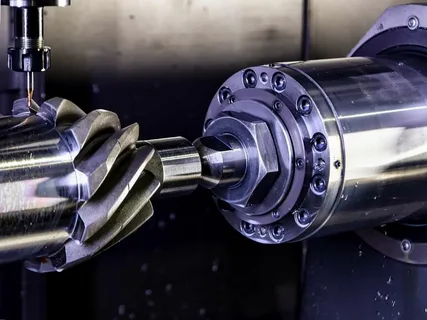
The manufacturing industry has seen immense changes within the past few decades, with modern machining techniques gradually supplanting old-fashioned methods. The most notable change is probably the wide implementation of CNC machining. Nowadays, companies need accurate tooling solutions for their manufacturing process, which requires proper knowledge of the distinction between a CNC tool and a traditional cutting tool. The two share similarities in their intended purposes but have differences that may affect a company’s operations.
Both CNC tools and traditional cutting tools are used for shaping materials, but there is still a distinct difference between the two when it comes to accuracy, automation, and efficiency. The choice of appropriate tooling solutions will depend on the desired outcomes for one’s business.
Understanding CNC Tools
A CNC tool is specifically designed for use in computer-controlled machining systems. These tools operate with CNC machines that follow programmed instructions to perform cutting operations with exceptional accuracy.
Common CNC tools include:
- End mills
- Drill bits
- Thread mills
- Reamers
- Boring tools
- Indexable inserts
These tools are engineered to withstand high-speed machining environments while maintaining dimensional accuracy and repeatability.
Modern CNC machining relies heavily on tool precision because even minor deviations can affect the quality of the finished product.
Conventional Cutting Tools
Conventional cutting tools are typically used on manually operated machines where the machinist controls the cutting process directly.
Examples include:
- Hand-operated drills
- Manual milling cutters
- Traditional lathe tools
- Conventional reamers
These tools have been used for decades and continue to serve many workshops, especially where production volumes are low or customization is required.
While conventional tools remain useful, they often depend more on operator skill than automated control systems.
Accuracy and Precision
Among the major differences that exist between CNC tooling and traditional tooling is accuracy.
The CNC tool works in a computer-programmed environment, where all its movements are governed by software. This allows CNC manufacturers to achieve:
- Consistency in dimensions
- Repeatability
- Close tolerances
- Minimal human errors
Whereas traditional tooling depends entirely on the skill of the operator, who may produce high-quality parts, consistency in producing the same high accuracy for several pieces is difficult to achieve.
In precision machining for industries like aerospace, automotive, and medical manufacturing, the CNC tool clearly wins out.
Productivity and Speed
Production efficiency is another crucial aspect to consider while comparing both the processes.
CNC machining ensures that there is:
- Rapid production cycles
- Automation
- Continuous machining
- Lesser setup times
The machine will keep doing tasks repetitively once programmed.
Conventional machining typically requires:
- Manual adjustments
- Frequent operator involvement
- Longer setup times
- Slower production rates
For high-volume manufacturing environments, CNC systems significantly outperform traditional machining methods.
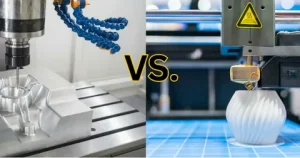
Automation and Operator Dependency
Automation is one of the defining features of CNC machining.
A cnc machine uses programmed instructions to control tool movement, spindle speed, feed rate, and cutting paths.
Benefits of automation include:
- Reduced labor requirements
- Consistent output
- Lower risk of operator errors
- Increased productivity
Conventional machining requires continuous monitoring and manual operation. Success depends heavily on the experience and skill level of the machinist.
For companies seeking scalable production, CNC technology offers greater operational efficiency.
Surface Finish Quality
CNC tooling systems can maintain consistent cutting conditions throughout the machining process, resulting in:
- Smooth surface finishes
- Better dimensional accuracy
- Reduced vibration
- Improved part quality
A properly selected cnc tool helps manufacturers achieve high-quality finishes that may be difficult to reproduce consistently using conventional machining methods.
This advantage is particularly important in industries requiring precision components.
Complexity in Machining Operations
Many modern products have very complex shapes.
CNC machines can easily do the following:
- Multi-axis machining
- Complex curves
- Drilling to precise locations
- Milling operations
Conventional machining techniques may face challenges when it comes to complex shapes due to the lack of precision involved in manual operation.
This is one reason why industries increasingly invest in advanced CNC technologies.
Cost Considerations
Many manufacturers initially compare machining methods based on equipment costs.
Conventional machines generally require:
- Lower initial investment
- Basic tooling
- Simpler maintenance
CNC systems involve:
- Higher equipment costs
- Software investment
- Operator training
- Advanced tooling
However, over time, CNC machining often delivers better returns through increased productivity, reduced waste, and lower labour costs.
Growing Demand for CNC Tools in India
Manufacturing growth has increased demand for advanced machining solutions across the country.
The market for CNC tools in India continues to expand due to:
- Industrial automation
- Growth in automotive manufacturing
- Aerospace investments
- Expansion of precision engineering sectors
As a result, demand for high-performance tooling solutions continues to rise.
Environmental and Material Efficiency
Modern manufacturing places greater emphasis on sustainability and resource optimization.
CNC machining helps reduce waste through:
- Precise cutting paths
- Improved material utilization
- Reduced scrap generation
- Consistent machining quality
Conventional machining may generate more material waste due to manual adjustments and process variations.
Efficient material usage contributes to lower operating costs and environmentally responsible manufacturing practices.
Future of Cutting Tool Technology
The future of machining is closely linked to automation and smart manufacturing.
Emerging developments include:
- AI-assisted machining
- Predictive maintenance
- Smart tooling systems
- Real-time tool monitoring
- Advanced coating technologies
These innovations continue to improve productivity while enhancing machining accuracy and tool performance.
Conclusion
The CNC machine and the conventional cutter each has its own merit in today’s modern manufacturing. While the conventional cutter continues to be used for repairs, customization, and small-scale manufacturing, there is no doubt that CNC machinery offers numerous benefits in terms of accuracy, speed, and efficiency.
CNC machining clearly offers an edge over conventional cutting when the need arises for mass manufacturing and high-quality control. With developments in automated tooling and machining technologies, CNC machines are definitely here to stay.
Author


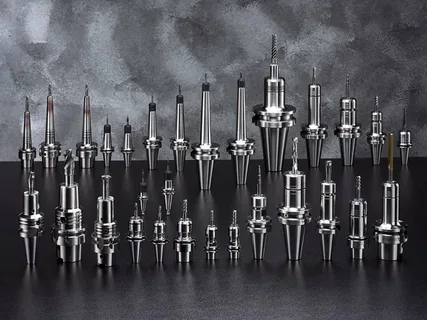
Manufacturing has evolved significantly over the past few decades, with advanced machining technologies replacing many traditional production methods. One of the biggest changes has been the widespread adoption of CNC machining. Today, industries rely on precision tooling solutions to improve efficiency, reduce waste, and achieve tighter tolerances. As a result, understanding the difference between a CNC tool and a conventional cutting tool has become increasingly important for manufacturers, machinists, and workshop owners.
While both tool types are designed to remove material and shape workpieces, they differ in terms of precision, automation, productivity, and overall performance. Selecting the right tooling solution can directly impact production quality, machining speed, and operating costs. This guide explores the key differences between CNC and conventional cutting tools to help businesses make informed decisions.
Understanding CNC Tools
A CNC tool is specifically designed for use in computer-controlled machining systems. These tools operate with CNC machines that follow programmed instructions to perform cutting operations with exceptional accuracy.
Common CNC tools include:
- End mills
- Drill bits
- Thread mills
- Reamers
- Boring tools
- Indexable inserts
These tools are engineered to withstand high-speed machining environments while maintaining dimensional accuracy and repeatability. Modern CNC machining relies heavily on tool precision because even minor deviations can affect the quality of the finished product.
Understanding Conventional Cutting Tools
Conventional cutting tools are typically used on manually operated machines where the machinist controls the cutting process directly.
Examples include:
- Hand-operated drills
- Manual milling cutters
- Traditional lathe tools
- Conventional reamers
These tools have been used for decades and continue to serve many workshops, especially where production volumes are low or customization is required. While conventional tools remain useful, they often depend more on operator skill than automated control systems.
Precision and Accuracy
One of the most significant differences between CNC and conventional tooling lies in precision. A cnc tool operates within a programmed environment where every movement is controlled by software.
This enables manufacturers to achieve:
- Consistent dimensions
- High repeatability
- Tight tolerances
- Reduced human error
Conventional tools, on the other hand, rely heavily on operator expertise. While skilled machinists can achieve excellent results, maintaining the same level of accuracy across multiple parts can be challenging. For industries such as aerospace, automotive, and medical manufacturing, CNC tooling offers a clear advantage in precision machining.
Productivity and Speed
Production efficiency is another important factor when comparing the two systems.
CNC machining provides:
- Faster production cycles
- Automated operation
- Continuous machining
- Reduced setup time
Once programmed, a machine can perform repetitive operations with minimal intervention.
Conventional machining typically requires:
- Manual adjustments
- Frequent operator involvement
- Longer setup times
- Slower production rates
For high-volume manufacturing environments, CNC systems significantly outperform traditional machining methods.
Tool Life and Durability
Tool durability directly affects production costs.
Many modern CNC applications utilize advanced coatings and premium-grade materials to improve performance. A high-quality carbide tool is commonly used in CNC machining because it offers:
- Excellent wear resistance
- Higher cutting speeds
- Better heat resistance
- Longer operational life
Conventional cutting tools may also be made of carbide, but they often operate at lower speeds and under different cutting conditions.
As a result, CNC tooling systems are generally optimized for maximum durability and productivity.
Surface Finish Quality
CNC tooling systems can maintain consistent cutting conditions throughout the machining process, resulting in:
- Smooth surface finishes
- Better dimensional accuracy
- Reduced vibration
- Improved part quality
A properly selected cnc tool helps manufacturers achieve high-quality finishes that may be difficult to reproduce consistently using conventional machining methods. This advantage is particularly important in industries requiring precision components.
Complexity of Machining Operations
Modern products often feature intricate geometries and complex designs.
CNC systems can easily perform:
- Multi-axis machining
- Complex contours
- Precision drilling
- Advanced milling operations
Traditional machining methods may struggle with highly complex parts because manual control limits precision and repeatability. This is one reason why industries increasingly invest in advanced CNC technologies.
Cost Considerations
Many manufacturers initially compare machining methods based on equipment costs.
Conventional machines generally require:
- Lower initial investment
- Basic tooling
- Simpler maintenance
CNC systems involve:
- Higher equipment costs
- Software investment
- Operator training
- Advanced tooling
However, over time, CNC machining often delivers better returns through increased productivity, reduced waste, and lower labor costs.

Maintenance Requirements
Tool maintenance is important regardless of the machining method.
A modern cnc machine tool requires regular maintenance to ensure:
- Accurate positioning
- Stable spindle performance
- Consistent cutting quality
Preventive maintenance programs help maximize equipment life and reduce unexpected downtime. Traditional machines also need upkeep but generally consist of fewer electronic and software elements.
Growing Demand for CNC Tools in India
Manufacturing growth has increased demand for advanced machining solutions across the country.
The market for cnc tool in India continues to expand due to:
- Industrial automation
- Growth in automotive manufacturing
- Aerospace investments
- Expansion of precision engineering sectors
Future of Cutting Tool Technology
The future of machining is closely linked to automation and smart manufacturing.
Emerging developments include:
- AI-assisted machining
- Predictive maintenance
- Smart tooling systems
- Real-time tool monitoring
- Advanced coating technologies
These innovations continue to improve productivity while enhancing machining accuracy and tool performance.
Conclusion
Both CNC and conventional cutting tools have their place in modern manufacturing. Conventional tools remain useful for repair work, custom projects, and small-scale production. CNC tooling provides substantial benefits in accuracy, velocity, uniformity, and efficiency.
For manufacturers seeking efficient large-scale production and superior quality control, CNC machining provides a clear advantage. With advances in automation, tooling materials, and digital manufacturing technologies, CNC systems will continue to play a critical role in the future of industrial production.
Author



Car Accessories: Drivers Must-Have in Dubai for 2026

Bottega Desire-Inspired Fashion Trends: The Rise of Quiet Luxury

Minding My Books: Expert QuickBooks Enterprise Solutions

Air France Unaccompanied Minor: Children Flying Alone

White Label Services: A Smart Way for Agencies to Scale Faster

Visa Cost Calculator: Your Travel Budget with Accurate Visa Fee

Kaftan Sets for Women: Effortless Luxury Fashion for Modern Style

Endmill Tool Storage & Maintenance: Practices for CNC Machining

Baseball History: Era Gaps Matter More Than Numbers

Private Limited Company Compliance: OPC, LLP, AIF & Taxation

Cybersecurity Consulting Company SequelNet Provides Critical IT Support Services to Medical Billing Firm, Medical Optimum

Team Communication Software Transforms Operations at Finance Innovate

Project Management Tool Transforms Long Island Business

How Alleviate Poverty Utilized IPPBX’s All-in-One Solution to Transform Lives in New York City

Breast Cancer: The Imperative Role of Mammograms in Screening and Early Detection

Unstoppable Collaboration: D.C.’s Citi Open and Silicon Valley Classic Unite to Propel Women’s Tennis to New Heights

Embracing Renewal: Sizdabedar Celebrations Unite Iranians in New York’s Eisenhower Park

The Benefits of Starting a Side Hustle for Financial Freedom

New Blood Donation Screening Questions What You Need to Know

Stylishly Timeless: The 5 Types of Sandals You Need in Your Closet
-

 Business3 years ago
Cybersecurity Consulting Company SequelNet Provides Critical IT Support Services to Medical Billing Firm, Medical Optimum
-
Business3 years ago
Team Communication Software Transforms Operations at Finance Innovate
-
Business3 years ago
Project Management Tool Transforms Long Island Business
-
Business3 years ago
How Alleviate Poverty Utilized IPPBX’s All-in-One Solution to Transform Lives in New York City
-
health3 years ago
Breast Cancer: The Imperative Role of Mammograms in Screening and Early Detection
-
Sports3 years ago
Unstoppable Collaboration: D.C.’s Citi Open and Silicon Valley Classic Unite to Propel Women’s Tennis to New Heights
-
Art /Entertainment3 years ago
Embracing Renewal: Sizdabedar Celebrations Unite Iranians in New York’s Eisenhower Park
-
Finance3 years ago
The Benefits of Starting a Side Hustle for Financial Freedom







