
Beauty Fitness
Stretch Your Way to Health: The Importance of Flexibility in Overall Wellness


Welcome to the world of wellness where physical fitness is a top priority. The ability to move freely and without pain is not only crucial for daily life activities, but it’s also an essential component in overall health. Achieving and maintaining flexibility is one way to boost your physical fitness and enhance your quality of life. In this blog post, we’ll explore the benefits of flexibility training, how it can improve your overall wellness, and ways you can incorporate stretching into your daily routine. Get ready to stretch your way towards a healthier lifestyle!
Flexibility and Physical Activity
Physical activity can have a huge impact on your overall health and well-being, but it’s not just about getting outside and working up a sweat. In fact, research shows that getting your body moving through regular physical activity – whether that means taking the stairs instead of the elevator, playing catch with your son or doing some light yoga – can improve your flexibility. When you’re flexible, you’re able to move more easily and effectively throughout your body. This helps prevent injuries, promotes better posture and reduces stress levels.
So why is flexibility so important? Flexibility lets you do everyday activities without pain or discomfort. For example, if you’re tight in the neck or shoulders, you might find it difficult to raise your arms overhead or turn your head to the side. Flexibility also allows you to move more freely and easily through your whole body – from your neck down to your toes – which helps promote overall circulation and prevents stiffness and inflammation in joints.
In addition to improving overall wellbeing, being flexible can also help reduce anxiety and stress levels. Studies show that people who are more flexible tend to have lower levels of stress hormones like cortisol in their blood, which can help improve moods and energy levels. So if you want to feel its best mentally as well as physically, make sure to get those muscles moving!
Flexibility and Mental Health
Flexibility has been shown to have many health benefits and can be a key part of overall wellness. From reducing stress levels, promoting better sleep patterns and improving your overall balance and coordination, flexibility has a lot to offer.

One important way that flexibility can improve your mental health is by increasing your sense of well-being. When you are more flexible, you are able to better cope with stress and tensions in your life. This can lead to improved mental health and less anxiety or depression. Additionally, being more flexible can also help improve your physical health due to the increased range of motion it provides. Increased flexibility can also reduce pain in areas like the neck, back and hips.
There are many ways that you can increase your flexibility. Some simple methods include:
– practicing yoga or Pilates regularly
– performing static stretching exercises before bed
– using a foam roller on specific muscle groups regularly
– taking classes such as prenatal yoga or tai chi
Flexibility and Sleep
One of the best ways to maintain overall wellness is to be flexible. Flexibility can help improve your balance, range of motion, and joint mobility. It also helps reduce stress and tension in your body.
Stretching before bed can help you sleep better because it releases tension from your body. When you stretch before bed, it helps keep your spine flexible and prevents stiffness from settling into your spinal column throughout the night.
Regular exercise can also help you maintain flexibility. Exercising regularly helps keep your muscles supple and toned so they don’t put pressure on your joints. This reduces the risk of developing joint pain or other health problems related to mobility issues.
The Relationship Between Flexibility and Overall Wellbeing
Flexibility is one of the most important aspects of overall wellness. It can help you prevent chronic pain, improve your balance, and increase your range of motion. In addition, flexibility can also help you feel more energetic and agile.
The key to having good flexibility is to engage in regular stretching exercises. There are many different types of stretches that you can do, and the more variety you incorporate into your routine, the better. You can stretch before or after workouts, at work or at home.
Some basic tips for improving your flexibility include:
– Stick to a routine: Stretching regularly will help you get the most out of your exercise sessions and stay flexible over time. Make sure to stick to a routine so that you don’t become bored with the stretches or feel like you have to force yourself to do them.
– Alternate between static and dynamic stretches: Static stretches (where you maintain the same position) are good for building muscle stamina and strength; dynamic stretches (where you move through a full range of motion) are better for stretching tight muscles and increasing range of motion.
– Use props: Sometimes it’s difficult to straighten out your leg fully when doing traditional static stretches. If this is the case, try using a prop—something that supports your foot while you stretch—to make it easier.
– Warm up before stretching: Always start by warming up your body before stretching; this will help reduce injuries and make the
Conclusion
Stretching is an important part of overall wellness, and there are many different ways to get the most out of it. By incorporating flexibility exercises into your routine, you can help improve your posture, reduce inflammation in the body, and increase range of motion. Whether you are looking for relief from chronic pain or just want to feel better overall, stretching can play a big role in your health and well-being.
Author

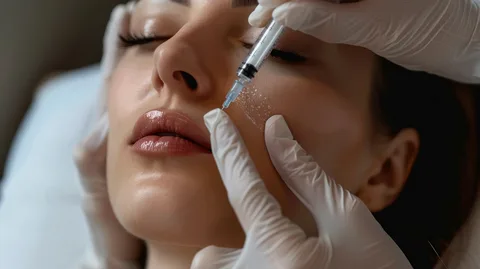
If you’re noticing hollow cheeks, deeper smile lines, or sunken temples, you’re experiencing what millions face as they age: facial volume loss. While these changes are natural, they can make you look tired or older than you feel. The good news? Modern dermal filler treatments offer a safe, effective solution to restore youthful volume without surgery. But one question remains top of mind for most people considering treatment: how long will the results actually last?
Understanding the longevity of facial volume loss treatments is essential for planning your aesthetic journey and budget. Whether you’re exploring options for facial volume loss Boca Raton or simply researching, this comprehensive guide will help you understand what to expect from your investment.

Understanding Facial Volume Loss
It is a natural part of aging, as the fat pads beneath our skin diminish, and collagen production slows. This process typically begins in our mid-to-late twenties and accelerates as we enter our thirties and beyond.
Several factors contribute to facial volume loss, including genetics, sun exposure, weight fluctuations, stress, and lifestyle habits like smoking. The loss doesn’t happen uniformly across the face. Common areas affected include the cheeks, temples, under-eye hollows, lips, chin, and jawline. These changes can create a gaunt appearance, deepen wrinkles, and alter facial contours that once defined your youthful look.
The impact goes beyond aesthetics. Many people report feeling less confident or concerned that their appearance doesn’t match how vibrant they feel inside. This disconnect drives many to seek treatments that can restore their natural volume and refresh their appearance.
Dermal Fillers: The Leading Solution
Dermal fillers have emerged as the gold standard for treating facial volume loss. These injectable gel-like substances, most commonly made from hyaluronic acid, replenish lost volume beneath the skin’s surface. Hyaluronic acid is a naturally occurring substance in the body that helps maintain skin hydration and plumpness.
When strategically injected by a skilled practitioner, dermal fillers can restore fullness to hollow areas, smooth wrinkles and folds, enhance facial contours, and create overall facial harmony. The procedure is minimally invasive, involves minimal recovery time, and delivers noticeable results right away—enhancing further as mild swelling gradually resolves.
Popular filler brands used for facial volume restoration include Juvederm, Restylane, and Sculptra, each formulated for specific areas and treatment goals. The choice of filler depends on the treatment area, the desired outcome, and the individual patient’s needs.
Duration of Results: What to Expect
The longevity of dermal filler results varies based on several factors, but most patients can expect their results to last between 6 and 18 months. However, this timeline isn’t one-size-fits-all.
Treatment Area Impact
Different areas of the face experience varying levels of movement and muscle activity, which affects how long fillers last. Lips typically see results lasting 6 to 9 months due to constant movement from talking, eating, and facial expressions. Cheeks and mid-face areas usually maintain results for 9 to 12 months, while under-eye fillers can last 9 to 12 months or longer. Chin and jawline fillers often provide the longest-lasting results, typically 12 to 18 months, as these areas experience less dynamic movement.
Filler Type Matters
Different formulations have varying durations. Traditional hyaluronic acid fillers last 6 to 12 months on average. More robust formulations designed for deeper volumization can last 12 to 18 months. Biostimulatory fillers such as Sculptra operate by encouraging collagen production and can yield results that last for 2 years or longer.
Individual Factors
Your body’s unique metabolism plays a significant role in how quickly filler breaks down. Those with faster metabolisms may find their results fade more quickly. Age also matters, as younger patients with better skin elasticity may experience longer-lasting results. Lifestyle factors, including exercise intensity, sun exposure, and smoking, can all affect longevity. Additionally, first-time patients may notice that their initial treatment doesn’t last as long, while maintenance treatments often do.
Maximizing Your Results
While the natural breakdown of fillers is inevitable, you can take steps to extend your results and maintain your refreshed appearance.
Immediate Aftercare
Following your treatment, avoid strenuous exercise for 24 to 48 hours, as elevated heart rate and blood pressure can increase swelling. Stay away from excessive heat, including saunas, hot tubs, and direct sunlight. Don’t massage or apply pressure to treated areas unless your provider instructs you to do so. Keep your head raised while sleeping for the initial nights to reduce swelling.
Long-Term Maintenance
Protect your investment by using broad-spectrum SPF daily, as sun damage accelerates the breakdown of fillers and contributes to further volume loss. Keep a regular skincare regimen using high-quality products that promote skin wellness.
Stay well-hydrated, as hyaluronic acid fillers attract and retain water. Consider scheduling maintenance appointments before your results completely fade for optimal ongoing results.
Follow-Up Treatments
Most providers recommend touch-up appointments every 9 to 12 months to maintain your desired look. These maintenance sessions typically require less product than initial treatments, making them more cost-effective over time.
Choosing the Right Provider in Boca Raton
The skill and experience of your injector significantly impact both the quality and longevity of your results. When seeking treatment for facial volume loss in Boca Raton, prioritize providers with proper credentials, including board certification and specialized training in aesthetic injectables.
Look for practitioners who take a personalized approach, carefully assessing your unique facial anatomy and creating customized treatment plans. Review before-and-after photos of actual patients to evaluate their aesthetic style and skill level. A provider who stays current with the latest techniques and products can offer you the most advanced, effective treatments available.
During your consultation, a qualified provider should thoroughly discuss your goals, explain which fillers are best suited to your needs, set realistic expectations for results and longevity, and create a comprehensive treatment plan that may include multiple areas for balanced facial rejuvenation.
Conclusion
Understanding how long facial volume loss treatment results last helps you make informed decisions about your aesthetic journey. While most dermal filler results last between 6 and 18 months, depending on various factors, the confidence and refreshed appearance they provide can be truly transformative.
The key to maximizing your investment lies in choosing an experienced provider, following proper aftercare instructions, and maintaining your results with scheduled touch-up treatments. With the right approach, you can enjoy natural-looking, age-defying results that help you look and feel your best.
Author




Explore a stunning range of these outfits by visiting our curated selection . Here, you’ll discover designs that marry cultural heritage with current trends, ensuring a sophisticated addition to your collection.
Ideal for weddings, festivals, or formal events, these suits provide versatility and elegance. The vibrant colors and detailed craftsmanship allow for personalized style statements. Embrace the beauty of cultural fusion and find your perfect outfit today to enhance your wardrobe with timeless appeal.
Author




Author



Expert Side Mirror Replacement for Enhanced Safety and Visibility

How to Fix QuickBooks Error 1603: Causes and Solutions

Troubleshooting Lacerte Software Crashes: Causes and Solutions

Impact of Soccer Uniform Design on Performance and Identity

Resolving Invoice Backlogs with Outsourced Accounts Payable

Custom Digitizing for Embroidery: The Key to Professional Quality

Cricket World Cup Streaming: Star IPTV US Is Your Best Choice

Right IPTV Restream Panel: Essential Insights for Resellers

Benefits of Hiring a React Native Developer in Las Cruces, NM

Adwysd Clothing: Where Intentional Design Meets Everyday Style

Cybersecurity Consulting Company SequelNet Provides Critical IT Support Services to Medical Billing Firm, Medical Optimum

Team Communication Software Transforms Operations at Finance Innovate

Project Management Tool Transforms Long Island Business

How Alleviate Poverty Utilized IPPBX’s All-in-One Solution to Transform Lives in New York City

Breast Cancer: The Imperative Role of Mammograms in Screening and Early Detection

Unstoppable Collaboration: D.C.’s Citi Open and Silicon Valley Classic Unite to Propel Women’s Tennis to New Heights

Embracing Renewal: Sizdabedar Celebrations Unite Iranians in New York’s Eisenhower Park

The Benefits of Starting a Side Hustle for Financial Freedom

New Blood Donation Screening Questions What You Need to Know

Stylishly Timeless: The 5 Types of Sandals You Need in Your Closet
-

 Business3 years ago
Cybersecurity Consulting Company SequelNet Provides Critical IT Support Services to Medical Billing Firm, Medical Optimum
-
Business3 years ago
Team Communication Software Transforms Operations at Finance Innovate
-
Business3 years ago
Project Management Tool Transforms Long Island Business
-
Business2 years ago
How Alleviate Poverty Utilized IPPBX’s All-in-One Solution to Transform Lives in New York City
-
health3 years ago
Breast Cancer: The Imperative Role of Mammograms in Screening and Early Detection
-
Sports3 years ago
Unstoppable Collaboration: D.C.’s Citi Open and Silicon Valley Classic Unite to Propel Women’s Tennis to New Heights
-
Art /Entertainment3 years ago
Embracing Renewal: Sizdabedar Celebrations Unite Iranians in New York’s Eisenhower Park
-
Finance3 years ago
The Benefits of Starting a Side Hustle for Financial Freedom







