
Beauty Fitness
10 Common Skin Spot Triggers by Dr. Murad


Introduction: Meet Dr. Howard Murad, Your Skincare Guru
Skin Spot, those pesky blemishes that can mar your complexion, are a common concern for many. In this article, we introduce you to Dr. Howard Murad, a pioneer in the field of skincare known for his “Inclusive Health” approach. Dr. Murad emphasizes that achieving healthy skin goes beyond external treatments—it’s about understanding the internal and external factors that influence skin health. Get ready to unravel the 10 common triggers of skin spots and embark on a journey toward radiant skin.
The Complex Nature of Skin Spots
Before we dive into the triggers, it’s essential to understand that skin spots can take various forms, including age spots, sunspots, melasma, and freckles. They can be caused by a combination of factors, both internal and external. Here’s why it’s crucial to identify and address these triggers:
Table 1: Why Identifying Skin Spot Triggers Matters
| Reason | Importance |
|---|---|
| Prevention | Recognizing triggers allows for preventive measures. |
| Treatment Efficacy | Addressing the root causes enhances treatment effectiveness. |
| Overall Skin Health | Achieving healthy skin involves a holistic approach. |
Dr. Howard Murad’s Insights on Skin Spot Triggers
Now, let’s delve into Dr. Howard Murad’s expert insights on the common triggers of skin spots. His “Inclusive Health” philosophy emphasizes that a holistic approach, addressing both internal and external factors, is essential for achieving and maintaining healthy skin. Here are the 10 common triggers he highlights:

Image by: https://www.walesonline.co.uk/news/health/different-types-childhood-skin-rashes-26611296
Table 2: 10 Common Skin Spot Triggers
| Trigger | How It Contributes to Skin Spots |
|---|---|
| UV Exposure | Sun exposure can lead to the development of sunspots and freckles. |
| Hormonal Changes | Hormonal fluctuations, such as those during pregnancy, can cause melasma. |
| Age | As we age, our skin becomes more susceptible to age spots. |
| Genetics | Family history can play a role in the development of skin spots. |
| Skin Type | Fair-skinned individuals are more prone to sunspots and freckles. |
| Medications | Some medications can increase skin sensitivity to UV radiation. |
| Inflammation | Chronic inflammation can contribute to skin discoloration. |
| Diet | A diet high in processed foods may affect skin health negatively. |
| Stress | Stress can exacerbate skin conditions and lead to pigmentation issues. |
| Lack of Skincare Routine | Inadequate skincare can result in the accumulation of skin spots. |
UV Exposure
Excessive sun exposure, without proper protection, is a leading cause of skin spots. UV radiation can stimulate the production of melanin, leading to the development of sunspots and freckles. Protecting your skin from the sun is essential to prevent these types of skin spots.
Hormonal Changes
Hormonal fluctuations, particularly in women during pregnancy or while taking birth control, can trigger the development of melasma. This condition leads to the formation of brown or grayish patches on the skin, often on the face.
Age
Age spots, also known as liver spots or solar lentigines, are more common as we grow older. These spots are the result of accumulated sun exposure over the years and often appear on areas exposed to the sun, like the face and hands.

Genetics
Family history can predispose individuals to certain types of skin spots. If your parents or grandparents had age spots or freckles, you may be more likely to develop them as well.
Skin Type
Fair-skinned individuals are more susceptible to sunspots and freckles because they have less melanin to protect their skin from UV radiation. This makes it crucial for them to take extra precautions in the sun.
Medications
Some medications, such as certain antibiotics and antipsychotic drugs, can make your skin more sensitive to UV radiation. This heightened sensitivity can increase the risk of developing sunspots.
Inflammation
Chronic inflammation, often related to skin conditions like acne, can contribute to skin discoloration and the formation of post-inflammatory hyperpigmentation. Proper skincare and treatment of skin conditions can help prevent this.
Diet
A diet high in processed foods and sugars can negatively impact your skin health. These foods can lead to inflammation, which may worsen existing skin spots and make your skin more susceptible to new ones.
Stress
Stress can have a detrimental effect on your skin. It can exacerbate skin conditions, including pigmentation issues like melasma. Managing stress through relaxation techniques and self-care is essential for skin health.
Lack of Skincare Routine
Neglecting a proper skincare routine can result in the accumulation of dead skin cells and debris on the skin’s surface. This can contribute to the development of skin spots and other blemishes.
Lifestyle Enhancements for Radiant Skin
Now that you’re armed with knowledge about the common triggers of skin spots, it’s time to enhance your lifestyle for radiant skin. Dr. Howard Murad’s “Inclusive Health” approach emphasizes that internal and external factors must be addressed. Here are some lifestyle enhancements to consider:
Table 3: Lifestyle Enhancements for Radiant Skin
| Enhancement | How It Benefits Your Skin |
|---|---|
| Sun Protection | Use sunscreen daily to shield your skin from UV damage. |
| Hormone Management | Consult a healthcare professional for hormonal balance. |
| Healthy Aging | Embrace a skincare routine tailored to your skin’s needs. |
| Genetics Awareness | Be vigilant if you have a family history of skin spots. |
| Skincare Regimen | Establish a consistent skincare routine for skin health. |
Sun Protection
Using sunscreen daily is one of the most effective ways to protect your skin from UV damage. Opt for a broad-spectrum sunscreen with at least SPF 30 and apply it generously, especially on exposed areas.
Hormone Management
If you’re experiencing hormonal changes that affect your skin, such as during pregnancy or menopause, consult a healthcare professional. They can provide guidance on hormone management and skincare routines to mitigate the impact.
Healthy Aging
As you age, it’s crucial to adjust your skincare routine to meet your skin’s changing needs. Consider incorporating anti-aging products that target age spots and encourage skin renewal.
Genetics Awareness
If you have a family history of skin spots, be vigilant about sun protection and skincare. Early prevention and intervention can help manage the risk.
Skincare Regimen
Establishing a consistent skincare routine tailored to your skin type and concerns is fundamental for skin health. Use products that address specific issues, such as pigmentation or inflammation.
Conclusion: Embrace Radiant Skin
In conclusion, achieving radiant skin involves understanding and addressing the common triggers of skin spots. Dr. Howard Murad’s insights emphasize that skincare is not just about external treatments; it’s a holistic approach that encompasses both internal and external factors. By recognizing these triggers and enhancing your lifestyle accordingly, you can embark on a journey towards healthier, clearer, and more radiant skin.
So, if you’ve ever wondered about the causes of skin spots, consult with a skincare expert like Dr. Howard Murad, prioritize prevention, and embrace the path to glowing skin. Your skin deserves the best care for a lifetime of radiance.
Author

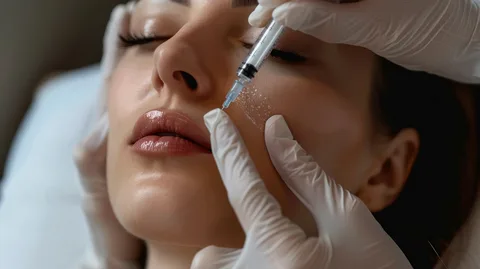
If you’re noticing hollow cheeks, deeper smile lines, or sunken temples, you’re experiencing what millions face as they age: facial volume loss. While these changes are natural, they can make you look tired or older than you feel. The good news? Modern dermal filler treatments offer a safe, effective solution to restore youthful volume without surgery. But one question remains top of mind for most people considering treatment: how long will the results actually last?
Understanding the longevity of facial volume loss treatments is essential for planning your aesthetic journey and budget. Whether you’re exploring options for facial volume loss Boca Raton or simply researching, this comprehensive guide will help you understand what to expect from your investment.
Understanding Facial Volume Loss
It is a natural part of aging, as the fat pads beneath our skin diminish, and collagen production slows. This process typically begins in our mid-to-late twenties and accelerates as we enter our thirties and beyond.
Several factors contribute to facial volume loss, including genetics, sun exposure, weight fluctuations, stress, and lifestyle habits like smoking. The loss doesn’t happen uniformly across the face. Common areas affected include the cheeks, temples, under-eye hollows, lips, chin, and jawline. These changes can create a gaunt appearance, deepen wrinkles, and alter facial contours that once defined your youthful look.
The impact goes beyond aesthetics. Many people report feeling less confident or concerned that their appearance doesn’t match how vibrant they feel inside. This disconnect drives many to seek treatments that can restore their natural volume and refresh their appearance.
Dermal Fillers: The Leading Solution
Dermal fillers have emerged as the gold standard for treating facial volume loss. These injectable gel-like substances, most commonly made from hyaluronic acid, replenish lost volume beneath the skin’s surface. Hyaluronic acid is a naturally occurring substance in the body that helps maintain skin hydration and plumpness.
When strategically injected by a skilled practitioner, dermal fillers can restore fullness to hollow areas, smooth wrinkles and folds, enhance facial contours, and create overall facial harmony. The procedure is minimally invasive, involves minimal recovery time, and delivers noticeable results right away—enhancing further as mild swelling gradually resolves.
Popular filler brands used for facial volume restoration include Juvederm, Restylane, and Sculptra, each formulated for specific areas and treatment goals. The choice of filler depends on the treatment area, the desired outcome, and the individual patient’s needs.
Duration of Results: What to Expect
The longevity of dermal filler results varies based on several factors, but most patients can expect their results to last between 6 and 18 months. However, this timeline isn’t one-size-fits-all.
Treatment Area Impact
Different areas of the face experience varying levels of movement and muscle activity, which affects how long fillers last. Lips typically see results lasting 6 to 9 months due to constant movement from talking, eating, and facial expressions. Cheeks and mid-face areas usually maintain results for 9 to 12 months, while under-eye fillers can last 9 to 12 months or longer. Chin and jawline fillers often provide the longest-lasting results, typically 12 to 18 months, as these areas experience less dynamic movement.
Filler Type Matters
Different formulations have varying durations. Traditional hyaluronic acid fillers last 6 to 12 months on average. More robust formulations designed for deeper volumization can last 12 to 18 months. Biostimulatory fillers such as Sculptra operate by encouraging collagen production and can yield results that last for 2 years or longer.
Individual Factors
Your body’s unique metabolism plays a significant role in how quickly filler breaks down. Those with faster metabolisms may find their results fade more quickly. Age also matters, as younger patients with better skin elasticity may experience longer-lasting results. Lifestyle factors, including exercise intensity, sun exposure, and smoking, can all affect longevity. Additionally, first-time patients may notice that their initial treatment doesn’t last as long, while maintenance treatments often do.
Maximizing Your Results
While the natural breakdown of fillers is inevitable, you can take steps to extend your results and maintain your refreshed appearance.
Immediate Aftercare
Following your treatment, avoid strenuous exercise for 24 to 48 hours, as elevated heart rate and blood pressure can increase swelling. Stay away from excessive heat, including saunas, hot tubs, and direct sunlight. Don’t massage or apply pressure to treated areas unless your provider instructs you to do so. Keep your head raised while sleeping for the initial nights to reduce swelling.
Long-Term Maintenance
Protect your investment by using broad-spectrum SPF daily, as sun damage accelerates the breakdown of fillers and contributes to further volume loss. Keep a regular skincare regimen using high-quality products that promote skin wellness.
Stay well-hydrated, as hyaluronic acid fillers attract and retain water. Consider scheduling maintenance appointments before your results completely fade for optimal ongoing results.
Follow-Up Treatments
Most providers recommend touch-up appointments every 9 to 12 months to maintain your desired look. These maintenance sessions typically require less product than initial treatments, making them more cost-effective over time.
Choosing the Right Provider in Boca Raton
The skill and experience of your injector significantly impact both the quality and longevity of your results. When seeking treatment for facial volume loss in Boca Raton, prioritize providers with proper credentials, including board certification and specialized training in aesthetic injectables.
Look for practitioners who take a personalized approach, carefully assessing your unique facial anatomy and creating customized treatment plans. Review before-and-after photos of actual patients to evaluate their aesthetic style and skill level. A provider who stays current with the latest techniques and products can offer you the most advanced, effective treatments available.
During your consultation, a qualified provider should thoroughly discuss your goals, explain which fillers are best suited to your needs, set realistic expectations for results and longevity, and create a comprehensive treatment plan that may include multiple areas for balanced facial rejuvenation.
Conclusion
Understanding how long facial volume loss treatment results last helps you make informed decisions about your aesthetic journey. While most dermal filler results last between 6 and 18 months, depending on various factors, the confidence and refreshed appearance they provide can be truly transformative.
The key to maximizing your investment lies in choosing an experienced provider, following proper aftercare instructions, and maintaining your results with scheduled touch-up treatments. With the right approach, you can enjoy natural-looking, age-defying results that help you look and feel your best.
Author




Explore a stunning range of these outfits by visiting our curated selection . Here, you’ll discover designs that marry cultural heritage with current trends, ensuring a sophisticated addition to your collection.
Ideal for weddings, festivals, or formal events, these suits provide versatility and elegance. The vibrant colors and detailed craftsmanship allow for personalized style statements. Embrace the beauty of cultural fusion and find your perfect outfit today to enhance your wardrobe with timeless appeal.
Author




Author



The Loverboy Hat: A Bold Statement in Contemporary Fashion

Essential Benefits of Professional Car Detailing for Arlington Drivers

Valabasas Clothing: Redefining Streetwear with Style and Comfort

Car Detailing Virginia Beach: Seasonal Tips for Coastal Drivers

Fire Risk Assessment London: Legal Compliance for Landlords

Preventive Health in a Fast World: Comprehensive Approach

General Physician in Delhi: Dr. Sanchayan Roy for Family Care

Elevate Your Style: TUltimate Guide to the Supreme Tracksuit Set

Balmain Hoodies: The Ultimate Guide to Urban Luxury and Style

Epson Printer Support: Your Ultimate Guide to Efficient Assistance

Cybersecurity Consulting Company SequelNet Provides Critical IT Support Services to Medical Billing Firm, Medical Optimum

Team Communication Software Transforms Operations at Finance Innovate

Project Management Tool Transforms Long Island Business

How Alleviate Poverty Utilized IPPBX’s All-in-One Solution to Transform Lives in New York City

Breast Cancer: The Imperative Role of Mammograms in Screening and Early Detection

Unstoppable Collaboration: D.C.’s Citi Open and Silicon Valley Classic Unite to Propel Women’s Tennis to New Heights

Embracing Renewal: Sizdabedar Celebrations Unite Iranians in New York’s Eisenhower Park

The Benefits of Starting a Side Hustle for Financial Freedom

New Blood Donation Screening Questions What You Need to Know

Stylishly Timeless: The 5 Types of Sandals You Need in Your Closet
-

 Business3 years ago
Cybersecurity Consulting Company SequelNet Provides Critical IT Support Services to Medical Billing Firm, Medical Optimum
-
Business3 years ago
Team Communication Software Transforms Operations at Finance Innovate
-
Business3 years ago
Project Management Tool Transforms Long Island Business
-
Business2 years ago
How Alleviate Poverty Utilized IPPBX’s All-in-One Solution to Transform Lives in New York City
-
health3 years ago
Breast Cancer: The Imperative Role of Mammograms in Screening and Early Detection
-
Sports3 years ago
Unstoppable Collaboration: D.C.’s Citi Open and Silicon Valley Classic Unite to Propel Women’s Tennis to New Heights
-
Art /Entertainment3 years ago
Embracing Renewal: Sizdabedar Celebrations Unite Iranians in New York’s Eisenhower Park
-
Finance3 years ago
The Benefits of Starting a Side Hustle for Financial Freedom







