
Autos & Vehicles
Car Detailing Virginia Beach: Seasonal Tips for Coastal Drivers

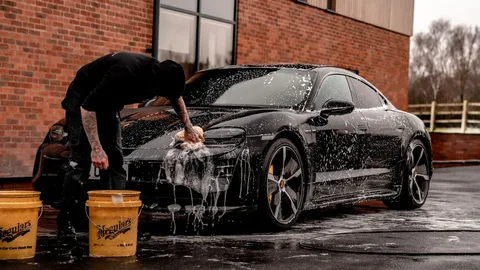
Owning a vehicle in a coastal city like Virginia Beach comes with unique challenges that drivers in other regions may never experience. From salty ocean air and sandy roads to intense summer sun and unpredictable winter moisture, your car is constantly exposed to elements that can damage its appearance and long-term condition. This is why seasonal maintenance and professional car detailing are essential for protecting your investment.
Understanding how each season affects your vehicle allows you to take proactive steps to preserve your paint, interior, and mechanical components. In this guide, we’ll walk through expert seasonal car detailing tips specifically tailored for Virginia Beach drivers, while explaining why professional Car Detailing Virginia Beach services are the smartest choice year-round.
Why Seasonal Car Detailing Matters in Virginia Beach
Virginia Beach has a coastal climate that brings salt air, humidity, sand, pollen, UV exposure, rain, and occasional winter grime. These elements don’t just make your car dirty—they actively contribute to corrosion, fading paint, clogged air vents, and interior wear.
Seasonal car detailing focuses on protecting your vehicle from the specific threats each time of year brings. Rather than relying on occasional car washes, professional detailing provides deep cleaning, protection, and preservation that helps maintain resale value and daily driving comfort.

Spring Car Detailing Tips for Virginia Beach Drivers
Spring is a critical time to refresh and restore your vehicle after winter exposure.

Remove Winter Contaminants
During winter, moisture, road grime, and salt residue can cling to your vehicle’s undercarriage and paint. A thorough exterior detail removes hidden buildup that may cause corrosion if left untreated.
Eliminate Pollen Buildup
Spring in Virginia Beach means pollen—lots of it. Pollen is acidic and can damage clear coat if allowed to sit on the paint surface. Professional hand washing and decontamination protect your vehicle’s finish.
Deep Interior Cleaning
Spring detailing is the perfect time for interior shampooing, carpet extraction, and leather conditioning. This removes allergens, dust, and moisture trapped during colder months.
Apply Paint Protection
Adding wax, sealant, or ceramic protection in spring creates a defensive barrier against summer UV rays and humidity.
Summer Car Detailing Tips for Coastal Protection
Summer brings sunshine, beach trips, salt air, and high temperatures—conditions that are tough on vehicles.
Protect Against UV Damage
The intense summer sun in Virginia Beach can cause paint oxidation, fading, and cracked dashboards. Professional detailing includes UV-protective products for paint, trim, plastics, and interior surfaces.
Remove Sand and Salt Residue
Beach driving often introduces sand into carpets, seat crevices, and door jambs. Salt residue from ocean air accelerates corrosion. Detailed vacuuming and underbody cleaning are essential.
Maintain Interior Comfort
High temperatures amplify odors and bacteria inside vehicles. Interior detailing sanitizes surfaces and restores a clean, fresh cabin environment.
Keep Your Paint Hydrated
Regular detailing helps maintain paint moisture and gloss, preventing dryness and premature aging caused by heat exposure.
Fall Car Detailing Tips to Prepare for Cooler Months
Fall is about preparation and prevention before winter weather arrives.
Remove Tree Sap and Leaves
Falling leaves, tree sap, and organic debris can stain paint and clog drainage channels. Professional detailing ensures these contaminants are removed safely.
Restore Headlights
Shorter daylight hours make clear headlights essential. Fall detailing often includes headlight restoration to improve nighttime visibility.
Protect Exterior Surfaces
Applying protective coatings in fall shields your vehicle from upcoming rain, moisture, and cooler temperatures.
Interior Refresh
Fall is an ideal time for interior conditioning, especially for leather seats that may have dried out during summer heat.
Winter Car Detailing Tips for Virginia Beach Conditions
While winters in Virginia Beach are milder than in many regions, moisture and salt exposure still pose risks.
Combat Moisture and Mold
Rain, humidity, and damp conditions can lead to mold growth inside vehicles. Professional interior detailing removes moisture and applies protective treatments.
Undercarriage Cleaning
Salt residue from coastal air and treated roads can settle underneath your vehicle. Undercarriage cleaning prevents rust and long-term damage.
Maintain Clear Windows and Mirrors
Preserve Interior Materials
Cold weather can cause cracking and stiffness in interior surfaces. Conditioning treatments keep materials flexible and protected.
Benefits of Professional Car Detailing Year-Round
Choosing professional detailing services instead of DIY washes offers significant advantages:
-
Deep cleaning beyond surface dirt
-
Long-lasting paint and interior protection
-
Increased vehicle resale value
-
Improved driving comfort and air quality
-
Early detection of cosmetic issues
For coastal drivers, professional detailing is not a luxury—it’s a necessity.
Why Local Expertise Matters in Virginia Beach
Not all detailing services understand the environmental challenges unique to coastal cities. A local detailing professional knows how salt air, humidity, sand, and sun impact vehicles in Virginia Beach specifically.
How Often Should You Detail Your Car in Virginia Beach?
While every driver’s needs vary, a general recommendation includes:
-
Full interior and exterior detail every 3–4 months
-
Seasonal protective treatments at least twice per year
-
Interior maintenance detailing more frequently for beach drivers or daily commuters
Regular detailing keeps your vehicle protected regardless of season.
Author




Knowing what your car is worth can make the selling process much easier. It can help you choose a sensible asking price, negotiate with confidence, and decide whether a part-exchange offer is fair.
However, no single figure applies to every vehicle. Several factors can affect its market value. These include age, mileage, condition, service history, specification, and current demand. Even two cars of the same make and model can have noticeably different values.
If you plan to sell or part-exchange your vehicle, a Car Valuation can give you a useful starting point. It can help you understand where your car sits in the current market before you speak to buyers or dealers.
What Does a Car Valuation Mean?
A Valuation provides an estimated figure for what your vehicle may be worth in the current market. The amount can change depending on how you plan to sell the car.
For instance, a dealer may offer less than the advertised price of a similar vehicle. Dealers need to cover several costs before reselling a car. These can include preparation, repairs, warranty coverage, staff costs, and their expected profit margin.
A private seller may achieve a different price because they sell directly to another consumer. However, private sales can take more time and require more effort from the seller.
It is also important to understand the difference between an advertised price and the final selling price. A vehicle might appear online at a certain price, but that does not mean it will actually sell for that amount. Therefore, treat a valuation as an informed estimate rather than a guaranteed final figure.
What Can Affect Your Car’s Value?
A Car Valuation considers several factors when determining a vehicle’s worth. Age, mileage, condition, service history, specification, and current market demand can all influence the final price.
Age and Mileage
Age and mileage often provide the first indication of a vehicle’s value. In general, newer cars tend to command higher prices. As a vehicle gets older, depreciation usually reduces its market value.
Mileage also matters because it shows how much use the car has had. However, you should not look at mileage on its own. A higher-mileage vehicle with excellent maintenance records may attract more interest than a low-mileage car that has received little care.
Overall Condition
Your car’s physical and mechanical condition can make a significant difference. Scratches, dents, worn tyres, damaged wheels, interior marks, and dashboard warning lights can all affect what buyers are willing to pay.
Be honest when describing your vehicle. Overstating its condition may produce an unrealistic estimate. It could also lead to a lower offer after a dealer or buyer inspects the car.
Service and MOT History
A complete service history can give potential buyers greater confidence. It shows that you have maintained the vehicle and kept up with important servicing requirements.
Keep service invoices, digital records, and maintenance receipts wherever possible. These documents can support your car’s condition and maintenance history.
Your MOT record can also provide useful information. Frequent failures or serious advisories may make buyers more cautious. On the other hand, a clean and well-maintained history can make your vehicle more attractive.
Specification and Market Demand
Your car’s specification can also influence its value. The trim level, engine, gearbox, colour, and optional equipment can affect demand.
Certain features may appeal strongly to buyers. These can include automatic transmission, parking sensors, reversing cameras, upgraded infotainment systems, and other desirable technology.
Market demand matters as well. A popular model with plenty of interested buyers may hold its value better than a less desirable vehicle.

Why Can Online Valuations Differ?
You may receive different estimates from different websites. That does not necessarily mean one service has made a mistake. Each valuation provider can use different data sources and calculation methods. Some may also make different assumptions about mileage, condition, specification, and local market demand.
Online tools usually rely on information such as your registration number, mileage, model, and specification. However, they cannot always identify smaller details. They may not know about a damaged alloy wheel, worn interior, new tyres, or a complete set of service records.
For that reason, an online Car Valuation should serve as a guide. It gives you an approximate idea of your vehicle’s market position, but it cannot guarantee the exact amount you will receive.
How to Prepare for a Valuation
Accurate information can help you get a more realistic estimate. Before requesting a valuation, take a few minutes to check your vehicle’s details.
Confirm the current mileage and check the MOT history. Gather your service records, maintenance receipts, and important vehicle documents. Also, make a note of the exact trim level, engine, gearbox, and optional features.
Next, inspect the vehicle carefully. Check the tyres, wheels, bodywork, lights, and interior. Make a note of any cosmetic or mechanical issues that could affect the final offer.
It can also help to clean your car before an inspection. Cleaning will not change the underlying market value, but it can make the vehicle look better and create a stronger first impression.
Is an Online Valuation Worth Using?
An online valuation offers a quick and convenient way to estimate your car’s worth. It can give you a starting point before you decide how to sell the vehicle.
However, accuracy depends on the information you provide. Entering the wrong mileage or leaving out important details can affect the result. Likewise, describing the vehicle as being in better condition than it really can create unrealistic expectations.
For a better understanding of your car’s potential selling price, compare the estimate with similar vehicles currently advertised. Look at differences in age, mileage, specification, condition, and location.
Final Thoughts
A Car Valuation involves more than entering a registration number and accepting the first estimate you receive. Your vehicle’s age, mileage, condition, history, specification, and current demand all play a role.
Therefore, use an online estimate as a starting point. Provide accurate information and compare the result with similar cars on the market. Most importantly, understand why your vehicle has a particular value. That knowledge can help you negotiate more effectively and make a confident decision when selling or part-exchanging your car.
Author


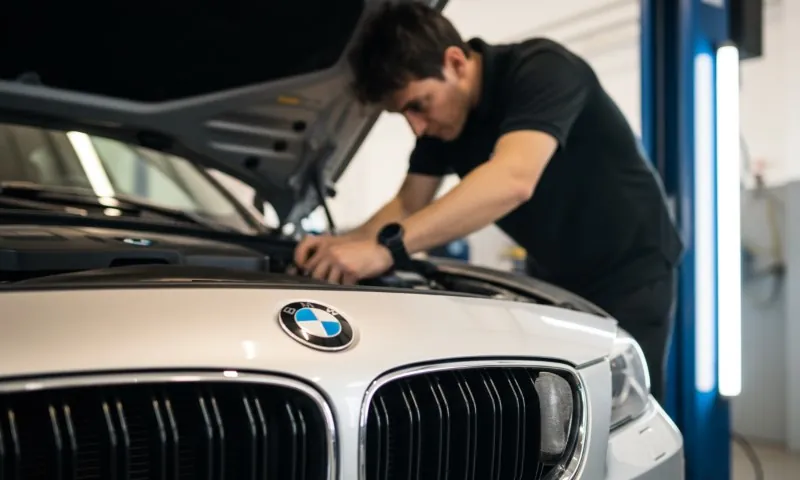
A BMW Headlight system does much more than brighten the road ahead. It helps you spot hazards, follow the road clearly, and stay visible to other drivers. Modern BMW models also use advanced lighting technology, including LED, xenon, and adaptive systems. These features improve visibility, but they also contain delicate electronic components that can develop faults over time.
That is why professional headlight repair London services can make a real difference. A small lighting problem may seem harmless at first. However, ignoring it can allow moisture, electrical faults, or damaged components to cause more serious problems. Getting an issue checked early can protect your vehicle and help you avoid unnecessary costs.
Why Healthy Headlights Matter
Good headlights play an important role in safe driving, especially after sunset. They help you see bends, pedestrians, road signs, parked vehicles, and unexpected obstacles. They also help other road users notice your BMW from a safe distance.
Furthermore, clear lighting becomes even more important during rain, fog, and poor weather. Dirty, dim, or poorly aligned lights can reduce visibility when you need it most. As a result, a properly working lighting system gives you better awareness and more confidence behind the wheel.
Your Headlight also needs to produce a consistent beam. If one side looks noticeably brighter than the other, you may have an underlying fault. A professional inspection can identify the cause before the issue affects your daily driving.
What Causes BMW Headlight Problems?
BMW lighting systems contain several electronic and mechanical components. These parts work together every time you switch on your lights. Over the years, regular use, weather conditions, and road debris can affect their performance. Several common problems can lead to lighting faults, including:
- Water entering the headlight housing
- Damaged or worn seals
- Cracked or scratched lenses
- Faulty wiring or electrical connections
- Failing LED components
- Problems with xenon lighting systems
- Damaged daytime running lights
- Impact from stones or other road debris
- Electrical faults that trigger dashboard warnings
In many cases, the problem starts with one small component. For example, a damaged seal can allow moisture to enter the housing. That moisture can then affect electrical connections and create further problems.
Common Warning Signs You Should Not Ignore
Headlight faults often show warning signs before the system stops working completely. Paying attention to these signs can help you deal with the problem while the repair remains manageable.
Watch for condensation or visible water inside the housing. You should also take note if your lights flicker, appear unusually dim, or produce an uneven beam. A dashboard warning can also indicate an electrical or lighting fault.
Other signs include cracked lenses, broken daytime running lights, and headlights that switch off unexpectedly. If you notice any of these problems, arrange an inspection instead of waiting for the system to fail completely.
Why Moisture Can Cause Serious Damage
Condensation inside a headlight may look like a simple cosmetic issue. In reality, repeated moisture exposure can create much bigger problems. Water can reach wiring, connectors, control modules, and other sensitive components. Over time, it can encourage corrosion and affect electrical performance. The lighting system may then become dim, flicker, or stop working correctly.
A small amount of condensation may sometimes disappear after normal use. However, persistent moisture deserves attention. If water keeps returning, a technician should inspect the housing, seals, and surrounding components to find the source.
When Should You Repair Your BMW Headlights?
Many drivers wait until a light stops working before they seek help. Unfortunately, this approach can turn a relatively simple fault into a more expensive repair.
You should consider professional assistance if you notice repeated condensation, dim lighting, flickering beams, cracked lenses, or dashboard warning messages. You should also arrange an inspection if one light behaves differently from the other.
Early action can prevent secondary damage. It may also allow a technician to repair the affected component instead of replacing the complete unit.

Repair or Replacement: Which Option Makes Sense?
Not every lighting fault requires a complete replacement. A skilled technician can inspect the unit and determine whether repair makes sense.
Damaged seals, certain wiring faults, moisture problems, and some electronic issues may respond well to professional repair. Minor lens damage may also have repair options, depending on its condition and location.
Replacement may become necessary when the housing has severe damage or when important internal components have suffered extensive failure. Therefore, a proper diagnosis should come before you decide to buy a new unit.
Repairing the original BMW Headlight can often provide better value when the main components remain in good condition. It can also help you retain the original fit and appearance of your vehicle.
Why Professional Repairs Matter
Modern BMW lighting systems can contain complex electronics and precisely designed components. For that reason, repairs require suitable equipment, technical knowledge, and careful handling.
An experienced technician can diagnose the fault before starting the repair. This approach reduces the risk of replacing parts that still work. It also helps protect the surrounding electrical system from unnecessary damage.
Professional servicing can address the actual cause of the problem rather than simply treating the visible symptom. That difference can improve reliability and help prevent the same issue from returning.
Benefits of Early Headlight Repairs
Dealing with lighting problems early offers several practical advantages. First, it restores clear visibility and helps you see the road more effectively. Second, it can reduce the risk of further damage inside the lighting unit.
Early repairs can also help maintain correct beam alignment. Proper alignment matters because an incorrectly positioned beam can reduce your visibility or disturb other drivers.
In addition, timely maintenance may extend the useful life of your lighting components. It can also reduce the chance of facing a larger and more expensive repair later.
Keep Your BMW Lighting in Good Condition
Regular inspections can help identify developing faults before they become major problems. During routine checks, look for cracks, condensation, unusual brightness, flickering, or warning messages.
If you notice a change in lighting performance, do not ignore it. A quick professional inspection can often identify the cause and give you clear repair options.
A reliable BMW Headlight repair service can restore visibility, protect valuable components, and help your vehicle perform as it should. Home of Headlights provides headlight restoration, maintenance, and bespoke lighting enhancements for different makes and models across London. Its technicians focus on practical repairs that improve visibility and help drivers avoid unnecessary replacement costs.
Whether you have condensation, dim bulbs, faulty LED or xenon lighting, broken daytime running lights, flickering, or dashboard warnings, early attention can make a significant difference. Taking action at the first sign of trouble can protect your lighting system and make every journey safer and more comfortable.
Final Thoughts
A BMW Headlight plays an important role in both visibility and road safety. Small issues such as condensation, flickering, dim lighting, cracked lenses, or dashboard warnings can quickly become bigger problems if you ignore them.
Therefore, it makes sense to address headlight faults as soon as you notice them. Early repairs can protect electrical components, improve visibility, and help you avoid unnecessary replacement costs. Professional inspection also ensures that technicians identify the actual cause instead of simply treating the visible symptom.
If your BMW headlights are showing signs of trouble, do not wait for complete failure. Choosing a reliable BMW repair London service can help restore proper lighting performance and keep your vehicle ready for every journey. Regular checks and timely repairs will also help your lighting system remain dependable for longer.
Author



Author



Cash Only A Modern Approach to Everyday Streetwear

Kentucky Bourbon Trail Tours What Is Included and How to Plan a Trip

Point Cloud to BIM for Renovation Projects: From 3D Scanning

Malware Protection Solutions for Business Data Security

Balance With Dedicated Oversight From the Best Virtual Psychiatrist

Make Gifts Memorable with Custom Shaped Rigid Boxes

Brooklyn Creativity, Streetwear, Art, and Fashion

CAD vs. BIM: Which Workflow Is Right for Your Project?

Top 25 Podcast Marketing Firms Based in the United States

QuickBooks Bank Feeds Not Working: Expert Fix Guide

Cybersecurity Consulting Company SequelNet Provides Critical IT Support Services to Medical Billing Firm, Medical Optimum

Meet the Megalodon: The Shark Star of ‘Meg 2’

Reduce Video Game Lag: Level Up Your Gaming Performance

Balancing India’s Entertainment: Cricket vs. Bollywood

Jetsetter’s Secrets: Unveiling Our Favorite Travel Hacks for a Seamless Adventure

The 5 Best Live Sports Streaming Sites: Legal and Exciting!

Hollywood Labor Unrest: The Impact of ‘What About Us?’ Strikes

Unveiling the Magic of Dream Fulfillment at the Late NBA Draft

Illuminate Your Skin: Dr. Axe Unveils Natural Remedies for Lightening Knees and Elbows

Bright Choices: Navigating the Pros and Cons of Skin Whitening Creams with Dr. Axe
-

 Business3 years ago
Cybersecurity Consulting Company SequelNet Provides Critical IT Support Services to Medical Billing Firm, Medical Optimum
-
Entertainment3 years ago
Meet the Megalodon: The Shark Star of ‘Meg 2’
-
Entertainment3 years ago
Reduce Video Game Lag: Level Up Your Gaming Performance
-
 Sports3 years ago
Balancing India’s Entertainment: Cricket vs. Bollywood
-
Entertainment3 years ago
Jetsetter’s Secrets: Unveiling Our Favorite Travel Hacks for a Seamless Adventure
-
Productivity3 years ago
The 5 Best Live Sports Streaming Sites: Legal and Exciting!
-
Art /Entertainment3 years ago
Hollywood Labor Unrest: The Impact of ‘What About Us?’ Strikes
-
Sports3 years ago
Unveiling the Magic of Dream Fulfillment at the Late NBA Draft






