
Beauty Fitness
Shake it Off: How Dancing Helps Improve Balance, Coordination, and Flexibility


Are you tired of feeling uncoordinated and stiff? Do you struggle with maintaining your balance on a daily basis? Well, it’s time to shake things up! Dancing is not only a fun way to get moving, but it can also drastically improve your overall balance, coordination, and flexibility. In this blog post, we’ll explore the many benefits of incorporating dance into your fitness routine and provide tips on how to get started. So put on those dancing shoes and let’s groove our way towards better health!
What is Dancing?
Dancing is a great way to improve balance, coordination, and flexibility. When you dance, your body has to work together as a unit in order to stay on track. This type of exercise helps improve your stability and strengthens your muscles throughout your entire body. It also helps increase your range of motion. Dancing can be done with any kind of music- from classical to contemporary- so there’s something for everyone!
What are the Benefits of Dancing?
Dancing has a long list of benefits, including improved balance, coordination, and flexibility. Here are five reasons why you should start dancing:
1. It Can Improve Balance
Dancing can help improve your balance because it helps develop coordination and muscle memory. Dancing also works your core muscles, which can help you stay stable when you’re not expecting it.
2. It Can Help with Coordination
Dancing can help improve your coordination because it teaches you how to move your body in ways that are both functional and stylish. This skill can come in handy when you need to move quickly or stay on your feet during an emergency.

3. It Can Increase Flexibility
Dancing can increase your flexibility because it helps tone and strengthen the muscles in your hips, hamstrings, and calves. This will make it easier for you to move through space without strain or pain.
4. It Can Make You Feel Good About Yourself
One of the best things about dancing is that it’s a great way to have fun and get fit at the same time. Dancing makes you feel good about yourself because it teaches you self-confidence and discipline skills
How to Do the Best Dancing for You
If you love to dance, there’s a good chance that your favorite moves are the salsa or the cha-cha-cha. But regardless of the style you prefer, dancing can help improve balance, coordination, and flexibility. Here are four ways that dancing can help you stay healthy:
1. Dancing Can Aid in Balance Training. When you learn how to move your body in time to music, it strengthens your balance muscles and helps prevent falls. This is especially important as we get older—dancing can help keep our bones strong and our minds sharp!
2. Dancing Can Improve Coordination. When you coordinate movement with another person, it trains your brain to work more quickly and effectively together. This is key for things like driving or playing sports—the better coordinated you are, the less likely you are to get hurt.
3. Dancing Can Strengthen Your Flexibility Muscles. When you stretch regularly, it helps reduce tension in your muscles and promote relaxation. That’s why many people report feeling more flexible after just a few weeks of dancing!
4. Dancing Can Help You Live a More Active Life. We all know that exercise is good for our health—but did you know that dancing is just as effective? Not only does dancing improve balance and coordination, but it also burns calories quickly and makes us feel happy! So go ahead—shake it off!
Different Types of Dance
Dancing has been shown to have many benefits forbalance, coordination, and flexibility. When done properly, dancing can be a great way to stay active and improve overall fitness. There are different types of dances that can be enjoyed by all kinds of people, so there’s sure to be one that will appeal to you. Here are five different types of dances that you can try: Ballroom Dancing
Ballet
Country Dancing
Jazz
Tap
How to Practice Dancing Correctly
There are a few steps you can take to improve your dancing skills, regardless of your level. The most important thing is to be sure that you’re practicing the right way. Here are four tips for practicing correctly:
1) Find a practice partner
Dancing with another person helps you learn the steps more quickly and makes it easier to correct your mistakes. You also can provide feedback on each other’s movements, which can help improve coordination and flexibility.
2) Use a mirror or video monitor
Looking at yourself in a mirror or using a video monitor can help you see how your body moves and correct errors. However, be aware that viewing yourself too closely may cause you to freeze and lose confidence in your dance movements. Allow yourself some room to move and breathe while looking in the mirror or screen.
3) Practice regularly
If you want to improve your dancing skills, make sure you practice regularly. Even if you don’t have any difficulty following the dance instructions, simply repeating the steps over and over again will help embed them in your memory. Try doing some of the exercises several times a day at different locations so that they become habitual. And don’t forget to keep practicing when things get tough – even small mistakes can lead to bigger problems down the road if not corrected quickly.
4) Stay positive
Conclusion
If you’re looking to improve your balance, coordination, and flexibility, dancing is a great way to start. Dancing can be done just about anywhere, so it’s perfect for when you have some free time and want to get moving. And the best part? The benefits of dancing don’t stop there-dancing also helps improve moods and mental health. So if you’re feeling unmotivated or down in the dumps, give dancing a try-you might just find that it helps shake things off in the best way possible!
Author

RF Needling
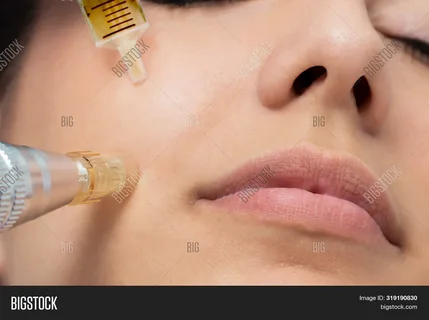
RF micro needling uses tiny needles and gentle heat to treat deeper skin layers. This helps the skin feel tighter and smoother over time. It may reduce fine lines, mild scars, and large pores. The heat supports collagen, which helps skin stay firm. Many people choose this treatment because it can give faster results than basic micro needling alone.
It is often used on the face, neck, and other areas that show early signs of aging. It can also help skin look younger with regular sessions over time and supports long term skin health today.
PRP Micro needling
PRP micro needling uses a small amount of your own blood. The blood is processed to get platelets that help skin heal. These platelets are placed on the skin during treatment. They support repair and can improve skin tone and glow.
This method may help with acne scars and dull skin. It is often called a vampire facial. Many choose it because it uses natural healing from the body itself. Some clinics also mix PRP with micro needling for better results, which can help you feel confident.
Exosome Micro needling
Exosome treatments use tiny natural messengers that help skin cells talk and repair. They support faster healing after micro needling. This trend is growing because it may improve skin glow, smoothness, and even tone.
Exosomes can help calm redness and support new skin growth. They are often added after treatment to boost results. Many people like this option for its advanced skin repair support. This method is still new but shows strong results in skin care clinics for many different skin types today widely.
Custom Depth Needling
Custom depth micro needling adjusts needle depth for each skin need. Shallow depth may treat fine lines and texture. Deeper depth may help scars and stronger marks. This makes treatment more safe and more exact.
Skin experts choose settings based on skin type and concern. This trend helps improve results while lowering skin stress and damage risk. It also helps reduce side effects and keeps skin recovery more comfortable after treatment sessions.
Micro needling with Serums
Micro needling with serums adds vitamins and moisture to the skin during treatment. The tiny channels from needles help skin absorb these ingredients better. This can improve skin softness, glow, and hydration. Common serums include hyaluronic acid and vitamins. This trend helps boost results from each session. It is often used for dry or tired-looking skin, and this doctor thinks so.
Micro needling Trends for Skin Rejuvenation
They also help skin heal in a safer way. Each trend is made to fit different skin needs. Learning these options can help guide better choices for healthy skin and long lasting care today. Did you find this article helpful? You can check out our website for more awesome content like this! We regularly publish easy-to-understand guides, expert insights, and the latest updates on skincare trends, treatments, and modern beauty innovations. Our goal is to help you make informed decisions about your skin health with simple, practical, and trustworthy information.
If you are interested in learning more about treatments like micro needling, RF therapy, PRP procedures, or advanced skin rejuvenation techniques, you will find detailed articles that break everything down step by step. We also share tips on aftercare, skin maintenance routines, and how to choose the right treatment for your specific skin concerns.
Whether you are a beginner exploring skincare options or someone already familiar with cosmetic treatments, our content is designed to guide you at every stage. Stay updated with new trends, discover safe treatment options, and learn how to achieve healthier, glowing skin with confidence.
Author


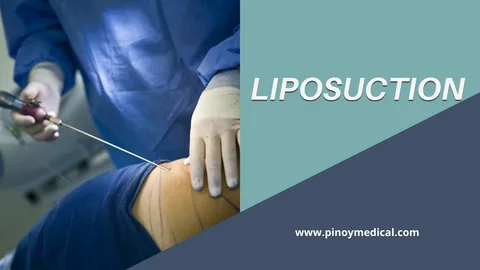
Liposuction Surgery in Dubai is a transformative procedure for anyone who has successfully lost a significant amount of weight but still struggles with stubborn fat deposits that don’t respond to exercise. While the journey of significant weight loss is a remarkable achievement, there are often those final touches needed to bring out the body’s carefully crafted contours. In Dubai, thanks to the city’s world-class surgical expertise and advanced sculpting techniques, liposuction is the perfect tool to complete your new physique, delivering the results you’ve always dreamed of and crowning your long-term efforts with resounding success.
liposuction surgery necessary after weight loss
Advanced technologies
In Dubai, post-weight loss cases are handled with utmost discretion, as the skin may have lost some of its elasticity. Therefore, surgeons rely on techniques such as:
-
Vaser: which uses ultrasound waves to precisely break down fat, making it easier to remove without damaging vital tissues, and is ideal for cases that require high precision.
-
Laser liposuction: which not only removes fat, but also helps to tighten sagging skin and stimulate collagen, which is vital for those who have lost a lot of weight.
-
High-precision body sculpting: A technique that allows surgeons to define and accentuate muscle lines, giving you a toned, athletic appearance.
Psychological and physical preparation for the operation
Before considering Liposuction Surgery in Dubai, your body should have maintained a stable weight for a sufficient period. Surgeons carefully assess your skin elasticity and overall health to ensure the best possible recovery. The challenge lies not only in removing fat but also in ensuring your skin looks and feels smooth under your new shape. The doctor at the clinic will explain how liposuction can be combined with skin tightening procedures, if needed, to guarantee a perfect and seamless result.
Recovery period
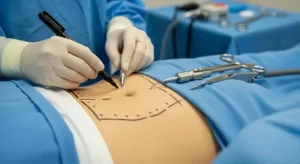
After significant weight loss, the body undergoes many changes, so the recovery period after liposuction in Dubai is carefully planned and structured. Wearing a compression garment is the golden rule during this phase; it not only reduces swelling but also prevents fluid retention under the skin and helps shape the new figure. Gentle movement in the first few days and adherence to nutrition and hydration advice will make the recovery period a smooth experience, leading you directly to the look you’ve always wanted.
Beauty and professional standards in Dubai
Dubai offers a unique blend of luxury and medical expertise. When choosing a surgeon, ensure their experience in managing significant post-weight loss cases. These cases require a precise and technical approach to assess the distribution of remaining fat and predict how the skin will respond. Medical centers in Dubai adhere to strict protocols to guarantee your safety, while also providing post-operative support and follow-up to ensure the final result reflects all your previous weight loss efforts.
Maintaining the sculpted figure
Once the procedure is complete, you’ll notice a significant difference in your clothing and overall appearance. To ensure these results last, you must commit to a lifestyle that prevents weight regain. Maintaining a stable weight is the primary guarantee for the sustainability of the procedure’s results. Focusing on whole foods, protein, and regular physical activity will ensure your slim figure remains your constant companion, allowing you to fully enjoy the fruits of your weight loss journey.
Psychological impact of the operation
Don’t underestimate the psychological impact of liposuction after significant weight loss. Many patients describe this step as “closing the book” on their arduous weight loss journey, as their new figure gives them a sense of ultimate accomplishment. The confidence you gain when wearing clothes you’ve always dreamed of is an invaluable reward, making every moment of your challenging weight loss journey seem worthwhile and rewarding.
Medical facts for reassurance
It’s essential to understand that liposuction is a very safe cosmetic procedure when performed in a licensed and reputable environment. Final results may take some time to become fully apparent due to natural post-operative swelling, so patience is key to success. Regular follow-up appointments with your doctor in Dubai will guide you step-by-step towards your desired outcome safely and comfortably.
How do you begin your journey?
Research is the first step. Look at before-and-after photos of similar cases and read about the techniques available in Dubai. Choosing the right clinic and surgeon who shares your aesthetic vision will make the journey enjoyable and successful. Don’t rush; always choose quality, because you deserve the best results after all the effort you’ve put in.
Summary
Your weight loss journey is your personal success story, and liposuction is the perfect finishing touch, adding a touch of beauty and harmony. Dubai, with its advanced medical care, is the ideal place to take this step and turn your dreams into reality. Don’t hesitate to seek a professional consultation at one of Dubai’s top cosmetic clinics , where you’ll find the support and advice that will ensure a harmonious figure reflecting the beauty of your weight loss journey.
Author


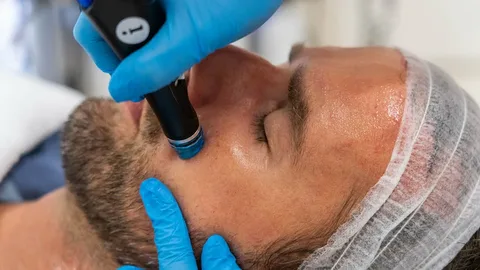
In a city that never stops evolving, your skincare routine should keep pace. HydraFacial Treatment in Dubai has become the essential choice for professionals and residents who require high-performance, clinical-grade results to maintain a youthful, vibrant complexion in a challenging environment.
HydraFacial Treatment in Dubai
This procedure is a sophisticated, multi-stage skin resurfacing system that surpasses the capabilities of traditional facials. It utilizes patented vortex-fusion technology to integrate cleansing, exfoliation, extraction, and hydration into one seamless, professional session. By replacing manual, sometimes irritating extraction methods with automated vacuum technology, the process offers a thorough, comfortable, and highly effective way to refine your skin’s texture and clarity.
HydraFacial Treatment in Dubai Functions
The success of this treatment relies on a specialized, spiral-tipped handpiece. As it moves across the skin’s surface, it generates a precise vacuum effect. This action lifts away surface-level pollutants and dead cells while simultaneously clearing out debris from deep within the pores. In our clinical experience, this method is superior because it readies the dermis for an immediate, high-pressure infusion of nourishing serums. By delivering peptides, antioxidants, and hyaluronic acid directly into the skin’s fresh, exfoliated layers, the treatment ensures optimal absorption and visible, lasting revitalization.
HydraFacial Treatment in Dubai Is Used
Environmental stressors—including intense sun, high humidity, and ubiquitous air conditioning—can leave the skin feeling congested, dehydrated, and dull. Patients utilize this treatment as both a corrective and a preventative measure. It is designed to manage the buildup of oils and pollutants that lead to enlarged pores and breakouts, while also restoring the moisture levels necessary to maintain a healthy, resilient skin barrier against external damage.
Notable Benefits of the Procedure
The clinical advantages frequently reported by our patients include:
-
Immediate Radiance: A clear, luminous, and “lit-from-within” glow after just one visit.
-
Deep Pore Purification: Painlessly clears congestion and blackheads without the need for manual, potentially damaging squeezing.
-
Intense Hydration: Replenishes moisture reservoirs, resulting in plump, smooth, and soft skin.
-
Total Customization: Practitioners tailor serum blends to target specific needs, such as fine lines, sensitivity, or hyperpigmentation.
Who is an Ideal Candidate?
This procedure is remarkably versatile and is suitable for all skin types, from dry and sensitive to oily and acne-prone. Because it is non-ablative, it is a perfect option for individuals who want professional aesthetic results without the redness, peeling, or downtime associated with more aggressive chemical peels or laser treatments. Whether you are seeking a pre-event refresher or a long-term strategy for skin health, the treatment adapts to your unique goals.
Treatment Process
-
Vortex-Cleansing: A gentle mechanical exfoliation removes the surface layer of dead skin.
-
Impurity Extraction: Painless, automated vacuum suction clears out clogged pores.
-
Deep Serum Infusion: A customized cocktail of antioxidants and hyaluronic acid is delivered to nourish the skin.
-
Final Protection: The application of soothing moisturizers and SPF secures the results and guards the skin.

Common Treatment Areas
While the face is the primary focus of the treatment, the versatility of the device allows for comprehensive care. Many patients choose to extend their session to the neck and décolletage for a uniform, youthful appearance. Additionally, the back is a highly effective treatment area, providing a superior, painless solution for those who struggle with persistent congestion or dryness in that harder-to-reach zone.
Cost Factors and Price Considerations
The investment required for your session depends on your skin’s specific needs and the inclusion of any targeted boosters or combination therapies. During your consultation at Tajmeels Clinic, our professionals will evaluate your skin’s current status and create a personalized plan, ensuring full transparency regarding your treatment and the measurable value it provides toward your long-term skin health goals.
Expected Recovery
What patients typically report during recovery is a feeling of instant cleanliness, comfort, and deep hydration. Because the procedure is non-invasive, there is zero downtime. You can immediately return to your social or professional schedule, apply makeup if desired, and enjoy your rejuvenated skin. While very sensitive skin might show a faint, temporary pinkness, this typically disappears well within an hour of your session.
Safety and Clinical Considerations
The treatment is renowned for its safety and predictability in a clinical setting. By avoiding harsh, abrasive methods, it minimizes the risk of inflammation or adverse reactions. It is a highly controlled, medical-grade experience performed under strict hygiene standards. Before starting, we perform a brief assessment to ensure the treatment settings are perfectly calibrated to your current skin health.
Sustain Your Results
To maximize the longevity of your professional sessions, we recommend a consistent, monthly maintenance schedule. Returning every four to six weeks keeps your pores clear and your hydration levels optimal. Between visits, maintaining a simple, high-quality home skincare routine—specifically prioritizing daily sun protection—is the most important step in preventing the environmental damage that this treatment works so hard to counteract.
Conclusion
Prioritizing your skin’s health is one of the most rewarding investments you can make. By choosing a treatment that balances advanced technology with gentle, personalized care, you ensure that you achieve your aesthetic goals with confidence. At Tajmeels Clinic, our team is dedicated to providing a professional, supportive environment where your skin’s needs are met with precision and effective results.
Author



Car Accessories: Drivers Must-Have in Dubai for 2026

Bottega Desire-Inspired Fashion Trends: The Rise of Quiet Luxury

Minding My Books: Expert QuickBooks Enterprise Solutions

Air France Unaccompanied Minor: Children Flying Alone

White Label Services: A Smart Way for Agencies to Scale Faster

Visa Cost Calculator: Your Travel Budget with Accurate Visa Fee

Kaftan Sets for Women: Effortless Luxury Fashion for Modern Style

Endmill Tool Storage & Maintenance: Practices for CNC Machining

Baseball History: Era Gaps Matter More Than Numbers

Private Limited Company Compliance: OPC, LLP, AIF & Taxation

Cybersecurity Consulting Company SequelNet Provides Critical IT Support Services to Medical Billing Firm, Medical Optimum

Team Communication Software Transforms Operations at Finance Innovate

Project Management Tool Transforms Long Island Business

How Alleviate Poverty Utilized IPPBX’s All-in-One Solution to Transform Lives in New York City

Breast Cancer: The Imperative Role of Mammograms in Screening and Early Detection

Unstoppable Collaboration: D.C.’s Citi Open and Silicon Valley Classic Unite to Propel Women’s Tennis to New Heights

Embracing Renewal: Sizdabedar Celebrations Unite Iranians in New York’s Eisenhower Park

The Benefits of Starting a Side Hustle for Financial Freedom

New Blood Donation Screening Questions What You Need to Know

Stylishly Timeless: The 5 Types of Sandals You Need in Your Closet
-

 Business3 years ago
Cybersecurity Consulting Company SequelNet Provides Critical IT Support Services to Medical Billing Firm, Medical Optimum
-
Business3 years ago
Team Communication Software Transforms Operations at Finance Innovate
-
Business3 years ago
Project Management Tool Transforms Long Island Business
-
Business3 years ago
How Alleviate Poverty Utilized IPPBX’s All-in-One Solution to Transform Lives in New York City
-
health3 years ago
Breast Cancer: The Imperative Role of Mammograms in Screening and Early Detection
-
Sports3 years ago
Unstoppable Collaboration: D.C.’s Citi Open and Silicon Valley Classic Unite to Propel Women’s Tennis to New Heights
-
Art /Entertainment3 years ago
Embracing Renewal: Sizdabedar Celebrations Unite Iranians in New York’s Eisenhower Park
-
Finance3 years ago
The Benefits of Starting a Side Hustle for Financial Freedom







