
Law Government
How Online Disinformation is Undermining Trust in Democracy: Why We Need to Act Now


In a world where information travels at lightning speed, it’s becoming increasingly difficult to separate fact from fiction. With the rise of social media and online platforms, disinformation is spreading like wildfire, undermining trust in democracy and threatening the foundations of our society. From fake news stories to manipulated images and videos, propaganda has become more sophisticated than ever before. In this blog post, we’ll explore how online disinformation is eroding public trust in democratic institutions and why we need to act now to combat this growing threat. So grab your virtual magnifying glass and join us as we delve into the murky world of digital deception.
What is online disinformation?
Online disinformation is a type of misinformation that spreads through the internet. It can be used to distort and manipulate information so that it is believed by fewer people. This can have negative consequences for democracy and the public’s trust in the media.
There are many ways that online disinformation can damage democracy. First, it can create false narratives about political events. For example, when fake news stories spread about Hillary Clinton being involved in corruption, this could lead to distrust in journalism and democracy overall. Second, it can skew opinions by presenting only one side of an issue. This was especially noticeable during the US presidential election campaign season, when fake news stories about Hillary Clinton being linked to WikiLeaks helped Donald Trump win the vote. Third, online disinformation can sow division between people by spreading FALSE INFORMATION about groups that society relies on to cooperate together (like immigrants or refugees). And finally, online disinformation can undermine faith in institutions like governments or businesses by spreading inaccurate information about their operations or their officials.
All of these impacts have serious consequences for democracy and the public’s trust in media. Scholars have identified multiple ways that online disinformation has undermined democracy over recent years: it has led to increased political polarization; decreased trust in democratic institutions; generated hate speech; promoted conspiracy theories; and undermined confidence in mainstream news sources.[1] These impacts are likely to continue unless we take steps to address them.
There are a number of ways we can address online disinformation threats: We need to increase

The ways disinformation is spread online
Online disinformation is a problem that has been on the rise for several years now. The ways that disinformation can be spread online can have a negative impact on the trust people have in democracy as a whole. There are a number of ways that disinformation is spread online, and it is important to understand how it works in order to combat it.
One way that disinformation is spread online is through fake news stories. Fake news stories are often designed to confuse and deceive people, and they can have a significant impact on the public’s perception of events. Fake news stories can promote false beliefs about political issues, and they can damage the public’s trust in institutions like government and media.
Fake news stories can also be used to sow discord among people. For example, fake news stories about immigration may be designed to create divisions between different groups of people. This type of disinformation can lead to violence and political extremism, which is why it is important to take it seriously.
Another way that disinformation is spread online is through social media platforms. Social media platforms are powerful tools for sharing information, but they also allow for easy access to inaccurate information. Social media platforms like Twitter and Facebook are particularly susceptible to the effects of misinformation because they allow users to share content quickly and easily without fact-checking it first.
This type of misinformation can have a big impact on the public’s opinion, and it can lead to harmful consequences like hate crimes or reprisals against
The impact of online disinformation on democracy
There is no question that the internet has played a significant role in democratizing access to information and empowering citizens around the world. However, this democratic potential has also been exploited by fake news and other forms of online disinformation, which can have negative consequences for democracy and trust in institutions.
Research shows that exposure to online disinformation increases uncertainty and distrust in political information. This can undermine people’s willingness to participate in democratic processes and create social divisions along partisan lines. In addition, it can create feelings of anger and frustration, which can lead to violence or other forms of extremism.
We need to act now to address the threat posed by online disinformation because its effects are already being felt across society. We need to build public awareness about the dangers of fake news and disinformation, encourage critical thinking about information sources, strengthen accountability mechanisms for media outlets, and develop strategies for combating propaganda campaigns on social media.
What can be done to address the problem of online disinformation?
The problem of online disinformation is real and growing. It’s undermining trust in democracy, and we need to address it now.
The first step is recognizing that disinformation exists. In fact, a recent study found that over 60% of Americans believe fake news stories are rampant on the internet. This kind of misinformation can have serious consequences, including causing people to vote for the wrong candidate or believing false information about dangerous medical treatments.
Disinformation is designed to sow division and chaos. It exploits our natural vulnerabilities as humans, convincing us to distrust one another and jeopardizing our trust in institutions like government and the media.
We can’t let this trend continue. We need to take action to protect ourselves and our democracy from the negative effects of disinformation. Here are a few things we can do:
1) Educate yourself and your friends about how disinformation works. Understand where it comes from, how it’s spread, and why it matters.
2) Challenge false information when you see it. Don’t be afraid to speak up when you see something that doesn’t seem right. It takes courage, but using your voice can help protect democracy from harm.
3) Support organizations fighting against disinformation online. They’re working hard to counter the effects of fake news and misinformation, so please donate what you can!
Conclusion
In the past year or so, we have seen a proliferation of online disinformation – fake news stories that attempt to sow discord and undermine trust in democratic institutions. The scale and sophistication of this disinformation campaign is unprecedented, and it is not limited to one side – both right-wing extremists and left-wing radicals are perpetrating disinformation through their own platforms. This type of smear campaign has serious implications for democracy, as it can erode public trust in institutions and sow division among the citizenry.
Author



When children travel alone, parents naturally want assurance that their journey will be safe, comfortable, and properly managed. Air travel can sometimes feel overwhelming for young passengers, especially on long or international flights. To help families feel more confident, Air France provides a special service for minors traveling without adult companions. Understanding the Air France Unaccompanied Minor Policy can help parents prepare their child for a smooth and secure travel experience.
Air France Unaccompanied Minor Policy
The Air France Unaccompanied Minor Policy is designed for children who need to travel without parents or guardians. Through this service, airline staff provide guidance and supervision from departure until the child safely reaches the authorized person at the destination airport.
This support includes assistance during airport check-in, security procedures, boarding, and arrival formalities. The service helps ensure children remain safe and comfortable throughout their journey. Parents often choose this option because it provides peace of mind while their child travels independently.
Age Eligibility for Solo Child Travelers
Airlines follow age-based rules for children flying alone, and Air France also has specific guidelines for unaccompanied minors. Younger children are generally required to use the airline’s special assistance service when traveling without adults.
Older teenagers may be allowed to travel independently depending on the route and destination. Since travel requirements can vary between domestic and international flights, parents should always review the latest guidelines before booking. Understanding the Air France Unaccompanied Minor Policy early can help families avoid unexpected airport complications.

Airport Guidance for Young Passengers
One of the most important benefits of the service is airport assistance for children. Airline representatives help young travelers complete check-in, baggage procedures, and security checks safely.
Parents are usually permitted to stay with the child until boarding begins. After landing, the child is handed over only to the approved guardian listed in the booking information after proper identity verification.
This careful process helps maintain safety during every stage of travel.
In-Flight Supervision and Comfort
Cabin crew members provide additional attention to children traveling alone during the flight. Staff regularly check on young passengers and assist them with meals, seating, and general travel needs. For children who may feel nervous or anxious, friendly support from airline staff can make the journey much more comfortable. The airline’s goal is to create a positive and stress-free travel experience for every minor passenger.
Important Travel Documents Parents Need
Before departure, parents should carefully prepare all necessary travel documents for the child. These documents may include passports, visas, consent letters, emergency contacts, and identification papers.
The airline may also request additional forms related to unaccompanied minor services. Keeping printed copies of important documents can help make airport procedures smoother and faster. Families should also arrive at the airport early to complete check-in and security procedures without rushing.
Final Thoughts
The Air France Unaccompanied Minor Policy offers valuable support for families whose children need to travel alone. With airport assistance, in-flight supervision, and secure arrival procedures, the airline aims to provide a safe and comfortable journey for young travelers. From the moment the child arrives at the departure airport, trained airline staff guide them through every step, ensuring check-in, security checks, and boarding are handled smoothly. Cabin crew members remain attentive throughout the flight, offering assistance with meals, seating, and any travel-related needs.
For children who may feel nervous or anxious, this constant support helps them feel reassured and confident. Upon arrival, the child is carefully handed over only to the authorized guardian, with proper identity verification to guarantee safety. Parents can trust that their child is monitored at all times, creating peace of mind during the journey. By combining structured procedures with compassionate care, the airline ensures that traveling alone is not only safe but also a positive and stress-free experience for every young passenger.
Author


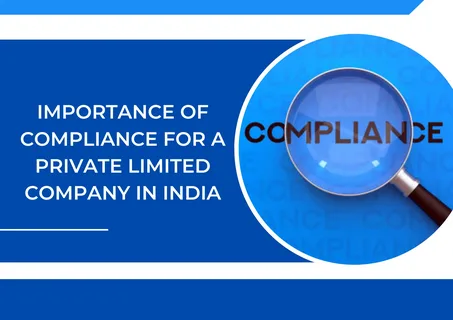
Running a Private Limited Company (PLC) in India comes with a host of responsibilities, primarily revolving around legal and regulatory compliance. For many entrepreneurs, understanding these compliances can feel overwhelming, but staying compliant is critical for business growth, credibility, and avoiding penalties. In this article, we’ll dive deep into Private Limited Company Compliances in India, cover OPC Compliance in India, and explore related areas like taxation, startups, and alternative investment funds. By the end, you’ll have a complete roadmap for maintaining compliance and ensuring smooth operations.
Introduction
Starting a Private Limited Company in India offers credibility, limited liability, and funding opportunities, but it also comes with a legal obligation to stay compliant. From filing annual returns to adhering to tax regulations, a structured approach can save your company from costly penalties.
In this article, we’ll explore not just Private Limited Company Compliances in India but also OPC compliance, LLP compliance, AIF regulations, taxation for startups, and practical steps for seamless business operations. Whether you are a first-time entrepreneur or an established business owner, this guide will serve as a roadmap for staying legally sound.
Private Limited Company Compliances
Why Compliance Matters
Compliance ensures that your company operates legally, builds investor trust, and avoids fines. Non-compliance can result in penalties, loss of business licenses, or even legal action. For startups and private companies, maintaining good compliance practices also helps in smooth fundraising and business expansion.
Key Regulatory Bodies
Private Limited Companies in India must adhere to rules set by multiple authorities, including:
- Ministry of Corporate Affairs (MCA) – governs company registration, filings, and corporate governance.
- Income Tax Department – regulates taxation for corporate entities.
- Goods and Services Tax (GST) Authorities – manage indirect tax compliance.
- Reserve Bank of India (RBI) – relevant for foreign investments and certain financial transactions.
Mandatory Filings for Private Limited Companies
Annual Filings with MCA
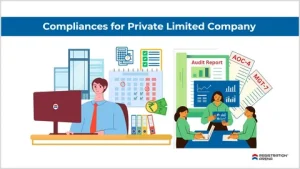
Private Limited Companies are required to submit several forms annually to the MCA:
- Form AOC-4: Filing financial statements.
- Form MGT-7: Annual return containing shareholder and management details.
- Form ADT-1: Auditor appointment reporting.
Late filings can attract fines ranging from thousands to lakhs of INR, depending on the severity.
Income Tax Compliances
- Corporate Tax Returns (ITR-6) must be filed annually.
- Tax Audit: Applicable if turnover exceeds ₹1 crore for service businesses or ₹10 crore for trading businesses.
- TDS Compliance: Deduction and deposit of tax at source for salaries, contractors, and vendors.
Goods and Services Tax (GST)
If your company exceeds a turnover threshold (currently ₹40 lakhs for goods and ₹20 lakhs for services), GST registration is mandatory. Monthly or quarterly GST returns must be filed depending on the business size.
OPC Compliance in India
Definition and Features of OPC
A One Person Company (OPC) is a type of private company with a single shareholder, ideal for solo entrepreneurs. Key features include:
- Limited liability for the owner.
- Separate legal identity.
- Simple compliance compared to multi-shareholder private limited companies.
Key Compliances
OPCs must adhere to:
- Annual Return Filing: Form MGT-7.
- Financial Statement Submission: Form AOC-4.
- Income Tax Compliance: ITR-6 and TDS obligations.
Other Relevant Compliance Areas
LLP Compliance India
Limited Liability Partnerships (LLPs) are popular due to minimal compliance compared to private companies:
- Annual Filing (Form 11).
- Statement of Accounts and Solvency (Form 8).
LLPs offer flexibility but limited funding options compared to private limited companies.
Alternative Investment Funds in India
Startups and investment firms may consider AIFs for fundraising:
- Registration with SEBI is mandatory.
- Regular reporting and taxation are required (AIF Taxation in India).
- Helps manage private equity, venture capital, and other investments efficiently.
Compliance Services for Startups
Professional services can help startups navigate:
- Company registration.
- GST and income tax filings.
- RBI approvals and funding compliance.
Taxation Services for Startups ensure proper accounting, deductions, and filings to optimize financial operations.
Case Studies and Examples
- Tech Startup in Bengaluru: Successfully filed all MCA and GST returns on time by engaging professional compliance services, avoiding penalties, and attracting seed funding.
- OPC in Mumbai: Single-owner business converted to Private Limited Company after crossing the threshold turnover, ensuring continued compliance with corporate laws.
- AIF Setup in Delhi: Venture fund complied with SEBI reporting and tax obligations, maintaining credibility with investors.
Pros & Cons of Strict Compliance
Pros:
- Avoids legal penalties.
- Builds trust with investors, banks, and partners.
- Facilitates easier business expansion.
Cons:
- Time-consuming paperwork.
- Professional services may add to operational costs.
- Requires constant monitoring of changing regulations.
Conclusion
Staying compliant with Private Limited Company Compliances in India is crucial for legal safety, financial management, and business growth. Whether you are managing an OPC, an LLP, or exploring AIFs for funding, understanding these regulations ensures smooth operations. Engage professional compliance services for startups, adhere to taxation rules, and maintain timely filings to safeguard your company’s future.
CTA: If you found this guide helpful, share it with fellow entrepreneurs, comment with your compliance questions, and subscribe for more expert business insights.
Author



A document checklist is a carefully organized list of all the important files, records, and papers you need for a specific purpose—whether you are applying for a visa, starting a business, buying property, or simply organizing your personal life with greater clarity and confidence.
Think of it as your personal roadmap through the often-overwhelming world of paperwork. Instead of rushing to find your birth certificate on the morning of an appointment or realizing a critical form is missing right before an important business deal, you can use a document checklist to gather, review, and organize every required paper well in advance.
Whether you use a physical binder, a digital folder, or an interactive online solution like our free Document Checklist Tool, the process remains the same: create a list, collect your documents, verify everything, and enjoy peace of mind.
Why Document Checklists Matter
We live in a world that depends heavily on documentation. From the day you receive your birth certificate to the day your will determines how your assets are distributed, documents play a role in nearly every stage of life. Most people manage dozens of important records related to identity, health, education, finances, property, and business. Without a proper system, it becomes easy to lose track of critical paperwork.
A well-structured document checklist helps you:
- Save Time: Organize your documents in advance and avoid last-minute searches.
- Reduce Stress: Keep track of what you have, identify what is missing, and know exactly where everything is stored.
- Prevents Costly Mistakes: A missing contract, expired license, or absent tax document can delay deals and incur penalties.
- Emergency Readiness: When disaster strikes — fire, flood, medical emergency — organized documents are accessible immediately.
- Professional Credibility: For businesses, organized documentation signals reliability to investors, auditors, and partners.
Personal Document Checklist
Every individual — regardless of age, profession, or location — should maintain a core set of personal documents. These records are the foundation of your legal identity, your access to services, and your protection in emergencies.
Identity Documents
| Identity Document | Status |
| ✓ National ID Card / CNIC | ☐ Pending |
| ✓ Valid Passport (6+ months validity) | ☐ Pending |
| ✓ Birth Certificate (original + attested copy) | ☐ Pending |
| ✓ Driver’s License | ☐ Pending |
| ✓ Voter Registration Card | ☐ Pending |
| ✓ Domicile Certificate | ☐ Pending |
Health & Medical Documents
| Health Document | Status |
| ✓ Health Insurance Card | ☐ Pending |
| ✓ Vaccination Records (including COVID-19) | ☐ Pending |
| ✓ Complete Medical History File | ☐ Pending |
| ✓ Blood Type Certificate | ☐ Pending |
| ✓ Prescription Medication Records | ☐ Pending |
| ✓ Disability Certificate (if applicable) | ☐ Pending |
Education Documents
| Education Document | Status |
| ✓ Matric / O-Level Certificate | ☐ Pending |
| ✓ Intermediate / A-Level Certificate | ☐ Pending |
| ✓ University Degree / Transcript | ☐ Pending |
| ✓ Professional Certifications | ☐ Pending |
| ✓ Training Completion Certificates | ☐ Pending |
| ✓ School Leaving Certificate | ☐ Pending |
Travel Document Checklist
International travel demands far more documentation than most travelers expect. A single missing document can result in being turned away at the airport, denied a visa, or stranded at a border crossing. Prepare thoroughly at least 2 weeks before your departure date using this checklist.
Core Travel Documents
| Travel Document | Status |
| ✓ Valid Passport (minimum 6 months beyond travel date) | ☐ Pending |
| ✓ Visa — Tourist / Business / Student (country-specific) | ☐ Pending |
| ✓ Flight Tickets (e-ticket printout + digital copy) | ☐ Pending |
| ✓ Hotel Booking Confirmation | ☐ Pending |
| ✓ Travel Insurance Policy (min. USD 30,000 coverage) | ☐ Pending |
| ✓ Return Ticket Confirmation | ☐ Pending |
Financial Proof
| Financial Document | Status |
| ✓ Bank Statement — Last 6 Months | ☐ Pending |
| ✓ Proof of Funds / Salary Slips | ☐ Pending |
| ✓ Sponsor Letter (if applicable) | ☐ Pending |
| ✓ Credit / Debit Card (international payments enabled) | ☐ Pending |
| ✓ Cash in Destination Currency | ☐ Pending |

Business Document Checklist
Whether you are launching a startup, running an established SME, or managing enterprise-level operations, proper documentation is the backbone of legal compliance, financial transparency, and operational continuity.
Business Registration & Legal
| Business Document | Status |
| ✓ Business Registration Certificate | ☐ Pending |
| ✓ NTN / Tax Registration Number | ☐ Pending |
| ✓ Trade License (city / municipality) | ☐ Pending |
| ✓ Articles of Incorporation / Partnership Deed | ☐ Pending |
| ✓ Import / Export License (if applicable) | ☐ Pending |
| ✓ GST Registration Certificate | ☐ Pending |
Financial & Compliance Documents
| Financial Document | Status |
| ✓ Business Bank Account Details | ☐ Pending |
| ✓ Annual Financial Statements (last 3 years) | ☐ Pending |
| ✓ Tax Returns (last 3 years) | ☐ Pending |
| ✓ Payroll Records | ☐ Pending |
| ✓ Accounts Receivable / Payable Ledger | ☐ Pending |
| ✓ Audit Reports | ☐ Pending |
Legal & Financial Document Checklist
Legal and financial documents are among the most sensitive records you will ever manage. Misplacing or failing to update them can lead to serious complications involving family, inheritance, property, or court proceedings.
| Legal / Financial Document | Status |
| ✓ Last Will and Testament | ☐ Pending |
| ✓ Power of Attorney | ☐ Pending |
| ✓ Marriage / Divorce Certificate | ☐ Pending |
| ✓ Property Deed / Title Documents | ☐ Pending |
| ✓ Mortgage / Loan Agreement | ☐ Pending |
| ✓ Life Insurance Policy | ☐ Pending |
| ✓ Pension / Retirement Account Records | ☐ Pending |
| ✓ Investment / Stock Portfolio Records | ☐ Pending |
Pro Tips for Document Management
Creating a checklist is only the beginning. Managing documents effectively over time — especially as they expire, are renewed, or change — requires consistent habits and smart systems.
Create a Master Document Index
Maintain a single spreadsheet listing every critical document, where the original is stored, where the digital copy lives, and the expiry or renewal date. Update this index every time a document changes.
Use Consistent File Naming
Name every digital file in the format: YYYY-MM-DD_DocumentType_FullName.pdf — for example, 2026-05-23_Passport_Ali_Khan.pdf. This makes searching instant and sorting automatic.
Set Renewal Reminders
Passports, trade licenses, insurance policies, and professional certifications all expire. Set calendar reminders 90 days before each expiry date — this gives you enough time to renew without pressure.
Scan Everything Immediately
The moment you receive any important document — a court order, an insurance certificate, a degree — scan it the same day. Do not wait. Paper is fragile; digital backups survive floods, fires, and theft.
Use Our Free Tools
You do not need to manage all of this alone. Our free Document Checklist Tool helps you build, manage and print custom checklists in seconds. Need to resize a scanned document for an online upload portal? Use the Aspect Ratio Calculator to get perfect dimensions every time. And for all your calculation needs beyond documents, the Balatro Calculator is just a click away.
Author



Car Accessories: Drivers Must-Have in Dubai for 2026

Bottega Desire-Inspired Fashion Trends: The Rise of Quiet Luxury

Minding My Books: Expert QuickBooks Enterprise Solutions

Air France Unaccompanied Minor: Children Flying Alone

White Label Services: A Smart Way for Agencies to Scale Faster

Visa Cost Calculator: Your Travel Budget with Accurate Visa Fee

Kaftan Sets for Women: Effortless Luxury Fashion for Modern Style

Endmill Tool Storage & Maintenance: Practices for CNC Machining

Baseball History: Era Gaps Matter More Than Numbers

Private Limited Company Compliance: OPC, LLP, AIF & Taxation

Cybersecurity Consulting Company SequelNet Provides Critical IT Support Services to Medical Billing Firm, Medical Optimum

Team Communication Software Transforms Operations at Finance Innovate

Project Management Tool Transforms Long Island Business

How Alleviate Poverty Utilized IPPBX’s All-in-One Solution to Transform Lives in New York City

Breast Cancer: The Imperative Role of Mammograms in Screening and Early Detection

Unstoppable Collaboration: D.C.’s Citi Open and Silicon Valley Classic Unite to Propel Women’s Tennis to New Heights

Embracing Renewal: Sizdabedar Celebrations Unite Iranians in New York’s Eisenhower Park

The Benefits of Starting a Side Hustle for Financial Freedom

New Blood Donation Screening Questions What You Need to Know

Stylishly Timeless: The 5 Types of Sandals You Need in Your Closet
-

 Business3 years ago
Cybersecurity Consulting Company SequelNet Provides Critical IT Support Services to Medical Billing Firm, Medical Optimum
-
Business3 years ago
Team Communication Software Transforms Operations at Finance Innovate
-
Business3 years ago
Project Management Tool Transforms Long Island Business
-
Business3 years ago
How Alleviate Poverty Utilized IPPBX’s All-in-One Solution to Transform Lives in New York City
-
health3 years ago
Breast Cancer: The Imperative Role of Mammograms in Screening and Early Detection
-
Sports3 years ago
Unstoppable Collaboration: D.C.’s Citi Open and Silicon Valley Classic Unite to Propel Women’s Tennis to New Heights
-
Art /Entertainment3 years ago
Embracing Renewal: Sizdabedar Celebrations Unite Iranians in New York’s Eisenhower Park
-
Finance3 years ago
The Benefits of Starting a Side Hustle for Financial Freedom







