
health
How Lack of Sleep Can Sabotage Your Weight Loss


Are you struggling to shed those extra pounds despite following a strict diet and exercise routine? You might be overlooking one crucial factor that could be sabotaging your weight loss efforts – lack of sleep. Yes, you read it right! Your bedtime habits could be the reason why you’re not able to achieve your desired body shape. In this blog post, we’ll explore how sleep deprivation affects your metabolism, hormones, and appetite, ultimately making it harder for you to lose weight. So grab a cup of coffee (or tea!) and let’s dive in!
What is Sleep?
The benefits of getting a good night’s sleep are well-known: refreshed, energized and ready to face the day. Unfortunately, many people don’t get the recommended eight hours of sleep each night. According to The National Sleep Foundation, less than one third of Americans get the recommended amount of sleep on a regular basis.
There are several reasons why insufficient sleep can derail your weight loss efforts. When you don’t get enough sleep, your body releases Cortisol, which is a stress hormone. This raises blood sugar levels and makes it difficult to regulate your appetite. Plus, when you’re tired, your brain isn’t as efficient at processing food choices and maintaining healthy eating habits.
If you think you might be struggling with insufficient sleep, there are some simple ways to check if you’re getting the quality slumber your body needs:
Track how many hours of sleep you’re actually getting each night using a watch or alarm clock that tracks time in bed rather than time awake;
Take a nap during the afternoon if possible; If not possible or if napping makes you anxious or uncomfortable, try to go to bed at the same time each day so that your body has an uninterrupted period of rest;
Avoid caffeine after lunch and stick to water or tea throughout the day; and
Limit screen time before bedtime – including watching TV,
How Do We Get Enough Sleep?
We all know that not getting enough sleep can lead to trouble at school and at work, but did you know that it can also interfere with your weight loss goals? According to a study published in The Journal of Clinical Endocrinology & Metabolism, people who don’t get the recommended amount of sleep are more likely to be overweight or obese than people who get the recommended amount of sleep.
The study looked at data from over 50,000 adults and found that those who slept less than six hours per night were twice as likely to be overweight or obese as those who slept seven or more hours per night. What’s even more concerning is that the link between lack of sleep and obesity was stronger in men than it was in women.
This isn’t the first study to suggest that insufficient sleep is associated with weight problems. In fact, a study published in The American Journal of Clinical Nutrition found that people who slept less than six hours per night were almost three times as likely to be obese as people who slept seven or more hours per night.
So why does lack of sleep seem to have such an impact on our weight? It seems like there might be something called “sleep debt” involved. When we’re not able to get enough sleep, our body starts to break down muscle tissue for energy instead of using fat stores. This process is called “catabolic cycling,” and it’s been linked with a number of health problems, including obesity and diabetes.
So
The Relationship Between Sleep and Weight Loss
There is a strong relationship between sleep and weight loss. When people don’t get enough sleep, their bodies are not able to properly digest food or burn calories. This results in weight gain and can slow down your metabolism. It’s also been linked to diabetes, heart disease, and other chronic health issues.
If you want to lose weight, make sure you get enough sleep. Here are some tips to help you get more rest:
• Make time for sleep each day. Even if it means sacrificing some time spent with friends or watching TV.
• Nix caffeine before bed. It will keep you up and can sabotage your efforts to fall asleep.
• Limit screen time before bedtime. Devices like smartphones and laptops emit light that can keep you awake. Turn off electronics an hour before bedtime so that you can relax without the distraction of screens in the dark.
• Establish a bed-time routine including winding down for 30 minutes after dinner/prior to taking medication or working on the computer in another room. This will help prepare your body for sleepiness and help create a relaxing atmosphere in your bedroom Related Articles 7 Weight Loss Tips That Can Help You Lose Up To 10 Pounds in 7 Days 6 Ways Exercise Can Help You Lose Weight Fast How Much Sleep Do You Really Need?
How Lack of Sleep Can Sabotage Your Weight Loss Efforts
Sleep deprivation is one of the most common challenges people face when trying to lose weight. In fact, research has shown that lack of sleep can actually lead to weight gain and increased risk for chronic diseases.
There are a number of reasons why insufficient sleep can impact your weight loss efforts. When you’re not getting enough quality sleep, your body’s hormones are disrupted. This can lead to an increased appetite and cravings for unhealthy foods. Additionally, if you’re not getting enough sleep, it’s harder for your body to burn calories or store energy. As a result, you’ll find it more difficult to lose weight over time.
If you’re struggling with inadequate sleep, there are a number of things you can do to improve your situation. First, make sure that you’re getting at least 7 hours of sleep each night. If that’s not possible for you, try to get as close to that amount as possible by sticking to a consistent bedtime routine and avoiding caffeine before bedtime.
Another important strategy is to make sure that your bedroom is dark and quiet when you go to bed. This will help promote relaxation and allow you to achieve a good night’s sleep. Finally, be sure to eat healthy foods before bedtime so that you aren’t consuming any calories late at night. If you do these three things, odds are good that you’ll be able to improve your overall health and maximize the benefits of your weight loss efforts.”

Ways to Improve Your Sleep Habits
There are a few simple ways to improve your sleep habits and see dramatic weight loss benefits.
1. Establish a regular bedtime routine. This includes going to bed and waking up at the same time every day, avoiding screens before bed, limiting caffeine intake late in the evening, and winding down for 30 minutes before sleep.
2. Get rid of electronics in the bedroom. Studies have shown that screens can disrupt sleep patterns and lead to insomnia. If you absolutely can’t live without your electronic devices, try using them just outside of the bedroom.
3. Make sure the room is dark and quiet when you go to sleep. Exposure to bright light in the morning has been linked with negative impacts on sleep, so keep your bedroom as dark as possible at night to help regulate your circadian rhythm.
4. Exercise regularly but avoid intense workouts right before bedtime. Excessive exercise can result in an overall decline in quality of sleep, which will sabotage your weight loss goals! Instead, work out later in the day or during daylight hours when your body is naturally more relaxed and alert.
5. Keep a healthy diet and schedule regular meals throughout the day rather than eating large meals right before bedtime or skipping breakfast altogether. This will help ensure that you’re getting enough protein, fiber, vitamins, minerals, and other important nutrients that support good sleep habits
Conclusion
Lack of sleep can have a huge impact on your weight loss efforts, both mentally and physically. If you are struggling to lose weight, make sure to get enough zzzs. Not only will a good night’s sleep help you feel more rested and energetic during the day, it will also help curb cravings and boost your metabolism. When you are well-rested, you are more likely to stick to your diet and exercise plan, which is essential for long-term success.
Author

Erectile dysfunction, reduced sexual performance, and declining confidence are concerns that affect many men at different stages of life. While traditional medications may offer temporary relief, modern regenerative medicine has introduced innovative solutions that focus on long-term improvement. One such breakthrough treatment is the P-Shot in Islamabad.
The Priapus Shot, commonly known as the P-Shot, has gained popularity among men looking for a non-surgical and natural way to improve sexual health. So, what precisely is the science that underlies this therapy, and how does it function? In this guide, we will explore the medical principles, benefits, expected results, and why many men are choosing P-Shot in Islamabad as an effective treatment option.
What Is the P-Shot?
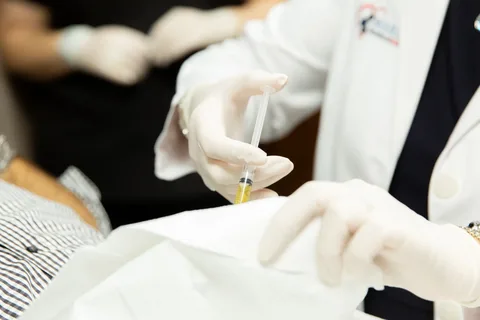
The procedure involves drawing a small amount of blood, processing it to isolate platelet-rich plasma, and then injecting the PRP into specific areas of the penis. Since the treatment uses the patient’s own blood, the risk of allergic reactions is significantly reduced.
Science Behind P-Shot in Islamabad
To understand why P-Shot in Islamabad is becoming increasingly popular, it is important to understand the role of platelets. Platelets are blood components responsible for healing injuries. They contain growth factors that trigger tissue regeneration and promote the formation of new blood vessels.
When PRP is injected into targeted areas, these growth factors stimulate the body’s natural healing response. This process encourages:
- Improved blood flow
- Enhanced tissue regeneration
- Increased sensitivity
- Better erectile function
- Stronger overall sexual performance
The scientific concept behind the P-Shot is based on regenerative medicine, which focuses on repairing and rejuvenating tissues rather than simply masking symptoms.
How Does the Procedure Work?
The process of getting a P-Shot in Islamabad is relatively simple and usually completed within an hour.
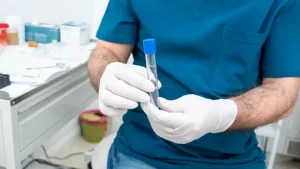
A healthcare professional first collects a blood sample from the patient. The blood is then placed in a centrifuge machine that separates platelet-rich plasma from other blood components. The PRP is subsequently injected with precision into specific regions.
The majority of patients feel little discomfort and can resume their normal activities soon after the procedure.
Who Can Benefit from P-Shot Treatment?
Many men seek P-Shot in Islamabad for various reasons related to sexual wellness and performance.
This treatment may be suitable for individuals experiencing:
Benefits of P-Shot in Islamabad
- Mild to moderate erectile dysfunction
- Reduced sexual performance
- Decreased sensitivity
- Difficulty maintaining erections
- Age-related sexual health concerns
- Poor blood circulation affecting erectile function
- Desire for enhanced sexual confidence
Because the treatment supports natural tissue regeneration, it can be beneficial for men seeking a non-surgical solution.
How PRP Improves Erectile Function
Healthy erections depend largely on adequate blood flow. When blood vessels become damaged or circulation decreases, erectile function can suffer. The growth factors present in PRP help stimulate angiogenesis, which is the formation of new blood vessels. Improved vascular health means better blood circulation to penile tissues.
As blood flow improves, many patients notice stronger erections, improved stamina, and enhanced overall performance. This regenerative process is one of the primary reasons why P-Shot in Islamabad continues to gain attention among men looking for long-term improvement.
Is the P-Shot Safe?
Safety is one of the biggest concerns for individuals considering any medical procedure. Since the P-Shot uses platelet-rich plasma extracted from the patient’s own blood, the risk of adverse reactions is generally low.
The procedure is minimally invasive and does not involve surgery, implants, or synthetic substances. However, it is essential to choose a qualified and experienced practitioner for P-Shot in Islamabad to ensure the highest standards of safety and effectiveness.
What Results Can Patients Expect?
Results can vary depending on individual health conditions, age, and lifestyle factors. Some patients report noticeable improvements within a few weeks, while others may experience gradual changes over several months.
Commonly reported benefits include:
- Improved erection quality
- Better sexual performance
- Enhanced sensitivity
- Increased confidence
- Improved overall sexual satisfaction
The regenerative effects continue as tissue healing progresses, making the results more natural compared to temporary treatment options.
How Long Do Results Last?
The longevity of results depends on various factors, including overall health and lifestyle habits. Many patients report benefits lasting from one year to eighteen months. Some individuals may choose maintenance sessions to prolong results. Regular exercise, healthy nutrition, and avoiding smoking can help maximize the effectiveness of P-Shot in Islamabad.
Why Is P-Shot Becoming Popular in Pakistan?
In Pakistan, awareness about men’s health and wellness treatments has increased significantly over recent years. Many individuals now seek treatments that provide natural results without surgery or long recovery periods.
The growing demand for P-Shot in Islamabad reflects a shift toward modern regenerative therapies that address the root causes of sexual health concerns rather than offering short-term symptom management.
Patients appreciate the convenience, minimal downtime, and scientifically supported approach of the procedure.
Choosing the Right Clinic for P-Shot in Islamabad
Selecting a reputable clinic plays a major role in achieving successful outcomes. Patients should look for experienced practitioners who specialize in regenerative medicine and PRP-based treatments.
A professional consultation can help determine whether P-Shot in Islamabad is the right solution based on individual needs and expectations. Receiving treatment from a trusted clinic ensures proper assessment, safe procedures, and personalized care throughout the process.
Final Thoughts
Advancements in regenerative medicine have transformed the way sexual health concerns are treated. The P-Shot in Islamabad offers a promising, non-surgical approach that utilizes the body’s natural healing abilities to improve erectile function, circulation, and overall sexual wellness.
By harnessing the power of platelet-rich plasma, this innovative treatment supports tissue regeneration and long-term improvement rather than temporary symptom relief. For men seeking a safe, natural, and effective option to enhance their sexual health and confidence, P-Shot in Islamabad may be worth exploring through a consultation with a qualified specialist.
Author


In the evolving field of aesthetic medicine, residents of the UAE are increasingly favoring treatments grounded in clinical precision. Many now turn to a Botox injection in Dubai as a scientifically sound strategy for maintaining a refreshed, youthful complexion. By choosing evidence-based care in a professional setting, patients can effectively manage fine lines while ensuring their results remain sophisticated, safe, and entirely natural.
Defining Botox Injection in Dubai
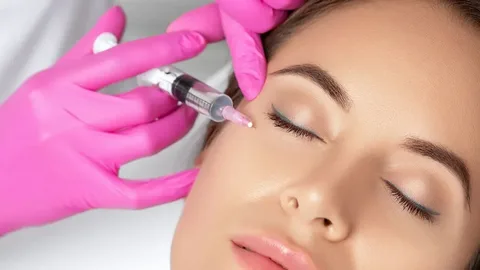
This treatment is a non-surgical procedure that utilizes a purified neuromodulator to temporarily relax targeted facial muscles. Its main function is to interrupt the continual muscle activity that leads to dynamic wrinkles, like those that become visible when smiling or frowning. In our clinical experience, this method is effective because it targets the specific mechanism of aging without needing invasive surgery, allowing you to maintain a rested, professional appearance.
Treatment Mechanism Functions
The medication functions by blocking the neurotransmitters that signal muscle contraction. When injected with surgical precision, it forces the targeted facial muscles into a state of temporary relaxation. Because these muscles are not actively creasing the skin, the dermis is allowed to smooth out. Over time, this provides a physiological “pause” that not only softens existing lines but also helps prevent the development of permanent, static furrows.
Why This Treatment Is Used
While it is widely recognized for smoothing forehead lines and crow’s feet, the clinical utility of the procedure has expanded. It is commonly employed for enhancing facial structure, like elevating the brow region or reducing a prominent masseter muscle to achieve a more defined jawline. For many, it serves as a reliable, preventative tool that helps them keep their skin looking consistently vibrant despite the stresses of a busy, modern life.
Key Benefits of Cosmetic Refinement
-
Precision-Led Results: Enables your practitioner to tailor the treatment to your specific facial anatomy for a balanced, symmetrical look.
-
Minimal Downtime: Perfect for the modern professional, as the procedure requires almost no recovery time.
-
Natural Aesthetics: The goal is always to enhance your natural features, ensuring you look like yourself, only more rejuvenated.
-
Proactive Aging Management: Regular maintenance helps keep the skin smooth and delays the onset of deeper wrinkles.
Who Are the Ideal Candidates?
The ideal candidate for a Botox injection in Dubai is anyone seeking to address moderate expression lines or interested in adopting a preventative approach to their skin health. During your initial consultation, we conduct a thorough assessment of your facial muscle patterns and skin elasticity to ensure the treatment is the most appropriate step toward your goals. If you value professional, scientifically backed care, you are an excellent candidate for this procedure.
The Procedure
-
Comprehensive Analysis: We examine your facial expressions to identify the specific muscles contributing to your concerns.
-
Safety-First Preparation: The treatment area is carefully cleansed to prioritize your comfort and sterile standards.
-
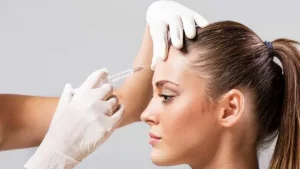
Targeted Application: Your practitioner administers the medication with high precision, ensuring the placement is exact for optimal results.
-
Immediate Resumption: The entire process is exceptionally brief, meaning you can return to your daily activities immediately after your appointment.
Common Areas for Targeted Treatment
| Treatment Zone | Primary Aesthetic Focus |
| Glabellar Region | Vertical “11” lines between the brows |
| Frontalis Muscle | Horizontal lines across the forehead |
| Lateral Orbital | Fine lines around the outer eye corners |
| Masseter Region | Jawline definition and tension relief |
Price and Value Considerations
When you pursue a Botox injection in Dubai, the value is rooted in the practitioner’s technical expertise and the clinical quality of the product. The cost is calculated based on the units required to meet your specific aesthetic objectives. At Tajmeels Clinic, we advocate for a conservative, “less is more” philosophy. This ensures you achieve a balanced, beautiful result that represents excellent long-term value.
The Recovery and Healing Timeline
Recovery is virtually non-existent, making this a favored treatment for those with active schedules. You may notice tiny, temporary marks at the injection sites, but these typically fade within minutes. What patients typically report during recovery is a mild sense of tightness as the muscle begins to relax over the next few days. We provide clear, post-treatment instructions to help you ensure the best possible results.
Safety and Clinical Considerations
Safety is the foundation of everything we do. We adhere to rigorous medical standards, utilizing only premium-grade, approved products to ensure your treatment is safe, predictable, and effective. By focusing on anatomical precision and thorough patient education, we minimize the risk of side effects, providing you with a comfortable experience that allows you to pursue your aesthetic goals with total confidence.
Conclusion
Choosing to invest in your appearance is a meaningful step toward prioritizing your well-being, and our team is here to support you with expert-led care. We recognize the significance of obtaining outcomes that appear natural, feel seamless, and suit your professional lifestyle. If you are ready to address fine lines and refresh your look, we invite you to book a consultation at Tajmeels Clinic to discuss your personalized treatment plan.
Author


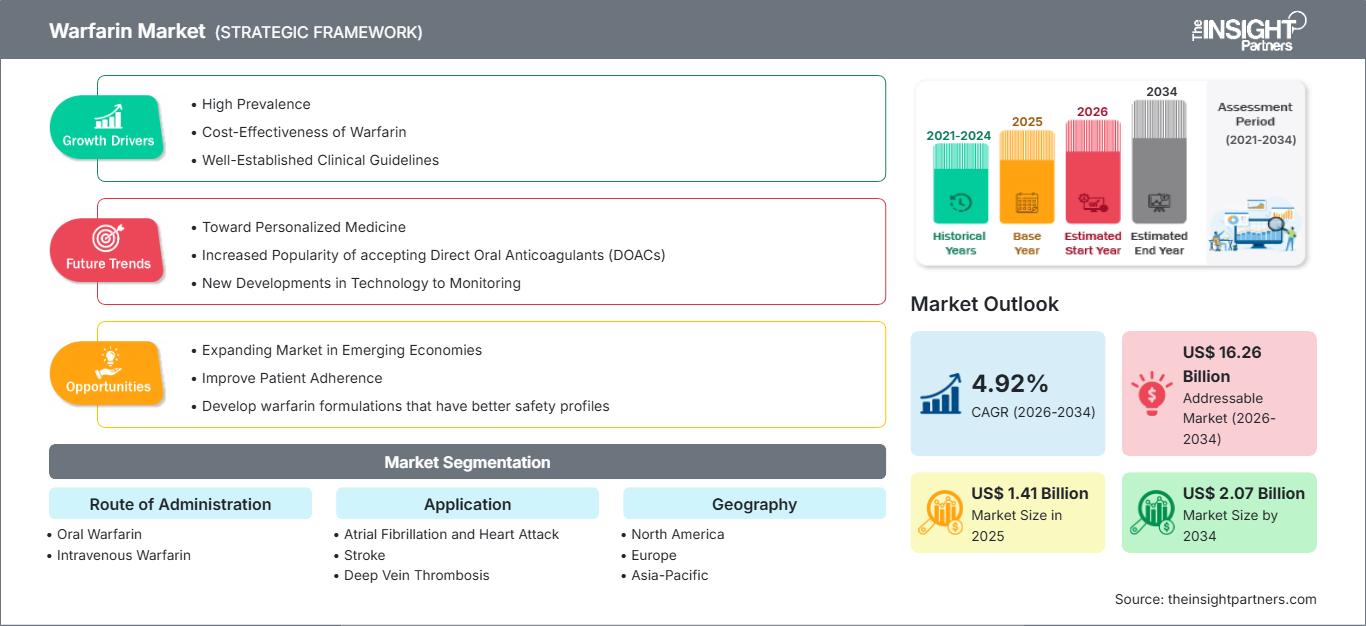
The global Warfarin Market is witnessing steady growth due to the rising prevalence of cardiovascular disorders, thromboembolic diseases, and atrial fibrillation worldwide. Warfarin, a widely prescribed anticoagulant medication, continues to play a crucial role in preventing blood clot formation and reducing the risk of stroke and deep vein thrombosis. Despite the emergence of novel oral anticoagulants, warfarin remains a preferred therapy in several clinical conditions because of its cost-effectiveness and long-established efficacy.
According to market analysis, the Warfarin Market size is expected to reach US$ 2.07 Billion by 2034 from US$ 1.41 Billion in 2025. From 2026 to 2034, the market is projected to grow at a CAGR of 4.92%. Increasing healthcare expenditure, growing awareness regarding anticoagulation therapy, and the expanding geriatric population are among the major factors driving the market growth globally.
Key Market Drivers
Rising Incidence of Cardiovascular Diseases
One of the key drivers fueling the growth of the Warfarin Market is the increasing incidence of cardiovascular diseases worldwide. Conditions such as atrial fibrillation, pulmonary embolism, stroke, and venous thromboembolism require long-term anticoagulation therapy, which significantly increases demand for warfarin. Cardiovascular diseases remain one of the leading causes of mortality globally, creating a strong need for effective blood-thinning medications.
Growing Geriatric Population
Another major growth driver is the rapidly aging global population. Elderly individuals are more susceptible to chronic diseases and blood clot-related complications, which increases the need for anticoagulant therapies. As the global geriatric population expands, healthcare systems are adopting anticoagulation management programs more widely, which directly supports demand for warfarin-based treatments.
Affordability and Accessibility of Warfarin
The affordability and wide availability of warfarin also contribute significantly to market expansion. Compared to newer direct oral anticoagulants (DOACs), warfarin remains a cost-effective option for long-term treatment, especially in developing and emerging economies. Many healthcare providers continue prescribing warfarin due to its lower treatment costs and broad availability through hospital and retail pharmacies.
Increasing Awareness and Preventive Healthcare
Growing awareness regarding preventive healthcare and early disease diagnosis is another important market driver. Governments and healthcare organizations are running awareness campaigns focused on cardiovascular risk management and stroke prevention. This encourages more patients to seek timely treatment, thereby increasing adoption of anticoagulant medications such as warfarin.
Technological Advancements
Technological advancements in patient monitoring systems are further supporting market growth. Since warfarin therapy requires regular monitoring of the International Normalized Ratio (INR), innovations in diagnostic devices and point-of-care testing have improved treatment management and patient compliance. Portable INR monitoring devices have also enhanced convenience for patients and healthcare providers.
Expansion of Healthcare Infrastructure
The rise in healthcare infrastructure development in emerging economies is contributing to the market’s positive outlook. Countries in Asia-Pacific, Latin America, and the Middle East are investing heavily in healthcare modernization, improving access to essential medications and treatment services. This trend is expected to create lucrative opportunities for pharmaceutical companies operating in the warfarin market.
Market Challenges
The market faces certain challenges due to the increasing popularity of novel oral anticoagulants such as rivaroxaban, dabigatran, and apixaban. These drugs offer fewer dietary restrictions and reduced monitoring requirements, making them attractive alternatives. However, warfarin continues to maintain strong demand due to its affordability and effectiveness in patients with mechanical heart valves and severe kidney disorders.
Regional Insights
North America
North America dominates the Warfarin Market due to the high prevalence of cardiovascular diseases, advanced healthcare infrastructure, and strong awareness regarding anticoagulation therapy. The United States remains a major contributor because of its large patient population and strong pharmaceutical distribution network.
Europe
Europe holds a substantial share of the market due to the growing geriatric population and supportive healthcare policies. Countries such as Germany, France, and the United Kingdom are witnessing increased adoption of anticoagulant therapies for stroke prevention and chronic disease management.
Asia-Pacific
The Asia-Pacific region is expected to register the fastest growth during the forecast period. Rising healthcare investments, increasing patient awareness, and growing cardiovascular disease prevalence in countries such as China, India, and Japan are driving regional expansion. The availability of generic warfarin products is also improving treatment accessibility.
Competitive Landscape
The Warfarin Market is highly competitive, with several established pharmaceutical companies focusing on product availability, strategic partnerships, and geographic expansion. Companies are actively investing in research and development to improve anticoagulation therapies and strengthen their market position.
Top Players in the Warfarin Market
- Bristol-Myers Squibb Company
- Pfizer Inc.
- Teva Pharmaceutical Industries Ltd.
- Mylan N.V.
- Cipla Limited
- Dr. Reddy’s Laboratories Ltd.
- Sun Pharmaceutical Industries Ltd.
- Abbott Laboratories
- Novartis AG
- Zydus Lifesciences Limited
Future Outlook
The future of the Warfarin Market remains promising due to the increasing burden of cardiovascular diseases and rising demand for affordable anticoagulant medications. While competition from novel anticoagulants may influence market dynamics, warfarin’s established clinical effectiveness, cost advantages, and broad therapeutic applications are expected to sustain demand through 2034. Continuous advancements in patient monitoring technologies and expanding healthcare access in emerging economies will further support market growth.
Author



Global Ocean Freight Service: International Shipping Solutions

Gold Loan Per Gram Amount: Complete Guide for Borrowers

Urban Style: Influences Modern Fashion Trends

Right CNC tool: Improves Surface Finish & Machining Accuracy

CNC Tool: Maintenance Tips for Better Machining Performance

Kaftan Sets: Ethnic Fashion Trend Redefining Modern Style

Parquet Flooring: The Perfect Choice for Modern Homes in Dubai

Korean Co Ord Sets: Redefining Modern Women’s Fashion

Conservatory Ceiling Sails: The Stylish Solution for Heat Control

Chemical Peel: Types, Benefits & Skin Rejuvenation

Cybersecurity Consulting Company SequelNet Provides Critical IT Support Services to Medical Billing Firm, Medical Optimum

Team Communication Software Transforms Operations at Finance Innovate

Project Management Tool Transforms Long Island Business

How Alleviate Poverty Utilized IPPBX’s All-in-One Solution to Transform Lives in New York City

Breast Cancer: The Imperative Role of Mammograms in Screening and Early Detection

Unstoppable Collaboration: D.C.’s Citi Open and Silicon Valley Classic Unite to Propel Women’s Tennis to New Heights

Embracing Renewal: Sizdabedar Celebrations Unite Iranians in New York’s Eisenhower Park

The Benefits of Starting a Side Hustle for Financial Freedom

New Blood Donation Screening Questions What You Need to Know

Stylishly Timeless: The 5 Types of Sandals You Need in Your Closet
-

 Business3 years ago
Cybersecurity Consulting Company SequelNet Provides Critical IT Support Services to Medical Billing Firm, Medical Optimum
-
Business3 years ago
Team Communication Software Transforms Operations at Finance Innovate
-
Business3 years ago
Project Management Tool Transforms Long Island Business
-
Business3 years ago
How Alleviate Poverty Utilized IPPBX’s All-in-One Solution to Transform Lives in New York City
-
health3 years ago
Breast Cancer: The Imperative Role of Mammograms in Screening and Early Detection
-
Sports3 years ago
Unstoppable Collaboration: D.C.’s Citi Open and Silicon Valley Classic Unite to Propel Women’s Tennis to New Heights
-
Art /Entertainment3 years ago
Embracing Renewal: Sizdabedar Celebrations Unite Iranians in New York’s Eisenhower Park
-
Finance3 years ago
The Benefits of Starting a Side Hustle for Financial Freedom







