
Exercise b
Home Workout Routine: Easy Exercises to Get Fit at Home


Starting a fitness journey can feel intimidating, especially if you’ve never exercised regularly or don’t have access to a gym. Many beginners believe they need expensive equipment, professional trainers, or advanced workout plans to get results. In reality, you can improve your fitness, build strength, and develop healthy habits without leaving your home.
Home workouts have become increasingly popular because they are convenient, affordable, and flexible. You can exercise whenever it fits your schedule, avoid crowded gyms, and progress at your own pace. Whether your goal is to lose weight, build muscle, increase endurance, or simply become more active, a beginner-friendly home workout routine can help you achieve lasting results.
The secret to success is consistency rather than intensity. You do not need to perform long or complicated workouts every day. Instead, focus on learning proper exercise techniques, creating a routine you can maintain, and gradually increasing the challenge as your fitness improves. Small efforts repeated consistently will always produce better results than occasional intense workouts.
Why Home Workouts Are Perfect for Beginners
Home workouts remove many of the common obstacles that prevent people from exercising regularly. There are no membership fees, travel time, or waiting for equipment. You can start with basic bodyweight exercises and gradually add equipment only if you choose to later.
Working out at home also creates a comfortable environment where you can learn at your own pace. Many beginners feel self-conscious in public gyms, but exercising at home allows you to build confidence while focusing entirely on your own progress. Another major advantage is flexibility. Whether you have twenty minutes before work or thirty minutes in the evening, you can easily fit exercise into your daily schedule.

Prepare Your Workout Space
Creating a dedicated workout area helps you stay focused and organized. You do not need a large room. A small open space where you can stretch your arms and legs comfortably is enough for most beginner exercises.
Wear comfortable workout clothes that allow unrestricted movement. Supportive athletic shoes are recommended for standing exercises, although some stretching and yoga movements may be performed barefoot. Keep a water bottle nearby and place a towel within reach if needed. Removing distractions such as unnecessary phone notifications also helps you stay focused throughout your workout.
Start Every Workout with a Warm-Up
A proper warm-up prepares your body for exercise by increasing blood flow, loosening your joints, and gradually raising your heart rate. Skipping this step can increase the risk of injury and reduce your workout performance.
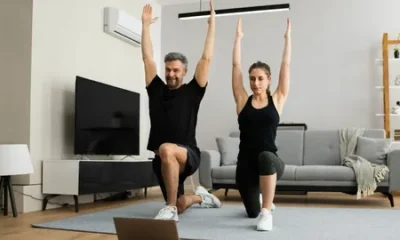
Spend five to ten minutes performing gentle movements such as:
- Marching in place
- Arm circles
- Shoulder rolls
- Hip rotations
- Leg swings
- Gentle bodyweight squats
- Light jogging in place
The goal is not to tire yourself but to prepare your muscles and joints for more active movement.
Bodyweight Squats
Bodyweight squats are one of the best exercises for beginners because they strengthen multiple muscle groups at once. They primarily target your thighs, glutes, and hips while also engaging your core. Stand with your feet about shoulder-width apart. Keep your chest lifted and slowly lower your hips as though sitting into a chair. Push through your heels to return to the starting position. Begin with two or three sets of ten to fifteen repetitions while focusing on proper form rather than speed.
Modified Push-Ups
Push-ups help strengthen your chest, shoulders, arms, and core. If regular push-ups feel too difficult, start with knee push-ups or wall push-ups. Place your hands slightly wider than shoulder-width apart. Keep your body aligned from your head to your knees or feet. Lower yourself slowly before pressing back up. Perform two or three sets of eight to twelve repetitions. As your strength improves, gradually progress toward traditional push-ups.

Walking Lunges
Walking lunges improve lower-body strength while developing balance and coordination. Stand upright and step forward with one foot. Lower your body until both knees are bent at approximately ninety degrees. Push through your front heel and step forward with the opposite leg. Complete eight to twelve repetitions for each leg while maintaining an upright posture throughout the exercise.
Glute Bridges
Glute bridges strengthen your glutes, hamstrings, lower back, and core. Lie on your back with your knees bent and your feet flat on the floor. Press through your heels to raise your hips until your shoulders, hips, and knees form a straight line. Hold briefly before lowering yourself slowly. Aim for two or three sets of twelve to fifteen repetitions.
Plank Holds
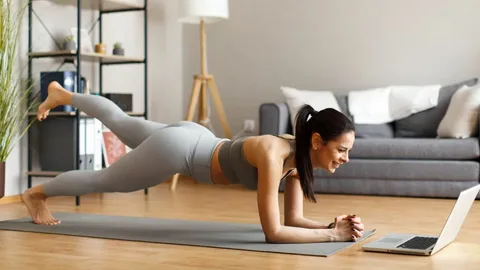
The plank is one of the most effective exercises for improving core strength and stability. Position yourself on your forearms and toes while keeping your body in a straight line. Tighten your abdominal muscles and avoid letting your hips drop or rise too high. Start by holding the position for twenty to thirty seconds. Gradually increase your time as your core becomes stronger.
Bird Dog Exercise
The bird dog exercise improves balance, coordination, and core stability while strengthening your lower back. Begin on your hands and knees. Extend one arm forward while simultaneously extending the opposite leg behind you. Hold for a few seconds before returning to the starting position and switching sides. Perform ten repetitions on each side using slow, controlled movements.
Standing Calf Raises
Strong calves improve walking, running, and overall lower-body stability.
Stand with your feet hip-width apart. Slowly rise onto your toes, hold for a second, and then lower your heels back to the floor. Complete two or three sets of fifteen repetitions. As you progress, you can perform the exercise on one leg for an additional challenge.
Add Simple Cardio
Cardiovascular exercise improves heart health, endurance, and calorie burning. Beginners can start with low-impact movements that are easy to perform at home.
Good options include:
- Brisk walking around your home or garden
- Marching in place
- Step-ups on a sturdy platform
- Jumping jacks
- High knees
- Dancing to your favorite music
Aim for ten to twenty minutes of continuous movement depending on your fitness level.
Finish with a Cool-Down
Cooling down helps your body recover after exercise while reducing muscle tightness.
Spend five to ten minutes performing gentle stretches for your legs, back, shoulders, chest, and hips. Hold each stretch for twenty to thirty seconds without bouncing. Deep breathing during your cool-down also helps lower your heart rate and promotes relaxation.
Sample Beginner Home Workout Routine
If you’re unsure where to begin, try this simple full-body routine:
Warm-Up (5–10 Minutes)
- March in place
- Arm circles
- Leg swings
- Bodyweight squats
Workout
- Bodyweight Squats: 3 sets of 12 repetitions
- Modified Push-Ups: 3 sets of 10 repetitions
- Walking Lunges: 2 sets of 10 repetitions per leg
- Glute Bridges: 3 sets of 15 repetitions
- Plank Hold: 3 rounds of 20–30 seconds
- Bird Dog: 2 sets of 10 repetitions per side
- Standing Calf Raises: 2 sets of 15 repetitions
- Light Cardio: 10–15 minutes
Cool-Down (5–10 Minutes)
- Stretch your hamstrings
- Stretch your quadriceps
- Stretch your shoulders
- Stretch your chest
- Practice deep breathing
This routine takes approximately 35 to 45 minutes and works your entire body.
Exercise Consistently
Beginners often believe they need to work out every day to see results. However, your muscles need time to recover and grow stronger.
Aim to complete your workout three to five days each week. On rest days, stay active with gentle activities such as walking, stretching, or yoga. Consistency over several months produces far better results than exercising intensely for only a short period.
Focus on Proper Form
Performing exercises correctly is much more important than completing a large number of repetitions.
Poor form increases your risk of injury while reducing the effectiveness of each movement. Move slowly, control each repetition, and stop if you experience sharp pain. Watching instructional videos or using beginner fitness apps can help you learn proper technique more quickly.
Support Your Workouts with Healthy Habits
Exercise alone is only one part of a healthy lifestyle. Proper nutrition, hydration, and sleep all contribute to better fitness results.
Eat balanced meals that include lean protein, whole grains, fruits, vegetables, and healthy fats. Drink plenty of water before and after your workouts, and aim for seven to nine hours of quality sleep each night. Healthy lifestyle habits help your body recover while supporting long-term progress.
Stay Motivated
Motivation naturally changes over time, but building consistent habits keeps you moving forward.
Set realistic goals and celebrate every achievement, no matter how small. Completing your workouts regularly, improving your endurance, or increasing your strength are all meaningful signs of progress. Tracking your workouts in a journal or fitness app can also help you stay accountable while showing how far you’ve come.
Common Beginner Workout Mistakes to Avoid
Many beginners attempt difficult workouts too early, hoping for faster results. This often leads to soreness, frustration, or injury. Instead, progress gradually and increase intensity only when your body feels ready.
Another common mistake is skipping warm-ups and cool-downs. These important parts of your workout help prevent injuries and improve recovery.
Comparing your progress to others can also reduce motivation. Remember that everyone starts from a different fitness level, so focus on your own improvement rather than someone else’s achievements.
Finally, avoid expecting instant results. Building strength, improving endurance, and developing healthy habits take time. Staying patient and consistent will produce far greater long-term success.
Benefits of a Beginner Home Workout Routine
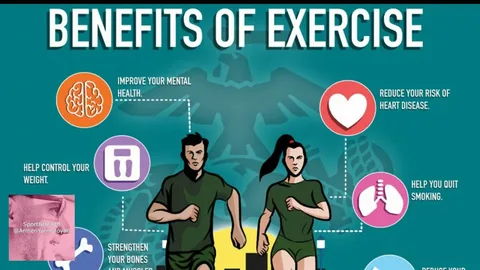
A regular home workout routine improves much more than physical fitness. It strengthens your muscles, increases cardiovascular health, improves flexibility, boosts energy, supports healthy weight management, and reduces stress.
Exercise also improves mental health by increasing confidence, reducing anxiety, and enhancing mood. As your fitness improves, everyday activities become easier, and you’ll likely notice greater productivity throughout the day.
Perhaps the greatest benefit is that home workouts help you build lifelong healthy habits without requiring expensive equipment or complicated routines.
Conclusion
Following a home workout routine for beginners is one of the simplest and most effective ways to improve your health, build strength, and increase your overall fitness. With nothing more than your body weight, a little space, and a commitment to consistency, you can achieve meaningful results from the comfort of your home.
Remember that every fitness journey begins with a single step. Start with basic exercises, focus on proper technique, and gradually increase the challenge as you grow stronger. Over time, these small daily efforts will become lasting habits that improve your physical health, mental well-being, and overall quality of life.
Author


Author
Beginning a new fitness journey can feel incredibly intimidating today. Many beginners look at commercial gyms and feel completely overwhelmed by the environment. The crowded weight rooms, complex machines, and expensive membership fees create a massive psychological barrier. This initial friction causes many individuals to abandon their health goals before they even take their first step.
Fortunately, you do not need a fancy gym membership to build a healthy body. A structured home workout routine for beginners eliminates every single excuse standing in your way. You take complete control over your environment, schedule, and personal comfort. Your living room provides all the space you need to stimulate your muscles and elevate your heart rate. True fitness depends on consistent physical stimulus rather than expensive machinery. This comprehensive guide delivers a safe, effective, and equipment-free blueprint to kickstart your wellness journey.
Establishing Safe Movement Patterns and Form
Many enthusiastic beginners make the critical mistake of jumping into high-intensity workouts too quickly. They copy complex movements from internet videos without understanding proper joint alignment. This careless approach strains your lower back, knees, and shoulders, leading to premature injuries and forced breaks. To secure long-term success, you must master basic bodyweight movement patterns first.
Focus intensely on your execution speed and core engagement during every single movement. Move through your exercises with a controlled, steady tempo rather than rushing to finish the count. Take two seconds to lower your body and two seconds to return to the starting position. This intentional control maximizes muscle activation while shielding your joints from unnecessary impact.
Furthermore, always dedicate five minutes to a dynamic warm-up before you start your main circuit. March in place, roll your shoulders, and twist your torso gently to lubricate your joints. A proper warm-up increases your core temperature and prepares your nervous system for physical exertion.
The Full-Body Beginner Circuit Layout
This home workout routine utilizes a circuit format to engage every major muscle group efficiently. Perform each exercise consecutively, resting for forty-five seconds between movements. Once you complete all five exercises, rest for two full minutes, and then repeat the entire sequence. Aim for two to three total rounds, three days per week.
-
Execute Bodyweight Box Squats (10–12 Reps): Stand directly in front of a sturdy living room chair with your feet shoulder-width apart. Lower your hips down slowly until your glutes gently touch the seat, then push through your heels to stand up straight. This movement strengthens your quads, hamstrings, and glutes safely.
-
Perform Incline Wall Push-Ups (8–10 Reps): Place your hands flat against a solid wall at chest height, stepping your feet back slightly. Bend your elbows to lower your chest toward the wall while keeping your body in a straight line, then push back. Wall push-ups build upper-body strength without overloading your shoulders.
-
Incorporate Glute Bridges (12–15 Reps): Lie flat on your back on a yoga mat with your knees bent and feet flat on the floor. Squeeze your glutes tightly and drive your hips upward toward the ceiling until your body forms a straight line from knees to shoulders. This exercise wakes up dormant hip muscles and protects your lower back.
-
Practice Modified Knee Planks (20–30 Seconds): Rest your forearms on the floor, extending your torso while keeping your knees in contact with the mat. Pull your belly button inward toward your spine to engage your abdominal wall, maintaining a flat back. Planks develop core stability to improve your daily posture.
-
Engage in Standing Shadow Boxing (60 Seconds): Stand in a relaxed athletic stance and throw continuous, controlled punches into the air. Keep your core tight and move your feet lightly to stimulate your cardiovascular system. This dynamic movement burns calories and improves upper-body coordination.
Progressive Overload: Growing Beyond the Basics
Your body adapts to physical challenges remarkably fast over time. If you perform the exact same workout every week, your progress will eventually stall completely. To keep building strength and burning body fat, you must introduce the concept of progressive overload. Progressive overload simply means making your exercises slightly more challenging as your body adapts.
Fortunately, you do not need to buy heavy weights to create overload at home. You can easily modify your training variables to increase the difficulty level. First, increase the total time you spend under muscle tension by slowing down your movements.
Second, increase your work capacity by adding one extra repetition to each exercise every single week. Third, reduce your rest periods between exercises from forty-five seconds down to thirty seconds. These subtle adjustments force your muscles to work harder without compromising your safety. Listen to your body closely and only advance when you can maintain flawless form.
Overcoming Consistency Killers at Home
The ultimate threat to a home workout routine is the abundance of household distractions. When you train in your living room, the television, laundry pile, and smartphone constantly compete for your attention. This casual environment makes it incredibly easy to skip workouts or cut your sessions short. To defeat these consistency killers, you must treat your home workouts like an official appointment.
Block out a specific thirty-minute window on your calendar for exercise, whether that occurs early in the morning or right after work. Clear a dedicated training space in your room ahead of time so you do not have to rearrange furniture every day.
Additionally, change into proper athletic clothing and lace up your sneakers before you begin. Putting on your workout gear shifts your mindset into a focused, productive state. Turn off your phone notifications and play an energizing music playlist to lock in your concentration. Creating these environmental boundaries ensures you treat your body to the focused attention it truly deserves.
Celebrating Your Personal Evolution
Transforming your health does not require a dramatic lifestyle overhaul or an exhausting gym routine. It requires a quiet commitment to daily movement and steady physical self-improvement. Adopting an approachable home workout routine for beginners gives you the ultimate foundation for a vibrant life. You reclaim your physical strength, boost your daytime energy, and build deep confidence in your capabilities. Take charge of your physical potential today and build a healthier future right from the comfort of your own home.
Author
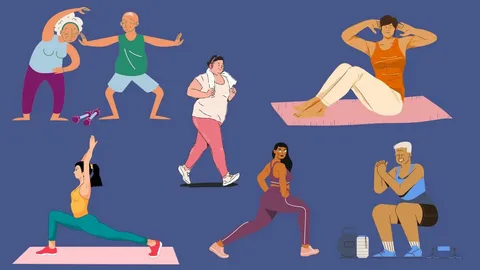
The modern world makes a sedentary lifestyle incredibly easy to adopt today. Office workers spend long hours sitting at desks, commuting in vehicles, and relaxing on couches. This lack of physical movement creates a massive, silent threat to global longevity. The human body requires regular physical stimulus to maintain its vital internal functions. Skipping exercise drops your metabolic efficiency and weakens your cardiovascular system over time.
Fortunately, committing to the benefits of daily exercise completely reverses this dangerous downward trend. You do not need to train like an elite Olympic athlete to experience a profound physical transformation. Simple, consistent daily movement generates massive health dividends over your lifespan. True fitness acts as a powerful medicine that optimizes your biology from the cellular level upward. This comprehensive guide outlines the undeniable advantages of making exercise a non-negotiable part of your daily identity.
Protecting Cardiovascular Health and Preventing Disease
Your heart functions as a muscular pump that requires regular resistance to stay strong. When you avoid physical activity, your cardiac muscles slowly lose their elasticity and pumping efficiency. This decline forces your heart to work significantly harder to circulate blood, which elevates your resting blood pressure. High blood pressure damages your arterial walls and paves the way for severe cardiovascular complications.
Engaging in regular physical activity strengthens your heart muscle significantly. A stronger heart pumps more blood with much less effort, which naturally lowers your arterial pressure. Furthermore, exercise elevates your high-density lipoprotein, which doctors call the “good” cholesterol. It simultaneously reduces dangerous triglycerides that clog your circulatory system.
Beyond your heart, daily movement drastically improves your cellular insulin sensitivity. Physical exertion forces your muscles to pull glucose directly from your bloodstream for immediate energy. This process lowers your blood sugar levels naturally and reduces your risk of developing type 2 diabetes. Consistent exercise builds a powerful defensive shield against chronic metabolic conditions.
Elevating Mental Health and Cognitive Function
The psychological rewards of physical activity equal its structural bodily benefits. Many people view exercise solely as a tool to alter their physical appearance. However, the true transformation happens inside your brain cells. When you break a sweat, your body initiates a massive chemical release that alters your mood instantly.
-
Trigger Immediate Dopamine Release: Exercise stimulates the production of endorphins and dopamine. These natural chemicals flood your nervous system to suppress pain and generate a deep sense of happiness.
-
Reduce Chronic Stress and Anxiety: Physical movement burns off excess adrenaline and lowers your baseline cortisol levels. This biochemical drop calms an overactive amygdala and relieves muscle tension caused by anxiety.
-
Enhance Memory and Focus: Cardio workouts stimulate the production of brain-derived neurotrophic factor. This vital protein encourages the growth of new brain cells within the hippocampus, which handles learning and memory.
-
Optimize Your Evening Sleep Quality: Daily physical exertion regulates your circadian rhythm. It deepens your slow-wave sleep cycles, allowing your brain to clear out metabolic waste more effectively at night.
Mastering Weight Management and Body Composition
Traditional diet programs often fail because individuals focus entirely on severe caloric restriction. Slashing your food intake causes your body to slow down its metabolism to preserve energy. It also triggers muscle wasting, which lowers your daily calorie-burning potential. Daily exercise offers a far more sustainable and effective path to a lean physique.
Physical activity increases your total daily energy expenditure effortlessly. When you combine cardiovascular training with progressive resistance exercises, you optimize your body composition. Lifting weights signals your nervous system to preserve lean muscle tissue during a fat loss phase.
Because muscle tissue is metabolically active, it burns calories even when your body rests. This elevation makes long-term weight maintenance significantly easier. You shift your biology away from fat storage and toward efficient energy utilization, which keeps your metabolism humming throughout the day.
Overcoming the Psychological Friction of Starting
The ultimate obstacle to a consistent fitness routine is your internal resistance. People often look at a complex gym routine and feel completely overwhelmed before they begin. This mental block causes endless procrastination and false starts. To secure permanent success, you must eliminate this initial friction entirely.
Do not force yourself to execute an intense, two-hour workout on your very first day. Instead, focus on building the simple habit of showing up. Commit to just fifteen minutes of brisk walking or light bodyweight movements every afternoon. This approachable goal bypasses your brain’s fear center and makes starting incredibly easy.
Once you establish the baseline habit, you can gradually increase your workout duration and intensity. Find activities that bring you genuine joy, whether that involves swimming, cycling, or lifting weights. If you enjoy the movement, you will repeat it naturally without needing intense willpower.
Stepping Into a Vibrant Future
Transforming your longevity does not require a genetic miracle. It requires a daily dedication to moving your body with purpose. Experiencing the benefits of daily exercise provides the structural foundation for a truly high-quality life. You protect your heart, sharpen your intellect, and elevate your mental peace. Take charge of your physical potential today and build a stronger foundation for your future self.
Author


Top 25 Podcast Marketing Firms Based in the United States

QuickBooks Bank Feeds Not Working: Expert Fix Guide

QuickBooks Delivery Server Down Error: Expert Fix Guide

How to Make Every Congratulations Celebration Memorable

Rolls Royce Cullinan Hire: Experience Luxury on Every Journey

How to Choose the Right Forklift for Your Business in Australia

Opus One, New Chandigarh

Singapore Travel Planning: Essential Ideas for a First Visit May, 2026

Righteous Hoodie – Stylish, Comfortable & Everyday Streetwear

Epson Printer Error Code 0x9E? 10 Fixes That Actually Work

Cybersecurity Consulting Company SequelNet Provides Critical IT Support Services to Medical Billing Firm, Medical Optimum

Meet the Megalodon: The Shark Star of ‘Meg 2’

Reduce Video Game Lag: Level Up Your Gaming Performance

Balancing India’s Entertainment: Cricket vs. Bollywood

Jetsetter’s Secrets: Unveiling Our Favorite Travel Hacks for a Seamless Adventure

The 5 Best Live Sports Streaming Sites: Legal and Exciting!

Hollywood Labor Unrest: The Impact of ‘What About Us?’ Strikes

Unveiling the Magic of Dream Fulfillment at the Late NBA Draft

Illuminate Your Skin: Dr. Axe Unveils Natural Remedies for Lightening Knees and Elbows

Bright Choices: Navigating the Pros and Cons of Skin Whitening Creams with Dr. Axe
-

 Business3 years ago
Cybersecurity Consulting Company SequelNet Provides Critical IT Support Services to Medical Billing Firm, Medical Optimum
-
Entertainment3 years ago
Meet the Megalodon: The Shark Star of ‘Meg 2’
-
Entertainment3 years ago
Reduce Video Game Lag: Level Up Your Gaming Performance
-
 Sports3 years ago
Balancing India’s Entertainment: Cricket vs. Bollywood
-
Entertainment3 years ago
Jetsetter’s Secrets: Unveiling Our Favorite Travel Hacks for a Seamless Adventure
-
Productivity3 years ago
The 5 Best Live Sports Streaming Sites: Legal and Exciting!
-
Art /Entertainment3 years ago
Hollywood Labor Unrest: The Impact of ‘What About Us?’ Strikes
-
Sports3 years ago
Unveiling the Magic of Dream Fulfillment at the Late NBA Draft






