
Food Drink
Healthy Meal Prep Ideas: Nutritious Meals All Week

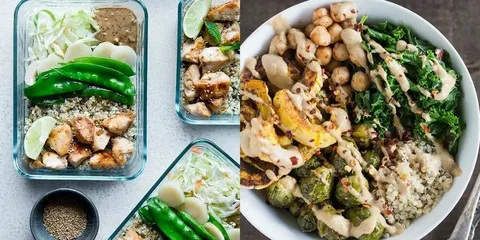
Preparing healthy meals every day can feel challenging, especially when you have a busy schedule. Between work, family responsibilities, and other daily commitments, it’s easy to rely on fast food or processed meals that are convenient but often lack proper nutrition. This is where meal prepping becomes a game changer. By planning and preparing meals in advance, you can enjoy nutritious food throughout the week while saving both time and money.
Healthy meal prep isn’t about eating the same meal every day or spending your entire weekend in the kitchen. Instead, it’s about making smart choices that simplify your routine and help you maintain a balanced diet. Whether your goal is weight management, building muscle, improving your energy levels, or simply eating healthier, meal prep can make those goals easier to achieve.
The best meal prep routine is one that fits your lifestyle. Start with simple recipes, use ingredients you enjoy, and gradually build a system that works for you. With a little planning, you’ll always have healthy meals ready whenever hunger strikes.
Why Meal Prepping Is Worth It
Meal prepping offers several benefits beyond convenience. One of the biggest advantages is that it helps you make healthier food choices because your meals are already prepared. When nutritious options are readily available, you’re less likely to order takeout or snack on unhealthy foods.
Preparing meals in advance also saves money by reducing unnecessary grocery purchases and minimizing food waste. Buying ingredients in bulk and using them across multiple meals can significantly lower your weekly food expenses.

Another major benefit is reduced stress. Instead of deciding what to cook every day, you already know your meals are ready, giving you more time to focus on other priorities.
Plan Your Meals Before Shopping
Successful meal prep starts with a plan. Before going to the grocery store, decide which meals you want to prepare for the coming week. Choose recipes that use similar ingredients so you can reduce waste and simplify cooking. For example, grilled chicken can be used in salads, wraps, grain bowls, and pasta dishes throughout the week. Creating a shopping list before visiting the store helps you stay organized while avoiding unnecessary purchases.
Focus on Balanced Nutrition
Healthy meal prep should include a balance of protein, complex carbohydrates, healthy fats, and plenty of vegetables. This combination helps provide long-lasting energy while supporting overall health.
Good sources of protein include chicken, turkey, fish, eggs, tofu, beans, lentils, and Greek yogurt. Whole grains such as brown rice, quinoa, oats, and whole-wheat pasta provide complex carbohydrates that help keep you full longer. Healthy fats from avocados, nuts, seeds, olive oil, and fatty fish support brain function and heart health.
Prepare Protein in Advance
Protein often takes the longest to cook, so preparing it ahead of time saves considerable effort during the week.
Grill several chicken breasts, bake salmon fillets, prepare lean ground turkey, boil eggs, or cook a large batch of beans. Store cooked proteins in airtight containers so they’re ready to add to different meals. Having protein already prepared makes it much easier to assemble balanced lunches and dinners within minutes.
Cook Whole Grains in Bulk
Whole grains store well and work in a wide variety of recipes. Preparing a large batch at the beginning of the week provides a convenient base for multiple meals. Brown rice, quinoa, barley, couscous, and whole-grain pasta can all be portioned into containers and paired with different proteins and vegetables. Rotating sauces and seasonings throughout the week helps keep these meals interesting without requiring additional cooking.
Roast a Variety of Vegetables
Roasted vegetables are flavorful, nutritious, and extremely versatile. They can be served alongside proteins, added to salads, mixed into grain bowls, or included in wraps. Popular options include broccoli, carrots, zucchini, cauliflower, bell peppers, Brussels sprouts, sweet potatoes, and onions. Roasting several vegetables together saves time while providing colorful ingredients for multiple meals.
Prepare Healthy Breakfasts
Meal prep isn’t limited to lunch and dinner. Preparing breakfast in advance makes mornings less stressful and reduces the temptation to skip your first meal.
Overnight oats, egg muffins, Greek yogurt parfaits, chia pudding, and homemade breakfast burritos are all excellent make-ahead options. Keeping healthy breakfasts ready allows you to start your day with nutritious food even on busy mornings.
Pack Healthy Snacks
Nutritious snacks help maintain steady energy levels between meals while preventing overeating later in the day. Prepare snack-sized portions of fresh fruit, sliced vegetables, hummus, mixed nuts, trail mix, cheese cubes, or hard-boiled eggs. Having healthy snacks available reduces the likelihood of reaching for highly processed convenience foods when hunger strikes.
Use Portion-Controlled Containers
Investing in quality food storage containers helps organize your meal prep while making portion control easier.
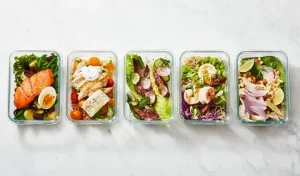
Containers with separate compartments keep different foods fresh while preventing sauces or vegetables from mixing with other ingredients. Clear containers also allow you to see what’s available at a glance. Proper portion sizes support healthy eating habits while reducing unnecessary food waste.
Freeze Extra Meals
Not every prepared meal needs to be eaten within a few days. Many dishes freeze well, allowing you to build a collection of ready-made meals for busy weeks. Soups, stews, casseroles, chili, cooked rice, and many pasta dishes maintain excellent quality when frozen properly. Freezing extra portions also provides convenient backup meals for unexpected schedule changes.
Keep Meals Interesting
Eating the same food every day can quickly become boring. Fortunately, you can prepare similar ingredients while creating different meals simply by changing seasonings, sauces, or serving styles.
For example, grilled chicken can become a salad one day, a burrito bowl the next, and a whole-grain wrap later in the week. Using herbs, spices, citrus, and healthy sauces adds variety without significantly increasing preparation time.
Stay Food Safe
Proper food storage is essential for maintaining freshness and preventing foodborne illness. Allow cooked foods to cool before placing them in the refrigerator. Label containers with preparation dates and consume refrigerated meals within several days.
When reheating meals, ensure they reach a safe internal temperature before eating. If you’re unsure whether food remains fresh, it’s always safer to discard it.
Meal Prep Ideas for Lunch
Simple lunch combinations can save time while providing balanced nutrition.
Some healthy lunch ideas include:
- Grilled chicken with brown rice and roasted vegetables.
- Quinoa salad with chickpeas, cucumber, tomatoes, and feta cheese.
- Turkey wraps with whole-grain tortillas and mixed vegetables.
- Salmon with sweet potatoes and steamed broccoli.
- Stir-fried vegetables with tofu and brown rice.
Preparing several lunches at once helps eliminate daily cooking during busy workweeks.
Meal Prep Ideas for Dinner
Dinner should provide satisfying nutrition without requiring significant evening preparation.
Popular make-ahead dinner options include baked chicken with roasted vegetables, lean turkey chili, vegetable soups, grilled fish with quinoa, beef and vegetable stir-fries, or whole-grain pasta with homemade tomato sauce. Choosing recipes that reheat well ensures your dinners remain enjoyable throughout the week.
Common Meal Prep Mistakes to Avoid
Many beginners prepare too much food during their first attempt, leading to waste if meals are not eaten quickly enough. Start with two or three days of meals before expanding your routine.
Another common mistake is preparing meals without enough variety. Repeating identical meals every day often causes boredom and reduces motivation to continue meal prepping. Failing to store food properly can also reduce freshness. Use airtight containers and refrigerate meals promptly to maintain quality. Finally, avoid relying heavily on processed convenience foods. Focus on fresh, whole ingredients whenever possible to maximize nutritional value.
Benefits of Healthy Meal Prepping
Meal prepping provides numerous long-term benefits beyond saving time. It encourages healthier eating habits, supports weight management, reduces food waste, lowers grocery expenses, and makes portion control easier.
Preparing meals in advance also reduces daily stress because you spend less time deciding what to eat. This consistency makes it easier to stay committed to your nutrition goals while maintaining a balanced lifestyle.
Perhaps the greatest benefit is that healthy eating becomes much more convenient, increasing the likelihood that you’ll continue making nutritious choices over time.
Conclusion
These healthy meal prep ideas can help you simplify your weekly routine while supporting better nutrition and overall well-being. By planning meals ahead, preparing balanced ingredients, storing food properly, and adding variety throughout the week, you can enjoy delicious homemade meals without spending hours cooking every day.
Remember that meal prepping doesn’t need to be complicated. Start with a few simple recipes, prepare only what you need, and gradually build a routine that fits your lifestyle. With consistency and thoughtful planning, healthy meal prep can save time, reduce stress, improve your diet, and make healthy eating a natural part of your everyday life.
Author


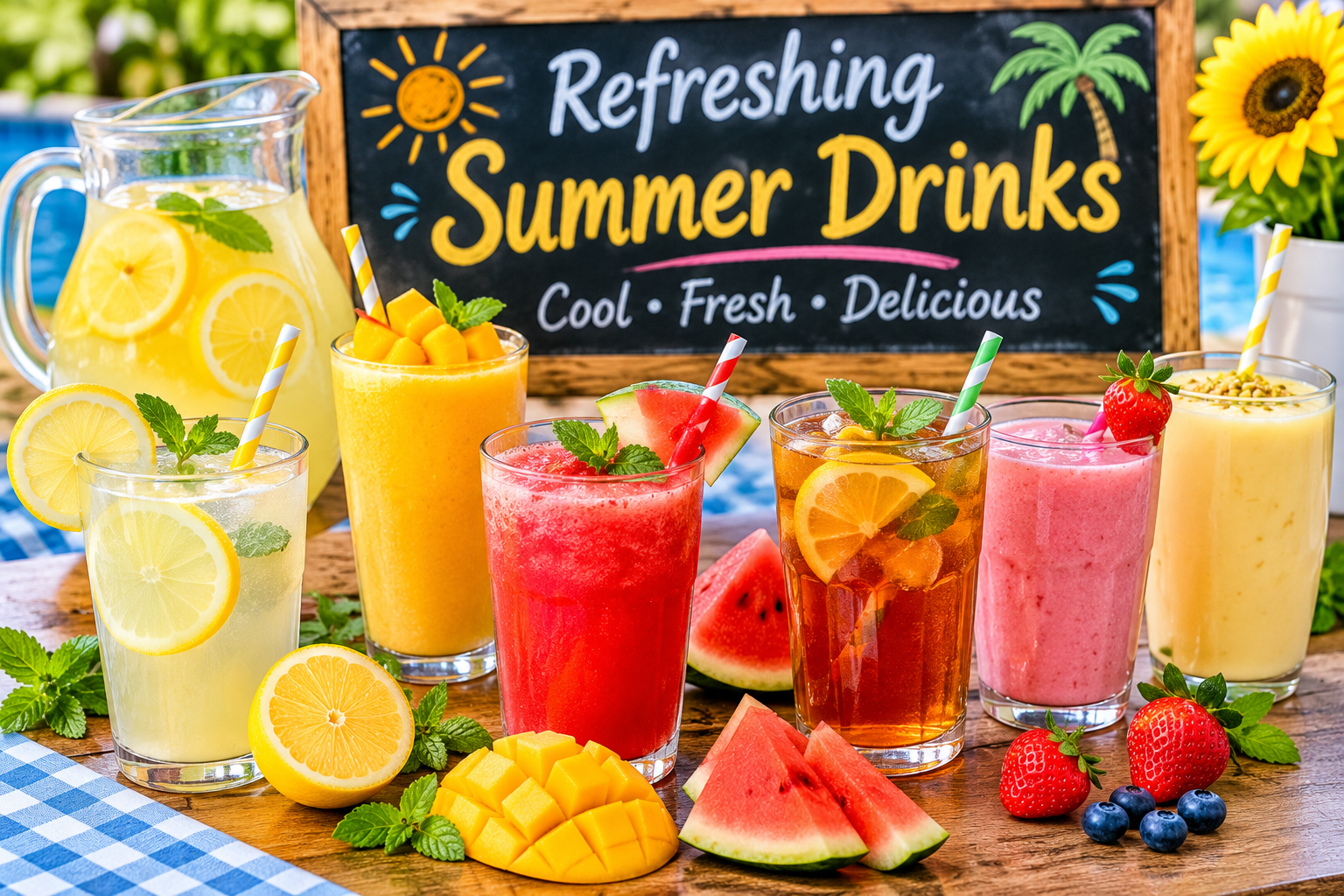
Summer brings sunny days, warm evenings, outdoor gatherings, and plenty of opportunities to enjoy cool, refreshing beverages. When temperatures rise, a chilled drink made with fresh fruits, herbs, yogurt, or citrus can be a delicious way to make your day more enjoyable. The best part is that you do not need expensive ingredients or complicated equipment to prepare something special at home.
From fresh lemonade and fruity iced teas to creamy mango smoothies and refreshing mocktails, there are countless refreshing summer drinks you can make using everyday ingredients.
Whether you are hosting a summer party, relaxing with family, or looking for something cool after a busy day, these homemade beverages offer plenty of delicious choices. At FoodVLove, you can discover more practical food inspiration, easy recipes, and ideas for making everyday meals and drinks enjoyable.
In this guide, you will find 15 easy summer drink recipes, preparation tips, and creative serving ideas that are perfect for warm-weather days.
Why Homemade Summer Drinks Are a Great Choice
Preparing drinks at home allows you to experiment with different flavors while choosing the ingredients that suit your preferences.
Here are some benefits of making your own summer beverages:
- Control over ingredients: You can adjust sweetness and choose fresh ingredients.
- Budget-friendly: Homemade drinks can be more economical than buying bottled beverages.
- Fresh flavors: Fruits, herbs, and citrus create naturally delicious combinations.
- Easy customization: You can make drinks dairy-free, less sweet, or sparkling.
- Perfect for gatherings: Large batches of lemonade, iced tea, and fruit drinks are easy to serve at parties.
15 Refreshing Summer Drinks to Make at Home
Try these simple recipes when you want something cool, flavorful, and easy to prepare.
1. Classic Fresh Lemonade
Fresh lemonade is a timeless summer favorite. Its combination of lemon juice, water, and sweetness creates a refreshing beverage that works for almost any occasion.
Ingredients:
- 4 fresh lemons
- 4 cups cold water
- ¼–½ cup sugar, adjusted to taste
- Ice cubes
- Fresh mint leaves (optional)
Instructions:
- Cut the lemons in half and squeeze out the juice.
- Strain the juice to remove seeds.
- Mix lemon juice and sugar in a pitcher.
- Add cold water and stir until the sugar dissolves.
- Taste and adjust the sweetness.
- Add ice cubes and mint leaves before serving.
Serving tip: Garnish each glass with a lemon slice for a classic summer presentation.
2. Mango Smoothie
A mango smoothie is creamy, naturally sweet, and perfect for mango season. It combines ripe mango with milk and yogurt for a smooth, satisfying drink.
Ingredients:
- 1 cup ripe mango chunks
- ½ cup cold milk
- ½ cup plain yogurt
- 1 teaspoon honey (optional)
- A few ice cubes
Instructions:
- Peel and chop the mango.
- Add mango, milk, and yogurt to a blender.
- Add honey if you prefer extra sweetness.
- Blend until smooth and creamy.
- Add ice and blend briefly again.
- Pour into glasses and serve immediately.
Serving tip: Use chilled mango pieces for a thicker smoothie without adding too much ice.
3. Watermelon Mint Cooler
Watermelon is a popular summer fruit because of its high water content and naturally sweet flavor. Combined with mint and lime, it makes a delicious chilled drink.
Ingredients:
- 3 cups seedless watermelon cubes
- 8 fresh mint leaves
- 1 tablespoon lime juice
- ½ cup cold water
- Ice cubes
Instructions:
- Add watermelon cubes to a blender.
- Add mint leaves, lime juice, and cold water.
- Blend until smooth.
- Strain if you prefer a lighter texture.
- Pour into glasses filled with ice.
- Garnish with fresh mint.
Serving tip: Freeze small watermelon cubes and use them instead of regular ice cubes.
4. Homemade Iced Tea
Iced tea is an easy beverage for anyone who enjoys the gentle flavor of brewed tea. Lemon and mint make it especially refreshing.
Ingredients:
- 3 tea bags
- 4 cups water
- 2 tablespoons sugar or honey, optional
- 1 lemon
- Fresh mint leaves
- Ice cubes
Instructions:
- Boil 2 cups of water.
- Add the tea bags and steep for 3–5 minutes.
- Remove the tea bags and allow the tea to cool.
- Add the remaining cold water.
- Stir in lemon juice and optional sweetener.
- Refrigerate until chilled.
- Serve over ice with mint leaves.
Serving tip: Prepare a pitcher in advance for family gatherings or weekend lunches.
5. Strawberry Lemonade
Strawberry lemonade combines sweet berries with tangy lemon juice. Its bright color makes it an attractive drink for summer parties.
Ingredients:
- 1 cup fresh strawberries
- 3 lemons
- 3 cups cold water
- ¼ cup sugar, adjusted to taste
- Ice cubes
Instructions:
- Wash and remove the stems from the strawberries.
- Blend strawberries with a little water until smooth.
- Squeeze the lemons and strain the juice.
- Combine strawberry puree, lemon juice, and sugar in a pitcher.
- Add cold water and mix well.
- Refrigerate or serve over ice.
Serving tip: Add sliced strawberries and lemon rounds to the pitcher for a colorful presentation.
6. Cucumber Lime Cooler
Cucumber lime cooler is a light and refreshing beverage with a crisp flavor. It is a great option when you want something less sweet.
Ingredients:
- 1 medium cucumber
- 2 tablespoons lime juice
- 3 cups cold water
- 6 mint leaves
- 1–2 teaspoons honey, optional
- Ice cubes
Instructions:
- Wash and roughly chop the cucumber.
- Blend it with one cup of water and mint leaves.
- Strain the mixture if desired.
- Add lime juice and remaining cold water.
- Stir in honey if using.
- Serve chilled with ice.
Serving tip: Add thin cucumber slices and mint leaves to each glass.
7. Pineapple Coconut Cooler
Pineapple and coconut create a tropical flavor that feels perfect for warm summer afternoons. This simple drink can be prepared in minutes.
Ingredients:
- 1 cup fresh pineapple chunks
- 1 cup coconut water
- ½ cup cold water
- 1 tablespoon lime juice
- Ice cubes
Instructions:
- Add pineapple chunks to a blender.
- Pour in coconut water and cold water.
- Add lime juice.
- Blend until smooth.
- Strain if you prefer a thinner consistency.
- Serve chilled over ice.
Serving tip: Garnish with a small pineapple wedge for a tropical look.
8. Peach Iced Tea
Peach iced tea offers a fruity twist on traditional iced tea. Fresh peaches add a sweet aroma and a lovely flavor.
Ingredients:
- 2 ripe peaches
- 3 tea bags
- 4 cups water
- 2 tablespoons sugar, optional
- Ice cubes
- Lemon slices
Instructions:
- Brew tea using hot water and tea bags.
- Remove the tea bags and allow the tea to cool.
- Blend one peach with a little water.
- Slice the second peach.
- Mix peach puree with the cooled tea.
- Add optional sugar and refrigerate.
- Serve over ice with peach and lemon slices.
Serving tip: Use ripe peaches for a naturally sweeter flavor.
9. Mango Lassi
Mango lassi is a creamy yogurt-based drink popular in South Asian households. It is especially enjoyable during mango season and pairs well with spicy meals.
Ingredients:
- 1 cup ripe mango chunks
- 1 cup plain yogurt
- ½ cup cold milk
- 1 teaspoon honey or sugar, optional
- A pinch of cardamom powder
- Ice cubes
Instructions:
- Add mango, yogurt, and milk to a blender.
- Add cardamom powder.
- Add honey or sugar if needed.
- Blend until creamy and smooth.
- Add ice cubes and blend briefly.
- Pour into glasses and serve chilled.
Serving tip: Sprinkle a little cardamom powder on top for a traditional touch.
10. Orange Carrot Juice
Orange carrot juice combines the sweetness of carrots with the bright citrus flavor of oranges. It is a colorful drink that can be prepared using a blender or juicer.
Ingredients:
- 2 medium carrots
- 2 oranges
- ½ cup cold water
- 1 teaspoon lemon juice, optional
- Ice cubes
Instructions:
- Wash, peel, and chop the carrots.
- Peel the oranges and remove any seeds.
- Add carrots, oranges, and water to a blender.
- Blend until smooth.
- Strain if desired.
- Add lemon juice and serve over ice.
Serving tip: Chill the ingredients before blending for a naturally cool drink.
11. Blueberry Yogurt Smoothie
A blueberry yogurt smoothie is creamy, fruity, and easy to prepare. It makes a convenient choice for breakfast or an afternoon refreshment.
Ingredients:
- 1 cup blueberries
- ½ cup plain yogurt
- ½ cup milk
- 1 banana
- A few ice cubes
Instructions:
- Wash the blueberries.
- Add blueberries, yogurt, milk, and banana to a blender.
- Blend until smooth.
- Add ice and blend again.
- Pour into glasses and serve immediately.
Serving tip: Frozen blueberries create a thicker, colder smoothie.
12. Fresh Mint Lemon Soda
Mint lemon soda is a bubbly beverage with a combination of citrus and fresh mint. It is a fun alternative to ordinary soft drinks.
Ingredients:
- 2 tablespoons fresh lemon juice
- 8 mint leaves
- 1 teaspoon sugar, optional
- 1 cup chilled sparkling water
- Ice cubes
- Lemon slices
Instructions:
- Place mint leaves and optional sugar in a glass.
- Gently muddle the mint to release its aroma.
- Add lemon juice and ice.
- Pour in chilled sparkling water.
- Stir gently.
- Garnish with lemon slices and mint.
Serving tip: Add sparkling water just before serving to preserve the bubbles.
13. Homemade Iced Coffee
For coffee lovers, homemade iced coffee is an easy way to enjoy a chilled caffeine-containing beverage during summer.
Ingredients:
- 1 cup brewed coffee, cooled
- ½ cup cold milk
- 1–2 teaspoons sugar or syrup, optional
- Ice cubes
- A little vanilla extract, optional
Instructions:
- Brew your favorite coffee and allow it to cool.
- Fill a glass with ice cubes.
- Pour in the cooled coffee.
- Add milk and optional sweetener.
- Add vanilla if desired.
- Stir and serve immediately.
Serving tip: Freeze leftover brewed coffee in an ice cube tray to avoid watering down your drink.
14. Lychee Rose Cooler
Lychee rose cooler is a fragrant and elegant drink that is perfect for summer dinners and special gatherings. Its floral aroma pairs beautifully with the sweetness of lychee.
Ingredients:
- 1 cup canned or fresh lychees
- 2 cups cold water
- 1–2 teaspoons rose syrup
- 1 tablespoon lime juice
- Ice cubes
- Fresh mint leaves
Instructions:
- Add lychees and cold water to a blender.
- Blend until smooth.
- Strain if necessary.
- Stir in rose syrup and lime juice.
- Add ice cubes.
- Garnish with mint leaves and serve.
Serving tip: Add rose syrup gradually because its sweetness and strength vary by brand.
15. Pomegranate Lemon Cooler
Pomegranate lemon cooler has a beautiful ruby color and a sweet-tart flavor. It is an attractive addition to a summer drink menu.
Ingredients:
- 1 cup pomegranate seeds
- 2 tablespoons lemon juice
- 2 cups cold water
- 1 teaspoon honey, optional
- Ice cubes
- Mint leaves
Instructions:
- Blend pomegranate seeds with one cup of water.
- Strain to remove the seeds.
- Add lemon juice and remaining water.
- Stir in honey if desired.
- Refrigerate until chilled.
- Serve with ice and fresh mint.
Serving tip: Add a few whole pomegranate seeds to each glass for extra color.
How to Choose the Best Summer Drink
The right drink depends on the occasion, your guests, and the ingredients available.
| Occasion | Recommended drink |
| Family afternoon | Watermelon mint cooler |
| Summer breakfast | Mango smoothie |
| Birthday party | Strawberry lemonade |
| Outdoor gathering | Fresh mint lemon soda |
| South Asian dinner | Mango lassi |
| Relaxing evening | Peach iced tea |
| Special celebration | Lychee rose cooler |
| Coffee break | Homemade iced coffee |
For parties, prepare large pitchers of lemonade, iced tea, or fruit coolers. For individual servings, smoothies and lassi are easy options.
Tips for Making Summer Drinks More Refreshing
A few simple techniques can improve the taste and presentation of homemade beverages.
1. Use Fresh Seasonal Fruits
Choose ripe fruits such as watermelon, mangoes, strawberries, peaches, and pineapples. Seasonal produce often provides excellent flavor and can be more affordable.
2. Chill Ingredients Before Preparing
Refrigerate fruits, milk, yogurt, and water before making your drinks. This helps reduce the need for excessive ice.
3. Adjust Sweetness to Your Taste
Start with a small amount of sugar, honey, or syrup. Taste the drink before adding more. Many fruits are naturally sweet enough on their own.
4. Experiment with Fresh Herbs
Mint and basil can add a refreshing aroma to lemonade, fruit coolers, and iced tea.
5. Use Creative Garnishes
Lemon slices, fruit pieces, mint leaves, and colorful reusable straws can make homemade drinks look more attractive.
6. Prepare Ice Cubes with Fruit
Freeze small pieces of fruit or mint leaves in ice cube trays. These decorative cubes add flavor and visual appeal as they melt.
7. Make Drinks Just Before Serving When Needed
Sparkling beverages taste best when prepared shortly before serving. Add sparkling water at the end to maintain carbonation.
How to Store Homemade Summer Drinks
Proper storage helps maintain the flavor and quality of homemade beverages.
- Store fresh juices and fruit-based drinks in clean, covered containers in the refrigerator.
- Keep the refrigerator at or below 4°C (40°F).
- Refrigerate drinks promptly after preparation.
- For the best taste and quality, consume freshly prepared fruit drinks within 24–48 hours, depending on their ingredients and preparation.
- Smoothies containing milk or yogurt are best enjoyed soon after blending.
- Keep sparkling water separate and add it just before serving.
- Discard drinks that have been left unrefrigerated too long or show unusual changes in smell or appearance.
Healthy Ways to Enjoy Summer Beverages
Refreshing drinks can be part of an enjoyable summer routine. A few simple choices can help you manage added sugar and stay hydrated.
- Choose water regularly throughout the day.
- Prepare fruit-infused water with lemon, cucumber, or mint.
- Use whole fruit in smoothies instead of adding extra sugar.
- Limit sweet syrups and sweetened drink mixes.
- Choose smaller servings of sweet beverages.
- Remember that fruit juice can contain significant natural sugar and has less fiber than whole fruit.
- Enjoy coffee and tea in moderation, especially if you are sensitive to caffeine.
For everyday hydration, plain water remains an excellent choice. Homemade summer beverages can add variety and enjoyment.
Frequently Asked Questions
1. What are the most refreshing drinks for summer?
Fresh lemonade, watermelon mint cooler, cucumber lime cooler, iced tea, mango smoothie, and mint lemon soda are popular summer choices. Their fruity and citrus flavors make them enjoyable on warm days.
2. Which homemade summer drinks are easy to prepare?
Classic lemonade, mango smoothies, fruit-infused water, cucumber coolers, and iced tea are among the easiest options. Most require only a few ingredients and basic kitchen equipment.
3. What are some refreshing summer drinks without soda?
Watermelon juice, fresh lemonade, mango lassi, fruit smoothies, cucumber water, and homemade iced tea are excellent alternatives to carbonated soft drinks.
4. How can I make summer drinks less sugary?
Use ripe seasonal fruits, reduce added sugar, and experiment with mint, lemon, and lime for extra flavor. You can also dilute fruit drinks with cold water.
5. What drinks are best for summer parties?
Large pitchers of strawberry lemonade, fresh mint lemon soda, iced tea, watermelon cooler, and fruit punch are convenient for gatherings. Prepare them in advance and add ice shortly before serving.
6. Can I prepare summer drinks the night before?
Yes. Lemonade, iced tea, and some fruit-based beverages can be prepared ahead and refrigerated. Smoothies containing dairy are generally best blended closer to serving time.
7. What are good summer drinks for kids?
Homemade fruit smoothies, watermelon coolers, strawberry lemonade with reduced sugar, and fruit-infused water are family-friendly choices. Adjust sweetness and serve age-appropriate portions.
8. How do I keep drinks cold during a summer party?
Use insulated drink dispensers, chilled pitchers, and ice buckets. You can also freeze fruit pieces to use as decorative ice cubes. Keep perishable drinks refrigerated when they are not being served.
Final Thoughts
Summer is the perfect season to enjoy fresh fruits, colorful beverages, and homemade drinks with family and friends. From classic lemonade and watermelon mint coolers to mango lassi and strawberry lemonade, these recipes offer something for every taste and occasion.
The best refreshing summer drinks are easy to prepare, use ingredients you enjoy, and can be customized to your preferred sweetness and flavor. Try a few recipes, experiment with seasonal fruits, and keep a chilled pitcher ready for warm afternoons.
For more simple recipes, creative food inspiration, and practical kitchen ideas, visit FoodVLove. Make your summer more enjoyable with homemade beverages that bring fresh flavor to every glass.
Author



ParagooseStore represents a modern fashion concept inspired by contemporary outerwear, winter clothing, and everyday streetwear. Fashion continues to evolve as people look for clothing that combines attractive designs, comfort, and practicality. Jackets, coats, hoodies, and other seasonal essentials have become important parts of modern wardrobes.Paragoose is a name associated with winter-inspired outerwear and contemporary fashion. People interested in modern clothing often explore different styles to find garments that match their personal preferences. ParagooseStore is a relevant search term for shoppers looking to discover Paragoose-inspired fashion, explore clothing ideas, and understand current outerwear trends.Modern fashion is about more than appearance. Customers also consider comfort, material quality, construction, and versatility when choosing clothing. A good wardrobe includes essential pieces that can be styled for different occasions and weather conditions.Paragoose-inspired collections focus on outerwear styling, including jackets and coats suitable for colder seasons. These clothing options can be combined with jeans, joggers, trousers, and sneakers to create fashionable everyday outfits.Exploring different designs, colours, and fitting options helps shoppers identify clothing that matches their individual style.
Paragoose Jackets – Modern Outerwear Style
Jackets are among the most important pieces of seasonal fashion. They provide an additional layer while helping create a complete outfit. Modern jackets are available in different designs, lengths, colours, and materials.Paragoose-inspired jackets can be styled with casual clothing for a relaxed urban appearance. A black jacket paired with denim jeans and sneakers creates a classic combination, while lighter shades offer a different fashion statement.When choosing a jacket, customers should consider its material, insulation, stitching, fastening system, and overall construction. These features can influence comfort, durability, and suitability for different weather conditions.Coats are essential wardrobe options during colder months. Their structured designs provide a distinctive appearance while offering additional coverage. Modern winter coats are available in different paragoosestore and styles, allowing customers to choose according to their needs.A well-selected coat can complement casual and smart-casual outfits. Combining a winter coat with comfortable trousers, a sweater, and suitable footwear creates a balanced seasonal look.Customers should check the product specifications to understand insulation, lining, fabric composition, and care requirements before making a purchase.
Doudoune Paragoose – Contemporary Winter Clothing
Doudoune is a French term commonly used for a padded jacket or quilted puffer jacket. These jackets are popular because their padded construction provides warmth and creates a recognizable winter fashion appearance.Doudoune Paragoose is a useful fashion search term for people exploring padded outerwear and contemporary winter clothing. Puffer jackets can be styled with hoodies, jeans, joggers, and winter footwear.When selecting a padded jacket, consider its insulation material, weight, fit, and construction. Reading product descriptions helps customers understand whether a particular design is suitable for their climate and everyday activities.Hoodies remain popular throughout the streetwear industry because of their relaxed appearance and everyday comfort. They are suitable for layering and can be worn independently during milder weather.A hoodie can be combined with a Paragoose-inspired jacket to create a practical layered outfit. Neutral colours such as black, grey, and navy are easy to match with different trousers and sneakers.Customers exploring hoodies should pay attention to fabric composition, sizing, stitching, and overall garment construction.
Colours and Designs for Every Wardrobe
Colour selection plays an important role in building a versatile wardrobe. Black, grey, navy, and beige are popular choices because they can be combined with many different clothing items.People who prefer a minimal appearance may choose neutral outerwear, while those who enjoy more expressive fashion can experiment with contrasting colours and distinctive details.A balanced wardrobe should include paragoose that works together rather than relying on a single outfit combination. Choosing versatile colours makes everyday styling easier.Quality is an important factor when purchasing winter clothing. A stylish appearance should be supported by suitable materials and reliable construction.Customers should examine product information covering fabric composition, lining, insulation, stitching, and fastening details. These specifications provide useful information about the garment and its intended use.Care instructions are equally important. Following the manufacturer’s washing and storage recommendations can help maintain the appearance and condition of clothing over time.
Why Explore ParagooseStore Online?
Online shopping provides convenient access to different fashion collections. Customers can explore products, compare designs, review photographs, and check sizing information from their computers or smartphones.A reliable online clothing store should provide clear product descriptions, accurate photographs, transparent pricing, and accessible customer support. Delivery information and return policies should also be easy to understand.Anyone visiting a website using the ParagooseStore name should independently verify its ownership and authorization. Using a brand name in a website address does not automatically establish that the website is an official or authorized retailer.Creating a fashionable winter outfit can be simple with the right combinations. A padded jacket paired with jeans and sneakers offers a relaxed urban appearance. For colder days, wearing a hoodie underneath a coat provides an additional layer.You can also combine neutral outerwear with contrasting trousers to create a more noticeable outfit. Winter boots, simple caps, and scarves can complete the overall appearance.The best styling approach is to choose comfortable pieces that complement each other in colour, shape, and proportion.
Choosing the Correct Size
Selecting the correct size is essential when ordering outerwear online. Jackets and coats may have different fitting styles, including regular, slim, and oversized options.Customers should carefully review the size chart before purchasing. Measuring chest width, shoulder length, sleeve length, and garment length can help identify a suitable option.It is also important to consider layering. Someone planning to wear thick sweaters underneath a winter jacket may prefer a slightly more relaxed fit, depending on the manufacturer’s measurements.Before ordering from an online fashion paragoose homme , check its contact information, business details, payment methods, and delivery arrangements. Independent customer reviews can also help shoppers understand other people’s experiences.Avoid websites that provide incomplete product information or make unrealistic claims. Always review return and refund policies before completing payment.Taking these precautions can help customers make informed decisions and enjoy a more reliable online shopping experience.
Author



Both conventional and organic infant milk formulas contain similar ingredients and nutrients. However, organic milk formulas are more expensive and have varying certifications. It is expected that the Saudi Arabia Infant Formula market will reach 617 million USD in 2033. With so many options available, it is understandably difficult for parents to make the right choice.
Conventional Formula Milk
Also known as regular milk formula, it is a commercially manufactured milk substitute to breast milk. It is primarily made from cow’s milk, and modifications are made to make it resemble human milk. Regular milk formula is more economical and contains essential nutrients for the growth and development of infants under the age of one year.
Regular milk formula is available in three formats; powder, concentrate and ready to feed. Powder and concentrate formats require the addition of water for use. Ready to feed formula is prepared and packed for use. Ready to feed formula is often preferred because of time constraints in preparation.
Organic Formula Milk
Organic milk formulas are made from cow’s milk which is derived from organically farmed animals and contains no genetically modified organisms, synthetic pesticides or fertilizers. Organic milk formulas contain essential nutrients for a baby’s growth and development.
Like conventional milk formulas, organic milk formulas are available in powder, concentrate and ready to feed forms. Preparation and additional steps are required prior to use for the first two formats. Ready to feed organic milk formulas are convenient because they eliminates the need for preparation.
This product is geared more towards parents that already use organic products. The main appeal of the product is using organic ingredients as opposed to conventional ingredients. Overall, parents are looking for products that are as safe as possible. This can include concern for the environment and the parents’ personal well-being.
Regular vs. Organic Formula
There are five main characteristics of infant formulas: ingredients, nutrition, cost, regulations and taste/digestion.
Ingredients: The main difference of the two is that conventional formulas contain artificial and synthetic ingredients and additives. Organic formulas can not contain those.
Nutrition: Both conventional and organic formulas are regulated to ensure that they contain essential nutrients for infant’s development.
Cost: Organic formulas are more expensive than conventional formulas because of the regulations and organic farming.
Regulations: For formulas to be sold in the U.S., they must meet FDA’s nutrient standards.
Taste/Digestion: Each formula can vary and parents should read labels to ensure ingredients are acceptable.
Regulation and certification. Organic formulas are subject to regulations and standards that ensure practices and processes that are organically compliant. Other standards and regulations apply to all infant formula and ensure safety and nutritional adequacy.
Taste and digestion. Parents often observe improved digestibility of organic formula. This may be because organics, unlike other formulas, do not contain certain ingredients that may be added for nutritional value. Additionally, infants often exhibit preferences for particular formulas, resulting in many available brand options.
Choosing the Right Formula for Your Baby.
Many factors lead to the belief that choosing the right infant formula is difficult. This comparison demonstrates that formula production and distribution shares many similarities, and a series of steps can simplify formula selection.
- Consider your beliefs. Many parents prefer their child’s formula to contain only organically sourced ingredients. Other parents may not consider organics to be important. The choice of formula should be based on the family’s preferences and values.
- Think about your resources. Consider the economic costs of organically sourced ingredients. The price of organic formula is often greater than that of other formulas.
- Seek input from your child’s health care provider. A child’s health care provider may recommend a particular formula based on the child’s specific needs and sensitivities, which may not be considered during formula selection.
- Watch for signs your baby is comfortable and accepting the formula. Consider overall weight gain. Regular, well-formed bowel movements are also positive signs.
- Sometimes parents have to be creative when dealing with the needs of a growing family. If you find your baby is not tolerating your first selection, try the other type and see if there are any differences in your baby’s behavior and bowel movements.
The Main Idea
There are differences in the production and sourcing of the ingredients of both regular and organic infant formula, as well as cost and the level of certification. Ultimately, both kinds of formula are manufactured to provide the essential nutrients for a child at that particular stage of growth and development. Parents should consult their pediatrician and understand their budget in order to analyze each alternative carefully prior to making a purchase.
Cost and certification: There are regulations set by the USDA for the organic label. Formula that is not organic is not required to follow any guidelines. As such, organic formula typically costs more.
Nutrition and tolerance: Labels can provide information on nutrients, and ultimately, each formula is manufactured to provide essential nutrients for an infant.
Author



Outsourced Bookkeeping: What It Is and How It Helps Your Business

Bookkeeping for Small Business: A Simple Guide

Refreshing Summer Drinks: 15 Easy Homemade Beverages to Beat the Heat

How Flooring Drafting Supports Large-Scale Construction Projects

Hydro-Jetting: An Effective Solution for Stubborn Drain

Construction Documentation Process: Concept to Execution

FIBC Bag Exporter From India: Complete Buyer’s Guide

The Role of Millwork Drafting in Commercial Interior Construction

Choosing the Right Millwork Shop Drawing Partner

Amazon Prime Day Sale and the Next Flipkart Sale Dates to Expect

Cybersecurity Consulting Company SequelNet Provides Critical IT Support Services to Medical Billing Firm, Medical Optimum

Meet the Megalodon: The Shark Star of ‘Meg 2’

Reduce Video Game Lag: Level Up Your Gaming Performance

Balancing India’s Entertainment: Cricket vs. Bollywood

Jetsetter’s Secrets: Unveiling Our Favorite Travel Hacks for a Seamless Adventure

The 5 Best Live Sports Streaming Sites: Legal and Exciting!

Hollywood Labor Unrest: The Impact of ‘What About Us?’ Strikes

Unveiling the Magic of Dream Fulfillment at the Late NBA Draft

Illuminate Your Skin: Dr. Axe Unveils Natural Remedies for Lightening Knees and Elbows

Bright Choices: Navigating the Pros and Cons of Skin Whitening Creams with Dr. Axe
-

 Business3 years ago
Cybersecurity Consulting Company SequelNet Provides Critical IT Support Services to Medical Billing Firm, Medical Optimum
-
Entertainment3 years ago
Meet the Megalodon: The Shark Star of ‘Meg 2’
-
Entertainment3 years ago
Reduce Video Game Lag: Level Up Your Gaming Performance
-
 Sports3 years ago
Balancing India’s Entertainment: Cricket vs. Bollywood
-
Entertainment3 years ago
Jetsetter’s Secrets: Unveiling Our Favorite Travel Hacks for a Seamless Adventure
-
Productivity3 years ago
The 5 Best Live Sports Streaming Sites: Legal and Exciting!
-
Art /Entertainment3 years ago
Hollywood Labor Unrest: The Impact of ‘What About Us?’ Strikes
-
Sports3 years ago
Unveiling the Magic of Dream Fulfillment at the Late NBA Draft






