
health
The Power of Probiotics: How Good Bacteria in Your Gut Affects Everything from Skin to Sleep.


Are you tired of feeling sluggish, bloated, and constantly battling skin issues? Look no further than your gut! That’s right, the trillions of bacteria residing in your digestive system play a vital role in everything from your complexion to your sleep patterns. In this post, we dive into the power of probiotics and how they can transform not only your gut health but also impact other areas of wellness. Get ready to discover the secret weapon for overall well-being – good bacteria!
What are Probiotics?
Probiotics are live microorganisms (usually bacteria) that are similar to the good bacteria that already live in your gut. When you take probiotics, they help keep your gut healthy by maintaining the balance of good and bad bacteria. Probiotics can also help with digestive problems, such as diarrhea and irritable bowel syndrome (IBS). Some research suggests that probiotics may also help with skin conditions, such as eczema, and other conditions such as anxiety and depression. Probiotics are available in supplement form or in fermented foods, such as yogurt and sauerkraut.
The Different Types of Probiotics
There are different types of probiotics available on the market, and each one offers different benefits. Here is a breakdown of the most popular types of probiotics:
1. Lactobacillus: This is the most common type of probiotic and can be found in yogurt and other fermented foods. It helps to balance the gut flora and aids in digestion.
2. Bifidobacterium: This type of probiotic is often found in supplements and is known for its ability to boost the immune system.

3. Streptococcus: This type of probiotic is beneficial for oral health and can be found in some toothpastes and mouthwashes.
4. Enterococcus: This type of probiotic has been shown to help improve gut health and reduce inflammation.
The Benefits of Probiotics
There are many benefits of probiotics, which are live bacteria that are good for your health, particularly your digestive system. Probiotics help keep your gut healthy by maintaining the balance of good and bad bacteria. They also help break down food and absorb nutrients, which can lead to better digestion and a healthier overall gastrointestinal tract. Additionally, probiotics can help boost your immune system, fight off harmful bacteria, and reduce inflammation throughout your body. All of these benefits can lead to better overall health, including improved skin health, better sleep, and more energy.
The Best Foods for Probiotics
There are a lot of different probiotic foods out there and it can be hard to know which ones are the best. Here is a list of the best foods for probiotics:
1. yogurt
2. kefir
3. sauerkraut
4. kimchi
5. miso soup
6. tempeh
7. kombucha
8. pickles
9. natto
10. apples
Probiotic Supplements
Probiotics are live microorganisms that are similar to the good bacteria that naturally live in your gut. When you take a probiotic supplement, you’re essentially giving your gut a boost of good bacteria.
There are many different types of probiotics, and they all have different benefits. Some research suggests that probiotics can help improve gut health, which can in turn improve overall health. Probiotics have also been shown to boost immunity, fight inflammation, and even improve skin health.
If you’re interested in taking a probiotic supplement, it’s important to choose one that is high quality and contains the right type of bacteria for your needs. You should also take care to take probiotics on an empty stomach so that they are not immediately destroyed by stomach acid.
How to get more Probiotics in your diet
There are many probiotic-rich foods that you can easily add to your diet, including yogurt, kefir, sauerkraut, kimchi, miso, and tempeh. You can also take a probiotic supplement to ensure you’re getting enough good bacteria.
Yogurt is the most commonly consumed probiotic food and for good reason. It’s packed with beneficial bacteria that can help improve digestion and boost immunity. Be sure to choose yogurt that contains live and active cultures.
Kefir is a fermented milk drink that contains even more beneficial bacteria than yogurt. It’s also a great source of calcium and protein.
Sauerkraut is another excellent probiotic food. It’s made by fermenting cabbage in water and salt, which results in the growth of beneficial bacteria. Sauerkraut is rich in vitamins A, C, and K, as well as fiber and iron.
Kimchi is a traditional Korean dish made from fermented vegetables. It’s usually made with cabbage, but other vegetables like radishes or carrots can be used as well. Kimchi is high in vitamins A and C, as well as fiber and antioxidants.
Miso is a paste made from fermented soybeans. It’s a common ingredient in Japanese cuisine and has a salty, umami flavor. Miso is high in protein and B vitamins, as well as antioxidants
Conclusion
While probiotics may not be a magical cure-all, they do have powerful benefits when it comes to digestion, immunity and overall health. By adding probiotic foods to your diet or taking a high quality supplement, you can help ensure that the good bacteria in your gut is balanced and thriving. With improved digestive health, better sleep and glowing skin as some of the potential benefits of introducing more beneficial bacteria into your system, it’s definitely worth considering if you’re looking for ways to support optimal wellness from inside out.
Author


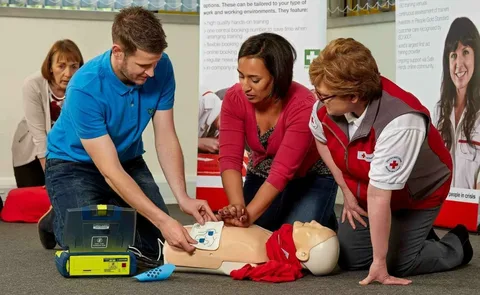
Emergencies can happen at any time—at work, at school, during community events, or even at home. When this happens, the initial moments are essential. Having the right knowledge and confidence to act quickly can make a life-saving difference. That’s why First Aid Training Lichfield is increasingly recognized as an essential investment for businesses, educators, parents, and community members.
Located in Lichfield, this historic city is home to a growing number of businesses, schools, construction projects, and community organisations. With daily activity across many sectors, ensuring that trained first aiders are present is both a legal requirement and a responsible decision.
The Importance of First Aid Skills
First aid training provides practical knowledge that allows individuals to respond effectively during medical emergencies. Without training, people often panic or hesitate. With proper instruction, they know exactly what steps to take.
Key skills covered in most First Aid Training Lichfield courses include:
- Performing CPR (Cardiopulmonary Resuscitation)
- Using an Automated External Defibrillator (AED)
- Managing severe bleeding
- Treating burns and fractures
- Assisting someone who is choking
- Recognizing signs of stroke or heart attack
- Placing casualties in the recovery position
These skills are not only relevant in workplaces—they are invaluable in everyday life.

Legal Requirements for Businesses
Under UK health and safety regulations, employers are required to provide adequate first aid arrangements. The specific requirements depend on the size and nature of the business. Higher-risk environments, such as construction sites or warehouses, typically require more trained first aiders than low-risk office settings.
By enrolling employees in First Aid Training Lichfield, organisations ensure they:
- Meet legal compliance standards
- Protect staff and visitors
- Reduce the risk of severe injury outcomes
- Demonstrate commitment to employee wellbeing
Failure to comply with health and safety regulations can result in fines, legal action, and reputational damage. Proper training reduces these risks significantly.
Courses Available in Lichfield
1. Emergency First Aid at Work (EFAW)
A one-day course designed for low-risk workplaces. It covers essential life-saving skills and basic emergency response.
2. First Aid at Work (FAW)
A more comprehensive three-day course suitable for higher-risk environments. It includes in-depth training on injury management and workplace-specific risks.
3. Pediatric First Aid
Ideal for childcare providers, schools, and parents. This course focuses on infant and child emergencies.
4. CPR & AED Training
A short course concentrating specifically on cardiac emergencies and defibrillator use.
5. Mental Health First Aid
Increasingly popular, this course helps participants recognize and support individuals experiencing mental health challenges.
Each course combines theory with hands-on practice to build real confidence.
Benefits for Employees
Employees who complete First Aid Training Lichfield gain more than just a certificate. They gain confidence, awareness, and practical life skills.
Training helps staff:
- Stay calm under pressure
- Respond quickly and effectively
- Communicate clearly during emergencies
- Support colleagues in critical situations
This confidence often extends beyond the workplace, benefiting families and the wider community.
Creating a Safer Workplace Culture
Safety culture starts with education. When businesses invest in first aid training, they create an environment where safety is prioritized. Employees feel valued and protected, which improves morale and productivity.
In workplaces across Lichfield, trained first aiders contribute to:
- Reduced absenteeism
- Faster injury recovery
- Improved teamwork
- Stronger company reputation
A proactive approach to safety also reassures clients and customers that the organization takes responsibility seriously.
First Aid Training for Schools and Community Groups
Schools, sports clubs, and community organizations in Lichfield also benefit greatly from first aid training. Teachers and coaches often supervise large groups, increasing the likelihood of minor injuries or unexpected medical issues.
Paediatric first aid training ensures adults are prepared to:
- Handle playground injuries
- Manage allergic reactions
- Respond to asthma attacks
- Support children in distress
Community volunteers trained in first aid enhance safety at local events, festivals, and gatherings.
Practical, Hands-On Learning
A major advantage of First Aid Training Lichfield is its practical focus. Participants don’t just listen to lectures—they practice real-life scenarios using training equipment such as:
- CPR manikins
- AED training devices
- Bandaging materials
- Splints and supports
Scenario-based learning builds muscle memory, making it easier to respond effectively during real emergencies.
Flexible Learning Options
Training providers in Lichfield understand that businesses and individuals have busy schedules. That’s why many offer:
- On-site corporate training
- Weekend courses
- Evening classes
- Refresher sessions
- Blended online and classroom learning
This flexibility ensures everyone has access to essential training without disrupting work routines.
Certification and Renewal
Upon successful completion, participants receive accredited certification. Most workplace first aid certificates remain valid for three years. Refresher courses are recommended to maintain skills and compliance.
Regular updates ensure knowledge stays current with evolving best practices.
Financial and Reputational Benefits for Businesses
While safety is the primary goal, first aid training also offers financial advantages. Prompt response to injuries can reduce severity, resulting in:
- Lower compensation claims
- Fewer lost workdays
- Reduced insurance concerns
- Improved operational continuity
Businesses in Lichfield that prioritize safety often gain a competitive edge. Clients and collaborators favor entities that show accountability and expertise.
Peace of Mind for Individuals and Families
First aid skills are lifelong assets. Knowing how to act during emergencies provides reassurance and peace of mind. Parents feel more secure, employees feel more confident, and communities become safer overall.
Even if you never need to use your training, the knowledge that you can step in and help when needed is invaluable.
Choosing the Right Training Provider
When selecting a provider for First Aid Training Lichfield, consider:
- Accreditation and recognized certification
- Qualified, experienced instructors
- Positive reviews and testimonials
- Practical, hands-on training methods
- Flexible scheduling options
A reputable provider will ensure training is engaging, informative, and tailored to your specific needs.
Final Thoughts
Emergencies are unpredictable—but preparation is a choice. Investing in First Aid Training Lichfield equips individuals and organisations with the confidence and competence to respond effectively in critical moments.
Author



The global Esomeprazole market is currently witnessing a period of significant and steady expansion. This growth stems from a combination of rising gastrointestinal health issues and a global increase in healthcare investment. As medical professionals seek reliable ways to manage acid-related conditions, Esomeprazole has emerged as a primary solution.
Recent analysis from The Insight Partners suggests that this upward momentum will not slow down anytime soon. Instead, the market is poised for long-term sustainability. Several factors contribute to this outlook, including shifting patient demographics and continuous product innovation. Furthermore, the modern lifestyle—often characterized by high stress and poor dietary habits—has created a permanent need for effective acid-management therapies. Consequently, Esomeprazole remains a cornerstone of contemporary clinical care across the globe.
Understanding the Mechanism: How Esomeprazole Works
To understand the market’s strength, one must understand the drug’s efficacy. Esomeprazole works by actively reducing the amount of acid the stomach produces. For millions of people, excessive acid production is more than just a minor inconvenience. It can lead to chronic pain, esophageal damage, and a significantly reduced quality of life. By providing reliable symptomatic relief, Esomeprazole has earned deep trust from both patients and providers.

The drug boasts a strong safety profile and broad clinical acceptance. Because of this, it is available in both high-strength prescriptions and convenient over-the-counter (OTC) formats. This dual availability massively increases its market reach. Whether a patient is dealing with occasional heartburn or a chronic gastric condition, Esomeprazole offers a tailored solution. As digestive health awareness grows, more individuals are seeking out these effective chemical interventions.
Market Size and Strategic Forecasts
Experts expect the global Esomeprazole market to grow at a healthy Compound Annual Growth Rate (CAGR) in the coming years. This growth is not accidental. Several societal shifts are pushing the numbers higher. First, the global population is aging. Geriatric patients are naturally more prone to acid-related discomfort and digestive malfunctions. Second, public awareness regarding gut health has hit an all-time high. People are no longer ignoring symptoms like dyspepsia or chronic acid reflux.
In developed regions like North America and Europe, healthcare systems are highly sophisticated. They have established protocols for the rapid diagnosis of gastrointestinal ailments. This supports a very high and consistent demand for PPIs. Meanwhile, emerging economies are quickly catching up. As infrastructure improves in these regions, more people gain access to essential medications. This geographic expansion is a primary driver of the market’s overall value.
Detailed Market Segmentation: A Closer Look
The market for Esomeprazole is diverse and can be divided into several key categories. Understanding these segments helps stakeholders identify where the most significant opportunities lie.
1. By Drug Form
The market offers several delivery methods to suit different patient needs. Oral capsules currently hold the largest market share. This is primarily because they are convenient for daily use and widely accepted by the public. However, injectable forms remain crucial in clinical settings. Hospitals use injectables for patients who cannot take medication orally or who require immediate, high-dose intervention. Finally, oral suspensions offer an alternative for pediatric or elderly patients who struggle with swallowing pills.
2. By Distribution Channel
Where do people buy their medication? Traditionally, hospital and retail pharmacies have dominated the landscape. Retail pharmacies remain the go-to choice for both prescription refills and OTC purchases. Nevertheless, a new player is rising quickly: online pharmacies. Digital platforms offer competitive pricing and the convenience of home delivery. Consequently, the online segment is expected to see the fastest growth rate as e-commerce becomes the standard for healthcare shopping.
Primary Drivers of Market Growth
Several powerful “engines” are driving this market forward. Each one plays a specific role in ensuring that demand remains high.
-
The Lifestyle Factor: Modern diets are often high in processed foods, caffeine, and fats. When you combine this with rising obesity rates and high-stress jobs, you get a recipe for acid-related disorders. These lifestyle trends are fueling a long-term need for acid-suppressant drugs.
-
The Aging Global Population: As people live longer, their digestive systems require more support. The expansion of the senior demographic ensures a growing and loyal patient base for Esomeprazole.
-
OTC Accessibility: In many countries, you do not need a doctor’s note to buy Esomeprazole. This ease of access encourages people to treat minor issues before they become major medical problems.
-
Early Diagnosis: Modern diagnostic tools are more accurate than ever. Doctors can now identify conditions like GERD in their early stages. This leads to earlier treatment starts and higher drug utilization rates.
Regional Insights: A Global Perspective
Geographically, the market is quite varied. North America remains a dominant force. This is due to a mature healthcare system and high rates of treatment adoption. In the United States, patient outreach programs are very effective at educating the public about the dangers of untreated acid reflux.
Europe follows a similar pattern. Strong reimbursement systems and proactive disease management make it a very stable market for pharmaceutical manufacturers. However, the most exciting growth is happening in the Asia Pacific region. Nations such as China, India, and Japan are undergoing swift urban development. As healthcare spending in these nations increases, so does the availability of specialty drugs like Esomeprazole. Latin America and the Middle East are also showing promise as their pharmaceutical distribution networks become more robust.
The Competitive Landscape and Innovation
The market is home to several global pharmaceutical giants. Companies like AstraZeneca, Novartis, and Pfizer are constantly competing for market share. These players focus on several key strategies to stay ahead. Some prioritize geographic expansion into untapped markets. Others focus on “formulation innovation.”
What does this mean for the patient? It means better drugs. Manufacturers are working to create versions of Esomeprazole that work faster or last longer in the body. They are also looking for ways to improve patient compliance, such as making pills easier to swallow or reducing the frequency of doses. Strategic collaborations between these giants and regional manufacturers are also becoming common. These partnerships help bring high-quality medication to remote areas more efficiently.
Facing the Challenges Ahead
No market is without its hurdles. For the Esomeprazole sector, regulatory scrutiny is a major factor. Some health authorities are concerned about the long-term side effects of PPI use. This has led to stricter guidelines on how long a patient should stay on the medication. Additionally, pricing pressures remain a challenge. Governments in many regions are pushing for lower drug prices to make healthcare more affordable. Finally, manufacturers must compete with alternative therapies and generic versions of the drug. Staying compliant with regional laws while maintaining high quality is a constant balancing act.
Final Thoughts on the Future
In conclusion, the Esomeprazole market is on a very positive trajectory. As long as gastrointestinal disorders remain a common part of human life, the demand for effective treatments will persist. Innovations in drug delivery and the rise of digital pharmacies will continue to reshape the industry. For stakeholders and healthcare providers, the outlook is promising.
Author



Health insurance has become an essential financial tool for protecting your loved ones from unexpected medical expenses. In India, many people rely on family floater health insurance or family health coverage plans because they provide a convenient way to insure several members under one policy. However, one question often arises: Can you add someone who is not legally related to you, such as a live-in partner, a friend, or an extended relative, to your health insurance plan?
Understanding the answer requires exploring the definition of “family” in insurance contracts, the regulations that govern health policies, and the practical implications of including non-family members. Let’s take a closer look at how this works in India.
Who is typically covered under family floater health insurance?
Most insurers in India define “family” narrowly. A family floater health insurance is designed to cover a pre-defined set of relationships, usually:
- Self (the policyholder)
- Spouse
- Dependent children (typically up to 25 years of age if they are unmarried and financially dependent)
- Dependent parents (sometimes dependent parents-in-law)
A few insurers may allow siblings or grandparents, but these are exceptions rather than the norm. In almost all cases, the insurer requires a clear, legally recognized relationship. The main reason for this is that insurers must calculate the risk profile based on predictable relationships and dependency status.

Can you include a non-family member?
Generally, family health coverage plans do not allow you to add a non-family member. This means you cannot cover the following people under a standard floater policy:
- Friends
- Domestic partners with no legal recognition (unless you are married under personal law)
- Roommates
- Distant relatives who are not financially dependent or legally recognized as part of your household
The reason for this restriction is regulatory and actuarial. Insurers design products assuming shared risk within a household bound by legal or blood ties. Including unrelated individuals complicates underwriting, premium pricing, and claim assessment.
However, this does not mean you cannot insure a non-family member at all—it just means they cannot be included under your family floater. Instead, you can purchase an individual health insurance policy in their name. This requires them to be the proposer or insured person on record, and you can fund the premium if you wish.
What about live-in relationships or same-sex partners?
The situation becomes more complex when considering live-in partners or same-sex partners. After landmark judgments like the decriminalization of Section 377 and the recognition of certain live-in relationships, some insurers have begun to adapt. A few companies now allow a partner in a live-in relationship to be named under a floater plan, provided you can establish the relationship through affidavits, address proofs, or joint bank statements.
However, these cases are still handled on a case-by-case basis, and there is no universal rule requiring insurers to accept such proposals. If you plan to include a non-legally married partner, always check with your insurer in writing before purchasing the policy. Be prepared to provide extensive documentation.
What are your options if you cannot add a non-family member?
If you cannot include a non-family member under family health coverage plans, you have several alternatives:
- Buy an individual health policy: They can get their own health insurance policy with you as the proposer or premium payer.
- Group health insurance: If you run a business or are part of an organization offering group health coverage, the policy can cover non-family members like employees or domestic staff. Group policies have different underwriting criteria.
- Critical illness cover: You can consider buying separate critical illness insurance for them, which pays a lump sum upon diagnosis of specific illnesses.
- Personal accident policy: This insurance offers compensation in case of accidental injuries, disability, or death. It is often simpler to issue than traditional health policies.
What documents are needed for family floater coverage?
Even for legally recognized dependents, insurers require proper documentation:
- Proof of relationship (marriage certificate, birth certificate)
- Identity and address proof
- Age proof
If the insurer allows non-traditional relationships, they will ask for additional evidence, such as joint property ownership documents or affidavits affirming your partnership.
Why does India restrict family floater coverage to certain relationships?
There are a few reasons:
- Moral hazard: Insurers must ensure that people do not include unrelated individuals to game the system.
- Risk profiling: Family members often share similar lifestyles and genetic predispositions, which insurers factor into pricing.
- Regulatory norms: The Insurance Regulatory and Development Authority of India (IRDAI) guidelines are designed to standardize policy frameworks and prevent misuse.
These restrictions help maintain the sustainability and fairness of the health insurance system.
How can you ensure adequate protection for everyone in your household?
Here are a few practical tips:
- Discuss your needs with an insurance advisor: They can help you evaluate if any products allow broader coverage.
- Take individual policies where needed: This ensures that every person, whether legally related or not, has sufficient health protection.
- Review policies annually: As laws evolve, insurers may update their policies to include more relationships.
- Check exclusions carefully: Even when you can add a partner, some pre-existing conditions or age limits may apply.
Conclusion
In India, family floater health insurance is structured to cover immediate, legally recognized dependents. If you wish to protect someone who does not fall under this definition, you will likely need to purchase an individual health insurance policy instead. While it might feel restrictive, this approach ensures transparent pricing and accountability in claims.
As awareness grows and social norms evolve, insurers may increasingly accommodate non-traditional families. Until then, combining individual health policies with family plans can be the most effective way to ensure everyone in your household has adequate coverage and peace of mind.
Author



Experiment Five | Experiment 5 Clothing | USA Official Store

Essential First Aid Training in Lichfield

Guttering Services in Gloucester: Protection Against Water Damage

CBSE: The Central Board of Secondary Education Explained

Marni Shirt: Guide to Elegance, Care, and Styling Tips

Atlas Mountains: A Guide to Morocco’s Stunning Landscapes

Why Professional Janitorial Services Are Essential in San Antonio

Troubleshooting McAfee Antivirus: Common Issues and Solutions

LED Mirrors and Modern Lighting Ideas for Stylish Bathrooms

Plant Based Keema at Catchy Court – Protein-Rich Choice

Cybersecurity Consulting Company SequelNet Provides Critical IT Support Services to Medical Billing Firm, Medical Optimum

Team Communication Software Transforms Operations at Finance Innovate

Project Management Tool Transforms Long Island Business

How Alleviate Poverty Utilized IPPBX’s All-in-One Solution to Transform Lives in New York City

Breast Cancer: The Imperative Role of Mammograms in Screening and Early Detection

Unstoppable Collaboration: D.C.’s Citi Open and Silicon Valley Classic Unite to Propel Women’s Tennis to New Heights

Embracing Renewal: Sizdabedar Celebrations Unite Iranians in New York’s Eisenhower Park

The Benefits of Starting a Side Hustle for Financial Freedom

New Blood Donation Screening Questions What You Need to Know

Stylishly Timeless: The 5 Types of Sandals You Need in Your Closet
-
 Business3 years ago
Cybersecurity Consulting Company SequelNet Provides Critical IT Support Services to Medical Billing Firm, Medical Optimum
-
 Business3 years ago
Team Communication Software Transforms Operations at Finance Innovate
-
 Business3 years ago
Project Management Tool Transforms Long Island Business
-
 Business3 years ago
How Alleviate Poverty Utilized IPPBX’s All-in-One Solution to Transform Lives in New York City
-
 health3 years ago
Breast Cancer: The Imperative Role of Mammograms in Screening and Early Detection
-
 Sports3 years ago
Unstoppable Collaboration: D.C.’s Citi Open and Silicon Valley Classic Unite to Propel Women’s Tennis to New Heights
-
 Art /Entertainment3 years ago
Embracing Renewal: Sizdabedar Celebrations Unite Iranians in New York’s Eisenhower Park
-
 Finance3 years ago
The Benefits of Starting a Side Hustle for Financial Freedom