
Beauty Fitness
Get In Shape For The Baseball Season: The Best Exercises To Boost Your Skill And Performance


Introduction
Baseball season is just around the corner and you’re ready to get back in shape for the coming year. But what exercises should you be doing to maximize your skill level and performance on the field? In this article, we’ll explore some of the best exercises for baseball players of all levels—from beginners to veterans—that will help you reach your goals and dominate the diamond. From weight training to agility drills and more, there’s something here for everyone. So read on to learn how you can get in shape for the big game!
The Best Exercises to Boost Your Skill and Performance
The baseball season is just around the corner, so it’s time to start thinking about getting in shape. There are a few key exercises that will not only help you get in better shape, but will also improve your skill and performance on the field.
One of the best exercises for baseball players is plyometrics. Plyometric training helps improve explosive power, which is essential for hitting a baseball or stealing a base. Another great exercise for baseball players is weightlifting. Strength training can help you swing the bat with more power and throw the ball with more velocity.

If you’re looking to improve your endurance and stamina, running is a great option. You can start by running short distances and gradually increase your mileage as you get in better shape. Soccer players have used interval training for years to boost their on-field performance, and it can work for baseball players as well. Interval training involves alternating between periods of high-intensity activity and low-intensity activity. This type of training helps improve your overall cardiovascular fitness and can also help increase your speed and agility.
These are just a few of the best exercises to help you get in shape for the upcoming baseball season. By incorporating these exercises into your workout routine, you’ll be sure to see an improvement in your skill and performance on the field.
Hitting Drills to Improve Your Swing
If you want to improve your batting, you need to focus on your swing. These hitting drills will help you make adjustments to improve your power and accuracy.
1. Use a tee or soft toss to warm up. Get your swing started by hitting balls off a tee or from a soft toss. This will help you get a feel for the movement and help warm up your muscles.
2. Focus on your mechanics. Make sure you are using proper technique when swinging the bat. Check your grip, stance, and follow through. Make any necessary adjustments to ensure you are swinging correctly.
3. Incorporate weightlifting into your routine. Strength training can help improve your power and bat speed. Focus on exercises that work the muscles in your arms and shoulders such as rows, presses, and curls.
4
Pitching Drills to Improve Your Velocity and Accuracy
Pitching is one of the most important skills in baseball. If you can’t pitch, you can’t play. That’s why it’s important to spend time working on your pitching skills. These drills will help you improve your velocity and accuracy.
1. The first drill is called the “penny drill.” This drill helps you develop a consistent release point. To do the penny drill, tape a penny to the center of a baseball. Then, throw the ball against a wall or other surface and try to hit the penny with the ball. When you’re able to consistently hit the penny, you’ll know you have a good release point.
2. The second drill is called the “cone drill.” This drill helps you develop accuracy by forcing you to focus on hitting a small target. To do the cone drill, set up five cones in a row, each about 20 feet apart. Then, throw the ball at each cone and try to hit it. The goal is to hit all five cones in a row without missing any.
3. The third drill is called the “fence drill.” This drill helps you develop power by simulating throwing over an outfield fence. To do the fence drill, set up a fence or other barrier at least 10 feet away from you. Then, throw the ball as hard as you can while trying to clear the fence or barrier with your throw.
4. The fourth drill is called the “bullseye drill
Fielding Drills to Improve Your Range and Quickness
Fielding drills are a great way to improve your range and quickness on the field. There are a number of different drills you can do to help improve your fielding skills. Here are a few of our favorites:
1. The Figure 8 Drill: This drill is great for improving your footwork and range. Place two cones in an X shape about 10-15 feet apart. Start at one cone, sprint to the other, touch it with your foot, and then quickly sprint back to the first cone. Touch it with your other foot, and then continue sprinting back and forth until you have completed the figure 8 pattern.
2. The Backward Sprint Drill: This drill is good for working on your speed and quickness in short bursts. Set up two cones about 10 yards apart, and start at one cone facing away from the other. Sprint backward to the second cone, touch it with your hand, and then quickly sprint back to the first cone. Touch it with your other hand, and continue going back and forth until you have completed the set.
3. The Side Shuffle Drill: This drill is great for improving your lateral movement and range. Place three cones in a line about 5-10 yards apart from each other. Start at one end of the line, side shuffle to the middle cone, touch it with your hand, and then quickly side shuffle to the other end of the line where the third cone is located. Touch that cone with
Conclusion
As you can see, there are plenty of exercises that can help boost your skill and performance when it comes to baseball. Following these tips will not only help you become a better player but they may also reduce the risk of injuries while playing. Remember to always consult with your doctor before starting an exercise routine and to give yourself enough time to build up strength and stamina. With hard work and dedication, you’ll be ready for the big game in no time!
Author


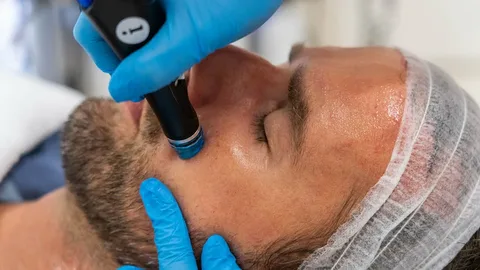
In a city that never stops evolving, your skincare routine should keep pace. HydraFacial Treatment in Dubai has become the essential choice for professionals and residents who require high-performance, clinical-grade results to maintain a youthful, vibrant complexion in a challenging environment.
HydraFacial Treatment in Dubai
This procedure is a sophisticated, multi-stage skin resurfacing system that surpasses the capabilities of traditional facials. It utilizes patented vortex-fusion technology to integrate cleansing, exfoliation, extraction, and hydration into one seamless, professional session. By replacing manual, sometimes irritating extraction methods with automated vacuum technology, the process offers a thorough, comfortable, and highly effective way to refine your skin’s texture and clarity.
HydraFacial Treatment in Dubai Functions
The success of this treatment relies on a specialized, spiral-tipped handpiece. As it moves across the skin’s surface, it generates a precise vacuum effect. This action lifts away surface-level pollutants and dead cells while simultaneously clearing out debris from deep within the pores. In our clinical experience, this method is superior because it readies the dermis for an immediate, high-pressure infusion of nourishing serums. By delivering peptides, antioxidants, and hyaluronic acid directly into the skin’s fresh, exfoliated layers, the treatment ensures optimal absorption and visible, lasting revitalization.
HydraFacial Treatment in Dubai Is Used
Environmental stressors—including intense sun, high humidity, and ubiquitous air conditioning—can leave the skin feeling congested, dehydrated, and dull. Patients utilize this treatment as both a corrective and a preventative measure. It is designed to manage the buildup of oils and pollutants that lead to enlarged pores and breakouts, while also restoring the moisture levels necessary to maintain a healthy, resilient skin barrier against external damage.
Notable Benefits of the Procedure
The clinical advantages frequently reported by our patients include:
-
Immediate Radiance: A clear, luminous, and “lit-from-within” glow after just one visit.
-
Deep Pore Purification: Painlessly clears congestion and blackheads without the need for manual, potentially damaging squeezing.
-
Intense Hydration: Replenishes moisture reservoirs, resulting in plump, smooth, and soft skin.
-
Total Customization: Practitioners tailor serum blends to target specific needs, such as fine lines, sensitivity, or hyperpigmentation.
Who is an Ideal Candidate?
This procedure is remarkably versatile and is suitable for all skin types, from dry and sensitive to oily and acne-prone. Because it is non-ablative, it is a perfect option for individuals who want professional aesthetic results without the redness, peeling, or downtime associated with more aggressive chemical peels or laser treatments. Whether you are seeking a pre-event refresher or a long-term strategy for skin health, the treatment adapts to your unique goals.
Treatment Process
-
Vortex-Cleansing: A gentle mechanical exfoliation removes the surface layer of dead skin.
-
Impurity Extraction: Painless, automated vacuum suction clears out clogged pores.
-
Deep Serum Infusion: A customized cocktail of antioxidants and hyaluronic acid is delivered to nourish the skin.
-
Final Protection: The application of soothing moisturizers and SPF secures the results and guards the skin.

Common Treatment Areas
While the face is the primary focus of the treatment, the versatility of the device allows for comprehensive care. Many patients choose to extend their session to the neck and décolletage for a uniform, youthful appearance. Additionally, the back is a highly effective treatment area, providing a superior, painless solution for those who struggle with persistent congestion or dryness in that harder-to-reach zone.
Cost Factors and Price Considerations
The investment required for your session depends on your skin’s specific needs and the inclusion of any targeted boosters or combination therapies. During your consultation at Tajmeels Clinic, our professionals will evaluate your skin’s current status and create a personalized plan, ensuring full transparency regarding your treatment and the measurable value it provides toward your long-term skin health goals.
Expected Recovery
What patients typically report during recovery is a feeling of instant cleanliness, comfort, and deep hydration. Because the procedure is non-invasive, there is zero downtime. You can immediately return to your social or professional schedule, apply makeup if desired, and enjoy your rejuvenated skin. While very sensitive skin might show a faint, temporary pinkness, this typically disappears well within an hour of your session.
Safety and Clinical Considerations
The treatment is renowned for its safety and predictability in a clinical setting. By avoiding harsh, abrasive methods, it minimizes the risk of inflammation or adverse reactions. It is a highly controlled, medical-grade experience performed under strict hygiene standards. Before starting, we perform a brief assessment to ensure the treatment settings are perfectly calibrated to your current skin health.
Sustain Your Results
To maximize the longevity of your professional sessions, we recommend a consistent, monthly maintenance schedule. Returning every four to six weeks keeps your pores clear and your hydration levels optimal. Between visits, maintaining a simple, high-quality home skincare routine—specifically prioritizing daily sun protection—is the most important step in preventing the environmental damage that this treatment works so hard to counteract.
Conclusion
Prioritizing your skin’s health is one of the most rewarding investments you can make. By choosing a treatment that balances advanced technology with gentle, personalized care, you ensure that you achieve your aesthetic goals with confidence. At Tajmeels Clinic, our team is dedicated to providing a professional, supportive environment where your skin’s needs are met with precision and effective results.
Author


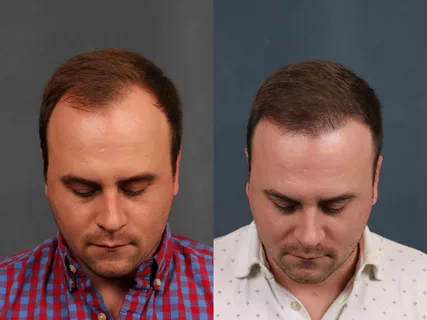
Thick, vibrant hair is the crown of beauty and a primary source of self-confidence. With the tremendous technological advancements in the field of cosmetic medicine, restoring this crown has become accessible with impressive results. Hair transplant in Dubai stands out as a global gateway for anyone seeking radical solutions to baldness and hair loss. The city combines world-class medical expertise with cutting-edge technologies to offer patients completely natural-looking and lifelong results.
Dubai leading the world in hair transplantation
Dubai didn’t become a leading destination by chance, but thanks to an ambitious strategy that transformed it into a hub for medical innovation. When searching for hair transplant centers, you’ll find that Dubai stands out for:
-
High medical expertise: Attracting the best surgeons and doctors from around the world, who have extensive experience in dealing with various types of baldness.
-
Modern techniques: Relying on techniques such as Follicular Unit Extraction (FUE) and Direct Implantation (DHI), which provide extreme precision and make the process less invasive and faster in recovery.
-
Regulatory environment: Strict oversight by the Dubai Health Authority ensures that the patient receives medical services in accordance with the highest international standards of sterilization and safety.
Techniques that restore your self-confidence
Hair transplant centers in Dubai use the latest tools that ensure a natural distribution of follicles:
DHI (Direct Hiring) technology
This technique is considered the “crown jewel” of hair transplant technology, allowing the surgeon to implant the follicle directly into the recipient area without the need for pre-drilled channels. This reduces the follicle’s time outside the body, thus raising its growth success rate to record levels.
FUE (Follicular Unit Extraction) technique
This method is characterized by not leaving large linear scars, as the follicles are harvested individually from the donor area, which makes the recovery period very quick and allows the patient to return to his daily life within a few days.
Choose the most suitable center
With so many options, here are the key points to ensure you make the right decision:
-
Check the professional record: Don’t be shy about asking for photos of previous cases that the center has handled.
-
Consultation session: A good center is one that takes the time to examine your scalp, assess the quality of the donor area, and discuss realistic expectations.
-
Teamwork: Ask about the medical team that will assist the doctor, as a successful operation depends on harmonious teamwork.
-
Follow-up programs: Look for a center that offers a post-operative follow-up plan to ensure the health of the transplanted follicles.
The journey of hair restoration
The journey begins in Dubai with a comfortable environment and hotel-like amenities designed to eliminate any stress. The doctor will geometrically design the hairline to complement your unique facial features, ensuring the final result looks 100% natural and not “implanted.” After the procedure, you will receive detailed post-operative care instructions, and the clinic will remain in contact with you to answer any questions you may have.
Benefits of investing in your appearance
Restoring your hair isn’t just a change in appearance. It’s a powerful boost to your self-confidence in both your professional and personal life. When you look in the mirror and see the thick hair you’ve always desired, you’ll feel revitalized. This investment in your appearance has an invaluable positive impact on your mental well-being.
Dubai: where medicine meets art
Hair transplant surgeons in Dubai don’t just focus on the surgical aspect; they view the procedure as an art form. The distribution of follicles, the angle of implantation, and the density of the transplant are all carefully considered to achieve the best aesthetic appearance. That suits your personality and age.
Preparing for the final result
Patience is crucial. Hair growth is a natural biological process, and noticeable results begin to appear gradually over the first few months. Reaching their peak after approximately one year. Adhering to post-operative instructions is the surest way to achieve these ideal results.
Technology and comfort in one place
Thanks to the latest technological systems, hair transplantation in Dubai has become a comfortable and safe experience. You not only get thicker hair, but you also receive exceptional medical care in a city that provides you with every comfort and luxury during your stay.
Conclusion!
The dream of regaining thick, attractive hair is a realistic and achievable goal. And the first step towards this goal begins with choosing the right place that values you and guarantees the highest standards of quality. Dubai, with its state-of-the-art centers and distinguished experts, is your ideal destination to transform your appearance for the better. If you’re ready to embark on this journey and begin a new chapter in your life. The path starts with contacting a reputable and experienced. Cosmetic clinic in Dubai that offers the best surgical and cosmetic consultations. Begin your journey today and discover why Dubai is your sure gateway to achieving the hair you deserve and desire.
Author

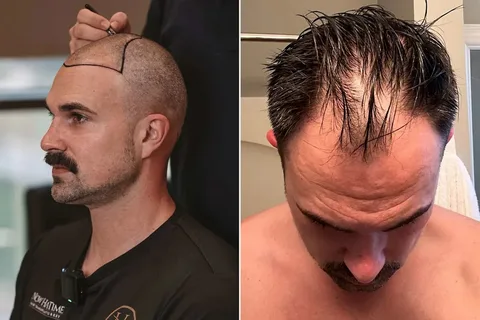
Dubai has become one of the most trusted global destinations for cosmetic treatments. It combines advanced medical technology with luxury healthcare services. Because of this combination, many people now travel to the city specifically for hair restoration procedures. At the same time, patients are also pleasantly surprised that hair transplant cost in Dubai are more flexible and competitive than they expect.
If you are considering restoring your hairline, understanding the cost structure is essential. It helps you plan better, avoid hidden surprises, and choose the right clinic with confidence. In this guide, we will break down everything you need to know about pricing, influencing factors, and the patient journey.
Hair Transplant Costs in Dubai
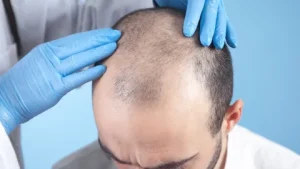
Hair transplant pricing is not random. Instead, clinics calculate the cost based on several technical and medical factors. Each patient receives a customized treatment plan depending on their level of hair loss and desired density. A key factor is the amount of grafts needed.
A graft contains one or more hair follicles. Therefore, a larger bald area requires more grafts, which increases the total cost. On the other hand, smaller areas require fewer grafts and are more affordable.
Another key factor is the technique used during the procedure. Advanced methods such as FUE (Follicular Unit Extraction) and DHI (Direct Hair Implantation) are more precise and modern. These techniques deliver natural-looking results, but they may cost more due to the time, skill, and equipment involved.
The surgeon’s experience also plays a major role. Highly skilled specialists with international training or strong reputations usually charge higher fees. However, patients often prefer experienced surgeons because they provide safer procedures and more natural outcomes.
In addition, many clinics in Dubai offer complete packages. These may include consultation, pre-operative tests, post-treatment care, and even PRP sessions to boost hair growth. These packages often provide better value compared to paying for each service separately.
Average Hair Transplant Prices in Dubai
The cost of a hair transplant in Dubai varies depending on the complexity of the case. For smaller areas of hair loss, prices typically start from around AED 6,999. These cases usually require fewer grafts and shorter treatment time.
For medium to larger areas, costs can rise significantly. On average, patients may pay between AED 10,000 and AED 15,000. This range is common for individuals who need moderate coverage and density improvement.
For advanced cases that require high-density transplantation or full scalp coverage, prices can go up to AED 18,000 to AED 25,000 or more. These procedures require a larger number of grafts and longer surgical time.
Although prices may vary, Dubai remains competitive compared to other international destinations. Patients benefit from high-quality care, advanced technology, and strict medical regulations that ensure safety.
What Affects Hair Transplant Pricing?
Several factors influence the final cost of a hair transplant. Understanding them helps you make an informed decision.
- First, the extent of hair loss matters. More severe hair loss requires more grafts, which increases the price.
- Second, the technique used affects the cost. FUE and DHI are more advanced than traditional methods, so they may cost more.
- Third, clinic reputation and location also matter. Premium clinics with modern facilities often charge higher prices due to better service and technology.
- Fourth, additional treatments like PRP therapy or laser sessions may increase the overall cost but improve results.
- Finally, aftercare services and follow-up visits are also included in some packages, adding value to the treatment.
The Patient Journey
Next comes the procedure itself. It is usually performed under local anesthesia, so patients remain comfortable throughout the process. Depending on the number of grafts, the procedure may take several hours.
After the transplant, the recovery phase begins. Patients receive detailed aftercare instructions to protect the newly implanted follicles. Clinics also schedule follow-up visits to monitor growth and healing. Over the next few months, new hair gradually begins to grow. Full results typically appear within 6 to 12 months.
Why Dubai Is a Preferred Choice
Dubai has strict medical regulations governed by the Dubai Health Authority (DHA). These standards ensure that clinics maintain high levels of safety, hygiene, and professionalism. In addition, the city is known for its modern infrastructure and advanced healthcare technology. Clinics use the latest tools and techniques to deliver natural-looking results with minimal discomfort.
Another advantage is flexibility in payment options. Many clinics offer installment plans or customized packages, making the treatment more accessible. Patients also benefit from world-class hospitality and a comfortable recovery environment, which adds to the overall experience.
Choosing the Right Clinic Matters
Selecting the right clinic is one of the most important decisions in your hair transplant journey. A good clinic will not only offer competitive pricing but also prioritize safety and natural results. It is important to check the surgeon’s experience, patient reviews, and before-and-after results. Transparency in pricing is also a key factor to consider.
While affordability is important, quality should always come first. A successful hair transplant is an investment in your appearance and confidence.
Final Thoughts
Hair transplant costs in Dubai vary depending on multiple factors such as graft count, technique, and surgeon expertise. However, the city offers a balanced combination of quality, safety, and affordability.
With advanced medical technology and highly skilled professionals, Dubai continues to be a top destination for hair restoration treatments. If you are planning to restore your hair, take the time to research your options carefully. A well-planned decision will ensure that you achieve natural, long-lasting results that enhance your confidence and overall appearance.
Author


CNC Tool vs Conventional Cutting Tool: Difference in Manufacturing

CNC Tool vs Conventional Cutting Tool: Key Differences

Bacteriostatic Reconstitution Solution: Uses, Benefits & Safety

Camo Wrap: A Stylish and Cost-Effective Surface Transformation

Kaftan Sets: Perfect Blend of Royal Elegance and Modern Comfort

Carsicko Clothing: Fabric Quality, Care Tips & Styling Ideas

SAP Consulting: Drive ERP Success and Digital Transformation

HydraFacial Treatment: Skin Rejuvenation for Instant Glow

Netgear Wi-Fi Extender: Access and Troubleshoot Your Extender

Netgear Orbi Router Login: How to Troubleshoot Orbi Network

Cybersecurity Consulting Company SequelNet Provides Critical IT Support Services to Medical Billing Firm, Medical Optimum

Team Communication Software Transforms Operations at Finance Innovate

Project Management Tool Transforms Long Island Business

How Alleviate Poverty Utilized IPPBX’s All-in-One Solution to Transform Lives in New York City

Breast Cancer: The Imperative Role of Mammograms in Screening and Early Detection

Unstoppable Collaboration: D.C.’s Citi Open and Silicon Valley Classic Unite to Propel Women’s Tennis to New Heights

Embracing Renewal: Sizdabedar Celebrations Unite Iranians in New York’s Eisenhower Park

The Benefits of Starting a Side Hustle for Financial Freedom

New Blood Donation Screening Questions What You Need to Know

Stylishly Timeless: The 5 Types of Sandals You Need in Your Closet
-

 Business3 years ago
Cybersecurity Consulting Company SequelNet Provides Critical IT Support Services to Medical Billing Firm, Medical Optimum
-
Business3 years ago
Team Communication Software Transforms Operations at Finance Innovate
-
Business3 years ago
Project Management Tool Transforms Long Island Business
-
Business3 years ago
How Alleviate Poverty Utilized IPPBX’s All-in-One Solution to Transform Lives in New York City
-
health3 years ago
Breast Cancer: The Imperative Role of Mammograms in Screening and Early Detection
-
Sports3 years ago
Unstoppable Collaboration: D.C.’s Citi Open and Silicon Valley Classic Unite to Propel Women’s Tennis to New Heights
-
Art /Entertainment3 years ago
Embracing Renewal: Sizdabedar Celebrations Unite Iranians in New York’s Eisenhower Park
-
Finance3 years ago
The Benefits of Starting a Side Hustle for Financial Freedom







