
Decoration
6 Key Factors to Consider When Buying Dining Room Furniture

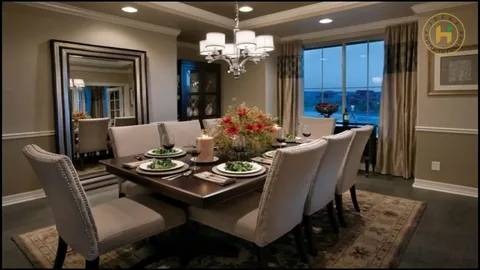
Choosing the right furniture is a journey that often begins with a vision of elegance and affordability. We all want our homes or offices to look stunning without breaking the bank. However, many buyers fall into a common trap: they purchase a piece that looks beautiful in a showroom, only to find it clashes with their interior design, falls apart within months, or feels incredibly uncomfortable.
To help you avoid these common pitfalls, we have outlined the fundamental guidelines for smart furniture acquisition. Whether you are hunting for the perfect dining set or outfitting a commercial lobby, these six key factors will ensure your investment stands the test of time.
1. Precise Spatial Planning and Layout
Before you even look at a price tag, you must understand the physical constraints of your room. One of the most frequent complaints from furniture buyers is that a piece “looked smaller in the store.”
Start by measuring your room’s dimensions, but don’t stop there. You must account for “traffic flow.” For a dining room, a large rectangular table might fit the floor space, but if people cannot pull out their chairs without hitting a wall, the room becomes non-functional. As a general rule, aim for at least three feet of clearance between the table edge and the nearest wall or piece of furniture. This allows for comfortable movement and a sense of “breathability” in your design.

2. Capacity and Scale: The Numbers Game
When it comes to seating, guesswork is your enemy. You need to determine your daily requirements versus your hosting goals. A helpful formula is to allow roughly 24 inches (2 feet) of table length per person.

For example, if you want to seat eight people comfortably, a rectangular table should be at least 72 inches long—allowing three people on each long side and one at each end. If your space is tight but you love to host dinner parties, an extension table is a brilliant solution. These versatile pieces allow you to maintain an open floor plan during the week while expanding to accommodate a crowd on the weekend. Just remember to measure your room against the table’s extended length to avoid any cramped surprises.
3. Material Integrity and Long-Term Durability
High-quality materials are the backbone of any good furniture piece. While engineered woods and veneers have their place, solid wood remains the gold standard for longevity. Woods like oak, walnut, or maple develop a beautiful patina over time and can be refinished if they get scratched.
For those with a more modern aesthetic, metal and high-grade tempered glass offer sleek silhouettes and high durability. If you have a busy household with children or pets, prioritize surfaces that are scratch-resistant and non-porous. Choosing a high-maintenance material for a high-traffic area is a recipe for frustration.
4. Prioritizing Ergonomics and Comfort
A chair that looks like a work of art is useless if it causes back pain after twenty minutes. Comfort is non-negotiable, particularly for dining and office furniture. When selecting chairs, consider the following:
-
Height Alignment: Ensure the distance between the seat and the tabletop is roughly 10 to 12 inches.
-
Support: Upholstered chairs offer a plush, luxurious feel that encourages guests to linger over coffee.
-
Minimalism vs. Cushioning: If you prefer the clean lines of wood or metal, consider adding high-quality cushions. This gives you the aesthetic you want without sacrificing the comfort your guests deserve.
5. Aesthetic Synergy and Style
Your furniture should speak the same language as your architecture. A rustic, live-edge wooden table might look out of place in a glass-heavy, ultra-modern penthouse. Conversely, a minimalist acrylic chair might feel “cold” in a traditional farmhouse setting.
To achieve a balanced look, focus on neutral tones for your larger, more expensive pieces. You can always inject personality through rugs, lighting, and accessories. Look at the finishes and textures already present in your home—such as your flooring or cabinetry—and choose furniture that complements those existing elements.
6. Functionality and Practicality
Modern living often requires furniture to do more than just sit there. Think about “smart” furniture that adds value to your lifestyle.
-
Storage-Friendly Options: Benches with hidden compartments or sideboards with adjustable shelving can help declutter your home.
-
Versatility: Can that console table double as a desk? Can those dining chairs move to the living room when extra guests arrive?
Prioritizing functionality ensures that you aren’t just buying an object; you are buying a tool that improves your daily life.
Why the Dining Table is Your Most Important Purchase
While these rules apply to all furniture, the dining table deserves special attention. It isn’t just a place to eat; it’s a hub for homework, late-night conversations, and family milestones. For households with senior citizens, a sturdy, well-aligned dining set is crucial for safety and ease of use.
Many buyers mistakenly view the dining table as a purely decorative upgrade. In reality, it is a significant financial investment. You don’t want to spend your hard-earned money on a piece that becomes “worthless” due to poor construction or a dated design within a couple of years.
Final Steps: Budgeting and Verification
Before you tap your credit card, set a realistic budget that prioritizes quality over quantity. It is often better to buy a high-quality table now and wait six months to buy the matching chairs than to buy a cheap, complete set that will need replacing in two years.
Always perform a “stability test” in person if possible. Give the table a gentle shake to check for wobbling. Inspect the joints to see if they are joined with screws and dowels rather than just glue and staples. Finally, check the warranty and the brand’s reputation. A company that stands behind its craftsmanship is a company worth your trust.
Creating an Inviting Atmosphere
To truly “humanize” your space, consider the elements surrounding your furniture. Lighting plays a massive role in how your furniture is perceived. A warm pendant light centered over a dining table creates an intimate, inviting “pool” of light that draws people in.
Don’t be afraid to mix and match. The days of perfectly “matching sets” are fading. Pairing a vintage wooden table with modern upholstered chairs creates a layered, sophisticated look that feels curated rather than bought off a shelf.
By following these six guidelines, you transform the furniture-buying process from a stressful chore into a strategic investment. Take your time, measure twice, and always prioritize the harmony of form and function. Your future self—and your home—will thank you.
Author



Planning a successful event takes more than choosing a venue and inviting guests. It requires creativity, careful organization, and attention to every detail. In a busy city like Karachi, managing all these responsibilities can quickly become stressful. That is where professional event management can make a real difference.
MARCEM Event Planner offers professional event planning and management services for weddings, corporate functions, exhibitions, activations, and private celebrations. With more than 12 years of experience, the company helps clients transform their ideas into organized, engaging, and memorable occasions.
The team handles important details throughout the planning process. These include event concepts, venue arrangements, décor, vendor coordination, logistics, and on-site execution. As a result, clients can focus on enjoying their event instead of dealing with every small responsibility.
Why Choose MARCEM Events?
Choosing the right Event Planner can simplify the entire process. Large events often involve several vendors, detailed schedules, guest arrangements, technical requirements, and creative decisions. Without proper coordination, even a well-planned occasion can face unnecessary delays or complications.
MARCEM Events takes a coordinated approach to event management. Its services include event planning, creative concepts, décor, logistics, vendor management, and on-ground coordination. The team also adapts its approach according to the client’s needs. Instead of following one fixed formula, it develops plans around the purpose, style, and requirements of each occasion.
For weddings, the company manages Mehndi, Barat, Walima, Nikkah, and engagement ceremonies. Its corporate event services include conferences, seminars, annual dinners, product launches, exhibitions, trade shows, and award ceremonies.
MARCEM Events also works with a network of more than 100 premium partners. This network helps the team arrange different services and manage event requirements efficiently. The company’s experience includes working with organizations such as NLC, DP World, KPT, and Aga Khan University.
Creating Unique Events in Karachi
Every event has a different purpose. A wedding usually focuses on family, traditions, emotions, and celebration. In contrast, a corporate event may focus on branding, communication, networking, or business goals. Therefore, each occasion needs a different planning strategy.
MARCEM Events creates customized experiences based on the client’s expectations, preferences, goals, and budget. The process begins with understanding the client’s vision. The team then develops a suitable concept and coordinates the necessary services around it.
The planning process can cover everything from guest arrangements and entertainment to décor, refreshments, lighting, and technical support. Each element receives careful attention. This approach helps create events that feel personal while maintaining a polished and professional atmosphere.
Complete Event Planning Services
A professional Event Planner can bring different parts of an event together under one organized plan. MARCEM Events provides comprehensive planning and management services to make event preparation more convenient and structured.
Depending on the occasion, services can include venue selection, theme development, décor, catering coordination, entertainment, lighting, sound systems, stage design, guest management, vendor coordination, and on-site supervision.
Good coordination matters because every part of an event connects with another. For example, stage design should complement the lighting and sound setup. Similarly, seating arrangements should work with the venue layout and guest requirements.
When the team coordinates these elements properly, the event can run more smoothly. Guests can enjoy the experience, while hosts can remain focused on their family, clients, colleagues, or other important responsibilities.
Wedding and Private Event Planning
Weddings and private celebrations often involve several functions, large guest lists, family traditions, and multiple service providers. Managing all these details can take considerable time. Professional planning can help families stay organized throughout the process.
MARCEM Events organizes Mehndi, Barat, Walima, Nikkah, engagement ceremonies, birthdays, and private celebrations. The team can coordinate décor, stage setups, entertainment, catering, lighting, and guest arrangements according to the event’s requirements.
Every family has a different idea of the perfect celebration. Some prefer modern and elegant themes. Others may want traditional décor, vibrant colors, or luxurious designs. A skilled Event Planner can take these preferences and turn them into a cohesive event concept.
Professional coordination also gives families more freedom on the event day. Instead of constantly checking on vendors, schedules, or technical arrangements, they can spend more time with their guests and enjoy the celebration.

Event Budget Planning
Budget management plays an important role in successful event planning. Costs can include venue charges, décor, catering, entertainment, lighting, sound systems, transportation, staffing, and other services.
MARCEM Events works with clients to understand their priorities and organize event elements according to their requirements. This approach can help clients make informed decisions about where to invest more and where to control expenses.
Clear planning also reduces the chances of overlooking important costs. When different services work under one coordinated plan, clients can gain a better understanding of their overall event requirements.
Benefits of Professional Event Planning
Organizing a large event without professional support can require significant time and effort. Hosts may need to communicate with several vendors while managing schedules, guest arrangements, décor, catering, and technical requirements.
A professional planning team brings experience and organization to this process. It can coordinate vendors, monitor schedules, solve problems, and handle changes as they arise.
Unexpected situations can also occur during an event. A supplier may arrive late, a schedule may change, or a technical issue may require immediate attention. An experienced team can respond quickly and keep the event moving.
A Reliable Choice for Events in Karachi
When selecting an event management company, experience and creativity matter. However, communication, coordination, reliability, and attention to client requirements also play an important role.
MARCEM Events brings more than 12 years of experience to corporate and private occasions. The company provides services for weddings, exhibitions, activations, product launches, conferences, private celebrations, and award ceremonies.
Its approach combines creative planning with practical coordination and professional execution. From developing the initial concept to managing arrangements on the event day, the team focuses on creating a smooth experience.
If you are looking for an experienced event management company in Karachi, MARCEM Events can help bring your vision to life. With careful planning, creative ideas, and coordinated execution, the team works to create events that remain memorable for hosts and guests alike.
Final Thoughts
Event Planner a memorable event requires creativity, organization, and careful attention to detail. From selecting the right venue to coordinating décor, catering, entertainment, and vendors, every part of the process matters. Professional support can make these responsibilities easier to manage.
MARCEM Events combines more than 12 years of experience with creative ideas and organized event management. Whether you are planning a wedding, corporate function, exhibition, product launch, or private celebration, the team works to understand your goals and turn them into a well-coordinated event.
If you want an event that feels professional, personal, and enjoyable, choosing the right planning team can make a significant difference. With the right guidance and execution, your event can become a memorable experience for you and your guests.
Author



In high-end commercial fit-outs and luxury residential projects, precision plays a major role in turning creative interior concepts into finished spaces. Architects may develop impressive designs, but manufacturers and contractors need much more than visual concepts to build them accurately. They need clear dimensions, material details, joinery information, and installation guidance.
An Interior Shop drawing process connects design intent with practical manufacturing. It gives fabricators and contractors a reliable reference before production begins. This approach works especially well for custom cabinetry, feature walls, reception desks, built-in furniture, and detailed millwork.
Turning Interior Designs Into Production-Ready Details
Initial design drawings often communicate the overall appearance of a space. However, they may not contain every detail required for fabrication. That gap can create confusion during manufacturing and installation.
Detailed interior shop drawings solve this problem. They translate design concepts into precise production information. These drawings can include dimensions, material specifications, hardware details, joinery methods, elevations, sections, and installation requirements.
An Interior Shop drawing also helps project teams identify potential issues before fabrication starts. For example, a cabinet may appear suitable on a design plan but clash with a structural column once manufacturers review its exact dimensions. A detailed drawing can reveal that conflict early. The team can then modify the design digitally instead of making expensive changes on-site.
How CAD Drawings Improve Interior Construction
Modern CAD technology makes the drafting process faster and more accurate. High-quality interior CAD drawings create a central reference that architects, fabricators, contractors, and project managers can use throughout the project.
These drawings provide accurate measurements and clearly identify important construction details. They can also show hardware positions, material transitions, connection points, and clearance requirements. CAD software can further support virtual coordination. Drafting teams can review different components and identify possible clashes between cabinetry, walls, structural elements, electrical systems, plumbing, and HVAC components.
This early coordination reduces the risk of installation problems. It also helps contractors avoid unnecessary rework. Working with professional shop drawing services gives construction teams additional support during this stage. Experienced drafters can review spatial requirements and prepare drawings that manufacturers can use with confidence.
Reducing Waste and Improving Project Efficiency
Accurate interior construction drawings can directly improve project efficiency. When fabricators receive clear information, they can produce components with fewer assumptions. This reduces the chances of incorrect cuts, unsuitable materials, and repeated fabrication.
A well-prepared Interior Shop drawing package can also simplify the approval process. Architects and design teams can review detailed drawings before production. They can confirm dimensions, finishes, materials, and construction methods at an early stage. This process offers several practical advantages:
- Less field rework: Accurate fabrication information reduces the need for on-site modifications.
- Lower material waste: Precise dimensions help manufacturers use materials more efficiently.
- Faster approvals: Clear drawings make design reviews easier and more organized.
- Better trade coordination: Teams can identify conflicts between interior elements and MEP systems.
- Consistent quality: Detailed drawings help maintain the same standards across multiple units or locations.
Professional millwork shop drawing services can also provide production-ready documentation. These drawings help manufacturers maintain design accuracy while keeping fabrication workflows organized.
Drafting Custom Cabinets and Millwork
Custom cabinetry requires careful planning because small errors can affect the entire installation. Drawings should identify door clearances, drawer dimensions, hinge positions, hardware requirements, shelf supports, and edge treatments.
Drafters should also consider material behavior. Wood can expand or contract when environmental conditions change. Proper allowances can help maintain smooth door and drawer operation over time.
An experienced Interior Shop drafting team can document these requirements before fabrication. This gives manufacturers clear instructions and helps installers understand how each component should fit together.

Designing Feature Walls and Decorative Panels
Feature walls often combine visual appeal with complex installation requirements. Designers may specify large panels, decorative patterns, concealed fixings, or continuous grain matching. Each element requires careful coordination.
Detailed drawings can show panel dimensions, support frames, concealed cleats, expansion gaps, and fixing locations. They can also identify substrate conditions and load-transfer requirements.
For commercial projects, retail shop drawing services can help teams coordinate decorative elements with the demands of busy public spaces. Proper planning can improve both appearance and long-term performance.
Coordinating Built-In Interior Elements
Reception counters, banquettes, display units, and other built-in features often combine several materials. A single component may include timber, stone, glass, metal, acrylic, or other finishes.
Such combinations require precise coordination. Drawings should explain how materials connect and where installers should place joints, supports, access panels, and fixing points.
A detailed Interior Shop package can also include assembly information. This helps installers understand the correct sequence and reduces the risk of damaging expensive pre-finished surfaces.
Coordination with flooring and other interior finishes matters as well. Specialized drawing services can help teams achieve clean transitions and accurate junctions between different materials.
Why Work With a Professional Drafting Company?
Managing complex drafting work internally can create challenges. A company may need additional CAD staff during busy project periods. It may also need specialized knowledge for complex millwork, cabinetry, and interior fabrication.
A professional drafting company offers a more flexible solution. Project teams can access experienced drafters without maintaining a large permanent drafting department.
A reliable Shop drawing partner can also support faster turnaround and consistent documentation. Experienced professionals understand fabrication requirements and can adapt drawings to suit project standards.
They can also help teams coordinate changing design requirements and manufacturing technologies. As a result, contractors and manufacturers can focus more on production and installation instead of spending excessive time resolving drafting issues.
Supporting Better Communication Across Project Teams
A detailed Interior Shop drawing package also improves communication between architects, designers, fabricators, contractors, and installers. Everyone can work from the same approved information instead of relying on assumptions or verbal instructions. This shared reference helps teams resolve questions faster and keeps design changes organized.
Clear drawings also make it easier to track revisions throughout the project. When a designer changes a dimension, finish, hardware specification, or installation detail, the team can update the relevant drawing before production begins. This reduces confusion and helps prevent outdated information from reaching the fabrication floor.
Furthermore, well-structured drawings give project managers better control over production schedules. Fabricators can understand requirements earlier and plan their work more efficiently. Installers can also review assembly and positioning details before components arrive on-site.
As a result, projects can move smoothly from design approval to fabrication and final installation. Better communication ultimately supports consistent quality, fewer delays, and a finished interior that closely matches the approved design.
Final Thoughts
Accurate interior drawings form an important link between design, fabrication, and installation. They help project teams identify conflicts early, reduce waste, improve communication, and maintain design quality.
From custom cabinets and feature walls to complex built-in furniture, detailed drafting provides manufacturers with the information they need to work accurately.
Choosing professional drafting support can therefore make complex interior projects more predictable and efficient. With the right drawings in place, teams can reduce costly site changes, improve coordination, and deliver finished interiors that closely match the approved design.
Author



Your yard can become much more than an empty area around your home. With the right planning, it can turn into a comfortable place to relax, entertain guests, enjoy meals, or spend time with family. Well-designed Outdoor Spaces can also improve curb appeal and add lasting value to your property.
However, a successful landscape does not happen by simply adding plants, paving stones, or decorative features. Every component of the design must collaborate effectively. The layout, plant choices, lighting, drainage, and hardscaping should all support the way you want to use your property.
That is why professional landscape design Santa Monica can make such a difference. A thoughtful plan helps you avoid common mistakes while creating a yard that feels natural, functional, and personal.
Begin With a Clear Landscaping Plan
Before buying plants or choosing materials, think about how you want to use your yard. Many homeowners start with individual ideas without considering how those elements will work together. As a result, the finished landscape can feel crowded, difficult to maintain, or disconnected.
Start by considering your daily needs. Do you enjoy hosting outdoor gatherings? Do your kids or animals require space to play?
Would you prefer a peaceful garden where you can unwind? Perhaps you want a stylish area for dining and entertaining.
Once you understand your priorities, you can build the design around your lifestyle. This approach creates Outdoor Spaces that offer both beauty and practical value.
Build Comfortable Outdoor Living Areas
Today’s homeowners often want their yards to feel like an extension of their indoor living areas. Fortunately, you can create that feeling with the right combination of features. Consider adding a comfortable patio with weather-resistant furniture. An outdoor kitchen can make entertaining easier, while a fire pit can create a welcoming gathering spot during cooler evenings. Shade structures can also provide relief from strong sunlight. Water features, dining areas, and decorative lighting can add another layer of comfort. Most importantly, these features should connect naturally rather than compete for attention. A well-planned layout allows people to move easily from one area to another. It also gives each section a clear purpose.
Select Plants for the Local Climate
Plant selection plays an important role in creating a healthy and attractive yard. However, appearance should not be your only consideration. A plant may look beautiful at a nursery but struggle in your landscape if it cannot handle the local conditions. Southern California homeowners can benefit from drought-tolerant plants that require less water. Native plants, succulents, ornamental grasses, and Mediterranean varieties can add color and texture while supporting a more sustainable landscape.
Climate-appropriate plants can also reduce maintenance. They often handle local weather conditions better and may require less irrigation. As a result, you can enjoy attractive Outdoor Spaces without spending every weekend maintaining them.
Add Value With Professional Landscape Design
A professionally designed landscape can improve your property’s appearance from the moment someone arrives. Attractive pathways, healthy plants, defined garden areas, and inviting living spaces create a strong first impression.
Landscaping can also support your property’s long-term value. Buyers often notice how well a home connects with its surrounding yard. A functional and attractive landscape can make a property feel more complete.
Even if you have no plans to sell, a quality landscape gives you something valuable every day. You gain a more enjoyable place to relax while making a smart improvement to your home.
Keep Maintenance Under Control
Beautiful landscaping should not become a constant source of work. Good planning can make routine maintenance much easier. For example, an efficient irrigation system can deliver water where plants need it. Mulch can help control weeds and retain soil moisture. Proper plant spacing can reduce overcrowding as vegetation grows.
Durable hardscape materials can also minimize future repairs. At the same time, proper drainage can protect plants, patios, and your home’s foundation from water-related problems. These practical details may seem small, but they can have a major impact on how easily you manage your yard over time.

Use Lighting to Extend Your Yard After Dark
Your landscape should not disappear when the sun goes down. Strategic outdoor lighting can make your property more useful and inviting during the evening. Path lights can improve visibility around walkways. Accent lighting can draw attention to trees, architectural details, or garden features. Soft lighting around seating areas can also create a warm atmosphere for entertaining.
Lighting can improve security as well. When you illuminate entrances, pathways, and other key areas, you can make your property easier to navigate at night. Together, these details help your Outdoor Spaces remain functional long after sunset.
Give Your Landscape Structure With Hardscaping
Plants bring color and softness to a landscape, while hardscape elements create definition. Stone paths, patios, retaining walls, garden borders, and seating walls can give your yard a polished appearance.
However, hardscaping should complement your home’s architecture. Materials, colors, and textures should feel connected to the existing property.
Proper grading also matters. A patio or walkway needs a suitable slope to direct water away from important areas. With careful planning, hardscape features can improve both the appearance and usability of your yard.
Create Interest Throughout the Year
A successful landscape should look appealing across different seasons. Instead of relying on one type of plant, combine species with different blooming periods, colors, textures, and growth patterns.
Evergreen shrubs can provide structure throughout the year. Flowering trees can add seasonal color, while ornamental grasses can introduce movement and texture.
You can also use stonework, water features, and lighting to maintain visual interest when fewer plants are blooming. This creates Outdoor Spaces that continue to feel inviting throughout the year.
Avoid Common Landscaping Problems
Poor planning can lead to costly issues. For example, planting large trees too close to your home can create problems as their roots and branches grow. Choosing plants that become too large for their locations can also create unnecessary maintenance. Drainage problems can damage landscaping and affect areas around your home. Patios may also develop issues when contractors overlook proper grading or base preparation. Fortunately, professional planning can help identify these concerns before construction begins. That means fewer surprises and better long-term results.
Make the Design Personal
Your landscape should reflect how you live. Some homeowners want a lively entertainment area. Others prefer a quiet garden where they can read, relax, or enjoy nature. You might add a vegetable garden, outdoor fireplace, poolside retreat, or family-friendly recreation area. A minimalist design may suit one property, while another may benefit from a lush garden style. The goal is not to copy another yard. Instead, create Outdoor Spaces that match your home’s character, your lifestyle, and your long-term needs.
Conclusion
A beautiful landscape requires more than attractive plants. It needs careful planning, practical features, suitable materials, and a design that works with your property. Whether you want to refresh your front yard, create a comfortable entertainment area, or completely transform your property, professional guidance can help bring your vision together.
The Landscape Gurus offer expert solutions designed around the unique style, layout, and needs of each property. With the right approach, your yard can become a welcoming part of your home that you enjoy in every season.
Author



Cash Only A Modern Approach to Everyday Streetwear

Kentucky Bourbon Trail Tours What Is Included and How to Plan a Trip

Point Cloud to BIM for Renovation Projects: From 3D Scanning

Malware Protection Solutions for Business Data Security

Balance With Dedicated Oversight From the Best Virtual Psychiatrist

Make Gifts Memorable with Custom Shaped Rigid Boxes

Brooklyn Creativity, Streetwear, Art, and Fashion

CAD vs. BIM: Which Workflow Is Right for Your Project?

Top 25 Podcast Marketing Firms Based in the United States

QuickBooks Bank Feeds Not Working: Expert Fix Guide

Cybersecurity Consulting Company SequelNet Provides Critical IT Support Services to Medical Billing Firm, Medical Optimum

Meet the Megalodon: The Shark Star of ‘Meg 2’

Reduce Video Game Lag: Level Up Your Gaming Performance

Balancing India’s Entertainment: Cricket vs. Bollywood

Jetsetter’s Secrets: Unveiling Our Favorite Travel Hacks for a Seamless Adventure

The 5 Best Live Sports Streaming Sites: Legal and Exciting!

Hollywood Labor Unrest: The Impact of ‘What About Us?’ Strikes

Unveiling the Magic of Dream Fulfillment at the Late NBA Draft

Illuminate Your Skin: Dr. Axe Unveils Natural Remedies for Lightening Knees and Elbows

Bright Choices: Navigating the Pros and Cons of Skin Whitening Creams with Dr. Axe
-

 Business3 years ago
Cybersecurity Consulting Company SequelNet Provides Critical IT Support Services to Medical Billing Firm, Medical Optimum
-
Entertainment3 years ago
Meet the Megalodon: The Shark Star of ‘Meg 2’
-
Entertainment3 years ago
Reduce Video Game Lag: Level Up Your Gaming Performance
-
 Sports3 years ago
Balancing India’s Entertainment: Cricket vs. Bollywood
-
Entertainment3 years ago
Jetsetter’s Secrets: Unveiling Our Favorite Travel Hacks for a Seamless Adventure
-
Productivity3 years ago
The 5 Best Live Sports Streaming Sites: Legal and Exciting!
-
Art /Entertainment3 years ago
Hollywood Labor Unrest: The Impact of ‘What About Us?’ Strikes
-
Sports3 years ago
Unveiling the Magic of Dream Fulfillment at the Late NBA Draft






