
Housing
Brand New Townhouses in WA: Modern Living & Investment

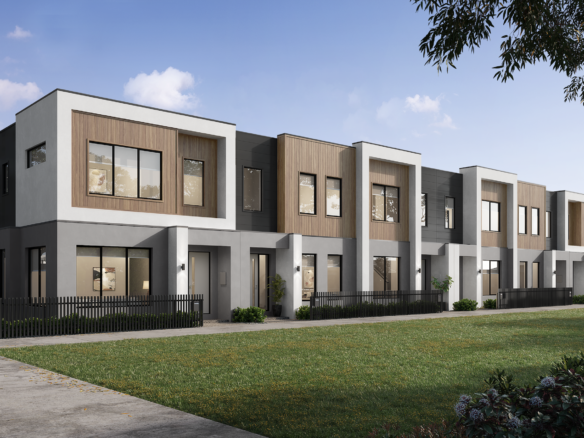
Brand new townhouses in Western Australia are becoming an increasingly popular housing option for buyers seeking a balance between apartment living and standalone homes. As urban areas continue to grow and housing preferences evolve, more people are looking for properties that offer both functionality and lifestyle appeal. Townhouses provide that middle ground—delivering space, privacy, and modern design without the full responsibilities that come with a detached house. Whether you are a first-home buyer, a growing family, a downsizer, or an investor, townhouses present a compelling and versatile option in today’s property market.
Why Choose a Townhouse?
Townhouses offer a unique combination of features that appeal to a wide range of buyers. Unlike apartments, which are often limited in size and layout, townhouses typically span multiple levels. This separation of space allows for a more house-like feel, with distinct areas for living, dining, sleeping, and even working from home.
Another major advantage is privacy. Most townhouses come with private entrances, meaning you don’t have to share hallways, lifts, or common entry points with dozens of other residents. This creates a more personal and secure living environment, which is particularly appealing for families and professionals alike.
In addition, many townhouses include small outdoor spaces such as courtyards, balconies, or even compact gardens. These areas provide an opportunity to enjoy fresh air, entertain guests, or create a relaxing retreat without the upkeep of a large backyard.
From a practical standpoint, townhouses generally require less maintenance than standalone homes. There is less land to manage, and in many developments, external maintenance is handled through strata or body corporate arrangements. This makes townhouses an ideal choice for busy individuals or those who prefer a low-maintenance lifestyle.

Modern townhouse developments also emphasize contemporary design and functionality. Open-plan living areas create a sense of space and flow, while kitchens are often fitted with high-quality appliances, stone benchtops, and sleek cabinetry. Energy-efficient features such as double glazing, solar panels, and water-saving systems are increasingly common, making new townhouses both environmentally friendly and cost-effective to run.

Ideal Locations in WA
One of the key reasons for the growing popularity of townhouses in Western Australia is their strategic location. Many townhouse developments are situated in well-connected suburban areas, offering easy access to essential amenities such as schools, shopping centers, healthcare facilities, and public transport.
Perth remains the central hub for townhouse developments, with projects emerging in both inner-city areas and surrounding suburbs. Inner-city townhouses are particularly attractive to professionals who want to be close to work, entertainment, and dining options. On the other hand, suburban developments appeal to families seeking a quieter lifestyle while still being within commuting distance of the city.
Growing suburbs are especially popular for new townhouse projects. These areas often offer better affordability compared to established inner-city locations, while still providing access to modern infrastructure and community facilities. Buyers can enjoy a sense of space and community without sacrificing convenience.
Proximity to parks, walking trails, and recreational facilities further enhances the appeal of townhouses. Families with children benefit from nearby playgrounds and schools, while active individuals appreciate access to outdoor activities. This balance of urban convenience and natural surroundings is a major drawcard for many buyers.
Investment Opportunities
From an investment perspective, brand new townhouses in WA offer strong potential. One of their biggest advantages is their broad appeal to tenants. Unlike apartments, which may primarily attract singles or couples, townhouses can accommodate families, shared living arrangements, and professionals who require more space.
This wider tenant base can lead to lower vacancy rates and more stable rental income. Additionally, new townhouses often command higher rental returns due to their modern features, energy efficiency, and overall appeal.
Maintenance costs are another important consideration for investors. Because townhouses are newly built, they typically require fewer repairs and less ongoing maintenance compared to older properties. This can help improve overall investment returns and reduce unexpected expenses.
As demand for medium-density housing continues to grow, townhouses are well-positioned to benefit from long-term capital growth. Urban planning trends increasingly favor developments that maximize land use while maintaining liveability, and townhouses fit perfectly within this model. Over time, this demand is expected to support property values and create solid appreciation opportunities.
Lifestyle Advantages
Townhouses offer a flexible and comfortable lifestyle that suits a variety of living arrangements. With multiple bedrooms and living areas, they are ideal for families who need space to grow. At the same time, they work well for professionals who want a dedicated home office or extra room for guests.
Shared living is another area where townhouses excel. Housemates can enjoy separate levels or bedrooms, providing both independence and communal living spaces. This makes townhouses a practical option for young professionals or students looking to share accommodation.
Many townhouse developments also include shared amenities such as landscaped gardens, communal courtyards, and recreational spaces. These features foster a sense of community while still allowing residents to maintain their privacy.
Energy efficiency is an increasingly important consideration for modern buyers, and new townhouses are often designed with sustainability in mind. Features such as energy-efficient lighting, insulation, and solar power systems help reduce environmental impact while lowering utility bills. Over time, these savings can make a significant difference in overall living costs.
Security is another advantage. Townhouse developments often include secure parking, gated access, and well-lit common areas, providing peace of mind for residents.
What to Consider Before Buying
While townhouses offer many benefits, it’s important for buyers to carefully evaluate their options before making a purchase. One of the key factors to consider is the layout. Since townhouses are typically multi-level, buyers should ensure that the design suits their lifestyle. For example, families with young children or elderly residents may prefer layouts with fewer stairs.
Location remains a critical factor. Buyers should assess not only current convenience but also future growth potential. Areas with planned infrastructure developments, new schools, or transport upgrades may offer better long-term value.
Resale value is another important consideration. Choosing a townhouse in a desirable location with high-quality construction can make it easier to sell in the future and achieve a good return.
Costs associated with townhouse ownership should also be carefully reviewed. These may include strata fees, maintenance contributions, and insurance. While these costs are often lower than maintaining a standalone home, they still need to be factored into the overall budget.
Researching the developer and builder is essential. A reputable developer is more likely to deliver a high-quality product on time and with fewer issues. Buyers should review past projects, read reviews, and, if possible, inspect completed developments.
The Buying Process
Many brand new townhouses in WA are sold off-the-plan, meaning buyers purchase the property before construction is completed. This approach offers several advantages, including the ability to secure a property at current prices and potentially benefit from value growth during the construction period.
Off-the-plan purchases may also provide some level of customization, allowing buyers to choose finishes, colour schemes, or upgrades depending on the stage of construction.
However, there are also risks involved. Construction delays, market fluctuations, and differences between the final product and initial plans are all factors to consider. It is crucial for buyers to carefully review contracts, understand all terms and conditions, and seek professional advice where necessary.
Financing is another important aspect of the buying process. Buyers should ensure they have pre-approval from lenders and understand how loan conditions may change between the time of purchase and settlement.
Future Outlook
The demand for brand new townhouses in Western Australia is expected to remain strong in the coming years. Population growth, urban expansion, and changing lifestyle preferences are all contributing to increased interest in medium-density housing.
As cities become more densely populated, the need for efficient and well-designed housing solutions will continue to rise. Townhouses offer an ideal balance between space and affordability, making them a key component of future housing developments.
Government policies and urban planning initiatives are also likely to support the growth of townhouse developments. By encouraging higher-density living in strategic locations, these initiatives aim to improve infrastructure efficiency and reduce urban sprawl.
Conclusion
Brand new townhouses in Western Australia offer an excellent balance of space, convenience, and modern living. They combine the best aspects of apartment and standalone home living, providing flexibility, privacy, and contemporary design in one package.
Whether you are a family looking for room to grow, a professional seeking a low-maintenance lifestyle, or an investor searching for a reliable opportunity, townhouses present a strong and appealing choice. With their growing popularity and long-term potential, townhouses are set to play an increasingly important role in WA’s dynamic real estate market.
Author




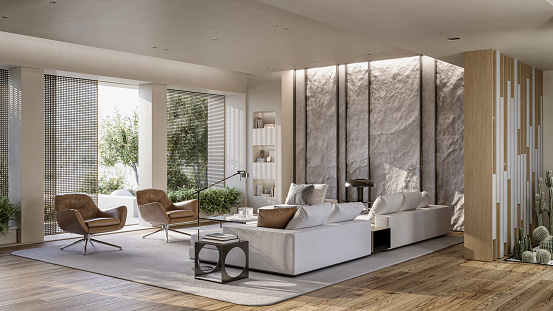
A well-designed space does more than look attractive. It shapes how people move, work, relax, and interact with their surroundings. When you enter a thoughtfully planned room, you often notice a sense of balance right away. The furniture feels purposeful, the lighting works naturally, and every area serves a clear function.
For that reason, professional interior design plays an important role in residential and commercial projects. Experienced designers combine creativity with practical planning. They consider the size of the space, daily activities, materials, lighting, safety, and long-term usability. As a result, they can turn an ordinary interior into a comfortable and inspiring environment.
Turning Ideas Into Practical Designs
Every successful project starts with an idea. However, a concept alone cannot create a finished interior. Designers must turn that vision into a practical plan that contractors and other professionals can follow.
This process starts with understanding the client’s goals. Designers discuss preferences, lifestyle needs, project budgets, and functional requirements. They then study the existing structure and identify opportunities for improvement.
Next, they develop preliminary layouts and visual concepts. These plans help everyone understand how the finished space could look and function. Designers can also test different furniture arrangements, color combinations, lighting options, and material choices before construction begins.
This early planning makes a major difference. It helps identify potential problems before they become expensive construction issues. Furthermore, clear documentation gives contractors reliable information throughout the project.
Creating a Strong Foundation With Spatial Planning
Good spatial planning forms the foundation of any successful interior. Designers first study how people will use the room. They consider walking paths, furniture placement, storage requirements, natural light, and access points.
For example, a busy office needs clear circulation areas. A family kitchen needs practical work zones and enough storage. Similarly, a luxury bedroom may require a careful balance between comfort, privacy, and visual appeal.
Once designers understand these requirements, they develop initial floor plans. They may create several options before selecting the strongest solution. This approach gives clients an opportunity to compare ideas and make informed decisions.
Afterward, designers refine the selected concept. They choose finishes, fixtures, furniture, lighting, and decorative elements that support the overall vision. Therefore, every decision contributes to a cohesive interior rather than creating a collection of unrelated features.
The Importance of Accurate Technical Drawings
Interior design involves much more than colors and furniture. Construction teams need precise technical information before they can build complex features correctly.
Design drafting services provide detailed drawings that communicate important dimensions and construction requirements. These documents can show wall layouts, ceiling details, electrical locations, cabinetry dimensions, and other essential information.
Accurate drawings also help reduce misunderstandings between designers, contractors, and fabricators. Everyone can work from the same information. Consequently, the project can move forward with fewer interruptions.
Existing buildings create another challenge. Renovation projects often involve walls, pipes, electrical systems, and structural elements that differ from original plans. As-built drawings services can document the current conditions of a property. Designers can then create new plans that work with the existing structure.
Modern CAD drafting also makes coordination easier. Teams can identify potential conflicts before construction begins. For instance, a planned cabinet might interfere with an existing electrical outlet. Designers can spot the issue in the drawings and adjust the design before workers begin installation.
Using 3D Rendering to Visualize the Result
Traditional drawings can explain a design, but 3D rendering takes visualization much further. Realistic digital models allow clients to see how materials, colors, furniture, and lighting could work together.
This technology gives clients greater confidence before they commit to expensive materials or construction work. They can explore different finishes and make changes early in the process.
For example, a designer might create two versions of a living room. One could feature warm wood tones, while another could use lighter finishes. Clients can compare both options and choose the one that better matches their preferences.
Commercial projects benefit from this approach as well. Businesses can review reception areas, offices, restaurants, hotels, and other spaces before construction begins. As a result, 3D visualization can make complex design decisions easier to understand.

Bringing Custom Features to Life
Custom furniture and architectural details can give an interior a unique identity. However, custom fabrication requires accurate information. Millworkers and fabricators need exact dimensions and clear specifications before they start production.
Interior shop drawing services provide this essential information. These drawings can detail custom cabinets, wall panels, reception desks, shelving, doors, and other built-in features.
Clear shop drawings also improve coordination. Fabricators can produce components accurately in their workshops. Then, installation teams can place those components on-site with greater confidence.
This process saves time and reduces unnecessary adjustments. Instead of cutting and modifying materials repeatedly at the construction site, workers can follow precise specifications from the beginning.
The Value of Professional Interior Design
Professional design offers benefits that extend well beyond appearance. A carefully planned interior can improve comfort, productivity, and property value.
In homes, thoughtful layouts can make daily routines easier. Better storage reduces clutter, while effective lighting can create a more comfortable atmosphere. Durable materials can also reduce maintenance requirements over time.
Commercial spaces gain similar advantages. An efficient office layout can support employee collaboration and productivity. A well-planned retail environment can guide customers through the space naturally. Likewise, hospitality interiors can create memorable experiences that encourage visitors to return.
Professional designers also help clients spend their budgets wisely. They understand how materials, dimensions, and construction decisions affect overall costs. Instead of making expensive changes later, clients can resolve many decisions during the planning stage.
Transforming Spaces With a Balanced Approach
Transforming Spaces requires both creativity and technical knowledge. A beautiful concept means little if people cannot use the space comfortably. Likewise, a highly functional room may feel uninspiring without thoughtful visual design.
Professional designers bring these two elements together. They balance aesthetics, practicality, safety, and budget throughout the project. They also coordinate with contractors, engineers, fabricators, and other specialists to keep the project moving smoothly.
This collaboration creates a stronger connection between the original concept and the finished interior. Each stage supports the next, from initial sketches to technical drawings, digital visualization, fabrication, and installation.
Making Your Interior Vision a Reality
Transforming Spaces starts with understanding how people want to live or work within an environment. From there, professional designers develop solutions that combine purpose with personality.
Whether you are planning a residential renovation, corporate office, hospitality project, or commercial development, careful design can make a significant difference. Accurate documentation reduces construction problems. 3D visualization improves decision-making. Custom fabrication adds individuality by interior design. Most importantly, professional planning helps create an interior that continues to serve its purpose long after construction ends.
Transforming Spaces does not simply mean changing the appearance of a room. It means creating environments that support real people and real activities. With the right design team, technical expertise, and clear project strategy, an ordinary structure can become a functional and memorable place. Ultimately, Spaces means bringing creative ideas and practical solutions together. When every detail has a purpose, the finished environment can feel natural, efficient, and inspiring for years to come.
Final Thoughts
Professional interior design brings creativity, functionality, and technical planning together. Transforming Spaces becomes easier when every detail supports how people live, work, and interact with their environment. With careful planning, accurate documentation, and thoughtful design choices, any interior can become more comfortable, practical, and visually appealing.
Author



Buying a home is a major financial decision. It also carries an emotional value because a home often represents stability, comfort, and future security. For many buyers in the NCR region, Noida Extension, also known as Greater Noida West, has emerged as an appealing residential destination.
The area offers modern housing societies, improving infrastructure, and access to essential facilities. At the same time, property prices can remain more approachable than those in several established parts of Noida.
So, is a 2 BHK Flat in Noida Extension a smart investment? The answer depends on your budget, purpose, preferred location, and investment timeline. Before making a decision, you should understand both the opportunities and the risks.
Why Noida Extension Continues to Attract Buyers
Noida Extension has experienced significant residential development over the years. Developers have introduced apartments, gated communities, and projects with modern lifestyle amenities. As a result, buyers now have several housing options to consider.
The location also appeals to people who want better connectivity without paying the prices associated with some mature NCR markets. Residents can access Noida, Greater Noida, Ghaziabad, and other parts of the region.
Moreover, the growth of schools, healthcare facilities, retail outlets, and daily conveniences can support future residential demand. These factors can make the area relevant for both homebuyers and property investors.
Why Choose a 2 BHK Home?
A 2 BHK configuration often provides a practical middle ground. It gives buyers more space than a one-bedroom home without the higher cost that often comes with a larger three-bedroom property.
This format can suit couples, small families, working professionals, and first-time buyers. Investors can also consider it because a wider group of tenants may find this type of home suitable.
For example, families may need an additional bedroom for children or guests. Working professionals may prefer the extra space for a home office. Therefore, a 2 BHK can serve different requirements and may offer greater flexibility.
Consider the Complete Cost Before Buying
Affordability often attracts buyers to Noida Extension. However, you should never judge a property only by its advertised price. The final cost can include stamp duty, registration fees, applicable taxes, maintenance deposits, parking charges, club-related expenses, loan interest, and interior costs. These expenses can significantly affect your overall budget.
Therefore, prepare a complete financial plan before booking a property. Also, keep an emergency fund instead of using every available rupee for the purchase.
Rental Demand Can Be an Important Factor
Investors often consider rental income when evaluating residential property. A well-positioned 2 BHK Flat in Noida Extension may appeal to families and professionals working across Noida, Greater Noida, and nearby employment hubs.
However, rental income does not depend on the apartment alone. Several factors can influence tenant demand.
These include the society’s location, transportation options, nearby workplaces, schools, hospitals, security, maintenance, and available amenities. Furnished or semi-furnished homes may also attract a different tenant segment.
Consequently, investors should research actual rental demand in the specific neighborhood. Do not rely only on general claims about the area’s growth.
Think About Long-Term Appreciation
Property appreciation can provide attractive returns, but no location can guarantee future price growth. Market conditions, infrastructure projects, demand, supply, and economic changes can all influence property values.
Before investing, examine the area’s development plans and current infrastructure. Check road connectivity, public transportation, commercial growth, educational facilities, and healthcare services.
You should also study the supply of new housing projects. If several similar properties enter the market at the same time, competition among sellers and landlords can increase. A sensible investor looks at the complete picture instead of depending on promotional promises.
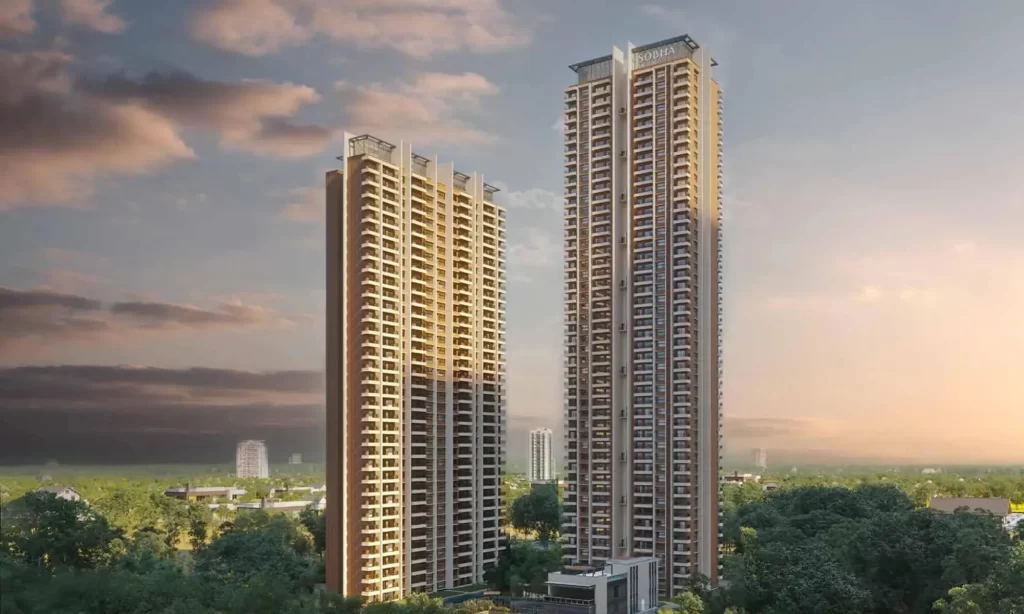
Ready-to-Move or Under-Construction?
Both options have advantages. A ready-to-move property lets you inspect the actual apartment, construction quality, society, and surrounding neighborhood. You can also assess traffic, accessibility, and nearby facilities before making your decision. In some cases, buyers can start using or renting the property soon after completing the purchase.
On the other hand, an under-construction project may provide more unit choices and different payment options. It may also offer potential for value growth during the development period.
However, buyers must examine the developer’s delivery record, approvals, project status, and applicable regulatory details. A lower initial price does not automatically make an under-construction property a better investment.
Location Should Guide Your Decision
Two projects can offer similar apartments but deliver very different investment results. The reason is simple: location affects convenience, rental demand, resale interest, and everyday living.
Before purchasing, visit the project personally. Check the approach roads and observe traffic during different times of the day. Also, identify nearby schools, hospitals, markets, banks, offices, and transportation options.
Pay attention to the neighborhood as well. Existing development matters, but realistic future development can also influence long-term value. In short, never choose a property solely because its brochure looks impressive.
What Business Owners Should Consider
Business owners may view residential property as part of a broader asset-building strategy. A 2 BHK can potentially support personal use, family accommodation, or rental income, depending on the buyer’s circumstances and applicable rules. However, real estate can tie up a substantial amount of capital. Business owners should therefore consider liquidity before investing.
If the business may require funds for expansion, working capital, or emergencies, putting too much money into one property could create financial pressure. A property investment should complement your financial strategy rather than weaken it.
Complete Due Diligence Before Booking
Before purchasing, research the developer and its previous projects. Look at construction quality, delivery history, customer experiences, and overall reputation.
Next, verify the property’s legal documents and applicable approvals. Where relevant, check the project details with the appropriate real estate regulatory authority.
You should also understand the actual carpet area. The super built-up area can look attractive in advertisements, but the carpet area gives you a clearer idea of the usable living space.
Finally, 2 BHK Flat compare several projects. Evaluate their prices, carpet areas, construction quality, amenities, maintenance charges, connectivity, and developer credibility.
Understand the Possible Risks
Real estate investments carry risks. Some areas may have a large supply of similar apartments. Under-construction projects may face delays. Market conditions can also change, which may affect rental income and resale prices.
Maintenance costs can rise as societies mature. Furthermore, property sales can take time when market liquidity falls. For this reason, buyers should avoid assuming that every property will generate quick profits. A realistic approach can help you manage expectations and make better financial decisions.
Who Can Consider Buying?
A 2 BHK Flat in Noida Extension can suit end users who want practical living space and access to modern amenities. It can also work for families planning to stay in the property for several years.
Long-term investors may consider the area if they find a property with strong fundamentals and a reasonable purchase price. Rental-focused investors should prioritize locations with convenient access to employment hubs and everyday facilities. The right choice ultimately depends on your personal financial situation and investment objective.
Final Thoughts
A 2 BHK Flat in Noida Extension can offer a practical combination of affordability, space, amenities, and connectivity. The area’s continued residential development may also create opportunities for rental demand and long-term appreciation.
However, location alone does not guarantee a successful investment. You need to evaluate the exact project, purchase price, developer, legal status, construction quality, rental demand, maintenance costs, financing expenses, and expected holding period.
Therefore, take your time, compare multiple properties, visit shortlisted projects, and complete proper financial and legal checks. With careful research and realistic expectations, buying a 2 BHK can become a sensible part of your long-term property strategy.
Author


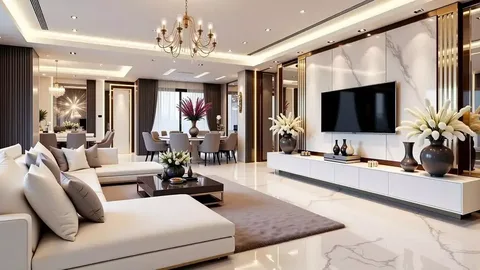
A well-designed home is not only about appearance; it is about creating a space that improves comfort, reflects personal style, and supports everyday living. Whether you are moving into a new apartment, designing a villa, or renovating an existing property, the right interior planning can completely transform your experience. Professional interior designers bring together creativity, functionality, and practical solutions to make every corner of your home more valuable.
Many homeowners believe that hiring an interior designer requires a large budget. However, modern interior design has become more accessible because professional companies now provide customized solutions for different price ranges. If you are searching for the Best home interior designers in Hyderabad, choosing a team that understands your requirements can help you achieve a stylish and functional home without unnecessary expenses.
Why Interior Design Matters for Modern Homes
Interior design involves much more than selecting furniture, paint colors, or decorative items. It focuses on creating a balanced environment where every element works together to improve comfort and usability. A professionally designed home considers space planning, storage requirements, lighting, materials, and lifestyle needs before creating the final layout.
Every room has a different purpose, and good design ensures that each area supports its function effectively. Designers carefully plan furniture placement, color combinations, lighting arrangements, and storage solutions to create a home that feels organized and comfortable. This thoughtful approach helps homeowners use their available space efficiently while maintaining a visually appealing atmosphere.
Growing Demand for Interior Designers in Hyderabad
Hyderabad has experienced significant residential growth in recent years. The city continues to develop with modern apartments, luxury villas, gated communities, and independent homes. As more people invest in new properties, the demand for professional interior design services has increased rapidly.
Today’s homeowners want more than basic decoration. They look for personalized interiors that match their lifestyle, preferences, and long-term needs. This growing demand has made finding the Best home interior designers in Hyderabad an important decision for property owners who want quality results without facing expensive mistakes during the design process.
What Makes the Best Home Interior Designers in Hyderabad?
Selecting an interior designer requires more than comparing service costs. A reliable design company should provide complete support from the initial consultation to the final installation. Experienced professionals understand how to combine creativity with practical execution to deliver successful projects.
Important qualities to consider include:
- Customized design planning
- Experienced design professionals
- Clear and transparent pricing
- Quality materials and finishes
- Timely project delivery
- Functional and modern layouts
- Strong customer communication
- Complete turnkey solutions
The best designers begin by understanding your lifestyle, preferences, budget, and expectations. This allows them to create interiors that feel personal rather than using a standard design approach.
Affordable Interior Designers in Hyderabad Can Create Premium Spaces
Many homeowners assume affordable interior services mean lower-quality results. However, experienced Affordable interior designers in Hyderabad focus on smart planning and efficient execution to provide maximum value. They help clients achieve elegant interiors by selecting suitable materials, improving space usage, and prioritizing features that offer long-term benefits.
Affordable design is not about reducing quality; it is about making better decisions. Professional designers understand where to invest and where to save, ensuring that important areas receive attention without unnecessary spending. This approach allows homeowners to create attractive interiors while staying within their planned budget.
Complete Interior Design Services for Homes
Professional interior designers offer a wide range of services to meet different residential requirements. From individual rooms to complete home transformations, experienced teams manage every stage of the design process.
Living Room Interior Design
The living room often represents the personality of a home because it is where families relax and guests spend time. Designers carefully select furniture layouts, lighting, wall treatments, TV units, and decorative elements to create a welcoming environment.
A well-planned living room balances comfort with visual appeal. Proper furniture placement improves movement, while suitable colors and lighting create a warm and attractive atmosphere.
Modular Kitchen Design
The kitchen is one of the most important areas of any home. Modern modular kitchen designs focus on improving efficiency through organized storage, functional layouts, and stylish finishes.
Professional designers consider cabinet placement, countertops, appliances, lighting, and workflow before creating the final design. A well-designed kitchen makes daily activities easier while adding significant value to the home.
Bedroom Interior Design
Bedrooms should provide comfort, privacy, and relaxation. Designers focus on creating peaceful spaces through thoughtful furniture arrangements, suitable lighting, storage solutions, and calming color themes.
Customized wardrobes, bedside units, and space-saving furniture help maximize functionality without making the room feel crowded. The result is a comfortable environment that supports rest and personal well-being.
Customized Wardrobe Design
Storage plays an important role in maintaining an organized home. Customized wardrobes allow homeowners to maximize available space while maintaining a clean and stylish appearance.
Modern wardrobe options include sliding wardrobes, modular storage systems, and walk-in closet designs. Professional planning ensures that storage solutions match the room layout and daily requirements.
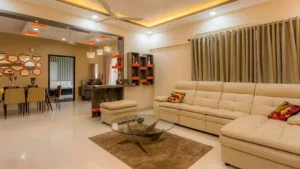
False Ceiling and Lighting Design
False ceilings add elegance while improving the functionality of interior spaces. They can hide electrical wiring, support modern lighting arrangements, and create a more refined appearance.
Designers use different ceiling patterns, lighting combinations, and materials to enhance the overall look of living rooms, bedrooms, and other areas. Proper lighting design can also influence the mood and comfort of a space.
Dining Area and Home Office Design
Dining spaces should encourage comfortable family interactions while maintaining harmony with nearby rooms. Designers create layouts that improve movement and create a pleasant dining experience.
With remote work becoming more common, home offices have also become essential. Interior professionals design productive workspaces with suitable furniture, lighting, storage, and layouts that support focus and comfort.
Benefits of Hiring Professional Interior Designers
Working with experienced interior designers provides several advantages beyond attractive decoration. Professional guidance helps homeowners make better decisions throughout the entire project.
Better Space Planning
Designers analyze available space and create layouts that improve movement, storage, and functionality. This prevents wasted areas and ensures every part of the home serves a useful purpose.
Better Budget Control
Professional designers help manage expenses by recommending suitable materials and avoiding unnecessary purchases. Their experience allows homeowners to achieve better results while staying within budget.
Access to Quality Materials
Reliable interior companies understand material selection and recommend products that provide durability, style, and long-term performance. This helps homeowners avoid low-quality choices that may create future maintenance problems.
Faster Project Completion
Interior projects involve multiple stages, including planning, purchasing, installation, and coordination. Experienced professionals manage these tasks efficiently and reduce unnecessary delays.
Latest Home Interior Design Trends in Hyderabad
Modern homeowners are increasingly choosing designs that combine beauty with practicality. Popular interior trends in Hyderabad include:
- Minimalist home designs
- Neutral color combinations
- Wooden finishes
- Smart home technology
- Modular furniture
- Sustainable materials
- Open kitchen layouts
- Space-saving storage solutions
- Glass partitions
- Decorative lighting designs
These trends create homes that feel modern while maintaining long-term visual appeal. The focus is shifting toward comfortable spaces that support changing lifestyles.
How to Choose the Right Interior Designer
Choosing the right company is one of the most important steps in any interior project. Homeowners should carefully evaluate experience, design quality, communication style, and pricing before making a decision.
Consider the following points:
- Review previous design projects and portfolios.
- Understand the complete design process.
- Compare services and pricing details.
- Ask about expected completion timelines.
- Check material quality and warranty options.
- Read customer feedback.
- Maintain clear communication throughout the project.
A trusted interior designer should make the process transparent and guide you through every important decision.
Why Affordable Interior Designers Are Becoming Popular
Affordable interior design has become increasingly popular because homeowners want premium-looking spaces without unnecessary financial pressure. Professional designers now offer flexible packages that suit different property types, including apartments, villas, and independent houses.
The goal of affordable design is to achieve maximum value through smart decisions. By combining creative ideas, efficient planning, and durable materials, designers can create beautiful interiors that remain practical for years. Cost-effective design does not limit creativity; instead, it focuses on using resources wisely.
Final Thoughts
A thoughtfully designed home improves comfort, functionality, and everyday experiences. Whether you want a modern apartment, a luxurious villa, or a practical family residence, professional interior designers can help transform your ideas into reality.
The Best home interior designers in Hyderabad combine creativity, technical expertise, and customer-focused service to create personalized spaces. Meanwhile, Affordable interior designers in Hyderabad make stylish and functional interiors accessible to homeowners with different budgets.
By choosing a trusted interior design company that understands your vision, uses quality materials, and follows a professional approach, you can create a home that remains beautiful, comfortable, and valuable for many years.
Author



Cash Only A Modern Approach to Everyday Streetwear

Kentucky Bourbon Trail Tours What Is Included and How to Plan a Trip

Point Cloud to BIM for Renovation Projects: From 3D Scanning

Malware Protection Solutions for Business Data Security

Balance With Dedicated Oversight From the Best Virtual Psychiatrist

Make Gifts Memorable with Custom Shaped Rigid Boxes

Brooklyn Creativity, Streetwear, Art, and Fashion

CAD vs. BIM: Which Workflow Is Right for Your Project?

Top 25 Podcast Marketing Firms Based in the United States

QuickBooks Bank Feeds Not Working: Expert Fix Guide

Cybersecurity Consulting Company SequelNet Provides Critical IT Support Services to Medical Billing Firm, Medical Optimum

Meet the Megalodon: The Shark Star of ‘Meg 2’

Reduce Video Game Lag: Level Up Your Gaming Performance

Balancing India’s Entertainment: Cricket vs. Bollywood

Jetsetter’s Secrets: Unveiling Our Favorite Travel Hacks for a Seamless Adventure

The 5 Best Live Sports Streaming Sites: Legal and Exciting!

Hollywood Labor Unrest: The Impact of ‘What About Us?’ Strikes

Unveiling the Magic of Dream Fulfillment at the Late NBA Draft

Illuminate Your Skin: Dr. Axe Unveils Natural Remedies for Lightening Knees and Elbows

Bright Choices: Navigating the Pros and Cons of Skin Whitening Creams with Dr. Axe
-

 Business3 years ago
Cybersecurity Consulting Company SequelNet Provides Critical IT Support Services to Medical Billing Firm, Medical Optimum
-
Entertainment3 years ago
Meet the Megalodon: The Shark Star of ‘Meg 2’
-
Entertainment3 years ago
Reduce Video Game Lag: Level Up Your Gaming Performance
-
 Sports3 years ago
Balancing India’s Entertainment: Cricket vs. Bollywood
-
Entertainment3 years ago
Jetsetter’s Secrets: Unveiling Our Favorite Travel Hacks for a Seamless Adventure
-
Productivity3 years ago
The 5 Best Live Sports Streaming Sites: Legal and Exciting!
-
Art /Entertainment3 years ago
Hollywood Labor Unrest: The Impact of ‘What About Us?’ Strikes
-
Sports3 years ago
Unveiling the Magic of Dream Fulfillment at the Late NBA Draft






