
Home Garden
Exterior Architecture Renderings: A Complete Easy Guide

By

Reviewed
By Alice Green
Introduction
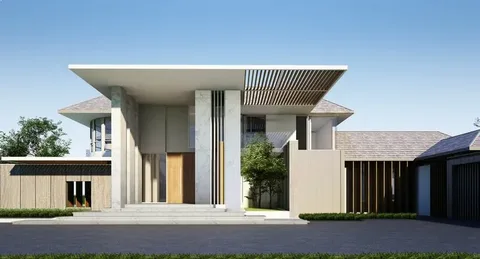
When you hear the term exterior architecture renderings, it may sound technical, but it simply means digital pictures or videos that show how a building will look before it is built. These renderings are made with the help of computer software that turns 2D designs into 3D visuals. They allow architects, homeowners, and builders to see the future appearance of a property in a realistic way.
In the past, people had to rely on blueprints or hand-drawn sketches to imagine a house or building. Now, with 3D exterior rendering and architectural visualization, it is possible to see the full design, lighting, and textures in detail before the first brick is even placed.
What Are Exterior Architecture Renderings?
Exterior architecture renderings are digital representations of the outside of a building. They show how the project will look after construction, including its walls, windows, roof, landscaping, and even the sunlight or shadows around it. These images are often called photorealistic renderings because they look almost like real photographs.
They are used by architects and designers to explain their ideas to clients clearly. Many times, homeowners struggle to understand 2D plans. A 3D rendering helps them visualize every corner of the house how the materials, colors, and design will appear together.
For example, if someone is building a modern home with glass walls, a rendering can show exactly how the house will reflect light during the day or at night. It removes guesswork and helps make better design decisions.

How Are Exterior Renderings Made?
Creating an architectural rendering is a careful process. First, designers collect the project details — like layout, floor plans, and style preferences. Then they use special software to build a 3D model of the structure.
Once the model is ready, materials such as stone, wood, paint, and metal textures are added to give a realistic appearance. Lighting and shadows are also adjusted to match natural daylight or evening scenes. After that, the image is rendered, which means the computer processes it into a lifelike picture.
Finally, small details like trees, cars, and people are added to make the environment look real. The result is a high-quality architectural visualization that shows the complete look of the building exterior.
Different Types of Exterior Renderings
Not all renderings are the same. Depending on the purpose, architects use different styles. Some renderings are made for marketing and show perfect, lifelike images of luxury homes or offices. Others are created during the design phase to test materials or structures.
A common type is the aerial or bird’s-eye view rendering, which shows the building from above and gives a sense of scale. Another is the 360-degree virtual tour, which allows users to move around the design on their screens, exploring every angle.
There are also day and night renderings, which show how the property looks under different lighting conditions. These types help clients understand the design better and visualize the real-life setting.
Why Exterior Renderings Are So Useful
One of the biggest advantages of exterior 3D renderings is that they help everyone involved in a project communicate more easily. A visual image speaks louder than a technical plan. When clients can see what they are getting, they feel more confident about the project.
Renderings also reduce confusion and save time. Instead of making costly changes during construction, designers can adjust materials, colors, or layouts on the computer before building starts.
For real estate developers, renderings are a strong marketing tool. They can show potential buyers exactly how a property will look once completed, even if it’s still under construction. These visuals help attract investors and customers faster.
Architects also use renderings to present their ideas to city planners or approval boards. It becomes easier to explain how the design fits within the surrounding environment.
Real-World Use of Architectural Visualization
Imagine a family planning to build their dream home. They have ideas about the color, design, and outdoor space, but it’s hard to picture everything together. With architectural visualization, the designer creates realistic images showing the front yard, driveway, and walls in detail. The family can see how the final home will look and decide if any changes are needed before construction begins.
In another case, a property developer wants to market an apartment project. Instead of showing empty blueprints, they use 3D architectural renderings that display every exterior element gardens, balconies, parking areas, and lighting. This helps potential buyers connect emotionally with the property.
These real-life uses show how rendering technology has made design and communication much easier for everyone.
Exterior vs. Interior Renderings
While exterior renderings focus on the outside of the building, interior renderings show the inside spaces. Both are part of architectural visualization, but they serve different goals.
Exterior visuals highlight the building’s structure, surroundings, and materials, while interior visuals emphasize layout, furniture, and lighting inside rooms. Together, they give a complete understanding of the project before construction even starts.
For example, an architect might show a client how sunlight enters the living room through the glass walls seen in both the exterior and interior renderings. This combined approach gives a clear view of how everything connects.
Choosing the Right Exterior Rendering Company
Selecting a reliable architectural visualization studio is important. A good company understands design principles and uses the latest rendering software to create realistic visuals. Always check their portfolio and past projects to see the quality of their work.
Clear communication also matters. The best teams listen to the client’s ideas and turn them into accurate visual models. Some advanced studios, such as Sophus.ai, use AI technology to speed up the process and create highly detailed renderings. These tools make it possible to produce lifelike results in less time, helping both architects and clients visualize the final design more effectively.
When you work with a professional rendering team, the process becomes smooth, and you get results that match your expectations closely.
Future of Exterior Architecture Renderings
The world of architectural rendering is changing quickly. Today, new technologies such as real-time rendering and virtual reality allow users to walk through a digital version of their project before it is built. Artificial intelligence and machine learning are also being used to improve lighting, materials, and visual accuracy automatically.
These innovations make rendering faster, more detailed, and more affordable for designers and homeowners. In the near future, clients may even use VR headsets to experience their homes before construction starts, choosing materials or colors instantly through virtual tools.
Conclusion
Exterior architecture renderings have completely changed how people plan and understand building projects. They turn complex blueprints into clear, lifelike visuals that everyone can understand. From architects and builders to homeowners and real estate developers, these renderings make design communication simple, efficient, and exciting.
Whether you are designing a new house or working on a commercial project, 3D exterior rendering helps you see the result before construction begins. It saves time, reduces confusion, and ensures that the final design matches your vision perfectly.
In short, architectural visualization is not just a tool; it is a bridge between imagination and reality — turning design ideas into visuals you can truly experience.
Author



Author


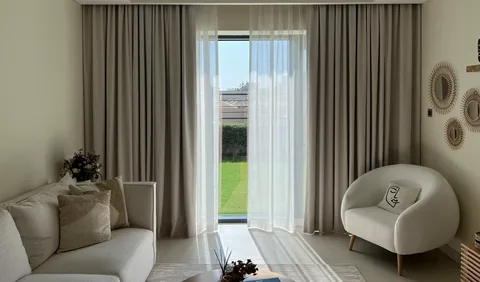
Silk curtains are more than just window treatments — they’re a statement of sophistication, luxury, and timeless style. In Dubai, where interior design often reflects modern elegance with a touch of opulence, silk curtains have become increasingly popular for living rooms, bedrooms, and upscale spaces.
In this blog, we’ll explore the beauty, benefits, and considerations of choosing silk curtains for your Dubai home.
What Are Silk Curtains?
Silk curtains are made from silk fabric — a natural fiber known for its glossy sheen, smooth texture, and elegant drape. Available in a range of styles from pure silk to silk blends (like silk–polyester or silk–linen mixes), these curtains bring a luxurious aesthetic that few other fabrics can match.
Whether you choose soft pastel tones or rich jewel hues, silk curtains create a warm, inviting ambience that instantly elevates any room.

Why Silk Curtains Are Perfect for Dubai Homes
1. Unmatched Elegance and Luxury
Silk curtains add a sense of grandeur and sophistication to any space. Their natural luster catches light beautifully, creating a soft shimmer that enhances the look of your living room or bedroom. Whether your décor is classic, contemporary, or eclectic, silk curtains fit perfectly — adding depth, texture, and a refined finish.
2. Light Reflection & Soft Ambience
Silk curtains gently diffuse incoming light, creating a soft, warm ambience in your room. Unlike heavier fabrics that block light abruptly, silk allows subtle light through — perfect for living rooms where you want natural light with a soft, elegant feel.
In Dubai’s bright climate, this balance between light and shade makes silk curtains especially appealing.
3. Ideal for Formal & Stylish Spaces
Silk curtains work wonderfully in spaces where aesthetic impact matters most — living rooms, formal seating areas, guest lounges, and master bedrooms. Their refined appearance makes them perfect for homes that emphasize style and presentation.
4. Adds Texture and Visual Depth
Silk’s unique texture adds dimension to interiors. Whether plain, printed, or embroidered, silk curtains add visual interest without overpowering the rest of your décor.
They also pair beautifully with other fabrics — like velvet cushions, linen sofas, or even sheer panel layers — creating a rich, layered look.
Types of Silk Curtains Commonly Used in Dubai
Here are the most popular silk curtain options homeowners choose:
Pure Silk Curtains
Made from 100% natural silk, these are the most luxurious and have the richest sheen and softest drape. Ideal for high-end interiors.
Silk Blend Curtains
Often blended with polyester or linen to improve durability while keeping a luxurious feel — excellent for everyday use.
Silk with Blackout Lining
Perfect if you want elegant style plus light-blocking functionality — ideal for bedrooms or media rooms.
Silk Panels with Sheer Layers
Combining silk curtain with sheer layers gives a versatile solution — luxurious by day, private by night.
Choosing the Right Silk Curtain for Your Living Room
When selecting silk curtain for your Dubai home, consider the following:
Color and Finish
Choose colors that complement your interior palette:
- Neutral Shades: Ivory, cream, beige — perfect for minimal or modern décor
- Rich Tones: Emerald, navy, gold — add luxury and depth
- Pastels: Soft blue, blush pink or champagne — ideal for light, airy rooms
Silk’s natural sheen amplifies color richness, so choose tones that harmonize with furniture, walls, and flooring.
Size and Length
Floor-to-ceiling silk curtains make small rooms feel grander and taller. For large living room windows, long, flowing panels create a dramatic, luxurious effect.
Lining and Functionality
Pure silk is delicate and beautiful but may not block sunlight entirely. Consider lining options:
- Blackout Lining: Blocks light fully — great for privacy and bedrooms.
- Thermal Lining: Helps with temperature control.
- Standard Lining: Reduces light slightly while preserving softness.
Choose lining based on your needs and room usage.
Care and Maintenance Tips for Silk Curtains
Silk is beautiful, but it requires some care:
- Professional Cleaning: Silk should be dry-cleaned — avoid washing at home
- Avoid Direct Sun Exposure: Too much direct sun can fade silk. Use sheers or blinds to protect fabric
- Rotation: Occasionally rotate panels to prevent uneven fading
- Gentle Handling: Pull curtains gently — silk fibers are delicate
Are Silk Curtains Worth It in Dubai?
Absolutely — especially in living rooms and formal spaces. Silk curtain bring:
- Timeless elegance and premium appearance
- Beautiful light diffusion
- A luxurious look that complements contemporary Dubai interiors
- A statement-making window treatment
While silk curtain may cost more than ordinary fabrics, their visual impact and refined appeal make them a worthy investment for homes that value sophistication and style.
Final Thoughts
Silk curtains are more than decorative fabric — they are a design statement. In Dubai’s luxury-focused environment, they complement high-end interiors, create soft lighting effects, and elevate your living space with unmatched elegance.
Whether you’re decorating a villa, apartment, or penthouse, silk curtains can transform your rooms into stylish, inviting spaces that reflect your taste and lifestyle.
Author


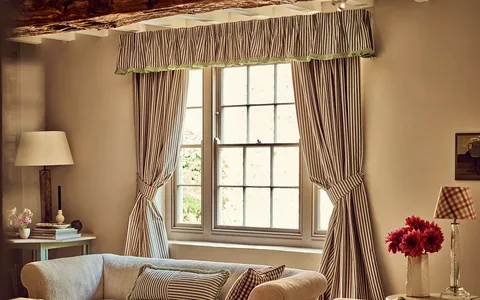
It’s 2026, and your living room has quietly transformed into something more versatile than ever before. This space now serves multiple roles throughout each day—morning coffee spot, occasional home office, gathering place for friends, and sanctuary for evening relaxation. Given how much happens here, it makes perfect sense that living room window curtains have evolved alongside these changing needs.
Today’s window treatments do far more than simply cover glass. They respond intelligently to shifting light, contribute to household wellness, and seamlessly blend technological convenience with natural materials. The result feels intuitive rather than complicated—curtains that support real life without demanding constant attention.
Let’s explore what’s shaping living room window curtains in 2026, focusing on practical trends that actually make daily life better.
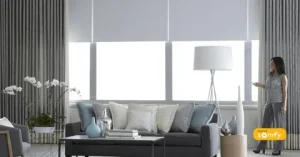
Five Fresh Trends Defining 2026 Curtains
Sensor-Driven Layered Curtains
Smart home technology has matured considerably, and window treatments reflect this evolution. The dramatic, attention-seeking automation of previous years has given way to something far more subtle and useful: layered systems that work quietly in the background.
Today’s living room window curtains typically combine sheer panels with functional liners that adjust automatically throughout the day. This isn’t about showing off technology—it’s about creating consistent comfort without requiring constant adjustments.
In actual homes, this looks like opacity that shifts based on natural daylight levels. Morning sun might trigger sheers to diffuse light gently, while afternoon glare prompts additional layers to engage. Voice assistants you already use can control settings, and simple apps allow schedule adjustments when needed.
The practical benefits matter most. Homeowners report reduced screen glare during work hours, softer light for evening relaxation, and better temperature control in regions with shifting sunlight patterns. Your living room simply feels more balanced throughout the day, without requiring you to constantly adjust curtains manually.
Bio-Based Performance Weaves
Environmental consciousness in home textiles has matured significantly. The rough, uninspiring eco-friendly fabrics of the past have given way to sophisticated materials that perform beautifully while treading lightly on the planet.
Bio-based and plant-derived weaves now feature prominently in living room window curtains, offering genuine comfort alongside environmental benefits. These aren’t compromise products—they’re thoughtfully engineered textiles designed for real-world performance.
Homeowners increasingly choose these materials for several practical reasons. The breathable fabrics suit both warm and humid climates exceptionally well, preventing that stuffy feeling that some synthetic curtains create. Low-allergen properties make them ideal for households with sensitivity concerns. The subtle natural texture adds visual warmth without heaviness, and these materials typically outlast fast-fashion decorative fabrics significantly.
The result supports both personal wellness and environmental values while looking completely refined and contemporary.
Light-Diffusing Surface Finishes
Bold prints and heavy embroidery have taken a backseat to something more subtle and arguably more sophisticated. Many 2026 interiors feature curtains designed specifically to play softly with natural light.
Light-diffusing living room window curtains incorporate micro-textures and carefully refined weaves that scatter sunlight gently across the room. This creates a luminous quality that changes throughout the day without darkening the space entirely.
Designers appreciate this approach for several compelling reasons. The visual depth created by diffused light makes compact living rooms feel more spacious and open. Harsh glare reduces significantly while maintaining connection to outdoors. The effect works beautifully with neutral, minimalist interiors that characterize contemporary design preferences.
For apartment dwellers especially, this approach proves valuable. Managing natural light carefully in smaller spaces transforms how the entire room feels throughout daylight hours.
Climate-Smart Curtain Hardware
Sometimes the most significant improvements happen where you least expect them. Curtain hardware has stepped into the spotlight in 2026, with rods and tracks becoming intentional design elements rather than hidden afterthoughts.
For living room window curtains, hardware now actively supports both comfort and aesthetics. Improved insulation at mounting points helps maintain indoor temperatures more consistently. Finished options like brushed brass and muted metallic add subtle elegance. Cleaner profiles suit modern interiors perfectly. Better engineering ensures compatibility with layered and motorized systems.
Quality hardware makes an immediate practical difference. Curtains hang better, move more smoothly, and last significantly longer. The entire window treatment feels intentional rather than added as an afterthought, elevating the whole room’s appearance.
Nature-Inspired Intelligent Prints
Patterns have returned to window treatments, but they’re softer and more thoughtful than previous generations of printed curtains. Rather than bold, attention-grabbing motifs, 2026 focuses on patterns drawn from nature’s geometry.
These living room window curtains feature subtle, repeating designs inspired by organic forms—leaves, waves, soft spirals, and natural textures. The effect is quietly detailed rather than dramatically patterned.
Designers increasingly recommend these prints because they create visual calm rather than distraction. They pair easily with solid upholstery and natural wood finishes that characterize contemporary interiors. Interest builds slowly, revealing itself over time rather than announcing itself immediately. This approach aligns perfectly with wellness-led interior concepts that prioritize comfort and relaxation.
Styling Your 2026 Living Room
Creating beautiful window treatments in 2026 relies more on proportion and intention than on decoration alone. A few straightforward principles yield consistently excellent results.
Hanging curtains higher than the window frame immediately creates the illusion of height and grandeur. This simple adjustment transforms how the whole room feels. Choosing floor-length panels ensures a clean, finished appearance that looks professionally designed. Layering sheers with functional curtains provides flexibility for changing needs throughout days and seasons. Letting texture do the work rather than relying on bold colors creates sophisticated interest that wears well over time.
These approaches work because they focus on fundamental design principles rather than fleeting decorative trends.
Practical Setup and Care
Installing modern living room window curtains doesn’t require professional expertise. Simple steps make the process straightforward and results professional.
Mount curtain rods approximately 15 to 20 centimeters above the window frame for optimal proportions. This height creates visual lift while remaining practical for daily use. Set smart layers according to your local daylight patterns—observe how light moves through your space and program automation accordingly. Air natural fabrics monthly to keep them fresh and prevent dust accumulation. Spot clean textured curtains when needed rather than washing frequently, which extends fabric life significantly.
These simple habits keep curtains beautiful longer while reducing unnecessary replacements.
Looking Forward
Living room window curtains in 2026 reflect thoughtful evolution rather than radical change. Smarter layering adjusts automatically to daily light patterns. Breathable bio-based fabrics contribute to household wellness. Finishes work quietly with light rather than fighting against it. Together, these developments create window treatments that feel less like decoration and more like genuine support for daily life.
Imagine curtains that simply feel right throughout every day—filtering harsh sunlight without blocking connection to outdoors, breathing naturally with your home’s environment, and lasting beautifully through seasons of real living. Thoughtful choices like textured natural fabrics, gentle light diffusion, or responsive layers reflect this direction, where quality and care guide design decisions.
This approach isn’t about chasing novelty for its own sake. It’s about choosing living room window curtains that genuinely support how your household lives now and how your home will evolve over time. The best window treatments hold everyday moments and quiet routines gracefully, year after year.
What small change would make your windows feel more like home? Sometimes the simplest adjustments—higher rods, softer fabrics, smarter layers—transform not just how a room looks, but how it feels to be in it.
Author



Standardized Reporting: Improve Workplace Safety & Compliance

Luxury Car Rental in Surat: Cars for Weddings, Events & Travel

Bariatric Surgery in Islamabad: Recovery & Long-Term Benefits

Application Modernization Services: For Legacy Systems

Chrome Hearts Hats: Iconic Trucker Caps & Luxury Streetwear

Application Modernization Services: Azure Solutions

Online Embroidery Designs: Tips & Modern Machine Techniques

Biopolymers Market: Trends, Growth & Sustainable Materials

Slice Master Game: Tips, Tricks & High-Score Strategies

Eyelid Surgery in Islamabad: Top Clinics for Blepharoplasty

Cybersecurity Consulting Company SequelNet Provides Critical IT Support Services to Medical Billing Firm, Medical Optimum

Team Communication Software Transforms Operations at Finance Innovate

Project Management Tool Transforms Long Island Business

How Alleviate Poverty Utilized IPPBX’s All-in-One Solution to Transform Lives in New York City

Breast Cancer: The Imperative Role of Mammograms in Screening and Early Detection

Unstoppable Collaboration: D.C.’s Citi Open and Silicon Valley Classic Unite to Propel Women’s Tennis to New Heights

Embracing Renewal: Sizdabedar Celebrations Unite Iranians in New York’s Eisenhower Park

The Benefits of Starting a Side Hustle for Financial Freedom

New Blood Donation Screening Questions What You Need to Know

Stylishly Timeless: The 5 Types of Sandals You Need in Your Closet
-

 Business3 years ago
Cybersecurity Consulting Company SequelNet Provides Critical IT Support Services to Medical Billing Firm, Medical Optimum
-
Business3 years ago
Team Communication Software Transforms Operations at Finance Innovate
-
Business3 years ago
Project Management Tool Transforms Long Island Business
-
Business3 years ago
How Alleviate Poverty Utilized IPPBX’s All-in-One Solution to Transform Lives in New York City
-
health3 years ago
Breast Cancer: The Imperative Role of Mammograms in Screening and Early Detection
-
Sports3 years ago
Unstoppable Collaboration: D.C.’s Citi Open and Silicon Valley Classic Unite to Propel Women’s Tennis to New Heights
-
Art /Entertainment3 years ago
Embracing Renewal: Sizdabedar Celebrations Unite Iranians in New York’s Eisenhower Park
-
Finance3 years ago
The Benefits of Starting a Side Hustle for Financial Freedom







