
Equipments
ER 25 Collet: Tips and Practices to improve CNC machining

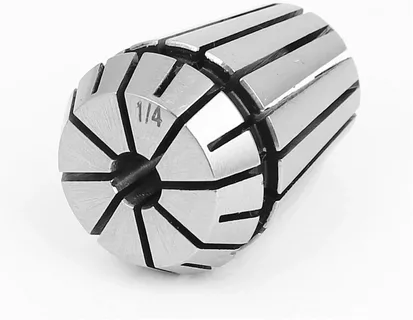
As much as consistency and precision depend on many factors in manufacturing industries, using quality components and tools is key. In this regard, a good example would be the ER 25 collet, which helps in ensuring tight tool holding, minimizing runout, and improving the accuracy in machining. It does not matter whether you are dealing with CNC machine tools or undertaking complex manual tasks; it is important to know how to use your ER collets efficiently.
This blog post will discuss some useful tips that will help in optimizing your ER collet system to get more out of it.
Using ER 25 Collets in CNC Machining
Collets are among the essential components in the CNC machining process since they are responsible for holding the cutting tool in position. Having an effective ER collet system will ensure that there is;
- High concentricity
- Vibration minimization
- Higher tool life
Improvement in surface finish
Using an er 25 collet holder alongside your collet improves performance, especially in high-speed machining.
Always Choose the Right Collet Size
Choosing the right size is the first thing to do in order to get accurate results. The ER collets will hold a particular diameter range of tools.

- Do not use a collet at its maximum holding capacity
- Size the collet to fit the tool shank perfectly
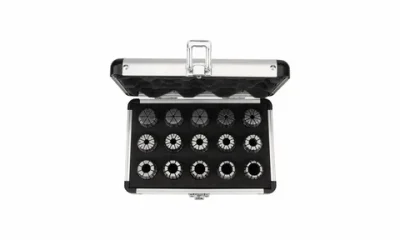
- Have a full ER 25 collet kit for maximum versatility
This guarantees that there will be no loose fitting and reduces the risk of the tool slipping while cutting.
Ensure That Collets Are Clean
- Dust, oil, and metal shavings may interfere with the operation of your collet.
- Clean the collets before and after use
- Use compressed air to blow out any debris
- Rub with a clean, soft cloth
Cleaning your collets enhances clamping power and extends their lifespan.
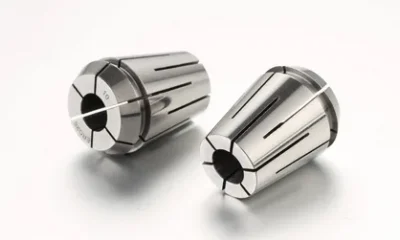
Use High-Quality Collet Holders
The performance of your collet is also dependent on the condition of the holder that you will use.
- Go for a precision er 25 collet holder
- It should be compatible with your CNC machine tools.
- Regularly check for wear and damage
With a good holder, you will have better alignment and reduced runout.
Don’t Overtighten
- Over-tightening can ruin both the collet and the tool.
- Follow the manufacturer’s torque requirements
- Don’t overtighten.
- Use the right tightening tools
Proper tightening makes sure that the collet holds firmly without getting deformed.
Inspect for Wear and Damage
- Inspection is important for optimum performance.
- Inspect for cracks and deformation
- Replace any collet with signs of wear
- Check for performance issues
Using damaged collets may result in poor machining operations.
Choose the Right Collet for the Task
- Some operations need certain settings.
- Use precision collets for finishing tasks.
- Use tough collets for cutting operations.
Match your collet to the operation for optimal results.
Store Collets Correctly
- Correct storage avoids damaging the collets.
- Store them in a dry and clean environment.
- Use protective cases for storage.
- Do not stack them without care.
- This ensures precision over time.
Balance Your Tooling System
Balancing the tooling system is critical for high speed machining.
- Align your tools properly.
- Use balanced holders for your tools.
- Prevent any unbalanced setups.
A balanced system decreases vibrations and provides a smoother finish.
Replace Your Collets Appropriately
- Collets eventually become ineffective over time.
- Replace them when they have been used extensively.
- Do not replace only when visibly damaged.
- Develop a replacement routine.
- Using new collets increases consistency.
Have a Full Set of Collets
A full set of ER 25 collets will save you from switching between different tool sizes and uses.
- Save time switching your tools.
- Achieve better compatibility.
- Boost your workflow efficiency.
Common Mistakes to Avoid
To achieve maximum effectiveness, avoid making the following mistakes:
- Incorrect collet size
- Overlooking cleaning and maintenance
- Employing inferior holders
- Exerting too much force
- Neglecting inspection processes
Following these recommendations helps optimize the life span of tools and improve machining precision.
Advantages of Applying This Advice
Using this advice, you can:
- Boost machining precision
- Extend the life span of tools and collets
- Decrease downtimes
- Improve surface finish
- Increase efficiency
Correct use of collets enables your CNC tools to function efficiently.
Conclusion
Better results in CNC machining go beyond having state-of-the-art machines; they depend on proper maintenance and optimization of all components involved. The following guidelines will enable you to make the most out of your ER collets in order to have improved outcomes.
The selection of size, keeping things clean, and the use of a quality ER 25 collet holder will enhance efficiency in your machining operations. It is important for you to invest in a quality ER 25 collet set in order to have improved CNC machining.
FAQs
For what reason is the ER 25 collet utilized?
This collet is intended to secure the cutting devices during machining work.
On what premise can I pick up a collet of the proper size?
Pick one whose inner dimension closely corresponds to the dimension of your tool and do not operate with it near the clamping extremes.
How frequently ought I to change my collets?
They should be changed quite often.
Is there any chance for me to use the identical collet while performing different kinds of machining operations?
No, it would be more appropriate to select those collets that suit the particular operation.
Why should I clean my collets?
To ensure a perfect grip and performance of the devices.
Author












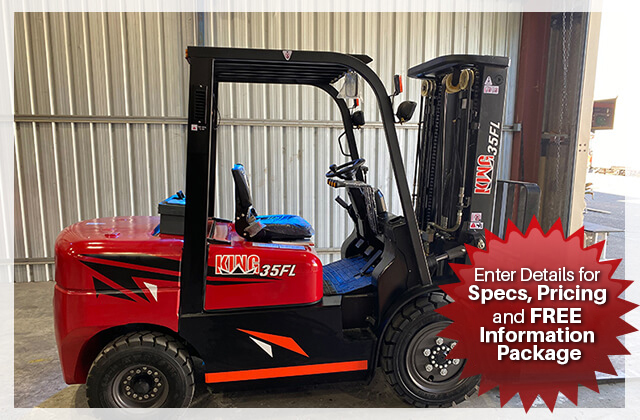
For businesses looking for forklifts in Australia, choosing the right machine starts with understanding the job, not simply comparing prices.
A forklift can become one of the most useful pieces of equipment in a warehouse, construction business, manufacturing facility, agricultural operation, or distribution centre. It can move heavy materials quickly, reduce unnecessary manual handling, improve loading and unloading processes, and make better use of available storage space.
However, not every forklift is suitable for every workplace. A machine that performs well inside a warehouse may not be the best choice for a construction site, while a large outdoor forklift may be impractical in narrow aisles.
The right decision comes from matching the forklift’s capabilities with the real conditions in which it will be used.
Start With the Work You Need to Do
Before looking at individual forklift models, take a step back and examine your daily material-handling requirements.
Ask yourself what the forklift will be expected to move, how often it will be used, where it will operate, and how high materials need to be lifted.
Important considerations include:
- Maximum load weight
- Average load weight
- Load dimensions
- Required lifting height
- Indoor or outdoor operation
- Floor and ground conditions
- Aisle width
- Daily operating hours
- Required travel distance
- Available attachments
- Maintenance requirements
These details can quickly eliminate unsuitable options and help you focus on forklifts that genuinely fit the application.
Forklift Capacity Is More Than a Number
One common mistake is choosing a forklift based only on its advertised lifting capacity.
For example, a forklift rated for a particular weight does not automatically mean it can safely handle every load of that weight at every lifting height. Load centre, attachment configuration, mast height, and the shape of the material can all influence how the machine performs.
Businesses should therefore consider their heaviest realistic loads and discuss the complete application with a knowledgeable supplier.
It is better to choose equipment based on real operating conditions than to discover later that the machine is unsuitable for an important part of the job.
Think About Lifting Height
Lifting height becomes especially important in warehouses and storage facilities.
If pallets are being placed onto high racking, the forklift needs a suitable mast configuration and enough lifting capability to complete the task safely and efficiently.
At the same time, businesses should consider overhead clearance. Doorways, roof structures, lighting, sprinkler systems, racking and other obstacles can influence the practical lifting height available at a particular site.
A forklift should therefore be assessed as part of the complete warehouse layout rather than as an individual machine.
Indoor Forklifts vs Outdoor Forklifts
The operating environment can have a major influence on forklift selection.
Indoor workplaces may prioritise manoeuvrability, compact dimensions, visibility, floor protection, and operating characteristics suitable for enclosed areas.
Outdoor applications can introduce additional challenges such as gravel, uneven surfaces, slopes, dirt, mud and changing weather conditions.
For businesses working across construction sites, farms, yards or other uneven environments, an all-terrain or four-wheel-drive forklift may be worth considering.
The key is to identify the actual terrain rather than selecting equipment based on a general assumption that a more powerful forklift is always better.
Consider Your Warehouse Layout
A forklift needs enough room to operate efficiently.
Before purchasing equipment, measure narrow aisles, loading zones, doorways and turning areas. Think about where pallets are stored and how the forklift will approach them.
A machine with excellent lifting capability can still become frustrating to use if it is too large for the available space.
Manoeuvrability is particularly important in busy warehouses where forklifts operate around racking, pallets, trucks and employees.
Good equipment selection should support the workflow instead of creating additional obstacles.
Diesel Forklifts for Demanding Applications
Diesel forklifts remain an option for businesses that need strong performance in demanding environments.
They can be suitable for applications involving heavy materials, outdoor yards, construction-related work, agriculture and industrial operations.
Forklift King currently lists a range of diesel forklift configurations, including different capacities and all-terrain options. Businesses should compare specifications against their actual requirements rather than choosing purely on engine size or advertised capacity.
Fuel consumption, servicing, operating hours, tyre wear and the working environment should all be included when calculating the long-term cost of ownership.
Attachments Can Make a Big Difference
The basic forks supplied with a forklift may not be enough for every application.
Some businesses need adjustable forks, sideshift systems, rotating forks, specialised attachments or other equipment designed around specific loads.
Attachments can make a forklift much more versatile, but they can also influence the machine’s rated capacity and load centre.
For this reason, businesses should make sure the complete forklift and attachment combination is appropriate for the intended work.
Operators should also be familiar with how the attachment changes the machine’s handling characteristics.
New Forklift or Used Forklift?
Budget is naturally an important part of the purchasing decision.
A new forklift provides the advantage of a known equipment history and access to current specifications and manufacturer support. A used forklift, when properly inspected and maintained, can sometimes offer a practical alternative for businesses with a tighter budget.
When assessing used equipment, don’t judge the machine only by its appearance.
Check the operating hours, service history, tyres, forks, mast, hydraulics, steering, brakes and overall mechanical condition. If possible, have the equipment professionally inspected before committing to the purchase.
Compare Price With Total Value
The cheapest forklift is not necessarily the least expensive option over several years.
A machine that frequently requires repairs or is poorly suited to the application can create downtime and additional costs.
On the other hand, equipment that matches the workload, receives regular maintenance and is operated correctly can provide strong value over its working life.
Businesses should consider purchase price alongside:
- Fuel or energy consumption
- Maintenance
- Replacement parts
- Tyres
- Downtime
- Operator requirements
- Attachments
- Resale value
- Warranty and after-sales support
This broader approach gives a more realistic picture of the investment.
Check Pricing and Specifications Carefully
Once you have identified the type of forklift you need, compare the specifications rather than looking at price alone.
Factors such as mast height, capacity, sideshift, adjustable forks, tyre configuration and lighting can make a meaningful difference to the machine’s usefulness.
For businesses comparing different options, the Forklift Price List provides a useful starting point for reviewing available forklift packages and specifications.
The final decision should still be based on whether the particular configuration matches your workplace and workload.
Don’t Overlook Operator Comfort
Forklift operators can spend many hours in the machine, so comfort and usability should not be ignored.
Seat position, visibility, controls, steering response and access to the operator area can all affect the experience of using the equipment throughout a working day.
A comfortable and well-designed operating environment can also make it easier for operators to maintain concentration during repetitive material-handling tasks.
Businesses should give operators an opportunity to provide feedback when evaluating equipment, particularly when the forklift will be used extensively.
Maintenance Should Be Part of the Buying Decision
Every forklift requires maintenance.
Before buying, find out how servicing is handled, where replacement parts are available and what type of after-sales support is provided.
A good maintenance plan can help identify wear before it develops into a larger mechanical problem.
Regular inspections are also important for workplace safety. Operators should follow the relevant workplace procedures and report defects before using equipment that may not be safe to operate.
Look at Real Customer Experience
Specifications tell you what a forklift is designed to do, but real customer experiences can provide another useful perspective.
When researching equipment, look for genuine feedback about build quality, usability, support, servicing and the ownership experience.
Reading customer feedback can help identify questions that you may not have considered during the initial purchasing process.
Forklift King also provides a dedicated customer reviews section where prospective buyers can explore available customer feedback.
Final Thoughts
Choosing the right forklift is ultimately about matching the machine to the job.
Load capacity, lifting height, operating environment, manoeuvrability, attachments, maintenance, operator requirements and total cost should all be considered before making a decision.
Taking the time to understand these factors can help businesses avoid buying equipment that looks suitable on paper but does not perform well in the real workplace.
A well-matched forklift can become a valuable long-term asset, helping businesses move materials efficiently while supporting a more organised and productive working environment.
Author



If you have received a diagnosis of Sleep Apnea, or you think you may have it, choosing the right equipment can feel confusing. You may come across machines, masks, hoses, humidifiers, filters, and other accessories. Each item has a different purpose, so knowing where to begin can save you time and frustration.
The right setup should make your nightly routine easier. It must also be comfortable enough for regular use. This guide explains the main types of equipment, how they work, and what you should consider before choosing your setup.
What Is Sleep Apnea Equipment?
Sleep apnea equipment includes the devices and accessories that support positive airway pressure therapy for obstructive. A typical setup contains several important components.
- CPAP machines provide a steady flow of pressurized air. This airflow helps keep the airway open while you sleep.
- CPAP masks connect you to the machine. You can choose from nasal masks, nasal pillow masks, and full-face masks. Every style provides varying degrees of comfort and coverage.
- Tubing and hoses transport air from the machine to your mask. Some models include heated tubing. This option can help reduce condensation and make the airflow more comfortable.
- Humidifiers add moisture to the air. They can help reduce common problems such as a dry mouth, dry nose, or irritated throat.
- Filters, cushions, and headgear also play an important role. These parts need regular cleaning or replacement to maintain comfort and proper performance.
You can also find batteries and travel accessories for people who travel frequently or need backup power during an outage.
Why Equipment Choice Matters
Many people underestimate how much equipment affects their experience with therapy. A machine may work effectively, but discomfort can make it difficult to use every night.
For example, a poorly fitted mask can leak air. Tight headgear can leave marks on your face. A noisy machine may disturb your sleep. Even a hose that gets tangled when you turn over can become a nightly annoyance.
These small problems can add up quickly. As a result, some people stop using their equipment before they have had enough time to adjust.
That is why choosing your equipment should not feel like an afterthought. Your comfort matters. Your sleeping position, breathing habits, facial structure, and personal preferences should all influence your choices.
Choosing a CPAP Machine
The Sleep Apnea machine sits at the center of your setup. Modern machines offer several features designed to make therapy easier than it was in the past.
Many current models operate quietly and provide useful therapy data. Some also connect with smartphone apps, allowing users and healthcare professionals to review information about their treatment.
When comparing different machines, look beyond appearance and price. Consider factors such as pressure adjustment, noise level, data tracking, portability, and available accessories.
Your prescribed pressure settings also matter. Never change pressure settings on your own without guidance from an appropriate healthcare professional. The goal is to find equipment that supports your prescribed treatment while fitting naturally into your nightly routine.
Finding the Right CPAP Mask
For many users, the mask becomes the most important comfort decision. Fortunately, you have several styles to consider.
- Nasal pillow masks rest around the nostrils. They have a lightweight design and leave most of the face uncovered. This style may appeal to people who prefer minimal facial contact.
- Nasal masks cover the nose. They offer more coverage than nasal pillows while still keeping the mouth uncovered. They can work well for people who primarily breathe through their nose.
- Full-face masks cover both the nose and mouth. They may suit people who breathe through their mouth during sleep or need a mask that accommodates both breathing routes.
There is no single mask that works perfectly for everyone. Your sleep position and breathing habits can influence your choice. You may also need to try more than one style before you find a comfortable fit. That process is normal.

Maintaining Your Equipment
Proper maintenance can help your equipment remain comfortable and functional. Start by following the cleaning and replacement instructions provided by the manufacturer.
Clean your tubing, mask components, and water chamber regularly. Regular cleaning can help reduce the buildup of dirt and other unwanted material.
Replace filters and mask cushions according to manufacturer recommendations. Worn cushions may affect the seal and create more leaks. A clogged filter can also interfere with airflow.
If you travel often, keep an eye on your backup power options. A suitable battery can provide extra peace of mind during travel or unexpected power interruptions.
You should also stay informed about manufacturer safety notices and recalls. If a manufacturer issues a recall for a particular machine or component, follow the recommended steps promptly.
Equipment Is Only One Part of Treatment
Buying a machine does not automatically solve every challenge. Successful therapy also depends on proper diagnosis, appropriate settings, mask fit, regular use, and ongoing support.
You may experience dryness, leaks, discomfort, or difficulty adjusting to the airflow. Instead of abandoning therapy, discuss these issues with a qualified healthcare professional or sleep specialist. Small adjustments can sometimes make a major difference. Personal guidance Sleep Apnea can also help you understand your equipment and develop a routine that feels manageable.
A More Personalized Approach to Equipment
At CPAP Rx, equipment does not have to feel like a simple product purchase. The company combines equipment recommendations with access to sleep coaching. This approach can help users understand their options and work through common comfort or adjustment concerns.
If you are unsure where to begin, resources such as a sleep quiz or AHI calculator may help you prepare questions for a healthcare professional. However, these tools should not replace professional diagnosis or medical advice.
The best setup is not necessarily the most expensive one. Instead, it should match your needs and make consistent therapy easier.
Choosing the right equipment can make your therapy more comfortable and manageable. Take time to understand your options and maintain your supplies properly. Also, seek professional guidance whenever you experience problems with your equipment or treatment.
Most importantly, focus on creating a setup that fits naturally into your lifestyle. When your mask feels comfortable, your machine suits your needs, and your routine feels manageable, you have a better chance of staying consistent with therapy. With the right equipment and appropriate support, nightly treatment can become a simpler part of your daily routine rather than another source of frustration.
Final Thoughts
Choosing the right equipment can make a significant difference in your therapy experience. You do not need to find the perfect setup on your first try. Instead, focus on comfort, proper fit, reliable performance, and equipment that suits your daily routine.
Start with the basics and give yourself time to adjust. If you notice mask leaks, dryness, discomfort, or other problems, do not ignore them. Speak with a qualified healthcare professional or sleep specialist who can help you find practical solutions.
Most importantly, remember that successful therapy involves more than simply owning a machine. Consistent use, proper maintenance, and ongoing support all matter. When your equipment fits your needs and feels comfortable, following your treatment routine can become much easier.
A thoughtful approach to choosing and maintaining your equipment can help you feel more confident about your nightly routine. Take the time to understand your options, ask questions, and choose equipment that works with your lifestyle rather than against it.
Author



Let’s be honest — buying electronics online sounds convenient until you actually need to buy something big. A washing machine. A refrigerator. A television for your living room. Suddenly you have a hundred questions. Will it fit in my kitchen corner? Is the sound quality actually good, or does it just look good in the photos? What happens if something goes wrong after a month?
This is exactly why so many people in the city still prefer walking into a proper store before spending their hard-earned money. And if you’re looking for a reliable place to do that, croma ahmedabad is worth your time.
Why a Physical Store Still Makes Sense in 2026
We live in a world where you can order almost anything with one tap. So why bother visiting a store at all?
Here’s the thing — screens can’t tell you everything. You can’t feel how heavy a mixer grinder is, or how a laptop keyboard actually types under your fingers, or how bright a TV screen really looks in daylight, just by scrolling through pictures. A store lets you touch, test, and compare products side by side, in real life, before you commit.
At croma ahmedabad, you get exactly this kind of hands-on experience. You can walk around, try out different models, ask a staff member “which one is better for my needs,” and actually get a real answer — not a generic chatbot reply.
What You’ll Actually Find There
Think of it less like a single-category shop and more like a one-stop destination for anything electronic or home-related. Here’s a quick sense of what’s usually available:
- Mobile phones and tablets — from budget-friendly options to the latest flagship models
- Laptops and computers — for work, gaming, or everyday browsing
- Televisions — different screen sizes and technologies to match your room and budget
- Home appliances — refrigerators, washing machines, microwaves, air conditioners, and more
- Small kitchen appliances — mixers, induction cooktops, air fryers, and other everyday helpers
- Audio devices — headphones, speakers, and soundbars for music lovers
Whether you’re setting up a new home, replacing an old appliance that’s finally given up, or just upgrading your phone, chances are it’s all under one roof.

The Part Everyone Loves: EMI Options
Now let’s talk about something that actually matters when you’re planning a big purchase — your budget.
Nobody wants to spend their entire month’s savings on one appliance in a single shot. That’s where buying croma products on emi becomes genuinely useful. Instead of paying the full amount upfront, you can split the cost into smaller, manageable monthly payments. This makes it much easier to bring home that new refrigerator or television without putting a dent in your monthly finances all at once.
If you’re someone who plans purchases carefully (and honestly, who doesn’t these days?), asking about EMI options when you visit is a smart move. It’s worth checking the store directly for current EMI plans, interest rates, and any ongoing offers, since these details tend to change from time to time.
Real Help From Real People
One thing that genuinely makes a difference is having someone knowledgeable to talk to. When you’re comparing two washing machines that look almost identical on paper, a store representative who actually understands the products can explain the real differences — energy efficiency, noise levels, durability, warranty coverage — things that aren’t always obvious from a spec sheet.
This kind of guidance is especially helpful for elderly family members or anyone who isn’t very comfortable with online shopping. Sometimes, just having a conversation with someone in person builds a level of trust that a website simply can’t.
A Few Tips Before You Go
If you’re planning your visit, here are a few small things that can make the trip smoother:
- Make a rough list beforehand — knowing what you need (like “a 6kg washing machine” instead of just “a washing machine”) saves time.
- Set a budget range — this helps the staff guide you better and avoids overspending.
- Ask about ongoing offers — festive seasons and weekends often bring extra discounts or exchange deals.
- Carry your ID and payment details — especially if you’re planning to go for croma products on emi, since documentation is usually required.
- Check warranty and after-sales service — this is easy to forget in the excitement of a new purchase, but it matters a lot later.
Final Thoughts
At the end of the day, shopping for electronics and home appliances isn’t just about the product — it’s about feeling confident in your choice. Whether you’re upgrading your kitchen, replacing an old TV, or buying your first smartphone for a family member, having a trusted store nearby makes the whole process a lot less stressful.
So, if you’ve been putting off that purchase because you weren’t sure where to go or how to manage the cost, this might be your sign. Visit croma ahmedabad, explore the options in person, ask all the questions you want, and if the budget feels tight, remember that croma products on emi can make it a whole lot easier to bring home what you actually need — without the financial stress.
Author



Top 25 Podcast Marketing Firms Based in the United States

QuickBooks Bank Feeds Not Working: Expert Fix Guide

QuickBooks Delivery Server Down Error: Expert Fix Guide

How to Make Every Congratulations Celebration Memorable

Rolls Royce Cullinan Hire: Experience Luxury on Every Journey

How to Choose the Right Forklift for Your Business in Australia

Opus One, New Chandigarh

Singapore Travel Planning: Essential Ideas for a First Visit May, 2026

Righteous Hoodie – Stylish, Comfortable & Everyday Streetwear

Epson Printer Error Code 0x9E? 10 Fixes That Actually Work

Cybersecurity Consulting Company SequelNet Provides Critical IT Support Services to Medical Billing Firm, Medical Optimum

Meet the Megalodon: The Shark Star of ‘Meg 2’

Reduce Video Game Lag: Level Up Your Gaming Performance

Balancing India’s Entertainment: Cricket vs. Bollywood

Jetsetter’s Secrets: Unveiling Our Favorite Travel Hacks for a Seamless Adventure

The 5 Best Live Sports Streaming Sites: Legal and Exciting!

Hollywood Labor Unrest: The Impact of ‘What About Us?’ Strikes

Unveiling the Magic of Dream Fulfillment at the Late NBA Draft

Illuminate Your Skin: Dr. Axe Unveils Natural Remedies for Lightening Knees and Elbows

Bright Choices: Navigating the Pros and Cons of Skin Whitening Creams with Dr. Axe
-

 Business3 years ago
Cybersecurity Consulting Company SequelNet Provides Critical IT Support Services to Medical Billing Firm, Medical Optimum
-
Entertainment3 years ago
Meet the Megalodon: The Shark Star of ‘Meg 2’
-
Entertainment3 years ago
Reduce Video Game Lag: Level Up Your Gaming Performance
-
 Sports3 years ago
Balancing India’s Entertainment: Cricket vs. Bollywood
-
Entertainment3 years ago
Jetsetter’s Secrets: Unveiling Our Favorite Travel Hacks for a Seamless Adventure
-
Productivity3 years ago
The 5 Best Live Sports Streaming Sites: Legal and Exciting!
-
Art /Entertainment3 years ago
Hollywood Labor Unrest: The Impact of ‘What About Us?’ Strikes
-
Sports3 years ago
Unveiling the Magic of Dream Fulfillment at the Late NBA Draft






