Trading
Crypto Token Development: Utility, and Long-Term Growth

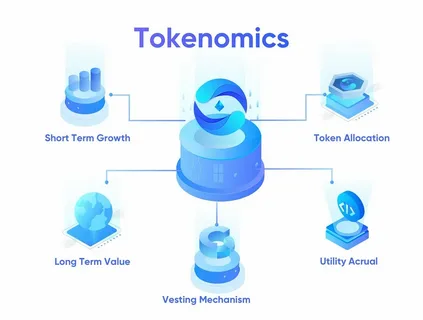
Developing a crypto token is no longer about writing a smart contract, choosing a ticker, and rushing toward a listing. That approach may have worked during the early boom years, but the market has matured. Users now look at token utility, supply design, vesting, governance, liquidity, audits, compliance posture, and the strength of the wider ecosystem before they take a project seriously.
This shift is happening because crypto has become more connected to payments, real-world assets, exchanges, gaming, DeFi, and institutional markets. Stable coins alone reached about $316 billion in market capitalization by March 2026, showing how token-based systems are moving beyond speculation into practical financial use cases. At the same time, security pressure remains high, with Chain lysis reporting more than $3.4 billion in crypto stolen in 2025.
For founders, the message is clear. A token needs structure from day one. Strong Crypto Token development starts with purpose, economics, security, compliance, and long-term usability before the code goes live.
Start With a Clear Token Purpose
Every serious token begins with one question: why should this token exist?
A Crypto Token should not be added to a project just because competitors have one. It must perform a useful role inside the product or ecosystem. That role may include access, payments, governance, staking, rewards, settlement, loyalty, asset representation, or protocol coordination. Without a clear purpose, the token becomes a market object with no strong reason for users to hold, use, or return to it.

A better structure starts by defining what the token does, who needs it, and what activity gives it value. For example, a gaming token may support in-game purchases, reward distribution, asset trading, and tournament entry. A DeFi token may support governance, staking incentives, fee discounts, and liquidity participation. A real-world asset token may represent claims, access rights, settlement permissions, or platform participation depending on the legal model.
This early clarity prevents one of the biggest mistakes in token development: building token omics around hype instead of product behavior. A token with no clear role often depends too heavily on marketing, and once the initial attention fades, usage drops because the ecosystem gives users no practical reason to stay.
Right Token Type and Blockchain
The token’s structure depends heavily on where it is built and what standard it follows. Ethereum-based ERC-20 tokens remain widely used because of liquidity, wallet support, exchange familiarity, and DeFi integrations. BNB Chain, Polygon, Solana, Base, Avalanche, and other networks are also common choices depending on transaction speed, cost, audience, and ecosystem fit.
The right blockchain should be selected based on the project’s needs, not only popularity. A high-frequency gaming or rewards token may need low fees and fast settlement. A DeFi token may need deep liquidity access and proven infrastructure. An enterprise or RWA token may need compliance-friendly tooling, identity controls, audit trails, and strong custody integrations.
Founders should also think about future integrations before choosing a chain. Wallet compatibility, bridge options, exchange support, developer availability, oracle access, and ecosystem grants can all affect the token’s growth path. A chain that looks cheap at launch may become limiting later when the project needs liquidity, institutional support, or cross-chain access.

Plan Vesting Before Public Launch
Vesting is one of the clearest signs of a serious token project. It shows that founders, advisors, partners, and early contributors are committed beyond launch week.
A strong vesting model usually includes cliffs, gradual releases, and separate schedules for different groups. The founding team may have a longer vesting period than advisors. Ecosystem incentives may release over several years. Treasury tokens may remain locked except for approved uses such as development, liquidity, partnerships, or community programs.
Poor vesting can damage market trust quickly. When too many tokens become liquid at once, users may expect selling pressure even before it happens. That fear alone can reduce demand. This is why many mature projects now publish clear token unlock schedules before launch.
A better approach is to make vesting visible, simple, and reasonable. Investors and users do not need complicated release models. They need to understand who receives tokens, when those tokens unlock, and why the schedule supports long-term project health.
Treat Security as a Core Development Layer
Security cannot be added at the end. It has to shape the smart contract from the beginning.
Smart contracts should be built with tested standards, clear permission controls, and minimal unnecessary complexity. Features such as minting, pausing, blacklisting, upgradeability, staking, tax logic, and governance controls must be handled carefully because each one adds risk. Some projects need these controls, while others should avoid them to reduce attack surface and user concern.
The 2025 hacking data makes this point difficult to ignore. Chain lysis reported more than $3.4 billion stolen in crypto during 2025, with large outlier attacks creating major losses. This means token development teams must think beyond basic contract deployment. They need audit reviews, tested trials, role-based access control, multiset treasury wallets, emergency response plans, and monitoring tools.
A strong structure also includes documentation for admin privileges. Users should know whether the contract is upgradeable, whether new tokens can be minted, who controls treasury wallets, and what safeguards exist. Hidden control creates suspicion. Clear control creates accountability.
Test the Token Model Before Launch
Before deployment, the team should test more than the smart contract. They should test the economic model, user journey, reward logic, claim flows, staking mechanics, vesting contracts, dashboard experience, and wallet interactions.
A tested phase can reveal issues that are easy to miss in planning. Users may struggle with claiming rewards. Gas costs may feel too high. Staking logic may confuse people. Admin controls may need clearer limits. Analytics may not track the right activity.
Testing helps the project fix problems before real funds and public attention are involved. It also gives the team stronger confidence when presenting the token to users, partners, and exchanges.
Conclusion
Developing a crypto token with better structure from day one means treating the token as part of a full business system, not as a quick launch asset. The strongest projects begin with purpose, choose the right blockchain, build thoughtful tokenomics, plan vesting carefully, define real utility, protect smart contracts, prepare for compliance, manage treasury use, and connect development with community education.
The market now rewards clarity more than noise. Users want to know how the token works, why it exists, who controls supply, how risk is managed, and what role the token plays inside the product. A project that answers these questions early has a much stronger chance of building trust before launch pressure begins.
Blockchain App Factory provides crypto token development services for startups and enterprises that want to build tokens with smart contract development, tokenomics planning, audit support, launch strategy, and ecosystem-ready structure from the beginning.
Author













The cryptocurrency market rarely moves in a straight line. Instead, it follows different cycles where money shifts between Bitcoin, Ethereum, and other digital assets. One of the most useful metrics for understanding these movements is Bitcoin Dominance.
Bitcoin often leads the market when a new bullish cycle begins. Investors usually consider it a safer option compared with smaller cryptocurrencies. However, the market can change quickly once Bitcoin gains enough momentum. Traders may then move part of their capital into altcoins in search of higher returns. This shift can create a period commonly known as Altcoin Season.
Understanding this relationship can help investors make better decisions about portfolio allocation and risk. However, no single indicator can predict the market perfectly. Investors should combine market dominance data with trading volume, sentiment, on-chain activity, and broader economic conditions.
What Is Bitcoin Dominance?
Bitcoin Dominance measures Bitcoin’s share of the entire cryptocurrency market capitalization. Indicates the proportion of the overall cryptocurrency market capitalization attributed to Bitcoin. The basic formula is:
Bitcoin Dominance = (Bitcoin Market Cap ÷ Total Crypto Market Cap) × 100
For example, imagine that the total cryptocurrency market has a value of $4 trillion. If Bitcoin accounts for $2.2 trillion, its market share would equal 55%. A rising percentage often suggests that investors prefer Bitcoin over other cryptocurrencies. On the other hand, a falling percentage can indicate that capital is moving toward altcoins.
Still, investors should avoid reading this metric in isolation. Stablecoins can also influence the total cryptocurrency market capitalization. As a result, changes in market share do not always mean that investors are directly selling Bitcoin for altcoins.
What Is Altcoin Season?
Altcoin Season describes a period when a large number of alternative cryptocurrencies outperform Bitcoin for an extended period. During this phase, investors often look beyond Bitcoin for stronger growth opportunities. Ethereum may attract attention first. Later, capital can move toward Layer-1 networks, DeFi platforms, gaming projects, AI-related tokens, and other emerging sectors.
Altcoin rallies can develop quickly. Large-cap cryptocurrencies may gain momentum before smaller projects join the move. Once market confidence becomes stronger, investors may take greater risks and target assets with smaller market capitalizations.
However, higher potential returns also bring higher risks. Smaller cryptocurrencies can experience sharp price swings. Some can lose much of their value when market sentiment changes.
Why BTC Market Share Matters
Bitcoin remains the largest and most established cryptocurrency. It also offers deep liquidity, strong market recognition, and broad access through traditional investment products.
For these reasons, many investors turn to Bitcoin when uncertainty increases. Institutional investors can also prefer Bitcoin when they first enter the cryptocurrency market.
As confidence improves, investors may become more comfortable with risk. They can then move toward Ethereum and other major altcoins. Eventually, capital may reach smaller and more speculative projects.
This pattern explains why changes in BTC market share can provide useful clues about investor behavior. A decline does not automatically mean that an Altcoin Season has started. However, it can become more meaningful when other market signals support the same trend.
The Typical Crypto Market Cycle
Crypto markets often move through several broad stages.
Bitcoin Takes the Lead
Bitcoin usually attracts attention during the early part of a strong market recovery. New investors often choose BTC because of its size and liquidity. During this stage, Bitcoin may rise while many altcoins remain relatively quiet. Its market share can also increase as investors focus on the leading cryptocurrency.
Ethereum Gains Momentum
The next stage can bring stronger performance from Ethereum. Investors may start moving beyond Bitcoin as confidence spreads across the market. Large-cap altcoins can also begin gaining traction. Trading activity usually increases, and market participants start searching for the next major opportunity.
Altcoin Season Expands
Eventually, investors may move further down the risk curve. Capital can enter DeFi, AI, gaming, Layer-2, infrastructure, RWA, and other crypto sectors. At this point, smaller cryptocurrencies can experience rapid gains. At the same time, volatility can rise significantly.
Signs That Altcoin Season Could Be Near
Several signals can suggest that investors are becoming more interested in altcoins. First, Bitcoin Dominance may begin to decline. A sustained decline becomes more useful when altcoins also show stronger price performance and higher trading activity.
Second, Ethereum may start outperforming Bitcoin. The ETH/BTC relationship can provide useful insight into whether investors are moving toward alternative assets. Third, altcoin trading volume may increase. Higher volume often shows that more market participants are actively trading these assets.
New narratives can also attract capital. Areas such as artificial intelligence, real-world assets, DePIN, tokenization, gaming, and Layer-2 networks can generate fresh interest. Finally, investor sentiment matters. Growing participation, stronger social activity, and increased network usage can support a broader altcoin rally.

When Rising BTC Market Share Can Be Positive
A rising Bitcoin Dominance percentage does not always signal a weak cryptocurrency market. Sometimes, it reflects fresh capital entering the market through Bitcoin. Investors may choose BTC first before taking on more risk. This behavior can happen during the early stages of a new bullish cycle.
Bitcoin can also strengthen while the broader market remains uncertain. In that situation, investors may prefer an established asset instead of smaller cryptocurrencies.
Therefore, investors should consider both price direction and market share. A rising percentage during a Bitcoin rally can tell a very different story from a rising percentage during a broad market sell-off.
Risks of Chasing Altcoin Rallies
Altcoin rallies can create exciting opportunities, but they can also encourage emotional decisions. Smaller projects often have lower liquidity. Their prices can move sharply after relatively small changes in buying or selling pressure. Social media hype can also push investors into projects without strong fundamentals.
Before buying an altcoin, investors should research its technology, development activity, token economics, security, community, and long-term purpose. A strong narrative alone does not guarantee sustainable growth.
Leverage creates another major risk. Large positions can magnify both profits and losses. Therefore, investors should use sensible position sizes and maintain clear risk limits.
Indicators Worth Monitoring
Investors can build a clearer market view by watching several indicators together. These include Bitcoin Dominance, Ethereum performance, total crypto market capitalization, stablecoin supply, trading volume, open interest, ETF flows, and on-chain activity. Developer activity can also provide useful context. Strong development may indicate that a blockchain ecosystem continues to grow beyond short-term price movements. No indicator works perfectly on its own. Instead, investors should look for several signals pointing in the same direction.
Building a More Balanced Strategy
During periods when Bitcoin leads the market, investors may prefer BTC and other established cryptocurrencies. As altcoin strength becomes clearer, some investors may gradually diversify into different sectors. However, diversification does not remove risk. Each cryptocurrency carries its own market, technology, liquidity, and regulatory risks. A disciplined approach can help investors avoid chasing sudden price increases. Instead of trying to predict the exact top or bottom, investors can focus on position sizing, research, and long-term objectives.
Common Mistakes to Avoid
Investors often make similar mistakes during fast-moving crypto cycles. Buying an asset simply because it is trending can lead to poor decisions. So can assuming every decline in BTC market share means Altcoin Season has arrived. Other mistakes include ignoring project fundamentals, using excessive leverage, investing without a clear plan, and chasing short-term price pumps.
Investors should also avoid making decisions based solely on social media predictions. Market conditions can change much faster than online narratives.
Final Thoughts
Bitcoin provides a useful way to understand where investor attention and market value are concentrated. When Bitcoin leads, the market often behaves differently than it does during periods of broad altcoin strength. Still, investors should not rely on one metric to make decisions. Ethereum performance, trading volume, stablecoin activity, market sentiment, ETF flows, and on-chain data can add important context.
Rather than trying to predict the exact beginning of Altcoin Season, investors can watch these indicators together. A patient and research-driven strategy can make it easier to navigate Bitcoin-led rallies, altcoin expansions, and the sharp corrections that often follow them.
Author



Welcome to the colorful world of Geedup hoodies, where bold street culture meets premium comfort in a uniquely Australian way. If you are searching for that perfect blend of casual edge and laid-back vibes, look no further. The Geedup Australia store has grown into a premier destination for high-quality streetwear. This apparel speaks volumes about individuality, grit, and authentic self-expression.
Featuring standout typography, heavy-hitting graphics, and distinctive colorways, these hoodies have evolved into much more than mere clothing items. They are a definitive lifestyle choice embraced passionately by youth culture across the nation and around the globe. Whether you are lounging at home or hitting the inner-city streets, adding a Geedup piece to your rotation is one of the easiest ways to elevate your personal style. Let’s dive deep into the story, quality, and community that make this homegrown imprint so incredibly special.
The Gritty History of Geedup Co.
Many fashion blogs mistakenly claim that the label was birthed in the artsy lanes of Melbourne. However, the brand actually traces its raw, authentic roots back to Western Sydney. Founded in 2010 by Jake Paco and Beau Saywell, the project began as a passionate side hustle. It was heavily driven by hip-hop culture, local graffiti scenes, and the mindset of the ultimate underdog.
The founders initially experimented with sourcing deadstock sports apparel before pivoting entirely to creating original, premium cut-and-sew streetwear pieces. In local street dialect, to be “geed up” means to be intensely prepared or highly motivated. It represents a mindset ready to succeed against all odds.
Building the brand from scratch required immense discipline. The label faced major early financial hurdles, including the forced closure of their first brick-and-mortar storefront due to strict leasing conditions. Instead of backing down, the team doubled down on their core community and unique identity.
They leaned heavily into regional subcultures that mainstream fashion overlooked. Over the next decade, their unapologetic attitude transformed a local Sydney imprint into a massive global powerhouse. Today, they represent much more than simple sportswear. They encapsulate a distinct subculture embraced by thousands of dedicated fans across Australia and international borders.

The Explosive Rise and Cultural Influence
The Geedup hoodie has successfully carved out a massive niche in modern casual wear. It has secured an essential position in the daily wardrobe of a highly diverse audience. You can spot these hoodies on high school and university students, creative professionals, and fitness enthusiasts alike.
Social media has definitely played a massive role in this meteoric rise to fame. Influencers, musicians, and everyday fans consistently showcase their latest fits across Instagram and TikTok. They generate immediate digital buzz around every single limited drop. The hashtag associated with the brand trends constantly, pulling in curious fashion newcomers every day.
Furthermore, the appeal of the brand easily transcends international borders. While the label retains its core Australian identity, the underlying message of resilience resonates with global communities. Customers deeply appreciate the distinct story behind the garments.
They love the exclusive feeling of owning limited-run items. Modern shoppers actively look for unique ways to express their inner personality. Because of this, Geedup thrives perfectly at the direct intersection of streetwear tradition and modern cultural innovation. Wearing one of these hoodies allows you to project an aura of effortless style and confidence without saying a single word.
Premium Quality and Detailed Design Blueprint
When it comes to manufacturing standards, the overall quality of a Geedup hoodie is absolutely second to none. The production team crafts each individual garment with extreme precision. They focus heavily on long-term durability and day-long wearability.
The heavy-weight cotton fleece fabric feels remarkably soft against the skin. This premium material keeps you exceptionally warm during chilly winter days while remaining breathable enough for seasonal transitions. Design also plays a vital role in the undeniable success of these garments. Geedup hoodies feature highly modern, relaxed silhouettes that flatter a wide variety of body shapes.
The meticulous attention to detail during the stitching and finishing processes elevates the overall aesthetic of the clothing. The brand selects vibrant yet highly versatile color palettes. This smart color choice allows you to pair your new hoodie effortlessly with existing wardrobe staples like distressed denim or classic cargo pants.
Whether you personally prefer bold, aggressive graphics or clean, understated chest embroidery, the brand offers something tailored for your specific taste. They never ignore functional utility either. The designers integrate deep, reinforced pockets into the garments seamlessly without sacrificing the clean lines of the silhouette. This masterful balance between daily practicality and trend-setting style truly sets Geedup apart from ordinary commercial options.
Diverse Styles and Exclusive Seasonal Drops
At the official online storefront, structural variety always reigns supreme. The extensive catalog boasts a brilliant range of patterns, fits, and colorways to satisfy diverse style preferences. Their highly popular unisex hoodies feature comfortable, relaxed fits. These silhouettes are absolutely perfect for casual weekend lounging or active urban exploration with your crew.
Bold contrast stitching, bright pastel hues, and heavy screen-printed logos add a distinct layer of visual flair to any basic outfit. If you prefer a more athletic vibe, you can explore their sports-inspired tracksuits and tech-fleece variations. These particular options come equipped with highly functional features. You will find sturdy kangaroo pockets, heavy-duty zippers, and fully adjustable drawstrings that perfectly merge utilitarian purpose with street style.
You should definitely keep a close eye out for their highly anticipated seasonal drops. The brand relies heavily on a scarcity model, releasing limited-edition collections that showcase fresh, experimental prints. Each temporary drop presents an incredible opportunity to refresh your seasonal rotation.
It allows you to stand out from the crowd with rare pieces that will likely never release again. The company also experiments frequently with custom textures, such as high-density puff prints andchenille patches. This creative variety gives fans an exciting way to showcase their individuality through highly personalized wardrobe choices.
Authentic Community Connection and Street Credibility
Organic celebrity endorsements have given the Geedup movement a massive boost in global visibility. Influential figures from the worlds of underground drill music, professional boxing, and extreme sports routinely wear the label. These high-profile individuals choose to showcase the brand’s versatility on massive public stages.
Popular local rap artists and international athletes regularly wear their favorite Geedup hoodies during media appearances, music videos, and viral social media posts. This authentic, unforced connection with influential figures creates a powerful ripple effect. It naturally drives thousands of new subculture fans to discover the digital store.
Strategic collaborations with respected local artists and independent designers also add an incredibly exclusive touch to the product catalog. These limited-run capsule collections always generate immense hype and excitement among dedicated collectors.
Such creative partnerships do not just elevate the brand’s market value. They also strongly reinforce its deep cultural relevance within the broader global streetwear ecosystem. By aligning themselves closely with creators who share their core values, Geedup firmly solidifies its prestigious position in modern youth culture. The ultimate result is a highly passionate community of loyal collectors. These individuals are always eager to express themselves through unique styles that reflect true individuality.
How to Secure an Authentic Geedup Hoodie
If you want to get your hands on an authentic Geedup hoodie, the official digital store is your absolute best destination. This user-friendly platform showcases the most complete collection of current designs, making it incredibly easy to find a piece that matches your style. You can effortlessly browse through the various sizing charts and seasonal lookbooks from the comfort of your own home.
The website provides a seamless navigation experience, allowing you to secure your favorite items before they completely sell out. Additionally, the brand regularly launches exclusive digital promotions and members-only loyalty rewards.
Signing up for their official email newsletter is highly recommended. This simple step ensures you will receive instant notifications regarding exact drop times, secret restocks, and major holiday sales events. You should also follow their verified social media accounts to get real-time sneak peeks of upcoming collections.
The brand offers reliable, fast shipping options to customers worldwide. This efficient shipping system brings a genuine piece of raw Australian street style directly to your doorstep, no matter where you live. Do not miss out on adding this iconic, culturally rich staple to your personal fashion collection this season.
Author



Crypto presale searches are growing because many buyers want to find early token sales before public exchange listings. A presale can look exciting because buyers may enter before a token gets wider market attention. But it also carries high risk. Many early-stage crypto projects have low liquidity, unclear token unlocks, delayed listings, weak audits, or products that are not fully built yet.
Risk Notice: Crypto presale investing is risky. You can lose your full capital. This article is only for information and education. It is not financial advice, investment advice, legal advice, or a recommendation to buy any token. Always do your own research before joining any crypto presale.
In this guide, we explain what a crypto presale is, what buyers should check first, and five live crypto presale projects that are getting attention in 2026. These include Layer 2, payments, DeFi, meme coin, and Web3 trading projects.
For a wider list of token sales, readers can also check the internal crypto presale tracker on ICO Announcement before connecting any wallet or making a buying decision.
What Is a Crypto Presale?
A crypto presale is an early token sale that happens before a token starts trading on public exchanges. Projects use presales to raise funds, grow their community, test demand, and distribute tokens before the Token Generation Event, also called TGE.
Buyers usually check the token price, total funds raised, sale stage, accepted currencies, audit status, staking rewards, token vesting, liquidity lock, listing target, team details, and product roadmap.
A low token price does not always mean a good opportunity. A strong crypto presale should have a clear use case, honest tokenomics, real demand, visible roadmap, and a plan for liquidity after listing.
What Buyers Should Check Before Joining a Crypto Presale
Before joining any crypto presale in 2026, buyers should ask simple but important questions.
First, what does the token actually do? If the token has no clear use case, the project may depend only on hype.
Second, is the project audited? An audit does not guarantee safety, but it can help reduce smart contract risk.
Third, are token unlocks clear? If insiders or early investors unlock too many tokens before public buyers, price pressure can increase after listing.
Fourth, is liquidity planned? Weak liquidity can make it hard to sell even if the project raises a lot of money.
Fifth, is the team transparent? Anonymous teams are common in crypto, but buyers should be extra careful when team details, roadmap, or legal information are missing.

Top 5 Crypto Presale Projects in 2026
The following five projects are selected from the given live presale data. They cover different crypto narratives, including Solana scaling, Bitcoin Layer 2, payments, meme tokens, and DeFi lending.
1. Solaxy: Solana Layer 2 Presale
Solaxy is a Solana Layer 2 presale focused on scaling infrastructure. It is one of the most visible crypto presale projects in the current tracker because of its large reported raise.
Project Name: Solaxy
Ticker: $SOLX
Category: Solana Layer 2
Sale Type: Presale
Current Presale Price: $0.001716
Funds Raised: $58M+
Accepted Currencies: ETH, BNB, USDT, SOL, Card
Blockchain: Solana and Ethereum
Staking APY: Around 300%
Listing Target: Q2–Q3 2026 estimate
Solaxy fits the crypto presale 2026 trend because Solana scaling is still a strong narrative. Solana is known for fast transactions and active meme coin activity, but network congestion and scaling demand remain key topics. A Layer 2 presale around this theme can attract buyers looking for infrastructure-based projects.
The main checks for Solaxy are audit visibility, staking reward sustainability, token unlock rules, bridge security, and whether the project can bring real users after launch. A large raise can show strong interest, but it does not remove execution risk.
2. Bitcoin Hyper: Bitcoin Layer 2 Presale
Bitcoin Hyper is a Bitcoin Layer 2 presale. It uses the Bitcoin scaling narrative, which remains one of the strongest crypto themes. Many buyers are watching Bitcoin Layer 2 projects because they aim to bring faster transactions, DeFi tools, and app utility to the Bitcoin ecosystem.
Project Name: Bitcoin Hyper
Ticker: $HYPER
Category: Bitcoin Layer 2
Sale Type: Presale
Current Presale Price: Around $0.014
Funds Raised: $32.7M+
Accepted Currencies: ETH, BNB, USDT, Card
Blockchain: Bitcoin L2 and Ethereum
Staking APY: Around 40%
Listing Target: Q3–Q4 2026 estimate
Bitcoin Hyper belongs in this top crypto presale list because Bitcoin Layer 2 projects are gaining attention from both retail and infrastructure-focused buyers. However, the main risk is execution. Buyers should check mainnet progress, bridge design, audit details, token utility, and final TGE timing.
If a project claims to improve Bitcoin scalability, it should clearly explain how the technology works. Buyers should avoid relying only on marketing language.
3. Remittix: Cross-Border PayFi Presale
Remittix is a payments and PayFi-focused crypto presale. Its main idea is cross-border crypto-to-fiat utility. This makes it different from meme-only presales because it targets real payment use cases.
Project Name: Remittix
Ticker: $RTX
Category: Payments / PayFi
Sale Type: Presale
Current Presale Price: $0.13
Funds Raised: $29.8M+
Accepted Currencies: ETH, USDT, Card
Blockchain: Ethereum
Audit: SolidProof
Listing Target: Q2–Q3 2026 estimate
Remittix may appeal to buyers looking for practical crypto utility. Cross-border payments are a major use case because traditional money transfers can be slow and costly. A crypto-to-fiat payment project can gain attention if it solves real settlement problems.
Still, buyers should be careful. Payment projects often face adoption, compliance, liquidity, and partnership challenges. A strong raise is useful, but long-term value depends on real users, fiat payout rails, wallet safety, and legal clarity.
4. Little Pepe: Meme Layer 2 Presale
Little Pepe is a meme coin with Layer 2 positioning. Meme coins remain popular in crypto because they attract fast community growth and strong retail interest. But they are also highly volatile.
Project Name: Little Pepe
Ticker: $LILPEPE
Category: Meme Coin / Layer 2
Sale Type: Presale
Current Presale Price: $0.0022
Funds Raised: $28.1M+
Current Round: Stage 13+
Accepted Currencies: ETH, USDT, Card
Blockchain: Ethereum L2
Listing Target: Q3 2026 estimate
Little Pepe fits the crypto presale 2026 keyword group because meme coins continue to dominate retail searches. The Layer 2 angle may give the project a stronger story than a simple meme token, but buyers should verify whether the Layer 2 claim has real technical support.
The main risks are meme volatility, anonymous team risk, liquidity issues, and weak post-listing demand. Buyers should check token distribution, audit status, liquidity lock, and roadmap clarity before taking any decision.
5. Mutuum Finance: DeFi Lending Presale
Mutuum Finance is a DeFi lending and borrowing presale. It targets users who want lending markets, shared liquidity pools, and variable yield systems.
Project Name: Mutuum Finance
Ticker: $MUTM
Category: DeFi Lending / Borrowing
Sale Type: Presale
Current Presale Price: $0.04
Funds Raised: $21M+
Reported Holders: 11,000+
Accepted Currencies: ETH, USDT
Blockchain: Ethereum
Audit: CertiK reported
Total Supply: 4 billion
Mutuum Finance is included because lending is one of the clearest DeFi use cases. A lending protocol can be useful if it has safe collateral rules, fair interest rates, strong liquidation systems, and enough borrowing demand.
However, DeFi lending projects also carry smart contract risk, liquidity risk, oracle risk, and market crash risk. Buyers should check the audit report, collateral rules, token utility, and whether the protocol has real product progress before launch.
Crypto Presale Red Flags
Crypto presales can move fast, but buyers should never rush. Some warning signs are easy to spot.
Be careful if a project hides token supply, vesting, or liquidity details. Avoid projects that promise guaranteed profit or guaranteed exchange listings. A real exchange listing should be confirmed by the exchange itself.
Also watch for fake audit badges. If a project says it is audited, the audit report should be easy to verify. Buyers should also avoid websites that ask for seed phrases or broad wallet permissions.
Another red flag is a presale timer that keeps resetting without clear reason. This can create fake urgency. If the project only depends on influencer hype and has no product roadmap, the risk is much higher.
Crypto Presale vs ICO, IDO and IEO
A crypto presale is usually an early sale before public trading starts. An ICO is a public token sale run by the project. An IDO is a token sale through a decentralized launchpad. An IEO is a token sale through a centralized exchange.
Each model has different risks. In a presale, buyers must check the sale page, tokenomics, audit, TGE date, and vesting. In an IDO, buyers must check launchpad rules and liquidity. In an IEO, exchange credibility becomes very important.
Final Thoughts
Crypto presale 2026 opportunities cover many sectors, including Bitcoin Layer 2, Solana scaling, payments, meme coins, DeFi, AI, GameFi, and Web3 trading. These early token sales can look attractive, but they are also risky.
Solaxy, Bitcoin Hyper, Remittix, Little Pepe, and Mutuum Finance are five live crypto presale projects getting attention in different categories. Each has a different story, but buyers should not depend only on hype, APY, or funds raised.
Before joining any crypto presale, always verify the official website, contract details, audit report, tokenomics, vesting, liquidity plan, and listing claims. Use a separate wallet for presale activity and never share your seed phrase.
This guide is for information only. Crypto presale investments can result in total loss of capital. Always do your own research and follow local regulations before joining any token sale.
Author



Cash Only A Modern Approach to Everyday Streetwear

Kentucky Bourbon Trail Tours What Is Included and How to Plan a Trip

Point Cloud to BIM for Renovation Projects: From 3D Scanning

Malware Protection Solutions for Business Data Security

Balance With Dedicated Oversight From the Best Virtual Psychiatrist

Make Gifts Memorable with Custom Shaped Rigid Boxes

Brooklyn Creativity, Streetwear, Art, and Fashion

CAD vs. BIM: Which Workflow Is Right for Your Project?

Top 25 Podcast Marketing Firms Based in the United States

QuickBooks Bank Feeds Not Working: Expert Fix Guide

Cybersecurity Consulting Company SequelNet Provides Critical IT Support Services to Medical Billing Firm, Medical Optimum

Meet the Megalodon: The Shark Star of ‘Meg 2’

Reduce Video Game Lag: Level Up Your Gaming Performance

Balancing India’s Entertainment: Cricket vs. Bollywood

Jetsetter’s Secrets: Unveiling Our Favorite Travel Hacks for a Seamless Adventure

The 5 Best Live Sports Streaming Sites: Legal and Exciting!

Hollywood Labor Unrest: The Impact of ‘What About Us?’ Strikes

Unveiling the Magic of Dream Fulfillment at the Late NBA Draft

Illuminate Your Skin: Dr. Axe Unveils Natural Remedies for Lightening Knees and Elbows

Bright Choices: Navigating the Pros and Cons of Skin Whitening Creams with Dr. Axe
-

 Business3 years ago
Cybersecurity Consulting Company SequelNet Provides Critical IT Support Services to Medical Billing Firm, Medical Optimum
-
Entertainment3 years ago
Meet the Megalodon: The Shark Star of ‘Meg 2’
-
Entertainment3 years ago
Reduce Video Game Lag: Level Up Your Gaming Performance
-
 Sports3 years ago
Balancing India’s Entertainment: Cricket vs. Bollywood
-
Entertainment3 years ago
Jetsetter’s Secrets: Unveiling Our Favorite Travel Hacks for a Seamless Adventure
-
Productivity3 years ago
The 5 Best Live Sports Streaming Sites: Legal and Exciting!
-
Art /Entertainment3 years ago
Hollywood Labor Unrest: The Impact of ‘What About Us?’ Strikes
-
Sports3 years ago
Unveiling the Magic of Dream Fulfillment at the Late NBA Draft






