
Home Garden
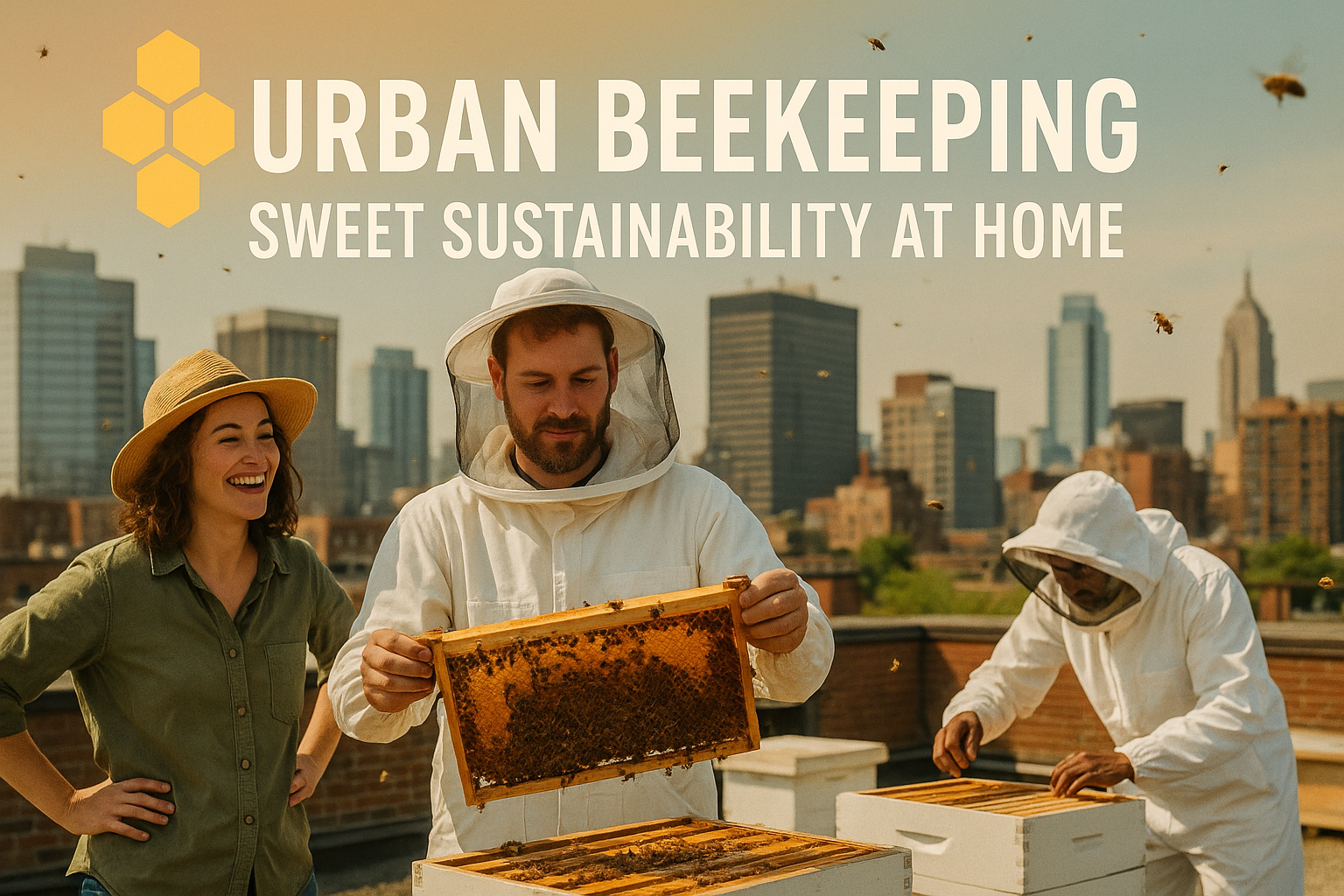
Urban Beekeeping: Sweet Sustainability at Home

By

Reviewed
By Blake River
Introduction
Imagine stepping onto your balcony and seeing a hive buzzing with life. Urban beekeeping brings nature’s sweetness to city living. This trend lets city dwellers practice urban beekeeping and support sustainable gardening. Instead of searching for honey at a store, you harvest your own. Bees pollinate nearby flowers, gardens, and parks. This simple action supports pollinator-friendly spaces in crowded areas.
In the United States in 2025, more people want eco-friendly hobbies. Keeping bees on rooftops, balconies, and small yards fits the bill. It offers fresh honey, fosters wildlife, and connects you with nature. Whether you live in a tall apartment building or a small house, you can join the movement. This article will explain what urban beekeeping is and why it matters. We will cover the benefits, how to get started, practical tips, and how to keep urban bees healthy. You will also find a helpful table comparing hive types. By the end, you will see how easy and rewarding it can be to welcome these busy insects into your urban life.
What Is Urban Beekeeping?

Image by: Yandex.com
Urban beekeeping means keeping honey bee colonies in a city or town. Rather than placing hives on farms or in rural areas, beekeepers set up hives on rooftops, balconies, or small plots of land. These bees collect nectar from urban flowers, trees, and gardens. They return to the hive and make honey.
Unlike keeping pets, beekeeping requires nurturing a small community of insects. Bees work together to build comb, store honey, and care for larvae. A beehive can fit into a space as small as a 1-foot square box. Modern hives often use simple wooden boxes called Langstroth hives. Some urban beekeepers use smaller designs like top-bar hives or flow hives for easy honey extraction.
Live in urban areas offers diverse flowers from parks, street trees, and backyard gardens. Bees find pollen and nectar from lavender, sunflowers, clover, and even flowering trees. Because cities often have fewer pesticides than farms, urban honey can be pure and flavorful. Urban beekeeping also educates neighbors about nature, helps gardens thrive, and supports local ecosystems.
Why Urban Beekeeping Matters

Image by: Yandex.com
Keeping bees in the city supports many goals at once. Here are key reasons why urban beekeeping is important:
- Supports Pollinators: Bees pollinate most fruits, vegetables, and flowers. In cities, green spaces can be limited. Urban hives help maintain pollinator populations. This benefits community gardens, parks, and local farms.
- Produces Local Honey: Urban beekeepers harvest fresh, local honey. Each batch reflects the unique plants in the neighborhood. Local honey can help with seasonal allergies by exposing people to local pollen.
- Builds Green Spaces: Bees need flowers. Urban beekeepers often plant pollinator gardens around hives. This adds color to streets and attracts other beneficial insects like butterflies and ladybugs.
- Educates the Community: Beekeeping teaches people about the urban environments, biology, and sustainability. Schools and community groups often invite beekeepers to show hives. This hands-on education inspires a love of nature.
- Promotes Sustainable Living: Keeping bees fits into a sustainable gardening lifestyle. Making your own honey reduces plastic packaging and transport emissions. Plus, caring for bees encourages eco-friendly habits like composting and planting native flowers.
- Enhances Mental Wellbeing: Interacting with beehives can be calming. Watching bees work improves focus and reduces stress. Many beekeepers say time spent near hives is a form of meditation.
Getting Started with Urban Beekeeping

Image by: Yandex.com
Before bringing bees home, plan carefully. Street beekeeping in a busy city requires extra steps. Follow these guidelines:
1. Check Local Laws
Each city has rules about beekeeping. Some areas allow a limited number of hives per property. Others require registering hives. Research local ordinances online or contact local beekeeping associations. Make sure you comply with safety and zoning requirements.

2. Choose a Suitable Location
Hives need afternoon sun and some shade in the hottest hours. A rooftop, balcony, or backyard corner can work. Make sure people and pets do not walk too close to hive entrances. A hedge, fence, or tall planter can guide bee flight paths upward and away from walking areas.
3. Select the Right Hive Type
Common hive choices include Langstroth hives, top-bar hives, and flow hives. Langstroth hives are versatile and have removable frames for inspection. Top-bar hives use horizontal bars where bees build comb naturally. Flow hives let you harvest honey directly without opening the hive. Consider space, cost, and ease of use when choosing.
4. Buy Quality Equipment
Essential items include protective clothing (veil, gloves, suit), hive tool, smoker, and bee brush. Get a sturdy hive stand to keep hives off the ground. Use food-grade plastic or wooden frames. Ensure your equipment is sanitized to prevent disease.
5. Get Bees from a Reputable Source
Order nucs (nucleus colonies) or packaged bees from a local beekeeper or reputable breeder. Nucs come with a small colony on frames, easy to install in your hive. Packaged bees are loose in boxes and need time to settle. Local bees adapt better to climate and local plants.
6. Learn Bee Biology and Behavior
Understanding basic bee biology helps you care for your hive. Learn about queen roles, worker tasks, and seasonal cycles. Know signs of queen health, brood patterns, and honey flow times. Join a local beekeeping club or take an online course.
7. Prepare Food and Water Sources
In early spring, bees may need sugar syrup until flowers bloom. Also provide a shallow water source with floating cork pieces or stones so bees can land safely. This helps bees cool the hive and feed larvae.
8. Start with One or Two Hives
Don’t overwhelm yourself. Beginning with a single hive helps you learn tasks like inspections, feeding, and pest control. As you gain confidence, consider adding more hives.
Caring for Your Urban Hive

Image by: Yandex.com
Caring for bees involves regular checks and seasonal tasks. Below are steps to maintain a happy colony:
- Regular Hive Inspections: Open your hive every 7–10 days in spring and summer. Look for healthy brood (eggs, larvae, pupae) in neat circles. Check for signs of disease or pests like varroa mites. Ensure the queen is present and laying eggs. Also check honey and pollen stores.
- Provide Feed When Needed: In early spring or late fall, supplement with sugar syrup or pollen patties if nectar flow and pollen are scarce. Do not overfeed; bees need natural sources to remain strong. Feed only when necessary to help colony growth.
- Manage Pests and Diseases: Monitor mites, wax moths, and foulbrood. Use gentle treatments like thymol strips or organic acids for varroa mites. Keep equipment clean and rotate old frames. An integrated pest management approach reduces harm to bees and the environment.
- Harvest Honey Responsibly: Harvest honey only when frames are mostly capped (covered with wax). Leave enough honey—about 10–15 pounds—for the bees to survive winter. Use a bee brush to gently remove bees from frames. Extract honey using a clean extractor.
- Winter Preparations: In fall, reduce hive entrance size to keep out pests and reduce drafts. Add insulation or a hive wrap if your region gets cold. Feed bees so they build up honey stores. Place hives in a location protected from strong winds and heavy snow.
- Harvest Wax and Propolis: Besides honey, you can collect beeswax and propolis. Beeswax makes candles, lip balms, and natural polish. Propolis is the resin bees use to seal cracks. It has antimicrobial properties and can be made into tinctures.
Tips for Urban Beekeeping Success

Image by: Yandex.com
Experience helps, but these tips can fast-track success for new urban beekeepers:
- Join a Local Beekeeping: Club Meeting other beekeepers gives you shared advice and community support. You can observe their hives and learn hands-on techniques. Many clubs offer group hive inspections and mentoring.
- Maintain Good Neighbor: Relations Inform neighbors about your beekeeping plans. A small number of hives does not pose a major risk if proper safeguards are in place. Offer jars of honey as goodwill gestures to show your bees are gentle and beneficial.
- Use Native Plants: Plant flowers suited to your region. Native wildflowers, herbs, and shrubs bloom in sequence, providing bees with a steady food supply from spring through fall. This reduces the need for supplemental feeding.
- Keep Records: Track hive inspections, feeding, treatments, and honey harvests in a simple notebook or app. Notes help you identify patterns such as low honey yields or pest issues so you can improve next year.
- Learn from Online Resources: Websites like Bee Informed Partnership or local extension services share articles and videos on disease management, queen rearing, and more advanced topics. Online forums let you ask questions and learn from global beekeepers.
- Plan for Swarm Prevention: Swarming is when a branch of the colony splits off to form a new hive. Learn to spot signs (like queen cells) and perform splits before a full swarm. This keeps your colony healthy and avoids conflicts with neighbors.
- Honey Extraction Workshops: Attend workshops on honey extraction and processing. You will learn to use an extractor safely, filter honey properly, and check for moisture content. Proper technique ensures pure, long-lasting honey.
Comparative Table: Hive Types in Urban Beekeeping
| Hive Type | Description | Pros | Cons |
|---|---|---|---|
| Langstroth | Stacked boxes with removable frames | Easy to inspect, widely used, modular | Bulkier, heavier, more expensive |
| Top-Bar | Horizontal bars where bees build natural comb | Simple design, close to natural hive | Harder to inspect, lower honey yield |
| Flow Hive | Modified Langstroth with tap & flow system | Easy honey harvesting, less disturbance | Higher cost,complex parts to maintain |
| Warre | Vertical boxes with fixed combs | Low maintenance, insulated | Harder to harvest, limited module options |
| Nuc | Small nucleus colonies for starting new hives | Ideal for beginners, less risk | Limited honey production, small space |
Conclusion
Urban beekeeping is a simple yet powerful way to practice sustainable living at home. By setting up a hive on your balcony, rooftop, or backyard beekeeping, you help save local bee populations and create pollinator-friendly spaces. You also harvest pure, local honey and learn about nature firsthand. With the right research, legal permits, and mindful consumption, keeping bees in the city is safe and rewarding. Just follow best practices, choose the right hive type, and engage with your community. As cities grow, urban beekeeping will play a vital role in making green open spaces thrive, connecting people with nature, and ensuring future generations enjoy healthy gardens and fresh honey.
Call to Action
Ready to start your urban beekeeping journey? Visit our website for beginner guides, hive kit recommendations, and local beekeeping club contacts. Take the first step toward sweet sustainability set up your own city hive today!
Author


Repainting your home can completely change its appearance. Although choosing a new color may seem simple, the decision deserves careful thought. Your home’s exterior covers a large visual area. It also needs to work with the roof, windows, doors, landscaping, driveway, and other permanent features.
For that reason, choosing Exterior Paint should involve more than picking a color you like in a store. The right shade can improve curb appeal and create a welcoming appearance. With a little planning, you can select a color that looks attractive today and continues to suit your home for years.
Start With Features You Cannot Change
Before comparing colors, take a close look at the features that will remain in place. Your roof, brickwork, stone, windows, driveway, and other permanent materials already contribute colors and undertones to the property.
These elements should guide your color selection. For example, a roof with warm brown or red tones may pair naturally with warm beige, cream, or muted green. On the other hand, a cool gray roof may work better with crisp white, blue-gray, or other cooler shades.
Instead of trying to make every feature match, aim for a balanced combination. Complementary colors usually create a more natural and polished appearance.
Consider Your Home’s Architectural Style
The design of your house can also help narrow your choices. Traditional properties often look attractive with classic neutrals, soft earth tones, or understated color combinations. Modern homes, however, can handle stronger contrasts, deeper shades, and bolder accents.
Architectural details also offer opportunities to introduce another color. Shutters, columns, trim, garage doors, and entry doors can add visual interest without making the entire exterior look busy.
You do not need several colors to create an impressive result. In many cases, one well-chosen main shade with a complementary trim color can deliver a clean and sophisticated look.
Always Test Colors Outdoors
A paint sample can look completely different outside than it does inside a store. Natural sunlight changes throughout the day. Nearby trees, buildings, pavement, and landscaping can also affect how you perceive a color.
Therefore, test several shades directly on your home’s exterior before making your final choice. Paint large sample sections rather than relying on tiny color cards. Check each sample in the morning, afternoon, and evening.
Cloudy weather can also change the appearance of a shade. Give yourself enough time to see how each option behaves under different lighting conditions.

Match the Product to the Surface
Color matters, but performance matters just as much. Different exterior materials can require different preparation methods and coating products. Wood siding, masonry, metal, fiber cement, and previously painted surfaces each have different characteristics.
Before choosing Exterior Paint, inspect the condition of the surface. Look for peeling areas, cracks, stains, mildew, or signs of moisture. Proper cleaning and preparation can help the new coating adhere properly and produce a more even finish.
A beautiful color will not deliver a good result if the product does not suit the surface. Always consider durability, weather exposure, and the manufacturer’s recommendations.
Choose the Right Finish
The finish can change the way your home’s exterior looks. Lower-sheen options can create a softer appearance and may help reduce the visual emphasis on minor surface imperfections. More reflective finishes can highlight certain architectural details.
You can also use different finishes to create subtle contrast. For instance, the main siding can have a softer finish while doors or trim use a slightly different sheen.
However, appearance should not guide the decision alone. Think about the surface, weather exposure, cleaning requirements, and overall maintenance needs before selecting a finish.
Look at Your Landscaping
Your home does not stand alone. Trees, shrubs, flower beds, fences, stone paths, and other outdoor features all influence its appearance.
Consider these elements when choosing Exterior Paint. Natural shades such as muted greens, warm grays, beige, and earthy neutrals can blend smoothly with many landscapes. Bolder colors can create more contrast and draw attention to the property.
Also, think about every season. A color that looks excellent against bright summer greenery should still work when leaves change or disappear during colder months.
Think About Long-Term Maintenance
A fresh coat can improve your home’s appearance, but regular care helps maintain that result. Inspect painted surfaces from time to time. Watch for dirt, mildew, fading, cracking, peeling, and moisture damage.
Address minor issues early. Small repairs often require less time and effort than major restoration later.
You should also keep gutters, downspouts, and drainage areas clear. Good water management can reduce unnecessary moisture exposure and help protect painted surfaces.
Create a Color Scheme That Feels Balanced
Once you understand your home’s existing features, start building a simple color scheme. Choose a dominant shade for the largest exterior areas. Then select a complementary color for trim and consider an accent shade for the front door or shutters.
Keep the overall palette consistent. Too many competing colors can make the property look cluttered. Meanwhile, a carefully coordinated combination can highlight the home’s best features without overwhelming them.
Think about where you want attention to go. A darker front door can draw the eye toward the entrance. A lighter trim color can emphasize windows and architectural details. Small adjustments can make a noticeable difference.
Consider the Surrounding Neighborhood
Your home’s surroundings can also influence your decision. Take a look at nearby houses and consider the overall character of the neighborhood. You do not need to copy other properties, but your choice should feel appropriate for the setting.
If surrounding homes use mostly neutral colors, a bold shade can make your property stand out. However, a softer variation may create a more harmonious appearance. In historic or traditional neighborhoods, local character may also influence which colors feel most suitable.
Think About the Overall Mood
Another important factor is the feeling you want your home to create. Soft, neutral shades can give the property a calm and timeless appearance. Deeper colors can add character and make architectural details stand out. Meanwhile, warm tones can create a welcoming and comfortable impression. Consider how you want the home to feel when you approach it from the street. Then choose a shade that supports that atmosphere while still working with the existing features of the property.
Final Thoughts
Choosing the right Exterior Paint involves more than following a trend or selecting a favorite shade. Your home’s architecture, roof, existing materials, landscaping, lighting, and maintenance needs all play an important role.
Start by studying the features you already have. Then test several colors outdoors and observe them under different lighting conditions. Keep your palette simple, choose products that suit your surfaces, and consider how the color will look throughout the year.
Most importantly, take your time before making the final decision. A thoughtful color choice can refresh your home’s appearance, improve curb appeal, and create a polished look that you can enjoy for many years.
Author


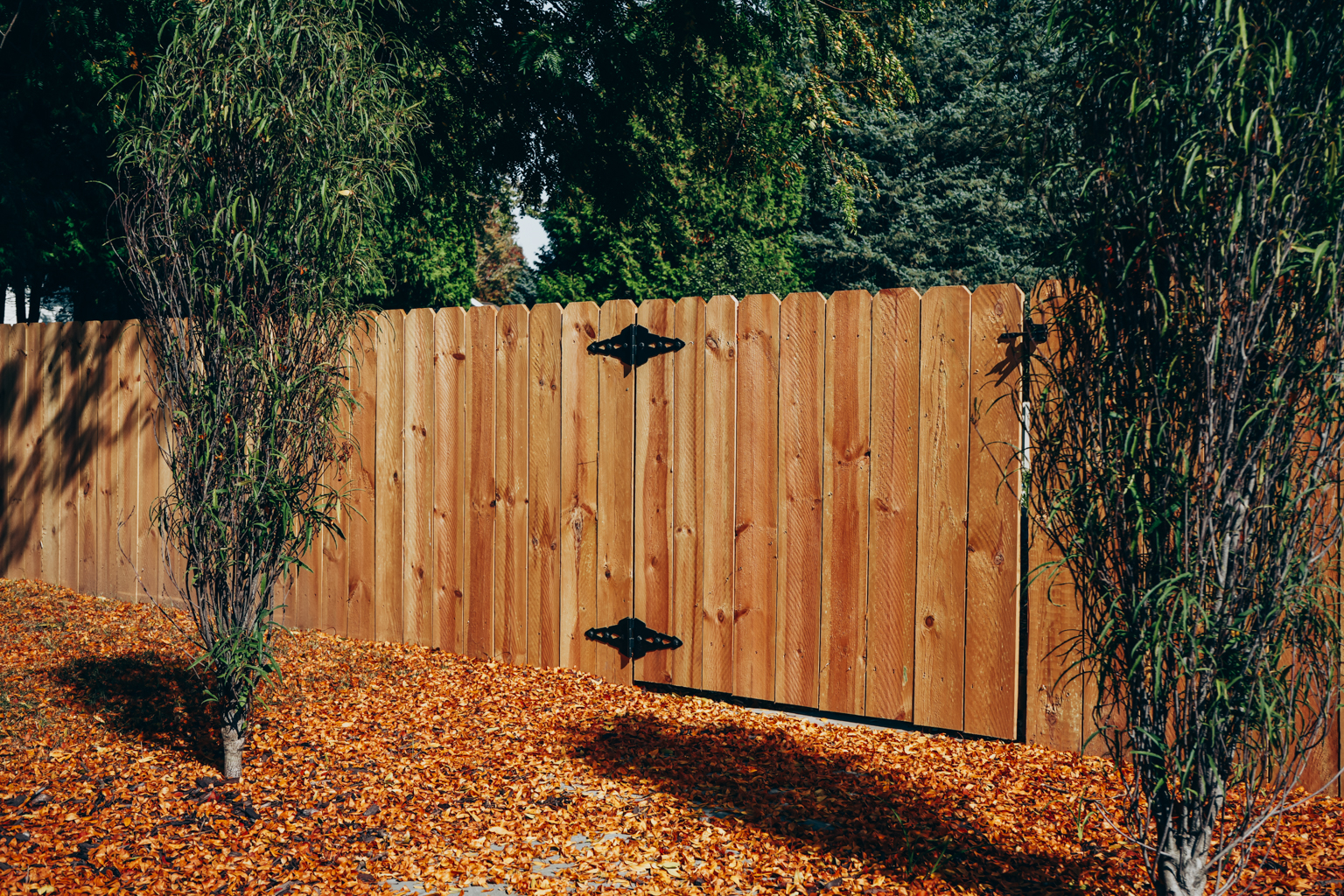
Outdoor fences face changing weather throughout the year. Sunlight, rain, snow, wind, and temperature changes can slowly affect the wood. Over time, these conditions can make a fence look older and weaker.
A Wood fence may first show small signs of wear. The color can fade. The surface may become rough. You may also notice small cracks, loose boards, or areas that look different from the rest of the fence.
Regular care can help property owners notice these changes early. It can also make future maintenance easier. However, staining should not become a substitute for necessary repairs. Damaged or rotten wood needs attention before any new finish goes on the surface.
How Weather Affects Wood
Weather plays a major role in the condition of a fence. Direct sunlight can dry the outer surface and gradually fade its natural color. A fence that receives strong sunlight for most of the day may show these changes sooner than one that stays partly shaded.
Moisture creates another challenge. Rain can soak into exposed wood, while repeated drying can cause the material to expand and contract. This ongoing cycle may eventually contribute to cracks and surface damage.
Snow and ice can add more moisture during winter. Strong winds can also place pressure on boards and posts. Therefore, checking the fence after major seasonal changes can help identify problems before they become more serious.
Why Fence Color Changes
Natural wood does not keep the same appearance forever. Sunlight can make the surface look lighter. Dirt, moisture, and plant growth can also affect its color.
Different sections of the same fence may age at different rates. For example, a section under a tree may receive less sunlight than one in an open area. As a result, the two sections can develop noticeably different shades.
Staining can help create a more consistent appearance when the wood remains in suitable condition. Before choosing a stain, consider the wood type, existing color, and desired finish. Testing the product on a small hidden area can also help you see how the final color may look.
Why Cleaning Matters Before Staining
Proper preparation can make a major difference in a staining project. Dirt, dust, algae, and other buildup can prevent the product from reaching the wood evenly. Cleaning removes this material and gives the surface a better starting point.
However, cleaning requires care. Excessive pressure can damage softer wood. Harsh products can also affect the surface. Choose a cleaning approach that matches the condition of the fence.
After cleaning, allow the wood to dry completely. Applying stain while the surface still holds too much moisture can affect absorption and drying.
Cleaning can also reveal hidden problems. Once dirt disappears, you may find cracks, loose boards, damaged posts, or areas of rot. Repair these issues before moving ahead with staining.
What to Inspect Before Starting
Begin with a complete inspection. Check every board, post, gate, and connection point. Look for cracks, loose fasteners, broken sections, and signs of rot.
Pay special attention to areas close to the ground. Moisture can remain around these sections for longer periods. That makes them more vulnerable to deterioration.
Old finishes also deserve attention. If an existing coating has started to peel or loosen, remove the affected material before applying a new product.
Also consider the area around the fence. Cover or move outdoor furniture when necessary. Protect nearby plants, walkways, and walls from cleaning products or stain.
Finally, check the weather forecast. Rain shortly after application can interfere with drying. Very hot or sunny conditions may also change how quickly a product dries.
Planning a Staining Project
A successful project follows a logical order. Start with an inspection. Then complete necessary repairs, clean the surface, allow enough drying time, and prepare the wood for staining.
Once the surface is ready, apply the selected product according to its instructions. Avoid rushing through the process. Working in manageable sections can make it easier to maintain an even finish.
Keep application tools clean as you work. Dirty brushes or other equipment can affect the final appearance. You should also measure the fence area before purchasing stain. Product labels usually provide coverage information, which can help you estimate how much material you need.
For larger properties, professional Fence Staining Services in Brampton can make the process more manageable. A professional team can handle preparation and application while helping property owners avoid common mistakes.
:strip_icc()/102775501_preview-cacb76db86b645e6b7c90e2478cfb172.jpg)
Stain or Paint: Which One Works Better?
Stain and paint provide different types of finishes. Paint generally creates a more solid surface and can cover much of the natural wood grain. Stain usually allows more of that grain to remain visible, depending on the product.
The right choice depends on the appearance you want and the condition of the wood. Some homeowners prefer a natural look, while others want stronger color coverage.
Do not choose a product based only on its color. Review its intended use, coverage, drying requirements, and application instructions. Make sure it suits the type of wood on your fence.
Keeping a Fence in Good Shape
Fence maintenance should continue after staining. Inspect the fence throughout the year and watch for fading, cracks, loose boards, and moisture-related damage.
Keep leaves, soil, and excessive plant growth away from the wood. Good airflow can help the surface dry after rain. Also inspect gates because repeated movement can place additional stress on hinges and nearby boards.
Deal with minor problems as soon as you notice them. Fixing a loose board early can prevent additional movement or damage. Likewise, addressing moisture problems quickly can help protect nearby sections.
When Professional Help Makes Sense
Some projects require more time, equipment, and preparation than homeowners expect. A long fence can take many hours to clean and prepare properly.
Professional assistance can prove useful when the wood needs extensive preparation or when you do not have the right tools. Before hiring a company, ask what the service includes. Discuss cleaning, preparation, repairs, stain selection, application, and cleanup.
Clear communication can help you understand the work before the project begins. It also gives you a better idea of the expected timeline.
How Pro Renewal Services INC Can Help
Pro Renewal Services INC offers fence care support for property owners in Brampton. The team can help assess the condition of the wood and determine what preparation the project requires.
For homeowners looking for Fence Staining Services in Brampton, proper preparation should remain a key part of the process. Cleaning, checking for damage, and preparing the surface can all contribute to a better result.
Property owners can discuss their fence condition, preferred finish, and maintenance needs before starting. Professional support can also save time for people who would rather leave the preparation and staining process to an experienced team.
Final Thoughts
Wood fences face constant exposure to outdoor conditions. Sun, rain, snow, wind, and changing temperatures can gradually affect their appearance and condition.
Good maintenance starts with regular inspections. Clean the surface, when necessary, repair damaged sections, and let the wood dry properly before applying a new finish.
Professional Fence Staining Services in Brampton can provide another option for homeowners who want help with preparation and staining. With consistent care and timely repairs, a fence can maintain a cleaner appearance and remain part of the property’s outdoor space for years.
Pro Renewal Services INC can help property owners understand their fence care needs and plan the appropriate staining work. A thoughtful maintenance routine can make fence care more straightforward and help prevent small issues from becoming larger problems.
Author

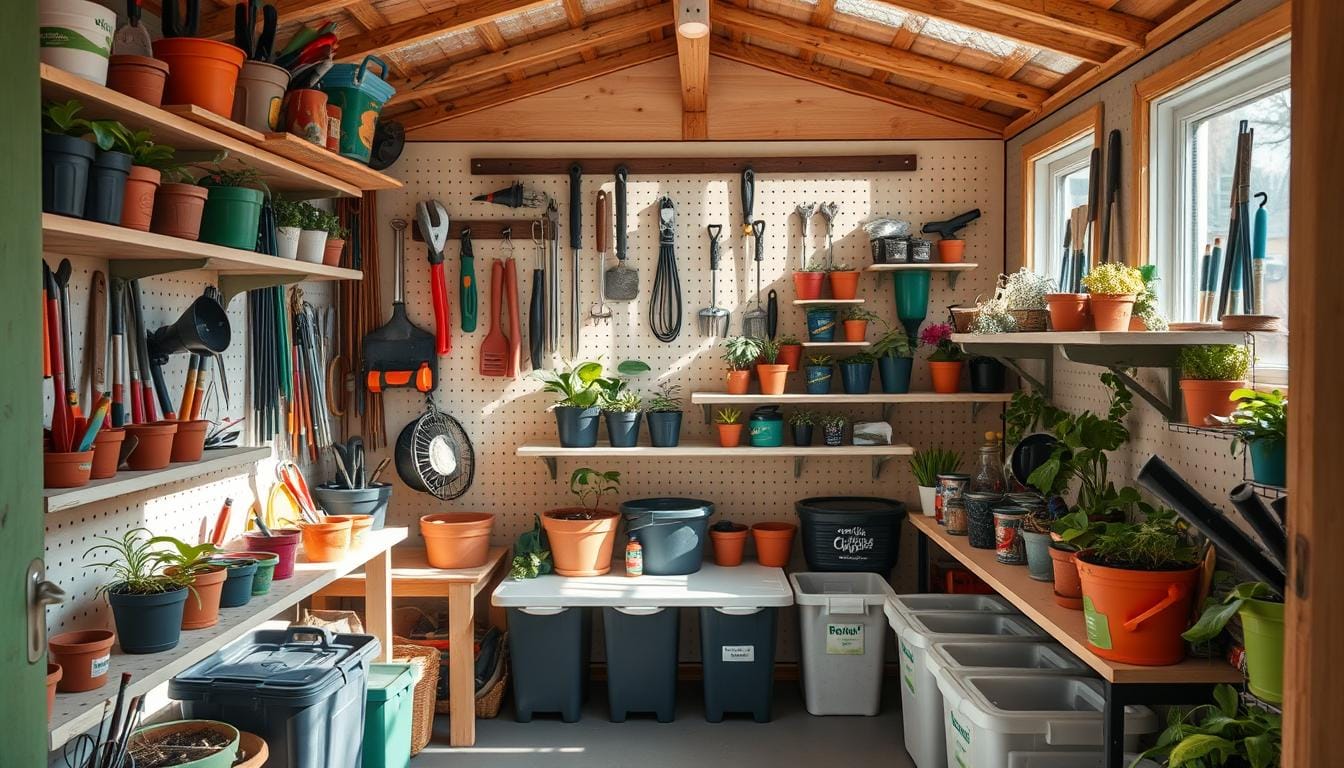
Homes and businesses often collect more items than they can comfortably hold. Furniture, tools, equipment, stock, boxes, and seasonal belongings can quickly take over garages, offices, workshops, and spare rooms. As clutter grows, finding an item can take longer. Daily tasks can also become less convenient.
Extra storage offers a practical way to create more usable space. Shed Storage can give homeowners and businesses a separate place for items they do not need every day. It can prove useful during a move, renovation, business expansion, cleanout, or change in storage needs.
For businesses, extra space can hold stock, tools, files, equipment, and packing materials. This approach can keep the main workplace clear and make daily operations easier.
What Can You Store?
Storage can suit many household and business needs. Homeowners may use it for furniture, sporting equipment, gardening tools, seasonal decorations, spare appliances, and boxes. These items can take up valuable space when they remain at home all year. Tradespeople can also benefit from additional space. They may need somewhere to keep power tools, hand tools, spare parts, and work equipment. Online sellers can use storage for product stock, packaging materials, labels, and shipping supplies.
Before renting a unit, make a list of everything you want to store. Measure larger items and group similar belongings together. This simple step can help you estimate the space you actually need. Also, check the provider’s rules before storing anything. Some facilities restrict certain goods, so ask questions before you move your belongings.
Choosing the Right Storage Option
Start by thinking about size. Your unit should hold your belongings while leaving enough room to move safely. A unit that feels too small can make access frustrating. On the other hand, a much larger unit can increase your monthly cost without giving you much extra value.
Next, consider how often you need access. If you regularly collect tools, stock, or equipment, choose an option with convenient access hours. If you plan to store items for several months without touching them, access may matter less.
Location also plays an important role. A storage facility close to your home or workplace can make drop-offs and collections much easier. It can save valuable time when you need something quickly.
Always review the rental agreement before making a decision. Check payment dates, notice requirements, access conditions, and possible additional fees. Clear terms can help you avoid surprises later.
Planning Your Storage Space
Good organization can make Shed Storage much easier to manage. Keep frequently used belongings close to the entrance. Place items that you rarely need toward the back.
Label every box clearly. Include a short description of the contents on each label. You can also keep a simple inventory on your phone. This method can help you find specific items without opening several boxes.
Place heavier boxes and equipment on the floor or lower shelves. Avoid putting heavy items on fragile belongings. Leave small pathways where possible so you can reach different sections without moving everything.
You can also create a basic storage layout. Note where furniture, boxes, tools, or stock sits inside the unit. Update the layout whenever you add or remove belongings.
Security and Access Matter
Security should always form part of your storage decision. Ask how the facility manages entry and protects customer belongings.
Look for useful security features such as controlled access, surveillance cameras, good lighting, secure locks, and staff support. Inquire about who is permitted to access the storage areas and what measures the facility implements to regulate entry.
Access hours deserve attention too. A tradesperson who collects equipment early in the morning may need different access arrangements than someone storing household furniture.
Your packing methods also affect the safety of your belongings. Use strong boxes and suitable protective covers. Wrap fragile items carefully and secure loose equipment before moving it into storage.
Storage for Homeowners
Extra storage can make a major difference during a house move or renovation. Instead of filling every room with furniture and boxes, homeowners can move selected belongings into a separate space.
It can also reduce garage clutter. Seasonal decorations, sports equipment, spare furniture, and garden items can remain safely stored while everyday areas stay open and useful.
If you are searching for Shed Storage options in Brisbane, consider both your current needs and how those needs may change. Think about the size of your belongings, how often you need access, and how long you expect to use the space.

Storage for Businesses
Businesses often need additional room as they grow. A small office or shop may not have enough space for extra stock, tools, equipment, documents, or packaging materials. A dedicated storage area can keep these items away from the main workspace. As a result, employees can work with fewer distractions. Customers can also enjoy a cleaner and more organized environment.
Businesses should consider loading access before choosing a unit. Heavy equipment and large boxes need convenient movement. You should also compare size, access hours, security, location, and rental costs. For businesses looking for Shed Storage near Brisbane, choosing a suitable facility can make stock and equipment management more practical.
Keeping Storage Costs Under Control
Start with an accurate estimate of your space requirements. Measure large furniture and equipment. Count your boxes as well. These details can help you avoid paying for unused space. However, do not choose a facility based only on price. Compare location, security, access, unit size, and rental conditions too. A cheaper option may cost more in time and effort if it does not suit your routine.
Ask about additional charges before signing an agreement. Make sure you understand what the rental price includes. Review your storage needs regularly. You may need less space after removing unwanted belongings. A growing business, however, may eventually need a larger unit.
Preparing Items for Storage
Proper preparation can help keep belongings in good condition. Clean furniture, tools, and equipment before storing them. Remove dirt and dust that could cause problems over time. Use strong boxes for smaller belongings. Avoid overfilling them because heavy boxes can become difficult to move. Wrap fragile items and protect furniture corners when necessary.
Create an inventory before moving everything into the unit. Number your boxes and record their contents. Keep the inventory somewhere easy to access. Good preparation makes Shed Storage more efficient. It also reduces the chance of damaging items while moving or stacking them.
How ALL BAY MINI STORAGE Can Help
ALL BAY MINI STORAGE offers storage options for both residential and business needs. Customers can consider their belongings, required space, access needs, and budget before selecting an option.
When searching for Shed Storage near Brisbane, prepare a clear list of the items you want to store. Include furniture, equipment, tools, stock, boxes, and other large belongings. This information can make it easier to discuss your requirements. Whether you need space during a move, renovation, business change, or temporary project, careful planning can make the process simpler.
Final Thoughts
Extra storage can help homeowners and businesses regain valuable space. The right option should match your storage volume, access needs, location, security expectations, and budget.
With good organization, clear labels, and proper preparation, Shed Storage can become a practical solution for short-term or long-term needs. A little planning before moving your belongings can save time and make future access much easier.
Author


Cylinder Volume: The Complete Guide to Calculating Volume Accurately

Best Bourbon Tours in Kentucky: Choosing the Right Tour for You

Cabinet Shop Drawings for Precise Fabrication and Installation

Auto Repair Digital Marketing: Grow Your Automotive Business Online

Residential Drafting Services for Remodeling and Renovation Plans

Raised Bed Soil Calculator: How Much Soil Do You Really Need?

3 Best Rhude Hoodies for UK Style 2026

Revit Drafting Solutions for Accurate BIM Projects

How to Find Mobile App Developers in Dubai for Android & iOS Apps

How Do IDA Jacket Designs Balance Function, Comfort, and Style?

Cybersecurity Consulting Company SequelNet Provides Critical IT Support Services to Medical Billing Firm, Medical Optimum

Meet the Megalodon: The Shark Star of ‘Meg 2’

Reduce Video Game Lag: Level Up Your Gaming Performance

Balancing India’s Entertainment: Cricket vs. Bollywood

Jetsetter’s Secrets: Unveiling Our Favorite Travel Hacks for a Seamless Adventure

The 5 Best Live Sports Streaming Sites: Legal and Exciting!

Hollywood Labor Unrest: The Impact of ‘What About Us?’ Strikes

Unveiling the Magic of Dream Fulfillment at the Late NBA Draft

Illuminate Your Skin: Dr. Axe Unveils Natural Remedies for Lightening Knees and Elbows

Bright Choices: Navigating the Pros and Cons of Skin Whitening Creams with Dr. Axe
-

 Business3 years ago
Cybersecurity Consulting Company SequelNet Provides Critical IT Support Services to Medical Billing Firm, Medical Optimum
-
Entertainment3 years ago
Meet the Megalodon: The Shark Star of ‘Meg 2’
-
Entertainment3 years ago
Reduce Video Game Lag: Level Up Your Gaming Performance
-
 Sports3 years ago
Balancing India’s Entertainment: Cricket vs. Bollywood
-
Entertainment3 years ago
Jetsetter’s Secrets: Unveiling Our Favorite Travel Hacks for a Seamless Adventure
-
Productivity3 years ago
The 5 Best Live Sports Streaming Sites: Legal and Exciting!
-
Art /Entertainment3 years ago
Hollywood Labor Unrest: The Impact of ‘What About Us?’ Strikes
-
Sports3 years ago
Unveiling the Magic of Dream Fulfillment at the Late NBA Draft






