
Science
The Role of Renewable Energy in a Sustainable Future

By

Reviewed
By Finn Gregory

Introduction
The core of the climate problem and the answer lies in energy.
To stop the worst effects of climate change, scientists say that emissions need to be cut by nearly half by 2030. This is an urgent goal for the health of the planet. To achieve this, we must stop using fossil fuels that pollute our environment and cause harm. It is essential that we invest in clean, affordable, and renewable energy sources to replace fossil fuels. It is possible to generate energy from sources that are sustainable, dependable, and accessible for all. The sun, wind, water, waste, and heat from the Earth are all renewable energy sources found in nature. These sources regenerate naturally and cause very few pollutants or greenhouse gases to be released into the air. Shifting to these renewable resources is a crucial part of stopping climate change.
Renewable Energy comes from many sources like sunlight, wind, and water. This clean energy helps us create a lasting future by lowering harmful emissions, boosting economic growth, and reducing our dependence on fossil fuels. Business leaders need to understand the different types of energy and how each one can help. This knowledge lets them make smart choices that meet both their environmental responsibilities and business goals.
What is Renewable Energy?

Image by: Yandex.com
Definition and Importance
Renewable energy comes from natural sources that do not run out. Unlike fossil fuels, these sources regenerate naturally and are available in unlimited supply.
Many countries are switching to clean energy because:
- It reduces carbon emissions and helps fight climate change.
- It lowers dependency on fossil fuels and reduces energy costs.
- It provides sustainable power for future generations.
Switching to renewable energy sources is a step toward a greener, healthier planet.
Types of Renewable Energy Sources
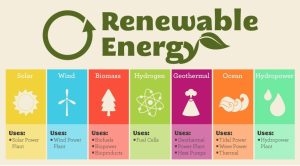
Image by: Yandex.com
1. Solar Energy
Solar panels convert sunlight into electricity. They are widely used for homes, businesses, and power plants.
You would think that sunlight would be the most abundant renewable energy source since it is one of the planet’s most abundant energy sources. Of course, location, season, and time of day can all have a significant impact on how much sunlight we receive.

The “photovoltaic effect,” or PV, is a combined chemical and physical process that occurs when sunlight strikes solar panels, producing electricity.
2. Wind Energy
In the US and the UK, wind energy is the main source of renewable electricity. Wind turbine blades rotate to produce power in both onshore and offshore wind farms. By rotating a driving shaft and gear box that are attached to a generator. The turbines transform the kinetic energy of the spinning blades into electric energy. After being transformed into higher voltages, electricity is subsequently supplied to the national grid.
3. Hydropower
The flow or fall of water is used to generate hydropower. At dams, hydroelectric power plants use underwater turbines to turn a generator to produce energy. Wave and tidal power, which use similar technologies to create energy at the mouths of vast bodies of water by harnessing ocean forces, are also included in the category of hydro power.
4. Biomass Energy
Burning organic matter as a fuel source can produce electricity. These fuels are referred to as biomass and can be anything from food waste to wood to plants. Although the production of bioenergy releases carbon dioxide (CO2), these fuels are regarded as renewable since they may be regrown and absorb the same amount of carbon as they release over the course of their lifetimes.
5. Geothermal Energy
Geothermal energy harnesses heat from the Earth’s core. It is an efficient and low-emission energy source.
Each renewable energy source has its own advantages and limitations, but all contribute to a sustainable energy future.
The Environmental Benefits of Renewable Energy

Image by: Yandex.com
1. Reducing Carbon Emissions
Fossil fuels release harmful gases that cause global warming. Renewable energy does not pollute the air.
- Solar and wind power generate energy with zero emissions.
- Hydropower and geothermal energy replace coal-fired power plants.
- Countries that adopt clean energy experience less air pollution.
Switching to clean energy sources helps fight climate change and protects public health.
2. Conserving Natural Resources
Fossil fuels are limited and take millions of years to form. Renewable Energy Comes from Nature and does not run out.
- Solar energy comes from the sun, which will always be available.
- Wind power uses natural wind patterns to generate energy.
- Hydropower is powered by the natural water cycle.
By using renewable energy, we ensure that future generations have Sustainable Power Sources.
3. Protecting Ecosystems
Coal mining and oil drilling destroy forests and harm wildlife. Renewable energy has a much lower environmental impact.
- Solar and wind farms do not release toxic chemicals.
- Hydropower plants can be designed to minimize damage to water ecosystems.
- Using clean energy protects biodiversity and reduces habitat destruction.
The shift to green energy solutions helps create a healthier environment for humans and wildlife.
Key Advantages of Renewable Energy

Image by: Yandex.com
1. Energy Independence
Countries that rely on fossil fuels are affected by price fluctuations and supply shortages. Renewable energy provides energy security by reducing dependence on imported fuel.
2. Job Creation
The renewable energy industry is growing and creating millions of jobs worldwide. Careers in solar panel installation, wind turbine maintenance, and battery storage technology are in high demand.
3. Public Health Benefits
Air pollution from fossil fuels causes respiratory diseases and health problems. Switching to clean energy reduces exposure to harmful pollutants.
Challenges in Implementing Renewable Energy

Image by: Yandex.com
1. High Initial Costs
Setting up renewable energy infrastructure requires large investments. However, government subsidies and improved technology are reducing costs.
2. Weather Dependency
Solar and wind energy depend on weather conditions. Advances in battery storage help store extra energy for use when needed.
3. Land Space Requirements
Large-scale wind farms and solar parks require land. Innovations like floating solar panels help maximize space usage.
4. Advanced Storage Needs
Better battery storage technology is essential for keeping energy supply stable. Companies are developing efficient solutions to improve reliability.
Table: Comparison of Renewable Energy Sources
| Energy Source | Advantages | Challenges |
|---|---|---|
| Solar Energy | Clean, abundant, and low maintenance. | Weather-dependent, costly setup. |
| Wind Energy | Sustainable and cost-effective. | Requires land, can be noisy. |
| Hydropower | Reliable with a long lifespan. | Can affect river ecosystems. |
| Biomass Energy | Reduces waste and provides biofuels. | Needs land, emits some CO₂. |
| Geothermal Energy | Continuous energy, low emissions. | Limited to specific locations. |
Future of Renewable Energy

Image by: Yandex.com
1. Expansion of Solar and Wind Power
Governments are investing in large-scale solar and wind projects to meet growing energy needs.
2. Breakthroughs in Battery Storage
New battery storage systems will make renewable energy more reliable.
3. Integration with Smart Grids
Smart grids will help distribute renewable energy more efficiently, ensuring a stable power supply.
Conclusion
The shift to renewable energy is necessary for a sustainable and cleaner future. It reduces carbon emissions, protects natural resources, and improves public health. While challenges exist, advancements in technology are making renewable energy more affordable and accessible.
Using solar, wind, hydropower, biomass, and geothermal energy will lead to a greener planet and a healthier society.
Author


Data has become an essential part of modern business. Companies collect information from customers, websites, applications, and internal systems every day. They use this information to understand customer needs, improve products, control expenses, and make smarter decisions. At the same time, Artificial Intelligence (AI) is changing how businesses automate routine work and build intelligent applications.
As technology continues to evolve, careers in Data Science, Machine Learning, and Artificial Intelligence are attracting students, graduates, and working professionals. However, entering these fields requires more than theoretical knowledge. Beginners need a clear learning path, practical experience, and an understanding of how technology works in real business environments.
What Does Data Science Involve?
Science brings together programming, statistics, data analysis, and machine learning. Professionals use these skills to examine information, identify patterns, and solve business problems. They also communicate their findings so that companies can make informed decisions.
For beginners, learning should start with the fundamentals. A practical training program can cover Python programming, SQL, statistics, data cleaning, data visualization, machine learning, and model evaluation. These skills create a strong technical foundation.
Moreover, students should work with practical datasets while learning. This approach makes complex concepts easier to understand. It also helps learners see how different techniques work outside a classroom environment.
Instead of trying to master everything at once, beginners can learn each topic step by step. With regular practice, they can gradually develop the confidence to handle real-world data problems.
Understanding Artificial Intelligence Training
Artificial Intelligence now plays a role across several industries. Businesses use AI for customer support, automation, forecasting, recommendation systems, document processing, and content creation. As a result, professionals with practical AI skills can explore opportunities across different technology domains.
An Artificial Intelligence Course in Hyderabad can introduce learners to areas such as machine learning, deep learning, Natural Language Processing (NLP), computer vision, and generative AI.
However, effective Artificial Intelligence Training should go beyond demonstrations. Students need to understand the concepts behind the tools they use. Practical exercises can help them learn how AI models work and where businesses can apply them.
For beginners, this foundation can make advanced topics less confusing. It also helps learners understand the strengths and limitations of AI systems.
Exploring Generative AI
Generative AI has quickly become an important area of modern technology. Unlike traditional systems that mainly analyze existing information, generative models can create new text, images, code, and other forms of content.
A practical Generative AI Training in Hyderabad program can introduce learners to prompt engineering, AI APIs, large language models, AI application development, retrieval-based applications, model limitations, and responsible AI practices.
Students can gain more value when they combine these skills with Python and machine learning knowledge. They can then understand how AI features work within applications instead of treating generative AI as a standalone tool.
Practical projects can also help learners experiment with different use cases. This experience can improve their problem-solving skills and give them examples to discuss during interviews.
Building Machine Learning Skills
Machine Learning enables computers to recognize patterns and make predictions from data. Businesses use machine learning for fraud detection, customer analysis, recommendation systems, forecasting, and many other applications.
A Machine Learning course in Hyderabad should explain the complete model-building process. Students should learn how to prepare datasets, select suitable algorithms, train models, measure performance, and interpret results.
Hands-on practice matters here. Working with real datasets allows learners to understand common challenges such as missing values, inconsistent information, and inaccurate predictions.
Furthermore, students exploring AI and machine learning courses should examine whether the program includes practical assignments and projects. These activities can help bridge the gap between classroom learning and workplace expectations.

Choosing the Right Training Institute
Many institutes offer technology training in Hyderabad. Therefore, learners should look beyond advertisements when selecting a program. The course structure, trainer experience, practical exposure, and learning support can all influence the overall learning experience.
Before enrolling in a science program, students can check whether it includes Python, SQL, statistics, data visualization, machine learning, AI concepts, and project work. They should also look at the trainer’s industry knowledge and teaching approach.
Practical assignments are equally important. A good learning environment should encourage students to solve problems independently. It should also give them opportunities to ask questions and improve their technical understanding.
Understanding Placement Support
Many students look for Data science training in Hyderabad with placement support. Career assistance can be useful, especially for beginners who are preparing for their first technology role.
Training providers may offer services such as resume preparation, mock interviews, technical interview practice, coding assessments, project guidance, and job-search support.
However, learners should understand the difference between career assistance and guaranteed employment. A training institute can provide guidance and preparation, but a candidate’s skills, qualifications, interview performance, and market conditions also affect employment outcomes. Therefore, students should focus on building genuine skills rather than relying only on placement promises.
Why Consider V Cube Software Solutions?
V Cube Software Solutions provides training in Artificial Intelligence, Machine Learning, and related technologies. Its learning approach focuses on concepts, assignments, projects, and career preparation.
For learners searching for an Artificial Intelligence Course Near Me or data science training in Hyderabad, comparing course details can help them understand what each program offers. They can review the syllabus, practical work, trainer experience, and available learning support before making a decision.
The primary goal should remain skill development. Completing a course is only one step. Applying the knowledge through projects and continuous practice can make the learning journey more meaningful.
Career Opportunities After Training
Once learners develop practical skills in Data Science, AI, and machine learning, they can explore several technology roles. Potential career paths include Data Analyst, Data Scientist, Machine Learning Engineer, AI Developer, Business Intelligence Analyst, Science Associate, and Generative AI Developer.
Career growth does not stop after completing training. Technology changes quickly, so professionals need to keep learning. Building projects, improving programming skills, studying new tools, and solving practical problems can help learners stay prepared for changing industry requirements.
Final Thoughts
Data Science, Artificial Intelligence, Machine Learning, and Generative AI are creating new possibilities across the technology industry. Yet, success in these fields requires strong fundamentals, practical exposure, and consistent learning.
If you are considering a Science Course Hyderabad, Artificial Intelligence Course in Hyderabad, or Machine Learning course in Hyderabad, look for a program that combines clear instruction with practical projects and career preparation.
A structured learning approach can help beginners understand complex technologies without feeling overwhelmed. With regular practice and the right guidance, learners can build a practical foundation and prepare themselves for opportunities in the evolving IT industry.
Author



Tirzepatide Explained is a topic that has gained considerable attention in modern metabolic research. Scientists have developed a growing interest in this peptide because it interacts with two important hormone pathways instead of targeting only one. These pathways influence blood glucose, insulin secretion, appetite, digestion, and energy balance.
Tirzepatide belongs to a newer class of medicines known as dual GIP and GLP-1 receptor agonists. GIP stands for glucose-dependent insulinotropic polypeptide, while GLP-1 stands for glucagon-like peptide-1. Both hormones naturally participate in the body’s regulation of metabolism. Tirzepatide activates receptors for both hormones, giving it a distinctive mechanism of action.
Researchers have studied tirzepatide extensively in type 2 diabetes and obesity. At the same time, scientists continue to investigate its broader effects on metabolic health. Understanding its structure and function can therefore provide useful insight into how modern peptide-based therapies work.
Understanding the Structure of Tirzepatide
Tirzepatide Explained begins with its molecular structure. Tirzepatide is a synthetic peptide that contains 39 amino acids. Scientists based its design on the structure of GIP and introduced specific modifications to improve its stability and duration of activity.
One of its most important structural features is a fatty-acid component attached through a specialized linker. This modification allows tirzepatide to bind strongly to albumin in the bloodstream. The FDA prescribing information reports that tirzepatide is about 99% bound to plasma albumin. Its elimination half-life is approximately five to six days in people with overweight or obesity.
This extended activity has an important practical consequence. The molecule can remain active in the body for a relatively long period. As a result, approved formulations can use once-weekly administration.
The structure also contains modified amino acids that help protect the peptide from rapid breakdown. These changes demonstrate how scientists can use peptide engineering to improve a naturally inspired molecule. Instead of copying a natural hormone exactly, researchers can modify its structure to create a compound with more suitable pharmaceutical properties.
How Tirzepatide Works in the Body
Tirzepatide Explained also requires a closer look at its mechanism of action. The compound activates both GIP and GLP-1 receptors. These receptors belong to a family of cell-surface receptors that help regulate metabolic processes.
When tirzepatide activates these pathways, it can increase insulin secretion when blood glucose levels are elevated. It can also reduce glucagon secretion in a glucose-dependent manner. These effects can help improve the body’s regulation of blood glucose.
The compound also influences appetite. GLP-1 signaling plays a role in appetite and food intake, while GIP signaling contributes to metabolic regulation. Researchers believe that the combined activity of these pathways contributes to the effects observed with tirzepatide treatment.
Tirzepatide can also affect gastric emptying, particularly during the early phase of treatment. Slower movement of food from the stomach can influence digestion and may contribute to changes in food intake. However, the overall response depends on several biological factors.
This dual mechanism makes tirzepatide different from therapies that activate only the GLP-1 receptor. Scientists continue to study how GIP and GLP-1 signaling interact and how their combined activation influences metabolic health.
Tirzepatide and Type 2 Diabetes Research
Type 2 diabetes represents one of the major areas in which researchers have studied tirzepatide. The condition involves complex changes in glucose metabolism. Insulin resistance, impaired insulin secretion, and abnormal glucagon regulation can all contribute to elevated blood glucose.
Tirzepatide addresses several of these pathways simultaneously. Its incretin activity can support glucose-dependent insulin secretion while influencing glucagon levels. It can also affect appetite and food intake, which may contribute to improvements in overall metabolic control.
Clinical research has demonstrated meaningful improvements in glycemic measures among people with type 2 diabetes who received tirzepatide. These findings have helped establish dual GIP and GLP-1 receptor activation as an important area of metabolic drug development.
The research has also raised interesting scientific questions. For example, scientists continue to investigate how much GIP receptor activity contributes to the overall effects of tirzepatide. Understanding the individual and combined roles of these receptors could help guide the development of future multi-target therapies.
Tirzepatide in Obesity Research
Obesity has become another major area of interest in tirzepatide research. Body weight depends on a complicated network of signals involving the brain, digestive system, pancreas, liver, and adipose tissue. Appetite and energy expenditure also play important roles.
Tirzepatide can influence appetite and food intake through incretin signaling. Clinical trials have consequently shown substantial reductions in body weight among adults with obesity.
In the 72-week SURMOUNT-1 trial, participants without diabetes received weekly tirzepatide at doses of 5 mg, 10 mg, or 15 mg, or placebo. Average weight reductions were 15.0%, 19.5%, and 20.9% with the three tirzepatide doses, compared with 3.1% with placebo. The researchers also reported improvements in several cardiometabolic measures.
These findings helped demonstrate the potential of dual incretin therapy in obesity management. However, individual responses can vary. Treatment outcomes may depend on factors such as treatment duration, lifestyle, baseline health, and adherence.

Long-Term Research and Diabetes Prevention
Another important area of research involves the relationship between obesity, prediabetes, and type 2 diabetes. Researchers have examined whether sustained weight reduction with tirzepatide may influence the progression from prediabetes to diabetes.
A three-year analysis of participants with obesity and prediabetes provided notable results. After 176 weeks, average weight reductions ranged from 12.3% to 19.7% across the tirzepatide dose groups, compared with 1.3% with placebo. During the treatment period, 1.3% of participants in the tirzepatide groups developed type 2 diabetes compared with 13.3% in the placebo group.
Researchers also followed participants for 17 weeks after treatment ended. The results showed that 2.4% of participants who had received tirzepatide developed diabetes compared with 13.7% of those who had received placebo during the full observation period. The study also reported that gastrointestinal events were the most common adverse events and were generally mild to moderate.
These findings add an important dimension to Tirzepatide Explained because they show why researchers are interested in the compound beyond short-term changes in blood glucose or body weight. Still, long-term research must continue to determine how these findings translate across different populations.
Broader Scientific Applications
Researchers are also examining tirzepatide in connection with other aspects of metabolic health. Areas of interest include cardiovascular risk factors, lipid metabolism, liver health, kidney function, and changes in body composition.
These investigations are important because obesity and metabolic disorders rarely affect only one biological system. Changes in body weight can influence blood pressure, lipid levels, glucose regulation, and other health measures. Therefore, researchers want to understand the full range of effects associated with dual GIP and GLP-1 receptor activation.
However, it is important to distinguish established evidence from experimental research. A potential application does not automatically represent an approved use. Researchers must conduct controlled studies to determine whether a treatment provides meaningful benefits for a specific condition.
This careful distinction also makes Tirzepatide Explained more useful as a scientific topic. Rather than viewing the compound only through the lens of weight loss or blood glucose, researchers can examine its molecular activity, physiological effects, clinical outcomes, and possible future applications separately.
Safety and Ongoing Research
Like other medicines that influence gastrointestinal and metabolic pathways, tirzepatide can cause adverse effects. Clinical trials have commonly reported gastrointestinal symptoms, particularly during periods of dose escalation. In the 72-week SURMOUNT-1 study, the most common adverse events were gastrointestinal and were generally mild to moderate.
Researchers continue to monitor safety during longer studies. The three-year SURMOUNT-1 analysis did not identify new safety signals, although gastrointestinal events remained among the most frequently reported adverse events.
These findings highlight the importance of continued scientific monitoring. Long-term studies can provide information that shorter clinical trials cannot fully capture. They can also help researchers understand how treatment responses change over time.
Why Tirzepatide Matters to Modern Drug Development
Tirzepatide Explained ultimately reflects a broader change in pharmaceutical research. Scientists are increasingly interested in molecules that can influence multiple biological pathways within a single treatment.
Tirzepatide provides a useful example of this approach. Its structure supports prolonged activity. Its receptor profile allows it to influence both GIP and GLP-1 pathways. Its clinical development has also provided researchers with valuable information about how dual incretin signaling can affect glucose regulation and body weight.
This approach could influence future peptide research. Scientists may use similar principles when designing compounds that target multiple receptors or biological pathways. Such research could lead to new strategies for addressing complex metabolic disorders.
At the same time, researchers must continue evaluating long-term safety, effectiveness, treatment adherence, and individual responses. No single therapy produces identical results for everyone. Careful clinical research remains essential for understanding the benefits and limitations of any metabolic treatment.
Final Thoughts
Tirzepatide Explained is ultimately a story about modern peptide engineering, hormone signaling, and metabolic research. Scientists designed tirzepatide to activate two important incretin pathways. They also modified its structure to improve stability and extend its activity in the body.
Clinical research has demonstrated significant effects on body weight and metabolic measures. Longer-term research has also shown promising findings involving the progression from prediabetes to type 2 diabetes.
Even so, research continues to evolve. Scientists are still investigating the broader biological effects of dual GIP and GLP-1 receptor activation. Future studies may provide a clearer picture of its long-term role in metabolic health.
Overall offers an excellent example of how researchers can combine molecular design with an understanding of natural hormone pathways. Its unique structure, dual mechanism, and growing body of clinical evidence have made it an important subject in contemporary metabolic science.
Author



Family connections are an important part of our identity. However, some people grow up with unanswered questions about their biological roots. They may not know the identity of a parent, may have missing birth records, or may want to reconnect with relatives after adoption. In these situations, memories and family stories can provide helpful clues. However, they cannot scientifically confirm a biological relationship.
A DNA test can provide a clearer answer. It uses genetic information to compare individuals and determine whether they are likely to share biological relatives. When a direct parent-child test is not possible, a sibling DNA test can help examine whether two people may share one or both biological parents.
This article explains how this type of testing works, when people may consider it, how accurate the results can be, and what individuals should know before starting the process.
What Is sibling DNA Testing?
A DNA test compares the genetic information of two individuals to estimate whether they have a biological sibling relationship. Unlike a parent-child DNA test, this method does not compare one person’s DNA directly with a confirmed biological parent.
Instead, the laboratory examines specific genetic markers that both individuals inherited from their parents. The test looks for similarities and differences in these markers. Then, experts use statistical calculations to determine how likely it is that the two people share biological parents.
This type of testing can help identify whether individuals are full siblings, half-siblings, or unrelated. However, results may sometimes require careful interpretation because siblings do not always inherit the same DNA patterns from their parents.
When Should Someone Consider a Sibling Relationship Test?
Many people choose sibling DNA testing when a biological parent is unavailable for testing. A direct parent-child comparison usually provides the strongest evidence of a relationship. However, when that option is not possible, sibling testing can offer valuable information. There are several situations where this type of test may be useful.
For example, adopted individuals may use DNA testing to search for biological family members. People involved in inheritance or estate matters may also need scientific evidence to confirm a family connection. In addition, immigration cases sometimes require proof of biological relationships when official documents are incomplete or unavailable.
Some individuals simply want to understand their family history. They may have questions about a possible brother, sister, or half-sibling. A DNA test can provide scientific evidence that helps answer those personal questions. Because siblings inherit different portions of DNA from their parents, the laboratory does not only look at shared genetic information. Instead, it analyzes multiple genetic markers and calculates the probability of a relationship.
How Does the Testing Process Work?
The sibling DNA process is simple and usually does not involve any complicated procedures. Most tests require a cheek swab sample collected from each person. The sample collection process is quick, painless, and can usually be completed at home or through a testing facility. After collecting the samples, the laboratory extracts DNA from the cheek cells. Then, specialists analyze specific genetic markers from both individuals. These markers provide information about the similarities and differences between their DNA profiles.
Once the analysis is complete, the laboratory prepares a detailed report. The report explains whether the results support a possible biological sibling relationship or whether the findings suggest that a relationship is unlikely. Professional laboratories follow strict procedures during testing. They maintain sample security and use quality control methods to improve the reliability of results.

How Accurate Is DNA Testing?
The accuracy of a sibling DNA test depends on several factors. These include the number of genetic markers analyzed, the quality of the samples, and whether additional relatives are available for testing. When a biological parent participates in the test, the results often become stronger because the laboratory receives more genetic information for comparison. Testing another close relative can also improve the ability to evaluate the relationship.
However, sibling testing works differently from direct parent testing. Since brothers and sisters receive different combinations of DNA from their parents, the results usually provide a probability rather than a simple yes or no answer. A qualified laboratory can explain the confidence level of the results and help individuals understand what the findings mean in their specific situation.
Understanding the Test Results
DNA test reports may appear complex at first, but they usually focus on probability. The laboratory compares shared genetic markers and calculates the likelihood that two individuals have biological parents in common.
A strong probability can support the possibility of a sibling relationship. On the other hand, a lower probability may suggest that the individuals are not biologically related. Sometimes, the results may not provide a clear conclusion. This can happen because siblings naturally share varying amounts of DNA.
Additional testing with close relatives can sometimes provide more information. For this reason, people should review their results carefully and discuss their options with experienced professionals if they need further guidance.
Choosing the Right DNA Testing Option
DNA testing can help people explore biological relationships when traditional records are unavailable or incomplete. While direct parent-child testing remains the most reliable option, relationship tests involving siblings and other relatives can provide important genetic evidence.
Before choosing a test, individuals should consider their specific situation. The right option depends on who is available for testing and what type of relationship they want to confirm.
Reliable testing providers offer information about different DNA testing options and explain how each test works. Working with an accredited laboratory can help ensure that the testing process follows proper quality standards.
Professional Guidance Matters During DNA Testing
Choosing a DNA test can be an emotional decision because the results may reveal important information about family relationships. Therefore, it is helpful to understand the testing process before submitting samples. Professional testing providers can explain the available options, answer questions about accuracy, and help individuals select the most suitable test for their needs. In addition, understanding the limitations of genetic testing can prevent confusion and help people interpret results with realistic expectations. With proper guidance, individuals can approach the process with greater confidence and make informed choices about their family history.
Final Thoughts
Finding answers about biological relationships can bring clarity and peace of mind. Whether someone is searching for family members, resolving legal questions, or exploring personal history, DNA testing can provide valuable information. A sibling DNA test offers a practical solution when a biological parent cannot participate. Although it does not always provide the same level of certainty as direct parent testing, it can help individuals better understand possible family connections through scientific analysis. By choosing the right testing method and understanding how results work, people can make informed decisions about their next steps and gain a clearer picture of their biological family history.
Author



Cylinder Volume: The Complete Guide to Calculating Volume Accurately

Best Bourbon Tours in Kentucky: Choosing the Right Tour for You

Cabinet Shop Drawings for Precise Fabrication and Installation

Auto Repair Digital Marketing: Grow Your Automotive Business Online

Residential Drafting Services for Remodeling and Renovation Plans

Raised Bed Soil Calculator: How Much Soil Do You Really Need?

3 Best Rhude Hoodies for UK Style 2026

Revit Drafting Solutions for Accurate BIM Projects

How to Find Mobile App Developers in Dubai for Android & iOS Apps

How Do IDA Jacket Designs Balance Function, Comfort, and Style?

Cybersecurity Consulting Company SequelNet Provides Critical IT Support Services to Medical Billing Firm, Medical Optimum

Meet the Megalodon: The Shark Star of ‘Meg 2’

Reduce Video Game Lag: Level Up Your Gaming Performance

Balancing India’s Entertainment: Cricket vs. Bollywood

Jetsetter’s Secrets: Unveiling Our Favorite Travel Hacks for a Seamless Adventure

The 5 Best Live Sports Streaming Sites: Legal and Exciting!

Hollywood Labor Unrest: The Impact of ‘What About Us?’ Strikes

Unveiling the Magic of Dream Fulfillment at the Late NBA Draft

Illuminate Your Skin: Dr. Axe Unveils Natural Remedies for Lightening Knees and Elbows

Bright Choices: Navigating the Pros and Cons of Skin Whitening Creams with Dr. Axe
-

 Business3 years ago
Cybersecurity Consulting Company SequelNet Provides Critical IT Support Services to Medical Billing Firm, Medical Optimum
-
Entertainment3 years ago
Meet the Megalodon: The Shark Star of ‘Meg 2’
-
Entertainment3 years ago
Reduce Video Game Lag: Level Up Your Gaming Performance
-
 Sports3 years ago
Balancing India’s Entertainment: Cricket vs. Bollywood
-
Entertainment3 years ago
Jetsetter’s Secrets: Unveiling Our Favorite Travel Hacks for a Seamless Adventure
-
Productivity3 years ago
The 5 Best Live Sports Streaming Sites: Legal and Exciting!
-
Art /Entertainment3 years ago
Hollywood Labor Unrest: The Impact of ‘What About Us?’ Strikes
-
Sports3 years ago
Unveiling the Magic of Dream Fulfillment at the Late NBA Draft






