
health
Exploring Dropless Cataract Surgery: Innovations in Ophthalmology

Introduction
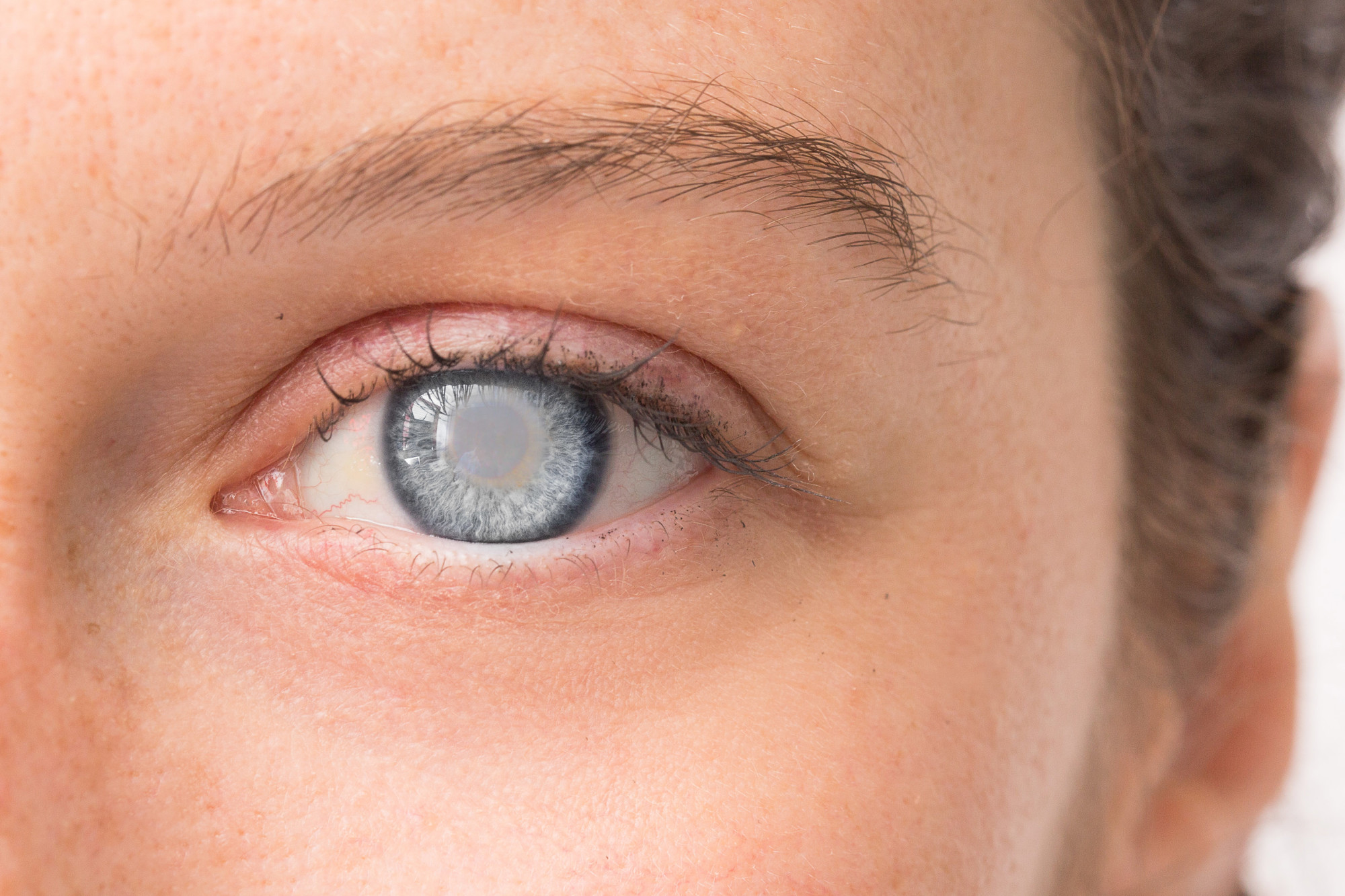
Cataracts, a common eye condition mostly associated with aging, can significantly impair vision if left untreated. Fortunately, advancements in ophthalmology have led to innovative techniques like dropless cataract surgery, revolutionizing how this condition is managed. In this comprehensive guide, we delve into the intricacies of dropless cataract surgery, exploring its benefits, procedure, recovery, and potential considerations.
Understanding Cataracts and Traditional Treatment Methods
Before delving into dropless cataract surgery, it’s crucial to understand what cataracts are and how they are traditionally treated. Cataracts occur when the lens of the eye becomes cloudy, leading to blurred vision, glare, and reduced color perception. Traditional treatment involves surgical removal of the cloudy lens followed by the insertion of an artificial intraocular lens (IOL). Post-surgery, patients typically use a regimen of antibiotic and anti-inflammatory eye drops to aid in the healing process. Explore More About (Vanish Kidney Stones Naturally)
The Evolution of Dropless Cataract Surgery
Dropless cataract surgery represents a significant advancement in cataract treatment. Unlike traditional approaches that require multiple post-operative eye drops, dropless cataract surgery eliminates the need for this regimen. Instead, a compounded medication containing antibiotics and steroids is injected into the eye during surgery, providing sustained release over the post-operative period. This innovative technique offers several benefits:
1. Simplified Post-Operative Regimen
With dropless cataract surgery, patients no longer need to worry about adhering to a complex schedule of post-operative eye drops. This simplification not only enhances patient convenience but also reduces the risk of non-compliance, which can compromise surgical outcomes.
2. Reduced Risk of Infection and Inflammation
By delivering antibiotics and steroids directly into the eye at the time of surgery, dropless cataract surgery helps mitigate the risk of post-operative infection and inflammation. This targeted approach ensures optimal therapeutic concentrations of medication within the eye, enhancing patient safety and comfort.

3. Enhanced Cost-Effectiveness
While the initial cost of dropless cataract surgery may be slightly higher due to the compounded medication used, the long-term savings associated with reduced medication expenses can make it a more cost-effective option for patients.
Image by: yendex.com
The Dropless Cataract Surgery Procedure
The dropless cataract surgery procedure is similar to traditional cataract surgery but incorporates the administration of medication into the surgical process. Here’s an overview of what patients can expect during dropless cataract surgery:
Preoperative Preparation
Before the surgery, patients undergo a thorough preoperative evaluation to assess their eye health and determine the appropriate treatment plan. This may include measurements of intraocular pressure, corneal thickness, and visual acuity.
Surgical Procedure
During the surgery, the ophthalmologist makes a small incision in the cornea to access the cataract-damaged lens. The cloudy lens is then broken up using ultrasound technology and removed from the eye through suction. Once the natural lens is removed, an artificial intraocular lens (IOL) is implanted to restore clear vision.
Medication Administration
In addition to the standard surgical steps, the ophthalmologist administers the compounded medication directly into the eye. This medication contains antibiotics to prevent infection and steroids to reduce inflammation, providing comprehensive post-operative care in a single injection.
Postoperative Care
Following surgery, patients are monitored closely for any signs of complications, such as increased intraocular pressure or infection. They may be prescribed additional medications or instructed to use lubricating eye drops to promote healing and comfort during the recovery period.
Recovery and Considerations
Recovery from dropless cataract surgery is similar to that of traditional cataract surgery, with most patients experiencing improved vision within a few days. However, there are some considerations to keep in mind:
1. Patient Education
It’s essential for patients to understand the importance of following post-operative instructions provided by their ophthalmologist. This includes attending follow-up appointments, using any prescribed medications as directed, and avoiding activities that may increase the risk of complications.
2. Potential Side Effects
While dropless cataract surgery is generally well-tolerated, some patients may experience temporary side effects such as mild discomfort, blurred vision, or sensitivity to light. These symptoms typically resolve on their own as the eye heals.
3. Individualized Care
As with any surgical procedure, the suitability of dropless cataract surgery may vary depending on individual factors such as the patient’s overall health, the severity of their cataracts, and any pre-existing eye conditions. It’s important for patients to discuss their options thoroughly with their ophthalmologist to determine the best course of action for their specific needs.
Image by: yendex.com
| Aspect | Dropless Cataract Surgery | Traditional Cataract Surgery |
|---|---|---|
| Post-Operative Regimen | Single injection during surgery | Multiple post-operative eye drops |
| Risk of Infection and Inflammation | Reduced risk due to targeted medication delivery | Relies on post-operative eye drops for medication delivery |
| Cost-Effectiveness | Initial cost may be slightly higher, long-term savings potential | Standard cost structure with ongoing medication expenses |
| Procedure Complexity | Similar to traditional surgery with medication administration | Standard surgical procedure with post-operative eye drop regimen |
Conclusion
Dropless cataract surgery represents a significant advancement in the field of ophthalmology, offering a simplified and effective approach to post-operative care. By eliminating the need for multiple eye drops, this innovative technique streamlines the recovery process and enhances patient comfort. As with any medical procedure, it’s crucial for patients to consult with their healthcare provider to determine the most appropriate treatment plan for their individual needs. With its potential benefits and patient-centered approach, dropless cataract surgery continues to reshape the landscape of cataract treatment, providing new hope for improved vision and quality of life.
Author

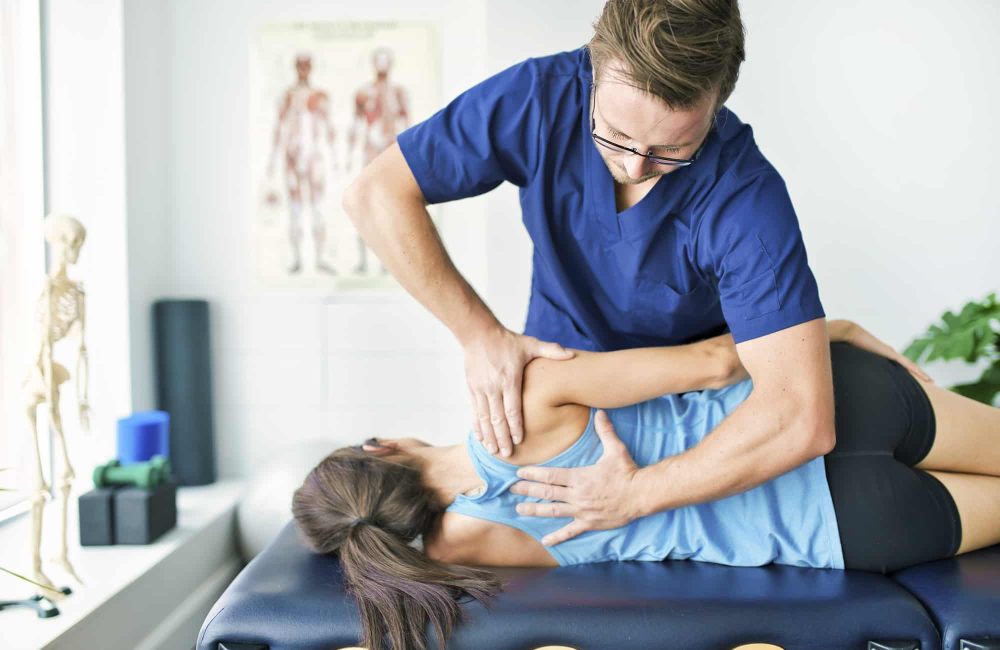
Sport massage is a type of massage therapy that focuses on the physical demands of exercise, training, and sport. Instead of treating every part of the body in the same way, a therapist can focus on muscle groups that receive the most stress. For example, a runner may need attention around the calves, thighs, hamstrings, and hips. A weightlifter may need more focus on the shoulders, upper back, arms, or legs.
The therapist can also adjust the pressure according to the purpose of the session. A lighter approach may suit someone preparing for an event. A recovery session may allow more focused work. Therefore, sports massage does not always mean an extremely deep or painful treatment.
Who Can Benefit?
Sports massage does not only suit professional athletes. Recreational runners, cyclists, football players, swimmers, gym users, hikers, and fitness enthusiasts may also choose this treatment. People with physically demanding jobs may also experience muscle tension alongside their regular exercise.
However, persistent or unexplained pain needs proper attention. Do not automatically assume that every painful area simply needs massage. A healthcare professional can help identify the cause when symptoms continue or become severe.
Potential Benefits
One of the main reasons active people choose sports massage involves post-workout soreness. Delayed-onset muscle soreness, or DOMS, often appears after unfamiliar or demanding exercise. Massage may help reduce the perception of this soreness in some situations.
Research also suggests that massage may offer small flexibility benefits. It can make certain movements feel more comfortable for a short period. However, massage alone cannot create permanent improvements in mobility. Consistent exercise, mobility work, strength training, and proper rehabilitation play a larger role in long-term movement improvements.
In addition, a massage session can provide a chance to relax after demanding physical activity. Training can create both physical and mental fatigue. Taking time to slow down may help some people feel more comfortable and prepared for their next session.
Massage Techniques
A therapist may combine several techniques during a session. Effleurage uses smooth, gliding movements across the muscles. It can help introduce touch and prepare an area for more focused work.
Petrissage involves kneading, squeezing, or lifting muscle tissue. This technique can help a therapist work across larger muscle groups, such as the thighs, shoulders, or upper back.
Compression involves controlled pressure followed by release. A therapist can adjust this technique according to the client’s comfort and the treatment goal.
Some sessions may also include focused work around areas of muscular tension. The therapist should always control the intensity. Severe pain does not automatically indicate an effective treatment.
Gentle assisted movement or stretching may also form part of a session. The therapist should keep these movements controlled and avoid forcing a joint or muscle through painful ranges.
Pre-Event Massage
A massage before training or competition should have a different purpose from an intensive recovery session. The goal should not involve leaving the muscles tender before activity.
A pre-event treatment may use lighter pressure, shorter techniques, rhythmic movements, and attention to key muscle groups. Athletes should also combine this approach with an appropriate warm-up.
If you plan to try a pre-event massage for the first time, test it during regular training. Avoid experimenting with unfamiliar treatment immediately before an important competition.
Post-Workout Recovery
After demanding exercise, a massage can form part of a wider recovery routine. A therapist may focus on muscles that feel tired or tight. However, massage should work alongside other recovery habits.
Sleep, hydration, nutrition, rest days, and sensible training loads remain essential. Massage cannot make up for repeatedly training beyond your ability to recover.
The same principle applies to soreness. If pain feels severe, appears on only one side, causes weakness, or comes with swelling, seek appropriate medical advice instead of relying only on massage.
Sports Massage for Runners
Running creates repeated movement and loading throughout the body. As a result, some runners regularly notice tension around the calves, hamstrings, quadriceps, glutes, hips, or lower back.
A sport massage session can focus on areas that receive heavy training loads. Some runners prefer treatment during a lighter training week. Others schedule sessions after demanding workouts.
However, new running pain requires more care. A persistent injury may need assessment, rest, rehabilitation, or changes to training. Deeper massage cannot solve every type of running problem.
Sports Massage for Gym Users
Strength training can place significant stress on specific muscle groups. A challenging workout may leave muscles feeling tired or sore during the following days.
For upper-body training, a therapist may focus on the shoulders, upper back, arms, and forearms. For lower-body sessions, attention may shift toward the glutes, quadriceps, hamstrings, calves, and hips.
The treatment should complement your workout programmer. It should not encourage you to ignore serious pain and continue training without addressing the underlying problem.
Sports Massage vs. Deep Tissue Massage
Sports massage and deep tissue massage can overlap, but they do not always have the same purpose. Sports massage considers exercise, training schedules, sporting movements, and recovery goals. Deep tissue massage generally focuses more on deeper muscular tension.
Neither option works best for everyone. Your choice should depend on your reason for seeking treatment, your current condition, and the therapist’s assessment.

Does It Hurt?
A sport massage can feel firm or intense in certain areas. However, it should not become a test of how much pain you can tolerate. Tell your therapist if you experience sharp pain, burning, numbness, tingling, or extreme discomfort. You can also request lighter pressure or a different technique. Good communication helps the therapist provide a more suitable treatment.
What to Expect
A professional session usually begins with a short consultation. The therapist may ask about your exercise routine, recent training, upcoming competitions, previous injuries, current discomfort, medications, and treatment preferences. The therapist can then identify the areas that need attention. You may not need full-body treatment during every appointment.
Throughout the session, communicate openly. If you want less pressure, more attention on a particular area, or no work on a sensitive area, tell the therapist. After treatment, you may feel relaxed, less tense, or mildly tender. Your response can depend on the techniques and pressure used. Severe pain, significant swelling, unusual weakness, or increasing symptoms require proper medical attention.
Aftercare Tips
You do not need an elaborate routine after a massage. Maintain normal hydration and continue gentle movement if it feels comfortable. Walking can provide an easy way to stay active without adding heavy stress.
If your muscles feel tender, consider adjusting your next workout. An intense training session may not feel appropriate immediately after firm treatment.
Most importantly, continue prioritizing sleep, nutrition, hydration, recovery time, and sensible training. These habits provide the foundation for long-term performance.
How Often Should You Get It?
There is no universal schedule. Your ideal frequency depends on your training volume, sport, competition calendar, recovery needs, budget, and personal response.
Some recreational athletes may book occasional sessions after demanding training periods. Competitive athletes may use massage more regularly. However, more treatment does not always mean better results.
If frequent massage leaves you sore or becomes necessary to continue training through pain, review your overall training and recovery strategy.
When Should You Avoid Massage?
Massage may not suit every injury or medical condition. Speak with an appropriate healthcare professional if you have severe unexplained pain, significant swelling, recent surgery, open wounds, suspected blood clots, certain bleeding conditions, or other serious health concerns.
A therapist should also avoid directly treating an area that may have suffered a significant acute injury until you receive an appropriate assessment.
Final Thoughts
Sport massage can complement a balanced recovery routine for active people. It may help with muscle soreness, temporary flexibility, relaxation, and overall comfort. The most useful approach involves realistic expectations. Massage should support good training and recovery habits rather than replace them. With appropriate timing, communication, and professional guidance, it can become a practical addition to an active lifestyle.
Author



A parasite cleanse refers to a wellness routine that may combine dietary changes, herbal supplements, fiber, hydration, and digestive-support products. Many people explore these routines when they experience bloating, changes in bowel habits, stomach discomfort, or unexplained tiredness.
However, you should understand the difference between a wellness routine and medical treatment. A confirmed parasitic infection requires proper testing and treatment based on the specific organism. A supplement routine should never replace professional medical care.
If you experience ongoing digestive symptoms, focus on finding the underlying cause instead of assuming that parasites caused them. Several common conditions can produce similar symptoms, so professional evaluation can provide a clearer answer.
What It Means
There is no single standard formula for a parasite cleanse. Different programs may recommend herbs, whole foods, increased fiber, hydration, or products such as activated charcoal. Some programs last a few days, while others recommend several weeks. Because ingredients and instructions vary, you should review each product carefully before using it. A sensible wellness routine should support adequate nutrition instead of encouraging extreme fasting or severe food restrictions.
Eating vegetables, fruits, whole grains, lean proteins, nuts, seeds, and other nutritious foods can help support normal digestion. In addition, drinking enough fluids can help your body manage changes in fiber intake. Remember that no specific food plan has proven that it can eliminate a diagnosed parasitic infection.
Possible Side Effects
Changing your diet or adding new supplements can cause temporary digestive changes. Some people may experience bloating, nausea, loose stools, constipation, headaches, abdominal discomfort, or changes in appetite. However, these symptoms do not automatically show that parasites are leaving the body. A new supplement, sudden increase in fiber, dehydration, or an unrelated digestive condition may cause similar reactions.
Therefore, do not automatically describe worsening symptoms as a “die-off” effect. If you develop severe abdominal pain, repeated vomiting, persistent diarrhea, blood in your stool, severe weakness, fainting, signs of dehydration, or an allergic reaction, stop the routine and seek medical advice. Persistent or worsening symptoms also deserve professional attention.
How Long It Takes
No universal timeline exists for supplement-based cleansing routines. Some products promote short programs, while others recommend longer periods. The right approach depends on the specific ingredients, product directions, individual tolerance, and reason for use. During the first few days, your body may adjust to changes in food, fiber, fluids, or supplements. Instead of forcing a particular result, monitor how you feel and maintain adequate nutrition.
If you continue the routine for longer, reassess whether it provides a genuine benefit. Never continue a program simply because its instructions tell you that unpleasant symptoms mean it works. Severe or persistent reactions require attention rather than more time.
Foods to Choose
There is no scientifically established food list that can remove intestinal parasites. Instead, focus on nutritious foods that support normal digestive function. Vegetables, fruits, whole grains, lean protein, legumes, nuts, seeds, and other fiber-rich foods can form a balanced diet. Some wellness routines promote foods such as garlic, ginger, pumpkin seeds, and leafy greens.
These foods can provide useful nutrients, but you should not treat them as proven cures for parasitic infections. Fiber can support regular bowel movements, although increasing it too quickly may cause gas and bloating. Increase your intake gradually and drink enough water. Most importantly, avoid turning a wellness routine into an unnecessarily restrictive diet that limits essential calories and nutrients.

Binders and Charcoal
Some cleansing programs include binders or adsorbent products. Activated charcoal represents one commonly discussed option. It can bind certain substances within the digestive tract, which explains its use in specific medical situations. However, this property does not make charcoal a proven treatment for intestinal parasite cleanse.
Activated charcoal can also interfere with the absorption of medications and supplements. Therefore, people who take prescription medicines should discuss its use with a healthcare professional. Do not assume that taking charcoal alongside every supplement improves a cleansing routine. Timing and individual circumstances matter. Follow product instructions carefully and avoid using charcoal as a substitute for appropriate medical treatment.
Fiber and Psyllium
Psyllium husk provides soluble fiber and can support regular bowel movements. It sometimes appears in digestive wellness routines because of its ability to absorb water and increase stool bulk. However, psyllium does not function as an antiparasitic medication. You should also introduce it gradually, especially if your usual diet contains little fiber.
Taking too much at once can cause gas, bloating, abdominal discomfort, or changes in stool consistency. Drink adequate fluids when using psyllium. You can also obtain fiber from foods such as vegetables, fruits, beans, whole grains, nuts, and seeds. A supplement does not automatically provide greater benefits than a balanced diet.
Symptoms Are Not Proof
Bloating, diarrhea, abdominal pain, nausea, fatigue, and changes in bowel movements can have many causes. These symptoms alone cannot confirm a parasitic infection. Some parasites cause noticeable symptoms, while others may cause few or none. Therefore, testing offers a more reliable way to investigate a suspected infection.
Depending on the situation, healthcare professionals may recommend stool tests, blood tests, or other diagnostic methods. Avoid diagnosing yourself based on a list of symptoms found online. If you have persistent digestive problems or a possible exposure to a parasite, discuss your concerns with a qualified healthcare professional.
Unusual Stool Changes
Seeing unusual material in your stool can understandably cause concern. However, not everything that looks like a worm represents a parasite. Mucus, undigested food, fiber, and other intestinal material can sometimes look unusual. A visual inspection cannot reliably identify an infection.
If you genuinely suspect parasites, medical testing provides a more dependable answer. Avoid using internet photographs to diagnose yourself. Also, do not assume that unusual stool proves that a cleanse has removed parasites. Several factors can change the appearance of stool, especially after dietary changes.
Does It Treat Parasites?
A wellness cleanse and medical antiparasitic treatment serve different purposes. Medical treatment begins with an evaluation and, when necessary, diagnostic testing. Once a healthcare professional identifies an infection, they can select treatment according to the specific parasite and individual circumstances.
Commercial herbal routines do not have the same evidence as targeted medical therapy for confirmed infections. Therefore, do not delay appropriate care because you want to try a supplement program first. If a healthcare professional confirms an infection, follow the recommended treatment plan. You can still maintain healthy eating, hydration, sleep, and other supportive habits alongside appropriate medical care.
A Safer Approach
If you decide to explore a supplement-based wellness routine, take a cautious approach. First, consider why you want to start. Do not assume that ordinary digestive symptoms mean you have parasites. Next, review every ingredient and check for possible interactions with medications or other supplements. Avoid extreme fasting and severe calorie restriction.
Maintain adequate fluids and nutrition throughout the routine. Introduce new products gradually instead of starting several supplements at the same time. This approach makes it easier to identify the source of any unwanted reaction. Most importantly, monitor your symptoms honestly. Do not treat worsening symptoms as proof that the routine works.
Final Thoughts
A parasite cleanse can involve many different dietary and supplement practices, so you should evaluate each approach carefully. Focus on balanced nutrition, hydration, sensible fiber intake, and responsible supplement use. At the same time, avoid making medical conclusions based only on digestive symptoms. If you suspect a genuine infection, professional testing and appropriate treatment offer a safer path. A wellness routine can support healthy habits, but it should never replace evidence-based medical care when you need it.
Author


In Traditional Chinese Medicine (TCM), the body works as one connected system. TCM practitioners believe that energy, known as Qi, moves through pathways called meridians. These pathways connect different parts of the body and support its natural balance.
When the body experiences an imbalance, certain acupoints may become sensitive or tender. Practitioners can use these points as part of a broader assessment and treatment approach. Foot massage and acupressure also play an important role in traditional wellness practices.
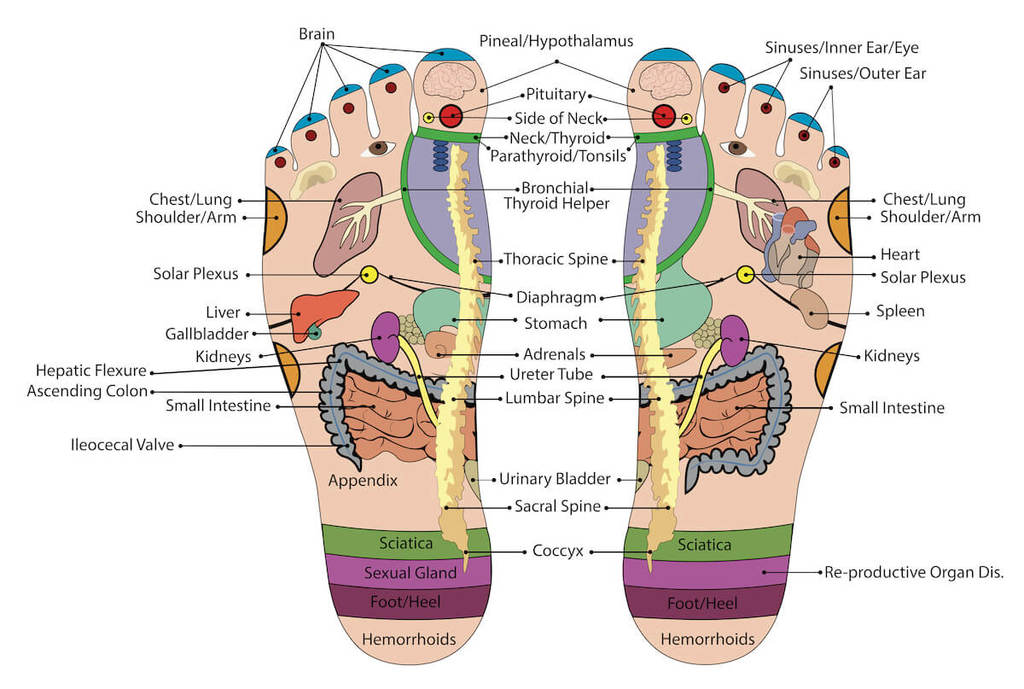
The feet deserve special attention because several important meridians pass through them. Foot reflexology also maps different areas of the feet to various parts of the body. Applying gentle Foot Pressure to these areas can create a relaxing experience and may support circulation and overall well-being.
So, what makes the feet so important? Let’s explore the foot meridians, reflex points, traditional acupressure points, benefits, and simple techniques you can try at home.
What Are Foot Meridians?
TCM describes 12 primary meridians that carry Qi and blood throughout the body. Six of these meridians connect directly with the feet. They include three yin meridians and three yang meridians.
The three yin meridians include the Liver, Spleen, and Kidney meridians. The three yang meridians include the Gallbladder, Stomach, and Bladder meridians.
Each meridian has a specific pathway and traditional function. For example, the Foot Yangming Stomach Meridian connects with the stomach system, while the Foot Shaoyin Kidney Meridian connects with the kidney system.
TCM practitioners may stimulate these pathways through acupuncture, acupressure, or massage. These techniques aim to encourage the smooth movement of Qi and blood according to TCM principles.
How Does Foot Reflexology Work?
Foot reflexology focuses on specific areas of the feet that practitioners associate with different organs and body regions. During a session, a practitioner applies controlled Foot Pressure to selected reflex areas.
Some people notice tenderness in particular areas. However, tenderness does not necessarily indicate a problem with the corresponding organ. Reflexology should not replace proper medical diagnosis or treatment.
Instead, many people use foot reflexology as a complementary wellness practice. Gentle massage can help relax tired feet, reduce everyday tension, and create a calming experience.
Practitioners commonly use two techniques: pressing and kneading. They adjust the intensity according to the person’s comfort. Stronger pressure does not always produce better results. Gentle and consistent movements can be more comfortable and enjoyable.
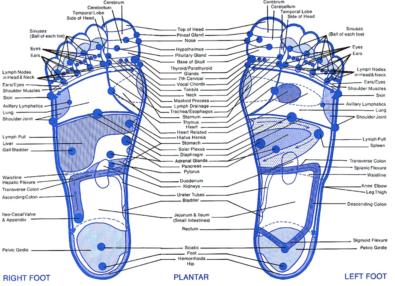
Understanding Foot Reflex Points
Different areas of the feet have traditional associations with different parts of the body.
Toes
The toes commonly correspond with the head, brain, eyes, ears, and nasal passages in reflexology charts. Gentle massage around the toes may help release tension after a busy day.
Ball and Center of the Foot
The ball and center of the foot traditionally relate to areas such as the heart, lungs, stomach, intestines, and pancreas. Massaging this region can help relax the muscles and provide comfort.
Heel
The heel traditionally connects with the lower back, bladder, and reproductive areas. Gentle massage can feel particularly soothing after prolonged standing or walking.
Inner and Outer Edges
The inner edge of the foot traditionally relates to the spine and kidneys. The outer edge has associations with the arms and legs in many reflexology systems.
Five Traditional Pressure Points on the Feet
Yongquan (KD1)
Yongquan, also known as KD1, sits on the sole of the foot. You can find it near the deepest depression that forms when you curl your toes.
TCM associates this point with the Kidney Meridian. To stimulate it, hold the top of your foot with one hand. Then use your thumb to massage the point in gentle circular movements.
Dadun (LR1)
Dadun, or LR1, sits near the base of the big toe on its inner side. TCM traditionally associates this point with the Liver Meridian. Apply gentle pressure for a few seconds. Then release and repeat several times. Avoid excessive pressure, especially if the area feels painful.
Neiting (ST44)
Neiting, also called ST44, sits between the second and third toes near their base. TCM connects this point with the Stomach Meridian.
Press gently for around five seconds. Release for a moment and repeat several times. Stop if you experience sharp pain or significant discomfort.
Zhiyin (BL67)
Zhiyin, or BL67, lies on the outer side of the little toe near the corner of the toenail.
TCM traditionally associates this point with the Bladder Meridian. Use your thumb or knuckle to apply light pressure for a few seconds. Then release and repeat.
Yinbai (SP1)
Yinbai, also known as SP1, sits on the inner side of the big toe near the base of the toenail. TCM associates this point with the Spleen Meridian. Apply gentle pressure several times while keeping the movement comfortable.
Five Benefits of Foot Massage
Foot massage can become a simple addition to your wellness routine. Here are five potential benefits.
- Supports relaxation: Gentle massage can help loosen tension in tired feet.
- Encourages circulation: Massage involves physical movement that can support normal blood flow in the feet.
- Helps reduce everyday stress: Slow, rhythmic movements can create a calming experience.
- Promotes better bedtime relaxation: A short massage before bed may help you unwind and prepare for sleep.
- Supports overall well-being: Regular self-care can help you feel more relaxed and connected to your body.
How to Perform Foot Massage at Home
You do not need complicated equipment to massage your feet. Start by sitting in a comfortable position. Wash and dry your feet before beginning.
Use your fingertips or thumb pads to apply gentle Foot Pressure to the areas you want to massage. Move slowly and avoid pressing directly on wounds, irritated skin, or areas with unexplained swelling.
You can massage your feet before bedtime or whenever you need to relax. However, avoid massage immediately after a large meal or intense exercise.
If you have diabetes, circulation problems, heart disease, a bleeding disorder, open wounds, or significant swelling, consult a healthcare professional before trying foot massage.
Does Foot Reflexology Really Work?
Foot reflexology can provide relaxation and may help people manage everyday tension and foot discomfort. However, claims that pressing a particular reflex point can directly treat or cure an internal disease require caution. Research on reflexology remains mixed, so it should not replace evidence-based medical care. Instead, consider it a complementary practice that may support relaxation and general wellness.
Experience Foot Reflexology at Shanghai Medical Clinic
At Shanghai Medical Clinic in Dubai, trained TCM practitioners provide traditional treatments alongside modern healthcare practices. Services include acupuncture, tuina massage, guasha, cupping, Chinese herbal medicine, and foot reflexology. During a professional session, the practitioner can adjust Foot Pressure based on your comfort and individual needs. They can also explain traditional acupoints and massage techniques. Shanghai Medical Clinic has served the Dubai community since 1997. It operates branches on Sheikh Zayed Collector Road and in Dubai Healthcare City.
Final Thoughts
Your feet carry you through almost every part of your daily life. Giving them regular attention can therefore become a simple and enjoyable part of your self-care routine. Traditional Chinese Medicine and foot reflexology offer different ways to understand the connection between the feet and the rest of the body. Gentle massage can encourage relaxation, ease everyday tension, and help tired feet feel refreshed.
Most importantly, listen to your body. Use comfortable Foot Pressure, avoid painful techniques, and seek professional medical advice when you have persistent or unusual symptoms. Whether you choose a short massage at home or visit a qualified TCM practitioner, caring for your feet can be a relaxing step toward better everyday well-being.
Author



Cylinder Volume: The Complete Guide to Calculating Volume Accurately

Best Bourbon Tours in Kentucky: Choosing the Right Tour for You

Cabinet Shop Drawings for Precise Fabrication and Installation

Auto Repair Digital Marketing: Grow Your Automotive Business Online

Residential Drafting Services for Remodeling and Renovation Plans

Raised Bed Soil Calculator: How Much Soil Do You Really Need?

3 Best Rhude Hoodies for UK Style 2026

Revit Drafting Solutions for Accurate BIM Projects

How to Find Mobile App Developers in Dubai for Android & iOS Apps

How Do IDA Jacket Designs Balance Function, Comfort, and Style?

Cybersecurity Consulting Company SequelNet Provides Critical IT Support Services to Medical Billing Firm, Medical Optimum

Meet the Megalodon: The Shark Star of ‘Meg 2’

Reduce Video Game Lag: Level Up Your Gaming Performance

Balancing India’s Entertainment: Cricket vs. Bollywood

Jetsetter’s Secrets: Unveiling Our Favorite Travel Hacks for a Seamless Adventure

The 5 Best Live Sports Streaming Sites: Legal and Exciting!

Hollywood Labor Unrest: The Impact of ‘What About Us?’ Strikes

Unveiling the Magic of Dream Fulfillment at the Late NBA Draft

Illuminate Your Skin: Dr. Axe Unveils Natural Remedies for Lightening Knees and Elbows

Bright Choices: Navigating the Pros and Cons of Skin Whitening Creams with Dr. Axe
-

 Business3 years ago
Cybersecurity Consulting Company SequelNet Provides Critical IT Support Services to Medical Billing Firm, Medical Optimum
-
Entertainment3 years ago
Meet the Megalodon: The Shark Star of ‘Meg 2’
-
Entertainment3 years ago
Reduce Video Game Lag: Level Up Your Gaming Performance
-
 Sports3 years ago
Balancing India’s Entertainment: Cricket vs. Bollywood
-
Entertainment3 years ago
Jetsetter’s Secrets: Unveiling Our Favorite Travel Hacks for a Seamless Adventure
-
Productivity3 years ago
The 5 Best Live Sports Streaming Sites: Legal and Exciting!
-
Art /Entertainment3 years ago
Hollywood Labor Unrest: The Impact of ‘What About Us?’ Strikes
-
Sports3 years ago
Unveiling the Magic of Dream Fulfillment at the Late NBA Draft






