
Science
Why We Still Use Body Parts to Measure: A Cultural Perspective


Introduction:
In a world dominated by standardized units of measurement, it may come as a surprise that references to body parts still persist in various contexts. From the foot to the finger, these measurements continue to find relevance in certain cultural practices. In this report, we explore why we still use body parts to measure, examining the cultural perspectives that underpin their continued usage.
Historical Significance:
To understand the persistence of body-based measurements, it is essential to acknowledge their historical significance. The use of body parts as units of measurement dates back to ancient civilizations, where practicality and accessibility were paramount. Early societies lacked the standardized systems we have today, and utilizing familiar body references provided a relatable and easily replicable method of measurement.
Cultural Relevance:
In many cultures, the continued use of body parts as measuring units is deeply intertwined with tradition and cultural identity. These references are often embedded in specific industries or practices, passed down through generations. For example, in some communities, the length of fabric is still measured using the arm span or the width of the hand. These practices not only maintain a connection to cultural heritage but also serve as a form of community bonding and preservation of traditional knowledge.
Practicality and Accessibility:
Body-based measurements continue to be used because of their practicality and accessibility in certain contexts. For instance, carpenters and artisans may rely on their own bodies to estimate distances or dimensions while working on projects. The use of familiar body references allows for quick and intuitive measurements without the need for specialized tools. In fields where precision is less critical, such as informal construction or handicrafts, body-based measurements can provide sufficient accuracy.

Intuitive Understanding:
One of the reasons body parts endure as units of measurement is the intuitive understanding they offer. Unlike abstract numerical values, body-based measurements can be visualized and easily grasped by individuals. For example, when estimating the length of a small object, referring to the width of a finger or the span of a hand provides a relatable and tangible reference. This intuitive understanding fosters a sense of connection between the measurement and the individual, enhancing engagement and comprehension.
Preserving Cultural Heritage:
In addition to their practicality, body-based measurements also play a role in preserving cultural heritage. In many indigenous communities, traditional practices, including measuring with body parts, are integral to their way of life. By maintaining these practices, communities assert their cultural identity and resist the erosion of traditional knowledge in the face of globalization. It serves as a reminder of the diverse ways in which humans have interacted with and understood the world around them.
The Evolution of Measurement:
While body-based measurements continue to have cultural significance, it is important to recognize that they coexist with standardized systems. The development of precise and universally applicable units of measurement, such as the metric system, has undoubtedly improved accuracy and consistency across various fields. However, body-based measurements persist as a complement to standardized systems, catering to specific cultural, practical, and contextual needs.
Conclusion:
The continued use of body parts to measure can be understood through the lenses of cultural significance, practicality, intuitive understanding, and the preservation of cultural heritage. These references to the human body provide a tangible and relatable framework for measurement in specific contexts. While standardized units have their advantages, the enduring presence of body-based measurements highlights the complexity and diversity of our human experience. By recognizing and understanding the cultural perspectives behind these practices, we can appreciate the rich tapestry of measurement traditions that have shaped our world.
Author

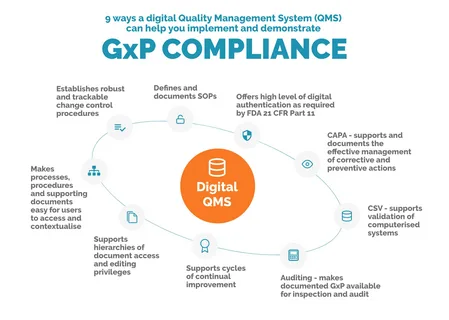
The biotech industry operates in one of the world’s most highly regulated environments. From research laboratories and manufacturing facilities to clinical trials and data management systems, every process must follow strict standards to ensure product quality, patient safety, and regulatory approval. This is where GxP compliance becomes essential.
For biotech organizations, maintaining compliance is not only about meeting regulations — it is also about protecting brand reputation, improving operational efficiency, and accelerating innovation. As biotech companies continue adopting digital systems and automated workflows, the demand for reliable GxP compliance solutions and advanced GxP compliance software is growing rapidly.
This guide explains everything biotech businesses need to know about GxP compliance, including its importance, major challenges, and how modern technologies simplify compliance management.
What Is GxP Compliance?
GxP is a collective term used to describe quality regulations and guidelines that apply to life sciences industries such as biotechnology, pharmaceuticals, and medical devices. The “G” stands for “Good,” while “x” represents different operational areas.
Some common GxP standards include:
- Good Manufacturing Practice (GMP)
- Good Laboratory Practice (GLP)
- Good Clinical Practice (GCP)
- Good Documentation Practice (GDP)
- Good Automated Manufacturing Practice (GAMP)
These regulations are designed to ensure that biotech products are consistently safe, effective, and high quality throughout their lifecycle.
Regulatory agencies such as the FDA, EMA, and WHO enforce these standards globally. Failure to comply can result in warning letters, product recalls, financial penalties, or even shutdowns.
GxP Compliance Matters
Biotech companies deal with sensitive research, complex production processes, and highly regulated clinical environments. Even a minor error in documentation, calibration, or data handling can lead to serious consequences.
Here are the key reasons why GxP compliance is critical for biotech organizations:
1. Ensures Patient Safety
Compliance standards help guarantee that biotech products are developed, tested, and manufactured under controlled conditions. This minimizes risks to patients and healthcare providers.
2. Maintains Data Integrity
Accurate and secure data is essential in biotech operations. GxP regulations ensure that all laboratory records, manufacturing logs, and clinical trial data remain reliable and traceable.
3. Supports Regulatory Approval
Regulatory authorities carefully inspect biotech companies before approving products. Strong compliance practices improve audit readiness and reduce approval delays.
4. Improves Operational Efficiency
Modern GxP compliance solutions streamline workflows, reduce manual errors, and simplify documentation management.
5. Protects Business Reputation
A compliance failure can damage customer trust and investor confidence. Maintaining GxP standards demonstrates professionalism and reliability.

Major GxP Challenges
Although compliance is essential, many biotech companies struggle with implementation due to rapidly changing regulations and complex operational environments.
Changing Regulatory Requirements
Global regulations continue evolving, making it difficult for organizations to stay updated and maintain consistent compliance practices.
Manual Documentation Processes
Paper-based systems increase the risk of missing records, version control issues, and human errors.
Equipment Calibration and Maintenance
Biotech facilities rely heavily on laboratory and manufacturing equipment. Without proper calibration, results may become inaccurate or non-compliant.
Data Security Risks
Digital transformation has increased cybersecurity concerns. Protecting sensitive patient and research data is now a major compliance priority.
Audit Readiness
Preparing for inspections can become stressful when records are scattered across different systems or departments.
GxP Compliance Software in Biotech Operations
Technology has transformed how biotech companies manage compliance. Modern GxP compliance software helps organizations automate, monitor, and document regulated activities more efficiently.
These platforms centralize compliance-related tasks into a single system, making it easier to maintain accuracy and consistency.
Features of GxP Compliance Software
Automated Documentation
Digital systems automatically record activities, reducing paperwork and minimizing human error.
Audit Trail Management
Every action is tracked and time-stamped, helping organizations maintain complete transparency during inspections.
Risk Management Tools
Advanced platforms identify compliance risks early and support corrective actions before problems escalate.
Training Management
Software ensures employees complete required compliance training and certifications on time.
Real-Time Monitoring
Organizations can continuously monitor processes, equipment status, and quality metrics.
By using reliable GxP compliance software, biotech companies can improve productivity while staying fully aligned with industry regulations.
Importance of GxP Calibration
Equipment accuracy plays a major role in biotech manufacturing and laboratory testing. Instruments such as temperature sensors, pressure gauges, incubators, balances, and analytical devices must perform correctly at all times.
This is why GxP calibration for biotech industry operations is so important.
Calibration ensures that equipment measurements remain accurate, traceable, and compliant with regulatory standards. Inaccurate equipment can compromise product quality, invalidate test results, and create compliance violations.
Benefits of Proper GxP Calibration
- Improves measurement accuracy
- Reduces equipment downtime
- Prevents batch failures
- Enhances laboratory reliability
- Supports successful audits
- Ensures consistent product quality
Modern biotech companies increasingly use automated calibration systems integrated with compliance software to maintain complete calibration histories and scheduling records.
Practices for Maintaining GxP Compliance
Successfully managing compliance requires more than simply following regulations. Biotech organizations must create a strong quality culture supported by technology, training, and continuous improvement.
Develop Clear Standard Operating Procedures (SOPs)
Every regulated process should have detailed and documented procedures that employees can easily follow.
Invest in Employee Training
Regular training helps teams stay updated on compliance requirements and industry changes.
Implement Digital Compliance Systems
Automated GxP compliance solutions reduce manual tasks and improve process visibility.
Conduct Internal Audits
Routine audits help identify weaknesses before regulatory inspections occur.
Maintain Accurate Documentation
Complete and organized records are essential for demonstrating compliance.
Monitor Equipment Regularly
Consistent calibration and maintenance programs ensure equipment reliability and operational accuracy.
Future of GxP Compliance
The future of biotech compliance is becoming increasingly digital. Artificial intelligence, cloud computing, automation, and predictive analytics are changing how organizations manage quality and regulatory processes.
Modern GxP compliance solutions now provide advanced capabilities such as:
- AI-driven risk analysis
- Cloud-based document management
- Automated deviation tracking
- Predictive maintenance alerts
- Real-time compliance dashboards
As regulations become more complex, biotech companies that adopt intelligent compliance technologies will gain a competitive advantage through faster workflows, reduced risks, and stronger operational control.
Conclusion
However, managing compliance manually is becoming increasingly difficult in today’s fast-moving biotech environment. This is why many organizations are investing in advanced GxP compliance software and automated GxP compliance solutions to streamline operations and reduce regulatory risks.
At the same time, proper GxP calibration for biotech industry equipment remains critical for ensuring accurate data, consistent quality, and audit readiness. By combining strong quality practices with modern digital tools, biotech companies can build a more efficient, compliant, and future-ready operation.
Author



Sulfur hexafluoride prices in 2025 showed firm movement across key regions, supported by strong demand from the power and electronics sectors. Limited production capacity and strict environmental regulations constrained supply, while rising energy costs added upward pressure. The sulfur hexafluoride price trend reflected stable yet firm market conditions with gradual price increases.
Sulfur Hexafluoride Price Index Analysis in North America
Sulfur Hexafluoride Prices in USA:
In 2025, sulfur hexafluoride prices in the USA were recorded at US$ 7724/MT. Demand from electrical insulation and power transmission applications supported pricing. The sulfur hexafluoride price trend remained firm, while the price chart reflected stable supply and consistent consumption across utility sectors.
Sulfur Hexafluoride Price Index Analysis in APAC: 2025 Overview
Sulfur Hexafluoride Prices in China:
China reported sulfur hexafluoride prices at US$ 6770/MT in 2025. Strong production capacity and availability of raw materials supported competitive pricing. The sulfur hexafluoride price index indicated stability, while pricing analysis highlighted steady demand from electronics and power industries.
Sulfur Hexafluoride Prices in India:
India recorded sulfur hexafluoride prices at US$ 6486/MT in 2025. Growing demand from power distribution and industrial sectors supported pricing. The sulfur hexafluoride price chart indicated stable movement, while pricing analysis reflected balanced supply and increasing consumption.
Sulfur Hexafluoride Prices in South Korea:
In South Korea, sulfur hexafluoride prices stood at US$ 8531/MT in 2025. Strong demand from advanced electronics and semiconductor industries supported higher pricing. The sulfur hexafluoride price index reflected firm conditions, while the price trend indicated steady consumption and controlled supply.
Regional Analysis:
The price analysis can be extended to provide detailed Sulfur Hexafluoride price information for the following list of countries.
Sulfur Hexafluoride Price Index Analysis in Europe
Sulfur Hexafluoride Prices in Germany:
In Germany, sulfur hexafluoride prices reached US$ 7237/MT during 2025. Higher regulatory compliance and production costs influenced pricing. The sulfur hexafluoride price trend showed firmness, while the price forecast suggested stable levels supported by demand from energy infrastructure.
Germany, France, the United Kingdom, Italy, Spain, Russia, Turkey, the Netherlands, Poland, Sweden, Belgium, Austria, Ireland, Switzerland, Norway, Denmark, Romania, Finland, the Czech Republic, Portugal, and Greece, along with other European nations
Note: The analysis can be tailored to align with the customer’s specific needs.
News and Historical Data of Sulfur Hexafluoride:
- Historical Sulfur Hexafluoride price data across major global regions
-
Analysis of price trends on a quarterly and annual basis with insights from different regions.
- Supply-demand evaluation across mining and metal processing industries
- Comparative price analysis across producing and importing countries
- Customizable pricing intelligence reports for procurement strategies
What is Sulfur Hexafluoride?
Sulfur hexafluoride is a colorless, odorless gas widely used as an electrical insulator. It has excellent dielectric properties, making it essential in high-voltage equipment. It is also used in electronics and industrial applications due to its stability and non-flammability.
Factors Affecting Sulfur Hexafluoride Prices 2025:
- Power and Electrical Industry Demand:
Demand from power transmission and distribution plays a major role. Increased infrastructure development supports higher prices, while slower expansion can stabilize cost movement.
- Environmental Regulations:
Sulfur hexafluoride is a greenhouse gas, leading to strict regulations. Compliance costs can increase production expenses and influence pricing.
- Production Capacity:
Limited manufacturing capacity can restrict supply. Regions with higher production can maintain stable prices, while limited output may lead to price increases.
- Energy and Raw Material Costs:
Production requires energy and chemical inputs. Rising costs directly impact pricing trends across regions.
- Electronics Industry Growth:
Demand from semiconductors and electronics influences consumption. Growth in these sectors supports pricing, while reduced demand can ease cost movement.
Supply and Prices Overview – 2025
In 2025, sulfur hexafluoride supply remained controlled due to limited production capacity and regulatory restrictions. Demand from power and electronics sectors supported pricing stability. Overall, cost movement reflected balanced supply and steady consumption.
Sulfur Hexafluoride Price Index
The sulfur hexafluoride price index in 2025 showed firm levels across regions. Higher index values were observed in developed regions due to regulatory and production costs, while Asia maintained relatively moderate levels supported by strong supply.
Recent News – Latest
Recent developments highlighted increasing focus on reducing emissions and improving gas management. Industries are exploring alternatives and recycling methods to manage usage efficiently. Demand from power infrastructure continues to support steady consumption.
Sulfur Hexafluoride Price Trend
The sulfur hexafluoride price trend in 2025 remained firm with slight upward pressure. Strong demand and controlled supply supported pricing, while regional cost differences influenced overall price variations.
Future Outlook for Sulfur Hexafluoride
The outlook for sulfur hexafluoride remains stable with moderate growth expected. Demand from power and electronics sectors will continue to support pricing, while environmental regulations may influence supply and cost structure.
Current Demand for Sulfur Hexafluoride
Current demand for sulfur hexafluoride is driven by its use in electrical insulation and semiconductor manufacturing. Growth in power infrastructure and electronics industries supports steady consumption across regions.
Uses of Sulfur Hexafluoride:
- Electrical Insulation: Used in high-voltage equipment for its excellent insulating properties.
- Power Transmission: Essential in gas-insulated substations and circuit breakers.
- Semiconductor Manufacturing: Used in electronics production processes.
- Leak Detection: Used as a tracer gas for detecting leaks in systems.
- Industrial Applications: Applied in various processes requiring stable and non-reactive gases.
Key Coverage:
- Market Analysis
- Market Breakup by Region
- Demand Supply Analysis by Type
- Demand Supply Analysis by Application
- Price Analysis
- Price Trends by Region
- Factors influencing the Price Trends
- Competitive Landscape
- Recent Developments
FAQs
Q. What is the price trend for sulfur hexafluoride in 2025?
A. Sulfur hexafluoride prices in 2025 show a firm trend with slight upward movement. Strong demand from power and electronics sectors supports pricing.
Q. Why do sulfur hexafluoride prices vary between countries?
A. Prices vary due to differences in production costs, regulations, and demand. Regions with stricter environmental rules tend to have higher prices.
Q. What factors influence sulfur hexafluoride pricing the most?
A. Key factors include power sector demand, environmental regulations, production capacity, energy costs, and electronics industry growth.
Q. Will sulfur hexafluoride prices increase in the future?
A. Prices are expected to remain stable with moderate growth. Demand from infrastructure and electronics may support upward movement.
Q. Which industries drive demand for sulfur hexafluoride?
A. The power, electronics, and semiconductor industries are the main drivers, relying on its insulating and stable properties.
How IMARC Pricing Database Can Help
The latest IMARC Group study, Sulfur Hexafluoride Prices, Trend, Chart, Demand, Market Analysis, News, Historical and Forecast Data 2025 Edition, presents a detailed analysis of Sulfur Hexafluoride price trend, offering key insights into global Sulfur Hexafluoride market dynamics. This report includes comprehensive price charts, which trace historical data and highlights major shifts in the market.
The analysis delves into the factors driving these trends, including raw material costs, production fluctuations, and geopolitical influences. Moreover, the report examines Sulfur Hexafluoride demand, illustrating how consumer behavior and industrial needs affect overall market dynamics. By exploring the intricate relationship between supply and demand, the prices report uncovers critical factors influencing current and future prices.
Author


Indium prices in 2025 showed stable to slightly firm movement across key regions, supported by steady demand from electronics and display technologies. Controlled supply, as a byproduct of zinc refining, helped limit volatility. The indium price chart reflected consistent market conditions, with moderate fluctuations observed throughout the year.
Indium Price Index Analysis in North America
In 2025, indium prices in the USA were recorded at USD 417/MT. Steady demand from electronics and semiconductor industries supported pricing. The indium price trend remained stable, while the price chart reflected balanced supply and consistent industrial consumption.
Indium Price Index Analysis in APAC: 2025 Overview
Indium Prices in China:
China reported indium prices at USD 409/MT in 2025. Strong domestic production and refining capacity helped maintain competitive pricing. The indium price index indicated stability, while pricing analysis highlighted steady demand from electronics manufacturing and sufficient supply levels.
Indium Prices in India:
India recorded indium prices at USD 379/MT in 2025. Growing electronics manufacturing and moderate import dependence influenced pricing. The indium price chart indicated steady movement, while pricing analysis reflected balanced demand and supply conditions.
Regional Analysis:
The price analysis can be extended to provide detailed Indium price information for the following list of countries.
Indium Price Index Analysis in Europe: 2025 Overview
Indium Prices in Netherlands:
In the Netherlands, indium prices reached USD 430/MT during 2025. Demand from advanced technology and industrial applications supported pricing. The indium price trend showed moderate firmness, while the price forecast suggested stable levels due to consistent consumption and supply.
Indium Prices in United Kingdom:
In the United Kingdom, indium prices stood at USD 536/MT in 2025. Higher processing and import costs contributed to elevated pricing. The indium price index reflected firm conditions, while the price trend indicated steady demand from high-tech industries.
Regional Analysis:
The price analysis can be expanded to include detailed Indium price data for a wide range of European countries, such as:
Note: The analysis can be tailored to align with the customer’s specific needs.
We Also Provide News and Historical Data of Indium:
- Historical Indium price data across major global regions
- Quarterly and annual price trend analysis with regional insights
- Supply-demand evaluation across mining and metal processing industries
- Comparative price analysis across producing and importing countries
- Customizable pricing intelligence reports for procurement strategies
What is Indium?
Indium is a soft, silvery metal mainly used in electronics. It is often produced as a byproduct during zinc manufacturing. It is widely used in touchscreens, LCD displays, and semiconductors due to its conductivity and ability to form transparent conductive coatings.
Factors Affecting Indium Prices 2025:
- Zinc Mining and Byproduct Supply:
Indium is produced as a byproduct of zinc refining. Changes in zinc production directly affect indium availability. Lower zinc output can reduce supply and increase prices, while higher production supports stable pricing.
- Electronics Industry Demand:
Demand from displays, semiconductors, and touchscreens strongly influences pricing. Increased production of electronic devices supports higher prices, while reduced demand can stabilize cost movement.
- Recycling and Secondary Supply:
Recycling of indium from electronic waste contributes to supply. Higher recycling rates can ease supply pressure and stabilize prices.
- Processing and Refining Costs:
Extraction and refining require specialized processes. Higher costs can increase overall pricing, especially in regions with strict quality standards.
- Technological Developments:
Advancements in display and semiconductor technologies affect indium usage. Increased adoption supports pricing, while alternative materials may reduce demand.
Supply and Prices Overview – 2025
In 2025, indium supply remained controlled due to its dependence on zinc production. Demand from electronics supported pricing stability. Overall, cost movement reflected balanced supply conditions and steady industrial consumption.
Indium Price Index
The indium price index in 2025 showed stable to slightly firm levels across regions. Developed regions recorded higher index values due to processing costs, while Asia maintained relatively moderate levels supported by strong supply.
Recent News – 2025
Recent developments highlighted growing demand from display and semiconductor industries. Manufacturers focused on improving recycling processes and securing supply chains. Continued technological advancements supported steady consumption across key sectors.
Indium Price Trend – 2025
The indium price trend in 2025 remained stable with mild upward pressure. Strong demand from electronics and controlled supply supported pricing, while regional cost differences influenced overall price variations.
Future Outlook for Indium
The outlook for indium remains positive with steady demand expected. Growth in electronics and display technologies will support consumption. Prices are likely to remain stable with slight upward movement due to limited supply.
Current Demand for Indium
Current demand for indium is driven by electronics, especially LCD screens, touch panels, and semiconductors. Consistent production of electronic devices supports steady consumption across regions.
Uses of Indium:
- LCD and Touchscreens: Manufacturers use indium in indium tin oxide to create transparent conductive coatings for displays.
- Semiconductors: Engineers use indium in semiconductor materials for electronic devices.
- Solar Panels: Companies incorporate indium into thin-film solar cells to generate energy.
- Alloys: Metallurgists add indium to metals to improve their strength and resistance.
- Soldering Materials: Technicians use indium in solder for electronics because of its low melting point.
Key Coverage:
- Market Analysis
- Market Breakup by Region
- Demand Supply Analysis by Type
- Demand Supply Analysis by Application
- Price Analysis
- Price Trends by Region
- Factors influencing the Price Trends
- Competitive Landscape
- Recent Developments
FAQs
Q. What is the price trend for indium in 2025?
A. Indium prices in 2025 show a stable to slightly firm trend. Strong demand from electronics and limited supply are key factors supporting pricing across regions.
Q. Why do indium prices vary between countries?
A. Prices vary due to differences in processing costs, supply availability, and industrial demand. Regions with advanced manufacturing tend to have higher prices.
Q. What factors influence indium pricing the most?
A. Key factors include zinc production, electronics demand, recycling rates, processing costs, and technological developments. These elements collectively shape pricing trends.
Q. Will indium prices increase in the future?
A. Prices are expected to remain stable with slight upward potential. Continued demand from electronics and limited supply may support pricing.
Q. Which industries drive demand for indium?
A. The electronics, semiconductor, and renewable energy industries are the main drivers. These sectors rely on indium for advanced applications and performance.
How IMARC Pricing Database Can Help
The latest IMARC Group study, Indium Prices, Trend, Chart, Demand, Market Analysis, News, Historical and Forecast Data 2025 Edition, presents a detailed analysis of Indium price trend, offering key insights into global Indium market dynamics. This report includes comprehensive price charts, which trace historical data and highlights major shifts in the market.
The analysis delves into the factors driving these trends, including raw material costs, production fluctuations, and geopolitical influences. Moreover, the report examines Indium demand, illustrating how consumer behavior and industrial needs affect overall market dynamics. By exploring the intricate relationship between supply and demand, the prices report uncovers critical factors influencing current and future prices.
Author


Chemical Peel: Types, Benefits & Skin Rejuvenation

GPS Watches for Sale: Features, Benefits & Buying Guide

GPS Watches: Features, Benefits & Buying Guide for Athletes

Sequin Cowboy Hat: Disco Cowboy Hats, Trends & Tips

Geedup Clothing Australia: Streetwear & Modern Youth Culture

P-Shot in Islamabad: Benefits, Procedure and Natural Results

Breast Augmentation: Natural-Looking and Balanced Results

Glutathione Injection in Riyadh: IV Therapy for Skin Brightening

Warren Lotas: Streetwear, Art, and Exclusive Fashion Identity

Drill Chuck: Types, Sizes, and Key Factors for Precision Machining

Cybersecurity Consulting Company SequelNet Provides Critical IT Support Services to Medical Billing Firm, Medical Optimum

Team Communication Software Transforms Operations at Finance Innovate

Project Management Tool Transforms Long Island Business

How Alleviate Poverty Utilized IPPBX’s All-in-One Solution to Transform Lives in New York City

Breast Cancer: The Imperative Role of Mammograms in Screening and Early Detection

Unstoppable Collaboration: D.C.’s Citi Open and Silicon Valley Classic Unite to Propel Women’s Tennis to New Heights

Embracing Renewal: Sizdabedar Celebrations Unite Iranians in New York’s Eisenhower Park

The Benefits of Starting a Side Hustle for Financial Freedom

New Blood Donation Screening Questions What You Need to Know

Stylishly Timeless: The 5 Types of Sandals You Need in Your Closet
-

 Business3 years ago
Cybersecurity Consulting Company SequelNet Provides Critical IT Support Services to Medical Billing Firm, Medical Optimum
-
Business3 years ago
Team Communication Software Transforms Operations at Finance Innovate
-
Business3 years ago
Project Management Tool Transforms Long Island Business
-
Business3 years ago
How Alleviate Poverty Utilized IPPBX’s All-in-One Solution to Transform Lives in New York City
-
health3 years ago
Breast Cancer: The Imperative Role of Mammograms in Screening and Early Detection
-
Sports3 years ago
Unstoppable Collaboration: D.C.’s Citi Open and Silicon Valley Classic Unite to Propel Women’s Tennis to New Heights
-
Art /Entertainment3 years ago
Embracing Renewal: Sizdabedar Celebrations Unite Iranians in New York’s Eisenhower Park
-
Finance3 years ago
The Benefits of Starting a Side Hustle for Financial Freedom







