
Packaging
Custom Packaging Manufacturer: Best Materials for Every Need


A custom packaging California plays an important role in helping businesses protect, present, and deliver their products. Unlike standard packaging suppliers, custom packaging manufacturers create packaging solutions according to a brand’s specific requirements, product dimensions, material preferences, and marketing goals.
From retail boxes and product cartons to luxury gift packaging and protective shipping boxes, custom packaging offers flexibility in design, size, shape, printing, and material selection. The right packaging not only protects products during storage and transportation but also creates a positive impression on customers.
One of the most important decisions when developing custom packaging is choosing the right material. Every material has different qualities, strengths, limitations, and applications. Understanding these differences helps businesses select packaging that meets their product requirements while balancing cost, durability, appearance, and sustainability.
Why Material Selection Matters in Custom Packaging?
Packaging material directly affects product safety, customer experience, transportation costs, and brand presentation. Selecting unsuitable material can result in damaged products, unnecessary expenses, or poor packaging performance.
A professional custom packaging manufacturer considers several factors before recommending a material:

- Product weight: Heavy products require stronger materials that can support their weight.
- Product fragility: Glass, electronics, and delicate items need additional cushioning and protection.
- Storage conditions: Products exposed to moisture, heat, or dust require suitable protective materials.
- Brand image: Luxury brands may prefer rigid boxes, premium paper, or specialty finishes.
- Shipping requirements: Packaging for long-distance transportation needs strength and durability.
- Environmental impact: Businesses looking for sustainable solutions may prefer recyclable, recycled, or biodegradable materials.
Choosing the right material ensures that packaging performs its practical function while supporting the overall identity of a brand.
Best Materials for Custom Packaging and Their Applications
Different packaging materials serve different purposes. Below are some of the most commonly used materials by custom packaging manufacturers and the situations in which each performs best.
1. Corrugated Cardboard: Best for Shipping and Heavy Products
Corrugated cardboard is one of the most popular materials for protective packaging. It consists of multiple layers, including a fluted middle layer placed between flat linerboards. This structure provides strength, cushioning, and resistance to pressure.
It is particularly suitable for products that need protection during storage, handling, and transportation.
Best applications:
- E-commerce shipping boxes.
- Electronics packaging.
- Furniture and household products.
- Industrial equipment.
- Food delivery and bulk packaging.
Key qualities:
- Excellent cushioning and shock absorption.
- Available in different flute sizes and wall strengths.
- Lightweight compared with many rigid protective materials.
- Recyclable in many standard paper recycling systems.
- Suitable for custom printing and branding.
Corrugated cardboard is an excellent choice for businesses that prioritize product protection and shipping efficiency. Single-wall corrugated boxes work well for many lightweight products, while double-wall and triple-wall options offer additional strength for heavier or more demanding applications.
2. Kraft Paper: Best for Eco-Friendly and Natural Packaging
Kraft paper is widely recognized for its natural brown appearance, although it is also available in bleached white and other finishes. It is manufactured using a process that produces relatively strong paper fibers, making it useful for various packaging applications.
Its simple appearance makes it especially popular among brands that want to communicate sustainability, simplicity, and an environmentally conscious identity.
Best applications:
- Bakery and takeaway packaging.
- Shopping bags.
- Soap and cosmetic boxes.
- Coffee and tea packaging.
- Gift wrapping and paper pouches.
Key qualities:
- Natural and attractive appearance.
- Good tear resistance for its weight.
- Suitable for printing, stamping, and custom branding.
- Available in recyclable and recycled-content options.
- Lightweight and versatile.
Kraft paper is particularly useful for businesses that want attractive packaging without an overly complicated design. However, standard kraft paper is not automatically waterproof or grease-resistant. Food businesses may need specially treated or barrier-coated kraft packaging.
3. Rigid Board: Best for Luxury and Premium Packaging
Rigid board is a thick and sturdy paperboard material commonly used for high-end packaging. Unlike folding cartons, rigid boxes maintain their shape and provide a premium presentation.
Luxury brands often select this material because it creates a sophisticated unboxing experience and gives products a more valuable appearance.
Best applications:
- Luxury watches and jewelry.
- Premium cosmetics.
- Perfume packaging.
- Corporate gift boxes.
- High-end electronics.
- Special edition product packaging.
Key qualities:
- Strong and durable construction.
- Premium appearance and feel.
- Excellent support for decorative finishes.
- Suitable for magnetic closures, inserts, and custom compartments.
- Provides additional protection compared with many standard folding cartons.
Rigid board is ideal when presentation is just as important as product protection. Businesses can enhance its appearance with foil stamping, embossing, debossing, matte lamination, and textured paper finishes.
Its main disadvantage is that rigid boxes are generally more expensive, heavier, and less space-efficient to store than flat-packed folding cartons.
4. Folding Carton Paperboard: Best for Retail and Consumer Products
Folding carton paperboard is a versatile material used to manufacture lightweight boxes that can be folded into different shapes and sizes.
It is commonly used in retail environments because it provides an excellent balance between affordability, print quality, and presentation.
Best applications:
- Pharmaceutical cartons.
- Food product boxes.
- Cereal and snack packaging.
- Cosmetic boxes.
- Small electronics.
- Personal care products.
Key qualities:
- Smooth surface for high-quality printing.
- Lightweight and easy to assemble.
- Available in different thicknesses and grades.
- Suitable for die-cut windows and custom shapes.
- Efficient for mass production and retail display.
Folding carton packaging is a practical choice for brands that need visually attractive packaging at a competitive cost. However, it may require additional protective inserts or stronger construction for heavy and fragile products.

Read the blog about Packaging here
5. Plastic Packaging: Best for Moisture Protection and Product Visibility
Plastic packaging is widely used because of its flexibility, durability, and ability to protect products from moisture and contamination. Different plastic types offer different performance characteristics.
Common packaging plastics include PET, HDPE, LDPE, and PP.
Best applications:
- Food containers.
- Beverage bottles.
- Cosmetic containers.
- Pharmaceutical packaging.
- Protective product sleeves.
- Flexible pouches and bags.
Key qualities:
- Good moisture resistance.
- Lightweight construction.
- Flexible design possibilities.
- Transparent options for product visibility.
- Suitable for different sealing and closure systems.
PET is frequently selected for transparent bottles and containers, while HDPE is useful for durable bottles and household product packaging. LDPE is commonly used for flexible bags and films, and PP is suitable for containers and packaging that may require better heat resistance.
Plastic can be an effective solution where moisture protection, visibility, or flexibility is essential. However, businesses should consider recyclability, local recycling infrastructure, and the environmental impact of the selected plastic.
6. Foam Inserts: Best for Fragile and Delicate Products
Foam is generally used as an internal packaging material rather than as the main outer box. It provides cushioning and helps prevent products from moving inside their packaging.
Different foam materials offer different levels of softness, density, and impact protection.
Best applications:
- Electronic devices.
- Glass products.
- Medical equipment.
- Musical instruments.
- Industrial components.
- Premium gift sets.
Key qualities:
- Excellent cushioning and shock absorption.
- Can be cut into custom shapes.
- Helps secure products during transportation.
- Available in different densities and thicknesses.
- Provides additional protection for sensitive items.
Foam inserts are particularly useful when products have unusual shapes or delicate components. However, material selection should consider product weight, required protection, and end-of-life disposal.
Custom Packaging Material Comparison Table
The following table provides a quick comparison of common packaging materials and their most suitable applications.
| Material | Main Strength | Best For |
|---|---|---|
| Corrugated cardboard | High structural protection | Shipping and heavy products |
| Kraft paper | Natural appearance and versatility | Eco-conscious retail and food packaging |
| Rigid board | Premium presentation | Luxury and gift packaging |
| Folding carton | Lightweight and printable | Retail and consumer products |
| Plastic | Moisture resistance | Food, cosmetics, and containers |
| Foam inserts | Cushioning and shock absorption | Fragile and delicate products |
How to Choose the Right Packaging Material for Your Industry?
Every industry has different packaging requirements. A reliable custom packaging manufacturer understands these differences and recommends materials according to the product’s intended use.
Food and Beverage Industry
Food packaging must meet applicable food-contact safety requirements while protecting products from contamination, moisture, and other external factors.
Suitable materials include:
- Food-grade paperboard for cartons.
- Kraft paper with appropriate food-safe barriers.
- Corrugated cardboard for takeaway and delivery boxes.
- PET or PP for suitable food containers.
For products containing liquids, oils, or moisture, barrier performance and leak resistance should be carefully evaluated.
Cosmetics and Beauty Industry
Cosmetic packaging needs to balance product protection with attractive presentation. Customers often associate packaging quality with the perceived quality of the product itself.
Suitable materials include:
- Rigid board for luxury gift sets.
- Folding carton paperboard for retail cosmetic boxes.
- PET for transparent containers.
- Kraft paper for natural and organic product branding.
Special finishes, such as foil stamping, embossing, and soft-touch coatings, can help create a distinctive brand identity.
Electronics Industry
Electronic products often contain sensitive components that can be damaged by impact, vibration, dust, and static electricity.
Suitable materials include:
- Corrugated cardboard for outer shipping boxes.
- Foam inserts for cushioning.
- Molded pulp for protective internal packaging.
- Anti-static materials where electronic components require electrostatic protection.
The combination of a strong outer box and a properly designed internal insert offers better protection than relying on either component alone.
Fashion and Retail Industry
Fashion brands need packaging that protects products while creating a memorable shopping experience.
Suitable materials include:
- Kraft paper for shopping bags.
- Folding cartons for accessories.
- Rigid board for premium clothing and gift boxes.
- Corrugated cardboard for online order shipping.
Custom printing, brand colors, logos, and attractive finishes help businesses maintain a consistent visual identity.
Important Qualities to Look for in a Custom Packaging Manufacturer
Choosing the right material is only one part of successful packaging development. Businesses should also evaluate the manufacturer’s capabilities and production standards.
A professional custom packaging manufacturer should offer:
- Material expertise: Knowledge of different materials and their practical applications.
- Custom sizing: Packaging designed according to exact product dimensions.
- Printing capabilities: High-quality offset, digital, or flexographic printing, depending on the project.
- Finishing options: Lamination, embossing, debossing, foil stamping, and other decorative features.
- Quality control: Consistent material thickness, accurate dimensions, and reliable construction.
- Prototyping: Samples that allow businesses to test packaging before mass production.
- Sustainable options: Recycled materials, responsibly sourced paper, and recyclable packaging designs.
Working with an experienced manufacturer helps reduce material waste, improve packaging performance, and achieve consistent results.
Sustainable Packaging: A Growing Business Priority
Sustainability has become an important consideration in modern packaging. Businesses increasingly look for materials that reduce waste without compromising product protection.
Some popular sustainable packaging options include:
- Recycled corrugated cardboard.
- Recycled-content paperboard.
- Kraft paper from responsibly managed sources.
- Molded pulp inserts.
- Reusable rigid packaging.
- Properly designed recyclable mono-material packaging.
However, sustainable packaging should be selected according to the product and its complete life cycle. For example, a lightweight recyclable package that fails to protect a fragile product may create more waste through product damage and replacement.
The best solution is one that balances environmental responsibility, product safety, and practical performance.
Conclusion
Selecting the right material is essential when working with a custom packaging manufacturer. Every material offers different advantages, and the best option depends on the product, industry, shipping conditions, budget, and branding requirements.
Corrugated cardboard is an excellent choice for shipping and heavy products, kraft paper works well for natural and eco-friendly packaging, rigid board delivers a premium experience, and folding carton paperboard is ideal for retail products. Plastic provides useful moisture protection and flexibility, while foam inserts offer additional safety for fragile items.
A reliable custom packaging manufacturer can evaluate these requirements and recommend the most suitable combination of materials, construction methods, and finishing options.
Ultimately, successful custom packaging is more than an attractive box. It is a carefully designed solution that protects products, communicates brand value, improves customer experience, and supports business growth.
Author



Moving to a new home or office involves much more than loading boxes into a truck. You first need to sort your belongings, protect fragile items, prepare furniture, and keep track of everything. Then, after reaching your destination, you face another major task: unpacking and organizing your belongings.
That is why many people turn to professional Packing and Unpacking services. These services can save time, reduce physical effort, and make a complicated move easier to manage. However, the level of assistance can differ from one provider to another. Therefore, it is important to understand what these services usually cover before you book them.
What Are Packing and Unpacking Services?
Services help prepare your belongings for transportation and assist with settling into your new property. Professional packers sort and protect items, place them in suitable boxes, and label those boxes for easier identification.
After delivery, unpacking crews can open cartons, remove protective materials, place belongings in their assigned rooms, and handle packaging waste. Some providers may also offer furniture assembly or reassembly as part of their service.
However, not every company offers the same package. Some handle the entire home, while others allow customers to select specific rooms or belongings.
What Does Professional Packing Include?
Professional packing usually starts with the right materials. Depending on your belongings, packers may use moving boxes, packing paper, bubble cushioning, tape, furniture covers, stretch wrap, and specialty cartons.
The team then packs items according to their size, weight, and level of fragility. For example, glassware and ceramics require more protection than clothing or bedding. Artwork, mirrors, electronics, and other delicate possessions may also need specialized packaging.
Experienced packers generally follow a room-by-room system. Kitchen items stay together, bedroom belongings receive separate labels, and office supplies remain grouped. This simple method makes unloading and unpacking much easier.
Furniture also needs attention. Large pieces may require padding, wrapping, or partial disassembly before transportation. Beds, desks, wardrobes, shelves, and tables can all require different preparation methods.
What Does Professional Unpacking Include?
Unpacking begins when your belongings arrive at the new property. The crew may open cartons, remove wrapping, and place items in the appropriate rooms. They may also break down empty boxes and remove packing debris.
However, unpacking does not always mean fully organizing your home. A crew may place your kitchen boxes in the kitchen without deciding where every plate or appliance should go. If you want detailed organization, confirm whether the company offers that additional service.
Full, Partial, or Fragile-Item Packing?
You do not have to outsource the entire move. You can handle simple tasks yourself and leave the more demanding work to professionals. This approach gives you greater control over your belongings while also helping you manage your moving budget.
- A full packing service works well when you want professionals to handle most of your belongings. This option can suit large households, busy professionals, families, or people working with a tight moving schedule.
- A partial service offers more flexibility. You can pack clothing, books, and bedding yourself while professionals handle kitchenware, electronics, artwork, mirrors, or other challenging items.
- A fragile-only service takes this approach even further. You remain responsible for ordinary belongings while trained packers focus on items that require additional care.
This flexible approach can help control costs without forcing you to manage the most difficult parts alone.
Is Professional Packing Worth the Cost?
The answer depends on your priorities. Professional Packing and Unpacking can make sense when you have limited time, many possessions, numerous fragile items, or physical limitations that make packing difficult. It can also help when you need to complete a move within a strict schedule.
On the other hand, DIY packing may suit a smaller move. It can also work well if you have several weeks available and want to keep expenses low. A hybrid approach often provides a practical balance. You can pack simple belongings yourself and leave fragile or time-consuming items to professionals.
How Can You Make Unpacking Easier?
Successful unpacking starts during the packing stage. Avoid vague labels such as “miscellaneous.” Instead, describe both the room and the contents. For example, use labels such as “Kitchen – Glassware” or “Bedroom – Bedding.” You can also number each carton and maintain a basic inventory.
Keep essential items separate. Your essentials bag might contain toiletries, chargers, important documents, medication, clothing, keys, and other items you may need immediately after arrival.
You should also create a clear “do not pack” area. Keep valuables, passports, important records, and personal essentials there so they do not accidentally enter the moving shipment.
What Affects Packing and Unpacking Costs?
Several factors influence the final price. The number of belongings is one of the biggest. More items require more labor, boxes, and protective materials.
Property size can also affect the workload, although the actual amount of stuff usually matters more than the number of rooms. Special handling can increase costs as well. Artwork, antiques, mirrors, electronics, and large furniture may require additional preparation. Full-service packing generally costs more than partial packing because the crew handles a larger portion of the move.
Unpacking, furniture disassembly, reassembly, specialty materials, and tight schedules may also add to the final price. Therefore, request a detailed written quotation. Compare what each provider includes instead of comparing headline prices alone.
Questions to Ask Before Hiring Packers
Before booking a company, clarify the scope of the service. Ask whether boxes and other materials come with the quoted price. Find out how the team handles fragile belongings and whether furniture disassembly is included.
Also ask whether unpacking costs extra. Confirm whether the crew will remove empty cartons and packaging. Most importantly, ask which belongings the company will not transport.
You should also understand its process for handling damage or claims. A reputable provider should explain these details clearly before moving day.
How to Prepare for Professional Packers
You can make the process faster by preparing beforehand. Start by decluttering. There is little value in paying someone to pack items you no longer want. Separate belongings for donation, recycling, selling, or disposal.
Next, identify valuables and personal essentials. Keep these items separate from everything else. You should also tell the crew about particularly fragile or valuable possessions.
If possible, photograph important furniture and electronic equipment before packing. These photos can help you remember how equipment was connected and provide a record of its condition.
Packing and Unpacking for Office Relocations
Businesses can also benefit from professional moving support. Office relocations often involve computers, monitors, files, desks, chairs, printers, and other equipment.
Organization becomes especially important in this situation. Label boxes by department, employee, workstation, or destination room. A simple inventory can also help track equipment during the move.
Confidential files deserve additional attention. Companies should follow their own security and document-handling procedures when relocating sensitive information.
Final Thoughts
Packing and Unpacking services can remove a significant amount of stress from a relocation. They can save valuable time while giving fragile and bulky belongings the attention they require. Still, you do not have to hand over the entire process. Full, partial, and fragile-item options allow you to choose the level of support that matches your needs and budget.
Before hiring a provider, decide what you want to handle yourself. Then, ask for a clear written quote and confirm exactly what the crew will do. Most importantly, remember that good packing is not simply about filling boxes. It creates an organized system that makes transportation, unloading, and settling into your new space much easier.
With the right preparation and a reliable service, Packing can become a manageable part of your move rather than one of its biggest challenges.
Author



Packaging plays an important role in how products reach customers. It protects items during storage and transportation. At the same time, it helps brands create a strong first impression. Among the many packaging options available today, Folding Cartons remain a popular choice across several industries. They offer a practical balance of protection, appearance, flexibility, and cost.
Businesses use this type of packaging for products that need a clean and professional presentation. From food and cosmetics to medicines and retail goods, cartons can fit many product categories. Their simple structure also makes them easy to store, transport, and customize.
What Makes This Packaging Useful?
A good package needs to do more than hold a product. It should protect the contents and communicate useful information. It should also support the brand’s visual identity. Folding cartons can meet these needs without adding unnecessary weight.
Manufacturers usually produce cartons from paperboard. They cut and crease the material into a specific shape. The carton can then fold into its final form when needed. This design makes flat storage possible before the packaging reaches the production line.
Moreover, businesses can choose different paperboard grades based on the product. Lightweight materials work well for smaller items. Stronger boards can provide additional support for heavier products.
Another benefit comes from customization. Brands can print colors, logos, product details, instructions, and promotional messages directly on the carton. As a result, the package becomes part of the overall customer experience.
Protection and Product Safety
Product protection remains one of the main reasons businesses invest in quality packaging. Products can face pressure, friction, moisture, dust, and other risks during transportation. A properly designed carton can reduce exposure to many of these problems.
However, the level of protection depends on the product and the carton design. Fragile products may need internal inserts or additional protective materials. Food products may also require specialized coatings or compatible inner packaging.
For retail products, the carton can provide another layer of protection against handling. It can help keep the product clean and organized until the customer opens the package.
In addition, printed information can support safe product use. Manufacturers can include storage instructions, warnings, ingredient details, expiration information, or usage directions. This approach gives customers important information without requiring a separate document.
Branding and Visual Appeal
Customers often notice packaging before they examine the product itself. Therefore, appearance can influence purchasing decisions. A well-designed carton can help a product stand out among competing items.
Brands can use different colors, fonts, images, finishes, and design styles. They can create a simple appearance for a premium product or use bold graphics for a youthful brand. The design can also remain consistent across an entire product range.
For this reason, Folding Cartons can serve as a useful branding tool. They give businesses a large printable surface without requiring an additional label in many cases.
Finishing techniques can add even more visual interest. For example, companies can use matte or gloss coatings. They can also consider embossing, foil effects, or spot finishes when the product and budget allow.
Still, attractive packaging should not compromise clarity. Customers need to understand what the product is and how to use it. A balanced design usually works better than one that focuses only on decoration.
Applications Across Different Industries
Cartons work well for a wide range of products. The food industry uses them for items such as dry foods, snacks, tea, and other packaged goods. Their printed surfaces allow brands to display ingredients, nutrition information, preparation instructions, and other details.
The cosmetics industry also uses cartons extensively. Skincare products, fragrances, makeup, and personal-care items often require attractive outer packaging. A carefully designed carton can support a premium appearance while protecting the container inside.
The pharmaceutical sector has its own packaging requirements. Cartons can carry important information about dosage, storage, ingredients, and safety. However, pharmaceutical packaging must meet applicable regulations and labeling standards.
Retail products can benefit as well. Small electronics, household products, accessories, and personal items can use cartons to create an organized presentation. The design can also include features that make opening and closing easier.
Because of this versatility, businesses can adapt the packaging style to suit different products. They can adjust the size, shape, printing, and material according to their specific needs.
Storage and Transportation Benefits
Packaging design can affect more than the customer’s experience. It can also influence warehouse operations and transportation costs.
Folding cartons arrive and remain flat until the business needs to use them. This feature can save valuable storage space compared with rigid packaging. Companies can store a larger number of flat cartons in a smaller area.
Their lightweight construction can also help reduce shipping weight. Lower packaging weight may contribute to more efficient transportation, although the final impact depends on the product, carton specifications, and shipping method.
Furthermore, businesses can design cartons to fit products closely. A suitable fit can reduce unnecessary empty space. It can also help products remain stable during movement.
Efficient packaging does not simply reduce material use. It can improve handling throughout the supply chain. Therefore, companies should consider packaging requirements from production to delivery.

Sustainability Considerations
Environmental concerns have changed how businesses approach packaging. Customers increasingly pay attention to the materials brands use. Companies, in turn, are looking for options that can support their sustainability goals.
Paperboard packaging can offer advantages in this area because paper-based materials can often enter established recycling systems. However, recyclability depends on the specific material, coatings, inks, adhesives, local recycling infrastructure, and product contamination.
Businesses should therefore avoid making broad environmental claims without checking the actual packaging specifications. Instead, they can work with packaging suppliers to select materials that align with their environmental objectives.
Reducing unnecessary material can also make a difference. A carton that uses the right amount of board can provide adequate protection without creating excessive waste. Efficient sizing can further reduce unused space during transportation.
Sustainability also involves responsible sourcing and production. Brands should consider where the paperboard comes from and how manufacturers produce the packaging. A complete approach can help businesses make more informed decisions.
Choosing the Right Carton Design
Every product has different packaging requirements. Before choosing a carton, businesses should consider the product’s size, weight, shape, and fragility. They should also think about how customers will open and handle the package.
The intended retail environment matters too. A carton designed for supermarket shelves may need different features than one designed for direct-to-consumer shipping.
Printing requirements also deserve attention. Products that need extensive instructions or regulatory information may require more printable space. Premium brands may prioritize special finishes, while cost-conscious businesses may prefer a simpler design.
Budget remains another important factor. Businesses should consider material costs, printing, finishing, tooling, production quantities, and transportation. A carton that looks attractive but costs too much may not provide good long-term value.
Testing can help prevent problems. Companies can evaluate prototypes before placing large production orders. They can check the carton for fit, strength, appearance, opening performance, and shipping durability.
The Role of Professional Packaging Design
Good packaging starts with understanding the product and the customer. Designers need to consider both practical and visual requirements. They should also understand how the carton will move through manufacturing, storage, transportation, and retail.
A professional approach can reduce mistakes and improve consistency. Designers can create accurate dimensions and ensure that printed elements appear in the correct locations after folding.
They can also recommend structural features that improve usability. For example, a carton may include locking tabs, tuck flaps, windows, handles, or inserts. Each feature should have a clear purpose.
As packaging expectations continue to change, companies can also explore new printing technologies and materials. Digital printing, improved coatings, and more efficient production methods give brands additional opportunities to customize their packaging.
Final Thoughts
Packaging has become an important part of product development, marketing, and customer experience. The right solution can protect a product while also making it easier to store, transport, display, and use. Folding Cartons offer businesses a flexible option that combines practical performance with strong branding potential. Their printable surfaces, lightweight construction, customizable designs, and convenient flat storage make them suitable for many industries.
However, the best packaging choice depends on the product and its specific requirements. Businesses should consider protection, appearance, cost, sustainability, storage, and transportation before making a final decision. With thoughtful planning and proper design, carton packaging can support both operational goals and customer expectations. Ultimately, effective packaging does more than surround a product. It communicates the brand, protects the item, and shapes the customer’s first impression. A well-designed carton can therefore become a valuable part of a successful product strategy.
Author


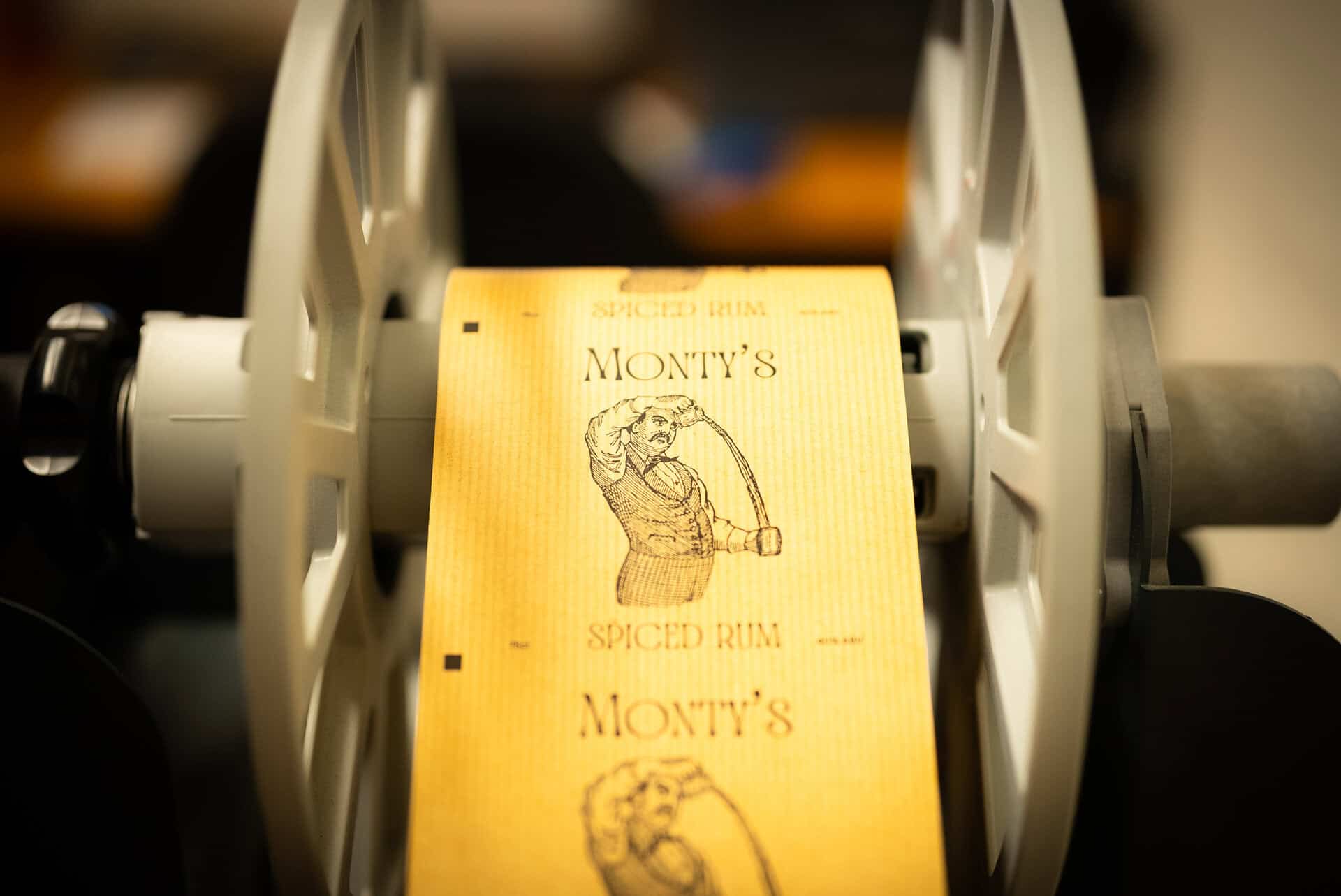
In a competitive market, packaging does much more than protect a product during storage and delivery. It creates a first impression, communicates your brand message, and can influence how customers view your product. A well-designed package can make an ordinary item look polished and trustworthy. One simple way to achieve this is through Custom Labels.
Whether you operate a small handmade shop, an online store, a food business, a beauty brand, or a growing retail company, the right label can make a noticeable difference. At The Boxology.US, we recognize that every business has unique packaging requirements. Therefore, businesses can use labels to reflect their visual identity while sharing useful information with customers.
What Are Custom Labels?
Custom Labels are personalized stickers, tags, or adhesive labels created to meet the needs of a specific product or brand. Businesses can use them to display logos, product names, ingredients, instructions, barcodes, contact details, websites, or promotional messages.
Unlike standard labels, personalized options give you greater control over the final appearance. You can select the size, shape, material, colors, typography, and finish. As a result, you can create packaging that looks consistent with your brand.
These labels also work with many types of packaging. You can apply them to jars, bottles, boxes, bags, containers, mailers, and other surfaces. This flexibility makes them useful for businesses across many industries.
Popular Label Options for Different Products
Different products require different labeling solutions. Your choice should depend on the type of packaging, the environment, and the information you need to display.
Product Labels
Product labels help customers quickly understand what they are buying. They can include a product name, logo, ingredients, directions, or other important details. You can place them on bottles, jars, boxes, and containers. A clean and informative label also makes products easier to identify. This benefit becomes especially valuable when customers compare several products on a shelf or browse items online.
Logo Labels
Logo labels focus on your brand identity. They can feature your logo, brand colors, tagline, or other visual elements. You can place them on shipping boxes, bags, tissue paper, mailers, or individual products. For small businesses, this approach offers an affordable way to add branded details to standard packaging. You do not always need completely customized boxes to create a professional appearance.
Shipping Labels
Shipping labels help businesses organize and deliver orders efficiently. Along with essential delivery information, businesses can incorporate branding elements when appropriate. A branded shipping package can create a stronger connection between your company and the customer. It can also make the unboxing experience feel more thoughtful and professional.
Waterproof Labels
Some products regularly face moisture, spills, refrigeration, or other challenging conditions. Waterproof labels provide a more suitable option for these situations. They work particularly well for beverages, skincare products, cosmetics, cleaning supplies, and similar items. Choosing a durable material helps the label maintain its appearance for longer.
Why Custom Labels Matter for Your Business
They Improve Brand Recognition
Consistent branding helps customers remember your business. When your packaging repeatedly uses the same logo, colors, fonts, and design style, customers can begin to recognize your products more easily. Over time, this consistency can help establish a stronger visual identity. It also gives your packaging a more unified appearance.
They Create a Professional Impression
Customers often judge a product by its presentation. Even a high-quality product can lose appeal when its packaging looks unfinished or confusing.
A carefully designed label adds structure and polish. It shows that you have paid attention to the details, which can help build customer confidence.
They Make Information Easier to Find
Packaging needs to communicate useful information without overwhelming the customer. A well-planned label gives you space to present details in a clear format.
Depending on your product, you might include ingredients, directions, warnings, contact information, website details, or a barcode. Clear information can also make the overall customer experience easier.
They Offer an Affordable Branding Solution
Fully printed packaging can require a significant investment, especially for a new business. Personalized labels provide another option.
You can use standard packaging and add branded labels to create a customized look. This approach can help startups and smaller businesses control packaging costs while still presenting their products professionally.
They Create Additional Marketing Space
Your label can do more than identify the product. It can also support your marketing efforts.
For example, you can add a website address, social media handle, QR code, tagline, or short promotional message. These small details can encourage customers to connect with your business after purchasing.
Choosing the Right Labels for Your Products
Before ordering Custom Labels, consider how and where customers will use your product. Think about the packaging surface and the conditions the label may face.
For example, products stored in refrigerators or exposed to moisture may need a more durable material. Products used in dry environments may require a different solution.
Size also matters. A label should fit comfortably on the packaging without covering essential information or making the design look crowded.
Next, focus on readability. Choose fonts that customers can easily read, even when the label is relatively small. Keep important information organized and avoid adding unnecessary design elements.
Finally, maintain consistency with your existing branding. Your colors, logo, typography, and overall style should complement one another. A consistent design helps customers connect individual products with your business.
Give Your Packaging a Stronger Identity
Custom Labels offer a practical way to improve packaging without completely changing your existing boxes, bottles, bags, or containers. They can strengthen brand recognition, provide essential product information, support marketing efforts, and create a more professional presentation.
At The Boxology.US, we believe packaging should communicate more than what is inside a box. It should also represent the business behind the product. The right label can add personality, clarity, and visual appeal to your packaging.
Whether you are introducing a new product, updating an existing package, or building a stronger brand identity, the right labeling approach can help you make a lasting impression. With thoughtful design and suitable materials, Labels can become an important part of your overall packaging strategy.
Final Thoughts
Custom Labels offer a simple and cost-effective way to make your products look professional and memorable. They strengthen your branding, share important information, and create a better customer experience. With the right design and materials, your labels can turn simple packaging into a strong reflection of your brand.
They also give your business more opportunities to connect with customers. A thoughtful label can highlight your brand personality and make your products easier to recognize. Moreover, consistent labeling can help build trust and encourage repeat purchases. Whether you run a small business or a growing brand, quality labels can add real value to your packaging.
Author



7 Things to Check Before Hiring Sunroom Contractors

What Really Happens During Your MOT in Southampton

How Godrej Verano Turns Every Day Into a Resort Escape

Outsourcing Interior Design Services and Drafting Support

Medical Scrubs in South Africa

Why Architecture Firms Outsource CAD Drafting Services

How Custom Android Apps Help Restaurants Increase Online Orders

ParagooseStore – New Official Brand and Modern Fashion Collection

Custom Packaging Manufacturer: Best Materials for Every Need

3D Exterior Rendering for Commercial Buildings: Design & Materials

Cybersecurity Consulting Company SequelNet Provides Critical IT Support Services to Medical Billing Firm, Medical Optimum

Meet the Megalodon: The Shark Star of ‘Meg 2’

Reduce Video Game Lag: Level Up Your Gaming Performance

Balancing India’s Entertainment: Cricket vs. Bollywood

Jetsetter’s Secrets: Unveiling Our Favorite Travel Hacks for a Seamless Adventure

The 5 Best Live Sports Streaming Sites: Legal and Exciting!

Hollywood Labor Unrest: The Impact of ‘What About Us?’ Strikes

Unveiling the Magic of Dream Fulfillment at the Late NBA Draft

Illuminate Your Skin: Dr. Axe Unveils Natural Remedies for Lightening Knees and Elbows

Bright Choices: Navigating the Pros and Cons of Skin Whitening Creams with Dr. Axe
-

 Business3 years ago
Cybersecurity Consulting Company SequelNet Provides Critical IT Support Services to Medical Billing Firm, Medical Optimum
-
Entertainment3 years ago
Meet the Megalodon: The Shark Star of ‘Meg 2’
-
Entertainment3 years ago
Reduce Video Game Lag: Level Up Your Gaming Performance
-
 Sports3 years ago
Balancing India’s Entertainment: Cricket vs. Bollywood
-
Entertainment3 years ago
Jetsetter’s Secrets: Unveiling Our Favorite Travel Hacks for a Seamless Adventure
-
Productivity3 years ago
The 5 Best Live Sports Streaming Sites: Legal and Exciting!
-
Art /Entertainment3 years ago
Hollywood Labor Unrest: The Impact of ‘What About Us?’ Strikes
-
Sports3 years ago
Unveiling the Magic of Dream Fulfillment at the Late NBA Draft






