
Packaging
Folding Cartons: Benefits, Uses, Design & Packaging


Packaging plays an important role in how products reach customers. It protects items during storage and transportation. At the same time, it helps brands create a strong first impression. Among the many packaging options available today, Folding Cartons remain a popular choice across several industries. They offer a practical balance of protection, appearance, flexibility, and cost.
Businesses use this type of packaging for products that need a clean and professional presentation. From food and cosmetics to medicines and retail goods, cartons can fit many product categories. Their simple structure also makes them easy to store, transport, and customize.
What Makes This Packaging Useful?
A good package needs to do more than hold a product. It should protect the contents and communicate useful information. It should also support the brand’s visual identity. Folding cartons can meet these needs without adding unnecessary weight.
Manufacturers usually produce cartons from paperboard. They cut and crease the material into a specific shape. The carton can then fold into its final form when needed. This design makes flat storage possible before the packaging reaches the production line.
Moreover, businesses can choose different paperboard grades based on the product. Lightweight materials work well for smaller items. Stronger boards can provide additional support for heavier products.

Another benefit comes from customization. Brands can print colors, logos, product details, instructions, and promotional messages directly on the carton. As a result, the package becomes part of the overall customer experience.
Protection and Product Safety
Product protection remains one of the main reasons businesses invest in quality packaging. Products can face pressure, friction, moisture, dust, and other risks during transportation. A properly designed carton can reduce exposure to many of these problems.
However, the level of protection depends on the product and the carton design. Fragile products may need internal inserts or additional protective materials. Food products may also require specialized coatings or compatible inner packaging.
For retail products, the carton can provide another layer of protection against handling. It can help keep the product clean and organized until the customer opens the package.
In addition, printed information can support safe product use. Manufacturers can include storage instructions, warnings, ingredient details, expiration information, or usage directions. This approach gives customers important information without requiring a separate document.
Branding and Visual Appeal
Customers often notice packaging before they examine the product itself. Therefore, appearance can influence purchasing decisions. A well-designed carton can help a product stand out among competing items.
Brands can use different colors, fonts, images, finishes, and design styles. They can create a simple appearance for a premium product or use bold graphics for a youthful brand. The design can also remain consistent across an entire product range.
For this reason, Folding Cartons can serve as a useful branding tool. They give businesses a large printable surface without requiring an additional label in many cases.
Finishing techniques can add even more visual interest. For example, companies can use matte or gloss coatings. They can also consider embossing, foil effects, or spot finishes when the product and budget allow.
Still, attractive packaging should not compromise clarity. Customers need to understand what the product is and how to use it. A balanced design usually works better than one that focuses only on decoration.
Applications Across Different Industries
Cartons work well for a wide range of products. The food industry uses them for items such as dry foods, snacks, tea, and other packaged goods. Their printed surfaces allow brands to display ingredients, nutrition information, preparation instructions, and other details.
The cosmetics industry also uses cartons extensively. Skincare products, fragrances, makeup, and personal-care items often require attractive outer packaging. A carefully designed carton can support a premium appearance while protecting the container inside.
The pharmaceutical sector has its own packaging requirements. Cartons can carry important information about dosage, storage, ingredients, and safety. However, pharmaceutical packaging must meet applicable regulations and labeling standards.
Retail products can benefit as well. Small electronics, household products, accessories, and personal items can use cartons to create an organized presentation. The design can also include features that make opening and closing easier.
Because of this versatility, businesses can adapt the packaging style to suit different products. They can adjust the size, shape, printing, and material according to their specific needs.
Storage and Transportation Benefits
Packaging design can affect more than the customer’s experience. It can also influence warehouse operations and transportation costs.
Folding cartons arrive and remain flat until the business needs to use them. This feature can save valuable storage space compared with rigid packaging. Companies can store a larger number of flat cartons in a smaller area.
Their lightweight construction can also help reduce shipping weight. Lower packaging weight may contribute to more efficient transportation, although the final impact depends on the product, carton specifications, and shipping method.
Furthermore, businesses can design cartons to fit products closely. A suitable fit can reduce unnecessary empty space. It can also help products remain stable during movement.
Efficient packaging does not simply reduce material use. It can improve handling throughout the supply chain. Therefore, companies should consider packaging requirements from production to delivery.

Sustainability Considerations
Environmental concerns have changed how businesses approach packaging. Customers increasingly pay attention to the materials brands use. Companies, in turn, are looking for options that can support their sustainability goals.
Paperboard packaging can offer advantages in this area because paper-based materials can often enter established recycling systems. However, recyclability depends on the specific material, coatings, inks, adhesives, local recycling infrastructure, and product contamination.
Businesses should therefore avoid making broad environmental claims without checking the actual packaging specifications. Instead, they can work with packaging suppliers to select materials that align with their environmental objectives.
Reducing unnecessary material can also make a difference. A carton that uses the right amount of board can provide adequate protection without creating excessive waste. Efficient sizing can further reduce unused space during transportation.
Sustainability also involves responsible sourcing and production. Brands should consider where the paperboard comes from and how manufacturers produce the packaging. A complete approach can help businesses make more informed decisions.
Choosing the Right Carton Design
Every product has different packaging requirements. Before choosing a carton, businesses should consider the product’s size, weight, shape, and fragility. They should also think about how customers will open and handle the package.
The intended retail environment matters too. A carton designed for supermarket shelves may need different features than one designed for direct-to-consumer shipping.
Printing requirements also deserve attention. Products that need extensive instructions or regulatory information may require more printable space. Premium brands may prioritize special finishes, while cost-conscious businesses may prefer a simpler design.
Budget remains another important factor. Businesses should consider material costs, printing, finishing, tooling, production quantities, and transportation. A carton that looks attractive but costs too much may not provide good long-term value.
Testing can help prevent problems. Companies can evaluate prototypes before placing large production orders. They can check the carton for fit, strength, appearance, opening performance, and shipping durability.
The Role of Professional Packaging Design
Good packaging starts with understanding the product and the customer. Designers need to consider both practical and visual requirements. They should also understand how the carton will move through manufacturing, storage, transportation, and retail.
A professional approach can reduce mistakes and improve consistency. Designers can create accurate dimensions and ensure that printed elements appear in the correct locations after folding.
They can also recommend structural features that improve usability. For example, a carton may include locking tabs, tuck flaps, windows, handles, or inserts. Each feature should have a clear purpose.
As packaging expectations continue to change, companies can also explore new printing technologies and materials. Digital printing, improved coatings, and more efficient production methods give brands additional opportunities to customize their packaging.
Final Thoughts
Packaging has become an important part of product development, marketing, and customer experience. The right solution can protect a product while also making it easier to store, transport, display, and use. Folding Cartons offer businesses a flexible option that combines practical performance with strong branding potential. Their printable surfaces, lightweight construction, customizable designs, and convenient flat storage make them suitable for many industries.
However, the best packaging choice depends on the product and its specific requirements. Businesses should consider protection, appearance, cost, sustainability, storage, and transportation before making a final decision. With thoughtful planning and proper design, carton packaging can support both operational goals and customer expectations. Ultimately, effective packaging does more than surround a product. It communicates the brand, protects the item, and shapes the customer’s first impression. A well-designed carton can therefore become a valuable part of a successful product strategy.
Author





Moving to a new home or office involves much more than loading boxes into a truck. You first need to sort your belongings, protect fragile items, prepare furniture, and keep track of everything. Then, after reaching your destination, you face another major task: unpacking and organizing your belongings.
That is why many people turn to professional Packing and Unpacking services. These services can save time, reduce physical effort, and make a complicated move easier to manage. However, the level of assistance can differ from one provider to another. Therefore, it is important to understand what these services usually cover before you book them.
What Are Packing and Unpacking Services?
Services help prepare your belongings for transportation and assist with settling into your new property. Professional packers sort and protect items, place them in suitable boxes, and label those boxes for easier identification.
After delivery, unpacking crews can open cartons, remove protective materials, place belongings in their assigned rooms, and handle packaging waste. Some providers may also offer furniture assembly or reassembly as part of their service.
However, not every company offers the same package. Some handle the entire home, while others allow customers to select specific rooms or belongings.
What Does Professional Packing Include?
Professional packing usually starts with the right materials. Depending on your belongings, packers may use moving boxes, packing paper, bubble cushioning, tape, furniture covers, stretch wrap, and specialty cartons.
The team then packs items according to their size, weight, and level of fragility. For example, glassware and ceramics require more protection than clothing or bedding. Artwork, mirrors, electronics, and other delicate possessions may also need specialized packaging.
Experienced packers generally follow a room-by-room system. Kitchen items stay together, bedroom belongings receive separate labels, and office supplies remain grouped. This simple method makes unloading and unpacking much easier.
Furniture also needs attention. Large pieces may require padding, wrapping, or partial disassembly before transportation. Beds, desks, wardrobes, shelves, and tables can all require different preparation methods.
What Does Professional Unpacking Include?
Unpacking begins when your belongings arrive at the new property. The crew may open cartons, remove wrapping, and place items in the appropriate rooms. They may also break down empty boxes and remove packing debris.
However, unpacking does not always mean fully organizing your home. A crew may place your kitchen boxes in the kitchen without deciding where every plate or appliance should go. If you want detailed organization, confirm whether the company offers that additional service.
Full, Partial, or Fragile-Item Packing?
You do not have to outsource the entire move. You can handle simple tasks yourself and leave the more demanding work to professionals. This approach gives you greater control over your belongings while also helping you manage your moving budget.
- A full packing service works well when you want professionals to handle most of your belongings. This option can suit large households, busy professionals, families, or people working with a tight moving schedule.
- A partial service offers more flexibility. You can pack clothing, books, and bedding yourself while professionals handle kitchenware, electronics, artwork, mirrors, or other challenging items.
- A fragile-only service takes this approach even further. You remain responsible for ordinary belongings while trained packers focus on items that require additional care.
This flexible approach can help control costs without forcing you to manage the most difficult parts alone.
Is Professional Packing Worth the Cost?
The answer depends on your priorities. Professional Packing and Unpacking can make sense when you have limited time, many possessions, numerous fragile items, or physical limitations that make packing difficult. It can also help when you need to complete a move within a strict schedule.
On the other hand, DIY packing may suit a smaller move. It can also work well if you have several weeks available and want to keep expenses low. A hybrid approach often provides a practical balance. You can pack simple belongings yourself and leave fragile or time-consuming items to professionals.
How Can You Make Unpacking Easier?
Successful unpacking starts during the packing stage. Avoid vague labels such as “miscellaneous.” Instead, describe both the room and the contents. For example, use labels such as “Kitchen – Glassware” or “Bedroom – Bedding.” You can also number each carton and maintain a basic inventory.
Keep essential items separate. Your essentials bag might contain toiletries, chargers, important documents, medication, clothing, keys, and other items you may need immediately after arrival.
You should also create a clear “do not pack” area. Keep valuables, passports, important records, and personal essentials there so they do not accidentally enter the moving shipment.
What Affects Packing and Unpacking Costs?
Several factors influence the final price. The number of belongings is one of the biggest. More items require more labor, boxes, and protective materials.
Property size can also affect the workload, although the actual amount of stuff usually matters more than the number of rooms. Special handling can increase costs as well. Artwork, antiques, mirrors, electronics, and large furniture may require additional preparation. Full-service packing generally costs more than partial packing because the crew handles a larger portion of the move.
Unpacking, furniture disassembly, reassembly, specialty materials, and tight schedules may also add to the final price. Therefore, request a detailed written quotation. Compare what each provider includes instead of comparing headline prices alone.
Questions to Ask Before Hiring Packers
Before booking a company, clarify the scope of the service. Ask whether boxes and other materials come with the quoted price. Find out how the team handles fragile belongings and whether furniture disassembly is included.
Also ask whether unpacking costs extra. Confirm whether the crew will remove empty cartons and packaging. Most importantly, ask which belongings the company will not transport.
You should also understand its process for handling damage or claims. A reputable provider should explain these details clearly before moving day.
How to Prepare for Professional Packers
You can make the process faster by preparing beforehand. Start by decluttering. There is little value in paying someone to pack items you no longer want. Separate belongings for donation, recycling, selling, or disposal.
Next, identify valuables and personal essentials. Keep these items separate from everything else. You should also tell the crew about particularly fragile or valuable possessions.
If possible, photograph important furniture and electronic equipment before packing. These photos can help you remember how equipment was connected and provide a record of its condition.
Packing and Unpacking for Office Relocations
Businesses can also benefit from professional moving support. Office relocations often involve computers, monitors, files, desks, chairs, printers, and other equipment.
Organization becomes especially important in this situation. Label boxes by department, employee, workstation, or destination room. A simple inventory can also help track equipment during the move.
Confidential files deserve additional attention. Companies should follow their own security and document-handling procedures when relocating sensitive information.
Final Thoughts
Packing and Unpacking services can remove a significant amount of stress from a relocation. They can save valuable time while giving fragile and bulky belongings the attention they require. Still, you do not have to hand over the entire process. Full, partial, and fragile-item options allow you to choose the level of support that matches your needs and budget.
Before hiring a provider, decide what you want to handle yourself. Then, ask for a clear written quote and confirm exactly what the crew will do. Most importantly, remember that good packing is not simply about filling boxes. It creates an organized system that makes transportation, unloading, and settling into your new space much easier.
With the right preparation and a reliable service, Packing can become a manageable part of your move rather than one of its biggest challenges.
Author


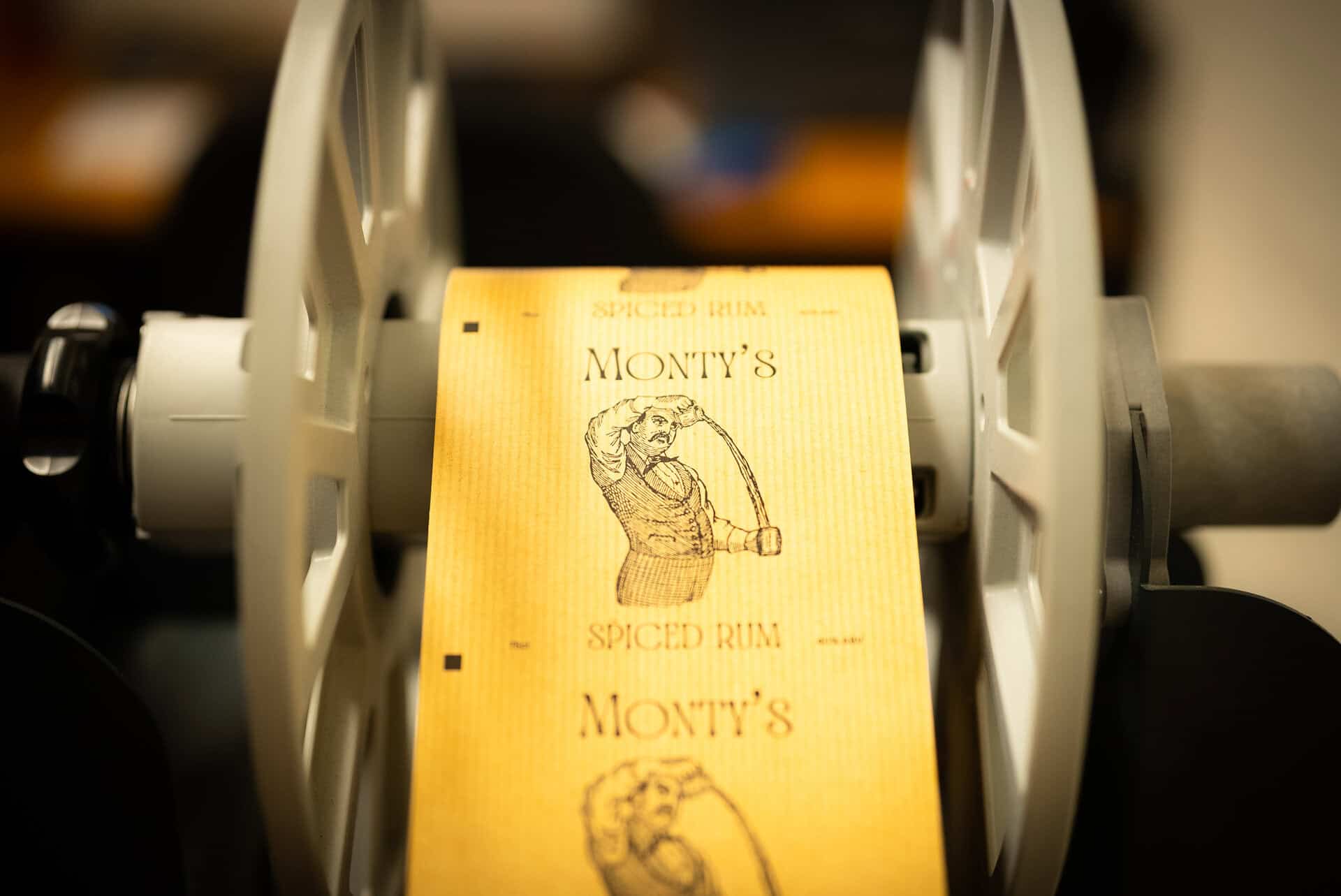
In a competitive market, packaging does much more than protect a product during storage and delivery. It creates a first impression, communicates your brand message, and can influence how customers view your product. A well-designed package can make an ordinary item look polished and trustworthy. One simple way to achieve this is through Custom Labels.
Whether you operate a small handmade shop, an online store, a food business, a beauty brand, or a growing retail company, the right label can make a noticeable difference. At The Boxology.US, we recognize that every business has unique packaging requirements. Therefore, businesses can use labels to reflect their visual identity while sharing useful information with customers.
What Are Custom Labels?
Custom Labels are personalized stickers, tags, or adhesive labels created to meet the needs of a specific product or brand. Businesses can use them to display logos, product names, ingredients, instructions, barcodes, contact details, websites, or promotional messages.
Unlike standard labels, personalized options give you greater control over the final appearance. You can select the size, shape, material, colors, typography, and finish. As a result, you can create packaging that looks consistent with your brand.
These labels also work with many types of packaging. You can apply them to jars, bottles, boxes, bags, containers, mailers, and other surfaces. This flexibility makes them useful for businesses across many industries.
Popular Label Options for Different Products
Different products require different labeling solutions. Your choice should depend on the type of packaging, the environment, and the information you need to display.
Product Labels
Product labels help customers quickly understand what they are buying. They can include a product name, logo, ingredients, directions, or other important details. You can place them on bottles, jars, boxes, and containers. A clean and informative label also makes products easier to identify. This benefit becomes especially valuable when customers compare several products on a shelf or browse items online.
Logo Labels
Logo labels focus on your brand identity. They can feature your logo, brand colors, tagline, or other visual elements. You can place them on shipping boxes, bags, tissue paper, mailers, or individual products. For small businesses, this approach offers an affordable way to add branded details to standard packaging. You do not always need completely customized boxes to create a professional appearance.
Shipping Labels
Shipping labels help businesses organize and deliver orders efficiently. Along with essential delivery information, businesses can incorporate branding elements when appropriate. A branded shipping package can create a stronger connection between your company and the customer. It can also make the unboxing experience feel more thoughtful and professional.
Waterproof Labels
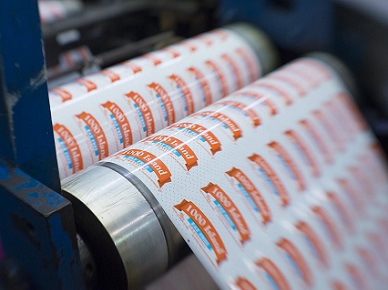
Some products regularly face moisture, spills, refrigeration, or other challenging conditions. Waterproof labels provide a more suitable option for these situations. They work particularly well for beverages, skincare products, cosmetics, cleaning supplies, and similar items. Choosing a durable material helps the label maintain its appearance for longer.
Why Custom Labels Matter for Your Business
They Improve Brand Recognition
Consistent branding helps customers remember your business. When your packaging repeatedly uses the same logo, colors, fonts, and design style, customers can begin to recognize your products more easily. Over time, this consistency can help establish a stronger visual identity. It also gives your packaging a more unified appearance.
They Create a Professional Impression
Customers often judge a product by its presentation. Even a high-quality product can lose appeal when its packaging looks unfinished or confusing.
A carefully designed label adds structure and polish. It shows that you have paid attention to the details, which can help build customer confidence.
They Make Information Easier to Find
Packaging needs to communicate useful information without overwhelming the customer. A well-planned label gives you space to present details in a clear format.
Depending on your product, you might include ingredients, directions, warnings, contact information, website details, or a barcode. Clear information can also make the overall customer experience easier.
They Offer an Affordable Branding Solution
Fully printed packaging can require a significant investment, especially for a new business. Personalized labels provide another option.
You can use standard packaging and add branded labels to create a customized look. This approach can help startups and smaller businesses control packaging costs while still presenting their products professionally.
They Create Additional Marketing Space
Your label can do more than identify the product. It can also support your marketing efforts.
For example, you can add a website address, social media handle, QR code, tagline, or short promotional message. These small details can encourage customers to connect with your business after purchasing.
Choosing the Right Labels for Your Products
Before ordering Custom Labels, consider how and where customers will use your product. Think about the packaging surface and the conditions the label may face.
For example, products stored in refrigerators or exposed to moisture may need a more durable material. Products used in dry environments may require a different solution.
Size also matters. A label should fit comfortably on the packaging without covering essential information or making the design look crowded.
Next, focus on readability. Choose fonts that customers can easily read, even when the label is relatively small. Keep important information organized and avoid adding unnecessary design elements.
Finally, maintain consistency with your existing branding. Your colors, logo, typography, and overall style should complement one another. A consistent design helps customers connect individual products with your business.
Give Your Packaging a Stronger Identity
Custom Labels offer a practical way to improve packaging without completely changing your existing boxes, bottles, bags, or containers. They can strengthen brand recognition, provide essential product information, support marketing efforts, and create a more professional presentation.
At The Boxology.US, we believe packaging should communicate more than what is inside a box. It should also represent the business behind the product. The right label can add personality, clarity, and visual appeal to your packaging.
Whether you are introducing a new product, updating an existing package, or building a stronger brand identity, the right labeling approach can help you make a lasting impression. With thoughtful design and suitable materials, Labels can become an important part of your overall packaging strategy.
Final Thoughts
Custom Labels offer a simple and cost-effective way to make your products look professional and memorable. They strengthen your branding, share important information, and create a better customer experience. With the right design and materials, your labels can turn simple packaging into a strong reflection of your brand.
They also give your business more opportunities to connect with customers. A thoughtful label can highlight your brand personality and make your products easier to recognize. Moreover, consistent labeling can help build trust and encourage repeat purchases. Whether you run a small business or a growing brand, quality labels can add real value to your packaging.
Author



Moving to a new home can bring excitement, anticipation, and a fresh sense of possibility. At the same time, relocation can quickly become overwhelming without proper preparation. From sorting your belongings to arranging transportation, every stage requires attention. Plastic moving boxes offer a strong and sturdy option for keeping your belongings secure during the move.
Crafting a successful relocation plan starts with understanding what needs to happen and when. A clear plan gives you direction and helps you avoid last-minute problems. Instead of dealing with everything at once, you can divide the process into smaller and more manageable tasks.
Why You Should Not Rush Your Move
Finding your dream home can make you want to move immediately. However, rushing the process can create unnecessary pressure. You may forget important tasks, misplace belongings, or pack items without proper organization.
Plastic moving boxes Sydney can make packing and stacking easier. However, even the best packing supplies cannot replace proper planning. Give yourself enough time to prepare. A few extra days of organization can save hours of stress later.
Start With a Detailed Moving Checklist
Crafting a practical moving checklist gives you a clear starting point. Write down every important task, from booking movers to notifying utility providers. Include both major responsibilities and small details that you might otherwise overlook.
Your checklist should cover packing, address changes, cleaning, transportation, utility connections, and final inspections. As you complete each task, mark it off. This simple habit helps you stay focused and gives you a clear picture of your progress.
Create a Realistic Moving Timeline
Time management plays an important role in any relocation. Do not leave all your packing until the final few days. Instead, begin with items that you rarely use. Pack seasonal clothing, decorations, books, and other non-essential belongings several weeks before moving day.
As the move gets closer, continue with items you use more frequently. Keep everyday essentials available until the end. This approach reduces pressure and gives you enough time to decide what you truly want to take with you.
Declutter Before You Pack
Moving gives you an excellent opportunity to reduce unnecessary belongings. Before placing an item inside a box, ask yourself whether you use it, need it, or genuinely value it. If the answer is no, consider donating, recycling, selling, or discarding it.
Crafting a simpler household can make your relocation easier and less expensive. Fewer belongings mean fewer boxes, less packing material, and less work on moving day. More importantly, you will start your new chapter without carrying unnecessary clutter with you.
Label Every Box Clearly
Good labeling can make the unpacking process much easier. Write the contents and destination room on each box. You can also mark boxes that contain fragile items so everyone handles them carefully.
For example, label a box “Kitchen – Plates and Glasses” instead of simply writing “Kitchen.” Clear descriptions help you find specific items quickly. They also allow movers or family members to place boxes in the correct rooms.
Protect Your Furniture and Valuables
Furniture needs careful preparation before transportation. Whenever possible, disassemble large pieces and keep screws, bolts, and other hardware in clearly marked bags. Keep those bags with the relevant furniture so you can find them easily during reassembly.
Use suitable wrapping and padding to protect delicate surfaces. Pay special attention to corners, edges, glass panels, and polished finishes. Careful preparation reduces the risk of scratches and other damage.

Decide Between Professional Movers and DIY
Choosing between professional movers and a DIY move depends on your circumstances. Professional movers can save time and reduce physical effort. They also bring experience with loading, transportation, and handling heavy belongings.
A DIY move may cost less and give you greater control. However, you must consider the time, physical work, vehicle requirements, and help available to you. Compare your budget and priorities before making the final decision.
Choose a Moving Company Carefully
If you decide to hire professionals, research your options before booking anyone. Look for companies with strong customer reviews, clear pricing, reliable communication, and appropriate insurance coverage.
Do not choose a company based only on the lowest quote. Ask what the price includes and whether additional charges may apply. A trustworthy moving company should explain its services clearly and answer your questions before moving day.
Prepare an Essentials Box
Crafting an essentials box can make your first night in the new home much easier. Pack toiletries, basic clothing, chargers, medications, important documents, snacks, cleaning supplies, and other items you may need immediately.
Keep this box somewhere easy to access rather than placing it deep inside the moving truck. You should also arrange electricity, water, internet, and other essential services before you arrive. Early preparation helps you settle in without unnecessary interruptions.
Update Your Address and Important Information
Remember to update your address with banks, employers, insurance providers, government services, subscriptions, and other relevant organizations. Tell family and friends about your new address as well.
Handling these changes early can prevent missed letters, delayed deliveries, and other communication problems. Keep a list of every organization you contact so you can track the updates.
Prepare for Unexpected Problems
Even a well-organized move can face unexpected delays. Bad weather, transportation problems, changes in closing dates, or other issues can affect your schedule. Therefore, leave some flexibility in your timeline.
Keep a small emergency budget and avoid scheduling everything down to the last minute. A little extra time can give you room to respond calmly when something does not go according to plan.
Settle Into Your New Community
Relocation does not end when the last box enters your new home. You also need time to become comfortable in your new surroundings. Explore nearby parks, shops, community centers, clubs, and local events.
Meeting neighbors and participating in activities can help you build connections. Over time, these relationships can make an unfamiliar neighborhood feel welcoming.
Turn Your New House Into a Home
Finally, Crafting a comfortable home takes more than unpacking boxes. Arrange your favorite belongings, create inviting spaces, and add personal touches that reflect your personality. Start with the rooms you use most often and gradually work through the rest.
Moving may feel challenging, but it also creates an opportunity for growth and a fresh beginning. With thoughtful preparation, organized packing, and a flexible attitude, you can make the transition smoother. Most importantly, give yourself time to adjust and enjoy the new memories waiting to be created.
Final Thoughts
A successful move does not happen by chance. It requires thoughtful preparation, realistic timelines, and a clear understanding of what needs to be done. Crafting a detailed relocation plan can help you stay organized while reducing the stress that often comes with moving.
Start early, declutter before packing, label your boxes, and protect your valuable belongings. Whether you choose professional movers or handle the move yourself, make decisions based on your budget, schedule, and personal needs. Also, remember to prepare for unexpected delays and keep essential items within easy reach.
Most importantly, give yourself time to settle into your new surroundings. A new home is more than a different address. It is a chance to create new routines, meet new people, and build meaningful memories. With the right preparation and a positive mindset, your relocation can become an exciting and rewarding new beginning.
Author



Traditional Ayurvedic Herbs and Their Place in Modern Wellness

Why a Good Bassinet Makes Life Easier for NZ Parents

Work Visas, Job Changes, and the Details That Decide NZ Visa

Why take Private tour of Gibbston Valley

Haffele Kitchen Dealer in Thrissur: Upgrade Your Home in Style

Project Capri Clothing: Hoodies, Jorts & Modern Streetwear 2026

Why Continuous Learning Matters for Business Leaders

Accurate As-Built Drawings Are the Foundation of Successful Commercial

The Best Asset Management System in UAE

Kentucky Bourbon Trail Tours What Is Included and How to Plan a Trip

Cybersecurity Consulting Company SequelNet Provides Critical IT Support Services to Medical Billing Firm, Medical Optimum

Meet the Megalodon: The Shark Star of ‘Meg 2’

Reduce Video Game Lag: Level Up Your Gaming Performance

Balancing India’s Entertainment: Cricket vs. Bollywood

Jetsetter’s Secrets: Unveiling Our Favorite Travel Hacks for a Seamless Adventure

The 5 Best Live Sports Streaming Sites: Legal and Exciting!

Hollywood Labor Unrest: The Impact of ‘What About Us?’ Strikes

Unveiling the Magic of Dream Fulfillment at the Late NBA Draft

Illuminate Your Skin: Dr. Axe Unveils Natural Remedies for Lightening Knees and Elbows

Bright Choices: Navigating the Pros and Cons of Skin Whitening Creams with Dr. Axe
-

 Business3 years ago
Cybersecurity Consulting Company SequelNet Provides Critical IT Support Services to Medical Billing Firm, Medical Optimum
-
Entertainment3 years ago
Meet the Megalodon: The Shark Star of ‘Meg 2’
-
Entertainment3 years ago
Reduce Video Game Lag: Level Up Your Gaming Performance
-
 Sports3 years ago
Balancing India’s Entertainment: Cricket vs. Bollywood
-
Entertainment3 years ago
Jetsetter’s Secrets: Unveiling Our Favorite Travel Hacks for a Seamless Adventure
-
Productivity3 years ago
The 5 Best Live Sports Streaming Sites: Legal and Exciting!
-
Art /Entertainment3 years ago
Hollywood Labor Unrest: The Impact of ‘What About Us?’ Strikes
-
Sports3 years ago
Unveiling the Magic of Dream Fulfillment at the Late NBA Draft






