
Business
Custom Hemp Display Packaging for Premium Product Presentation

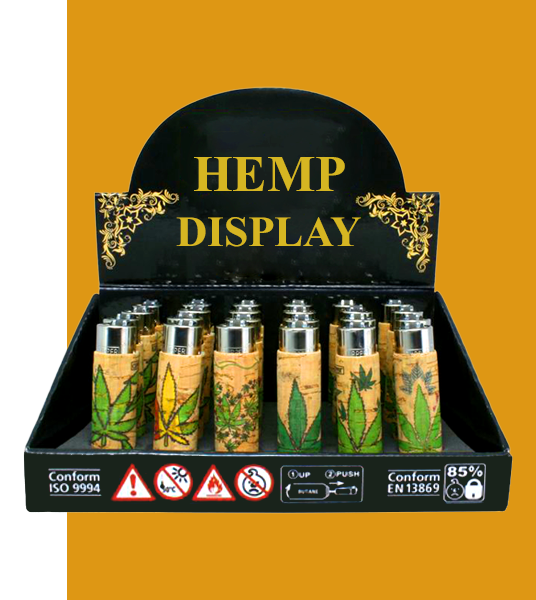
Hemp products are becoming increasingly popular in the wellness, personal care, beauty, and lifestyle markets. As more brands enter this growing industry, product presentation has become an important part of attracting customers. Custom Hemp Display Packaging gives businesses a practical way to protect their products while creating an attractive presentation that reflects their brand identity.
Well-designed hemp packaging can make products easier to recognize on retail shelves, improve customer experience, and communicate important product information. With the right materials, printing, dimensions, and finishing options, brands can create packaging that is both functional and visually appealing.
What Is Custom Hemp Display Packaging?
Custom Hemp Display Packaging is specially designed packaging used to present hemp-based products in retail stores, dispensaries, wellness shops, boutiques, and other selling environments. Unlike standard packaging, custom display boxes can be designed around a product’s exact dimensions and branding requirements.
These boxes may include product windows, compartments, inserts, display cutouts, or other structural features that help customers see and understand the product before purchasing it.
Businesses can customize several elements, including:

- Box size and dimensions
- Shape and structure
- Printing and artwork
- Product windows
- Inserts and compartments
- Logo placement
- Finishing options
- Material thickness
- Opening and closing styles
This flexibility allows brands to create a custom box that supports both product protection and retail presentation.
Why Hemp Brands Need Attractive Packaging
Packaging is often the first physical interaction customers have with a product. A well-designed package can immediately communicate whether a brand focuses on quality, sustainability, wellness, luxury, or affordability.
For hemp businesses, packaging can also help organize information that customers may want to see before making a purchase. Product names, ingredients, usage information, branding, and other relevant details can be presented clearly on the box.
With custom packaging, businesses can create a consistent visual identity across different hemp products. Matching colors, typography, logos, and graphics can make a product range look more professional and recognizable.
Create a Strong Retail Display
Retail environments are highly competitive. Multiple products may be displayed next to each other, making visual presentation important for attracting attention.
Custom display boxes can be designed to give hemp products a stronger shelf presence. A carefully positioned logo, bold product graphics, or a strategically designed window can help customers notice the product more easily.
Brands can also select structures that allow boxes to stand upright or remain open for convenient product presentation. These features can make the packaging useful beyond transportation and storage.
Build Brand Recognition With Custom Printing
Brand recognition is essential for businesses that want customers to remember their products. Custom printed boxes provide an opportunity to place important branding elements directly onto the packaging.
Companies can use:
- Brand logos
- Product names
- Brand colors
- Typography
- Illustrations
- Product information
- Promotional messages
- Contact information
Using custom boxes with logo designs can make products easier to identify across retail shelves and online product photography. Even simple boxes with logo printing can create a more cohesive appearance when used consistently throughout a product line.
Choose Packaging Based on the Product
Different hemp products require different packaging structures. A small item may need a compact folding carton, while a larger or more delicate product may require a rigid structure or protective insert.
Custom sizing helps reduce unnecessary empty space inside the package. Inserts can also keep products positioned properly during handling and transportation.
Depending on the application, brands may consider:
- Folding cartons
- Tuck-end boxes
- Sleeve packaging
- Display boxes
- Window boxes
- Rigid boxes
- Die-cut packaging
- Counter display packaging
Selecting the right structure can improve both product presentation and usability.
Materials for Hemp Display Boxes
Material selection affects the appearance, strength, and overall functionality of packaging. Paperboard is commonly used for lightweight retail packaging because it supports detailed printing and can be produced in various thicknesses.
Kraft materials can provide a natural appearance that works well for brands emphasizing an earthy or sustainable visual identity. Rigid board can provide a more premium presentation for higher-end hemp products.
The appropriate material depends on the product’s weight, dimensions, transportation requirements, retail environment, and desired appearance.
Add Windows and Inserts
Product visibility can be especially useful when the physical appearance of an item contributes to the buying decision. A transparent window can allow customers to view the product without opening the package.
Inserts offer another useful customization option. They can hold individual products securely and prevent unnecessary movement inside the box.
A combination of windows and inserts can create a structured presentation while keeping the product protected.
Finishing Options for a Premium Look
Finishing techniques can change the appearance and feel of hemp packaging. Brands can select finishes according to their target audience and desired positioning.
Popular options include:
- Matte coating
- Gloss coating
- Soft-touch coating
- Spot UV
- Foil stamping
- Embossing
- Debossing
For example, matte finishes can create a clean and understated appearance, while foil details can add a more premium visual effect. Embossed logos can give the package additional texture and help important branding elements stand out.
Use Packaging as a Marketing Tool
Packaging can do more than hold a product. It can communicate a brand’s identity and help create a memorable customer experience.
A thoughtfully designed package can include concise messaging that explains the product or highlights specific brand values. QR codes can also be incorporated when brands want to direct customers toward product information, websites, instructions, or digital resources.
This makes packaging part of the overall marketing strategy rather than simply a protective container.
Benefits of Custom Hemp Display Packaging
Investing in customized packaging can provide several practical advantages for hemp brands.
Better Product Presentation
Custom structures and professional printing can give products a polished retail appearance.
Improved Brand Visibility
Consistent logos, colors, and design elements help customers recognize a brand across different products.
Product Protection
Proper sizing and inserts can reduce movement and help protect products during handling and transportation.
Flexible Design
Brands can customize packaging around their product dimensions, retail requirements, and marketing goals.
Stronger Customer Experience
Easy-to-open structures, clear information, and attractive presentation can make packaging more convenient for customers.
Custom Boxes for Growing Hemp Brands
As a hemp business expands, packaging requirements may change. A company may introduce new products, enter additional retail channels, or develop different product sizes.
Using custom boxes wholesale can help brands maintain consistent packaging across larger product quantities. Wholesale manufacturing can also support businesses that need packaging for multiple product variations.
Rather than relying on generic cartons, brands can create a unified packaging system that matches their product range and visual identity.
How to Create Effective Hemp Packaging
Creating successful hemp packaging starts with understanding the product and its target market. Consider the product’s dimensions, weight, fragility, storage requirements, and retail environment before choosing a structure.
Next, develop artwork that clearly communicates the brand and product. Keep important information readable and organize the design so customers can quickly understand what they are seeing.
Finally, consider finishing details and structural features such as windows, inserts, handles, or display cutouts. These small details can make a significant difference in how the finished package looks and functions.
Choose a Reliable Packaging Partner
Working with an experienced packaging manufacturer can simplify the process of developing customized hemp boxes. A professional supplier can assist with structural design, material selection, printing, finishing, and production requirements.
BoxesGen provides businesses with customizable packaging options designed around their specific product and branding requirements. Brands looking for a complete packaging solution can explore different box styles, printing methods, materials, and finishing options to create packaging that fits their products.
Whether a business needs simple retail cartons or premium display packaging, customized production allows brands to develop packaging that supports their marketing and presentation goals.
Final Thoughts
Custom Hemp Display Packaging can help brands combine product protection, retail presentation, and brand communication in one package. From custom dimensions and printed artwork to windows, inserts, and premium finishes, businesses have numerous ways to develop packaging that fits their products.
For brands competing in the growing hemp market, investing in thoughtfully designed custom boxes can create a more consistent product presentation while helping products stand out in competitive retail environments. With the right materials, structure, printing, and finishing, packaging can become an important part of the overall customer experience.
Whether you need small production runs or custom boxes wholesale, choosing a packaging design that reflects your brand can help create a professional and recognizable product presence.
Author











A beautiful sunroom starts with the right contractor. The wrong choice can lead to poor work, delays, and extra costs. Many homeowners focus on price but overlook other important details. Before hiring sunrooms contractors, check their experience, licenses, past work, and project terms. These simple steps can help you find the right team for your home.
Why Is Choosing the Right Sunroom Contractor Important?
A sunroom adds more than extra space to your home. It gives you a bright place to relax, enjoy natural light, and spend time with family.
However, building one takes proper planning and skill. The contractor must handle the design, materials, windows, roofing, and other building needs. A good choice can help you avoid common problems and get the room you want.
Here are seven things to check before making your decision.
1. Check Their Sunroom Building Experience
Not every contractor has experience building sunrooms. Some may focus on general home repairs or other building projects. Sunroom construction needs special care because it includes glass, frames, roofing, and proper support.
Ask how many sunrooms they have built and how long they have done this work. Also, ask about projects similar to yours. A contractor with the right experience can better understand your needs and suggest useful design ideas.
2. Look at Their Past Projects
Photos of completed projects can tell you a lot about a contractor’s work. They also help you see the styles and designs they can create.
Ask to see pictures of their recent sunroom projects. If possible, visit a completed project to check the work yourself.
Pay attention to these details:
- Windows and glass: Check their fit, finish, and overall look.
- Roofing: Look for neat work and proper connections.
- Frames: Check whether the frames look strong and well-fitted.
- Flooring: Notice how well the floor matches the room.
- Finishing: Look for clean edges and smooth surfaces.
These details can help you judge the quality of their work.
3. Verify Their License and Insurance
Before hiring anyone, check whether they have the required license for your project. Rules can vary by state, so check your local requirements. You should also ask for proof of insurance.
General liability insurance can help cover certain types of accidental property damage. Workers’ compensation can cover eligible employee injuries during the project.
Do not depend only on verbal promises. Ask for current documents and check their details before signing an agreement.
4. Ask for a Clear Written Estimate
A sunroom project can include several costs. These may cover materials, labor, windows, roofing, flooring, and installation. A clear estimate helps you understand where your money will go.
Ask for a written quote that explains the full project cost. Make sure it lists the work, materials, and services included.
Compare estimates from at least three contractors before choosing one. Do not select a company just because it offers the lowest price. A very low quote may leave out important work or use lower-quality materials.
5. Check Whether They Handle Permits
Building a sunroom may require permits and inspections. These rules help make sure the new space meets local building standards. The exact requirements depend on your location and project design.
Ask the contractor who will handle the permit process. Also, find out whether permit fees are included in the estimate.
A reliable contractor should explain these steps before work begins. Avoid anyone who suggests skipping permits or ignoring local building rules.
6. Understand the Project Timeline
You probably want to enjoy your new sunroom as soon as possible. However, construction can take time, especially when the project needs special materials or extra work.
Ask when the work can start and how long it may take. Find out what could cause delays, such as bad weather or late material deliveries.
Also, ask who will keep you updated during construction. Regular updates help you know what is happening and when the next step will begin.
7. Read the Warranty and Contract Details
A written contract protects both you and the contractor. It should explain what work they will complete and what you can expect. Read every detail before signing.
Check whether the contractor offers a warranty on their work. Also, ask about separate warranties for windows, doors, frames, and other materials.
Make sure the contract covers:
- Total project cost and payment schedule.
- Materials and work included in the project.
- Expected start and completion dates.
- Rules for changes or extra work.
- Warranty coverage and service details.
- Cleanup after construction.
Keep a copy of the signed contract and payment records. These documents can help if questions come up later.
What Questions Should You Ask Before Hiring a Sunroom Contractor?
A short conversation can help you learn more about a contractor. Ask direct questions and pay attention to how clearly they answer.
Here are a few useful questions:
| Question | Why It Matters |
| How many sunrooms have you built? | Shows their experience |
| Can I see your past projects? | Helps you check their work |
| Are you licensed and insured? | Helps protect your home |
| Who will handle permits? | Makes responsibilities clear |
| What does the estimate include? | Helps prevent surprise costs |
| Do you offer a warranty? | Explains your coverage |
A good contractor should answer your questions without rushing you. Clear answers can help you feel more confident about your choice.
Choose the Right Contractor for Your Sunroom Project
Hiring a contractor is an important step when adding a sunroom to your home. Take time to check their experience, past work, insurance, prices, and contract details. Do not rush into a decision just because someone offers a quick deal.
When comparing sunrooms contractors, look for a team that listens to your ideas and explains the work clearly. The right professionals can help turn your plans into a bright, comfortable space. With careful planning and the right team, you can enjoy your new sunroom for years.
Author


Who Are the Top 5 Buyers in Dubai? A Guide to Dubai’s Leading Consumer Markets
Dubai is one of the most active commercial and trading centres in the world. Its diverse population, strong economy, international business environment, and high purchasing power make it an attractive destination for companies looking to sell products and services. However, understanding who buys the most in Dubai is essential for choosing the right customers, products, and business strategy.
If you are planning to start a business in the UAE, identifying the top buyer groups in Dubai can help you understand market demand and potential business opportunities. In this guide, Business Setup Consultancy explores five important buyer segments in Dubai and explains how businesses can reach them.
Who Are the Top 5 Buyers in Dubai?
Dubai does not have one official ranking of its biggest buyers because purchasing activity varies by industry. However, five major customer groups play an important role in the city’s retail, property, wholesale, and service markets:
-
UAE residents and local consumers
-
Tourists and international visitors
-
High-net-worth individuals and luxury buyers
-
Real estate investors and property buyers
-
Businesses, wholesalers, and corporate purchasers
Let’s explore each group in detail.
1. UAE Residents and Local Consumers
UAE residents are among the most important customer groups for businesses operating in Dubai. The city’s multicultural population includes professionals, families, entrepreneurs, and long-term residents with different purchasing habits and budgets.
Residents regularly spend on everyday products and services, including groceries, clothing, electronics, healthcare, education, restaurants, transportation, and home-related services.
Popular products and services purchased by residents include:
-
Food, groceries, and household essentials
-
Fashion, footwear, and accessories
-
Smartphones and electronic devices
-
Beauty, fitness, and healthcare services
-
Furniture and home improvement products
-
Education and professional services
For new entrepreneurs, the resident market offers opportunities to build a consistent customer base. Businesses that provide quality products, competitive prices, convenient delivery, and reliable customer service can attract repeat customers.
2. Tourists and International Visitors
Tourists are another significant buyer segment in Dubai. The city attracts visitors for shopping, entertainment, business events, hospitality, and leisure activities. Many international visitors spend money on retail products, hotels, restaurants, experiences, and luxury goods.
Dubai’s shopping destinations, entertainment facilities, and hospitality industry create opportunities for businesses targeting short-term visitors.
Common purchases made by tourists include:
-
Luxury fashion and branded accessories
-
Perfumes, cosmetics, and beauty products
-
Jewellery, watches, and souvenirs
-
Electronics and gifts
-
Hotel accommodation and dining
-
Tours, entertainment, and travel experiences
Businesses targeting tourists should focus on convenient locations, multilingual customer support, attractive product displays, and a smooth purchasing experience.
Retail stores, travel agencies, restaurants, souvenir shops, and online businesses can all benefit from understanding tourist demand.
3. High-Net-Worth Individuals and Luxury Buyers
Dubai is internationally recognised for its luxury lifestyle and premium shopping market. High-net-worth individuals, affluent residents, international investors, and wealthy visitors create demand for exclusive products and personalised services.
These customers often prioritise quality, reputation, convenience, and customer experience rather than choosing products based only on price.
Popular luxury purchases include:
-
Premium cars and automotive services
-
Designer clothing and accessories
-
Fine jewellery and luxury watches
-
High-end properties
-
Exclusive travel and hospitality services
-
Premium interior design and lifestyle products
For entrepreneurs, this segment can offer opportunities in luxury retail, property services, premium hospitality, personal shopping, and specialised consulting.
However, entering the luxury market requires strong branding, high service standards, and a clear understanding of customer expectations.
4. Real Estate Investors and Property Buyers
Dubai’s property market attracts local and international buyers interested in residential properties, commercial spaces, rental investments, and long-term capital growth.
Real estate purchasers include individual investors, families, business owners, overseas buyers, and institutional investors. Their purchasing decisions depend on factors such as location, property type, expected rental returns, facilities, and market conditions.
Major property buyer categories include:
-
Residential property buyers
-
Overseas property investors
-
Commercial property purchasers
-
Luxury apartment and villa buyers
-
Property developers and investment companies
This segment also creates demand for supporting services such as property management, interior design, maintenance, real estate marketing, legal assistance, and financial consultancy.
Entrepreneurs considering the property sector should research the relevant licensing and regulatory requirements before starting operations.
5. Businesses, Wholesalers, and Corporate Purchasers
Businesses are among the most important buyers in Dubai’s wholesale, trading, and B2B markets. Companies regularly purchase raw materials, equipment, office supplies, technology, packaging, furniture, and other products needed for their operations.
Dubai’s position as an international trading and logistics centre also attracts importers, exporters, distributors, and wholesale suppliers.
Common business-to-business purchases include:
-
Industrial machinery and equipment
-
Construction materials and tools
-
Office furniture and stationery
-
IT equipment and software
-
Wholesale food and consumer goods
-
Packaging and manufacturing supplies
-
Commercial vehicles and spare parts
For entrepreneurs, the B2B market can provide opportunities to develop long-term contracts and repeat business relationships. However, success depends on competitive pricing, dependable supply chains, product quality, and professional service.
Which Buyer Group Is Best for a New Business in Dubai?
The best customer group depends on your business activity, available investment, product type, and target market. A business selling everyday products may focus on residents, while a luxury brand may target affluent customers and international visitors.
Here is a simple comparison:
| Buyer group | Potential business opportunities |
|---|---|
| UAE residents | Retail, food, healthcare, education |
| Tourists | Hospitality, shopping, travel, entertainment |
| Luxury buyers | Premium retail, jewellery, luxury services |
| Property buyers | Real estate, maintenance, interior design |
| Businesses and wholesalers | Trading, equipment, supplies, distribution |
Before choosing a market, research customer demand, competitors, operating expenses, and the licences required for your proposed business activity.
How to Start a Business in Dubai to Target These Buyers
Once you identify your target customers, the next step is selecting an appropriate business structure and obtaining the required licence.
Dubai offers different business setup options, including mainland and free zone company formation. Your choice should depend on your business activities, customer location, operational requirements, and expansion plans.
Consider these important steps:
-
Choose your business activity: Decide what products or services you will offer and identify the relevant licensed activity.
-
Research your target customers: Understand their budgets, purchasing behaviour, expectations, and preferred buying channels.
-
Select a business jurisdiction: Compare Dubai mainland and free zone options according to your operational needs.
-
Choose a company structure: Determine the appropriate legal form for your business.
-
Obtain the required licence: Complete the registration and approval process with the relevant authority.
-
Plan your marketing strategy: Use digital marketing, social media, customer referrals, and suitable sales channels to reach potential buyers.
Proper planning can help reduce unnecessary expenses and make your business launch more organised.
How Business Setup Consultancy Can Help
Starting a company in Dubai involves several decisions, from selecting a business activity to choosing the right jurisdiction and completing registration requirements.
Business Setup Consultancy helps entrepreneurs understand their company formation options and plan their business setup in the UAE. Whether you want to establish a trading company, retail business, consultancy, or service-based company, getting professional guidance can make the process easier to manage.
Our team can assist with business activity selection, mainland and free zone setup options, licence requirements, company registration, and other essential setup considerations.
Final Thoughts
Dubai offers a diverse customer market, with residents, tourists, luxury buyers, property investors, and corporate purchasers all contributing to commercial activity. Each group has different needs and purchasing habits, so choosing the right target audience is an important part of building a successful business.
Before investing, study your industry, identify your ideal customers, and understand the legal requirements for your business activity. With the right planning and professional support from Business Setup Consultancy, entrepreneurs can take informed steps towards establishing a business in Duba
Author


An unexpected accident can turn an ordinary day into a difficult one. Whether it happens on the road, at work, or in a public place, an injury can affect your health, daily routine, and finances. During this time, it is easy to feel confused about what to do next. However, some common mistakes can make the situation even harder, especially if you decide to file a personal injury claim.
Knowing what to avoid can help you protect your rights and make better decisions. Here are some common mistakes to watch out for after a personal injury accident.
1. Not Getting Medical Help Right Away
One of the biggest mistakes people make is delaying medical care. Sometimes, an injury may not seem serious at first. You might feel fine after a car accident or believe that a small fall will heal on its own.
It is always better to get checked by a medical professional after an accident. Follow the doctor’s advice and attend any recommended follow-up visits. Medical records can also help show the type of injury you suffered and the treatment you needed.
2. Failing to Collect Evidence
Evidence can play an important role in a personal injury claim. Without enough information, it may become harder to explain what happened or show who was responsible.
If you are able to do so safely, try to collect:
- Photos of the accident scene.
- Pictures of your visible injuries.
- Contact details of witnesses.
- Names and contact details of other people involved.
- Police or incident report details, where available.
You do not need to collect everything at once. Your health should always come first. You can also ask someone you trust to help gather important details.
3. Not Reporting the Accident
Failing to report an accident can cause problems later. If you are involved in a car accident, make sure to contact the police when required. If the accident happens at work or in a public place, inform the person in charge so there is a record of what happened.
If an accident happens at work, in a store, or on someone else’s property, inform the responsible person or management team. Ask for a copy of any incident report if one is prepared. Reporting an accident creates a record of what happened. This information may be useful later if you decide to make a claim.
4. Giving Too Much Information to Insurance Companies
After an accident, an insurance company may contact you to ask questions about what happened. It is important to be careful when speaking with insurance representatives. You can provide basic facts, but avoid guessing or making statements about things you are unsure of. Do not say that you are completely fine if you are still experiencing pain. Also, be careful before giving a recorded statement or signing any documents.
If you are unsure about what to say, consider getting legal advice first. A lawyer can explain your rights and help you understand what an insurance company is asking you to do.
5. Accepting a Settlement Too Quickly
After an injury, medical bills and lost income can create financial stress. When an insurance company offers money, accepting it may seem like the easiest way to move forward. However, rushing into a settlement can create problems. You may not yet know how long your treatment will take or whether you will need further medical care.
Once you accept a settlement and sign a release, you may not be able to ask for more money for the same injury. Take time to understand the offer and consider getting legal advice before agreeing to anything.
6. Ignoring Medical Advice or Missing Appointments
Your recovery should remain a priority after an accident. Missing appointments, stopping treatment early, or not following medical advice can affect your health. It may also raise questions about your injury if you later file a personal injury claim.
If you cannot make it to an appointment, let your doctor know and book another date. Keep records of your doctor visits, medicines, medical bills, and treatment. Following your doctor’s advice can help you recover and keep your medical records up to date.
7. Waiting Too Long to Get Legal Advice
Some people believe they only need a lawyer if their injuries are very serious. Others wait until an insurance company rejects their claim before seeking help. However, getting legal advice early can help you understand your options and avoid mistakes. A personal injury lawyer in Queens, for example, may help explain the legal steps involved, review available evidence, and discuss how to deal with insurance companies.
Conclusion
Recovering after an accident can be difficult. Along with taking care of your health, you may also have to deal with medical bills, paperwork, and insurance companies. Knowing what mistakes to avoid can help you protect your rights and handle the situation better.
If you have questions about your legal options after an accident, Ashurov Law Firm can help you understand the process and learn more about your rights. They handle personal injury cases, including car accidents, truck accidents, motorcycle accidents, and slip and fall injuries, helping clients understand their legal options. Getting the right guidance can make it easier to handle your claim while focusing on your recovery.
Author



7 Things to Check Before Hiring Sunroom Contractors

What Really Happens During Your MOT in Southampton

How Godrej Verano Turns Every Day Into a Resort Escape

Outsourcing Interior Design Services and Drafting Support

Medical Scrubs in South Africa

Why Architecture Firms Outsource CAD Drafting Services

How Custom Android Apps Help Restaurants Increase Online Orders

ParagooseStore – New Official Brand and Modern Fashion Collection

Custom Packaging Manufacturer: Best Materials for Every Need

3D Exterior Rendering for Commercial Buildings: Design & Materials

Cybersecurity Consulting Company SequelNet Provides Critical IT Support Services to Medical Billing Firm, Medical Optimum

Meet the Megalodon: The Shark Star of ‘Meg 2’

Reduce Video Game Lag: Level Up Your Gaming Performance

Balancing India’s Entertainment: Cricket vs. Bollywood

Jetsetter’s Secrets: Unveiling Our Favorite Travel Hacks for a Seamless Adventure

The 5 Best Live Sports Streaming Sites: Legal and Exciting!

Hollywood Labor Unrest: The Impact of ‘What About Us?’ Strikes

Unveiling the Magic of Dream Fulfillment at the Late NBA Draft

Illuminate Your Skin: Dr. Axe Unveils Natural Remedies for Lightening Knees and Elbows

Bright Choices: Navigating the Pros and Cons of Skin Whitening Creams with Dr. Axe
-

 Business3 years ago
Cybersecurity Consulting Company SequelNet Provides Critical IT Support Services to Medical Billing Firm, Medical Optimum
-
Entertainment3 years ago
Meet the Megalodon: The Shark Star of ‘Meg 2’
-
Entertainment3 years ago
Reduce Video Game Lag: Level Up Your Gaming Performance
-
 Sports3 years ago
Balancing India’s Entertainment: Cricket vs. Bollywood
-
Entertainment3 years ago
Jetsetter’s Secrets: Unveiling Our Favorite Travel Hacks for a Seamless Adventure
-
Productivity3 years ago
The 5 Best Live Sports Streaming Sites: Legal and Exciting!
-
Art /Entertainment3 years ago
Hollywood Labor Unrest: The Impact of ‘What About Us?’ Strikes
-
Sports3 years ago
Unveiling the Magic of Dream Fulfillment at the Late NBA Draft






