
Madication
ICSI Treatment Eligibility in Lahore: Complete Fertility Guide


Intracytoplasmic Sperm Injection (ICSI) has become one of the most advanced fertility treatments for couples struggling with infertility. This specialized assisted reproductive technology is a part of the In Vitro Fertilization (IVF) process. During ICSI, an embryologist injects a single healthy sperm directly into a mature egg to increase the chances of successful fertilization.
Many couples consider ICSI when traditional fertility methods have not provided the desired results. However, this treatment is not suitable for everyone. Fertility specialists recommend ICSI only after carefully evaluating both partners and identifying the specific cause of infertility.
For couples exploring fertility options in Lahore, understanding the eligibility criteria for ICSI can help them make informed decisions. A detailed medical assessment allows specialists to create a treatment plan based on individual fertility needs.
What Is ICSI Treatment?
ICSI is a laboratory procedure performed during an IVF cycle. In conventional IVF, sperm and eggs are placed together in a laboratory dish, allowing fertilization to occur naturally. However, ICSI takes a more direct approach. During this procedure, an embryologist selects a healthy sperm and carefully injects it into the egg using advanced microscopic equipment. After fertilization occurs, the embryo continues to develop in the laboratory before the fertility specialist transfers it into the uterus. This technique helps overcome several barriers that may prevent sperm from fertilizing an egg naturally.
How Specialists Determine ICSI Eligibility
A fertility specialist determines whether ICSI is suitable through a complete evaluation of both male and female reproductive health. This assessment helps identify the underlying fertility challenges and the most effective treatment approach. Doctors usually review medical history, perform physical examinations, and recommend fertility tests. These may include semen analysis, hormone testing, ovarian reserve evaluation, pelvic ultrasound, and other investigations when needed. After reviewing the results, the specialist decides whether ICSI offers the best chance of achieving successful fertilization.

Men With Severe Male Infertility
ICSI is most commonly recommended for men who experience significant sperm-related fertility problems. In many cases, sperm cannot fertilize the egg naturally due to problems with sperm quantity, movement, or structure. Men with a low sperm count may benefit from ICSI because the procedure requires only one healthy sperm for each mature egg. This approach provides an opportunity for fertilization even when sperm availability is limited.
Poor sperm movement, also known as asthenozoospermia, can also affect fertility. When sperm cannot move effectively toward the egg, natural fertilization becomes difficult. ICSI helps overcome this issue by directly placing the sperm inside the egg. Similarly, men with abnormal sperm shape, known as teratozoospermia, may face challenges during fertilization. Through ICSI, embryologists can select the healthiest available sperm for injection.
Men With No Sperm in Ejaculate
Some men have a condition called azoospermia, where sperm are not present in the semen. However, these men may still qualify for ICSI if doctors can retrieve sperm through surgical procedures. Specialists may collect sperm using techniques such as Testicular Sperm Extraction (TESE), Micro-TESE, Testicular Sperm Aspiration (TESA), or Percutaneous Epididymal Sperm Aspiration (PESA). Once sperm are successfully retrieved, ICSI allows doctors to use individual sperm cells for fertilization.
Couples With Previous IVF Fertilization Failure
Some couples experience unsuccessful fertilization during an earlier IVF cycle. This can happen even when the eggs and sperm appear healthy. In such cases, fertility specialists may recommend ICSI during a future cycle. By directly injecting sperm into the egg, ICSI may improve fertilization chances for couples who previously faced fertilization problems.
Couples Using Surgically Retrieved or Frozen Sperm
ICSI is also commonly used when couples rely on surgically retrieved or frozen sperm samples. These sperm samples may come from fertility preservation, medical treatments, previous sperm storage, or surgical retrieval procedures. Because the number of available sperm may be limited in these situations, ICSI helps specialists use the available sperm more effectively.
Couples With Unexplained Infertility
Sometimes, fertility tests do not reveal a clear reason for infertility. Even after normal results, some couples may struggle to achieve pregnancy. If other fertility treatments have not been successful, a specialist may consider ICSI as part of a personalized treatment strategy. The decision depends on the couple’s complete fertility history and medical evaluation.

Men With High Sperm DNA Fragmentation
Some men have normal semen analysis results but experience increased sperm DNA fragmentation. This condition can affect sperm quality and may reduce the chances of successful fertilization. In selected cases, fertility specialists may consider ICSI along with other recommended treatments. The decision depends on individual medical factors and overall fertility goals.
Role of Female Fertility Factors in ICSI Treatment
Although ICSI mainly addresses male infertility problems, female reproductive health also plays an important role in treatment success. Before recommending ICSI, specialists evaluate several female fertility factors. These include egg quality, ovarian reserve, age, hormone levels, ovulation status and uterine health.
Understanding these factors helps doctors create a complete fertility plan and improve the chances of a successful outcome.
Who May Not Require ICSI?
Not every IVF patient needs ICSI. Couples with normal sperm parameters and a good chance of natural fertilization during IVF may not require this additional procedure. A specialist may recommend conventional IVF when:
- Sperm quality is normal.
- There is no history of fertilization failure.
- The infertility diagnosis does not involve sperm-related problems.
The decision between IVF and ICSI should always depend on medical advice rather than personal preference.
Importance of Fertility Testing Before ICSI
Accurate fertility testing plays an essential role in determining the right treatment approach. A complete diagnosis helps specialists understand the challenges and recommend the most suitable option. Female fertility evaluation may include hormone testing, ovarian reserve assessment, pelvic ultrasound, and uterine examination. Male evaluation usually involves semen analysis, hormone testing, physical examination, and additional tests when required. These assessments allow doctors to provide personalized fertility care instead of using a one-size-fits-all approach.
Benefits of ICSI for Suitable Candidates
For couples who are appropriate candidates, ICSI provides several important benefits. It can improve fertilization chances in cases of severe male infertility and allows the use of sperm collected through surgical procedures. ICSI can also support couples who experienced previous IVF fertilization failure and may help in certain cases involving genetic testing procedures.
However, the success of ICSI depends on several factors, including egg quality, embryo development, uterine health and the overall fertility condition of both partners.
Preparing for ICSI Treatment
Proper preparation can help couples experience a smoother treatment process. Before starting ICSI, patients should complete all recommended fertility tests and attend regular consultations with their specialist. Following medication instructions, maintaining a healthy lifestyle, avoiding smoking, limiting alcohol intake and discussing existing health conditions with the fertility doctor can support better treatment planning.
Conclusion
Eligibility for ICSI treatment in Lahore depends on a detailed evaluation of both partners’ reproductive health. The procedure is commonly recommended for couples facing severe male infertility, previous IVF fertilization failure, surgically retrieved sperm use, selected cases of high sperm DNA fragmentation, and certain unexplained infertility situations.
Every couple has a unique fertility journey, so treatment decisions should always come from a personalized medical assessment. Consulting an experienced fertility specialist helps couples understand their options and choose the most suitable fertility treatment according to their specific needs.
Author



A Kidney Transplant offers an important treatment option for people whose kidneys can no longer perform their essential functions. During the procedure, surgeons place a healthy kidney from a living or deceased donor into the recipient’s body. The new kidney then takes over the job of filtering waste, excess fluid, and minerals from the blood.
The kidneys sit below the ribs on both sides of the spine. Each kidney has a vital role in maintaining the body’s fluid balance and removing waste through urine. When kidney function drops significantly, waste and excess fluid can build up in the body. Kidney failure generally means that the kidneys have lost most of their normal function. At that stage, patients may need dialysis or a transplant to replace lost kidney function.
In this article, we will explore the common causes of end-stage kidney disease, the benefits and risks of transplantation, who may qualify, and the factors that can affect kidney transplant cost in India.
Causes of End-Stage Kidney Disease
Several long-term health conditions can damage the kidneys and eventually cause kidney failure. Some of the most common causes include diabetes, chronic high blood pressure, polycystic kidney disease, and chronic glomerulonephritis.
Glomerulonephritis causes inflammation and scarring in the glomeruli. These tiny structures filter the blood inside the kidneys. Over time, damage to these filters can reduce kidney function and contribute to chronic kidney disease.
When the kidneys can no longer remove enough waste from the blood, doctors may recommend dialysis. Dialysis performs some of the work that healthy kidneys normally handle. However, for suitable patients, transplantation can provide another long-term treatment option.
Why Consider a Kidney Transplant?
A transplant can help people with advanced kidney disease and kidney failure regain better kidney function. Compared with long-term dialysis, a successful transplant can offer several potential benefits. These include a better quality of life, a lower risk of death, fewer dietary restrictions, and lower long-term treatment costs in many cases.
Some patients may also receive a transplant before they start dialysis. Doctors call this approach a preemptive transplant. It can help selected patients avoid dialysis and may offer important quality-of-life benefits. However, the transplant team must carefully evaluate each patient before recommending this option.
Still, a transplant does not permanently cure kidney disease. Patients need regular medical follow-ups and daily anti-rejection medicines. These medicines help prevent the immune system from attacking the donated kidney.
Risks and Possible Complications
Like any major surgery, a Kidney Transplant carries certain risks. Doctors discuss these risks with patients before surgery so they can make an informed decision.
One major concern involves rejection. The immune system may identify the donated kidney as foreign and try to attack it. Anti-rejection medicines can reduce this risk, but patients must take them exactly as prescribed.
The medicines themselves can cause side effects. Because they suppress the immune system, they can increase the risk of infections and may contribute to other health problems. Regular checkups help doctors monitor kidney function and adjust medications when needed.
Other possible complications include bleeding, blood clots, infection, blockage or leakage involving the ureter, failure of the donated kidney, heart attack, and stroke. Although these complications do not occur in every patient, people should understand them before undergoing surgery.

Who May Qualify for a Kidney Transplant?
A Transplant may suit people with advanced chronic kidney disease or end-stage kidney failure. Patients who already receive dialysis may qualify for evaluation. Some people may also qualify before dialysis if their kidney function has fallen significantly and their medical team believes transplantation offers a suitable option.
However, doctors do not approve every patient automatically. The transplant team usually performs detailed medical tests before making a decision. These tests may include blood work, heart evaluations, imaging, cancer screening, and assessments of physical and mental health.
Certain conditions may make transplantation unsafe or less suitable. These can include severe heart or lung disease, active or recently treated cancer, serious infection, uncontrolled substance use, or an inability to safely follow the medication and follow-up plan. Age alone does not determine eligibility. Instead, doctors consider the patient’s overall health and ability to undergo surgery and manage long-term treatment.
Patients can receive a kidney from a living or deceased donor. A compatible living donor can sometimes allow the transplant team to schedule surgery without waiting for a deceased-donor organ. If a suitable living donor is not available, the patient may join a waiting list for a deceased-donor kidney.
Factors That Affect Transplant Cost in India
Several factors can influence the total transplant cost in India. The final amount can differ from one patient to another because every treatment plan involves different medical requirements.
The type of donor and transplant can affect expenses. Surgeon fees, hospital charges, room category, diagnostic tests, medicines, and the length of the hospital stay can also contribute to the overall bill. In addition, patients traveling from another country may need to consider accommodation, transportation, food, visa-related expenses, and follow-up care.
Some providers quote kidney transplant packages, while others calculate expenses separately. Therefore, patients should ask hospitals for a detailed estimate and confirm exactly what the package includes. They should also discuss possible additional expenses that may arise during treatment.
The quoted cost should not become the only factor when choosing a transplant center. Patients should also consider the hospital’s transplant services, medical team, facilities, follow-up support, and overall treatment plan.
Finding Transplant Care in India
For international patients, arranging treatment in another country can feel complicated. Organizations such as Lyfboat can help patients explore hospitals and doctors in India based on their medical requirements. They may also help patients communicate with healthcare professionals, request treatment quotations, and understand available care options.
For someone considering a Transplant, reliable information can make the decision-making process easier. Patients should discuss their medical history, treatment options, expected expenses, and potential risks with a qualified transplant specialist before making any decision.
Ultimately, transplantation requires careful planning and long-term commitment. With appropriate evaluation, ongoing medical supervision, and consistent follow-up, a successful transplant can provide an alternative to long-term dialysis and may help eligible patients achieve a better quality of life.
Final Thoughts
A Kidney Transplant can offer a new treatment path for people living with advanced kidney disease or kidney failure. However, it involves much more than the surgical procedure itself. Patients need a detailed medical evaluation, a suitable donor, regular follow-up visits, and long-term medication.
The cost also plays an important role, especially for patients traveling to India for treatment. Several factors can affect the overall transplant cost in India, so patients should request a clear estimate and understand what the treatment package covers.
Most importantly, every patient has different medical needs. Therefore, the decision should always come after a detailed discussion with a qualified transplant specialist. With proper planning, expert medical care, and consistent follow-up, a successful Transplant can help eligible patients move toward a healthier and more active life.
Author


Starting a medically supervised weight management program can mark an important step toward better health. However, choosing a treatment requires more than looking for quick weight-loss solutions. Patients need clear information, realistic expectations, and professional medical guidance. A structured approach can help people understand their options and build healthier habits that support long-term results.
Every individual has different health needs, lifestyle habits, and weight management goals. Therefore, a treatment plan should match the person’s medical history and current condition. Regular monitoring can also help identify challenges and make necessary adjustments along the way. With the right support, patients can approach weight management with greater confidence and a focus on sustainable progress.
Understanding Wegovy Injection
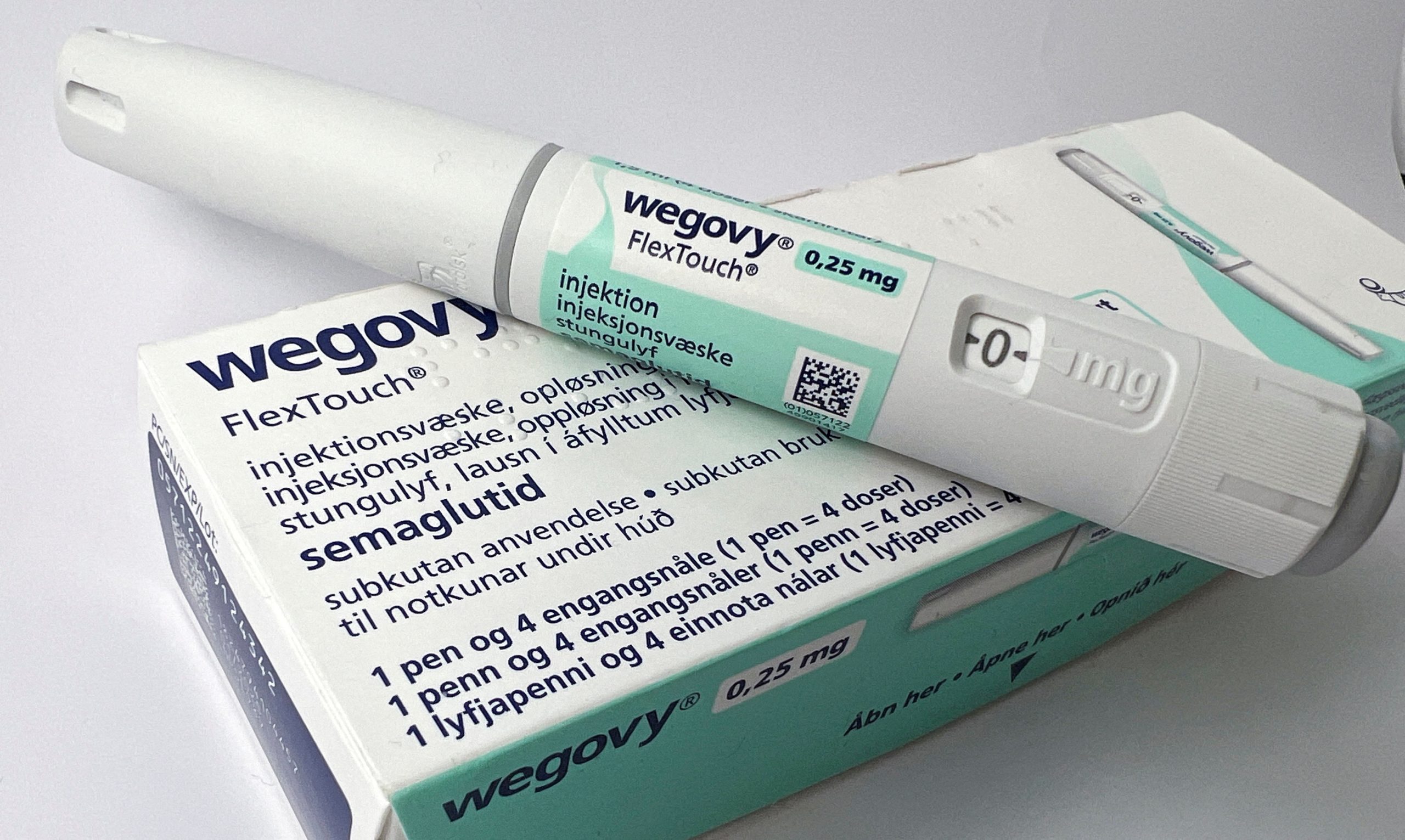
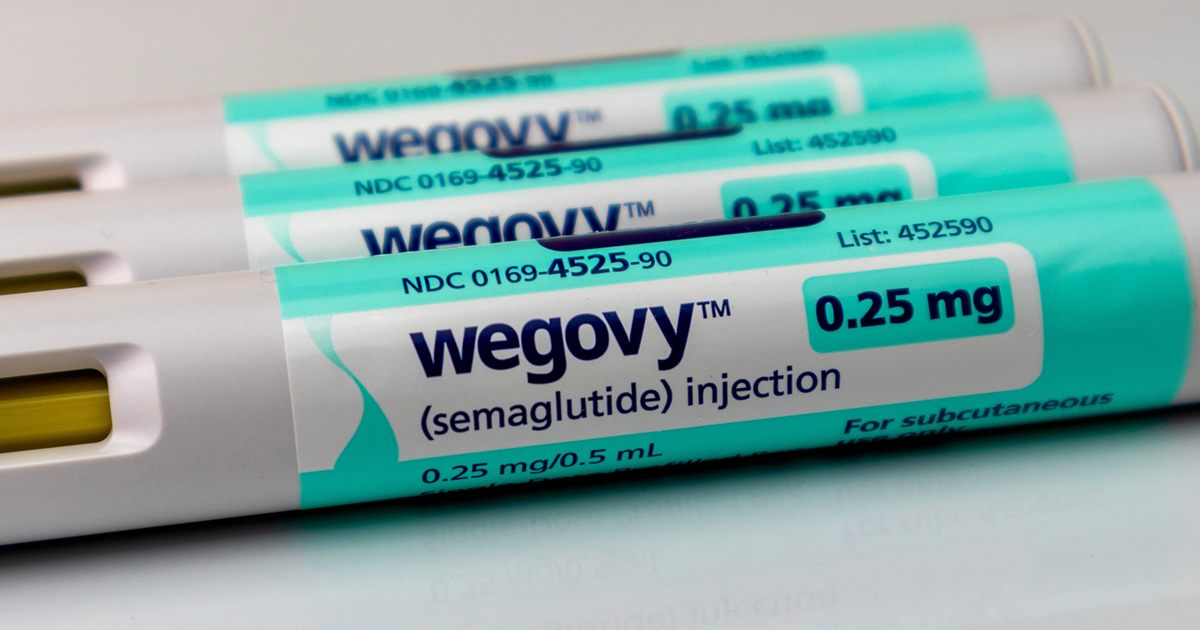
Wegovy injection contains semaglutide, a prescription medicine that belongs to the GLP-1 receptor agonist class. Doctors use it alongside a reduced-calorie diet and increased physical activity to support weight loss and long-term weight management. In certain adults with established cardiovascular disease and obesity or overweight, it can also reduce the risk of major cardiovascular events.
For people considering injection in Dubai, a consultation should come first. A qualified physician can review your medical history, current medications, weight-related concerns, and overall health. This assessment helps determine whether the treatment suits your individual needs.
How the Treatment Works
Understanding how Wegovy injection works can make the treatment process easier to follow. Semaglutide acts in a similar way to the naturally occurring GLP-1 hormone. It influences appetite regulation and can help people feel satisfied with less food. As a result, patients may find it easier to reduce calorie intake and follow healthier eating patterns.
The medication also slows gastric emptying. Therefore, some people experience longer-lasting feelings of fullness after meals. However, responses vary from person to person. Your physician can explain what you can reasonably expect based on your health profile.
Who May Benefit?
Not everyone needs or qualifies for prescription weight-management medication. Doctors generally consider treatment for adults with obesity or for adults who have overweight alongside at least one weight-related health condition. The medication should support, rather than replace, healthy nutrition and regular physical activity.
Before prescribing Wegovy injection, your doctor may review your weight history and existing health conditions. The consultation may also cover medications, allergies, previous treatments, and other factors that could affect your safety.
This personalized assessment matters. It allows the medical team to create a treatment plan that matches your circumstances instead of applying the same approach to everyone.
What Benefits Can Patients Expect?
A medically supervised weight-management plan can offer several potential benefits. For example, appetite control may make it easier to manage portion sizes and reduce frequent snacking. Over time, consistent lifestyle changes can support meaningful weight reduction.
However, results differ between individuals. Some patients respond well to treatment, while others may need adjustments or alternative strategies. Therefore, regular medical follow-up remains an important part of the process.
The goal should not focus only on the number on the scale. Better weight management can also support mobility, daily comfort, and overall health when combined with appropriate lifestyle changes.
What Does the Treatment Process Involve?
The process usually begins with a detailed consultation. Your physician may assess your weight, medical history, current medications, and relevant health markers. This information helps the clinician decide whether treatment is appropriate.
If you receive a prescription, your healthcare professional will explain how to use the pen correctly. The dosage typically increases gradually according to the prescribed schedule. This approach allows the body to adjust to treatment over time.
Follow-up appointments also play an important role. Your medical team can monitor your progress, discuss side effects, and make changes when necessary. You should never change the prescribed dose without speaking with your healthcare professional.
Safety and Possible Side Effects
Like any prescription medicine, Wegovy injection can cause side effects. Common reactions include nausea, diarrhea, vomiting, constipation, abdominal pain, headache, fatigue, dizziness, bloating, and indigestion. These effects can vary in intensity and duration.
Some fewer common reactions require prompt medical attention. For instance, severe or persistent abdominal pain may indicate pancreatitis or another serious problem. The medication can also cause gallbladder-related complications. Therefore, contact your healthcare provider if you experience concerning symptoms.
Wegovy also carries an important warning concerning thyroid C-cell tumors. Do not use it if you or a family member has a history of medullary thyroid carcinoma or if you have Multiple Endocrine Neoplasia syndrome type 2. Your doctor should review these risks before treatment begins.
Important Considerations Before Treatment
Inform your doctor about all medications and supplements you are using. This information matters because semaglutide can affect gastric emptying and may influence the absorption of some oral medicines. People with certain pancreatic, kidney, diabetic, or gallbladder concerns may also require additional evaluation.
Pregnancy also requires special consideration. Current prescribing information advises patients using Wegovy for weight reduction or cardiovascular risk reduction to discontinue treatment when pregnancy occurs. It also recommends stopping the medication at least two months before a planned pregnancy.
Supporting Long-Term Results
Medications are most effective when included in a comprehensive health approach. Focus on balanced meals, appropriate portions, regular movement, adequate hydration, and sustainable daily habits. These changes can help support the progress made during treatment. Moreover, regular follow-up gives your healthcare team an opportunity to review your progress and address challenges early. Weight management often requires patience. Sustainable progress usually comes from consistent decisions rather than extreme short-term measures.
It also helps to set realistic goals and track your progress over time. Small improvements in eating patterns, activity levels, and daily routines can make a meaningful difference. Your healthcare provider can also adjust your treatment plan when needed and offer practical guidance based on your response.
Most importantly, try to build habits that you can maintain for the long term. A consistent routine can make healthy choices feel easier and more natural. With professional guidance and steady effort, treatment can become one part of a sustainable approach to better overall health.
Choosing Professional Guidance in Dubai
If you are exploring Wegovy injection in Dubai, start with a qualified medical consultation rather than choosing treatment based solely on online claims. A professional assessment can help you understand potential benefits, risks, eligibility, and expected costs.
At Tajmeels Clinic, patients can discuss their individual goals with a medical professional and receive guidance based on their circumstances. A personalized plan can provide a clearer path toward responsible weight management while keeping safety at the center of care.
Ultimately, Wegovy injection should form part of a medically supervised strategy rather than serve as a standalone solution. With appropriate evaluation, realistic expectations, lifestyle support, and regular monitoring, patients can make more informed decisions about their weight-management journey. If you are considering treatment, arrange a consultation with a qualified healthcare professional to determine whether it is suitable for you.
Author



The healthcare industry requires safe, reliable, and high-quality packaging solutions to protect medicines and maintain product standards. Packaging does much more than improve the appearance of a product. It protects the contents, provides important information, and helps customers trust the brand.
Choosing the right packaging partner is a crucial decision for companies that manufacture medicines, healthcare products, and supplements. A skilled packaging provider understands industry requirements, follows strict quality practices, and delivers solutions that support product safety and business growth.
Mumbai has become a major center for packaging and healthcare manufacturing because of its advanced infrastructure, skilled professionals, and strong supply network. However, selecting the right company requires careful evaluation because every pharmaceutical packaging provider does not offer the same level of expertise, technology, or quality control.
Importance of High-Quality Medicine Packaging
Packaging plays an essential role in protecting medicines from external damage. It prevents exposure to moisture, light, contamination, and physical impact during storage and transportation. As a result, it helps maintain product quality until it reaches the customer.
A well-designed package also provides important details such as dosage instructions, manufacturing dates, expiry information, batch numbers, and storage guidelines. Clear information allows healthcare professionals and consumers to use products safely and correctly.
Moreover, accurate packaging reduces the chances of mistakes caused by unclear labels or printing errors. A dependable packaging partner helps businesses avoid unnecessary losses and maintain a strong reputation in the market.
Factors to Consider Before Selecting a Packaging Company
Experience and Industry Knowledge
Experience plays a major role when choosing a packaging provider. Companies with years of experience understand the challenges involved in handling sensitive healthcare products.
An experienced manufacturer knows how to select suitable materials, maintain printing accuracy, and follow necessary quality procedures. They can also provide better solutions because they understand changing market requirements and customer expectations. Working with an experienced partner reduces risks and ensures smooth production from design to final delivery.
Compliance With Quality Standards
Quality standards are extremely important in the healthcare sector. A professional company should follow proper manufacturing practices and maintain strict checks throughout the production process. A reliable partner focuses on:
- Accurate product information
- Secure packaging methods
- Proper batch tracking
- Clean production environments
- Consistent quality checks
Following these practices helps businesses maintain customer confidence and meet industry expectations.
Advanced Printing Capabilities
Printing quality directly affects product identification and brand image. Incorrect text, unclear details, or poor color accuracy can create confusion and reduce customer trust. Professional printing companies use modern equipment to produce packaging with:
- Sharp text
- Clear product details
- Accurate barcodes
- Consistent colors
- Long-lasting finishes
High-quality printing ensures that essential information remains easy to read and protects users from potential errors.
Customized Packaging Solutions
Every product has different packaging requirements. Therefore, businesses should choose a provider that offers customized solutions instead of standard options. Customization may include:
- Medicine cartons
- Blister packs
- Information leaflets
- Tamper-proof designs
- Protective coatings
- Special finishing options
Custom solutions help companies create packaging that matches their product requirements while improving brand visibility.

Use of Modern Technology
Technology has transformed the packaging industry. Advanced machines and digital processes help companies achieve better accuracy, faster production, and consistent results. Businesses looking for pharmaceutical packaging printing in Mumbai should select providers that use updated technology. Modern equipment becomes especially valuable when companies require large production volumes without compromising quality. A technology-driven company can manage complex projects efficiently and deliver reliable results within deadlines.
Quality of Materials Used
The materials used for packaging directly influence product protection. Low-quality materials may affect durability and reduce the ability to protect medicines during transportation. A trusted packaging provider should use safe and reliable materials, including:
- Strong paperboard
- Moisture-resistant layers
- Safe adhesives
- Durable printing inks
- Protective coatings
The right material selection helps maintain product safety and improves shelf life.
Strong Quality Control System
A proper quality control process ensures that every package meets required standards. Professional companies inspect products at different stages to identify and correct problems early. Quality checks usually include:
- Printing accuracy
- Color matching
- Barcode verification
- Cutting precision
- Packaging strength
A strong inspection system reduces errors, lowers waste, and improves customer satisfaction.
Production Capacity and Delivery Performance
Timely delivery is essential for businesses operating in the healthcare sector. Packaging delays can affect product availability and create challenges in supply management. Before selecting a company, businesses should check its production capacity, delivery record, and ability to manage both small and large orders. A dependable partner should complete projects on schedule while maintaining consistent quality standards.
Focus on Sustainable Practices
Environmental responsibility has become an important consideration for many companies. Modern businesses prefer packaging providers that support eco-friendly practices. Sustainable solutions may include recyclable materials, reduced waste processes, and environmentally friendly printing methods. These practices help protect natural resources while improving the company’s image among customers and stakeholders.
Customer Support and Communication
Good communication creates a smoother working relationship. A professional packaging company should provide clear updates, quick responses, and helpful guidance throughout the project. Reliable customer support includes:
- Design assistance
- Technical recommendations
- Transparent pricing
- Regular progress updates
- Quick issue resolution
Strong communication helps businesses complete projects efficiently and build long-term partnerships.
Why Mumbai Is a Preferred Location for Packaging Solutions
Mumbai offers several advantages for companies searching for reliable packaging services. The city has access to skilled professionals, advanced production facilities, and efficient transportation networks.
Businesses working with experienced providers in Mumbai can benefit from innovative designs, quality production, and faster supply solutions. The city’s strong industrial ecosystem makes it a preferred choice for companies serving both local and international markets.
Choose a Reliable Partner for Long-Term Growth
Selecting a packaging partner requires more than comparing prices. Businesses should consider experience, technology, material quality, production ability, and customer service before making a final decision.
The right company provides dependable solutions, maintains quality standards, and supports business growth. A trusted partner helps protect products, improve brand recognition, and create a positive experience for customers.
Conclusion
Choosing the right pharmaceutical packaging provider is an important investment in product safety, customer confidence, and long-term business success. Companies should carefully evaluate experience, quality standards, technology, and service capabilities before selecting a reliable partner. A trusted packaging company combines high-quality materials, modern printing technology, strong production systems, and excellent customer support to deliver effective solutions. The right partner helps businesses maintain product integrity, meet industry requirements, and create a strong brand image in the competitive healthcare sector.
Choosing the right pharmaceutical packaging provider is an important investment in product safety, customer confidence, and long-term business success. Companies should carefully evaluate experience, quality standards, technology, and service capabilities before selecting a reliable partner. By working with an experienced packaging provider, companies can improve operational efficiency, reduce production challenges, and ensure consistent quality. A dependable partner not only protects products but also supports future growth by delivering packaging solutions that match changing market needs.
Author



Cylinder Volume: The Complete Guide to Calculating Volume Accurately

Best Bourbon Tours in Kentucky: Choosing the Right Tour for You

Cabinet Shop Drawings for Precise Fabrication and Installation

Auto Repair Digital Marketing: Grow Your Automotive Business Online

Residential Drafting Services for Remodeling and Renovation Plans

Raised Bed Soil Calculator: How Much Soil Do You Really Need?

3 Best Rhude Hoodies for UK Style 2026

Revit Drafting Solutions for Accurate BIM Projects

How to Find Mobile App Developers in Dubai for Android & iOS Apps

How Do IDA Jacket Designs Balance Function, Comfort, and Style?

Cybersecurity Consulting Company SequelNet Provides Critical IT Support Services to Medical Billing Firm, Medical Optimum

Meet the Megalodon: The Shark Star of ‘Meg 2’

Reduce Video Game Lag: Level Up Your Gaming Performance

Balancing India’s Entertainment: Cricket vs. Bollywood

Jetsetter’s Secrets: Unveiling Our Favorite Travel Hacks for a Seamless Adventure

The 5 Best Live Sports Streaming Sites: Legal and Exciting!

Hollywood Labor Unrest: The Impact of ‘What About Us?’ Strikes

Unveiling the Magic of Dream Fulfillment at the Late NBA Draft

Illuminate Your Skin: Dr. Axe Unveils Natural Remedies for Lightening Knees and Elbows

Bright Choices: Navigating the Pros and Cons of Skin Whitening Creams with Dr. Axe
-

 Business3 years ago
Cybersecurity Consulting Company SequelNet Provides Critical IT Support Services to Medical Billing Firm, Medical Optimum
-
Entertainment3 years ago
Meet the Megalodon: The Shark Star of ‘Meg 2’
-
Entertainment3 years ago
Reduce Video Game Lag: Level Up Your Gaming Performance
-
 Sports3 years ago
Balancing India’s Entertainment: Cricket vs. Bollywood
-
Entertainment3 years ago
Jetsetter’s Secrets: Unveiling Our Favorite Travel Hacks for a Seamless Adventure
-
Productivity3 years ago
The 5 Best Live Sports Streaming Sites: Legal and Exciting!
-
Art /Entertainment3 years ago
Hollywood Labor Unrest: The Impact of ‘What About Us?’ Strikes
-
Sports3 years ago
Unveiling the Magic of Dream Fulfillment at the Late NBA Draft






