
Comstruction
Synthetic Acrylic Flooring: Sports Surfaces for High-Performance

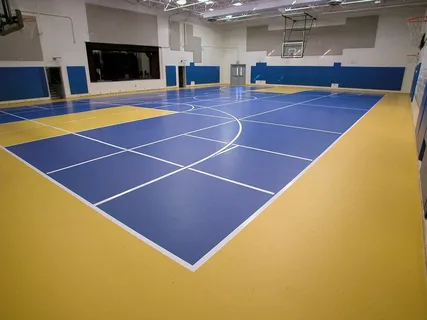
Sports infrastructure has evolved rapidly over the last decade, with stadium developers and sports authorities focusing heavily on durability, athlete safety, weather resistance, and visual appeal. Among the many innovations transforming sports facilities, synthetic acrylic flooring has emerged as one of the most preferred surface solutions for modern stadiums, sports arenas, schools, and recreational complexes.
From basketball courts and tennis courts to multipurpose stadiums and athletic training centers, acrylic flooring systems are now widely used because of their long-lasting performance and low maintenance requirements. As governments and private investors continue investing in sports infrastructure development, the demand for high-quality synthetic sports flooring is increasing significantly across the world.
Synthetic Acrylic Flooring
Synthetic acrylic flooring is a specially engineered sports surface coating system made using acrylic resins, silica sand, rubber granules, and performance-enhancing chemicals. It is applied over asphalt or concrete bases to create a smooth, durable, anti-skid playing surface suitable for various sports activities.
These flooring systems are designed to withstand heavy foot traffic, changing weather conditions, UV exposure, and continuous athletic use without losing performance quality.
Synthetic acrylic flooring is commonly used for:

- Tennis courts
- Basketball courts
- Volleyball courts
- Badminton courts
- Skating rinks
- Multipurpose sports arenas
- School playgrounds
- Indoor and outdoor stadiums
Importance of Synthetic Acrylic Flooring
Modern stadiums are expected to provide world-class playing conditions for athletes while ensuring safety and comfort for spectators and maintenance staff. Traditional flooring materials often fail to meet the demands of high-intensity sports environments. Synthetic acrylic flooring solves many of these challenges.
Enhanced Player Safety
Athlete safety is one of the biggest priorities in stadium design. Acrylic sports flooring provides excellent shock absorption and slip resistance, reducing the risk of injuries caused by sudden movements, falls, or impact stress.
The cushioned surface helps minimize pressure on knees, ankles, and joints, making it ideal for professional and amateur athletes alike.
Weather Resistance
Outdoor stadiums face constant exposure to sunlight, rain, humidity, and temperature fluctuations. Synthetic acrylic flooring systems are designed to resist:
- UV radiation
- Water damage
- Surface cracking
- Color fading
- Heat expansion
This makes them highly suitable for outdoor sports complexes and open-air stadiums.
Low Maintenance Requirements
One of the biggest advantages of acrylic flooring is its minimal maintenance needs. Unlike natural surfaces that require constant watering, mowing, or resurfacing, acrylic sports flooring only requires periodic cleaning and occasional recoating.
This reduces long-term operational costs for stadium owners and facility managers.
Superior Playing Performance
Synthetic acrylic surfaces offer consistent ball bounce, controlled friction, and smooth movement. This improves overall gameplay quality and helps athletes perform at their best. Professional tournaments often prefer acrylic sports surfaces because they maintain uniform performance standards throughout the year.

Types of Synthetic Acrylic Flooring
Different sports and stadium requirements demand different flooring configurations. Some of the most common acrylic flooring systems include:
Cushion Acrylic Flooring
This flooring system contains multiple cushioning layers that provide enhanced shock absorption and player comfort. It is widely used for tennis courts and basketball arenas.
Non-Cushion Acrylic Flooring
Non-cushion systems focus on speed and performance. They are suitable for training facilities and multipurpose courts where cost-effectiveness is a priority.
Textured Acrylic Coating
Textured surfaces improve grip and reduce slipping during gameplay. These systems are commonly installed in outdoor sports facilities.
Indoor Acrylic Sports Flooring
Indoor acrylic flooring is designed specifically for enclosed stadiums and sports halls. It provides superior aesthetics, durability, and controlled surface friction.
Applications of Acrylic Flooring
Synthetic acrylic flooring is now an essential component of modern sports architecture. Stadium developers prefer acrylic systems because they support multiple sports while maintaining high durability.
Tennis Stadiums
Professional tennis courts worldwide use acrylic flooring because it delivers predictable ball speed and bounce consistency. The surface also allows players to move quickly without excessive strain.
Basketball Arenas
Basketball courts require smooth surfaces with strong grip and shock absorption. Acrylic sports flooring ensures excellent traction and fast-paced gameplay.
Multipurpose Sports Complexes
Many educational institutions and urban sports facilities use acrylic flooring for multipurpose courts that host basketball, badminton, volleyball, and futsal events.
Training Centers
Sports academies and training institutes rely on acrylic flooring for intensive practice sessions due to its durability and athlete-friendly design.
Key Factors to Consider Before Installing
Choosing the right synthetic acrylic flooring system requires careful planning and professional expertise. Important factors include:
Surface Base Quality
Climate Conditions
Weather patterns and environmental conditions influence the type of acrylic coating required for outdoor stadiums.
Sports Requirements
Different sports demand different surface speeds, cushioning levels, and texture finishes.
Drainage System
Proper drainage design prevents water accumulation and extends the lifespan of outdoor sports flooring.
Installation Expertise
Professional installation is essential for achieving long-lasting performance and international sports standards.
Growing Demand for Sports Infrastructure
India is witnessing rapid growth in sports infrastructure development due to increasing government initiatives, private investments, and rising sports participation. Schools, universities, sports academies, and municipal authorities are upgrading their facilities with modern synthetic flooring systems.
The popularity of leagues, international tournaments, and grassroots sports programs has further accelerated the demand for advanced stadium construction and acrylic sports flooring solutions.
Smart cities, educational institutions, and recreational parks are increasingly adopting synthetic acrylic flooring because of its durability, affordability, and professional appearance.
Future Trends in Stadium Flooring Technology
- Advanced shock absorption technology
- Sustainable and recyclable materials
- Smart sports surfaces with performance tracking
- Improved UV-resistant coatings
- Hybrid multi-sport flooring systems
As stadium infrastructure becomes more technologically advanced, synthetic acrylic flooring will continue playing a major role in shaping the future of sports facilities worldwide.
Conclusion
Synthetic acrylic flooring has transformed modern stadium infrastructure by offering durability, safety, performance, and visual appeal in a single solution. Whether for professional tournaments, educational institutions, or recreational sports complexes, acrylic flooring systems provide reliable playing conditions for athletes of all skill levels.
Author



Your home’s door is more than just an entryway—it’s a key element of security, energy efficiency, and overall design. Whether you’re upgrading your current door or installing a brand-new one, making the right choice is essential. With professional Door Installation Gloucester services, homeowners can ensure a perfect balance of style, safety, and durability.
Why Your Door Matters More Than You Think
Many homeowners overlook the importance of a properly installed door. However, your door is one of the first things people notice about your home. It creates a lasting impression and sets the tone for your property’s overall appearance.
Beyond aesthetics, a door also serves practical purposes. It protects your home from intruders, keeps your indoor environment comfortable, and helps reduce noise from outside. A poorly installed or outdated door can compromise all these benefits.
Types of Doors Available for Modern Homes
Choosing the right door begins with understanding the different options available. Each type has its own advantages depending on your needs and budget.
Composite Doors:
Composite doors are one of the most popular choices for homeowners. They are made from a combination of materials, including wood, uPVC, and insulating foam. This makes them extremely durable, secure, and energy-efficient. They also require very little maintenance.
uPVC Doors:
uPVC doors are known for their affordability and practicality. They are resistant to weather conditions and do not require regular painting or sealing. These doors are ideal for homeowners looking for a cost-effective solution.
Wooden Doors:
For a classic and timeless look, wooden doors are an excellent option. They can be customized with different finishes and designs. However, they require regular maintenance to protect against moisture and weather damage.
Aluminum Doors:
Aluminum doors offer a sleek and modern appearance. They are lightweight, strong, and resistant to rust. These doors are perfect for contemporary homes and often used for patio or sliding door installations.

Key Benefits of Professional Door Installation
Installing a door might seem like a simple task, but it requires precision and expertise. Professional installation offers several advantages that DIY methods cannot match.
1. Enhanced Security
A professionally installed door ensures that all locking mechanisms work correctly. This reduces the risk of break-ins and provides peace of mind for homeowners.
2. Improved Energy Efficiency
Proper installation prevents gaps and draughts, helping maintain indoor temperature. This reduces energy consumption and lowers utility bills.
3. Long-Term Durability
Incorrect installation can lead to misalignment, which puts stress on hinges and locks. Professionals ensure everything is fitted correctly, extending the lifespan of your door.
4. Better Aesthetic Appeal
A well-installed door looks clean and polished. It enhances the overall appearance of your home and increases curb appeal.
5. Time and Cost Savings
Hiring experts saves time and prevents costly mistakes. Professionals complete the job efficiently and ensure high-quality results.
Factors to Consider Before Installing a Door
Before choosing a door, there are several important factors to keep in mind:
Security Features:
Look for doors with multi-point locking systems and reinforced frames. These features provide better protection against intruders.
Insulation:
Energy-efficient doors help maintain a comfortable indoor environment. Double or triple glazing can improve insulation further.
Style and Design:
Choose a design that complements your home’s architecture. Whether you prefer traditional or modern styles, there are plenty of options available.
Material:
Each material has its pros and cons. Consider factors like durability, maintenance, and cost before making a decision.
Budget:
While it’s important to stay within your budget, investing in quality materials and installation can save money in the long run.
The Door Installation Process Explained
Understanding the installation process can help you know what to expect when hiring professionals.
Initial Consultation:
The process begins with an assessment of your needs and preferences. Experts help you choose the right door based on your requirements.
Measurement and Preparation:
Accurate measurements are crucial for a perfect fit. Professionals ensure the door frame is prepared correctly before installation.
Installation:
The new door is carefully fitted into the frame. Installers ensure proper alignment, secure fixing, and smooth operation.
Sealing and Finishing:
Gaps are sealed to prevent draughts and improve insulation. Finishing touches are added to enhance appearance and durability.
Final Inspection:
The installation is checked to ensure everything is working perfectly. Any adjustments are made if necessary.
Common Mistakes to Avoid
Many homeowners make mistakes when installing doors, especially when attempting DIY projects. Here are some common issues to avoid:
- Incorrect measurements leading to poor fitting
- Improper sealing causing draughts and energy loss
- Misaligned hinges affecting door operation
- Using low-quality materials that reduce durability
Professional installers eliminate these risks by ensuring precision and quality at every step.
Maintenance Tips for Long-Lasting Performance
Once your door is installed, regular maintenance can help keep it in excellent condition.
- Clean the surface regularly to remove dirt and debris
- Lubricate hinges and locks for smooth operation
- Check seals and weather stripping for wear and tear
- Inspect the door for any signs of damage and address issues early
Proper maintenance not only extends the lifespan of your door but also ensures it continues to perform efficiently.
Why Local Expertise Matters in Gloucester
Hiring local professionals offers several advantages. They understand the climate and environmental conditions in Gloucester, which can affect the performance of doors. From heavy rain to temperature fluctuations, local experts can recommend the best materials and installation methods.
Additionally, local companies are more accessible for support and aftercare services. This ensures that any issues are addressed quickly and efficiently.
Conclusion
Investing in a high-quality door and professional installation is one of the best decisions you can make for your home. It enhances security, improves energy efficiency, and boosts overall aesthetics. By choosing experienced professionals, you can ensure a smooth and successful installation process.
Whether you’re upgrading your existing door or installing a new one, taking the time to choose the right materials and experts will pay off in the long run. A well-installed door not only protects your home but also adds lasting value and comfort.
Author



The global Esomeprazole market is currently witnessing a period of significant and steady expansion. This growth stems from a combination of rising gastrointestinal health issues and a global increase in healthcare investment. As medical professionals seek reliable ways to manage acid-related conditions, Esomeprazole has emerged as a primary solution.
Recent analysis from The Insight Partners suggests that this upward momentum will not slow down anytime soon. Instead, the market is poised for long-term sustainability. Several factors contribute to this outlook, including shifting patient demographics and continuous product innovation. Furthermore, the modern lifestyle—often characterized by high stress and poor dietary habits—has created a permanent need for effective acid-management therapies. Consequently, Esomeprazole remains a cornerstone of contemporary clinical care across the globe.
Understanding the Mechanism: How Esomeprazole Works
To understand the market’s strength, one must understand the drug’s efficacy. Esomeprazole works by actively reducing the amount of acid the stomach produces. For millions of people, excessive acid production is more than just a minor inconvenience. It can lead to chronic pain, esophageal damage, and a significantly reduced quality of life. By providing reliable symptomatic relief, Esomeprazole has earned deep trust from both patients and providers.

The drug boasts a strong safety profile and broad clinical acceptance. Because of this, it is available in both high-strength prescriptions and convenient over-the-counter (OTC) formats. This dual availability massively increases its market reach. Whether a patient is dealing with occasional heartburn or a chronic gastric condition, Esomeprazole offers a tailored solution. As digestive health awareness grows, more individuals are seeking out these effective chemical interventions.
Market Size and Strategic Forecasts
Experts expect the global Esomeprazole market to grow at a healthy Compound Annual Growth Rate (CAGR) in the coming years. This growth is not accidental. Several societal shifts are pushing the numbers higher. First, the global population is aging. Geriatric patients are naturally more prone to acid-related discomfort and digestive malfunctions. Second, public awareness regarding gut health has hit an all-time high. People are no longer ignoring symptoms like dyspepsia or chronic acid reflux.
In developed regions like North America and Europe, healthcare systems are highly sophisticated. They have established protocols for the rapid diagnosis of gastrointestinal ailments. This supports a very high and consistent demand for PPIs. Meanwhile, emerging economies are quickly catching up. As infrastructure improves in these regions, more people gain access to essential medications. This geographic expansion is a primary driver of the market’s overall value.
Detailed Market Segmentation: A Closer Look
The market for Esomeprazole is diverse and can be divided into several key categories. Understanding these segments helps stakeholders identify where the most significant opportunities lie.
1. By Drug Form
The market offers several delivery methods to suit different patient needs. Oral capsules currently hold the largest market share. This is primarily because they are convenient for daily use and widely accepted by the public. However, injectable forms remain crucial in clinical settings. Hospitals use injectables for patients who cannot take medication orally or who require immediate, high-dose intervention. Finally, oral suspensions offer an alternative for pediatric or elderly patients who struggle with swallowing pills.
2. By Distribution Channel
Where do people buy their medication? Traditionally, hospital and retail pharmacies have dominated the landscape. Retail pharmacies remain the go-to choice for both prescription refills and OTC purchases. Nevertheless, a new player is rising quickly: online pharmacies. Digital platforms offer competitive pricing and the convenience of home delivery. Consequently, the online segment is expected to see the fastest growth rate as e-commerce becomes the standard for healthcare shopping.
Primary Drivers of Market Growth
Several powerful “engines” are driving this market forward. Each one plays a specific role in ensuring that demand remains high.
-
The Lifestyle Factor: Modern diets are often high in processed foods, caffeine, and fats. When you combine this with rising obesity rates and high-stress jobs, you get a recipe for acid-related disorders. These lifestyle trends are fueling a long-term need for acid-suppressant drugs.
-
The Aging Global Population: As people live longer, their digestive systems require more support. The expansion of the senior demographic ensures a growing and loyal patient base for Esomeprazole.
-
OTC Accessibility: In many countries, you do not need a doctor’s note to buy Esomeprazole. This ease of access encourages people to treat minor issues before they become major medical problems.
-
Early Diagnosis: Modern diagnostic tools are more accurate than ever. Doctors can now identify conditions like GERD in their early stages. This leads to earlier treatment starts and higher drug utilization rates.
Regional Insights: A Global Perspective
Geographically, the market is quite varied. North America remains a dominant force. This is due to a mature healthcare system and high rates of treatment adoption. In the United States, patient outreach programs are very effective at educating the public about the dangers of untreated acid reflux.
Europe follows a similar pattern. Strong reimbursement systems and proactive disease management make it a very stable market for pharmaceutical manufacturers. However, the most exciting growth is happening in the Asia Pacific region. Nations such as China, India, and Japan are undergoing swift urban development. As healthcare spending in these nations increases, so does the availability of specialty drugs like Esomeprazole. Latin America and the Middle East are also showing promise as their pharmaceutical distribution networks become more robust.
The Competitive Landscape and Innovation
The market is home to several global pharmaceutical giants. Companies like AstraZeneca, Novartis, and Pfizer are constantly competing for market share. These players focus on several key strategies to stay ahead. Some prioritize geographic expansion into untapped markets. Others focus on “formulation innovation.”
What does this mean for the patient? It means better drugs. Manufacturers are working to create versions of Esomeprazole that work faster or last longer in the body. They are also looking for ways to improve patient compliance, such as making pills easier to swallow or reducing the frequency of doses. Strategic collaborations between these giants and regional manufacturers are also becoming common. These partnerships help bring high-quality medication to remote areas more efficiently.
Facing the Challenges Ahead
No market is without its hurdles. For the Esomeprazole sector, regulatory scrutiny is a major factor. Some health authorities are concerned about the long-term side effects of PPI use. This has led to stricter guidelines on how long a patient should stay on the medication. Additionally, pricing pressures remain a challenge. Governments in many regions are pushing for lower drug prices to make healthcare more affordable. Finally, manufacturers must compete with alternative therapies and generic versions of the drug. Staying compliant with regional laws while maintaining high quality is a constant balancing act.
Final Thoughts on the Future
In conclusion, the Esomeprazole market is on a very positive trajectory. As long as gastrointestinal disorders remain a common part of human life, the demand for effective treatments will persist. Innovations in drug delivery and the rise of digital pharmacies will continue to reshape the industry. For stakeholders and healthcare providers, the outlook is promising.
Author



Modern construction operates under sustained pressure to deliver complex buildings within compressed schedules. Construction Projects small scale and large-scale mixed-use projects demand faster completion while maintaining quality and compliance. MEPF systems now occupy greater spatial density, require tighter tolerances, and involve deeper coordination across disciplines. Clients also expect higher performance, sustainability and lifecycle value. It encourages builders to adopt methods that improve accuracy and protect program certainty.
Traditional method Drawings coordination workflows use 2D drawings exchanged between multiple teams. As building services grow more intricate, this approach limits visibility across systems during early planning stages. Design assumptions often move forward into construction where teams refine layouts during installation. This sequence extends coordination cycles, increases rework, and affects delivery momentum. Builders therefore benefit from solutions that support alignment earlier in the project lifecycle.
This is where MEP BIM services provide measurable value. Intelligent 3D modelling integrates building services with project data to support proactive planning, design validation, and execution. Teams visualize systems in context, coordinate efficiently, and resolve spatial challenges digitally before work begins on site. Widely adopted in commercial and residential projects, this approach improves coordination, accuracy, and efficiency while delivering time saving outcomes that support confident, predictable construction delivery.
What Are MEP BIM Services?
MEP BIM represents a digital representation of a building’s MEP elements across the full project lifecycle. These systems support thermal comfort, power distribution, life safety and water management. While operating within tightly constrained spaces such as ceiling voids, risers, service corridors, and plant rooms. A coordinated digital approach facilitates each system installed correctly, functions as designed, and aligns with structural and architectural constraints from early planning through operations.
BIM creates a shared 3D environment where building services integrate with geometry and embedded project data. These intelligent 3D BIM models contain specifications, equipment loads, clearance requirements, and performance parameters. This information supports coordinated design decisions, construction sequencing, and long term asset management. It connects design accuracy with constructability and operational readiness rather than serving as visual representation alone.

Core service components include
- Automated clash detection and multi-trade coordination workflows
- Prefabrication-ready modelling to support off-site manufacturing and modular installation
- Shop drawing extraction directly from validated models
- Weekly coordination cycles with issue tracking and constructability reviews
- Coordinated 3D MEP model creation aligned with architectural and structural models
- As-built and record models prepared for handover and facilities management
- Lifecycle-ready digital twin capability to support operations and future modifications
Why Modern Builders Struggle Without MEP BIM
Building services increasingly compete for limited space. Ceiling voids, shafts, and plant areas contain networks of MEP BIM systems. When teams design these systems independently, conflicts emerge during installation. Site teams then adjust layouts under program pressure, affecting productivity and sequencing.
Builders experience repeated coordination challenges:
- Services competing for shared zones
- Installation clashes discovered late in the program
- Rising RFIs during construction
- Design interpretation differences between trades
Industry data highlights the impact of these issues. Poor coordination contributes to 20–30% of project delays, and rework costs U.S. contractors $177 billion annually according to FMI studies. For general contractors, these outcomes influence delivery performance, cost certainty, and client confidence. Coordinated digital workflows place control back into the planning stage rather than the site.
How MEP BIM Services Save Time
Early Clash Detection in a Combined Model
Discipline-specific models integrate into a single federated environment during pre-construction. Automated tools scan for spatial conflicts between services and structural elements. Teams resolve clashes digitally through coordinated adjustments. Autodesk data shows BIM reduces clashes by 40–60%, while Dodge Data reports field rework averages $1,500–$5,000 per incident. Early resolution shortens approval cycles and supports installations.
Structured Coordination Cycles and Model Governance
Regular coordination sessions maintain model accuracy and alignment. Each trade reviews the same digital source, ensuring consistent information across teams. Clear issue tracking improves accountability and decision-making. McGraw Hill Construction studies show structured BIM coordination reduces RFIs by up to 50%, supporting continuous progress across project stages.
Prefabrication and Modular Installation Enablement
Accurate models support off-site fabrication of service assemblies. Duct sections, pipe racks, and electrical modules arrive ready for installation. Modular Building Institute benchmarks show prefabrication reduces on-site labor by 20–30%, accelerating program delivery and improving installation quality.
| Traditional method Coordination | BIM-Enabled Coordination |
| On-site clash resolution and redesign | Digital clash resolution before construction |
| RFIs exceeding 100 per project | RFIs under 50, focused on genuine changes |
| Rework at 10–15% of project value | Rework under 2% |
MEP BIM for Modular Construction and Repeatable Projects
Why Modular Projects Benefit Most
Modular construction demands precision. Dimensional tolerances often remain within a quarter inch, leaving little room for adjustment. Digital coordination creates repeatable, validated service layouts that transfer directly into manufacturing workflows. Once approved, teams reuse designs across multiple units, reducing per-unit design time by up to 50%.
Standardizing Repeatable MEP Kits
BIM enables standardized service kits for plant rooms, risers, and pods. Quantity extraction from models supports accurate procurement, sequencing, and logistics. Builders benefit from predictable deliveries, reduced waste, and consistent quality across units, reinforcing the benefits of MEP BIM services for general contractors operating at scale.
On-Site Time Savings in Modular Contexts
Digitally validated inter-module connections ensure smooth assembly during installation. Coordinated penetrations and service interfaces align before modules reach the site. As a result, on-site MEP installation shifts from extended durations to streamlined plug-and-play execution. This workflow defines MEP BIM for modular construction across high-volume programs.
Getting Started — A Simple Roadmap for GCs and MEP Subs
5-Step Adoption Roadmap
Step 1: Define your scope, Pick a pilot project or phase. Specify deliverables like coordination models, MEP clash detection and coordination reports, and shop drawings.
Step 2: Create a BIM Execution Plan, Set LOD, Define model ownership. Pick formats Revit/IFC. Schedule weekly meeting cadence.
Step 3: Appoint a BIM partner or coordinator. Select experts in federated models. Choose Navisworks clash detection skills. Pick shop production experience. Prioritize workflow integration over software switches.
Step 4: Run structured coordination cycles. Hold weekly reviews of clash logs. Assign issues to trades with deadlines. Sync model updates pre-meeting for BIM coordination for MEP subcontractors.
Step 5: Deliver and hand over. Extract shop drawings from the final model. Update as-builts during construction. Provide FM-ready record models.
Conclusion
Digital coordination transforms how builders manage complexity. Coordinated models reduce clashes, accelerate installations, and stabilize schedules. Prefabrication-ready outputs shorten site durations and improve quality. These outcomes collectively define time saving across modern construction programs.
MEP BIM provides a strong foundation for future-ready buildings. 3D BIM models support better decisions and long-term asset performance. Builders who integrate these workflows position themselves for consistent delivery, better outcomes and growth in the construction sector.
Author



Cylinder Volume: The Complete Guide to Calculating Volume Accurately

Best Bourbon Tours in Kentucky: Choosing the Right Tour for You

Cabinet Shop Drawings for Precise Fabrication and Installation

Auto Repair Digital Marketing: Grow Your Automotive Business Online

Residential Drafting Services for Remodeling and Renovation Plans

Raised Bed Soil Calculator: How Much Soil Do You Really Need?

3 Best Rhude Hoodies for UK Style 2026

Revit Drafting Solutions for Accurate BIM Projects

How to Find Mobile App Developers in Dubai for Android & iOS Apps

How Do IDA Jacket Designs Balance Function, Comfort, and Style?

Cybersecurity Consulting Company SequelNet Provides Critical IT Support Services to Medical Billing Firm, Medical Optimum

Meet the Megalodon: The Shark Star of ‘Meg 2’

Reduce Video Game Lag: Level Up Your Gaming Performance

Balancing India’s Entertainment: Cricket vs. Bollywood

Jetsetter’s Secrets: Unveiling Our Favorite Travel Hacks for a Seamless Adventure

The 5 Best Live Sports Streaming Sites: Legal and Exciting!

Hollywood Labor Unrest: The Impact of ‘What About Us?’ Strikes

Unveiling the Magic of Dream Fulfillment at the Late NBA Draft

Illuminate Your Skin: Dr. Axe Unveils Natural Remedies for Lightening Knees and Elbows

Bright Choices: Navigating the Pros and Cons of Skin Whitening Creams with Dr. Axe
-

 Business3 years ago
Cybersecurity Consulting Company SequelNet Provides Critical IT Support Services to Medical Billing Firm, Medical Optimum
-
Entertainment3 years ago
Meet the Megalodon: The Shark Star of ‘Meg 2’
-
Entertainment3 years ago
Reduce Video Game Lag: Level Up Your Gaming Performance
-
 Sports3 years ago
Balancing India’s Entertainment: Cricket vs. Bollywood
-
Entertainment3 years ago
Jetsetter’s Secrets: Unveiling Our Favorite Travel Hacks for a Seamless Adventure
-
Productivity3 years ago
The 5 Best Live Sports Streaming Sites: Legal and Exciting!
-
Art /Entertainment3 years ago
Hollywood Labor Unrest: The Impact of ‘What About Us?’ Strikes
-
Sports3 years ago
Unveiling the Magic of Dream Fulfillment at the Late NBA Draft






