
Maintenance
Tool Coatings for Endmills: Types, Benefits & Improve Tool Life

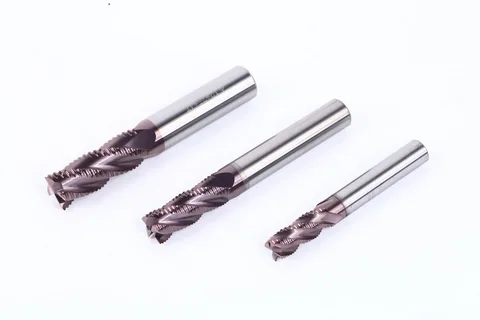
In modern machining and precision manufacturing, cutting tools play a major role in achieving accuracy, speed, and surface finish. Among the most commonly used tools in CNC machining are endmills, which are designed for cutting, profiling, slotting, and contouring different materials. However, the performance of these tools depends not only on their geometry but also on the coatings applied to them. Tool coatings are thin protective layers added to cutting tools to improve wear resistance, reduce friction, and increase heat tolerance.
With the right coating, machining operations become faster, smoother, and more cost-effective. Industries that work with steel, aluminum, titanium, and hardened materials rely heavily on coated tools to improve productivity and reduce downtime.
The Importance of CNC Tool Coatings
CNC machining tools face a lot of pressure, heat and friction during the machining process. Without software programs that give some form of protective coating to your tools, they will break down quickly and create bad finishes. This will cause increased production costs.
The use of coatings will help with many things:
- Reduce friction between the cutting tool and the material being machined.
- Increase the temperature in order for it to be more resistant to high temperatures encountered during machining.
- Prevent the formation of built-up edges from cutting materials.
- Improve the removal of chips.
- Extend the life of the cutting tool.
- Maintain dimensional accuracy of machined parts.
Because of these benefits, coated Tools have become widely used in the manufacturing process in the aerospace, automotive, mold making and medical industries.
Common Types of Tool Coatings
Different coatings are designed for specific machining conditions and materials. Understanding their properties helps manufacturers choose the right tool for their applications.

Titanium Nitride (TiN)
Titanium Nitride is one of the oldest and most commonly used coatings. It has a gold-colored finish and provides basic wear resistance and reduced friction.
Benefits of TiN Coating
- Improves hardness
- Reduces cutting heat
- Suitable for general-purpose machining
- Affordable option for standard operations
TiN-coated tools are often used for softer metals and moderate machining conditions.
Titanium Aluminum Nitride (TiAlN)
TiAlN is widely used for high-speed machining and hard materials. It performs exceptionally well under elevated temperatures because it forms an aluminum oxide layer that protects the tool surface.
Advantages
- High heat resistance
- Better oxidation protection
- Suitable for dry machining
- Excellent for hardened steel applications
This coating is commonly applied on carbide endmills used in aggressive cutting operations.
Aluminum Titanium Nitride (AlTiN)
AlTiN coatings are ideal for applications involving high temperatures and continuous cutting. They provide excellent hardness and improve machining efficiency in difficult materials.
Key Features
- Longer tool life
- Better wear resistance
- High thermal stability
- Suitable for stainless steel and titanium
Manufacturers often use AlTiN-coated tools in aerospace and die-mold industries.
Diamond Coating
Diamond-coated tools are specially designed for non-ferrous materials such as graphite, composites, and aluminum alloys.
Benefits
- Extremely high hardness
- Excellent surface finish
- Reduced tool wear
- Ideal for abrasive materials
These coatings are widely used in precision machining environments.
Titanium Carbonitride (TiCN)
TiCN coatings offer higher hardness than TiN coatings and are suitable for materials that generate abrasive wear.
Applications
- Cast iron machining
- Stainless steel cutting
- Medium-speed milling operations

How Tool Coatings Improve Cutting Performance
The effectiveness of tool coatings can be seen in daily machining operations. From reducing downtime to increasing productivity, coatings contribute directly to manufacturing efficiency.
Better Heat Management
This allows tools to operate at higher speeds without losing performance.
Reduced Friction
Low-friction coatings reduce resistance during cutting, helping chips move away smoothly from the cutting zone. As a result:
- Surface finish improves
- Vibration decreases
- Machine load reduces
This is particularly useful in high-speed CNC applications.
Longer Tool Life
Coated tools resist wear more effectively than uncoated tools. This means fewer tool replacements and reduced machine downtime, which directly lowers production costs.
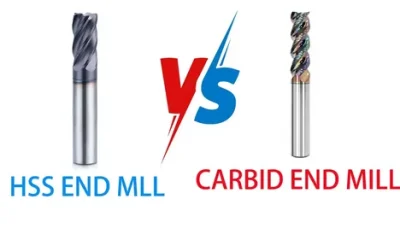
Manufacturers using solid carbide endmills with advanced coatings often experience significantly improved durability.
Improved Machining Accuracy
As tools wear out, dimensional accuracy can suffer. Coatings maintain cutting-edge sharpness for longer periods, helping manufacturers produce consistent and precise components.
Right Coating for Different Materials
Selecting the correct coating depends on the material being machined and the machining conditions.
For Aluminum
- Diamond coating
- ZrN coating
These coatings prevent material sticking and improve chip flow.
For Hardened Steel
- TiAlN
- AlTiN
They offer superior heat resistance and wear protection.
For Stainless Steel
- TiCN
- AlTiN
These coatings reduce friction and improve cutting stability.
For Composite Materials
- Diamond-coated tools
They provide excellent abrasion resistance.
Understanding the application requirements is important before selecting the coating type.
Importance of Coatings in Precision Machining
Precision industries require tight tolerances and smooth surface finishes. In such applications, coatings become even more important because they help maintain consistency throughout production.
For example, micro endmills used in miniature component manufacturing need exceptional edge retention and low friction to prevent breakage during delicate operations.
Similarly, high-performance coatings allow manufacturers to increase spindle speeds while maintaining accuracy and reducing cycle times.
Understanding the Types of Cutting Tools
Different machining operations require different cutting tool geometries and structures. Among the commonly used types of end mills are the following:
- Square end mills
- Ball nose end mills
- Corner radius end mills
- Roughing end mills
- Tapered end mills
Each type performs differently depending on the machining application. When combined with the correct coating, these tools achieve better efficiency and reliability.
Factors to Consider Before Selecting Coated Tools
Before choosing coated cutting tools, manufacturers should evaluate several factors:
Material Type
The workpiece material determines which coating will perform best.
Cutting Speed
High-speed applications require heat-resistant coatings.
Coolant Usage
Some coatings perform better in dry machining, while others require coolant.
Tool Geometry
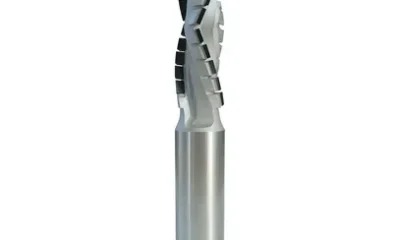
Tool shape and flute design affect coating performance.
Production Volume
High-volume manufacturing benefits greatly from durable coated tools.
Careful selection helps maximize tool performance and operational efficiency.
Future of Tool Coating Technology
Tool coating technology continues to evolve rapidly. Advanced nanocoating’s and multilayer coatings are now being developed to improve wear resistance and thermal stability even further.
Modern coatings are designed to:
- Increase machining speeds
- Improve environmental sustainability
- Support dry machining processes
- Reduce energy consumption
As CNC machining becomes more advanced, coating technology will continue to play a critical role in improving productivity and precision manufacturing.
Conclusion
Tool coatings have become an essential part of modern machining because they directly improve cutting performance, tool life, and machining efficiency. From reducing friction to increasing heat resistance, coated tools help manufacturers achieve better productivity and consistent results.
Whether used in heavy-duty industrial machining or precision micro-cutting applications, advanced coatings provide the durability and reliability required in today’s competitive manufacturing industry. Choosing the right coating based on material type and machining conditions can significantly improve operational performance and reduce overall production costs.
Author









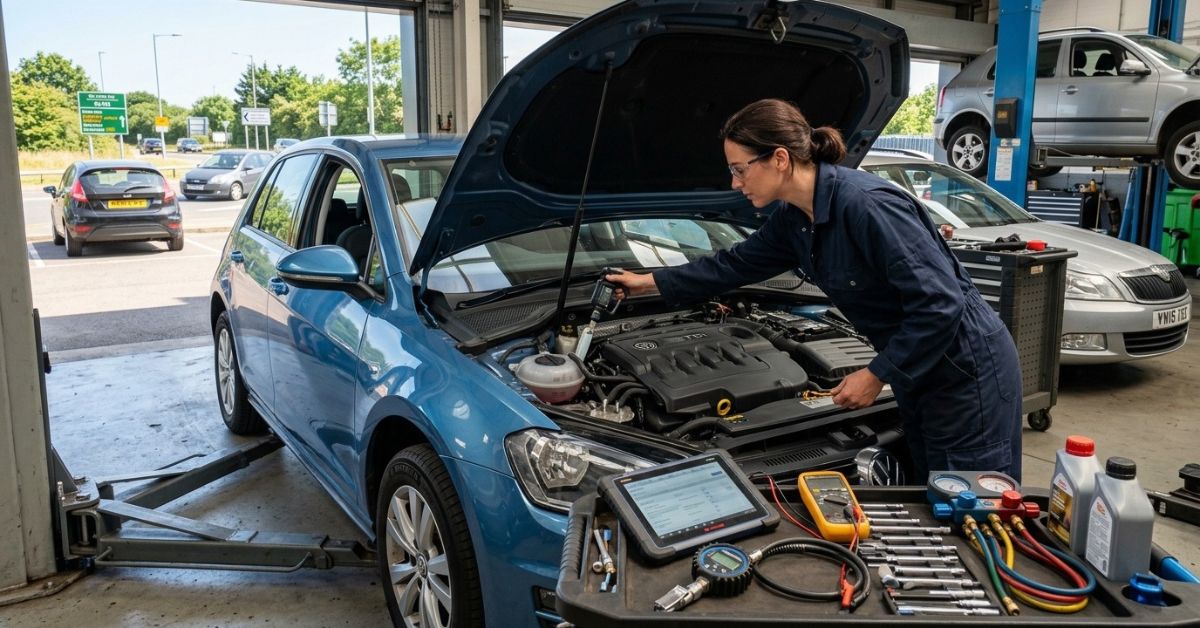
Summer brings longer days, road trips and plenty of time behind the wheel. However, high temperatures can also put extra pressure on your vehicle. The engine, tyres, battery, air conditioning and other components all work harder when the weather gets hot. Most modern cars can handle warm conditions without trouble. Still, extreme heat and long drives can expose problems that might otherwise go unnoticed.
You may notice a cooling fan running more often or water dripping beneath the car after using the air conditioning. These signs can seem worrying, but they often have simple explanations. On the other hand, warning lights, unusual smells or fluid leaks can point to problems that need attention. A few simple checks before a long trip can make a significant difference. Regular Car Maintenance also helps you spot small issues before they become expensive repairs or leave you stranded on the roadside.
Why Does Hot Weather Affect Your Car?
High temperatures affect several vehicle systems at once. The engine needs to manage more heat, while the air-conditioning system works harder to keep the cabin comfortable. Tyre pressure can also rise as temperatures increase.
Traffic can make these effects more noticeable. Slow-moving vehicles receive less airflow than cars travelling at normal road speeds. Long journeys can also place continuous demands on the engine and other components. Therefore, it makes sense to check the key systems before heading out on a summer road trip.
Your Engine May Run Hotter in Traffic
Your engine naturally creates heat while it runs. The radiator, coolant and cooling fans work together to control that temperature. When you sit in slow traffic, less air passes through the radiator. As a result, the cooling fan may switch on more frequently or sound louder than usual. In many cases, this simply means the cooling system is doing its job.
However, you should never ignore signs of overheating. A temperature warning light, steam from under the bonnet or an unusual rise in engine temperature requires immediate attention.
If your vehicle starts overheating, pull over somewhere safe and follow the manufacturer’s instructions. Do not continue driving simply because you need to reach your destination.
You should also check the coolant level as recommended by the manufacturer. If the level keeps dropping, find out why instead of repeatedly topping it up.
Your Air Conditioning Has to Work Harder
Few things feel better than switching on the air conditioning during a hot summer drive. However, high outside temperatures make the system work harder to cool the cabin.
You may also notice clear water underneath your car after parking. This usually comes from condensation created when the air-conditioning system removes moisture from the cabin air. Therefore, a small puddle of clear water does not necessarily indicate a leak.
However, pay attention to unusual signs. Weak cooling, strange smells or coloured fluid underneath the vehicle may indicate a problem. If the air conditioning stops cooling effectively, arrange an inspection. A professional can determine whether the system needs servicing or repairs.
Check Your Tyres Before Travelling
Tyre pressure changes with temperature. As the weather becomes hotter, the air inside your tyres expands and can increase pressure. Before a long journey, check the tyres when they are cold. Follow the pressure figures provided by your vehicle manufacturer rather than relying on a general recommendation.
While checking the pressure, inspect each tyre for cuts, cracks, bulges and uneven tread wear. These quick checks can help identify problems before you begin your journey.
Correct tyre pressure supports safe handling and braking. It can also contribute to better fuel efficiency. If your tyre-pressure warning light appears, do not automatically blame the weather. Check the tyres and investigate the cause if the warning continues.

Hot Weather Can Affect Fuel Economy
You may notice a slight change in fuel consumption during particularly hot weather. Several factors can contribute to this. Air conditioning increases the vehicle’s energy demands. Heavy traffic also forces the engine to deal with frequent stopping and starting. Low tyre pressure, extra luggage and driving habits can further affect fuel economy.
A small change does not necessarily indicate a mechanical fault. However, a sudden or significant difference deserves attention. Pay particular attention if poor fuel economy appears alongside warning lights, unusual noises, reduced performance or other noticeable changes.
Protect Your Battery From Heat
Many drivers associate battery problems with winter. However, extreme summer temperatures can also affect battery performance. High heat can place additional stress on the battery. At the same time, you may use the air conditioning, cooling fans and other electrical equipment more frequently car maintenance
If your car takes longer than usual to start, treat that as a warning sign. Flickering lights, unusual electrical behavior and dashboard warnings also deserve attention. If your battery has already been in use for several years, consider having its condition checked before a long summer trip. A quick inspection could prevent an inconvenient breakdown.
Check Your Essential Fluids
Your vehicle relies on several fluids to operate correctly. Engine oil helps lubricate moving components, while coolant helps control engine temperature.
Before travelling, check both levels according to your vehicle manufacturer’s instructions. You should also make sure the windscreen-washer reservoir contains enough fluid.
Summer driving can cover your windscreen with dust, insects and other debris. Good-quality screen wash and working wiper blades can help maintain clear visibility. Most importantly, investigate unexplained fluid loss. If you regularly need to add oil or coolant, an underlying issue may exist.
Protect Your Car’s Exterior
Hot weather can affect your vehicle’s exterior as well as its mechanical components. Strong sunlight, tree sap, bird droppings and road dirt can gradually damage paintwork if you leave them untreated.
Regular washing helps remove contaminants before they become harder to clean. Deal with bird droppings and tree sap promptly because prolonged exposure can affect the paint surface.
The windscreen also deserves attention. Clean glass improves visibility, especially when sunlight creates glare. Effective wiper blades can also make a difference when sudden summer rain hits.
Summer Vehicle Check Before a Long Trip
Before setting off, take a few minutes to inspect your vehicle. Check the tyre pressure and tread, then look for visible tyre damage. Next, check the engine oil and coolant levels. Make sure the air conditioning cools properly and does not produce unusual smells.
Test the lights, indicators and wipers. Check the screen wash level and make sure your battery starts the vehicle without hesitation. Finally, check your fuel level and plan your stops if you are travelling a long distance.
These basic checks can help you discover potential problems before they disrupt your plans. They also form an important part of sensible Car Maintenance throughout the warmer months.
For year-round advice, you can also explore Contrack’s guide to car care and practical motoring tips. Regular attention to your vehicle can help you spot developing issues before they turn into larger problems.
Final Thoughts
Hot weather does not automatically mean your car will develop problems. However, higher temperatures can place extra demands on important systems. A few simple checks can help you prepare for summer journeys and identify potential problems early. Pay attention to unusual smells, warning lights, fluid loss and sudden changes in performance.
Good Car Maintenance is about knowing what your vehicle normally does and recognizing when something changes. With regular checks and timely professional attention, you can enjoy summer driving with greater confidence.
Author



There are few driving experiences more unsettling than holding the steering wheel tightly just to keep your vehicle moving straight. If your car drifts left or right on a flat road, something needs attention. Ignoring the warning can also turn a small issue into an expensive repair. In Abu Dhabi, extreme summer temperatures, long highway journeys, and sand-covered roads can make these problems worse.
The good news is that most causes are easy to identify and repair. Some checks only take a few minutes at home. Others require professional equipment and an experienced mechanic. If you notice your Car Pull to one side, start by checking these seven common causes.
Uneven Tyre Pressure
Uneven tyre pressure is one of the simplest and most common reasons a vehicle starts drifting. When one tyre has noticeably less air than the others, its rolling resistance changes. As a result, the vehicle may move toward the softer tyre.
Abu Dhabi’s intense heat can make tyre pressure changes more noticeable. Moving between an air-conditioned garage and a 45°C road surface can affect pressure throughout the day. Therefore, check your tyre pressure when the tyres are cold. Do this at least once a month.
Always follow the recommended PSI listed on the sticker inside the driver’s door. If one tyre repeatedly loses air, you may have a slow puncture. In that situation, visit a reliable Tyre shop in abudhabi for a proper inspection.
Uneven Tyre Wear or Tyre Conicity
Correct tyre pressure does not always prevent handling problems. Unevenly worn tyres can also cause your vehicle to move toward one side. When one tyre has less tread than the others, its effective diameter changes. This difference can affect how the vehicle tracks on the road.
Another possibility is tyre conicity. This issue occurs when a tyre develops a slight cone-like shape. It can happen because of manufacturing variation or uneven wear. The result is often a consistent pull in one direction.
A technician can test the tyres to confirm the problem. In some cases, switching the front tyres from one side to the other can help identify the faulty tyre. Regular tyre rotation also helps reduce uneven wear. Most drivers should consider rotation every 8,000 to 10,000 kilometres, depending on the vehicle and tyre manufacturer’s recommendations.
Wheel Misalignment
Wheel alignment controls the angles at which the tyres contact the road. Even a small change can affect handling. When the wheels move outside their recommended specifications, your car may begin drifting to one side.
Potholes, kerbs, damaged roads, and hard impacts can knock the alignment out of place. Abu Dhabi drivers can encounter these issues during daily commutes or long highway trips. You may also notice a steering wheel that sits crooked while the vehicle travels straight.
Uneven wear on the inner or outer edges of the tyres can provide another warning. A professional alignment check can identify the exact problem. It also helps protect your tyres from premature wear.
Worn Suspension Components
Your suspension keeps the wheels properly positioned while you drive. Components such as control arms, bushings, ball joints, and struts can wear over time. When that happens, the wheels may move more than they should.
A Car Pull can appear alongside other symptoms. You might hear clunking sounds when driving over bumps. The vehicle may also feel unusually bouncy or loose. Steering can become less precise as well.
Speed bumps, kerbs, rough surfaces, and desert driving can place additional stress on suspension components. Once a suspension part develops excessive wear, an alignment adjustment cannot solve the underlying issue. The damaged component needs proper repair or replacement.
Sticking Brake Caliper
If the vehicle pulls mainly when you apply the brakes, check the braking system. A sticking brake caliper can keep the brake pad pressed against the rotor. This creates friction and can pull the vehicle toward one side.
You may notice several warning signs. These include a burning smell, excessive heat around one wheel, uneven brake pad wear, or reduced fuel economy. In serious cases, excessive heat can damage the brake rotor.
Do not ignore this problem. A damaged or seized caliper can affect braking performance and cause additional damage to other brake components. Have the braking system inspected as soon as possible if you experience these symptoms.

Damaged Wheel Bearings
Wheel bearings allow the wheels to rotate smoothly. Over time, they can wear out because of age, impacts, contaminated grease, or damaged seals. Sand and dust can also create harsh conditions for vehicle components in the UAE.
A failing bearing often produces a humming, grinding, or rumbling sound. The noise may become louder as your speed increases. In some cases, the affected wheel can develop noticeable play.
A professional can inspect the bearing and determine whether it needs replacement. Because wheel bearings affect wheel stability, drivers should not postpone repairs after noticing clear symptoms.
Steering Problems and Road Crown
Problems within the steering system can also make your vehicle drift. Worn tie-rod ends, damaged steering components, or loose mounting points can affect steering control. You may also notice heavy, vague, or inconsistent steering.
However, not every Car Pull means something has failed. Road crown can create a natural drift. Many roads have a slight slope toward the shoulder to help rainwater drain away. As a result, your vehicle may gently move toward the lower side of the road.
Pay attention to when the pulling occurs. If it happens only on certain roads, the road surface may be responsible. If your vehicle pulls consistently on different roads, arrange a professional steering and alignment inspection.
When Should You Get It Checked?
A vehicle that pulls to one side gives you an important warning. Sometimes, the solution only requires adjusting tyre pressure. In other cases, the problem may involve brakes, suspension, steering, wheel bearings, or alignment.
Therefore, do not assume the issue will disappear on its own. Visit an experienced Tyre shop in abudhabi or a qualified workshop for a complete inspection. A technician can check tyre condition, measure wheel alignment, examine suspension parts, and inspect the braking system.
Early action can also save money. A small alignment problem can quickly damage a new set of tyres. A worn suspension component can create additional handling issues. Likewise, a sticking brake caliper can cause expensive brake damage if you continue driving.
Most importantly, take handling problems seriously on UAE highways. High speeds leave less room for mistakes, especially when you need to stop suddenly. If your vehicle starts drifting unexpectedly, reduce your speed and arrange an inspection.
A Car Pull may seem minor at first, but it can signal a problem that affects safety and vehicle control. Identifying the cause early gives you a better chance of fixing the issue before it becomes dangerous or expensive.
Final Thoughts
A car that pulls to one side may seem like a minor inconvenience, but it can point to a bigger problem. Uneven tyre pressure, worn tyres, poor wheel alignment, suspension damage, brake issues, and steering faults can all affect how your vehicle handles.
Fortunately, early action can prevent most of these problems from becoming serious. Check your tyre pressure regularly and pay attention to unusual steering behavior, strange noises, or uneven tyre wear. If the issue continues, get your vehicle inspected by a qualified professional.
For Abu Dhabi drivers, regular maintenance matters even more. Extreme heat, long journeys, rough surfaces, and sand can place extra stress on tyres and mechanical components. A timely inspection can protect your tyres, improve handling, and help you stay safer on the road.
So, do not ignore a Car Pull. What starts as a small steering issue could eventually affect your vehicle’s safety and performance. Getting the problem checked early can save you both money and unnecessary trouble in the long run.
Author



A refrigerator that stops cooling can quickly turn into a major inconvenience. Fresh food may spoil, drinks may lose their chill, and frozen items may begin to thaw. Before you assume the worst, remember that many cooling problems have simple causes. In many cases, you can solve the issue without replacing the appliance. However, if the problem continues, refrigerator repair in Sharjah can help restore your appliance before the damage becomes more serious.
Check the Temperature Settings
Start by checking the temperature settings. Sometimes, someone changes the controls by mistake while cleaning or organizing food. Most refrigerators work best between 3°C and 5°C. After adjusting the settings, close the door and wait several hours. Avoid placing hot food inside during this time because it can raise the internal temperature. If the refrigerator still does not cool properly, you may need refrigerator repair in Sharjah to identify the real problem.
Inspect the Door Seal
Next, inspect the refrigerator door. A door that does not close completely allows warm air to enter. As a result, the appliance works harder while cooling less effectively. Check whether food containers, shelves, or drawers prevent the door from closing. Also, clean the rubber gasket with mild soapy water. Look for cracks, loose sections, or worn areas. A damaged seal often causes cooling issues and increases energy consumption. If replacing the seal does not solve the problem, professional refrigerator repair in Sharjah may be the next step.
Keep Air Vents Clear
Airflow plays an important role in keeping food cold. Chilly air circulates through openings between the refrigerator and freezer sections. When food blocks these vents, cold air cannot circulate properly. Therefore, keep space around the rear vents, fan covers, and air channels. In addition, avoid overpacking the shelves. Leave enough room between food items so air can move freely. Good airflow helps the refrigerator maintain a stable temperature throughout the compartment.
Clean the Condenser Coils
Another common issue involves the condenser coils. These coils release heat from the cooling system. Over time, they collect dust and dirt, which reduces their efficiency. Consequently, the refrigerator may run longer while providing less cooling. Before cleaning the coils, unplug the appliance for safety. Then use a soft brush or a vacuum attachment to remove dust. Never bend the coils or disconnect any components. If cleaning does not improve performance, consider scheduling refrigerator repair in Sharjah for a complete inspection.
Listen for Fan Problems
The internal fan also deserves attention. This fan moves cold air from the freezer into the refrigerator section. When it stops working, the freezer may stay cold while the refrigerator becomes warm. Listen for unusual sounds such as grinding, buzzing, or scraping. These noises often indicate a faulty fan motor or ice buildup around the blades. Never force tools through the fan cover because you could damage important parts. A trained technician offering refrigerator repair in Sharjah can safely inspect and replace the fan if necessary.

Check for Heavy Frost
Heavy frost inside the freezer can also reduce cooling performance. Thick ice blocks airflow and prevents cold air from reaching the refrigerator compartment. This problem often points to a faulty defrost system, a damaged sensor, or a poor door seal. If your manufacturer’s instructions allow it, unplug the appliance and let the ice melt naturally. Move your food to another cold location first. Never use sharp objects to remove ice because they can damage the cooling system. If frost returns quickly, you should arrange refrigerator repair in Sharjah to correct the underlying fault.
Inspect the Compressor
You should also pay attention to the compressor. This component circulates refrigerant throughout the cooling system. Normally, it produces a soft humming sound while operating. However, repeated clicking, constant running, or excessive heat may indicate a problem. In some cases, the issue comes from the start relay instead of the compressor itself.
Since these components require electrical testing, avoid attempting repairs without proper knowledge. A qualified technician can determine whether the compressor, relay, or another part has failed.
Test the Thermostat and Temperature Sensors
Temperature sensors and thermostats also affect cooling performance. These components tell the refrigerator when to start and stop cooling. When they provide incorrect readings, the appliance may become too warm, too cold, or cycle at the wrong times. Modern refrigerators often use several electronic sensors instead of a single mechanical thermostat. Accurate testing requires specialized equipment. Therefore, professional diagnosis usually provides the quickest solution.
Check for Refrigerant Leaks
Refrigerant leaks present another possible cause. Refrigerant removes heat from inside the refrigerator and releases it outside. Under normal conditions, the system does not require refilling. Therefore, low refrigerant usually means a leak exists. Common signs include weak cooling, uneven temperatures, and frost forming in only one area. Simply adding more refrigerant will not solve the issue because the leak remains. Reliable refrigerator repair in Sharjah includes locating and repairing the leak before recharging the system.
Perform Basic Troubleshooting
Before calling a technician, perform a few simple checks.
- Confirm the temperature settings.
- Make sure the door closes properly.
- Remove anything blocking the vents.
- Clean the condenser coils.
- Inspect the door gasket.
- Listen for the fan and compressor.
- Check for heavy frost inside the freezer.
These simple steps often solve minor cooling problems and help you avoid unnecessary repair costs.
When to Call a Professional
If your refrigerator still cannot maintain a safe temperature, professional help becomes necessary. Contact a technician if the compressor clicks repeatedly, the fan makes unusual noises, frost returns after defrosting, or food continues to spoil. Choosing experienced refrigerator repair in Sharjah ensures accurate fault diagnosis and reliable repairs. Skilled technicians can inspect the compressor, thermostat, sensors, fans, wiring, and refrigerant system to identify the exact cause.
Final Thoughts
A refrigerator may stop cooling because of blocked vents, dirty condenser coils, damaged door seals, faulty fans, heavy frost, thermostat issues, or refrigerant leaks. Start with the simplest checks before assuming the appliance has failed completely. Regular maintenance also helps prevent many common problems.
When basic troubleshooting does not restore proper cooling, trusted refrigerator repair in Sharjah provides the safest and most effective solution. Timely repairs protect your food, improve energy efficiency, and extend the life of your refrigerator.
Author



Cylinder Volume: The Complete Guide to Calculating Volume Accurately

Best Bourbon Tours in Kentucky: Choosing the Right Tour for You

Cabinet Shop Drawings for Precise Fabrication and Installation

Auto Repair Digital Marketing: Grow Your Automotive Business Online

Residential Drafting Services for Remodeling and Renovation Plans

Raised Bed Soil Calculator: How Much Soil Do You Really Need?

3 Best Rhude Hoodies for UK Style 2026

Revit Drafting Solutions for Accurate BIM Projects

How to Find Mobile App Developers in Dubai for Android & iOS Apps

How Do IDA Jacket Designs Balance Function, Comfort, and Style?

Cybersecurity Consulting Company SequelNet Provides Critical IT Support Services to Medical Billing Firm, Medical Optimum

Meet the Megalodon: The Shark Star of ‘Meg 2’

Reduce Video Game Lag: Level Up Your Gaming Performance

Balancing India’s Entertainment: Cricket vs. Bollywood

Jetsetter’s Secrets: Unveiling Our Favorite Travel Hacks for a Seamless Adventure

The 5 Best Live Sports Streaming Sites: Legal and Exciting!

Hollywood Labor Unrest: The Impact of ‘What About Us?’ Strikes

Unveiling the Magic of Dream Fulfillment at the Late NBA Draft

Illuminate Your Skin: Dr. Axe Unveils Natural Remedies for Lightening Knees and Elbows

Bright Choices: Navigating the Pros and Cons of Skin Whitening Creams with Dr. Axe
-

 Business3 years ago
Cybersecurity Consulting Company SequelNet Provides Critical IT Support Services to Medical Billing Firm, Medical Optimum
-
Entertainment3 years ago
Meet the Megalodon: The Shark Star of ‘Meg 2’
-
Entertainment3 years ago
Reduce Video Game Lag: Level Up Your Gaming Performance
-
 Sports3 years ago
Balancing India’s Entertainment: Cricket vs. Bollywood
-
Entertainment3 years ago
Jetsetter’s Secrets: Unveiling Our Favorite Travel Hacks for a Seamless Adventure
-
Productivity3 years ago
The 5 Best Live Sports Streaming Sites: Legal and Exciting!
-
Art /Entertainment3 years ago
Hollywood Labor Unrest: The Impact of ‘What About Us?’ Strikes
-
Sports3 years ago
Unveiling the Magic of Dream Fulfillment at the Late NBA Draft






