
Business
Why Your Business Needs a Real Contact Management System

By

Reviewed
By Olivia Green

Introduction
Every growing business knows the pain: your contacts are your lifeblood, but managing them has become a nightmare. You started with a simple spreadsheet, but now you have a dozen versions, scattered notes on your desktop, and a sinking feeling that you’re missing out on key opportunities.
This is the hidden cost of “spreadsheet chaos.” It’s not just a mess; it’s lost revenue, wasted time, and fractured customer relationships.
It’s time to upgrade from a basic address book to a dedicated contact management solution like Contact Boss. This isn’t just another complicated CRM—it’s the simple, powerful, and affordable tool your small-to-mid-sized business or non-profit needs to truly manage your network.
Why Your Business Needs a Real Contact Management System
1. Centralized Data Stops Information Silos
In the age of remote and hybrid work, relying on an individual’s desktop file or personal phone contacts is a recipe for disaster. What happens when an employee is out? The client’s last interaction, supplier details, or critical notes are completely locked away.
A dedicated contact management software solves this by providing a single source of truth for all your contacts—customers, suppliers, partners, and even team members.

- Your team gets instant access to the latest, most accurate information.
- Your data is secure in a professional cloud-based database, not sitting vulnerable on a local drive.
- Legacy data transfer makes the transition simple, so you can ditch the duplicate spreadsheets for good.
2. Move Beyond Records to Tracking Real Activity
The true value of a contact system is not just storing a name and phone number; it’s capturing the history of that relationship. A spreadsheet can’t tell you the last time a contact was called or if they attended your last event.
Contact Boss empowers your team to create a comprehensive history with features like:
- Activity Logging: Easily record details of inbound/outbound calls, meetings, and emails. Never ask a customer to repeat themselves again.
- Reminder Management: Set specific follow-up tasks right on the contact’s record, ensuring no lead or important client is ever forgotten.
- Visitor Tracking: A crucial feature for many organizations, allowing you to log and manage visitors, all tied directly to the central contact record.
By tracking every interaction, your entire team gains a holistic view of the relationship, allowing for personalized, timely communication that drives loyalty.
3. Organized Contacts Drive Targeted Outreach
Imagine needing to quickly pull a list of all clients in a certain region, or all donors who attended your last fundraiser. Trying to segment and search a massive spreadsheet is a tedious, error-prone task.
Good contact management software transforms this:
- Smart Search & Filtering: The powerful search capability in Contact Boss lets you instantly locate contacts by any piece of data—keyword, location, job title, or custom tags—saving your team hours of manual searching.
- Built-in Event Management: Plan, track RSVPs, and manage your events from the same platform where the contacts are stored. Post-event follow-up becomes as simple as pulling a segmented list.
4. Simple, Affordable Power: Stop Paying for Features You Don’t Use
Many small businesses and non-profits avoid adopting professional contact management because they fear the price tag and the complexity of giant CRM platforms. These behemoths often include hundreds of features your organization will never touch, yet you pay for all of them.
Contact Boss takes a fundamentally different approach. It strips away the unnecessary complexity and focuses intensely on what truly matters: easy, effective contact management.
- Zero Learning Curve: The software is designed to be intuitive. Your team can start using it effectively within minutes, not weeks, eliminating the need for expensive, time-consuming training sessions. This quick adoption rate is crucial for small teams where time is a premium.
- Affordability Built-In: Unlike systems priced for large enterprises, Contact Boss is specifically structured to be affordable for growing businesses and organizations operating on tight budgets. You get the robust functionality of a secure, cloud-based system without the enterprise price tag.
5. Perfect for Non-Profits and Membership-Driven Groups
Beyond traditional businesses, organizations like charities, membership clubs, and volunteer groups rely entirely on strong relationships. Contact management software is arguably even more vital for these groups than for commercial sales teams.
A dedicated system allows non-profits to:
- Manage Donors: Accurately track contribution history, communication preferences, and specific interests to tailor future appeals.
- Organize Volunteers: Maintain up-to-date availability, background checks, and assigned tasks, all tied to their contact record.
- Streamline Event Management: From gala attendance to volunteer sign-ups, the ability to segment your network ensures you’re reaching the right people with the right message every time.
By providing a clean, centralized system, Contact Boss lets mission-driven organizations spend less time wrestling with data and more time focusing on their core mission.
This level of organization means your marketing and sales efforts are always targeted, relevant, and far more effective.
Ready to Take Control of Your Contacts?
For small and mid-sized teams, the idea of an enterprise CRM can be daunting—too complex, too expensive, and too much training required.
Contact Boss is the ideal solution because it offers the powerful functionality you need—centralization, activity tracking, and intelligent organization—without the typical corporate complexity or price tag. It’s affordable, intuitive, and designed to help you focus on building strong relationships, not learning complicated software.
Stop managing your most valuable asset in the dark. Upgrade to a dedicated contact management system and watch your productivity, follow-through, and customer relationships thrive.
Author




The global industrial landscape relies heavily on calcium carbonate. This versatile mineral serves as a critical filler and pigment across several major sectors. As we navigate through February 2026, the market is witnessing a series of complex shifts. These changes stem from varying demand in construction, paper manufacturing, plastics, and specialized industrial applications. Our current analysis reveals a fragmented global market. While some regions are experiencing sharp price hikes, others are seeing significant declines. This report breaks down these regional movements to help businesses navigate the current economic climate.
The Global Snapshot: February 2026
In February 2026, calcium carbonate prices displayed mixed regional movements. These fluctuations reflect the delicate balance between supply conditions and localized consumption levels. In some parts of the world, prices climbed due to a sudden surge in infrastructure needs. Conversely, other regions saw prices drop as supply chains improved and production costs eased. According to our latest price forecast, businesses should expect moderate fluctuations to continue throughout the remainder of 2026.

Detailed Regional Breakdown
To understand the global price index, we must examine the specific drivers within each major economic zone. The following sections provide a localized look at the data from February 2026.
1. The Middle East: Reaching the Global Peak
The Middle East currently holds the highest price point for calcium carbonate. In February 2026, the price stood firm at USD 0.57 per KG. This represents a remarkably stable period for the region. Strong local production capabilities have successfully met the steady demand from the construction and plastics sectors. Consequently, the supply remained consistent. Our 2026 forecast suggests that prices in the Middle East will likely remain stable with only minor adjustments expected in the coming months.
2. Northeast Asia: Consistency in Manufacturing
Northeast Asia recorded a stable price of USD 0.40 per KG in February 2026. This lack of movement indicates a well-balanced market. Key industrial players in China, Japan, and South Korea maintained consistent production levels throughout the month. This stability is supported by steady demand from the paper and coatings industries. Looking ahead, the price forecast for this region remains neutral. We expect only minor fluctuations depending on the overall pace of industrial manufacturing in the second quarter.
3. Southeast Asia: An Upward Momentum
In contrast to its neighbors, Southeast Asia experienced a notable price increase. The price rose by 5.9% to reach USD 0.36 per KG. Several factors drove this upward movement. Most notably, the plastics and construction industries in countries like Vietnam and Indonesia are expanding rapidly. While supply conditions remain balanced, the high rate of consumption is pushing costs higher. Based on current trends, prices in Southeast Asia may continue to rise moderately as regional development accelerates.
4. North America: Signs of Stabilization
North America reported a slight decline in calcium carbonate prices during February. The index settled at USD 0.33 per KG, a drop of 2.9%. This downward pressure resulted from a combination of stable supply and moderate demand from industrial sectors. Earlier in 2025, the market saw a sharp spike of over 8%. However, improved mining efficiency has since balanced the market. We anticipate that North American prices will stabilize as the industrial sector continues its gradual recovery.
5. Europe: Navigating Downward Pressure
Europe saw a significant price drop in February 2026. The average price fell by 8.6% to USD 0.32 per KG. Reduced demand in the paper and packaging sectors primarily drove this decline. Furthermore, lower energy and production costs allowed manufacturers to reduce their asking prices. While the current trend is downward, the 2026 forecast suggests a potential stabilization. Much depends on how quickly the European manufacturing sector recovers in the latter half of the year.
6. Africa: Infrastructure Driving Growth
The African market showed strong upward momentum in February. Prices reached USD 0.27 per KG, an increase of 8.0%. This growth reflects a massive surge in demand for construction materials and infrastructure projects across the continent. Regional manufacturing activity is also on the rise. Because infrastructure remains a primary focus for many African nations, prices will likely continue a gradual ascent throughout 2026.
7. South America: Facing Oversupply Challenges
South America reported the most significant price decline in February. Prices dropped by 10.0% to USD 0.18 per KG. This sharp downward movement stems from a combination of oversupply and weaker industrial demand. Additionally, shifting import dynamics have flooded the market with cheaper alternatives. However, the forecast suggests that prices may hit a floor soon as the supply-demand balance begins to improve.
Key Factors Influencing the 2026 Market
Several underlying forces are currently shaping the calcium carbonate price trend. Procurement teams must monitor these variables to make informed decisions.
-
Raw Material and Mining Costs: Limestone supply remains the foundation of this market. Changes in mining regulations or weather-related disruptions can quickly shift prices. Furthermore, energy costs for processing and grinding the mineral play a massive role in the final price index.
-
Industrial Consumption: The “Big Four” industries—construction, paper, plastics, and paints—dictate the global demand. When infrastructure projects thrive, prices naturally firm up. Conversely, a slowdown in the global packaging industry often leads to lower prices in the paper-grade segment.
-
Sustainability and Innovation: Technological milestones are also shifting the market. For instance, the launch of sustainable grades by leaders like Omya has introduced new premium segments. Additionally, the opening of new coated plants, such as those in Ethiopia, is localized supply chains and reducing reliance on imports.
Long-Term Forecast: The Path to 2034
While 2026 is seeing moderate fluctuations, the long-term outlook for calcium carbonate is incredibly strong. Analysts expect the global market value to grow by approximately 5.42% annually. By 2034, the market could reach a staggering USD 82.69 billion.
This growth is fueled by the relentless expansion of the construction and pharmaceutical sectors. In the coming years, watch for energy prices and trade flow regulations. These factors will be the primary triggers for any sudden price shifts. For now, the global market remains resilient, even as it navigates regional imbalances.
Summary of Regional Performance (February 2026)
| Region | Price (USD/KG) | Trend Status |
| Middle East | $0.57 | Stable / Highest |
| Northeast Asia | $0.40 | Stable |
| Southeast Asia | $0.36 | Rising (+5.9%) |
| North America | $0.33 | Declining (-2.9%) |
| Europe | $0.32 | Declining (-8.6%) |
| Africa | $0.27 | Rising (+8.0%) |
| South America | $0.18 | Declining (-10.0%) |
Conclusion
In summary, the calcium carbonate market in February 2026 was a tale of regional contrast. High demand for infrastructure pushed prices up in Africa and Southeast Asia. Meanwhile, improved supply and lower costs led to declines in Europe and the Americas. The Middle East and Northeast Asia remain the anchors of stability in an otherwise fluctuating market.
For businesses and investors, the key to success in 2026 lies in localized strategy. Understanding these regional nuances allows for better sourcing and budgeting. As industrial output continues to evolve, staying updated on these trends is essential for maintaining a competitive edge in the global market.
Author


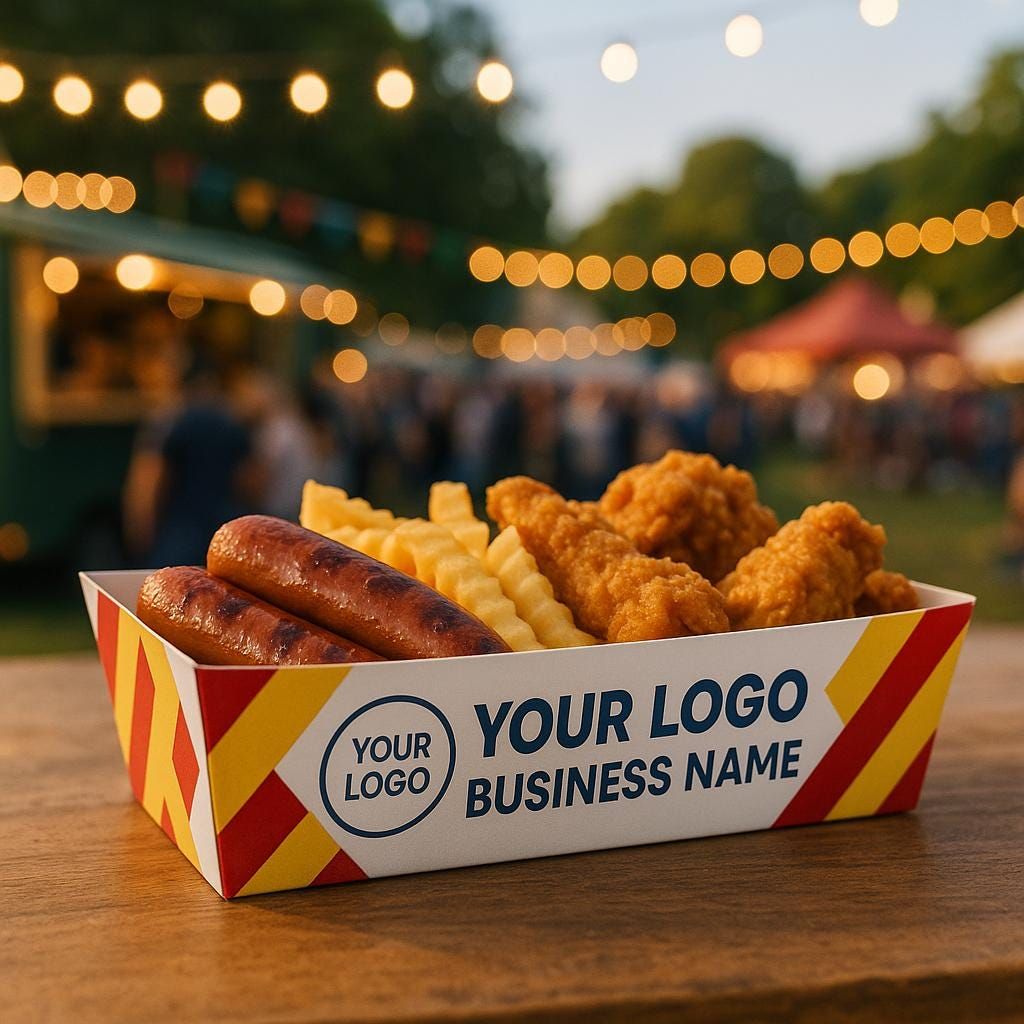
Personalized custom printed fast food boxes are the key ingredient of any food enterprise that wants to make a permanent impact. Properly developed packaging has the ability to enhance brand awareness and keep food safe and fresh. The fast food restaurants are now requiring new and viable packaging designs that are aesthetically pleasing and effective.
Companies in Canada and all over the world are moving towards custom-made and recyclable products to provide their customers with a better experience. Due to the emergence of takeout and delivery services, more than ever it has become more essential to invest in Custom Printed Fast Food Boxes, Fast Food Boxes Wholesale, and innovative packaging designs. Packaging can no longer be only functional; it is a marketing instrument.
Branding With Logo
Brand identity is built immediately when you add your logo to the fast food boxes. Fast Food Boxes with Logo help the companies to speak in a business way, and memorably impress people. Custom branding will provide a differentiation in the products and their counterparts to give awareness and loyalty to the customers.
Printed Custom Options
Custom Printed Fast Food Boxes can be customized to your design, colors, and message that will appeal to your audience. Customised Fast Food Packaging assists companies to advertise specials, seasonal offers,s or brand narratives. Flexibility is also available on printing flexibility in terms of size and shape, which offers flexibility in burgers, fries, wraps, and combo meals.
Good printing quality will make logos and graphics stay bright even during heat or wet weather. This strategy will add value to the general attitude about your brand and give the packaging an immediate identity. By discussing custom printing, your shop will be more than just another takeout store.
Wholesale Solutions
Fast Food Boxes Wholesale needs are ideal when dealing with large operations and restaurants that prefer saving money. Bulk purchases lower the unit prices and provide uniformity in the packaging process. Custom boxes Canada has wholesale services that are available to businesses to find good materials in the area and dependable suppliers.
Eco-Friendly Packaging
Fast Food Recyclable Packaging is a trend in the modern food service industry. Human beings are turning out to be conscious of the impact on the environment, and the most desired products are those that are environmentally friendly. The Paper Fast Food Packaging and biodegradable options reduce the waste and save on durability and hygiene requirements.
Creative Packaging Design
The motivation behind Fast Food Packaging Design can very well improve customer experience and brand perception. Mezzo shapes, compartments, and colors of the meals render them appealing to the sight as well as to maintain the safety of the contents. Custom Fast Food Packaging allows restaurants to be creative in design when it comes to burgers, sandwiches, fries, and dessert products.
Functional Features
Convenience is the most important when selecting fast food boxes. Ease of opening tops, locking systems and heat resistance are features that enhance usability. Paper Fast Food Packaging has provided lightweight and durable products, which are app-applier menu items.
The functional designs make the food fresh, hot, and intact during transits. The provision of sauce, cutlery, or napkin portions also has the benefit of convenience to the customers. Functionality and attractive visuals are mixed together so as to form an overall solution to the packaging that would boost customer satisfaction.
Personalization Options
Customized Fast Food Packaging enables organisations to be competitive in the market. On the boxes, custom messages, seasonal graphics, or promotional messages can be imprinted. The strategy will enhance the level of engagement and improve the relationship with consumers.
fast food boxes.
Industry Applications
Maximizing Brand Impact with Professional Fast Food Packaging
Companies that use Custom Fast Food Packaging and Paper Fast Food Packaging show their brand in every location. This constant visibility helps build strong market recognition. High-quality and durable packaging materials assist businesses in satisfying complex operational needs. Furthermore, these materials ensure that every customer enjoys a smooth and professional dining process. Proper packaging also minimizes food waste during transport. Consequently, these smart solutions significantly improve overall service efficiency.
Conclusion: Why Customization Matters
Personalized, custom-printed fast food boxes are a necessary investment for any modern organization. These boxes increase brand awareness while simultaneously boosting customer satisfaction and operational flow. Today’s Fast Food Boxes provide high utility and a visually attractive appearance. Designers create these environmentally friendly products to match the fast-paced dynamics of contemporary dining.
Opportunities such as Custom Printed Fast Food Boxes, Wholesale Fast Food Boxes, and Paper Fast Food Packaging combine style with daily usefulness. Restaurants, food trucks, and caterers can add elements of branding and custom design to their supplies. These features make the dining experience memorable and build long-term customer loyalty. Individualized packaging transforms mediocre food into a powerful selling point. This shift boosts your brand’s visibility and ensures future prosperity.
Author

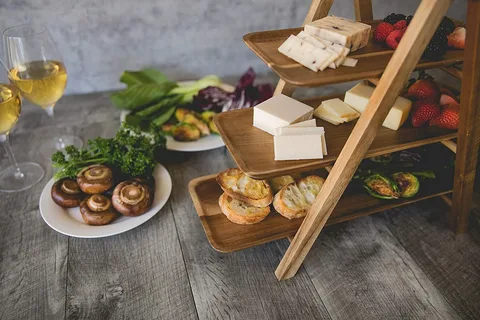
Custom Food Trays has the potential to revolutionize the way food is served and eaten, either in restaurants, at a catering event or even in a simple takeaway. Such trays are aimed to be useful and at the same time have a great look, which will make each serving experience even more professional and beautiful.
Combining Custom Paper Food Trays with the durable Paperboard Trays, business entities are able to strengthen brand identity and yet stay hygienic and convenient. Not only will investing in trays of high quality help guarantee a clean and orderly serving process, but it will also impress clients and customers by paying attention to detail. The right tray enhances all meal presentations in a smooth manner.
Benefits of Custom Trays
Tray food services not only offer a platform to serve. They also increase portion control, decrease food spillage, and facilitate easy handling. The restaurants and caterers are pleased to discover that customized trays help to enhance the appearance of meals as high-end and regular, which increases customer satisfaction.
Besides, they enable businesses to leave a print of the logos, tag line,s or other brand elements, ts hence the memorable dining experience. Paper Snack Trays or Disposable Paper Trays For Food are versatile,ile so they can be used in serving various cuisines, styles, and occasions, hence they cannot be left out in the food industry.

Materials Matter Most
The material used is important in terms of durability and presentation. Paperboard Trays are lightweight, r, and strong, and eco-friendly.
Here are the passive sentences from your text converted into active voice. I have also split the longer sentences and used transition words to ensure the content is punchy and easy to read.
Strategic Event Solutions
Custom paper food trays work excellently when organizers require temporary solutions for events. These trays provide great convenience and high quality for any gathering. Furthermore, when businesses purchase paper food trays wholesale, they tend to select materials that are both eco-friendly and affordable. This choice allows them to satisfy customer demands while managing costs effectively. Additionally, the material selection directly influences the printing quality during branding. Consequently, high-quality materials ensure your designs remain vivid and professional.
Customization Options Available
Manufacturers offer custom trays in various shapes, sizes, and finishes. Because of this variety, businesses can tailor-fit products to their specific requirements. For instance, vendors might choose compartmentalized trays to manage different meal portions. Alternatively, fast-food and snack outlets often prefer plain flat trays.
Designers can also incorporate logos, colors, or patterns to reflect a specific brand identity. Most providers offer these printing options to help businesses stand out. In Canada, custom boxes Toronto providers deliver solutions that remain compatible with local food delivery requirements. Finally, even slight details can improve the customer experience. Features such as edge finishes or grease-resistant coatings ensure the product looks and performs perfectly.
Key Benefits of Custom Paper Trays
| Feature | Active Benefit |
| Material Choice | Boosts print clarity and brand professionalism |
| Custom Shapes | Organizes different food portions efficiently |
| Grease-Resistance | Protects the customer from messy leaks |
| Bulk Wholesale | Reduces the overall cost per serving |
Customization flexibility will make sure your trays are as professional as your brand and yet as functional as you need them to be in your daily life.
Ideal for Catering Events
In the case of caterers, Custom Food Tray will help to offer large-scale services without any loss of style. Weddings, corporate lunches, and festivals are some of the events that require trays that are convenient, disposable, and classy. Food Disposable Paper Trays or Paper Snack Trays are easy to transport and clean, and less work and stress guarantee it.
They also provide a creative presentation platform, which enables the chefs to present dishes in a beautiful way. Trays have been beneficial to catering services because they preserve the integrity of portions, and thus every guest is served a uniform and attractive portion. Quality trays can be used effectively as well as a marketing resource.
Branding and Marketing Edge
Personalized trays offer a good marketing medium. The branding, promotional messages, or seasonal designs can be put on each Custom Paper Food Tray and leave lasting impressions on the customers. Even the disposable ones, such as Paper Food Trays Wholesale,e will help in the brand recognition in the process of takeaways or delivery.
Companies that invest in tray branding achieve increased recall rates, which increases loyalty and engagement of customers. In most cases, custom boxes Toronto services provide in-house design consultation so that visual aspects are in line with the overall marketing strategy. This utility and promotion combination will make custom trays a strategic business item.
Convenience and Hygiene
In food service, hygiene is of ultimate importance, and this is taken in Custom Food Tray solutions very smoothly. Disposable items, i.e., Paper Snack Trays, decrease cross-contamination, and cleaning is more convenient. The recyclable products also ensure that the responsibility of environmental conservation is not breached in the name of convenience.
Here are the passive sentences from your text converted into active voice. I have also split longer sentences and used transition words to increase the overall readability.
High-Traffic Serving Solutions
Street food stands and busy restaurants often deploy these trays in high-traffic areas. This is because staff can clean and service them safely and easily. Furthermore, these trays represent the most effective serving technique available. Manufacturers make these trays from paper, which ensures they are strong and absorbent. Additionally, these eco-friendly paper trays provide a hygienic solution without affecting the food’s presentation.
Cost Efficiency Benefits
Investing in paper food trays at wholesale prices offers the most effective financial strategy. Buying in bulk significantly lowers the unit price for businesses. Moreover, the disposable quality of these trays eliminates labor costs and washing charges. Consequently, companies save money because they do not need to invest in permanent trays or expensive dishwashing facilities.
In addition, customized trays reduce food waste because they help staff manage portion sizes. The affordability, durability, and high quality of custom food tray solutions appeal to both startups and large-scale operators. Ultimately, cost-effective trays offer great value while maintaining a professional service delivery.
Eco-Friendly Advantages
Most custom paper food trays and snack trays consist of recycled or biodegradable materials. Therefore, these products cause less harm to the environment. Modern customers actively seek out green practices and environmentally friendly products. Fortunately, businesses can meet this demand without compromising on the functionality or the look of their packaging.
Food companies that are using sustainable trays demonstrate corporate social responsibility and do not disappoint rising market demands. Green trays are in line with long-term strategies of reducing waste, branding, and customer confidence. The Custom boxes market solutions have now helped to blend practicality, style, and sustainability with ease.
Conclusion
Custom Food Trays is a valuable business solution for those who would like to improve presentation, convenience, and branding of foods. Coming in the Custom Paper Food Trays, Paperboard Trays,s as well as disposable, each tray has its own advantage for catering, retail, and delivery. They streamline service delivery, uphold hygiene and enhance customer experiences, and offer affordable and brand-friendly solutions.
Author


Sports Medicine Detroit: Expert Care for Athletic Injuries

Latest Calcium Carbonate Price Trend Analysis

Custom Fast Food Boxes: Wholesale, Sustainable & Branded

Treasure Orbit Dubai: Personal Care Focus, Logistics & Trends

Custom Food Trays: Stylish, Eco-Friendly Serving Solutions

TReDS Platform India: RXIL Onboarding, Process & Benefits

Japanese Second-Hand Car Dealer: UFS AUTO Review & Guide

Genuine Appliance Parts: Choose Safe, Durable Replacements

Denim Manufacturers in the USA: Best Mills, Makers & Tips

Snow Rider 3D: Gameplay Tips, Mechanics & Strategy Guide

Cybersecurity Consulting Company SequelNet Provides Critical IT Support Services to Medical Billing Firm, Medical Optimum

Team Communication Software Transforms Operations at Finance Innovate

Project Management Tool Transforms Long Island Business

How Alleviate Poverty Utilized IPPBX’s All-in-One Solution to Transform Lives in New York City

Breast Cancer: The Imperative Role of Mammograms in Screening and Early Detection

Unstoppable Collaboration: D.C.’s Citi Open and Silicon Valley Classic Unite to Propel Women’s Tennis to New Heights

Embracing Renewal: Sizdabedar Celebrations Unite Iranians in New York’s Eisenhower Park

The Benefits of Starting a Side Hustle for Financial Freedom

New Blood Donation Screening Questions What You Need to Know

Stylishly Timeless: The 5 Types of Sandals You Need in Your Closet
-

 Business3 years ago
Cybersecurity Consulting Company SequelNet Provides Critical IT Support Services to Medical Billing Firm, Medical Optimum
-
Business3 years ago
Team Communication Software Transforms Operations at Finance Innovate
-
Business3 years ago
Project Management Tool Transforms Long Island Business
-
Business3 years ago
How Alleviate Poverty Utilized IPPBX’s All-in-One Solution to Transform Lives in New York City
-
health3 years ago
Breast Cancer: The Imperative Role of Mammograms in Screening and Early Detection
-
Sports3 years ago
Unstoppable Collaboration: D.C.’s Citi Open and Silicon Valley Classic Unite to Propel Women’s Tennis to New Heights
-
Art /Entertainment3 years ago
Embracing Renewal: Sizdabedar Celebrations Unite Iranians in New York’s Eisenhower Park
-
Finance3 years ago
The Benefits of Starting a Side Hustle for Financial Freedom







