
health
Orthopedic Instrument Set: Game-Changer for Vet Surgeries

By

Reviewed
By Alora Brynlee
Introduction
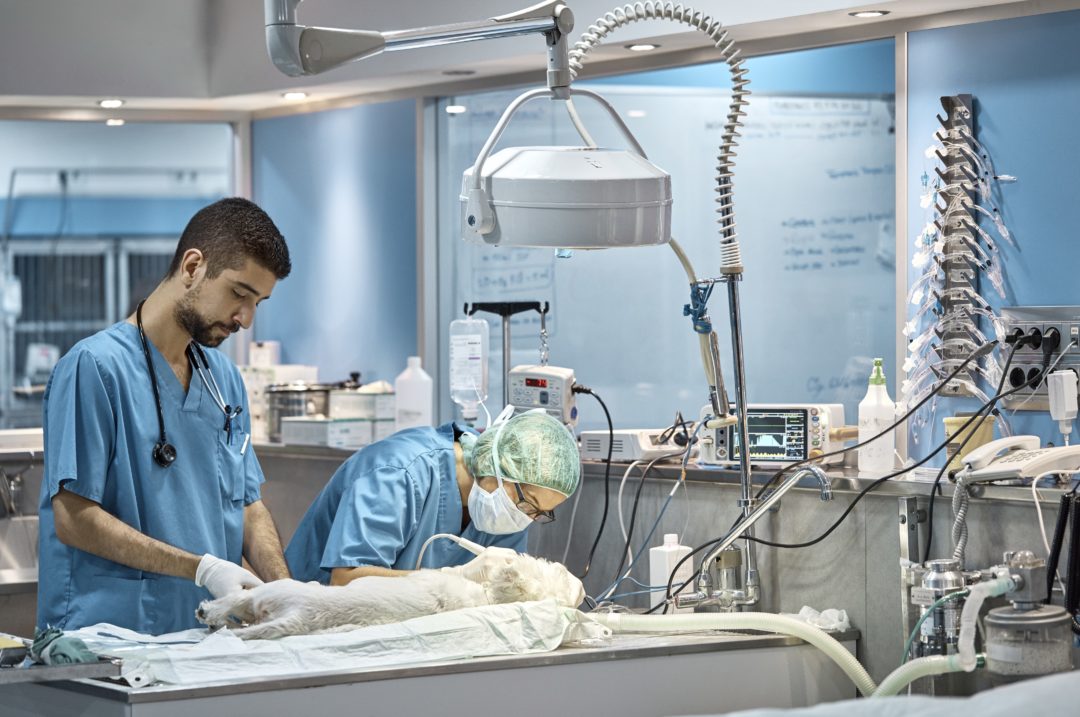
Veterinary surgery, especially orthopedic procedures, demands accuracy, dependability, and the proper tools to achieve successful results. When treating fractures, joint problems, or bone repairs in animals, the quality and variety of instruments used can have a direct impact on the outcome. One of the key advancements in veterinary surgery is the comprehensive orthopedic instrument sets. These sets have revolutionized veterinary practices by streamlining procedures, enhancing surgical results, and expanding the capabilities of the surgeon.
So, the question that arises is: What exactly is an Orthopedic General Instrument Set? The Orthopedic General Instrument Set is an essential collection of tools designed to tackle any orthopedic procedure, from basic fracture repairs to intricate joint surgeries. This set stands out due to its comprehensive nature and superior quality. With a wide range of specialized instruments, it enables veterinarians to perform highly precise surgeries with confidence. Let’s take a closer look at why this set is a game-changer for veterinary surgeries.
What Is an Orthopedic Instrument Set?
An orthopedic instrument set is a kit of surgical tools used specifically for bone and joint procedures. Unlike general surgery sets, these instruments are designed to handle hard tissues and delicate implants. Key features include:
-
High Strength: Made from stainless steel or titanium to withstand pressure.
-
Precision Tips: Fine edges and smooth finishes for accurate cutting and positioning.
-
Ergonomic Handles: Comfort for vets during long surgeries.
-
Corrosion Resistance: Durable against sterilization and body fluids.
These sets usually contain tools for cutting, holding, aligning, and fixing bones.
Essential Tools in the Set
A typical vet orthopedic tools package includes:

-
Bone Rongeurs: To trim and shape bone edges without splintering.
-
Periosteal Elevators: To separate soft tissue from bone surfaces gently.
-
Bone Curettes: For scraping out diseased or damaged bone tissue.
-
Bone Holding Forceps: To grip and stabilize bone fragments during alignment.
-
Oscillating Saws: Electric or manual saws for clean bone cuts.
-
Drill Guides and Bits: To create precise holes for screws or pins.
-
Screwdrivers and Tap Wrenches: For placing implants securely.
-
Bone Plates and Screws: Titanium or stainless steel implants to hold bones in place.
-
Bone Mallets and Chisels: For tapping implants or shaping bone.
-
Kirschner Wires (K-wires): Thin pins for temporary fixation.
Having all these tools in one kit ensures vets can handle a wide range of fractures and joint repairs.
Benefits for Veterinary Surgeries
1. Precision and Accuracy
Orthopedic tools are crafted for exact cuts and placements. Precision reduces tissue damage and speeds healing.
2. Reduced Surgery Time
With the right instrument at hand, vets can work faster. Shorter procedures mean less anesthesia time, lowering risks for the patient.
3. Better Outcomes
Accurate alignment and stable fixation result in stronger bone healing. Pets regain mobility sooner and with fewer complications.
4. Versatility
A complete set allows vets to treat many types of fractures—long bones, joints, even small animal spines—without borrowing or improvising.
5. Cost-Effectiveness
While the initial investment may seem high, reusable stainless-steel sets last years with proper care. Fewer complications also lower follow-up costs.
Top Orthopedic Instrument Set a Game-Changer for Veterinary Surgeries
1. Comprehensive Tool Collection
One of the key highlights of the Orthopedic General Instrument Set is the extensive variety of tools it includes. The set comes organized into three full trays of instruments, ensuring that the surgeon has everything needed for any orthopedic procedure. This comprehensive selection eliminates the need to search for additional tools during critical moments in surgery, reducing the risk of delays and errors.
The set features essential tools such as Kern Bone-holding Forceps, Bone Mallets, Bone Elevators, and Reduction Forceps, which are crucial for handling bones and soft tissues with precision. Additionally, instruments like the Hohmann Bone Elevator and Double-Ended Periosteal Elevator are vital for gently lifting bone and soft tissues without causing damage, ensuring proper healing post-surgery.
2. Precision in Every Step
Orthopedic surgeries, especially those involving fractures or joint reconstruction, require an unmatched level of precision. Having the right tools at the surgeon’s disposal can make all the difference between a successful outcome and complications during recovery. This set includes specialized instruments such as the K-wire Punch, K-wire Bender, and AO QC Screw Taps in multiple sizes, which help ensure that pins, wires, and screws are placed accurately in the bones.
4. Enhanced Efficiency and Workflow
Time is of the essence in surgery. The more efficient the surgical team is, the better the chances for a successful procedure and quicker recovery for the animal. Orthopedic instrument set is designed to optimize workflow by providing a well-organized and easily accessible toolset. The instruments are neatly organized across three full trays, allowing the surgical team to quickly find and use the correct tool without wasting precious time searching for equipment.
5. Durability and Quality Materials
The orthopedic set is made from high-grade medical steel, ensuring durability and longevity. Instruments like the K-wire Twister, Bone Chisel, and Bone Rasp are designed to withstand the demands of repeated use without compromising performance. Moreover, the tools are easy to sterilize, which is crucial for maintaining a sterile environment in the operating room and preventing infections. The high-quality steel ensures that these instruments remain sharp and functional even after many uses, providing long-term value for veterinary practices.
6. Improved Patient Outcomes
Ultimately, the goal of any surgical procedure is to achieve the best possible outcome for the patient. With the Orthopedic General Instrument Set, veterinarians have access to the tools they need to perform surgeries more effectively and accurately. The precision offered by these instruments helps reduce the risk of surgical errors, improve recovery times, and promote better healing. Furthermore, By using high-quality instruments, veterinarians can ensure that animals experience less trauma during surgery, leading to faster recoveries and less postoperative pain.
7. Cost-Effective Solution for Veterinary Clinics
Investing in a high-quality orthopedic instrument set may seem like a significant upfront expense, but when considering the long-term benefits, it proves to be a cost-effective solution. By having all the necessary instruments in one comprehensive set, veterinary clinics can reduce the need to purchase individual instruments separately, saving both time and money. Also, with durable, high-quality instruments, clinics are less likely to face costly repairs or replacements, ensuring that the set remains functional for years to come.
What to Look for When Buying an Orthopedic General Instrument Set?
When purchasing an Orthopedic General Instrument Set, several factors should guide your decision to ensure you get the best value and performance.
- First, ensure the set is complete and versatile, including all necessary tools for various procedures, from basic fractures to complex joint surgeries.
- Look for high-quality materials like medical-grade steel for durability and easy sterilization. The tools should also be precise and accurate, ensuring proper placement of pins, screws, and wires during surgery.
- Organization is key, so choose a set that is well-arranged, allowing quick access to each tool.
- Last but not least, don’t forget to consider the long-term value of the set. While high-quality sets may have a higher upfront cost, they reduce the need for replacements and repairs, providing a cost-effective solution in the long run.
Case Study: Faster Recovery in a Canine Fracture Repair
Dr. Kumar, a veterinary surgeon in Bangalore, treated a Labrador with a mid-shaft femur fracture. Using his new orthopedic instrument set, he:
-
Precisely exposed the fracture with periosteal elevators.
-
Trimmed small bone fragments with bone rongeurs.
-
Drilled aligned holes and placed a pre-contoured bone plate and screws.
-
Stabilized the site with K-wires.
Surgery time was 45 minutes—15 minutes less than with makeshift tools. The dog walked with support in 10 days and fully recovered in six weeks, showcasing the set’s impact on efficiency and healing.
Conclusion
In conclusion, the Orthopedic General Instrument Set is a transformative asset for veterinary surgeries. With its extensive selection of tools, precise craftsmanship, and versatile functions, this set enables veterinarians to confidently perform a wide range of orthopedic procedures. Whether dealing with a straightforward fracture repair or a complex joint reconstruction, the set enhances surgical outcomes, boosts efficiency, and offers long-term value.
Author



Starting a family is a dream shared by many couples. However, for some people, the journey toward parenthood may take longer than expected due to fertility challenges. Thankfully, modern medical science has created advanced solutions that help couples overcome these difficulties. When it comes to trusted fertility treatment, a Fertility Hospital in Chennai plays a crucial role in providing specialized care, emotional support, and advanced reproductive technologies.
Among the leading names offering fertility treatment, ARC International Fertility and Research Centre Private Limited has earned recognition for its commitment to helping couples achieve their dream of parenthood. With experienced specialists, modern facilities, and patient-focused care, the center has become a reliable destination for fertility treatments in Chennai.
Understanding the Need for Fertility Treatment
Infertility can affect both men and women. Medical professionals generally consider infertility when a couple has been trying to conceive for over a year without success. Various factors may contribute to this condition, including hormonal imbalances, lifestyle issues, genetic conditions, or reproductive health disorders.
In such situations, visiting a specialized Fertility Hospital in Chennai allows couples to receive a proper diagnosis and suitable treatment options. Fertility specialists conduct detailed evaluations to understand the underlying cause before recommending a personalized treatment plan. Early consultation often increases the chances of successful conception.

Why Chennai Is a Preferred Destination for Fertility Care
Chennai has become one of India’s prominent healthcare hubs, attracting patients from different parts of the country and even from abroad. The city is known for its experienced doctors, advanced medical infrastructure, and patient-friendly healthcare services.
A reputed Chennai IVF Hospital offers a wide range of assisted reproductive technologies such as In Vitro Fertilization (IVF), Intrauterine Insemination (IUI), Intracytoplasmic Sperm Injection (ICSI), egg freezing, and fertility preservation. These treatments provide hope for couples who may not be able to conceive naturally.
ARC International Fertility and Research Centre Private Limited stands out in this field by combining cutting-edge technology with compassionate care. The center focuses on offering customized treatments that address the specific medical needs of each patient.
Advanced IVF Treatment and Technology
IVF has become one of the most successful fertility treatments available today. In this process, eggs and sperm are combined in a laboratory to create embryos, which are then transferred into the uterus. This technique has helped millions of couples worldwide experience the joy of parenthood.
A well-equipped Chennai IVF Hospital uses advanced laboratory systems and strict quality standards to ensure high success rates. Skilled embryologists carefully monitor embryo development, while fertility specialists determine the best time for embryo transfer.
At ARC International Fertility and Research Centre Private Limited, the IVF process is supported by modern diagnostic tools and experienced medical professionals. Their approach focuses on both medical precision and emotional support, helping patients feel confident throughout their treatment journey.
Addressing Male Infertility with Expert Care
Many people believe infertility is primarily related to women, but in reality, male infertility contributes to nearly half of all fertility cases. Conditions such as low sperm count, poor sperm motility, hormonal problems, or lifestyle factors can affect male fertility.
Consulting a Male Infertility Doctor in Chennai is an important step for couples facing fertility challenges. These specialists perform detailed assessments, including semen analysis, hormone testing, and genetic screening, to identify the root cause of the problem.
The experts at ARC International Fertility and Research Centre Private Limited provide comprehensive care for male infertility. Treatment options may include medication, lifestyle modifications, surgical procedures, or advanced reproductive techniques like ICSI. By addressing male reproductive health effectively, the chances of successful conception can significantly improve.
Personalized Care and Patient Support
Fertility treatment can be emotionally challenging for many couples. Therefore, a good fertility center not only focuses on medical procedures but also provides counseling and emotional support. Compassionate care helps patients remain positive and confident throughout the process.
At ARC International Fertility and Research Centre Private Limited, patient care goes beyond medical treatment. The team understands the emotional aspects of infertility and works closely with couples to guide them at every stage of their journey. Clear communication, ethical practices, and personalized treatment plans are key elements of their approach.
Importance of Early Consultation
Many couples delay seeking medical help because of social stigma or lack of awareness. However, early consultation with a Fertility Hospital in Chennai can make a significant difference. Timely diagnosis allows doctors to identify issues sooner and recommend appropriate treatment options.
Similarly, consulting a qualified Male Infertility Doctor in Chennai helps address male reproductive health concerns early, which can increase the chances of natural conception or improve outcomes in assisted reproductive treatments.
A Step Toward Parenthood
The journey to parenthood may sometimes require medical assistance, but modern fertility treatments have made it possible for countless couples to achieve their dreams. Choosing the right Chennai IVF Hospital is an important decision that can influence the success of treatment.
With its experienced specialists, advanced technology, and patient-centered care, ARC International Fertility and Research Centre Private Limited continues to support couples in their path to building families. By combining scientific expertise with compassion, the center provides hope and effective solutions for individuals facing fertility challenges.
For couples looking for expert guidance, consulting a trusted Fertility Hospital in Chennai and an experienced Male Infertility Doctor in Chennai can be the first step toward welcoming a new life into their family.
Author



In the pursuit of total body optimization, many residents are moving beyond traditional oral supplementation to embrace more direct medical interventions. An IV Drip in Dubai provides a comprehensive approach to wellness by delivering a balanced spectrum of micronutrients directly into the bloodstream. This clinical method ensures that your cellular architecture receives the precise hydration and vitamins it needs to function at a high level, effectively bypassing the absorption barriers of the digestive tract that often limit the efficacy of standard vitamins.
What is an IV Drip in Dubai?
An IV Drip in Dubai serves as a therapeutic procedure where a licensed healthcare professional administers a customized liquid formula through a small, sterile tube into a vein. This delivery system ranks as the most efficient in modern medicine because it provides 100% bioavailability. While the body may absorb only a small fraction of a vitamin pill due to enzymes and stomach acid, intravenous therapy allows the full dose of nutrients—such as Vitamin C, B-Complex, and essential minerals—to enter the systemic circulation immediately.
In our clinical experience, we find this comprehensive approach ideal for those looking to address multiple health concerns simultaneously, such as fatigue, skin dullness, and low immunity. Because healthcare professionals manage the treatment, they can calibrate each “wellness cocktail” to the individual’s specific physiological needs. This method ensures your body’s nutritional baseline is not just met but optimized for the demands of a busy lifestyle.

How the Wellness Infusion Works Mechanically
The mechanical process of an IV Drip in Dubai is centered on the principle of direct vascular access. Once the infusion begins, the heart circulates the nutrient-rich solution throughout the body within sixty seconds. This rapid distribution allows the vitamins to reach the liver, brain, and muscles without delay. The isotonic nature of the solution also helps to expand the blood volume, which improves overall circulation and oxygen delivery to vital organs.
What patients typically report during recovery is a sense of “internal cooling” followed by a steady rise in physical energy and mental clarity. From a medical standpoint, this is the result of correcting subclinical dehydration and electrolyte imbalances. By providing the cells with the exact co-factors needed for metabolic reactions, the drip helps “unclog” biochemical pathways that may have been sluggish due to chronic nutrient depletion or environmental stress.
The Purpose of Holistic Wellness Infusions
The primary purpose of a comprehensive wellness drip is to provide a “safety net” for the body’s nutritional requirements. In a fast-paced environment, it can be challenging to maintain a perfect diet that accounts for all micro-deficiencies. The clinical goals of these holistic infusions include:
- Nutritional Saturation: Ensuring every cell has access to high concentrations of vitamins.
- Systemic Detoxification: Assisting the liver and kidneys in processing metabolic waste.
- Preventative Defense: Strengthening the body’s natural barriers before illness occurs.
Benefits of a Comprehensive IV Drip in Dubai
| Wellness Area | Clinical Benefit | Key Ingredients |
| Immune Strength | Enhances white blood cell activity | Zinc, Vitamin C |
| Metabolic Health | Supports efficient energy conversion | B-12, B-Complex |
| Cognitive Function | Reduces neuro-inflammation | Magnesium, Taurine |
| Physical Vitality | Improves muscle and nerve signaling | Calcium, Potassium |
Ideal Candidates for Multi-Nutrient Therapy
A comprehensive IV Drip in Dubai is designed for individuals who want a broad-spectrum boost to their overall health. You are an ideal candidate if you are:
- A Proactive Health Seeker: Someone who views wellness as a long-term investment rather than a quick fix.
- A Multi-Tasking Professional: Individuals managing high-stress careers who need a reliable way to stay sharp.
- A Resident in a Harsh Climate: Anyone dealing with the dehydrating effects of high heat and indoor air conditioning.
- Recovering from Burnout: Those who feel physically and mentally drained and need a structured nutritional “reset.”
The Clinical Procedure: What to Expect
- Holistic Consultation: A medical professional discusses your health goals and any symptoms you are experiencing.
- Sterile Preparation: The healthcare provider selects a suitable vein and cleans the area with a clinical antiseptic.
- Gentle Cannulation: A soft, flexible cannula is inserted, and the IV Drip in Dubai begins at a controlled flow rate.
- Relaxation Period: For the next 45 to 60 minutes, you can rest in a quiet environment while the nutrients enter your system.
- Post-Infusion Assessment: The cannula is removed, and the nurse ensures you feel energized and comfortable before leaving.
Target Zones and Physiological Impact
The beauty of a comprehensive drip is that it doesn’t just target one area; it supports the entire human “machine.” The nervous system is calmed by the magnesium, the circulatory system is supported by the fluid volume, and the integumentary system (skin, hair, and nails) benefits from the high-dose antioxidants. By addressing the body at such a fundamental level, the treatment provides a foundation for all other wellness efforts, from exercise to skincare.
Cost, Value, and Medical Integrity
When evaluating the value of a comprehensive IV Drip in Dubai, it is important to consider the medical framework behind the service. The value lies in the synergy of the ingredients and the expertise of the staff. A clinical setting ensures that the vitamins are stored correctly to maintain potency and that the infusion is performed using strict aseptic techniques. Investing in a medically-led drip means you are receiving a high-quality, professional treatment that adheres to the strict healthcare regulations of the UAE.
Safety Profile and Clinical Considerations
Safety is the highest priority in our clinical practice. Side effects from wellness drips are very rare and are typically limited to minor bruising or a slight “vitamin taste” during the infusion. Because the nutrients used are water-soluble, the body is able to naturally filter and excrete any excess it does not require. Our medical team screens every patient for underlying conditions to ensure the fluid volume and nutrient concentration are perfectly suited to their unique physiology.
Maintaining Your Comprehensive Wellness Results
To maintain the high level of vitality achieved through your IV Drip in Dubai, we recommend a consistent approach to health. This includes a balanced diet rich in whole foods and staying hydrated with quality mineral water. Many patients find that a regular session every 3 to 4 weeks helps them maintain a stable baseline of health, preventing the common “dips” in energy and immunity that can occur in a high-pressure environment.
Conclusion
A comprehensive approach to wellness is the most effective way to ensure you are operating at your full potential. Intravenous therapy provides a direct, efficient, and medically responsible path to achieving the nutritional balance your body craves. By choosing a professional-grade infusion, you are making a commitment to your long-term health and vitality. Learn if this treatment is right for your lifestyle by consulting with the expert medical team at Tajmeels Clinic.
Author


In the competitive world of clinical research, businesses must continuously adapt, innovate, and build strong connections to thrive. The advantages for companies attending SOS 2026 are significant, offering a platform to learn, network, and explore cutting-edge solutions that enhance operations and business growth. Save Our Sites (SOS) Conference 2026 brings together research sites, sponsors, CROs, and solution providers to address industry challenges, share knowledge, and highlight opportunities for collaboration.
For companies supporting clinical trials, attending SOS 2026 is more than just an educational experience—it’s a strategic investment in understanding the industry, identifying client needs, and staying ahead of emerging trends.
Understanding the Importance of SOS Conference 2026
Save Our Sites is a premier event focused on the sustainability and efficiency of clinical research sites. It brings together all stakeholders in the clinical trial ecosystem, including businesses that provide technology, services, or consulting support.
Key objectives for businesses attending SOS 2026 include:
- Gaining insights into site-level challenges and operational needs
- Networking with decision-makers and industry leaders
- Showcasing solutions that improve trial efficiency and patient engagement
- Learning about emerging technologies and regulatory trends
These opportunities make SOS a must-attend event for companies looking to enhance their service offerings and strengthen their market presence.

Networking With Key Industry Players
One of the most valuable benefits of SOS 2026 is the opportunity to build relationships across the clinical research landscape. Networking sessions, panel discussions, and informal gatherings create a space for businesses to connect with sponsors, CROs, and research sites.
Businesses can benefit by:
- Meeting site managers to understand their operational pain points
- Engaging with sponsors and CROs to explore partnership opportunities
- Collaborating with other solution providers for joint initiatives
- Exchanging insights and strategies with peers in the industry
Building these connections enables companies to identify client needs, tailor their offerings, and develop long-term partnerships.
Gaining Insight Into Site Challenges
Understanding the challenges that clinical research sites face is critical for businesses that want to provide impactful solutions. SOS 2026 includes sessions dedicated to operational efficiency, patient recruitment, retention, and regulatory compliance.
Key topics explored include:
- Strategies to streamline administrative workflows and reduce delays
- Solutions for improving patient engagement and trial participation
- Tools to ensure compliance with regulatory guidelines
- Approaches for decentralized or hybrid trial models
By learning directly from site managers and industry leaders, businesses can align their products and services with the real-world needs of clinical research sites.
Showcasing Innovative Solutions
SOS 2026 is also an opportunity for businesses to demonstrate their innovative solutions to a highly targeted audience. Companies can present technology, software, or service offerings that address common site challenges and improve trial outcomes.
Examples include:
- AI-driven platforms for patient recruitment and site management
- Cloud-based solutions for secure data storage and accessibility
- Digital tools for monitoring site performance and compliance
- Marketing solutions that enhance patient engagement and retention
Showcasing solutions at SOS 2026 positions businesses as thought leaders and trusted partners in the clinical research ecosystem.
Learning From Industry Experts
The conference features presentations and discussions led by experienced professionals from sites, sponsors, CROs, and technology providers. Businesses attending SOS 2026 gain insights that help them stay ahead in a rapidly evolving market.
Key takeaways include:
- Best practices for improving site efficiency and operational workflows
- Emerging trends in patient recruitment, engagement, and digital solutions
- Regulatory updates and compliance strategies
- Innovations in decentralized and hybrid clinical trials
These insights help businesses refine their offerings, adopt new technologies, and anticipate future client needs.
Exploring Emerging Technologies
Technology is transforming clinical research, and SOS 2026 provides a platform to explore the latest tools that improve efficiency, compliance, and patient experience.
Businesses can benefit by:
- Evaluating digital platforms for patient recruitment and engagement
- Understanding AI-driven analytics for site performance monitoring
- Exploring cloud-based solutions for secure and scalable operations
- Identifying tools for automated documentation and audit readiness
Exposure to emerging technologies allows businesses to integrate innovative solutions into their service portfolio, giving them a competitive edge.
Participating in Workshops and Interactive Sessions
Interactive workshops at SOS 2026 provide businesses with hands-on learning opportunities. These sessions allow companies to see technologies in action, understand site workflows, and receive feedback from end users.
Benefits include:
- Gaining practical insights into how solutions can be implemented effectively
- Understanding site-specific needs and operational challenges
- Testing new tools and technologies before full-scale deployment
- Gathering feedback to refine products or services
Hands-on participation ensures businesses can deliver solutions that are practical, relevant, and impactful.
Strengthening Partnerships and Collaboration
SOS 2026 fosters collaboration between businesses, sites, sponsors, and CROs. Strategic partnerships formed during the conference can lead to joint initiatives, pilot projects, and long-term contracts.
Opportunities include:
- Collaborating with sponsors and CROs to implement innovative solutions
- Working with sites to streamline operations and enhance patient engagement
- Sharing best practices and lessons learned across organizations
- Expanding reach and credibility through successful collaborations
Strong partnerships help businesses deliver more value, enhance client relationships, and drive growth in the clinical research sector.
Preparing for the Future of Clinical Research
SOS 2026 equips businesses with knowledge and insights to navigate the evolving landscape of clinical research. Trends discussed at the conference prepare companies for:
- The increasing adoption of decentralized and hybrid trial models
- The growing role of digital platforms in patient recruitment and site operations
- Data security and compliance challenges in an increasingly digital environment
- Opportunities to innovate and differentiate in a competitive market
By staying informed, businesses can develop strategies that align with industry trends and client expectations, ensuring long-term relevance and success.
Why Businesses Should Attend SOS 2026
Attending SOS 2026 provides tangible benefits that extend beyond education and networking. Companies leave the conference with:
- Knowledge of site challenges and operational needs
- Insights into emerging technologies and industry trends
- Strong professional networks and potential collaborations
- Opportunities to showcase innovative solutions and thought leadership
By participating, businesses can strengthen their position in the clinical research ecosystem, deliver solutions that drive impact, and support the success of sites, sponsors, and CROs.
Conclusion
The advantages for companies attending SOS 2026 are clear: from networking and learning to exploring emerging technologies and showcasing innovative solutions, the conference equips businesses with the tools, insights, and relationships needed to thrive.
By engaging with industry leaders and understanding the real-world challenges faced by clinical research sites, companies can enhance their offerings and build long-term partnerships. For businesses looking to elevate their impact and deliver meaningful solutions to the clinical research community, it’s time to partner with Your Digital Solutions Partner and leverage strategies that drive growth, efficiency, and success.
Author



Enhance Home with Professional Door Installation in Gloucester

Boost Golf Course’s Visibility with Effective SEO Strategies

Top 10 Stainless Steel Modular Kitchen Brands in India

Small Business : Advantage of Accounts Payable Outsourcing

Fillers in Dubai: Understanding Modern Aesthetic Injectables

SME Financing: A Key Driver for Small Business Growth in Ireland

Scaffolding Services: Support for Safe Construction Projects

Modern Streetwear: Raspberry Hills Clothing’s New Era in Fashion

Emergency Locksmith Services in Bognor Regis: Fast Solutions

Style with Authentic Palace Shirts: A 2026 Skatewear Guide

Cybersecurity Consulting Company SequelNet Provides Critical IT Support Services to Medical Billing Firm, Medical Optimum

Team Communication Software Transforms Operations at Finance Innovate

Project Management Tool Transforms Long Island Business

How Alleviate Poverty Utilized IPPBX’s All-in-One Solution to Transform Lives in New York City

Breast Cancer: The Imperative Role of Mammograms in Screening and Early Detection

Unstoppable Collaboration: D.C.’s Citi Open and Silicon Valley Classic Unite to Propel Women’s Tennis to New Heights

Embracing Renewal: Sizdabedar Celebrations Unite Iranians in New York’s Eisenhower Park

The Benefits of Starting a Side Hustle for Financial Freedom

New Blood Donation Screening Questions What You Need to Know

Stylishly Timeless: The 5 Types of Sandals You Need in Your Closet
-

 Business3 years ago
Cybersecurity Consulting Company SequelNet Provides Critical IT Support Services to Medical Billing Firm, Medical Optimum
-
Business3 years ago
Team Communication Software Transforms Operations at Finance Innovate
-
Business3 years ago
Project Management Tool Transforms Long Island Business
-
Business3 years ago
How Alleviate Poverty Utilized IPPBX’s All-in-One Solution to Transform Lives in New York City
-
health3 years ago
Breast Cancer: The Imperative Role of Mammograms in Screening and Early Detection
-
Sports3 years ago
Unstoppable Collaboration: D.C.’s Citi Open and Silicon Valley Classic Unite to Propel Women’s Tennis to New Heights
-
Art /Entertainment3 years ago
Embracing Renewal: Sizdabedar Celebrations Unite Iranians in New York’s Eisenhower Park
-
Finance3 years ago
The Benefits of Starting a Side Hustle for Financial Freedom







