
Real Estate
What’s Behind the Drop in European Commercial Real Estate Deals?

The European commercial real estate market has seen a significant decline in recent years, leaving investors and industry experts puzzled. With so many factors at play, it can be challenging to pinpoint the root cause of this drop. From economic crises to political upheavals, there are various contributing factors that have left the once-thriving market struggling to regain its footing. In this blog post, we’ll explore what’s behind the drop in European commercial real estate deals and examine how key events such as Brexit, U.
S. real estate trends, and the Eurozone crisis have impacted this critical sector of business. So buckle up and get ready for a deep dive into one of Europe’s most complex markets!
The Eurozone Crisis
The Eurozone crisis was a significant economic event that rocked the European Union’s stability between 2009 and 2012. It began with the Greek debt crisis, where Greece struggled to pay back its loans, resulting in a bailout from the EU and IMF. The crisis soon spread to other countries such as Italy, Portugal, Spain, and Ireland.
The impact of this event on commercial property deals in Europe cannot be underestimated. As investors grew increasingly wary of the economic instability within these countries, they became hesitant to invest their money into commercial real estate projects.
Moreover, many businesses were forced to downsize or close altogether due to financial difficulties caused by the crisis. This resulted in increased vacancy rates for commercial properties across Europe as fewer companies were looking for office space or store locations.

While it’s difficult to attribute all of the decline in European commercial real estate deals directly to the Eurozone crisis alone – there is no denying that this period had a significant impact on investor confidence and market stability across Europe.
Brexit
Brexit, the United Kingdom’s decision to leave the European Union, has had a significant impact on commercial real estate deals in Europe. Uncertainty about how Brexit will ultimately affect trade relationships and economic growth has made investors wary of entering into long-term agreements.
One of the main concerns for commercial property investors is whether or not access to EU markets will be affected by Brexit. Many companies rely on the free movement of goods and services across borders, and any disruption to this could have serious consequences for their operations.
Additionally, uncertainty around currency fluctuations and market volatility following Brexit has also led many investors to adopt a wait-and-see approach before committing to new investments. This lack of confidence in the stability of financial markets is likely contributing to the drop in commercial real estate transactions throughout Europe.
Despite these challenges, some industry experts remain optimistic about opportunities that may arise as a result of Brexit. For example, there may be an increase in demand for office space from businesses relocating from London to other major European cities like Frankfurt or Paris.
While it’s clear that Brexit is having an impact on commercial property deals in Europe, it remains unclear exactly what this impact will be over time.
The U.
S. Real Estate Market
The U.
S. real estate market has been experiencing a significant boom in the past few years, with commercial property deals increasing steadily year after year. According to data from Real Capital Analytics, the United States was the largest single country for commercial property sales in 2019, accounting for over $570 billion worth of transactions.
One factor driving this growth is the strength of the U.
S. economy, which has been performing well since its recovery from the Great Recession. The job market has been strong and unemployment rates have remained low, leading to increased consumer confidence and spending.
Another factor contributing to this growth is favorable interest rates set by the Federal Reserve. Low interest rates make it easier for investors to borrow money and finance their purchases, resulting in more transactions occurring within the real estate market.
The rise of technology giants such as Amazon and Google also plays a role in boosting demand for commercial properties across various sectors including retail centers and office spaces.
It seems that there are several factors at play behind the sustained growth of commercial real estate deals within America’s borders. While external events may impact some fluctuations within this trend going forward, experts generally remain optimistic about continued expansion in this area throughout 2021 and beyond.
Effects of the Eurozone Crisis on Commercial Property Deals in Europe
The Eurozone crisis has had a significant impact on the commercial property market in Europe. As the economies of several member countries have struggled to recover, investors have become increasingly cautious. This has led to a drop in both demand and supply for commercial real estate deals across the region.
The main effect of the Eurozone crisis on commercial property deals in Europe is that it has created an atmosphere of uncertainty. Investors are hesitant to commit funds due to concerns over future economic growth and stability. The ongoing political turmoil within some member states, as well as Brexit negotiations, only exacerbate this issue.
This uncertainty has also led to a shift towards safer assets such as government bonds instead of riskier investments like real estate. With yields lower than ever before, many investors may prefer guaranteed returns rather than taking chances with potentially volatile markets.
Another factor affecting commercial property transactions is reduced liquidity in European banks which previously offered funding options for these types of deals. This lack of access means fewer opportunities for developers and investors alike.
While there are still some strong pockets within certain markets, uncertainties surrounding economies throughout Europe coupled with changes such as Brexit make it difficult for analysts or potential buyers/sellers alike who want long-term security when investing or making decisions about their portfolio allocation strategies given current conditions today compared against past trends which had been more favorable towards European Real Estate Investment Trusts (REITs).
Conclusion
The drop in European commercial real estate deals can be attributed to a combination of factors. The Eurozone crisis has caused uncertainty and instability throughout the region, making investors wary of committing funds to property deals. Brexit has also had a significant impact on the market, with many businesses uncertain about their future in Europe.
Furthermore, the strong performance of the US real estate market has drawn attention away from Europe as an investment destination. However, this trend may shift as economic conditions change.
Despite these challenges, there are still opportunities for savvy investors in commercial properties across Europe. With careful analysis and strategic planning, it is possible to find value in this dynamic and ever-changing market.
As we look ahead towards a post-COVID-19 world with renewed optimism and confidence that economies will recover soon enough; it’s essential not only to focus on potential problems but also seek solutions that could help grow our investments further.
Author

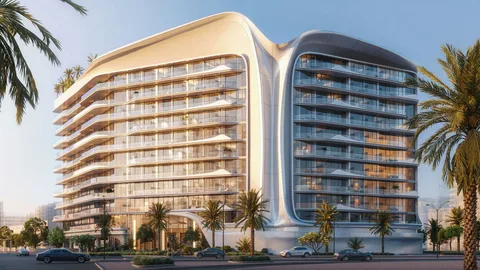
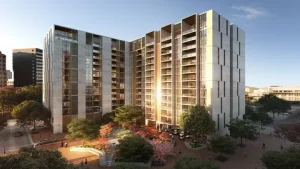
There is a particular kind of excitement that comes with being among the first to call a place home. No worn carpet, no ageing fittings, no history to inherit — just a clean, bright, purpose-built space that is entirely yours from day one. That feeling is exactly what buyers discover when they invest in brand new apartments in Clyde North, VIC, 3978. It is just one of many reasons why this southeastern Melbourne suburb has become one of Victoria’s most talked-about property destinations.
Getting to Know Clyde North, VIC, 3978
Situated within the City of Casey, Clyde North lies roughly 50 kilometers southeast of Melbourne’s central business district. It borders Cranbourne to the west and Clyde to the north, and it sits at the heart of one of the most significant growth corridors in metropolitan Victoria. The postcode 3978 has become shorthand for a particular kind of modern suburban living — master planned, well resourced, and built with community at its core.
Over the past several years, Clyde North has been shaped by a consistent wave of residential development that has transformed former farmland into connected, live able neighborhoods. Parks, wetlands, and green corridors have been woven through the streetscape alongside new schools, childcare centers, medical clinics, and local shopping destinations. For buyers eyeing new apartments in the area, the infrastructure is no longer aspirational — it is operational.
What Sets Brand New Apartments Apart
In a suburb experiencing the level of growth that Clyde North has. The quality gap between new and older stock can be considerable. Developers design and build brand new apartments in Clyde North to meet modern standards. Delivering real benefits for the people who live in them.
Beyond running costs, the design quality of new apartments in Clyde North reflects the expectations of today’s buyers. Generous open-plan living spaces that flow naturally to outdoor areas, stone or composite benchtops, integrated appliances, and master bedrooms with unsuited bathrooms are features buyers now consider standard rather than premium. Developments in this postcode have responded to that expectation, and the finishes on offer reflect a market that takes quality seriously.
For buyers purchasing off-the-plan, there is also the opportunity to personalize certain elements before construction is complete — a dimension of new apartment ownership that no resale property can replicate.
A Community Built for Modern Life
One of the most compelling arguments for buying in Clyde North is the nature of its community. This is a suburb with a young demographic profile — growing families, first-home buyers, and professionals. Who have chosen space and lifestyle over proximity to the city. That profile creates a particular kind of neighborhood energy. Active parks, well-attended community events, a genuine sense that people have invested not just financially but personally in the place they live.
Schooling is consistently cited as one of Clyde North’s strongest drawcards. The suburb is home to a growing number of well-regarded primary and secondary institutions, and the concentration of quality education options within a short drive makes it an easy choice for families. Who want their children to thrive without a long commute to school.
Retail and hospitality continue to develop in line with population growth. Local shopping centers, cafés, restaurants, and health and wellness facilities have expanded steadily. And the proximity of Clyde North to the established retail and dining precincts of Cranbourne and Berwick means residents are never far from a broader range of options.
Investing in Clyde North’s Future
For property investors, Clyde North represents a considered rather than speculative choice. The suburb’s rental market is supported by a steady stream of tenants — young families and professionals. Who want the lifestyle that Clyde North offers but are not yet ready to purchase. New apartments, with their low maintenance requirements and modern appeal, are consistently among the most sought-after rental properties in the area.
Victoria’s stamp duty concessions for eligible first-home buyers purchasing newly built properties can also significantly reduce the upfront cost of buying in this postcode. Making brand new apartments in Clyde North an even more accessible entry point into the market for those taking their first steps.
Start Your Search with New Squares
Finding the right new apartment in Clyde North is straightforward when you have access to the right platform. New Squares operates as an Australian property marketplace that exclusively showcases new and off-the-plan homes. Offering a curated selection of developments across Clyde North and the wider City of Casey.
With detailed listings, floor plan information, and developer backgrounds all in one place. New Squares takes the guesswork out of the search process. Whether you are buying to live or buying to let, the platform gives you everything. You need to make a confident, well-informed decision.
Explore brand new apartments in Clyde North, VIC, 3978 today at newsquares.com.au. And take the first step towards a home that is entirely, brilliantly new.
Author

Author
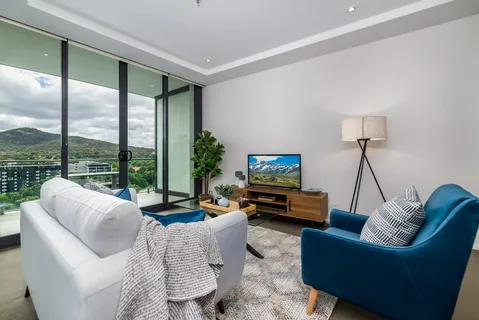
There’s a quiet confidence that comes with living in a suburb that has figured itself out. Carnegie, tucked neatly into Melbourne’s inner-south-east, is one of those places. It doesn’t shout. It doesn’t need to. With its leafy streets, buzzing café culture, and rock-solid transport links, Carnegie has steadily built a reputation as one of the most live able postcodes in the 3163 zone — and the wave of brand new apartments now arriving here is giving even more people the chance to experience it.
Whether you’re a first-time buyer, a downsizer ready for a low-maintenance lifestyle, or an investor with a sharp eye for long-term value, brand new apartments in Carnegie, VIC, 3163 deserve a serious look.
A Suburb That Delivers on Every Front
Carnegie’s appeal isn’t built on a single selling point — it’s the combination that makes it so compelling.
Sit on the Cranbourne or Pakenham lines and you’re looking at a roughly 15-minute journey into Melbourne’s CBD from Carnegie Station. For professionals who want to be close to the city without being in it, that commute is genuinely life-changing. Add trams running along Dandenong Road and you have the kind of connectivity that takes years off your daily travel grind.
Then there’s the lifestyle. Koornang Road is Carnegie’s social heart — a strip of independent cafés, restaurants, grocers, and specialty stores that has resisted the blandness of chain-store homogeny. On a Saturday morning, it hums. Locals know their barista by name. Weekend farmers’ markets, the Carnegie Library, and the lush expanse of Koornang Park round out a suburb that doesn’t ask residents to travel far for a full and enjoyable life.
Families are well catered for too, with a strong selection of primary and secondary schools within easy reach, including Malvern Central School, Carnegie Primary School, and numerous Catholic and independent options scattered through the surrounding suburbs.

What “Brand New” Actually Means in Carnegie
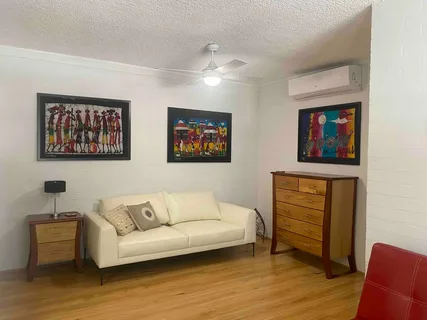
When people talk about brand new apartments in Carnegie, VIC, 3163, they’re talking about a genuine step-change in quality compared to older apartment stock. Modern builds here are responding to what buyers and renters actually want — not what developers could get away with a decade ago.
Expect open-plan living areas designed to maximize natural light, stone benchtops, integrated appliances, and ducted heating and cooling as standard rather than optional extras. Bathroom finishes that would have been considered luxury a few years ago now appear in many of Carnegie’s newest developments. Developers install floor-to-ceiling tiling, frameless shower screens, and freestanding baths in higher-end units as standard features.
Importantly, new builds also provide reassurance through structural warranties, energy ratings that lower utility bills, and full compliance with current building codes. Buyers who have experienced hidden maintenance costs in older apartments now value this peace of mind, and it saves them real money.
Many of the latest Carnegie developments also reflect the suburb’s community-focused character. Developers include rooftop terraces, communal gardens, secure bike storage, and EV charging infrastructure. These features show that they design buildings for how people live today, not for how apartment living worked twenty years ago.
The Investment Case Is Compelling
Carnegie’s fundamentals make it one of the more defensible places to invest in Melbourne’s inner-south-east corridor.
Rental demand in and around the 3163 postcode remains consistently strong. The suburb draws a diverse tenant pool — young professionals working in the CBD or Caulfield’s growing healthcare and education precinct, international students attending Monash University’s Caulfield Campus just one stop away, and downsizing locals who want to stay in the neighborhood they love but in a more manageable home.
Low vacancy rates are a product of that demand. Carnegie doesn’t suffer the oversupply concerns that have affected some inner-city postcodes, partly because large development sites are genuinely limited in an established suburb where much of the land is already built out. The apartment blocks going up here are typically boutique in scale — 20 to 80 dwellings rather than 300-unit towers — which preserves the neighborhood feel and keeps supply measured.
For long-term holders, Carnegie’s proximity to the broader Glen Waverley and Caulfield growth corridors, combined with its own ongoing café and retail evolution, suggests steady capital growth rather than the boom-and-bust volatility associated with speculative markets.
Who Is Carnegie For?
Honestly? A wide range of people find their fit here.
First-home buyers are discovering that a brand new apartment in Carnegie can deliver quality and location that would have been out of reach in neighboring Glen Huntly or Caulfield just a few years ago. The suburb offers a genuine entry point into Melbourne’s inner-south-east without the compromise.
Downsizers from Carnegie and its surrounds are choosing to stay local. Why uproot yourself from the coffee shop you’ve been going to for fifteen years, the walking routes you know by heart, the neighbors whose names you know? A brand new apartment in the same postcode offers a fresh chapter without a complete change of scene.
And for investors, the metrics — yield, vacancy, tenant quality, infrastructure — stack up in a way that requires less wishful thinking and more straightforward analysis.
The Right Time to Pay Attention
Carnegie has never been a secret, exactly — locals have known its value for years. But the arrival of genuinely high-quality new apartment stock is broadening its audience, bringing in buyers and investors who might once have defaulted to better-marketed suburbs without looking south.
Brand new apartments in Carnegie, VIC, 3163 represent something increasingly rare in Melbourne: a suburb that is already established and live able, with new stock that actually meets modern standards. That combination doesn’t stay overlooked for long.
If Carnegie isn’t already on your shortlist, it probably should be.
Author


Hidden HillsNL Clothing: Premium Streetwear for Modern Style

Ice Cream Machine for Sale: Commercial Soft Serve South Africa

Protect PDF Online Free: Secure PDF Files Easily

Roadrunner Authentication Error in Email Apps

Professional Watch Valuations in Bristol for Insurance & Resale

New Apartments in Clyde North: Investment Opportunities

Custom Shoe Boxes: Durable Packaging Solutions for Brands

Non-Infused Pre-Rolls vs Infused: Guide to Choosing the Right One

Library Management Software for Student Progress Tracking

Roofing Services Bristol: Roof Repairs, Installation & Maintenance

Cybersecurity Consulting Company SequelNet Provides Critical IT Support Services to Medical Billing Firm, Medical Optimum

Team Communication Software Transforms Operations at Finance Innovate

Project Management Tool Transforms Long Island Business

How Alleviate Poverty Utilized IPPBX’s All-in-One Solution to Transform Lives in New York City

Breast Cancer: The Imperative Role of Mammograms in Screening and Early Detection

Unstoppable Collaboration: D.C.’s Citi Open and Silicon Valley Classic Unite to Propel Women’s Tennis to New Heights

Embracing Renewal: Sizdabedar Celebrations Unite Iranians in New York’s Eisenhower Park

The Benefits of Starting a Side Hustle for Financial Freedom

New Blood Donation Screening Questions What You Need to Know

Stylishly Timeless: The 5 Types of Sandals You Need in Your Closet
-

 Business3 years ago
Cybersecurity Consulting Company SequelNet Provides Critical IT Support Services to Medical Billing Firm, Medical Optimum
-
Business3 years ago
Team Communication Software Transforms Operations at Finance Innovate
-
Business3 years ago
Project Management Tool Transforms Long Island Business
-
Business3 years ago
How Alleviate Poverty Utilized IPPBX’s All-in-One Solution to Transform Lives in New York City
-
health3 years ago
Breast Cancer: The Imperative Role of Mammograms in Screening and Early Detection
-
Sports3 years ago
Unstoppable Collaboration: D.C.’s Citi Open and Silicon Valley Classic Unite to Propel Women’s Tennis to New Heights
-
Art /Entertainment3 years ago
Embracing Renewal: Sizdabedar Celebrations Unite Iranians in New York’s Eisenhower Park
-
Finance3 years ago
The Benefits of Starting a Side Hustle for Financial Freedom







